

Book the Yamaha MT-09 SP. Pick your dates and book the Yamaha MT-09 SP online, or call us and we will sort it with you.
Book NowCall 0468 011 118Wakehurst Parkway looks like an easy run from the city. It winds through bushland on Sydney's northern beaches, drops past lagoons and gives glimpses of water through the trees, and it has enough bends to make a morning ride feel worthwhile. The same qualities create the hazards. Weekend cyclists share the lane, open ridges catch the wind and the shaded bends stay damp long after the rain has passed. This guide covers those hazards and the habits that keep the road calm and controlled.
New to riding with us? Our page on motorbike hire in Sydney covers the bikes, the rider rules and how pick-up works.
A parkway that looks gentler than it is
On a quiet weekday morning, Wakehurst Parkway can feel like a smooth, scenic road with few surprises. That impression is part of the danger. A rider who relaxes into the rhythm of the bends may find a cyclist riding at a steady pace round the next corner, or a car pulling out of a side road where the view was blocked by trees. The road rewards riders who stay alert, not those who coast.
Think of the parkway as a road with several different characters. Some sections are sheltered and shaded, others open out onto exposed ridges, and there are places where the lane narrows between kerbs and bushland. Each character asks for a slightly different approach. Changing your pace and your line as the road changes is the skill that makes this ride safe and enjoyable.
Check road conditions with Transport for NSW before you leave, especially if there has been recent rain, roadworks or a major event in the area. Temporary lane changes and barriers can appear with little notice, and a route that was clear last time may need a different approach today.
Weekend cyclists and shared lanes
Weekends bring a steady flow of cyclists onto the parkway, and many of them ride in groups that spread across the lane. Cyclists are entitled to the road, and riders on motorbikes need to treat them with the same care they would give any slow vehicle. Approach a group gradually, keep a clear gap and avoid squeezing past when there is any doubt about the space available.
Passing cyclists requires patience and a clear view ahead. Do not overtake on a bend, a crest or where the road narrows, and do not pass if an oncoming vehicle could appear before you have finished. Leave a generous gap to the side, particularly if a cyclist wobbles or moves out to avoid a stone or a crack in the surface. A cyclist who has to swerve can take the lane without warning.
On the way back, the cyclists you passed on the way out may be coming toward you on the bends. Watch for them at blind corners and on the sections where the road is most narrow. A calm, predictable line through the bends helps everyone, and it leaves you with more time to react if someone changes direction.
Crosswinds on the open ridges
The exposed sections of the parkway catch the wind coming off the water and the surrounding high ground. On a breezy day, gusts can push a bike sideways, particularly when a rider is leaning through a bend and the bike is already working hard to hold its line. Light machines are the most affected, but even a heavier bike can move unexpectedly in a strong gust.
The response to crosswind is to keep the bike steady and relaxed rather than fighting it. Grip the tank with your knees, look where you want to go and make small, gentle corrections. Avoid sudden movements of the bars and do not brake or change gear sharply in a gust. If the wind is strong enough to make you uneasy, slow down and give yourself more room from the edge of the lane.
Watch the trees along the road as well as the open ground. Gusts that come through the bush can change direction quickly, and a patch of calm air may be followed by a sudden push from the side. A rider who anticipates these changes and keeps a steady throttle will feel far more in control than one who responds only after the bike has moved.
Damp bends after rain
Shaded bends on the parkway stay damp for a long time after rain. The canopy keeps the sun off the tarmac, and moisture collects in the low spots and along the edges of the lane. A rider who has ridden the road in dry conditions may find the first bend after a shower surprisingly slippery, and the grip can change from one corner to the next.
Slow your entry into any damp bend, brake before the lean begins and keep your inputs smooth. Avoid braking while the bike is leaning, because a sudden change in load can upset the tyres. Pay attention to leaves, fallen bark and small patches of mud along the edges, which can make a corner far more slippery than it looks from a distance.
Painted lines and road markings are also more slippery when they are wet. Treat them as a surface that can lose grip quickly, and avoid crossing them at an angle or stopping on them. If the rain is heavy, consider waiting until the road has dried before you ride, or choose a different route entirely.
Tight corners and the camber of the road
Some of the parkway's bends are tighter than they look from a distance, and the camber can change partway through. A corner that falls away on the outside may feel comfortable on the way in and then push the bike wide on the way out. Read the corner as far ahead as you can, and set up your line on your own side of the road so there is room to correct if the bend tightens.
Keep your speed under control as you enter a tight bend, and look through the corner rather than at the edge of the lane. A rider who looks at the kerb or the gutter tends to steer toward it, while a rider who looks through the bend naturally follows the line they want. Smooth throttle through the middle of the bend will keep the bike settled.
If the road shape is unfamiliar, go through the corner slowly the first time and build up your pace on subsequent passes only when you are confident. Riding within your ability on this road means leaving room for surprises, whether they come from a cyclist, a car, a patch of damp or a bend that has changed since you last rode it.
Stopping at lookouts and car parks
The parkway has pull-offs and car parks where riders often stop to look at the water or to take a break. These spots can be busy at weekends, and they bring their own risks. Vehicles may reverse without warning, people may step out between parked cars and cyclists may arrive at speed. Enter slowly, scan the area and choose a place where the bike is clear of traffic.
Park on firm, level ground and make sure the bike is stable before you dismount. Keep your helmet and gloves on while you walk around, and avoid standing in the path of cars that are manoeuvring. Do not stop on the edge of the road or on a verge where the surface is uneven or soft, because a bike that falls over can be a serious hazard to other road users.
When you leave a stop, check your mirrors and look over your shoulder before pulling out. Cyclists may be approaching from behind, and a car may be leaving a space at the same time. A slow, deliberate exit from a car park is always safer than a rushed one, and it gives everyone around you time to see what you are doing.
Want the Yamaha MT-09 SP for your date? Pick your dates and book the Yamaha MT-09 SP online, or call us and we will sort it with you.
Book NowCall 0468 011 118Cold mornings, heat and fatigue
Early mornings on the parkway can be cool, particularly in the shaded sections and near the water where the air is damp. Cold hands and a stiff back make it harder to ride smoothly, so dress in layers and warm up gently before the bends. A clear, cool morning is pleasant, but the first few kilometres should be ridden with care until the bike and your body have settled.
Warm afternoons bring a different set of challenges. Heat and sun can make a rider drowsy and reduce concentration, and the crowds of weekend visitors make the road busier. Plan your ride for the cooler part of the day and carry water. Taking a short break every hour helps you stay alert, and it gives you a chance to check the bike and your gear.
Fatigue is a quiet risk on any ride. A rider who has been concentrating on cyclists and bends for an hour may find the next section harder to read. If you feel tired, stop somewhere safe and rest. Alcohol has no place on a riding day, and a drink after the ride should wait until the bike is back in the garage.
Best time of day, season and where to refuel
Early weekday mornings are the quietest time on the parkway. Traffic is light, the cyclists are fewer and the bends can be ridden with a steady, relaxed rhythm. Starting after 6am and leaving the city before the peak traffic gives you a calm run through the bushland, and it fits well with a short ride before the working day begins.
Weekend mornings are busier, with cyclists, families and sightseers sharing the road from the first hours of the day. If you ride on a weekend, go early and be prepared for a lively road, or choose a weekday when the parkway is calmer. Spring and autumn are the most comfortable seasons, while winter mornings can be cold and damp in the shaded sections and summer afternoons are hot.
Refuel before you start the ride, so you do not need to stop mid-route for fuel. Check the distance to the nearest station and the range of your bike, and make sure you have enough margin for the return trip. Eat a light breakfast before you ride, and keep water with you. A good cup of coffee after the ride is a reward, and it is best enjoyed once the bike is parked and the gear is off.

Three rules for a careful day on the bike
Riders need a full motorcycle licence that they have held for at least 3 years, and must be 25 or over to take any of our bikes out. Helmets (Shark, AGV or Bell) can be hired from us in small, medium or large for $50 per hire, or you can bring your own. We do not supply jackets, gloves, pants or boots, so bring your own riding gear. Going 30 km/h or more above the posted limit brings the hire to an end, and the bond is forfeited as a result.
The Yamaha MT-09 SP for a controlled urban-edge ride
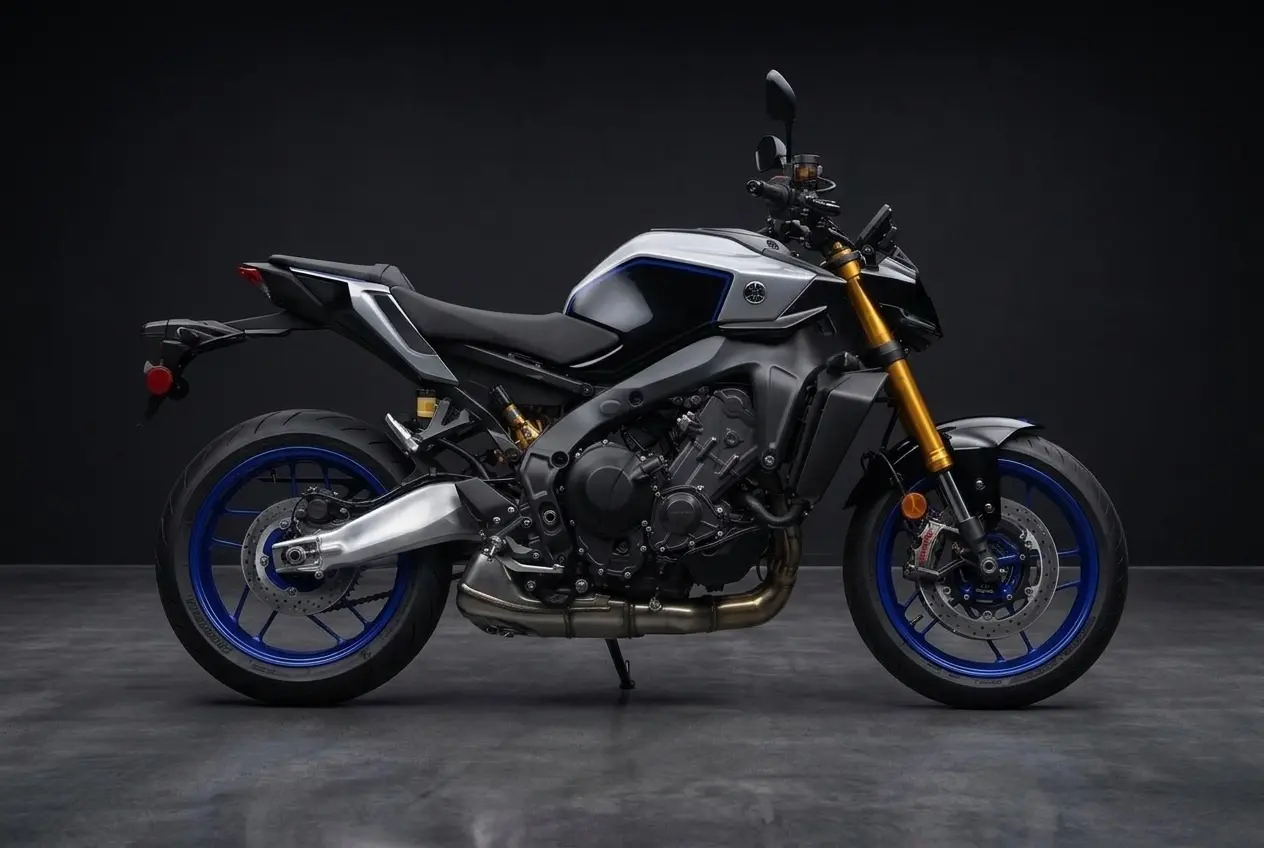
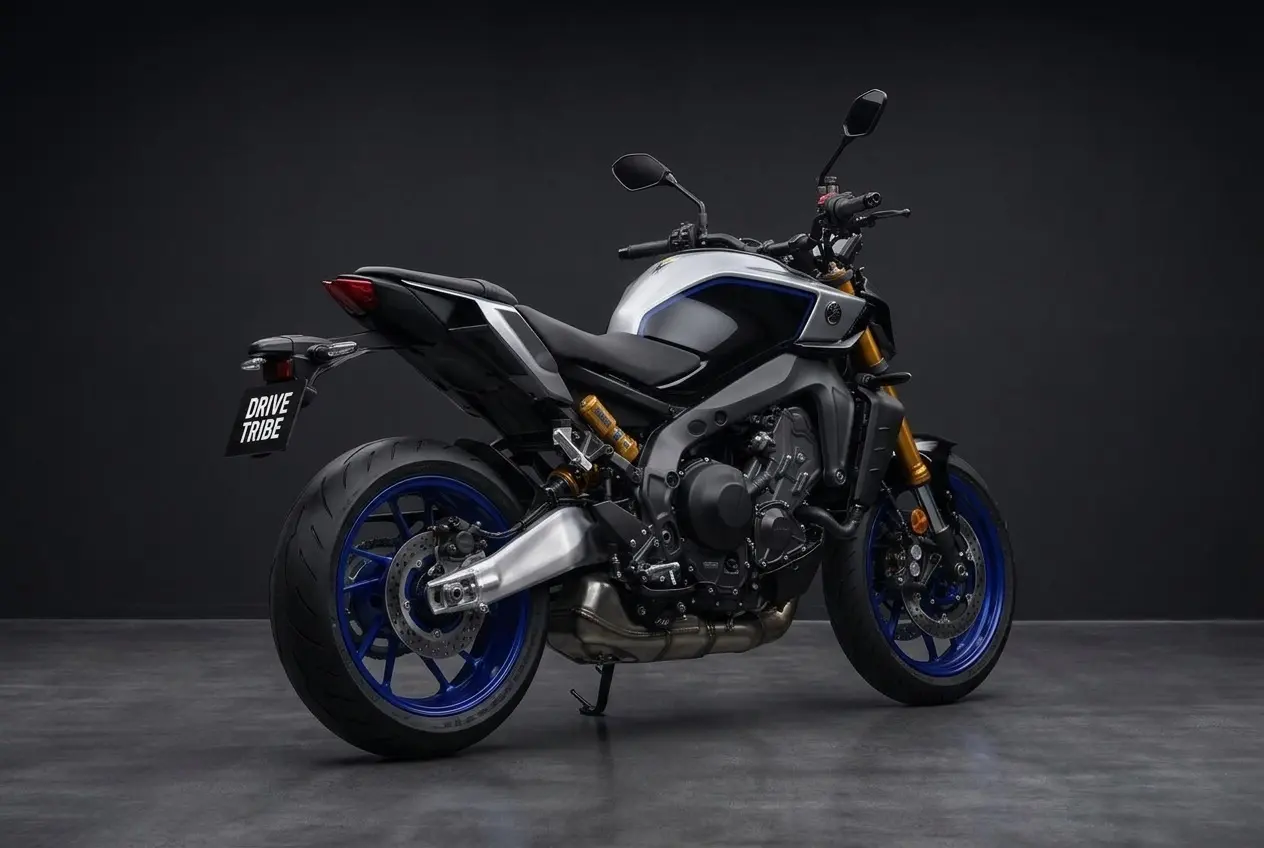
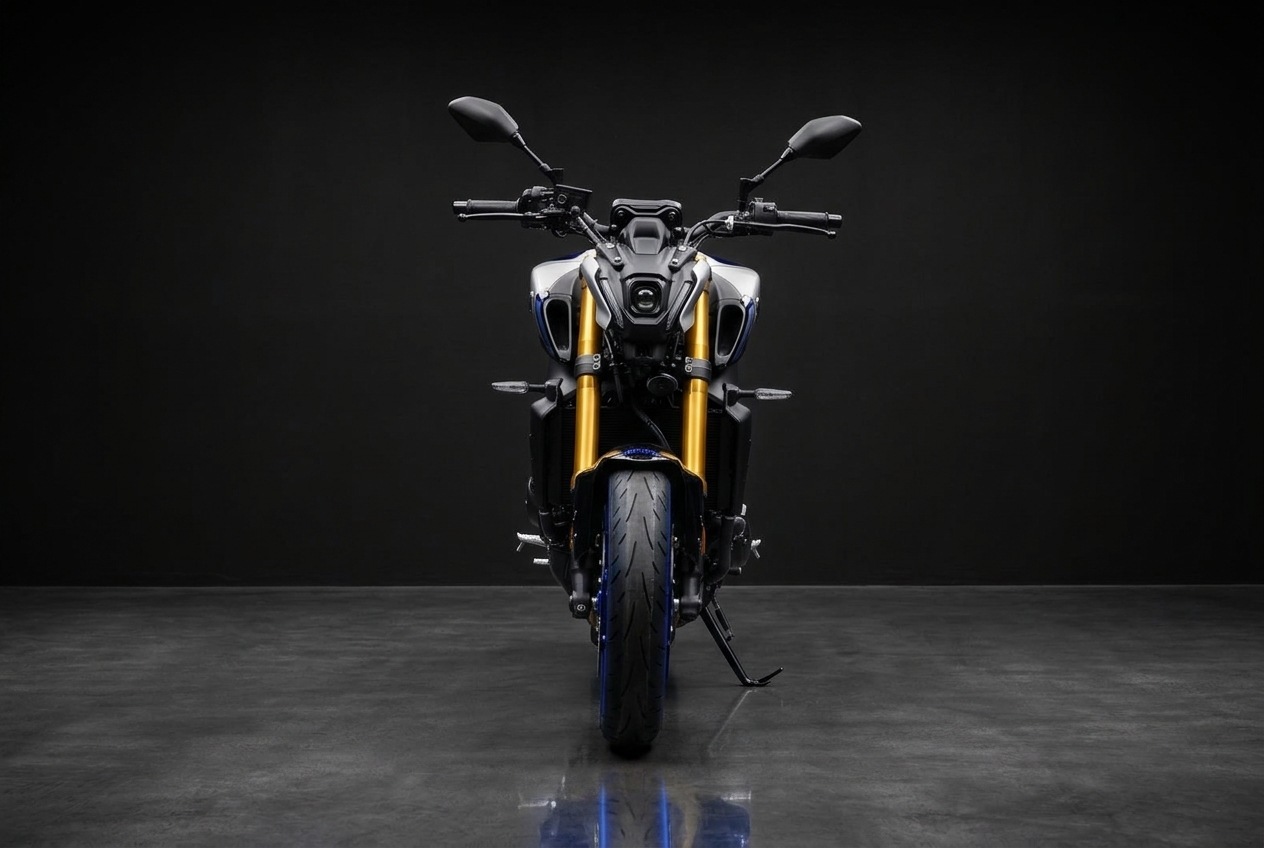
The Yamaha MT-09 SP is a sensible choice for a ride on a road like the parkway, where the bends are frequent, the surface can change and the traffic includes cyclists and cars. Its inline three performance naked engine gives plenty of usable power without requiring aggressive throttle work, and its premium adjustable suspension lets you set the bike to suit the surface and the pace.
The strong brakes are a real asset when a cyclist ahead wobbles or a car pulls out unexpectedly. Use them early, in a straight line where possible, and keep the bike settled through the bends. The gold front forks and the stable, neutral feel make it easy to keep a smooth line through the corners, and that calm handling is exactly what this road rewards.
When you are ready to ride, check the weather, the road conditions and your gear, and plan your route with enough time to enjoy the bush without rushing. The Yamaha MT-09 SP is available to reserve through our fleet page, and we are happy to talk through the route with you before you set out. We look forward to hearing about your ride on the parkway.

Frequently asked questions
Is Wakehurst Parkway a good road for a first ride on a big bike?
It can be a good road for an experienced rider who wants to build skill on bends, but it is busy with cyclists and changes surface and character along its length. A rider new to larger bikes should first practise on quieter roads. Once you are comfortable reading a bend, watching for cyclists and riding smoothly in gusts, the parkway becomes a rewarding ride.
How should I pass cyclists on the parkway?
Be patient and wait for a clear gap. Do not overtake on bends, crests or narrow sections, and do not pass if oncoming traffic might appear before you are clear. Leave a generous gap to the side, since a cyclist may swerve to avoid a stone or a crack. Slow down and stay behind until the road ahead is clearly open.
What should I do if a gust hits me on an open ridge?
Keep the bike steady and avoid fighting it with sudden movements. Grip the tank with your knees, look where you want to go and make small corrections. Do not brake or change gear sharply during the gust. If the wind is strong enough to make you uneasy, slow down and move further from the edge of the lane until it eases.
Why are the shaded bends so slippery after rain?
The canopy keeps the sun off the tarmac, so moisture and fallen leaves stay on the surface for longer than they do in open sections. Painted lines and mud at the edge of the lane are also slippery when wet. Slow your entry, keep your inputs smooth and avoid braking while the bike is leaning. If the rain is heavy, wait for the road to dry before you ride.
Are the lookouts and car parks safe places to stop?
They can be, provided you enter slowly, park on firm, level ground and keep clear of reversing vehicles and people walking between cars. Keep your helmet and gloves on while you walk around, and avoid stopping on the edge of the road or a soft verge. When you leave, check your mirrors and look over your shoulder for cyclists approaching from behind.
What is the best way to avoid fatigue on a long morning ride?
Take a short break about every hour, drink water before you feel thirsty and eat a light breakfast before you start. Stop somewhere safe if you feel drowsy, and do not push on in the hope that it will pass. Alcohol has no place on a riding day. A rider who is alert and relaxed will read the bends and the cyclists far more reliably than one who is tired.
Ready when you are. Pick your dates and book the Yamaha MT-09 SP online, or call us and we will sort it with you.
Book NowCall 0468 011 118