

Book the MV Agusta F4. Pick your dates and book the MV Agusta F4 online, or call us and we will sort it with you.
Book NowCall 0468 011 118Motorcycling is full of advice passed from rider to rider, and some of it is excellent while much of it is simply wrong. A mate at the pub says the front brake will throw you off, a forum post insists engine braking is enough, and a magazine claims that real riders never need to brake in a corner. Sorting the useful habits from the folklore takes time. This guide tackles several of the most common myths and explains what is actually true on the road, with notes on the MV Agusta F4 we hire out.
New to riding with us? Our page on motorbike hire in Sydney covers the bikes, the rider rules and how pick-up works.
Myth one: the front brake will throw you off
Perhaps the most persistent myth is that the front brake is too dangerous for ordinary riders to use. The reality is that the front brake does most of the work in a controlled stop. A bike's weight shifts forward under braking, which loads the front tyre and gives it more grip. The danger comes from grabbing the lever too hard on a loose or cold surface, not from the brake itself.
Riders who fear the front brake often end up relying on the rear alone, which produces long stopping distances and an unsettled bike. Learning to squeeze the front lever progressively is a skill, and it is one of the first things a good instructor will teach you. Practise on an open, quiet road until a gentle squeeze feels natural.
The lesson is to respect the brake rather than fear it. Use the front brake firmly but smoothly, keep the bike upright and stay off the lever completely in a corner unless you are deliberately slowing. A progressive application is the difference between a tidy stop and a skid.
Myth two: engine braking is enough on its own
Engine braking is useful, and it should be part of every descent. Rolling off the throttle slows the bike and keeps the speed under control without any input at the lever. However, engine braking alone is not enough for a proper stop. It cannot match the controlled deceleration that brakes provide, and it can unsettle the bike if you change gear abruptly while leaning.
Riders who rely only on engine braking often find themselves surprised by a stationary car at a junction or a pedestrian stepping from a kerb. Engine braking should be the first layer of speed control, with the brakes ready to take over when a situation demands a firm response. Using both together is the approach that gives you the most options.
On a long hill, use a gear that keeps the engine working in a comfortable range and avoid coasting in neutral. Light use of the brakes can then take the remaining speed away smoothly. The aim is calm, controlled deceleration that never catches you out.

Myth three: you steer a bike by pushing the bars
Many new riders believe a bike turns simply because the handlebars are turned, like a bicycle. In practice, the handlebars do play a role, but the main change in direction comes from leaning the motorcycle. A bike leans into a bend, and the tyres grip the road at the angle the lean creates. Your body position and your inputs at the bars both help set that angle.
This matters because a rider who tries to force a bike round a bend by pushing or pulling the bars can unsettle it. A relaxed grip, a calm head and a clear line through the corner do far more than muscle. Look where you want to go, and the bike will follow the path your body and eyes have chosen.
On the MV Agusta F4, a light, relaxed hold on the bars helps the bike settle into a corner. Riders who are tense often feel that the front end is twitchy, and the cause is usually the grip rather than the machine. Relax your arms and let the bike do its work.
Myth four: a more powerful bike makes you a better rider
It is tempting to think that a bigger, faster machine will improve your riding. In fact, more power usually demands more skill, not less. A bike with a large engine and a performance exhaust, such as the MV Agusta F4 with its 998cc inline four, rewards precise inputs and punishes rushed ones. The bike does not make you a better rider. It simply shows you what you have learned, and where you have not yet learned enough.
Good riders improve by practising smooth, consistent inputs on roads they know well. They build the habit of reading the road, scanning for hazards and choosing a safe pace. That foundation carries over to any bike, and it matters far more than the size of the engine.
If you want to step up to a more powerful machine, do it gradually. Assess honestly how you handle your current bike, and choose a new one only when your braking, cornering and judgement are consistently sound.
Myth five: good riders never need to brake in a corner
Some riders believe that a skilled rider should carry all their speed into a bend and never touch the brakes once leaning. In reality, light braking before a corner is a standard technique. It settles the bike, loads the front tyre and sets the line before the lean begins. The idea that braking in a corner is always a mistake overlooks the difference between a sudden grab and a gentle adjustment.
The mistake is braking too hard or too late, not braking at all. A rider who arrives too fast and then tries to slow mid-bend risks running wide or unsettling the chassis. A rider who finishes most of the braking before leaning can carry a smooth, confident line through the corner.
Practise braking in a straight line first, then add light pressure as you approach gentle bends. Keep the lever steady or release it gradually as the lean increases, and you will discover how much calmer the bike feels when you manage the speed well.
Want the MV Agusta F4 for your date? Pick your dates and book the MV Agusta F4 online, or call us and we will sort it with you.
Book NowCall 0468 011 118Myth six: protective gear is only for beginners
Some experienced riders still ride in shorts and a T-shirt on a warm afternoon, believing that gear is a crutch for those who have not yet learned to ride well. The truth is that even the best riders can be caught by gravel, a sudden animal or a car that pulls out without warning. Protective gear is designed for the moments when skill is not enough.
A good helmet that fits properly, gloves that let you work the controls, a jacket and trousers that cover your skin, and boots with firm ankle support all contribute to safety. Choose gear that suits the weather as well, with warmer layers for cold mornings and breathable options for summer heat. Check every item before you leave.
Gear is also about comfort and concentration. A cold, sweaty or sore rider is far less focused, and that distraction can be as dangerous as any road hazard. Dress for the whole ride, not just the first few kilometres.
Best time of day and season to test these ideas
The best place to test these ideas is on quiet, familiar roads, and the best time is usually mid-morning or early afternoon. The light is good, the surface has dried, and the traffic is often lighter than at peak times. Autumn and spring offer the most comfortable temperatures for practice, while summer heat and winter frost both demand extra care.
Plan your fuel and food stops before you set out. Fill up at a station with plenty of time to spare, especially on country routes where services are spread far apart. A café or bakery with space to park a motorcycle makes a good place to rest, check your gear and reflect on what you have practised. Avoid stopping on the bend or on a narrow shoulder.
Road character will shape your practice. Quiet country lanes give you room to test braking and cornering, while busy arterial roads demand constant observation. Weekend crowds can make certain routes busier and more stressful, so consider a weekday session if you want calm, focused practice. Check road conditions with Transport for NSW before you leave.
Myth seven: a short ride after a drink is fine
A widespread belief is that one or two drinks will not affect a short ride. Alcohol slows reaction times, reduces judgement and makes it harder to read a changing road. Even a small amount can make the difference between a controlled response and a late, panicked one. There is no safe level of alcohol to combine with riding, so the answer is always to leave the bike parked until you are sober.
Fatigue works in a similar way. A tired rider misreads distances, takes longer to react and is more likely to brake too hard. Stop every hour or so, stretch, drink water and rest whenever you feel your concentration drifting. A short break often does more for your safety than any amount of determination.
Riding within your ability is the best habit of all. Know the limits of your skills, accept that the road will still be there after a rest, and let good decisions guide your pace.
Putting the myths aside on an MV Agusta F4 hire
To hire the MV Agusta F4, a rider needs a full motorcycle licence that has been held for at least three years, and must be 25 or over. Hires are self-drive from our Parramatta base with a minimum of three days. Our optional damage cover, offered on cars, is not available on bikes, and a security bond is held according to the class of bike. Injury cover beyond compulsory third-party insurance is something you arrange yourself if you want it.
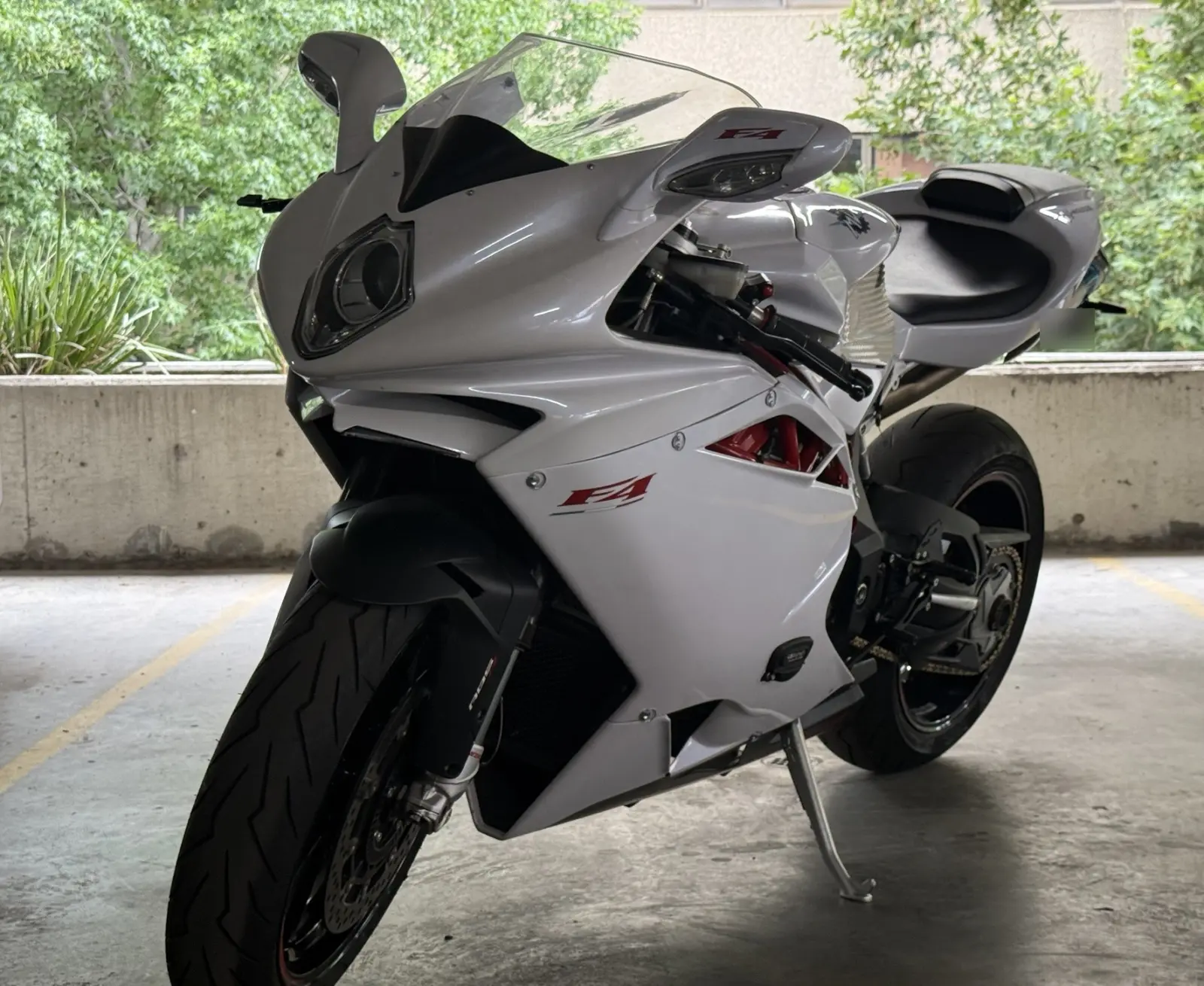
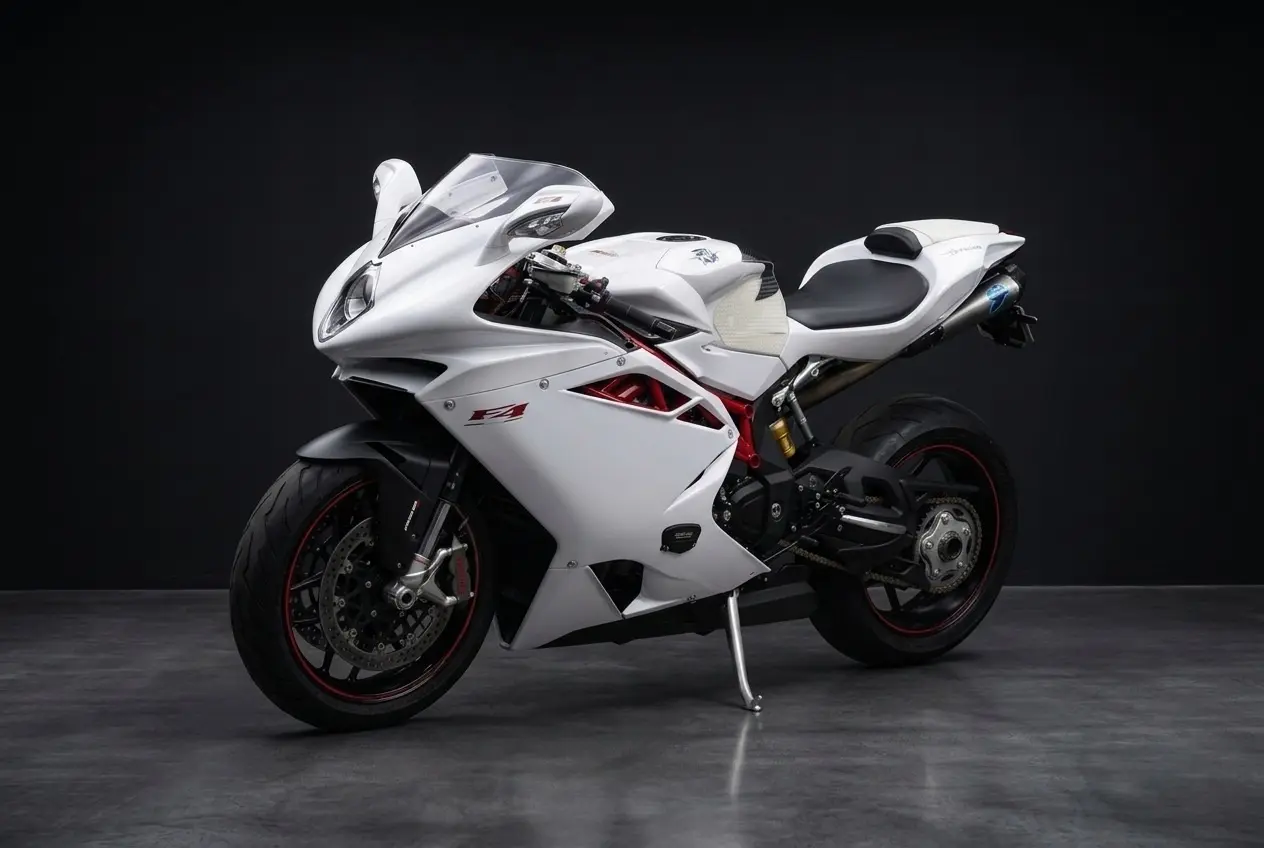
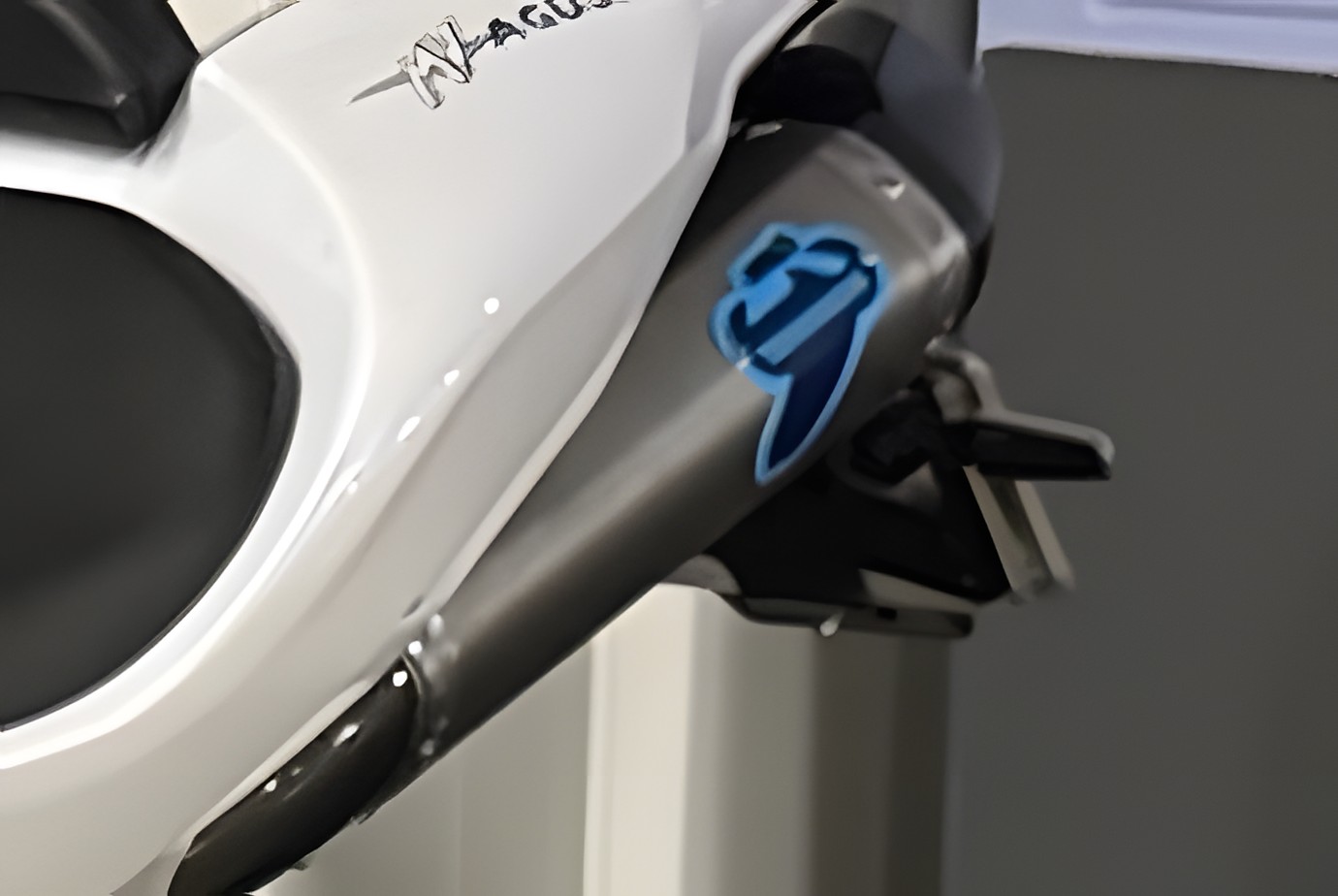
The F4 is a striking machine in pearl white with a red trellis frame and a performance exhaust, and it rewards riders who have shed the myths and built sound habits. Its 143 kW output is best enjoyed by a rider who brakes smoothly, corners with a calm line and keeps the throttle steady through the bend. It is a bike that teaches you a lot when you ride it with an open mind.
When you are ready, book the MV Agusta F4 through its fleet page and plan a route that puts your new understanding into practice. Ride within your ability, enjoy the road and come back with a clearer picture of what really works. We look forward to seeing you back in Parramatta.
Frequently asked questions
Is the front brake really dangerous to use?
No. The front brake does most of the stopping work on a motorcycle, because weight shifts forward under braking and loads the front tyre. The danger comes from grabbing the lever too hard, particularly on loose or cold surfaces. Learn to squeeze the lever progressively on an open road, and you will find it gives you control rather than trouble.
Can engine braking replace the brakes?
Engine braking is a useful first layer of speed control, especially on descents, but it cannot replace the brakes. It cannot provide the firm, controlled deceleration needed for a sudden hazard, and changing gear abruptly while leaning can unsettle the bike. Use engine braking alongside the brakes, so that you have both options ready when you need them.
Do I need to lean the bike or steer it with the bars?
Both play a part, but the bike mainly changes direction because it leans. Your body position, your gaze and a relaxed grip on the bars all help set the lean. Forcing the bars around a bend can unsettle the chassis, so keep your hold light and focus on the line you want to take through the corner.
Is it ever sensible to brake in a corner?
Light braking before a corner is a standard technique, and it helps settle the bike before the lean begins. The mistake is braking too hard or too late, which can cause the bike to run wide. Finish most of the slowing in a straight line, then keep the lever steady or release it gently as you lean into the bend.
Are gloves and a jacket still needed on a warm day?
Yes, though the choice of gear should suit the weather. Warm days call for breathable options, but skin still needs protection from gravel, road debris and an unexpected fall. Gloves help you keep a steady grip, and a jacket with proper protection makes a real difference if something goes wrong. Check your gear before every ride, whatever the temperature.
What should I do if I feel unwell or sleepy on a ride?
Stop as soon as it is safe and rest away from the traffic. Drink water, stretch your arms and legs and wait until you feel fully alert before riding again. Do not try to push on to the next town. A short break is far better than a long ride spent fighting fatigue, and it allows you to return to the road with a clear head.
Ready when you are. Pick your dates and book the MV Agusta F4 online, or call us and we will sort it with you.
Book NowCall 0468 011 118