

Book the MV Agusta F4. Pick your dates and book the MV Agusta F4 online, or call us and we will sort it with you.
Book NowCall 0468 011 118Nobody sets out to ride dehydrated, but a hot afternoon on the Bells Line of Road can drain a rider faster than they notice. Concentration slips, corners feel a touch less precise and a headache can creep in long before thirst does. Drinking well on a long hire day is less about gulping water at a fuel stop and more about a steady rhythm from the first coffee to the last corner. This guide explains when to drink, how much makes sense and how to keep your head clear.
New to riding with us? Our page on motorbike hire in Sydney covers the bikes, the rider rules and how pick-up works.
Why heat hits riders harder than drivers
A car keeps the sun off and moves air through a sealed cabin. A motorbike is different. The rider sits in full airflow, heat from the engine rises past the legs, and the body works harder to stay cool while it is also holding a line through a bend. Sweat evaporates quickly at highway speed, so it is easy to feel fine while losing more fluid than you realise. That is the trap on a long hire day, because the wind hides the problem until it has already built up.
Riding gear makes things harder again. A proper jacket, gloves and boots are designed to protect you in a slide, not to breathe well in forty degree heat. Most of the time the extra layers are the right call, but they mean you should expect to sweat more and plan your drinks around that. Treat hydration as part of your gear checklist, not an afterthought you remember at the servo when your mouth is already dry.
The real cost is concentration. Heat fatigue shows up as slower reactions, a tendency to miss the apex and a lazy scan of the road ahead. On a twisty route those small lapses matter a great deal. Drinking early and steadily keeps your attention on the road and off the discomfort, which is exactly where it belongs when a car pulls out of a side road without warning.
Before you leave: the first hour matters
The best hydration starts before you turn the key. Have a proper glass of water with breakfast and avoid starting the day on a large coffee alone. Caffeine is fine in moderation, but a strong espresso on an empty stomach can leave you jittery and short of fluid by mid morning. A light breakfast with fruit, yoghurt or eggs gives you steady energy for the first leg, and it sits well under a helmet.
Once you collect the bike, take five minutes to sip water and check how you feel. If you are already thirsty, you are behind. Carry a bottle in an accessible pocket or a pack that lets you drink without stopping, and decide in advance when your first real drink will be. Most riders find that a plan made in the car park holds up far better than a decision made at the first hot corner, when the bike is leaning and the hands are busy.
Plan around the weather too. Check the forecast for the afternoon, not just the morning, because a cool start can turn into a hot, dry ride by midday. If the day is going to be hot, get the hardest riding done while the air is still mild. Leave the long climbs and the fast stretches for the earlier part of the day, and keep the afternoon for an easier run home with plenty of rest.

Building a drinking rhythm for the ride
The simplest approach is little and often. Aim for a few mouthfuls every fifteen to twenty minutes rather than one big drink an hour. Small sips keep fluid moving through the system without the discomfort of a full stomach while you are leaning into a corner. You will find it easier to stay consistent if the bottle is always within reach, and if you never have to stop just to reach for it.
Tie your drinks to natural pauses. A rest at a lookout, a traffic light, a fuel stop or the moment you take your gloves off are all good triggers. Pairing a drink with something you already do turns it into habit, so you stop relying on memory when you are tired. Riders who wait until they feel thirsty are usually a little behind for the rest of the day, and it is hard to catch up once the heat has taken hold.
Avoid the temptation to drink a large amount in one go at a rest stop, especially if you are about to climb back on and head into twisty roads. A sloshing stomach is uncomfortable and can distract you. Water is the core drink. Sports drinks with electrolytes can help on very long, sweaty days, but plain water taken regularly does most of the work, and it is the habit that matters more than any particular bottle.
How much fluid is enough
There is no single correct number, because body size, sweat rate and the heat all vary. A useful guide is to aim for pale yellow urine by the end of the day and to keep sipping steadily rather than chasing a target. If your mouth is dry, your lips are cracking or you have not needed to pass urine for several hours, you need to drink more and rest in the shade before you go any further.
On a typical hot day most riders do well with a litre or two across the first half of the ride and a similar amount through the afternoon, adjusted for effort and sweat. Heavier gear, a longer stretch in direct sun and any stop that involves a long walk all raise the requirement. Drinking enough also means you do not overcorrect with a huge intake at the end of the day, which can leave you bloated and uncomfortable on the drive home.
Alcohol does the opposite of what you need. Do not ride after drinking, and be aware that a heavy night before can leave you already dehydrated the next morning. Plan on water until the bike is safely back in the garage, and keep the celebration for after the keys are handed back. Your concentration, your reaction times and your judgement all depend on a clear head and a well hydrated body.
Fuel stops, food stops and the water you carry
Good stops are a big part of hydration. A fuel stop is ideal for a drink and a short shade break, and a small town on the way gives you a chance to sit down, cool off and eat something light. Richmond and Windsor on the northwest side of Sydney are handy places to top up before the climb toward the hills, where the next services can be a long way off and the shade thins out quickly.
Carry more water than you think you need on the back roads, because some of the long stretches between towns have no shop at all. A pack with a bladder or a bottle in a side pocket lets you drink without fumbling. Keep it cool where you can by parking in shade, because a bottle left on a hot tank or in direct sun quickly becomes warm and far less appealing when you finally reach for it.
Food matters too. Salty snacks and fruit help you hold on to fluid, while a heavy greasy meal in the heat can make you sluggish. Choose a light lunch, and take a proper rest of at least fifteen minutes in the shade before the afternoon session. A short walk, a stretch and a sit down will do more for your focus than a rushed sandwich eaten standing beside the bike.
Want the MV Agusta F4 for your date? Pick your dates and book the MV Agusta F4 online, or call us and we will sort it with you.
Book NowCall 0468 011 118Signs you are slipping before the ride gets dangerous
Heat fatigue creeps up. Early warning signs include a dry mouth, a dull headache, a tiredness that does not match the distance covered and small errors such as missing a gear or misjudging a gap. Once these show up, it is time to stop, drink and cool down, not push on to the next town hoping it will pass. Pushing on is how a manageable ride turns into a crash.
Watch your riding too. Are you drifting toward the centre line, braking later than usual or feeling slow to react when a car pulls out? Those are signs your concentration has dropped. Ride within your ability at all times, and treat a fatigue symptom as a reason to pull over rather than a reason to push harder to make up time. Nobody gets a prize for finishing the route fastest on a hot afternoon.
Confusion, dizziness, cramps, nausea or very dark urine call for a longer rest in the shade and sensible medical advice if they do not settle quickly. Have a conversation with yourself before you go: if you feel off, you stop, and the rest of the plan can wait. Riders who stop early nearly always finish the day in better shape, and they are the ones who want to come back for another hire.
Timing the day: best season and hours for hot-weather riding
Summer in Sydney brings long days and strong sun, while autumn and spring are often the sweet spot for comfortable temperatures and quieter roads. Plan the most demanding stretch for the cooler part of the day. Mornings after the sun is well up, but before the heat builds, are generally kinder than the middle of the afternoon, when the bitumen is at its hottest and the air shimmers over the tar.
Hot days often come with strong wind, and in some seasons with smoke or fire warnings in the surrounding country. Check the conditions before you leave and be ready to shorten the route if the day turns. Riders should check road conditions with Transport for NSW before leaving. Afternoon storms in summer can bring slick surfaces and reduced visibility in a short time, and a dry road can become wet in the space of one corner.
Dusk is a different story. As the sun drops the temperature eases, but wildlife becomes more active on rural roads, and low sun can catch you square in the eyes on the western side of the hills. A ride into the evening is a perfectly good way to spend a day, but ride at a pace that lets you stop within the distance you can see, and keep your fluid habits going until the bike is back in the garage.
Road character and why it changes how much you drink
The Bells Line of Road is a long, rolling run with tight bends and changing surfaces, and the heat of a sunny afternoon makes those corners more tiring than they look on paper. Plan a drink before the climb and another at the top, where the air is often a little cooler and a lookout gives you a chance to rest. Weekend traffic and tourists stopping for the view can make the pace uneven, so keep your eyes up.
The Grand Pacific Drive runs south along the coast through the Royal National Park and across the Sea Cliff Bridge, with a sea breeze that can make the heat feel less severe than it is. The breeze is deceptive, though, because sweat evaporates quickly and the fluid loss is still real. Weekend crowds are common, and tourists stop without warning at the lookouts, so plan your drinks at a pull off where it is safe to stop, never on the edge of a corner.
The Putty Road is quieter but more exposed, with long stretches where the shade is thin and services are not frequent. Carry more water there, and fill up before you leave the last reliable town. The road rewards a steady, unhurried rhythm, and that same rhythm suits your hydration. Match the amount you drink to the road as well as the heat, and you will ride with fewer surprises and a clearer head.
Planning your hire day around comfort and safety
Three things from our hire terms matter on a hot day. Our bikes are self-drive from Parramatta on a three day minimum, which means you can ease into the heat rather than cramming a long ride into a single afternoon. Helmets (Shark, AGV or Bell) can be hired from us in small, medium or large for $50 per hire, or you can bring your own. We do not supply jackets, gloves, pants or boots, so bring your own riding gear. Only the Yamaha MT-09 SP can carry a second person, so a companion in the heat should be planned around that one bike.
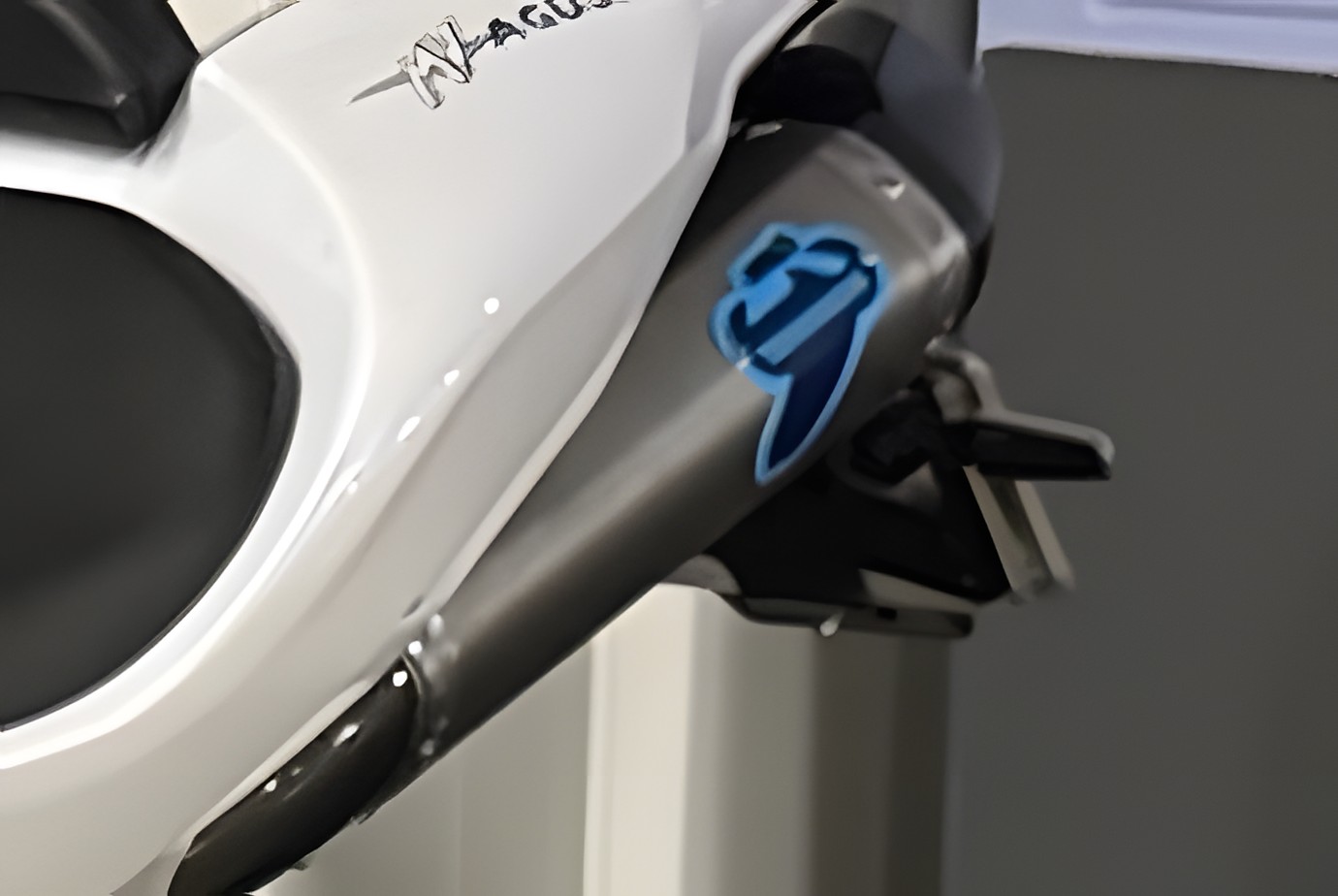
For a long, focused run with a strong, purposeful feel, the MV Agusta F4 is the bike we would point most riders toward. Its 998cc inline four and pearl white bodywork with a red trellis frame make it a striking machine, and the tuned performance exhaust adds to the character. Plan your water stops as carefully as your fuel stops, and you will find the ride is far more enjoyable from the first kilometre to the last.
If you are ready to plan a well paced hire with a clear head and a full bottle, see the MV Agusta F4 page to check the details, or browse the full range in our fleet. Talk to us about the route you have in mind and we will help you shape a day that suits the weather, your fitness and your ability.
Frequently asked questions
How much water should I drink on a hot day riding a motorbike?
There is no single figure that suits everyone, but most riders do well with a litre or two across the first half of the ride and a similar amount through the afternoon. Adjust for effort, sweat and how much gear you wear. Sip steadily every fifteen to twenty minutes rather than waiting to feel thirsty, and aim for pale yellow urine by the end of the day as a simple check that you are keeping up.
Is it better to drink sports drinks or plain water while riding?
Plain water does most of the work on a typical day. Sports drinks with electrolytes can help on very long, sweaty rides where you are losing a lot of fluid, but they are not essential for a few hours on the road. Whatever you choose, drink it regularly in small amounts. Avoid large gulps at rest stops, especially before you climb back on, because a full stomach is uncomfortable and distracting.
Can I ride a hire motorbike in summer heat with full gear on?
Yes, you can ride in summer heat with full gear, but you should plan for it. Gear protects you in a fall and is a sensible choice on any ride. Expect to sweat more, drink earlier and more often, and take regular shade breaks. Start the hardest stretches while the air is cooler, and stop early if you notice headaches, dizziness or a drop in your concentration.
How do I know if I am getting dehydrated while riding?
The early signs include a dry mouth, a dull headache, unusual tiredness and small mistakes such as missed gears or poor judgement of gaps in traffic. Dark urine and cramping are later signals. If you notice any of them, pull over somewhere safe, sit in the shade and drink slowly. Do not push on to the next town hoping the symptoms will pass, because fatigue slows your reactions when you most need them.
What should I do if I feel dizzy or unwell on the bike?
Stop as soon as it is safe to do so, switch off the engine and move into shade. Drink water slowly and rest until the feeling settles. If dizziness, confusion, nausea or chest discomfort continues or gets worse, seek medical help straight away. Do not ride again that day. Let us know if you need to adjust your hire plans, because your wellbeing matters more than any timetable or route.
What should I pack for drinks on a long day ride?
Pack more water than you think you will need, in a bottle that is easy to reach while riding, or in a pack with a drinking tube. Keep it out of direct sun where possible. A few salty snacks or fruit help you hold on to fluid. Bring a light layer for cool mornings, since the warmth can arrive late in the day. Plan to refill at every fuel stop, because remote stretches between towns can be long.
Ready when you are. Pick your dates and book the MV Agusta F4 online, or call us and we will sort it with you.
Book NowCall 0468 011 118