
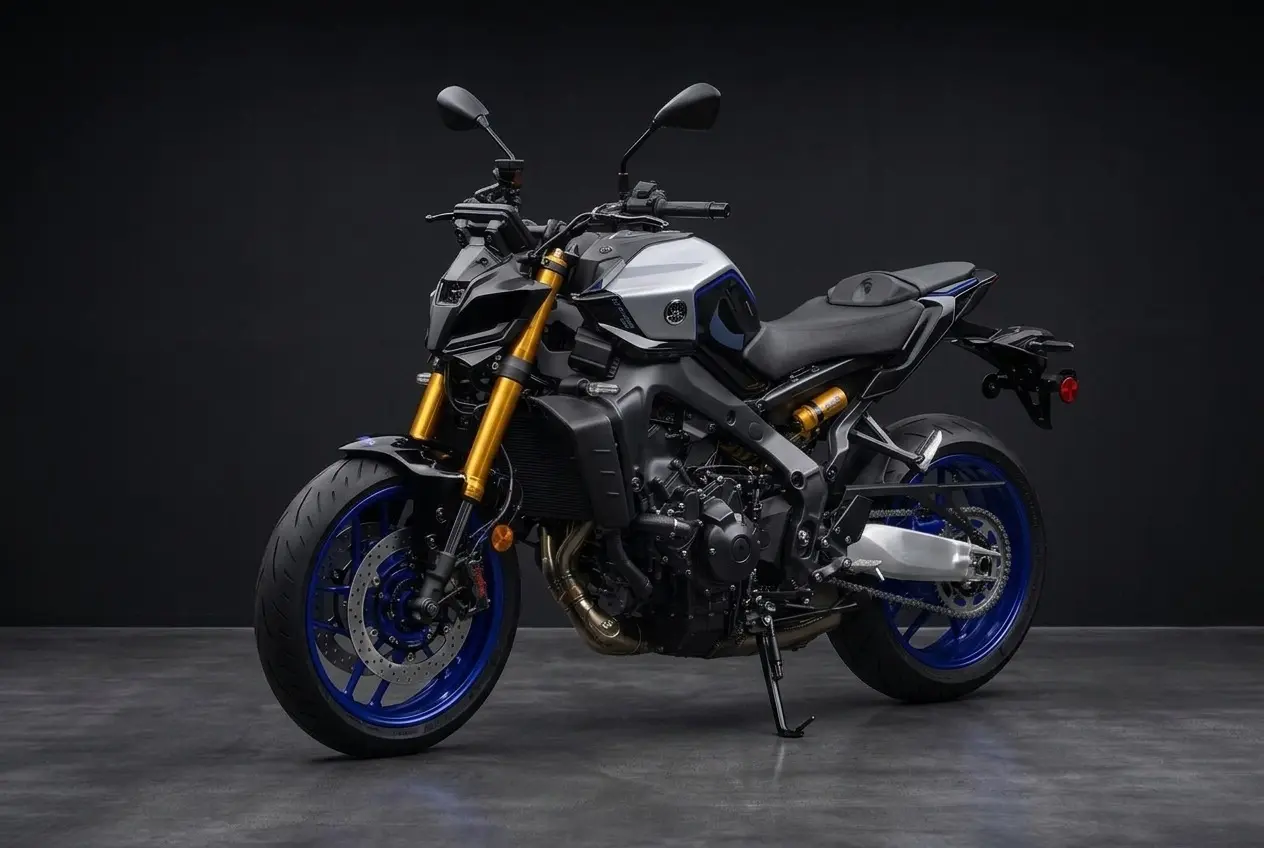
Book the Yamaha MT-09 SP. Pick your dates and book the Yamaha MT-09 SP online, or call us and we will sort it with you.
Book NowCall 0468 011 118Some rides are measured in kilometres and some in pauses. A ride out to Mount Hope is best measured in pauses, because the road is quiet, the country is open and the sky seems to get bigger the further you go. Plan a few deliberate rest stops along the way and the day falls into a relaxed rhythm. The central west plains reward riders who slow down, look around and arrive ready to enjoy the stillness.
Everything to know before you book, from the licence rules to the bond, is on our Sydney motorbike hire page.
A Ride Planned Around the Rest Stops
Most day rides are planned around a destination, a meal or a view. This one works better when you plan around the stops. Choose three or four places along the way where you will pull over, stretch, drink and simply look at the country. Each stop becomes a milestone, and the kilometres in between feel shorter because you know a break is coming.
Rest stops also protect your concentration. On open country the mind can drift, and a rider who does not take regular breaks may find the last hour of the day much harder than the first. Pulling over every hour or so keeps your reactions sharp, your hands warm and your back comfortable, and it gives you a moment to check the bike, the fuel and the sky.
The idea is simple but it changes the feel of the whole day. Instead of pushing to arrive, you are travelling through a series of pleasant pauses. Many riders find this approach turns a long run into a calm, memorable experience, and that is exactly the spirit we want for a quiet western road.
The Quiet Western Road
The road toward Mount Hope is the kind of country road that feels almost private. Traffic is light, the surface is generally sealed and the verges open out into paddocks and scrub for long stretches. You will see farm vehicles, the occasional truck and very few cars, which is part of the reason this ride appeals to riders who want space to think.
Corners are gentle and sparse, so the riding is more about steady control than sharp braking. Keep your line tidy, watch the surface where the edges have broken up and avoid sudden changes in direction. Road conditions can shift after rain, so take the first few kilometres of any day as a chance to read the surface before you settle in.
Because the road is quiet, a single problem can feel bigger than it is. A flat tyre, a patch of loose material or a sudden change in the weather needs calm attention. Carry the basics, keep a written list of the towns along the way and let someone know your planned route before you leave.
The First Rest Stop: Leaving Town Behind
Start the first leg in the cool of the morning, when the air is still and the light is soft across the paddocks. The first rest stop should come before the open country begins, at a town or a roadside spot where you can refill your water bottle and check the bike. This is the moment to adjust your helmet, zip your jacket and make sure the luggage is secure.
Use the first pause to plan the next leg. Check the fuel gauge, look at the distance to the next town and confirm that the route still matches your map. A few minutes of planning at this stop saves you from surprises later, when the towns are further apart and the phone signal may be thin.
Keep the first stop short and purposeful. Stretch your legs, drink something, and then get back on the road while your body is still fresh. A relaxed departure sets the tone for the rest of the day, and a rider who starts calmly tends to stay calm.
The Long Middle: Holding Your Focus
The middle of the ride is where the open country asks the most of you. The road stretches ahead for long distances, the horizon barely changes and the rhythm of the engine can become hypnotic. Keep your eyes moving, scan the verges and check your mirrors regularly. A steady, deliberate scan is more effective than staring at the centre line.
Plan a second rest stop roughly halfway through the long middle. Stand up on the pegs for a minute, roll your shoulders and drink water before you feel thirsty. If the wind has been pushing you across the lane, take a moment to settle your grip and relax your arms, because tension builds up quickly on a long run.
Watch for heavy vehicles in this section. Large trucks and farm machinery may appear suddenly over a rise. Give them space, avoid their blind spots and let the buffeting settle before you pick up pace. A calm, measured approach keeps the middle of the day safe and enjoyable.
The Final Stop: Arriving in Mount Hope
As the destination nears, the country often opens into a wider view and the light turns warmer. The final stop is a chance to take in the village, stretch, eat and enjoy the quiet. Park safely, take off your gloves and look around before you start the next task. Arriving calmly is one of the simple pleasures of a rest-stop ride.
Check the bike and the time before you settle in. Make sure the fuel is sufficient for the return, the tyres look right and any luggage is secure. Plan the return departure time so that you have daylight for most of the ride back, and allow time for food and a rest.
The end of the day is also the time to reflect on what you have seen. Note the roads, the stops and the moments you enjoyed most, and use them to shape your next ride. Riders often find that the best part of a quiet western road is how much more they notice when they are not in a hurry.
Best Time of Day and Season
Early morning and late afternoon are the best times for this ride. The air is cooler, the light is gentle and the country looks its best. Mid-morning can be warm in the warmer months, so an early start means you reach the middle of the route before the heat builds. In winter, wait until the sun has warmed the air a little before you set out.
Autumn and spring suit the central west plains well. Days are warm without being harsh, and nights stay comfortable. Summer brings heat that can be punishing on open country, and winter mornings can be cold with frost on the low ground, so the season should shape the whole plan, not just the start time.
Traffic is light on this road, so you can ride at a steady pace without feeling crowded. Weekend traffic is a little heavier in some places as visitors and local vehicles move around, but it is still far quieter than the coast. The quietness is the point, so choose a weekday if you can, and you will often have the road almost to yourself.
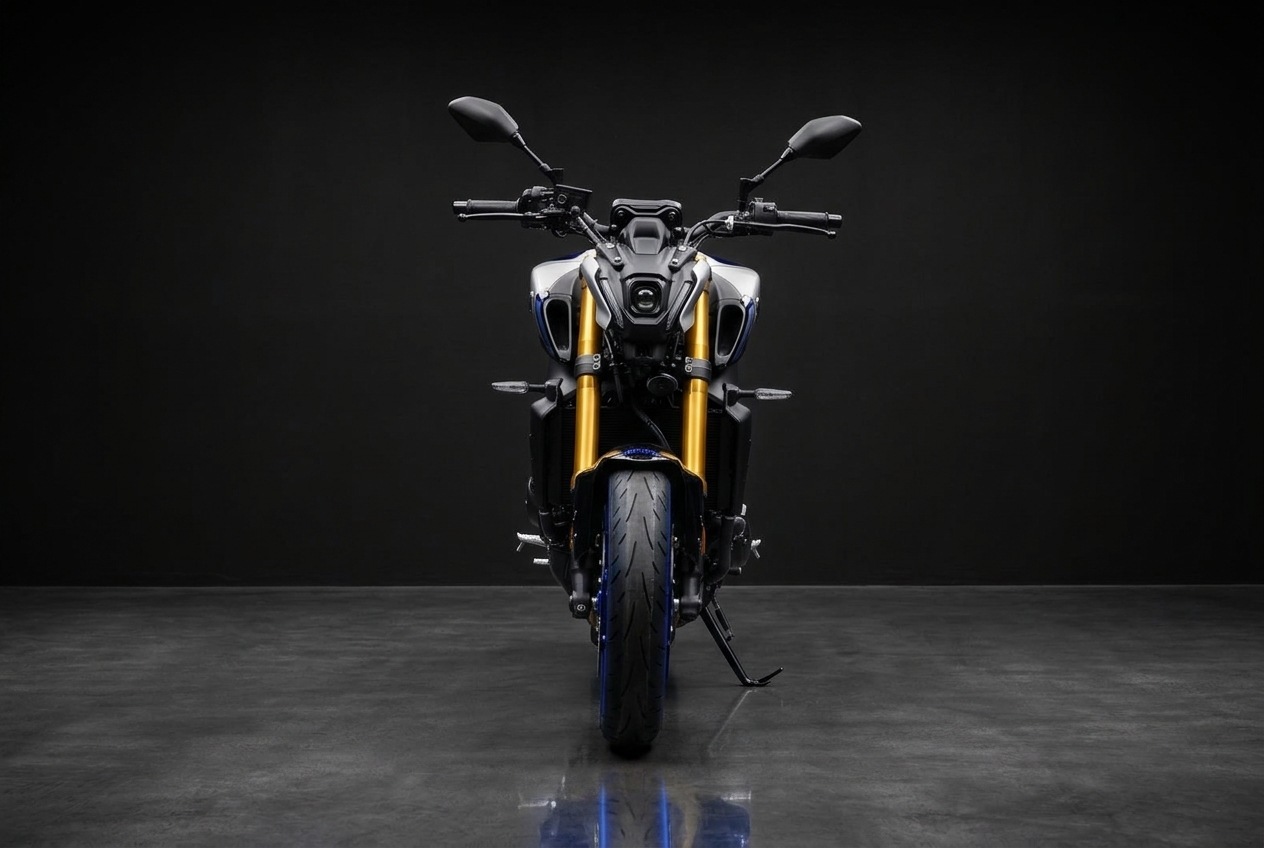
Want the Yamaha MT-09 SP for your date? Pick your dates and book the Yamaha MT-09 SP online, or call us and we will sort it with you.
Book NowCall 0468 011 118Fuel, Food and Water at Each Stop
Fuel needs careful planning on the central west plains. Towns can be spaced well apart, and some smaller stations keep limited hours. Fill up before you leave the larger town, keep a comfortable margin in your range and note the next fuel option on your route. Never rely on a station being open when you arrive.
Food is simple if you plan ahead. Pack muesli bars, nuts, dried fruit or other snacks that handle warm weather, and check the hours for any village lunch before you set out. A small town may have a bakery or a pub that serves a midday meal, but it is wise to have something in your luggage in case the timing does not work.
Water is the item that most often runs short. Carry more than you expect to need, refill at every stop and watch for the signs of dehydration, such as dry mouth, headache or sudden tiredness. Heat and wind together can drain you faster than you realise, so drink regularly even when the air feels cool.
Wildlife, Crossings and Dusk on Open Country
Open country is home to kangaroos, emus, sheep and cattle, and these animals are most active at dawn and dusk. A stationary animal near the verge can move onto the road without warning, and livestock may stray through gaps in fences. Slow down when you see animals near the road, and keep your eyes moving across the verges.
If an animal crosses in front of you, brake firmly in a straight line and avoid a sharp swerve. A bike leaning hard over loose material or a soft edge can be more dangerous than a controlled stop. Keep the bike upright, stay focused and let your braking do the work.
Plan the final leg to finish before dusk, since long shadows and reduced visibility arrive quickly on open country. Carry a torch, switch your lights on early and keep the pace relaxed. A rest-stop day should end before the light fades, not in the middle of an animal crossing.

Why the Yamaha Fits a Rest-Stop Day
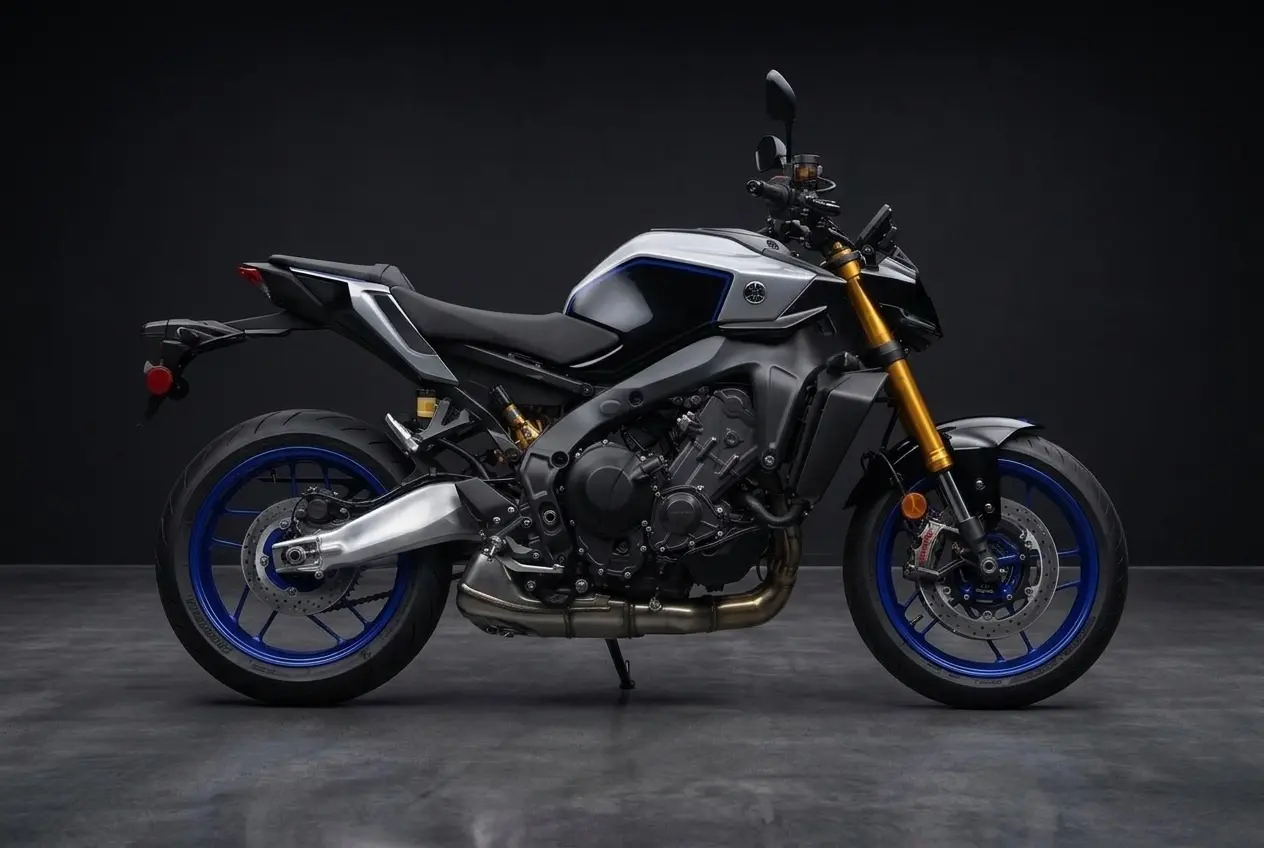
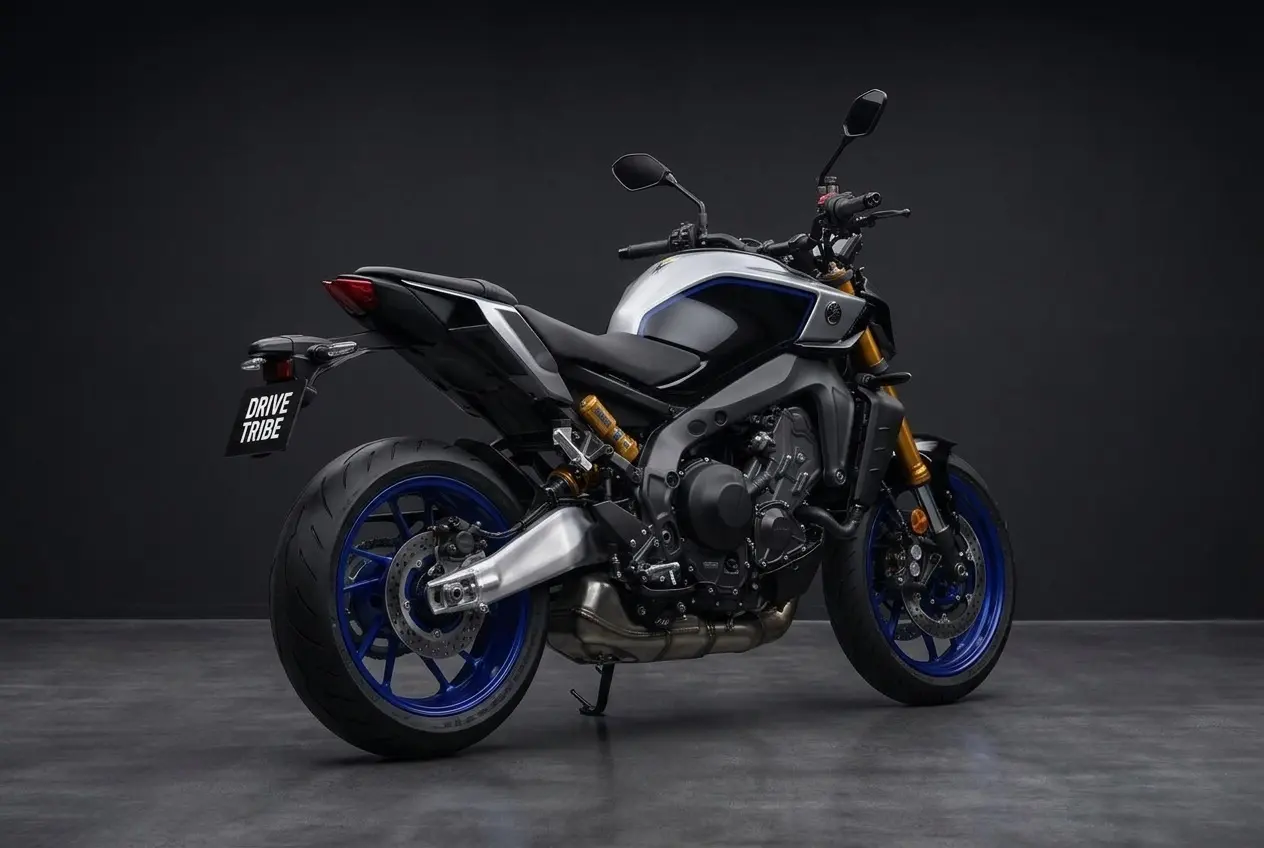
For a rest-stop ride, our featured bike is the Yamaha MT-09 SP. It is an inline three performance naked bike with premium adjustable suspension, gold front forks and strong brakes. The adjustable suspension lets you tune the feel as the road changes between smooth bitumen and patched sections, which is useful on a long, varied day.
The Yamaha suits a rider who wants a comfortable, capable companion across a day of stops and steady kilometres. Its strong brakes give confidence if an animal or a vehicle appears on a quiet road, and the bike feels composed through the long middle of the route. It also makes a sensible base for a relaxed day of stops.
The Ducati 1199R Panigale and the MV Agusta F4 are superbikes built for experienced riders, and both are single-seaters. They suit shorter, more focused days better than a relaxed run of rest stops. Browse the full range on our fleet page.
Hire Rules, Tiredness and Booking Your Ride
We start every hire from Parramatta, and a three day minimum applies, which gives a rest-stop ride room to breathe. Riders need a full motorcycle licence that has been held for three years or more, and they must be aged 25 or over. If you plan to carry a passenger, the Yamaha is the only bike that allows one, and that passenger must be aged 16 or over.
Tiredness creeps in on quiet roads, so treat each rest stop as a real pause. Stretch, drink and check how you feel before you set out again. Never ride after drinking alcohol, and never push on when you feel drowsy. A rest-stop day is built for stopping, so use every pause the plan gives you.
Before you travel, check road conditions with Transport for NSW, because a quiet road can still be affected by weather, roadworks or closures. If the plan suits your riding and your schedule, book the Yamaha MT-09 SP through our Yamaha MT-09 SP page, pick a weekday and let the rest stops set the pace.

Frequently asked questions
Is a quiet western road ride suitable for a newer rider?
It can suit a confident rider who has already completed several longer day rides. The roads are quiet and the corners gentle, but the distances and the open country ask for steady concentration. Build up with shorter rides first, plan regular rest stops and turn back if the day feels too long.
How far apart are the rest stops?
A good rule is a pause roughly every hour or so, with a longer stop around the middle of the route. The exact spacing depends on the towns you pass and the fuel you need. Plan each stop before you leave, so you know where the next water, fuel and shelter can be found.
What is the best season for this ride?
Autumn and spring are generally the most comfortable, with warm days and cool nights. Summer heat can be punishing on open country, so start early if you ride then. Winter mornings can be cold with frost on the low ground, so take the first stop slowly and carry an extra layer.
What should I carry on a long quiet road?
Carry more water than you think you need, a warm layer, a torch and a basic repair pouch with a tyre pressure gauge. Keep a charged phone and a written list of the next towns, since signal can be patchy. Snacks that handle heat, sunscreen and a clean visor cloth are also worth packing.
Are there places to eat along the route?
Some small towns have a bakery or a pub that serves lunch, but opening hours change and some places close in the afternoon. Check the hours before you set out, and pack food so you are not relying on a single venue. A snack in your luggage is a sensible backup on any rest-stop day.
Can I ride the quiet road with a passenger?
Two riders can make the day work, provided the bike and the plan suit the load. Extra weight changes how the bike feels on the open road, so a slower pace and more frequent rest stops are wise. Plan extra time for loading, check that your companion has suitable warm gear and agree on signals before you leave.
Ready when you are. Pick your dates and book the Yamaha MT-09 SP online, or call us and we will sort it with you.
Book NowCall 0468 011 118