
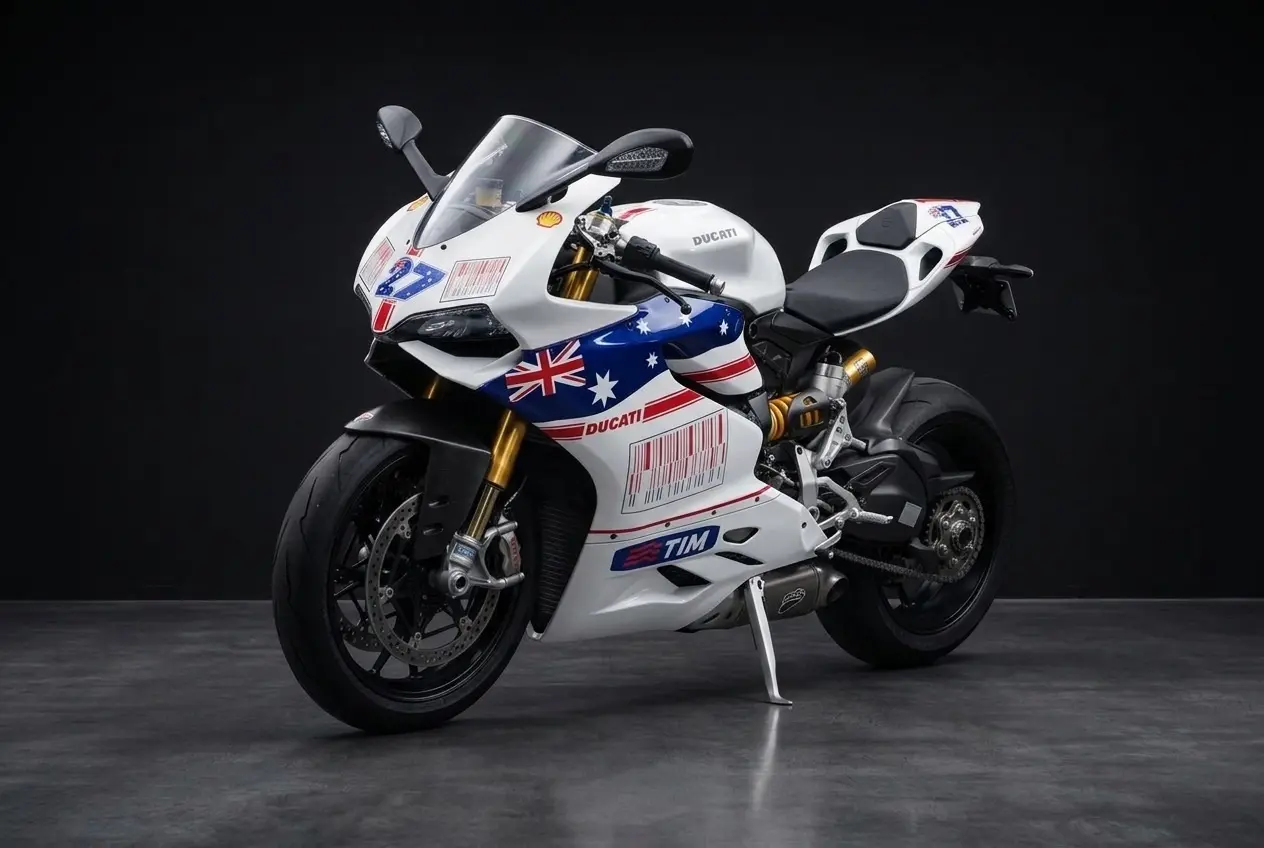
Book the Ducati 1199R. Pick your dates and book the Ducati 1199R online, or call us and we will sort it with you.
Book NowCall 0468 011 118A winter morning in the mountains can start with frost on the verges and a bite in the air that goes right through a thin jacket. By midday the sun may have warmed the road and the same rider can be overdressed and sweating. Layering is the answer, but it takes a plan. The right combination of thermals, mid layers and wind protection lets you stay comfortable across the whole day, and it keeps your hands and focus sharp when the road asks for them.
New to riding with us? Our page on motorbike hire in Sydney covers the bikes, the rider rules and how pick-up works.
Why cold mountain air is harder to manage on a bike
Riding a motorbike in cold air is a different experience from walking in the same temperature. The wind rushes past your body at speed, and that wind chill can make a mild morning feel far colder than the thermometer reads. Every gust pulls warmth from your chest, your neck and your wrists, so the cold seeps in gradually and quietly.
Mountain air adds another layer of difficulty. Altitude brings thinner, colder air, and exposed ridges catch cross winds that a valley road never sees. A ride that begins in sunshine can turn bitterly cold within an hour as cloud moves across the high ground.
The main goal of a layering system is simple. Keep your core warm, keep your extremities working and let moisture escape so that you do not chill from the inside as you sweat.
The base layer that does the heavy lifting
Your base layer sits against the skin, and it should be thermal and close fitting. Merino or synthetic thermal tops and leggings wick sweat away from the body, which matters because damp skin loses heat much faster than dry skin. Cotton holds moisture and can leave you cold once you stop, so choose a fabric that dries quickly.
Fit matters as much as fabric. A base layer that is too loose bunches up under your riding jacket and creates gaps where cold air can get in. Snug, smooth seams around the shoulders and waist keep the warmth in, and a long-sleeved top that extends over the wrists stops the cold reaching the hands.
Pack a spare base layer for long days. If you stop for a long break and the first one feels damp, changing into a dry set before the next leg can make a noticeable difference to your comfort.
The mid layer and the wind-blocking shell
A mid layer provides insulation without bulk. A fleece or light insulated jacket traps warm air between the base and the outer shell, and it can be removed quickly when you warm up. Choose one that compresses small enough to fit in a tank bag or pannier, because you may need it again later in the day.
The outer shell is the main barrier against the wind. A windproof and water-resistant jacket stops cold air from driving through the layers beneath, and it protects you from light drizzle that often appears on mountain roads. Make sure the jacket has adjustable cuffs and a collar that seals well, since gaps there let cold air in at speed.
Riding gear is a separate consideration. Choose a jacket and trousers that are designed for motorcycling, with armour where it is needed and enough room to layer underneath without restricting your movement or your ability to reach the controls.
Hands, feet and face: the places that cool first
Hands are usually the first part of the body to suffer. Cold fingers lose grip and sensitivity, and that makes the brakes and clutch harder to use smoothly. Thin liner gloves under warmer riding gloves give you warmth without losing control, and they are the simplest way to keep your fingers working.
Feet need warmth too. Thermal socks made of wool or a synthetic blend keep your toes warm inside sturdy boots that keep out cold and damp. Avoid tight socks, which restrict blood flow and make the feet colder rather than warmer.
The face and neck lose heat quickly in cold wind. A thin balaclava or neck tube under the helmet keeps the cold off, and a clean visor helps keep the view clear when your breath condenses on the inside of the screen.
The plan for the day: layers that come on and off
Plan the day around the temperature you will meet, not the one you leave home in. Start with the full set of layers on a cold morning, and be ready to shed the mid layer once the road warms and you start to work harder through the bends. Stop to adjust your gear rather than waiting until you are cold or hot.
Use the stops as your adjustment points. A roadside break is the ideal time to add or remove a layer, zip or unzip vents, and check that your gloves and boots are still dry. Keep the stops short but deliberate, so that you do not lose too much heat while you are standing still.
Keep an eye on the weather. A sudden change in cloud cover, wind direction or a drop in temperature can call for an extra layer halfway through a ride, so carry a light, packable jacket for that moment.
Want the Ducati 1199R for your date? Pick your dates and book the Ducati 1199R online, or call us and we will sort it with you.
Book NowCall 0468 011 118Best season and time of day for mountain layering
Winter is the season when layering matters most, but the same principles apply in autumn and spring. Those seasons often bring cold mornings and mild afternoons, so a layering plan helps you move from one to the other without discomfort. In full winter, the high roads can stay cold all day, and a warm, windproof outer layer is essential.
Late morning to early afternoon is usually the most comfortable window. The sun has warmed the road and the air, and the frost has lifted from the shaded corners. Start later if you can, and plan your return ride to finish before the sun drops behind the ridges and the temperature falls sharply.
Road character matters too. Mountain roads have shaded bends that stay cold long after the open sections have warmed, and exposed ridges that catch the wind. Expect the temperature to change between the valley and the lookouts, and dress for the coldest section of the route.
Fuel, food and warm stops on a cold day
Fuel your body as carefully as the bike. Cold weather burns more energy, so a breakfast with plenty of protein and a warm drink helps you stay alert. Pack snacks that do not freeze, and keep a flask of hot water or a hot drink in the bag if you enjoy a warm stop on the road.
Choose food stops that give you shelter. A cafe or bakery with a heater is an excellent place to thaw out, and a warm meal makes a long winter day far more enjoyable. Park out of the wind, and give yourself time to restore feeling in your hands before setting off again.
Keep the fuel tank topped up. Cold conditions can reduce range, and the high roads often have fewer services than the valleys, so refuel before you climb and not after.
Lunch is the stop where many riders make their biggest mistake. A long, relaxed meal in a warm room can let the body cool as soon as you walk back outside, and the next leg can feel much colder than the first. Keep the lunch stop short enough that you do not lose heat, and put your mid layer back on before you return to the bike. Ten minutes of standing around in the cold after eating is often more uncomfortable than the morning ride itself.
The Ducati for experienced riders on cold days
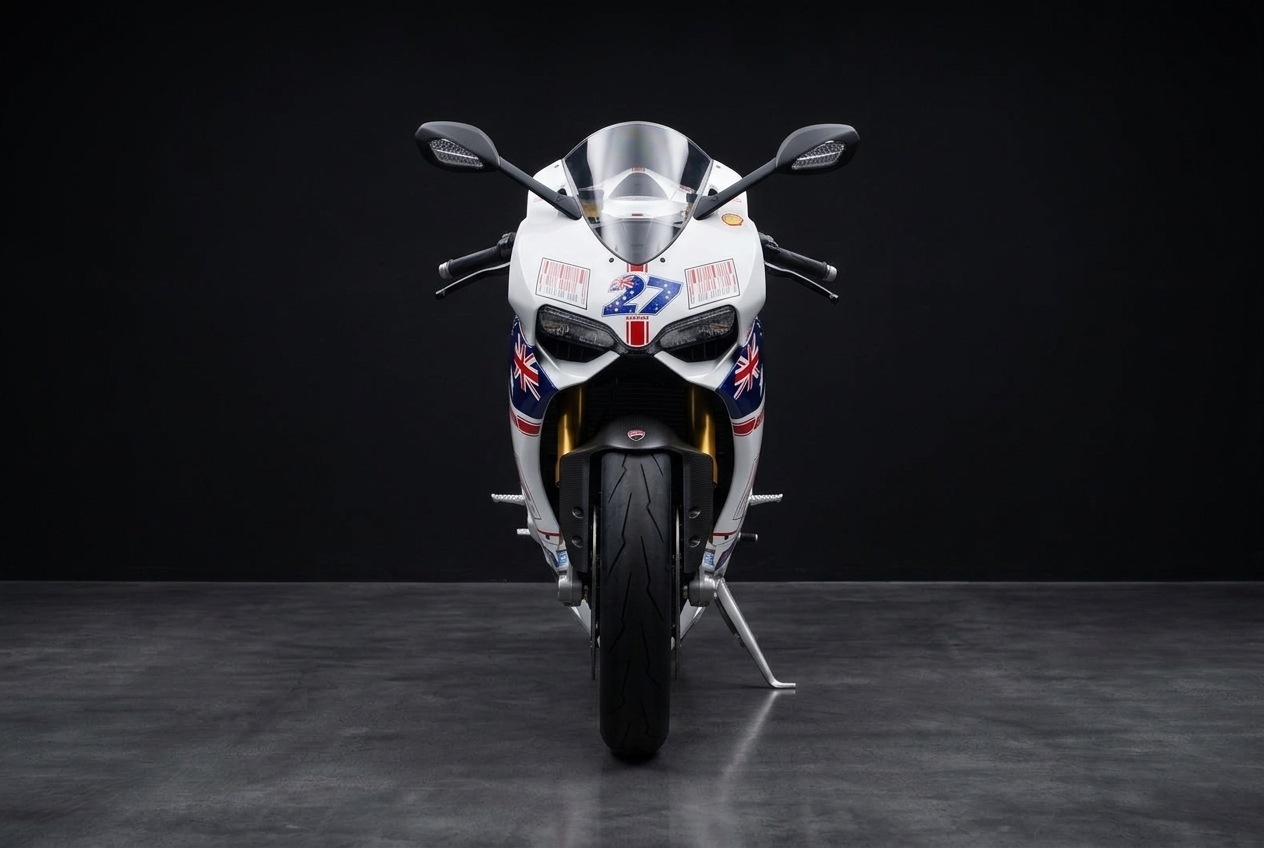
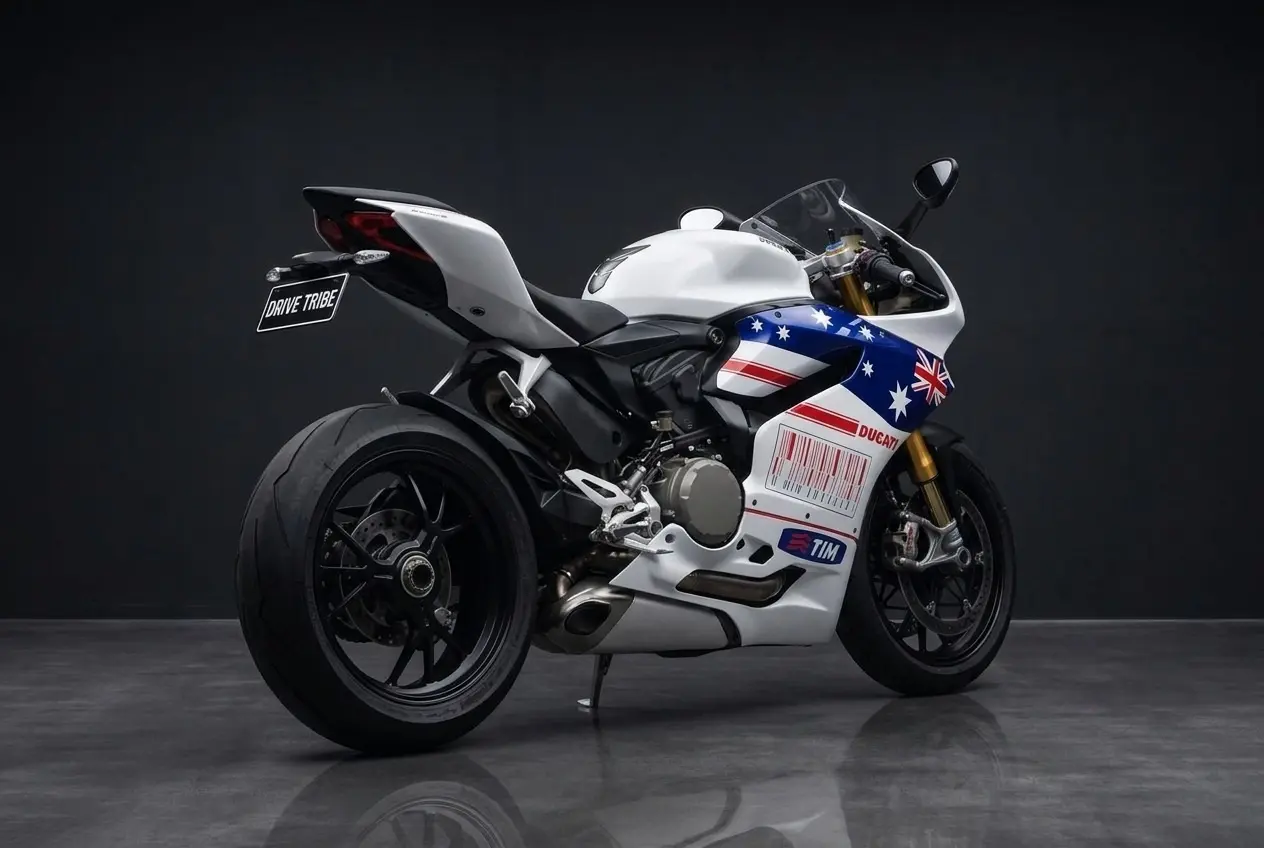
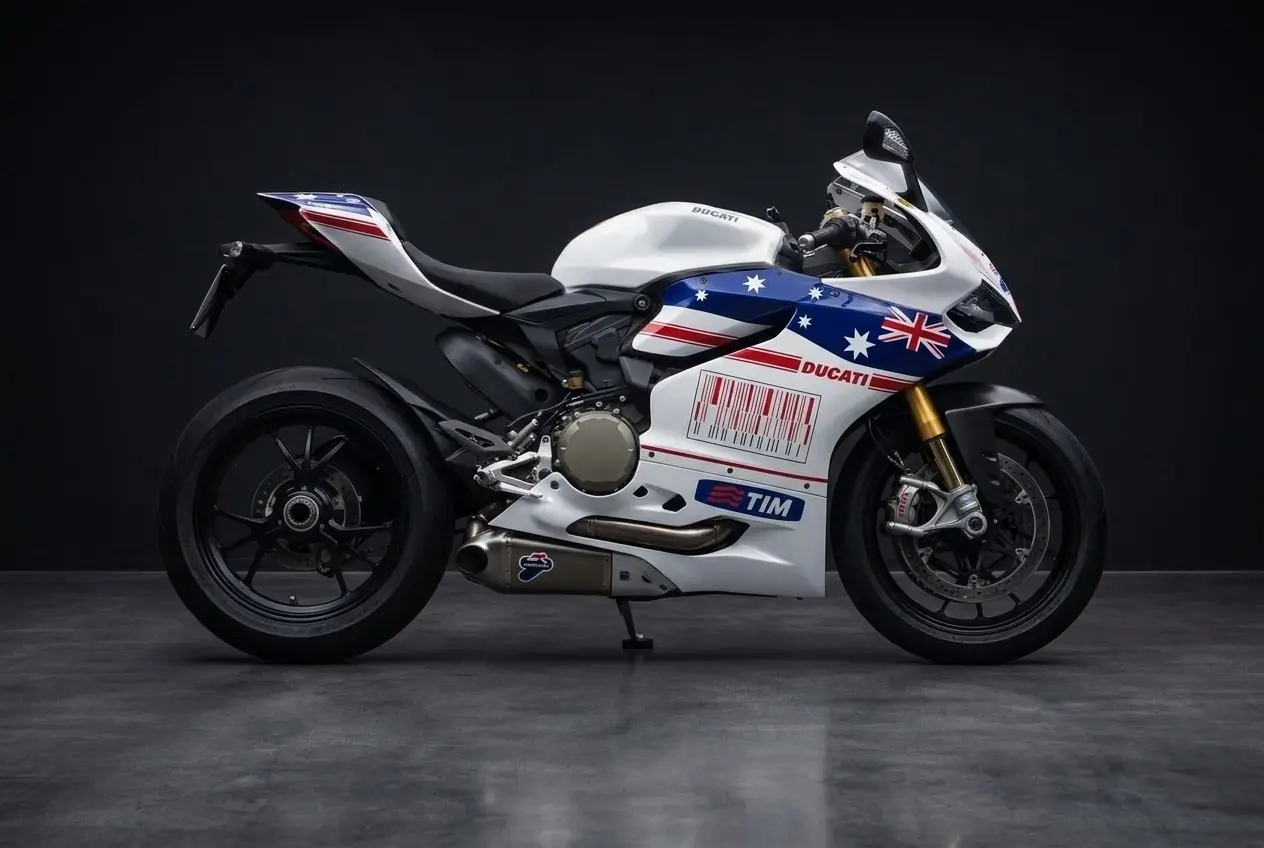
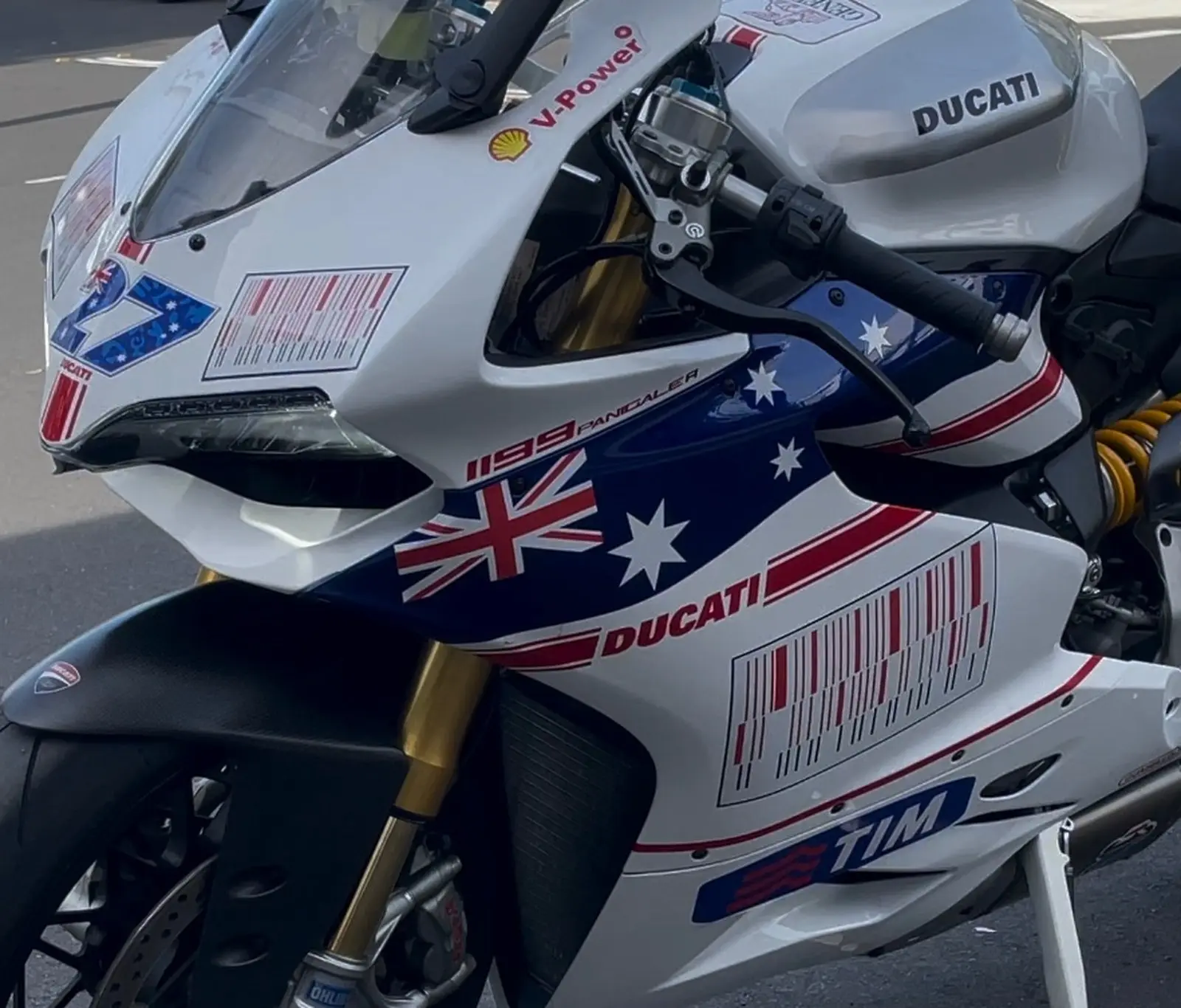
The Ducati 1199R Panigale is a superbike for experienced riders, and cold days demand a clear head. Its V-twin is strong and responsive, and cold tyres need a gentle hand, so keep the throttle smooth and the braking progressive while the surface warms. Layering properly helps here, because a rider who is warm and comfortable keeps the inputs calm and deliberate.
The Ducati's riding position is more committed than that of a naked bike, and the wind protection from the bodywork is useful on a cold road. Make sure your layers do not restrict your reach to the bars or your ability to move around the seat when you need to shift your weight through a bend.
The Panigale rewards riders who plan their cold weather days carefully. Choose the mornings you ride it with care, pick routes that are clear of shade and frost, and stop to warm up before the bike asks more of you than your body can deliver.
Plan the ride and book your bike
Before any mountain ride, check road conditions with Transport for NSW and look at the forecast for the high country, not just the nearest town. A cold valley can be far colder than the reading from a town a short distance away. Carry a spare layer, a charged phone and water, and let someone know your route and expected return.
Hire is self-drive from our Parramatta base with a three day minimum. Riders need a full motorcycle licence held for at least three years and must be aged 25 or over. Overnight, the bike must be kept in a locked garage or secure off-street parking from 9pm until 6am.
A cold, clear morning in the mountains rewards a rider who has dressed for the day. Book the Ducati 1199R for an experienced rider's winter run, and let the layers do their job.
Frequently asked questions
Why does a mountain ride feel colder than the temperature suggests?
Wind chill is the main reason. At speed, the air rushes over your body and strips heat away, so a mild day can feel far colder on the bike than it does standing still. Altitude and cross winds on exposed ridges add to the effect. Dress for the wind as well as the temperature, and use a windproof outer layer to block the chill that gets through gaps at the cuffs and collar.
What base layer works best for winter riding?
A close-fitting thermal top and leggings made from merino or a synthetic blend are a good choice. They wick sweat away from the skin, which matters because damp skin cools quickly. Avoid cotton, which holds moisture and leaves you cold once you stop. Snug seams and a top that extends over the wrists keep warmth in and cold out, and a spare set is useful for long days.
Are heated grips necessary for a cold day?
The practical approach is to layer well. Thin liner gloves under warmer riding gloves keep your hands working without sacrificing control. Keep the hands warm with a windproof outer layer that covers the wrists, and warm them at stops by moving your fingers and wrists. Cold hands lose sensitivity quickly, so do not wait until they are numb before you stop to warm them.
How do I avoid sweating too much and then getting cold?
Start the ride with slightly less clothing than feels comfortable at the roadside, because the body warms up quickly once you are moving. Use breathable base layers, and open the vents on your jacket when you start to feel warm. Stop to remove a mid layer before you overheat, and dry any damp base layer before the next leg. A dry layer against the skin is the key to staying warm.
When is the best time to ride the high country in winter?
Late morning to early afternoon is usually the most comfortable window. The sun has warmed the road and the frost has lifted from the shaded corners. Plan your return to finish before the sun drops behind the ridges and the temperature falls sharply. Check the forecast for the high country before you leave, because conditions up there can change far more quickly than in the valleys.
Is the Ducati suitable for a cold mountain ride?
The Ducati 1199R Panigale is a superbike for experienced riders, and it suits cold days only for those who are confident in changing conditions. Cold tyres need gentle inputs, so keep the throttle smooth and the braking progressive. A warm, comfortable rider makes better decisions, so layer properly and stop to warm up before the cold affects your focus. Choose the days carefully and keep the ride within your ability.
Ready when you are. Pick your dates and book the Ducati 1199R online, or call us and we will sort it with you.
Book NowCall 0468 011 118