
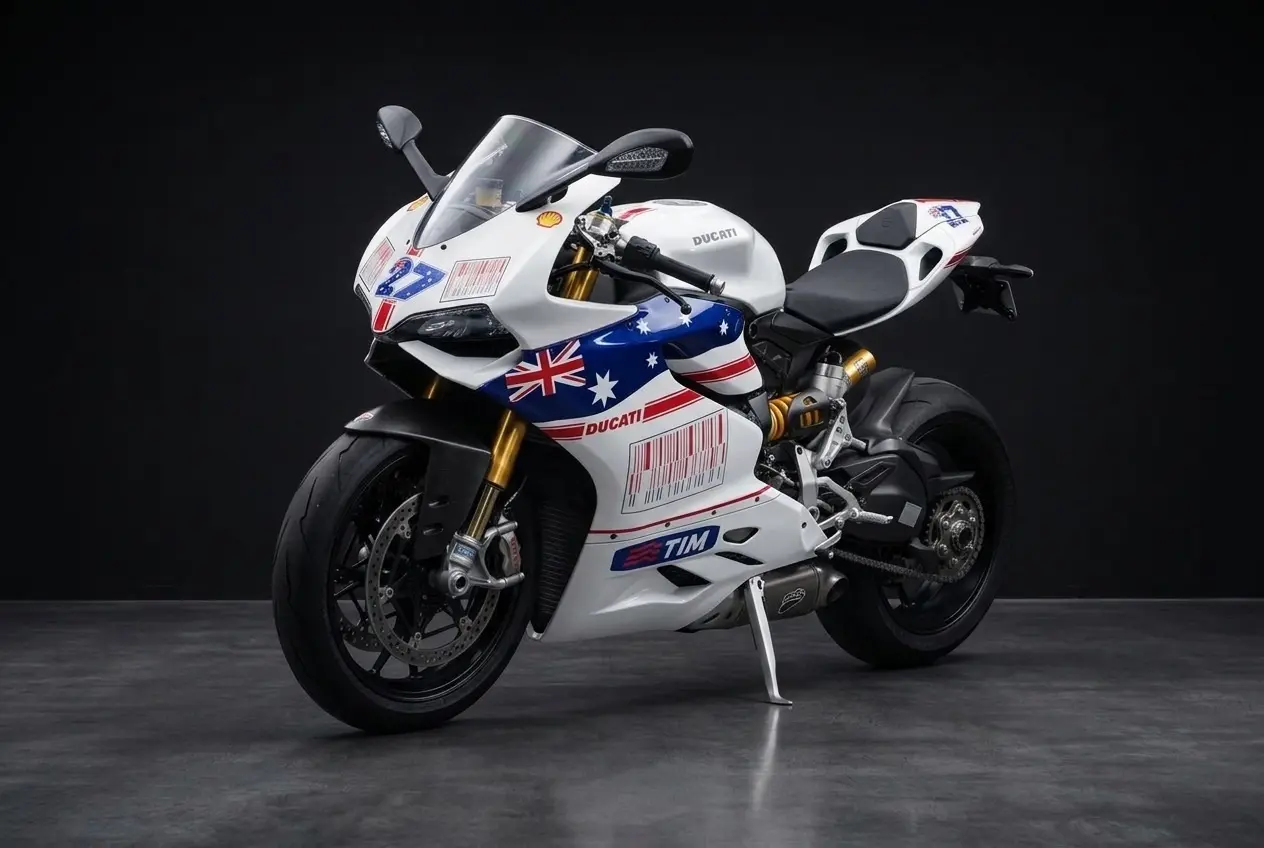
Book the Ducati 1199R. Pick your dates and book the Ducati 1199R online, or call us and we will sort it with you.
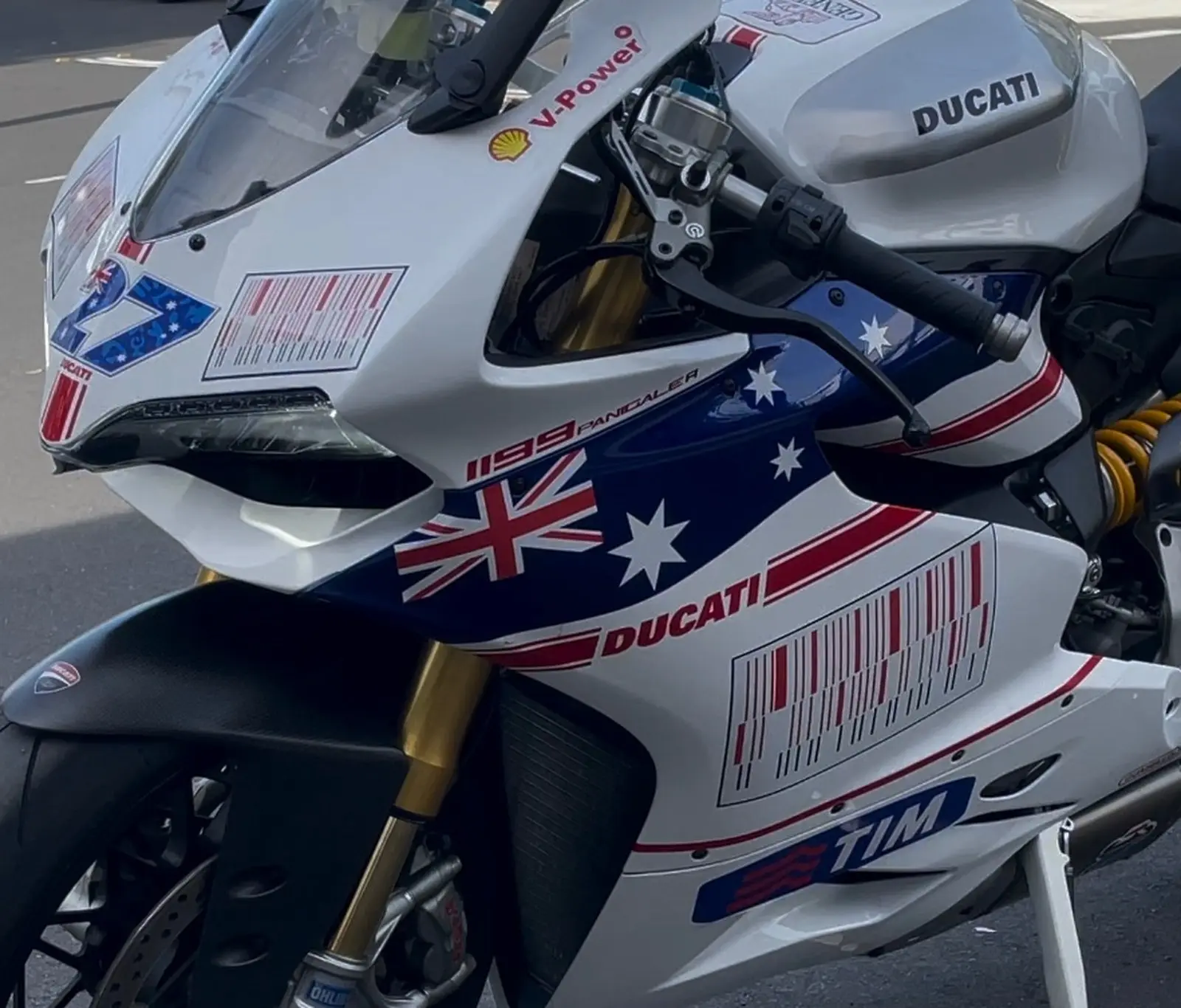
Book NowCall 0468 011 118A superbike is built to be ridden fast, not to sit still, and the Ducati 1199R tells you so the moment it stops moving. Ten minutes of crawling through heavy traffic on the M4 can feel very different from an open run to the mountains. Heat builds from the engine and comes back at your legs and hands, and the air that normally carries it away only arrives when you are moving. Here is what to expect, how to manage it, and when to pull over.
For the bikes we hire, who can ride them and how a hire runs, see motorbike hire in Sydney.
Why a fast bike gets hot when it stops
On a superbike, the engine is working hard whenever you use it, and most of the heat it makes is carried away by airflow over the bodywork. When you are cruising at speed, that flow is steady and generous. When you are stuck in a queue, the air almost stops, and the heat that was being swept away begins to collect around the engine and the rider's legs.
The Ducati 1199R is a V-twin with a lot of power on tap, and it does not like long periods at very low speed in a high gear. The sensation is not dangerous in itself, but it is uncomfortable, and it can make you tense and tired quicker than you would expect. Knowing this before you enter a traffic jam is half the battle.
Heat is also a reason to keep your attention on the bike rather than the phone, or the radio, or the lane ahead. A bike that feels hot is telling you to change something. Listen to that message early, because riding a hot machine in traffic with a stiff neck and sore legs is a poor combination on a busy motorway.
The M4 in traffic: what the stretch is really like
The M4 Western Motorway runs west from the Sydney basin into the Parramatta and Penrith areas, and it can turn from a free-flowing dual carriageway into a crawl within a few kilometres. Peak periods bring trucks, commuters and merging traffic, and the stop-start pattern is what you need to plan for. The road surface is generally good, but the lane markings and expansion joints are worth noticing when you are sitting low on a sports bike.
The most demanding moments are the slow sections where the lanes narrow, and the spaces between cars are small. There is little room to move, and every change of lane costs time and patience. Keep your speed calm, watch the mirrors constantly, and assume that a car will change lanes without signalling. Consider the whole queue, not just the vehicle directly in front of you.
If you are riding the Ducati out of Parramatta and heading toward the mountains or the far west, plan to clear the worst of the traffic early. Check road conditions with Transport for NSW before leaving, because incidents and roadworks can slow the motorway without warning, and a detour can add an unexpected hour to your plan.
Riding in a queue without cooking the bike
The first principle is to keep moving whenever the traffic allows. A slow roll with a little air across the bike is far kinder than a dead stop with the engine idling. Use the clutch smoothly, avoid revving the engine to fill gaps, and let the bike creep forward in first or second gear as the queue advances.
Gap selection matters more than speed. Choose a lane that is moving, keep a safe distance from the vehicle ahead, and avoid sitting alongside large trucks where wind shadow and visibility are poor. If you need to stop, choose a spot where the bike is upright, the stand is firm, and you can see the traffic coming behind you.
Watch your posture as well. Hot legs and a tense back make for a tired rider, so relax your grip on the bars, drop your shoulders and keep your head level. Breathe slowly. If your concentration starts to drift, it is time to pull off the motorway at the first safe opportunity rather than pushing on.
When to stop and let things settle
If the bike feels unusually hot, if you smell anything strange, or if the rider starts to feel dizzy or unwell, stop as soon as you safely can. A rest stop in shade is much better than a long crawl. Look for a wide shoulder, a service area or an exit with space to pull in, and make sure the bike is stable on a firm, level surface before you dismount.
Do not rush to remove gear or touch hot parts. Let the bike idle for a short time if it is safe to do so, or switch it off and allow it to cool gradually. Keep the bike upright and away from dry grass or anything flammable, because hot exhausts and engine casings can start a fire in dry conditions.
Rest is not a sign of failure. Drink water, stretch your legs, and give yourself time to look at the route ahead. Riders often find that a fifteen minute break in the shade makes the difference between a comfortable run and a miserable one. It also reminds you to check the fuel level, the tyres and the mirrors before you move off again.
- Pull over early if the bike feels hot or you feel unwell.
- Use a firm, level surface and keep the bike away from dry grass.
- Drink water before you feel thirsty.
- Check the route again before you rejoin traffic.
Gear that helps in heat and crawling traffic
Riding in traffic is hard on the body even when the weather is mild. The right gear helps you stay alert and comfortable. A ventilated jacket, gloves that let the hands breathe, and boots that protect the ankles all matter. Helmets (Shark, AGV or Bell) can be hired from us in small, medium or large for $50 per hire, or you can bring your own. We do not supply jackets, gloves, pants or boots, so bring your own riding gear.
Good gear is also about protection in the worst case. A sudden stop in a queue, a car drifting across the lane or a patch of spilt fuel demands full abrasion protection, a properly fitted helmet and gloves that grip well. Choose clothing that you can move in and that will keep the wind and sun off your skin without trapping heat around the legs.
Hydration and sun protection often get forgotten in a traffic jam, yet they make a big difference to how you feel after an hour in the saddle. Carry water, wear a cap under your helmet if it suits you, and use a light layer that you can remove when you stop. Comfort is part of safety, because a comfortable rider makes fewer mistakes.
Want the Ducati 1199R for your date? Pick your dates and book the Ducati 1199R online, or call us and we will sort it with you.
Book NowCall 0468 011 118Best time of day and season for the M4 run
Early weekend mornings are the easiest time to ride the western corridor. Traffic is light, the air is cooler and the Ducati can run freely without long periods of crawling. Weekday peaks are the hardest, with commuters, trucks and roadworks all competing for the same space. Midday on a weekday is a reasonable compromise if you have to ride in the city.
Seasonally, the cooler months are kinder to a hot engine and a warm rider. Summer afternoons can push the temperature of the road and the bike to uncomfortable levels, and a traffic jam then feels much longer. In winter the morning air is cold, so start with warm gloves and a jacket you can open up as the sun comes out.
Food and fuel stops should be planned before the traffic builds. Fill the tank before you join the motorway and identify a service area or a nearby town where you can stop without a long detour. Lunch stops along the road can be busy, so arrive early or pick a quieter place for a proper break.
Parking and overnight care for a hot machine
Once you reach your destination, give the bike time to cool before you cover it or lock it away. Park on a firm, level surface, out of the way of pedestrians and away from anything that could catch from the exhaust. Do not block a driveway or a narrow lane, and be aware that a hot engine can stay warm for quite some time after you switch off.
Overnight, the bike must be kept in a locked garage or secure off-street parking between 9pm and 6am. This rule protects the bike from weather and from opportunistic theft, and it also keeps it out of the way of traffic and the elements. Trackers are fitted to all our bikes, which gives you and us peace of mind if the bike is parked somewhere unfamiliar.
A quick check at the end of the day helps too. Look at the tyres, the chain or belt area, the fluid levels and any sign of leaks. Notice whether the bike felt different in the queue than it did on the open road, and mention anything unusual when you return it. A calm, careful habit at the end of a ride is the best way to start the next one well.
The hire terms that matter for a traffic-heavy ride
Our hire terms are straightforward. Bikes are self-drive and hired from Drive Tribe in Parramatta on a three day minimum. The rider must hold a full motorcycle licence, have held it for at least three years, and be aged 25 or over on every bike. The Ducati 1199R is a single-seater, so there is no passenger to think about on a crowded road.
The bike should be kept secure overnight, in a locked garage or secure off-street parking between 9pm and 6am, and this is worth planning for if your route ends in a hotel car park or a rural property. A security bond is held, set by the class of bike, and we will explain how it works at pickup. For the exact figures, please ask us directly.
We would rather you arrive relaxed and ready than tired and hot, so we review the terms together when you collect the bike. Ask any question you have about the route, the gear or the bond before you leave the counter, because it is far easier to settle the detail at the start than in the middle of a traffic jam.
Ride within your limits and plan your Ducati day
Ride within your ability, and keep alcohol well away from any ride, including the evening before. A superbike rewards a rider who is alert and calm, and it punishes one who is tired or rushed. Wildlife is more active at dawn and dusk, so if your traffic delays push you into those hours, slow down and watch the verges carefully.
If you want to experience the Ducati 1199R on an open road after a clear run through the city, you can find its details and check availability on its fleet page. We are happy to answer questions about routes, fuel, rest stops and gear before you commit, because a well planned ride is always more enjoyable than an improvised one.
Frequently asked questions
Does the Ducati 1199R get hot when stuck in traffic?
Yes, a superbike generates a lot of heat, and most of it is carried away by the airflow you get when moving. In a slow queue that airflow is weak, so heat collects around the engine and your legs. Keep the bike moving where the traffic allows, use the clutch smoothly, and avoid revving to fill gaps. If the bike feels unusually hot or you feel unwell, pull over safely and let things settle.
Is the M4 a good road for a first long ride on a sports bike?
The M4 is a major motorway with good surfaces, but its peak hour traffic can be demanding for a new rider. Stop-start conditions, trucks and merging vehicles all need attention. If you are new to big bikes, plan your ride for quieter times, choose an early start and leave the most demanding sections for a calmer moment. Check road conditions with Transport for NSW before you leave, as incidents can change the route quickly.
What gear should I wear to stay comfortable in heavy traffic?
Choose a ventilated jacket with full abrasion protection, gloves that let your hands breathe, and boots that cover the ankles. A properly fitted helmet is essential. Helmets (Shark, AGV or Bell) can be hired from us in small, medium or large for $50 per hire, or you can bring your own. We do not supply jackets, gloves, pants or boots, so bring your own riding gear. Carry water, and choose a light layer you can remove when you stop, because comfort helps you concentrate for longer.
How long should I rest if I start to feel hot or tired?
There is no fixed rule, but a break of around fifteen minutes in the shade often makes a real difference. Get off the bike, drink water, stretch your legs and check the route ahead. If you still feel unwell or distracted after a rest, consider stopping for longer or finishing the ride another day. Never push on through fatigue on a busy road, because a tired rider is more likely to misjudge a gap or a braking distance.
Should I switch the engine off in a long queue?
If the queue is moving slowly and the traffic is stopping for long periods, many riders switch the engine off to reduce heat and noise, provided it is safe to do so and you can restart the bike easily. Keep the bike in neutral with the stand firm, and be ready to move when the traffic does. Do not switch off in a live lane or on a steep grade. When in doubt, move to a safe shoulder first.
What should I check on the bike after a hot, stop-start ride?
Once the bike has cooled a little, look over the tyres for flat spots or unusual wear, check the chain or drive area for tension and cleanliness, and look for any leaks under the bike. Listen for odd noises when you start it again. Note anything that felt different in traffic and mention it when you return the bike. Small observations at the end of a ride help catch problems early.
Ready when you are. Pick your dates and book the Ducati 1199R online, or call us and we will sort it with you.
Book NowCall 0468 011 118