
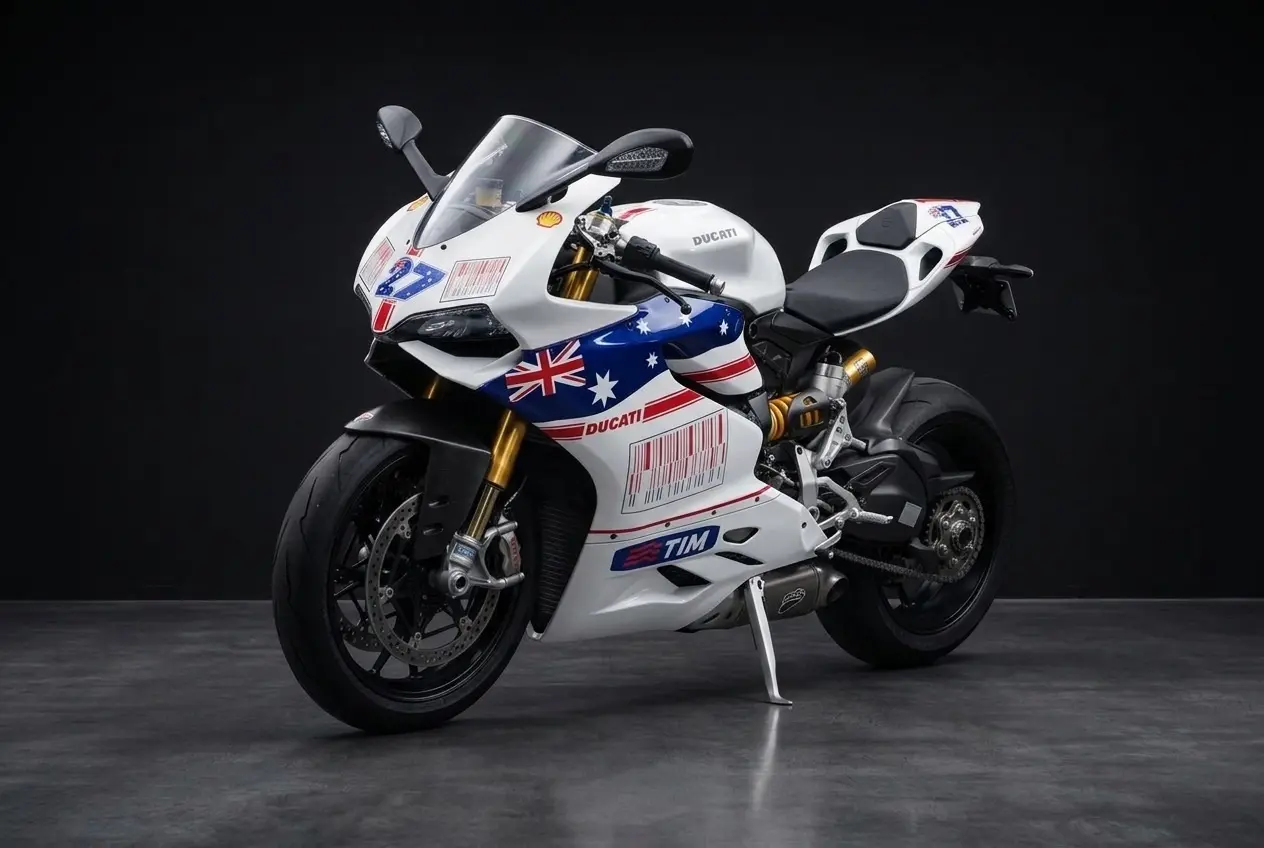
Book the Ducati 1199R. Pick your dates and book the Ducati 1199R online, or call us and we will sort it with you.
Book NowCall 0468 011 118Filling up looks like the simplest job in motorcycling, yet it is where a surprising number of paint scratches, spilled fuel and forgotten caps begin. The Ducati 1199R carries a finish that rewards care, and a clean, deliberate fuel stop protects the bodywork, keeps the rider safe and sets up the next leg of the ride. Here is the routine we follow, from the moment you pull in to the moment you pull away.
Still choosing a bike? Start with our guide to motorcycle hire in Sydney, which sets out the licence, age and pillion rules.
Why the fuel stop deserves a routine
A fuel stop comes at the end of a stretch of riding, when concentration is often starting to fade. That is exactly the moment a rider is most likely to rush, misplace a cap or forget a step. A routine turns the stop into a sequence you can follow without thinking, and it prevents the small errors that cost money and cause injuries.
The routine protects the bike as well. Petrol is harsh on paint, plastics and decals, and a spill that is left to dry can mark the finish. A careful rider stops the fuel where it belongs and wipes away any drops before they set.
Keep the routine the same every time. Familiar steps are easier to follow when you are tired or cold, and they make it obvious when something is wrong, such as a cap that does not sit flush or a stand that feels loose.
Choosing where to stop
Pull into the forecourt at a sensible angle, with enough room to move the bike off the stand and out again without manoeuvring around other vehicles. Avoid stopping on a slope, since the stand may sink or the bike may roll when you take your weight off it.
Park well clear of the pumps and the shop entrance so that customers can pass. Keep the bike away from the kerb and the drains, where spilled fuel can run. If the forecourt is busy, choose a quieter pump or wait a moment rather than squeezing into a tight space.
Check that the surface is firm and dry. Oil, grease and wet patches on a forecourt can make the stand slip, so look for them before you dismount.
Engine off, stand down and gear selected
Switch the engine off before you open the tank. Remove the key if you are walking away from the bike, and never leave the engine running while you fill up. Lower the side stand fully and check that it holds the bike upright on firm ground.
Confirm the gear position before you dismount. A bike left in gear can move unexpectedly when you bump the controls, and a neutral selection is the safer choice while you are standing beside the machine.
Keep your helmet on or close to hand while you are at the pump. Gloves should stay on as well, since fuel and metal surfaces can be cold and slippery.
Filling the tank without spills
Open the cap slowly, so any pressure in the tank escapes gently. Hold the nozzle steady and fill to the point where the pump shuts off automatically. Do not top up beyond that point, since the fuel can expand in the heat and spill onto the bodywork.
Keep the nozzle clear of the paint and the seat. A drip of fuel can ruin a finish quickly, and a rider who notices a spill should wipe it off at once with a dry cloth. Avoid touching the fuel with bare hands where you can.
Close the cap firmly until you hear or feel it seat. A cap that is not properly closed can leak in the rain or come loose at speed, so check it twice before you move the bike.
Safety at the pump
Do not use a mobile phone while filling the tank. Phone use at the pump can cause a distraction, and it is a poor habit around fuel. Put the phone away and finish the stop before you check messages or maps.
Avoid smoking near the pump, and keep ignition sources well clear of the fuel. Stand upright and keep the nozzle under control, and walk away from the bike only after the cap is closed and the nozzle is back in its holder.
If you smell fuel strongly or notice a leak from the tank or the lines, stop the stop. Move the bike to a safe spot, call our team and wait for advice before riding on.
The walk-round before you ride
After filling, walk around the bike. Check the cap, the tank surface and the area under the bike for drips. Look at both tyres for stones or debris picked up in the forecourt, and check the chain or belt for grit.
Confirm the mirrors, the lights and the instrument display. Make sure the gear is set, the stand is up and the key is in the ignition before you start the engine. A quick routine catches small problems before they become larger ones on the road.
Take a few deep breaths before you pull away. Fuel stops are short but busy, and a calm restart lets you return to the road with the same care you used to stop.
Road character, timing and planning fuel
Plan your fuel stops around the road ahead. Fill up before you reach a remote section, since services can be spaced widely and opening hours can be limited. Work out the range of the bike in real conditions and keep a margin in reserve.
Busy forecourts at peak times and on weekends can be crowded. Visit the pump early in the morning or during quieter hours when you can. Expect busy traffic around the station, and approach the forecourt slowly with indicators on.
Check road conditions with Transport for NSW before you set out, particularly on long rides where closures or works can change the fuel plan. A written note of fuel points helps when mobile reception drops.
Want the Ducati 1199R for your date? Pick your dates and book the Ducati 1199R online, or call us and we will sort it with you.
Book NowCall 0468 011 118Fatigue, food and water on the stop
The fuel stop is a good time to rest. Take off your gloves, drink some water and stretch your legs before you ride on. A short break restores concentration and keeps the next stretch safer.
Eat something light if you are hungry, rather than a heavy meal that leaves you drowsy. Avoid alcohol at any stop on a ride day, and never ride when you feel tired or unwell.
Keep a bottle of water in your pack and a small snack for the stretches between towns. A sensible break at each fuel stop makes a long ride far more manageable.
Keeping the tank and seat clean between stops
Dust, insects and road grime build up on the tank and seat over a day of riding. Wipe them with a soft, dry cloth at each stop, and use a clean microfibre cloth rather than a rough rag that can leave fine scratches. Pay attention to the areas where your knees rest, since they collect the most grime.
Brush away any grit from the seat before you sit down, especially after a gravel stretch. Loose stone trapped under your legs can scratch the paint and the seat cover. A quick sweep with a gloved hand takes seconds and protects the finish for longer.
Check the tank badge and the trim for dirt in the joins. A small brush or a cotton bud can clear the corners where grime hides, and a clean bike is easier to inspect for leaks and loose fittings.
Checking the fuel level and the reserve
Look at the fuel gauge before you pull in, so you know how much you need. Note the level and the distance you have covered since the last fill. A rough calculation of litres used per kilometre helps you judge the next stop, and it makes the planning on the road much simpler.
Do not wait until the reserve light comes on before you think about fuel. The reserve gives you a small margin, but it is not a plan. Treat a low reading as a prompt to find the next station at a sensible point, rather than pushing on and hoping a station is nearby.
When you are heading into a remote area, fill up fully at the last reliable station. Remember that wind, hills and cold weather all increase consumption, so the range you planned on paper may shrink on the road.
Keeping a record of your stops
Writing down the stops you use is a simple habit that pays off on longer rides. Note the town, the approximate distance from the previous fill and any services that were closed or limited. Over a few rides, this record shows you the true spacing of fuel points in the areas you visit most.
Keep the record on paper or in a note you can read without signal. Mobile reception drops out in many country areas, and a written plan works when the phone does not. Share the list with a riding companion so that you both know where the next fill is.
The record also helps you plan rest stops. A fuel stop is an excellent place to stretch, drink water and check the bike, and knowing where the good ones are makes the whole day smoother.
The Ducati 1199R, the hire terms and booking
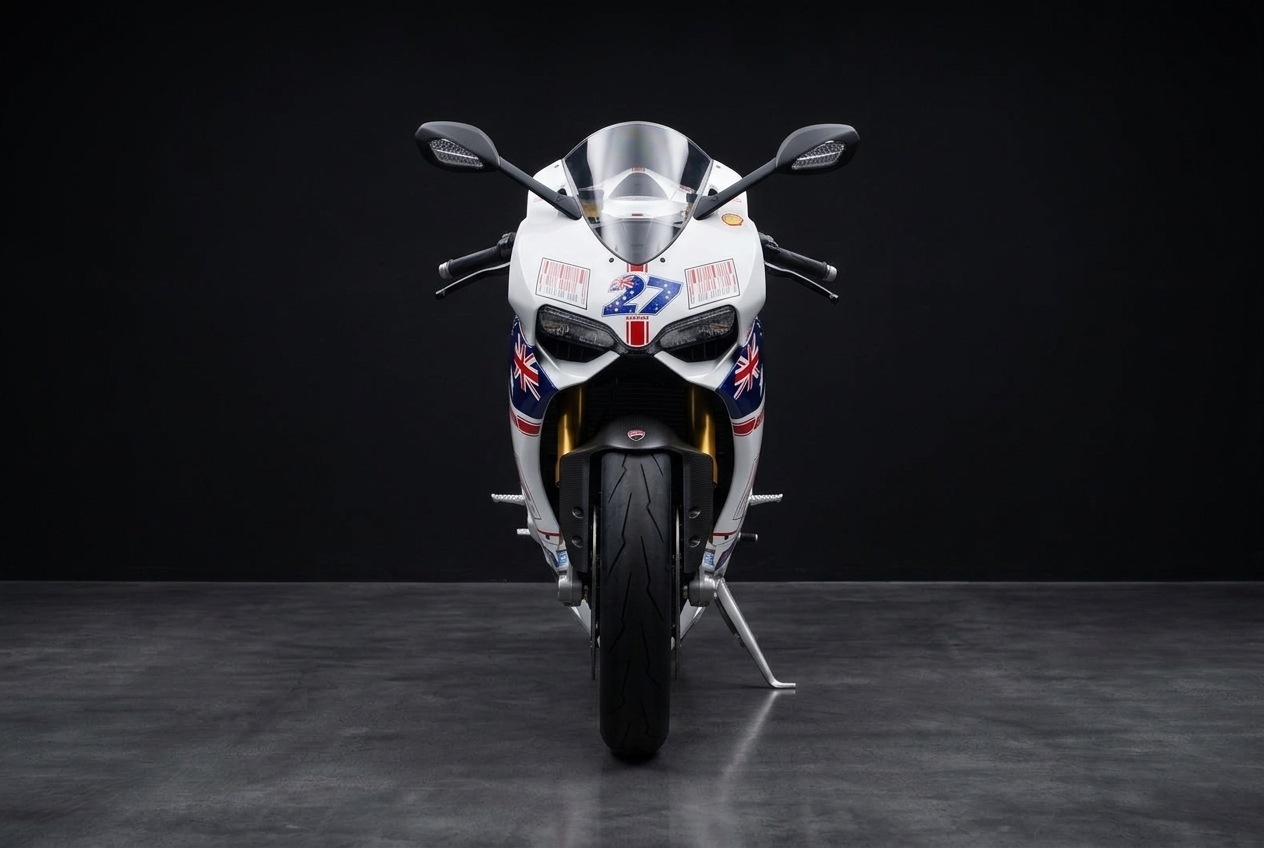
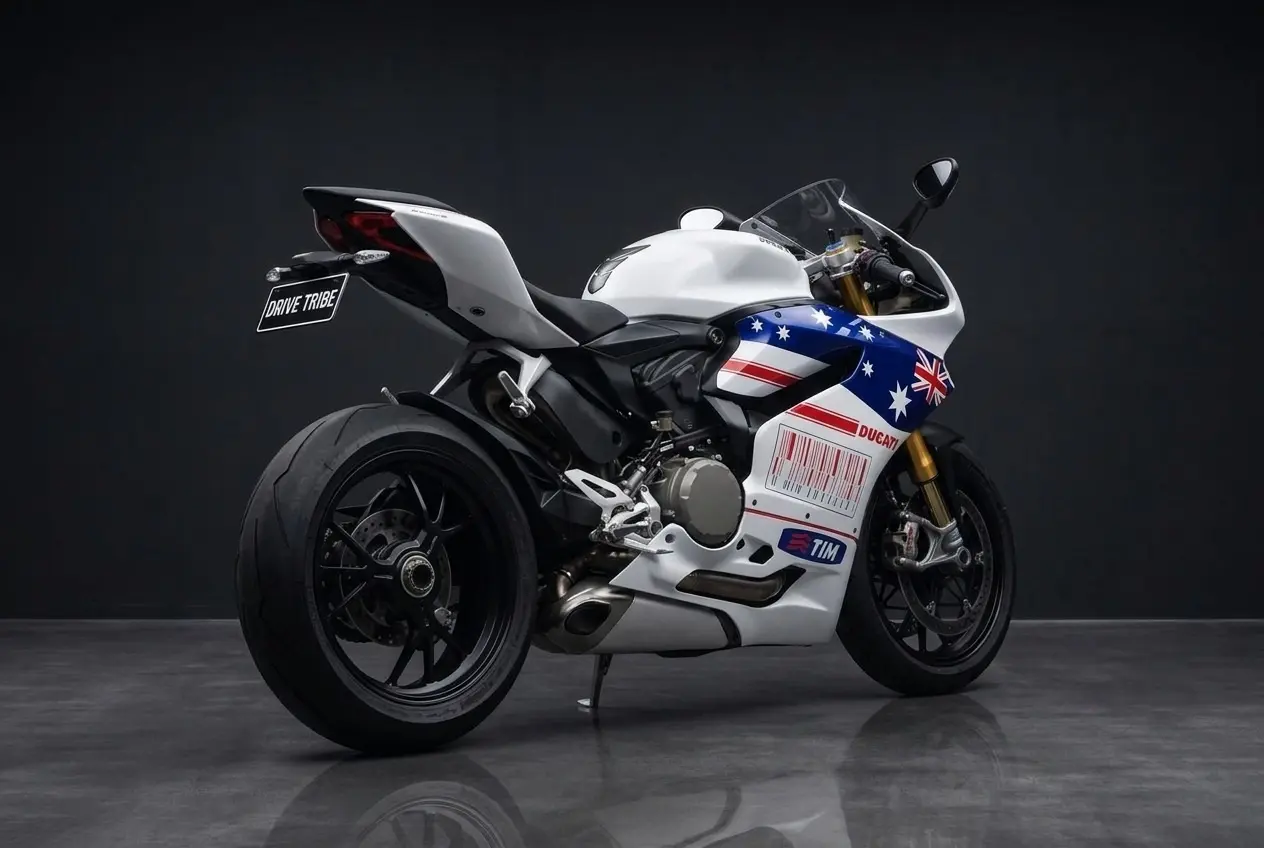
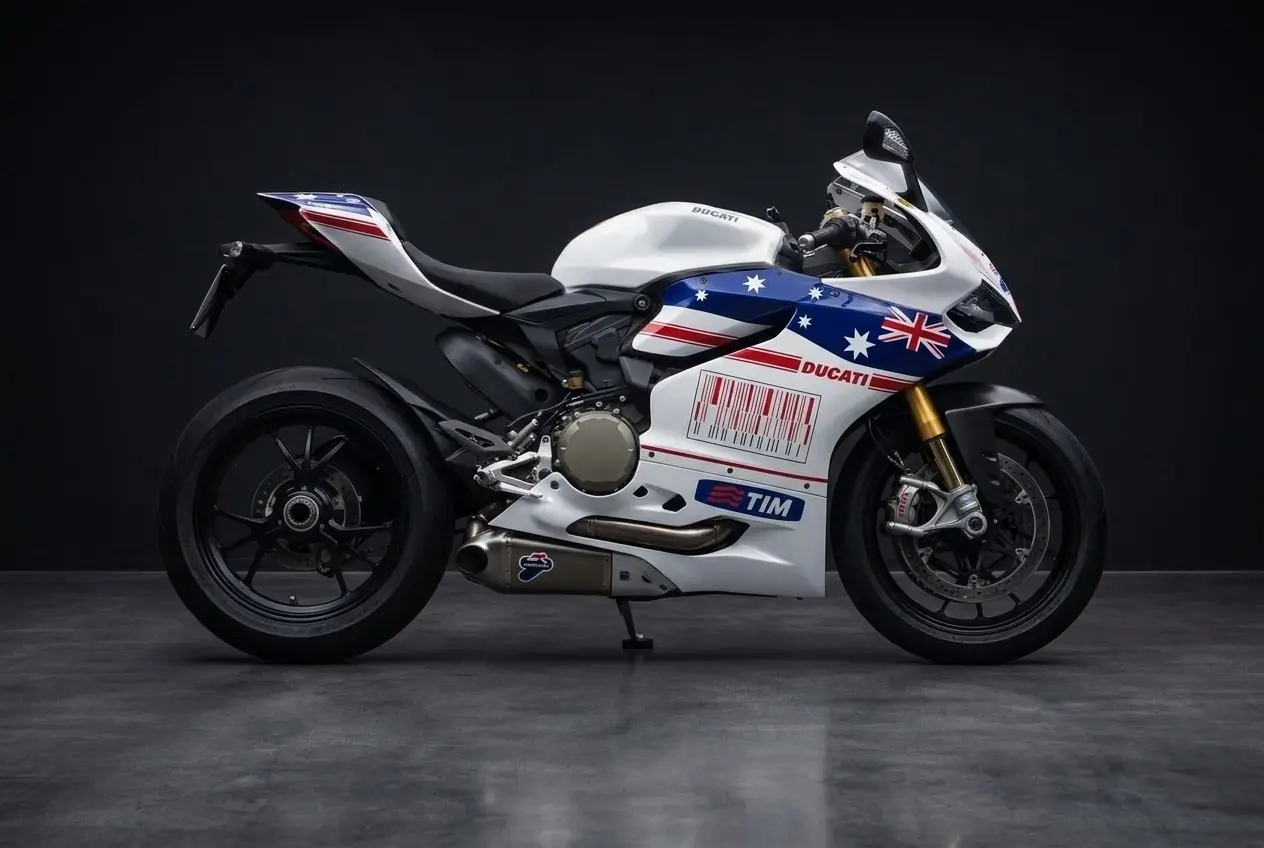
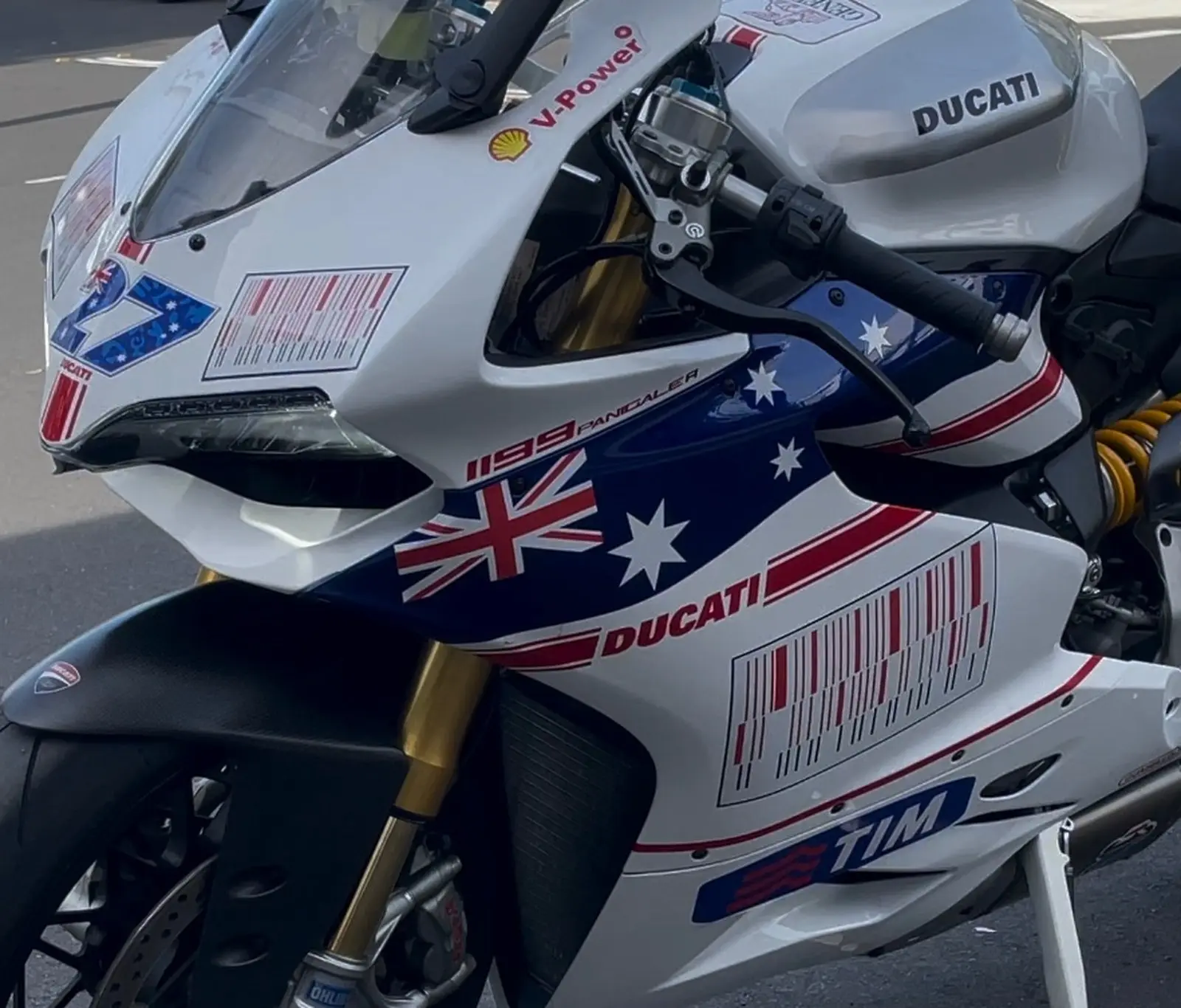
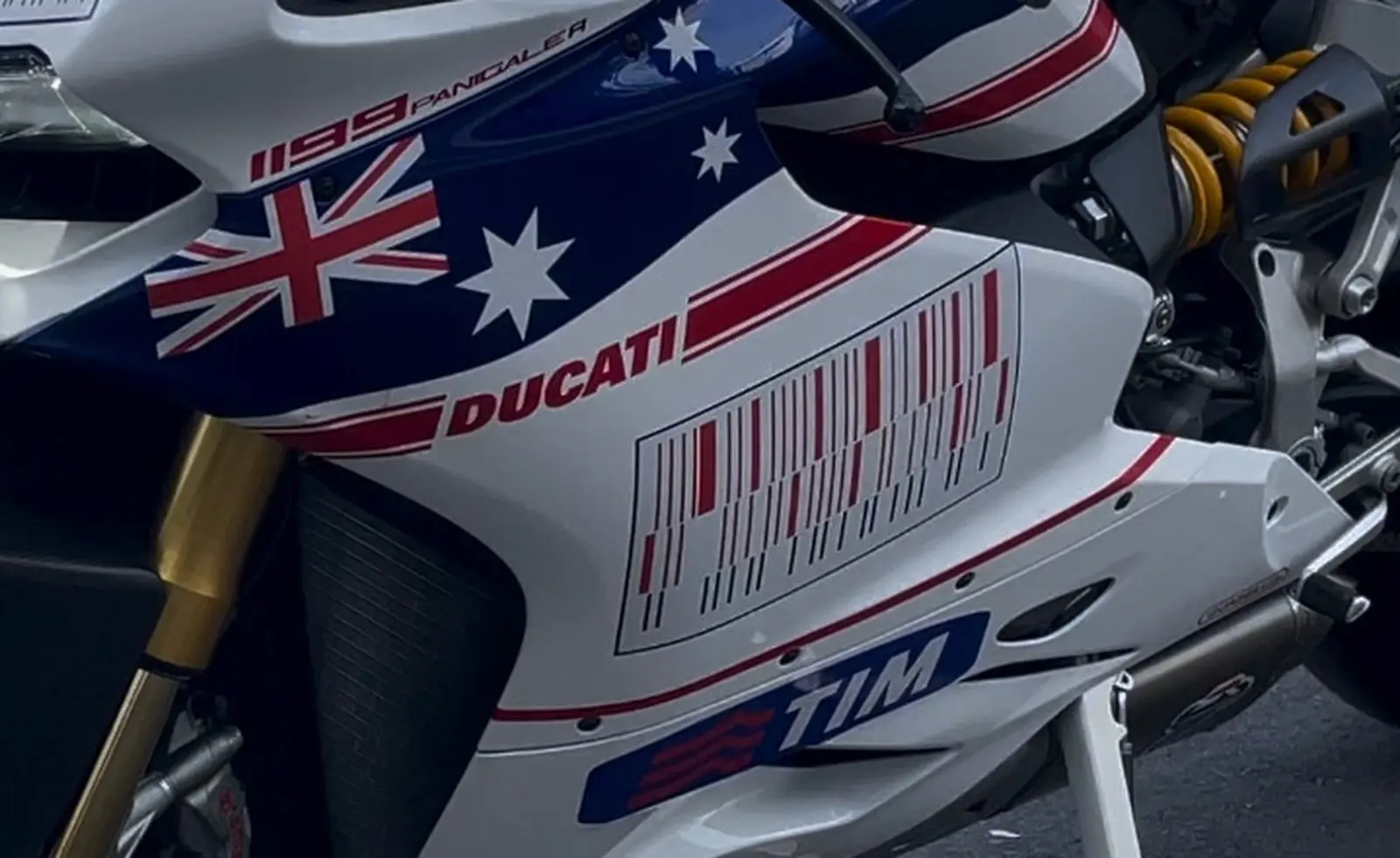
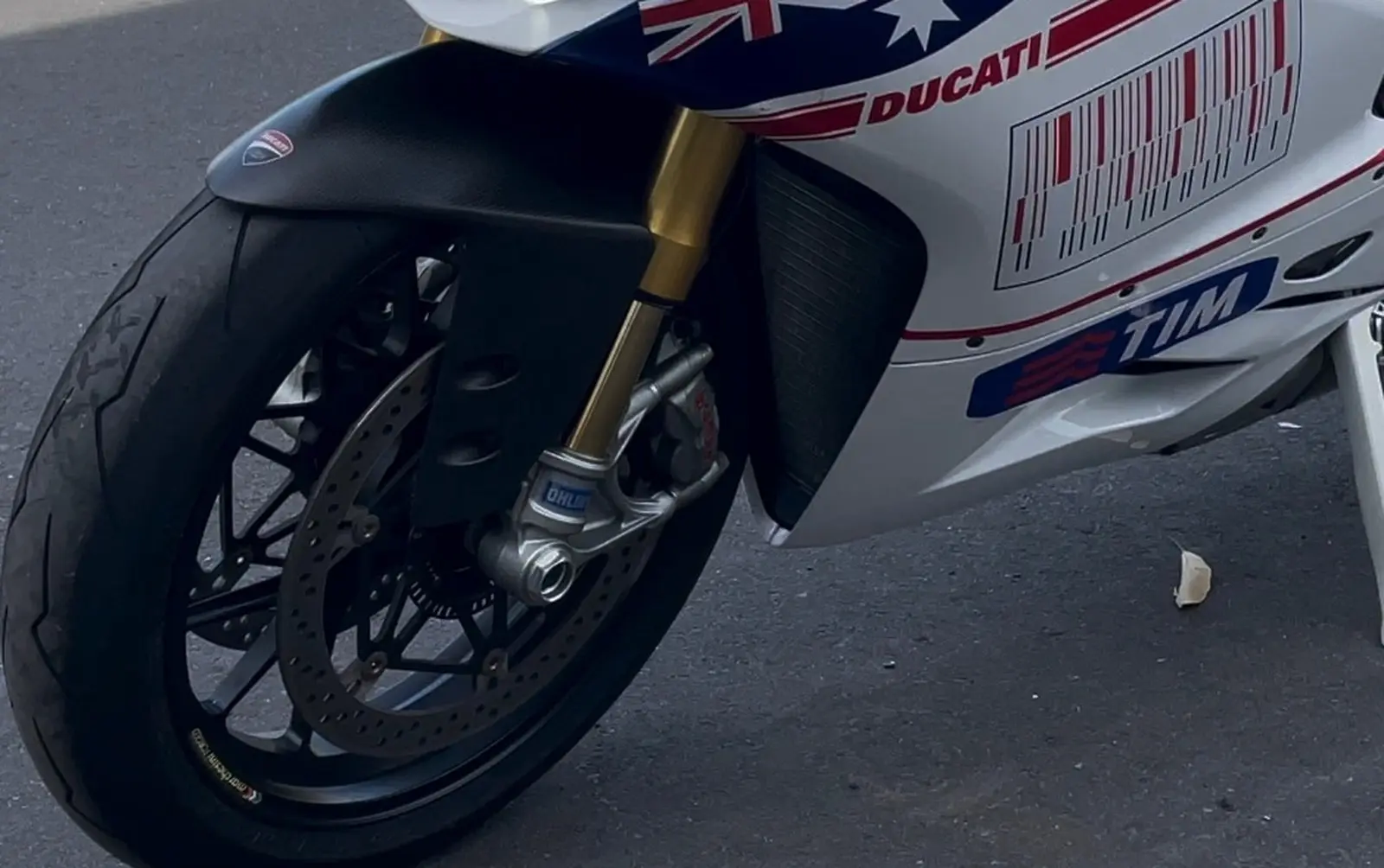
The Ducati 1199R is a superbike with an Australian flag livery, a tribute to Casey Stoner, the Australian rider who won his first MotoGP World Championship on a Ducati in 2007, racing as number 27. Its gold front forks and black forged wheels catch the eye at every stop, and a clean, careful routine keeps that finish looking its best. The bike is a single-seater, built for one rider.
The terms for hire are direct. A minimum of three days applies, and the bike is collected from Parramatta. A full motorcycle licence held for three years or longer is required, and the rider must be 25 or over. Trackers are fitted to all bikes in our fleet, and a security bond applies according to the class of bike.
When you are ready to ride, use the Book Now option on this page to reserve the Ducati 1199R for your dates. Our team will explain the fuel and cap arrangements before you leave the depot.
Frequently asked questions
Should I turn the engine off when I fill up?
Yes, always. Switch the engine off and remove the key if you will leave the bike. Keeping the engine running while you fill the tank adds fire risk and gives the bike a chance to move. Lower the side stand, check that it holds, and keep your helmet and gloves on while you refuel.
What should I do if I spill fuel on the paint?
Wipe it off straight away with a dry cloth. Fuel left on paint can mark the finish, and the longer it sits the harder it is to clean. If the spill has run onto plastic or a decal, wipe it promptly and check for any damage. Do not rub hard, since grit on the cloth can scratch the surface.
Can I use my phone while filling up?
It is best not to. Phone use at the pump is a distraction and a poor habit around fuel. Put the phone away, finish the fill and check messages once you are clear of the forecourt and ready to ride.
How full should I fill the tank?
Fill until the pump shuts off automatically, and do not top up beyond that point. Overfilling can cause fuel to expand in the heat and spill onto the bodywork. Close the cap firmly and check it before you ride away.
Can I take a passenger when I fill up?
The Ducati 1199R is a single-seater, so there is no passenger to consider on this bike. If you want to share a ride, the Yamaha MT-09 SP is the bike in our fleet that takes a passenger, one aged 16 or over. Please talk to our team about the options when you book.
What if the fuel cap will not close properly?
Do not ride away with a cap that is loose or does not sit flush. Check the seal, clean any debris from the seat and try again. If the cap still will not close, stop riding and contact our team for advice before you continue.
Ready when you are. Pick your dates and book the Ducati 1199R online, or call us and we will sort it with you.
Book NowCall 0468 011 118