

Book the MV Agusta F4. Pick your dates and book the MV Agusta F4 online, or call us and we will sort it with you.
Book NowCall 0468 011 118The Old Northern Road winds north-west from the edge of Sydney's outer suburbs, through rolling country and bushland toward the Hawkesbury River. It is a rewarding road for a rider who takes it steadily. Loose material at the edges, patches of uneven surface, wildlife on the verges and a river crossing that can bring a queue all call for planning. This guide sets out the hazards, the best times to ride and how to keep the day relaxed from start to finish.
Still choosing a bike? Start with our guide to motorcycle hire in Sydney, which sets out the licence, age and pillion rules.
Why the Old Northern Road rewards a planned ride
Some roads reveal their character at once, and others unfold slowly over many kilometres. The Old Northern Road is one of the latter. It starts in familiar suburban surroundings, then gradually opens into farmland, bush and a sense of distance that surprises many riders. The change is pleasant, but it also means the road can ask different things of you across a single morning.
A planned ride keeps the road in proportion. Decide where you will stop, how far you intend to go and when you want to turn back. A clear plan lets you focus on the riding itself, rather than checking the map at every junction and wondering whether you have time for one more bend.
Think of the road in three parts: the busier opening stretch, the rolling middle where the bends and the scenery arrive in turn, and the final approach toward the river. Each part needs a slightly different mindset, and recognising that shift is one of the quiet skills of a good rider.
Loose material and uneven edges
The edges of the Old Northern Road can carry loose material after rain or traffic, including fine gravel, dirt and small stones that drift onto the seal. The problem is most common where the verge is narrow and vehicles have pulled off, and it can be hard to spot from a distance because the material blends into the surface. A wheel that runs over it can slide quickly, especially on a lean.
Uneven patches are another feature to watch for. Where the surface has been repaired or has settled, the seal may dip or rise in a way that unsettles the bike. Slow down before you reach a patch you do not recognise, and keep the bike upright over the section rather than braking or accelerating hard across it.
Keep your line central and well clear of the edges, and avoid running wide on a corner just because the road looks clear ahead. Use the full width of your lane with care, and never ride onto an unsealed track or a gravel side road. The sealed surface is the one you can rely on, and that is the surface you should stay on.
After rain, be especially watchful on the shaded stretches, where the seal can stay damp and the loose material can settle into the gutter line. Look for changes in colour and texture, and treat any stretch that looks different from the surrounding road as a warning sign. A calm approach, with the bike held steady and the brakes applied gently in a straight line, keeps the ride predictable even when the surface is not at its best.

Wildlife on the verges and at the edges of the bush
The bush along the Old Northern Road is home to native animals, and they are most active at dawn and dusk. Kangaroos and wallabies move through the grass and scrub, and smaller animals can cross the road quickly and with little warning. The verges are often wide enough to invite animals in, so the bush sections need extra attention.
Scan both sides of the road as you ride, and watch the grass for movement and the edges of the trees for shapes that do not match the background. Slow down through the sections where the bush comes right to the road, and leave more space than usual between you and the vehicle ahead. If an animal appears, brake in a controlled way and keep the bike upright, rather than swerving sharply.
A riding jacket with proper protection, a helmet that fits well and boots that support the ankle all help if the unexpected happens. Lights on during the low-light hours make you easier to see, and a steady pace gives you the time you need to react to a sudden movement at the edge of the road.
The Wisemans Ferry crossing and the queues
The journey ends, for many riders, at the Hawkesbury River, where a vehicle ferry carries traffic across the water at Wisemans Ferry. The crossing is part of the attraction, but it can bring a queue of cars and trucks at busy times, and the wait can stretch longer than you expect on a weekend. Plan your arrival with the queue in mind, and build a margin into your timing so you are not rushing to the front of the line.
When you join a queue, park the bike with care on firm, level ground, and keep it upright at all times. Avoid standing too close to other vehicles, and watch for the movement of cars and trucks as they board and leave. Make sure you know where the bike will sit on the ferry and how you will secure it, and follow the instructions of the crew.
Use the wait to rest, drink water and stretch. The river setting is a pleasant place to pause, but do not let the calm distract you from the traffic. Keep your gear on, your helmet secure and your attention on the vehicles around you until you are back on the road on the far bank.
If you are riding in a group, agree before you reach the ferry how you will board and where each rider will wait. Spreading out in the queue, rather than bunching together, gives every rider room to manoeuvre and avoids the risk of a dropped bike in a tight space. Keep each rider's pace comfortable, and expect the crossing to take longer than the map suggests.
Best time, season and the fuel and food stops
Weekday mornings are the quietest time on the Old Northern Road, with lighter traffic and a relaxed pace along the bends. Weekend mornings bring more cars, caravans and visitors heading for the river, and the ferry queue can build quickly from late morning onward. An early start helps you enjoy the open road before the crowds arrive.
Autumn and spring are the most comfortable seasons, with mild temperatures and clear light that shows the surface well. Winter mornings can be cold, and damp patches linger in the shade of the bush, so plan a later start and wear warm layers. Summer is hot, and the heat in full gear is more demanding than many riders expect, so start early and build in shade and water breaks.
Fuel is best planned before the outer country sections, since stations are spaced further apart than in the suburbs. Top up when the tank reaches roughly half, and do not assume a station will be open or nearby on the return. Food stops are easiest to find in the villages along the way and near the river, where a simple lunch is a good reward after the ride. Eat lightly before the bends and the queue, and save a larger meal for the return.
Want the MV Agusta F4 for your date? Pick your dates and book the MV Agusta F4 online, or call us and we will sort it with you.
Book NowCall 0468 011 118The hire rules for a day on this route
Three rules shape a day on the Old Northern Road from our base. Helmets (Shark, AGV or Bell) can be hired from us in small, medium or large for $50 per hire, or you can bring your own, and a helmet replacement fee applies if a helmet is lost or damaged. We do not supply jackets, gloves, pants or boots, so bring your own riding gear. Overnight the bike must be kept in a locked garage or secure off-street parking between 9pm and 6am, so plan the day to finish with time to spare.

Fatigue, gear and the pace that suits you
Fatigue can creep up on a long run through the countryside, particularly when the road is calm and the bends are gentle. Stop every hour or so, stretch your neck, shoulders and back, and drink water before you feel thirsty. Pulling off at a village or a shaded spot gives you a chance to check your gear and reset your focus.
Gear should protect you from a fall and keep you comfortable as the temperature changes. A helmet that fits snugly, a jacket with abrasion protection, gloves that let you feel the controls and boots that support the ankle are the core items. A light layer is useful in the shaded stretches and at the river, where the air can feel cooler than the open road.
Ride within your ability, and never ride after drinking alcohol, even a small amount. Set a pace that lets you see the road well ahead, and be willing to let faster traffic pass. A steady, relaxed rider is the safest companion on this road, and it is the most enjoyable way to see the country.
Transport for NSW is the place to check for closures and roadworks before a ride like this.
Book the MV Agusta F4 for a river run
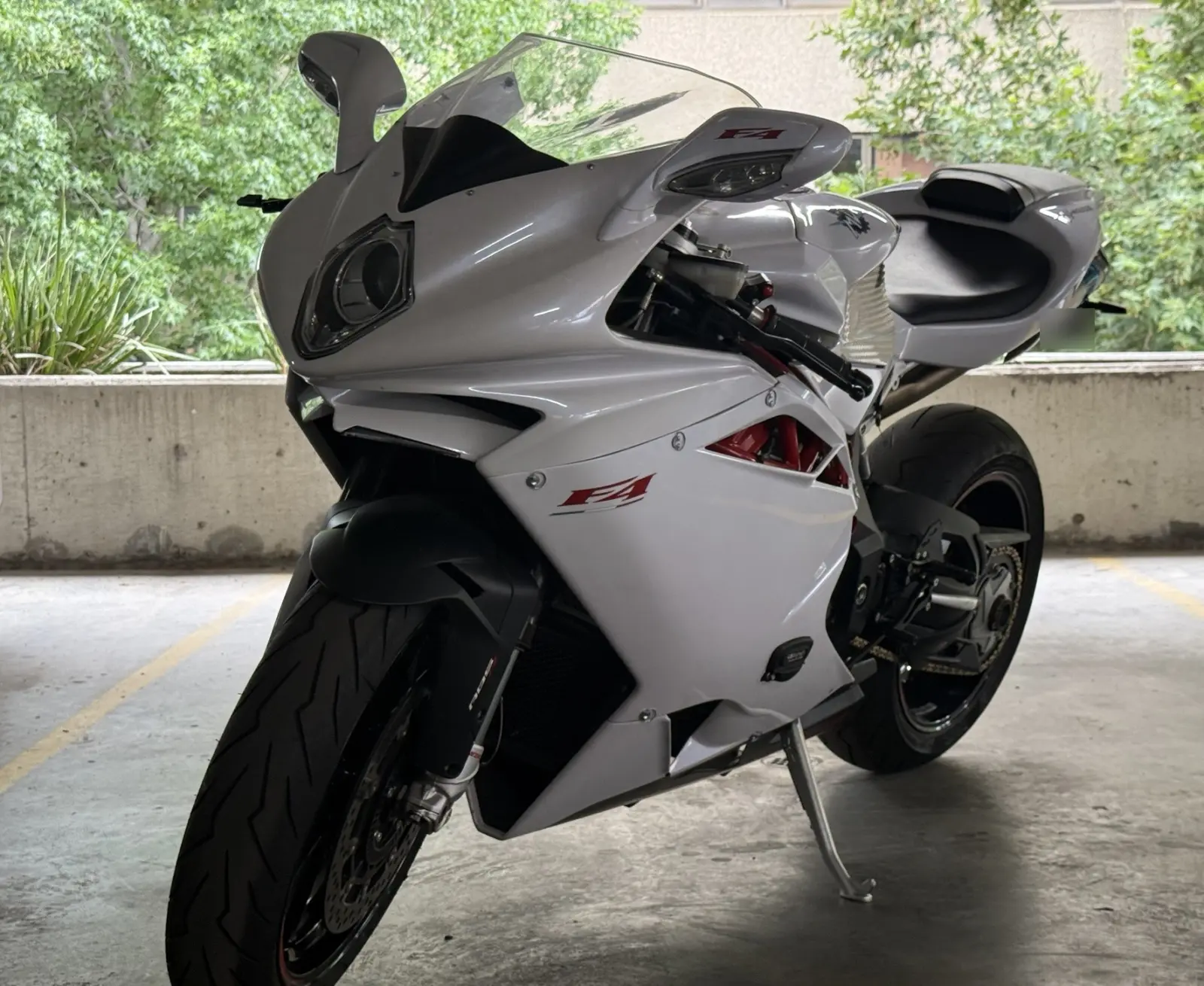
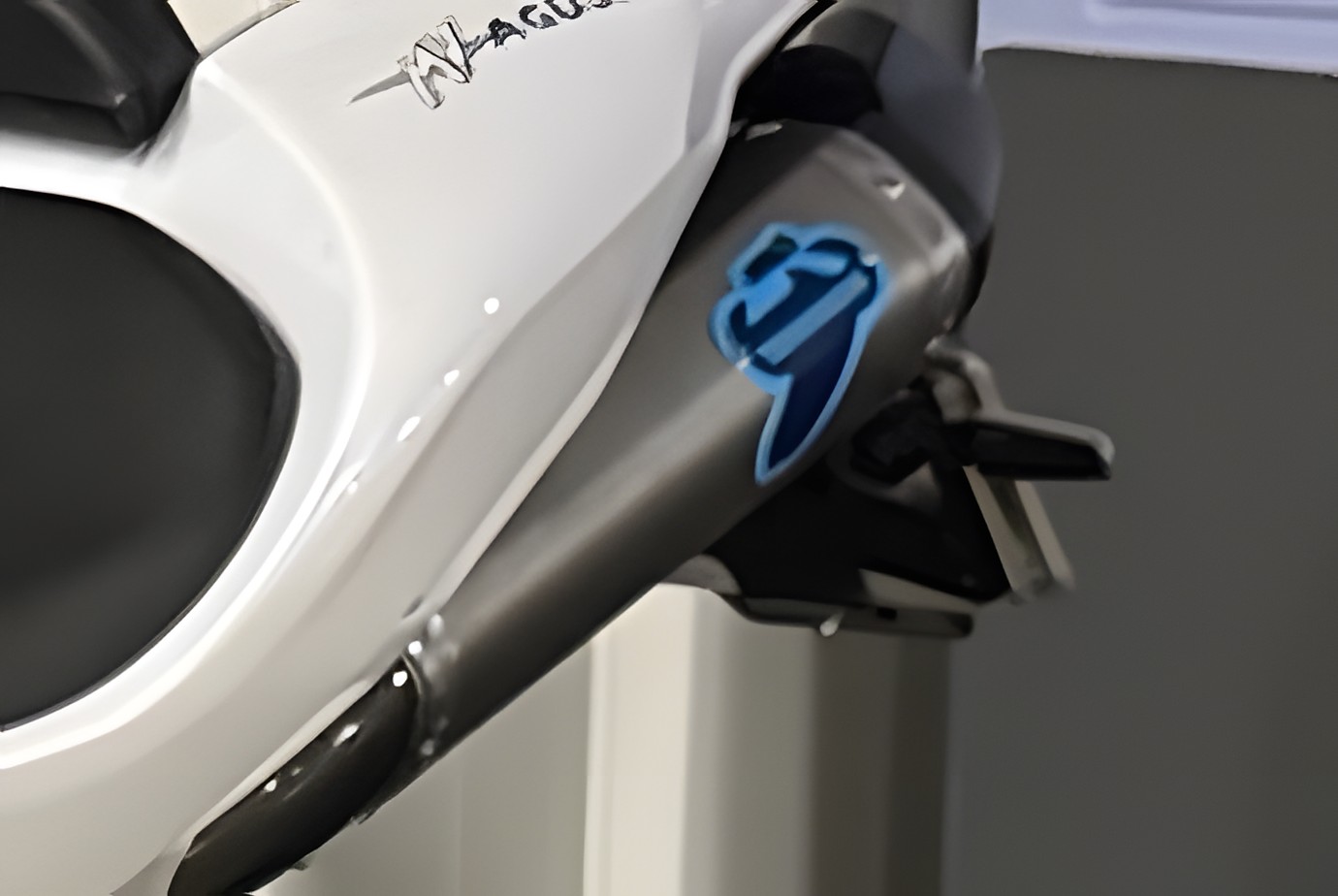
For a rider who enjoys a deliberate, well-judged ride, the MV Agusta F4 is an exceptional choice for the Old Northern Road. Its 998cc inline four delivers strong, controllable power, and its pearl white finish with a red trellis frame makes it one of the most distinctive bikes in our fleet. The performance exhaust gives the engine its character, and a measured run through the bends rewards a rider who keeps the throttle smooth.
When your plan is set, you can reserve the MV Agusta F4 here: book the MV Agusta F4. Choose a quiet morning, respect the edges and the wildlife, and enjoy the ride to the river.
Frequently asked questions
Is the Old Northern Road suitable for a motorbike?
Yes, provided you ride with care and plan for the conditions. The road has loose material at the edges in places, uneven patches and wildlife along the bush sections. Keep to the sealed surface, ride at a steady pace and allow extra time for the ferry crossing at the end of the route.
How do I deal with loose material on the edges?
Keep your line central and well clear of the edges, and slow down before you reach any patch of gravel or dirt. Avoid braking or accelerating hard over loose material, and keep the bike upright on the approach. Never ride onto an unsealed track to avoid a patch, since those surfaces are not suitable for a road bike.
What should I expect at the Wisemans Ferry crossing?
The ferry carries cars and trucks across the Hawkesbury, and queues can build quickly, especially on weekends and holidays. Plan your arrival with the wait in mind, park the bike firmly on level ground and keep it upright. Watch the vehicles around you as they board and leave, and follow the instructions of the crew at all times.
When is wildlife most likely near the road?
Wildlife is most active at dawn and dusk, when kangaroos, wallabies and smaller animals move through the grass and scrub. Scan both verges, watch the edges of the bush and slow down through the sections where the trees come close to the road. Brake in a controlled way if an animal appears, rather than swerving sharply.
Which season suits this ride best?
Autumn and spring are generally the most comfortable, with mild temperatures and clear light. Winter mornings can be cold, with damp patches in the shade, so a later start and warm layers help. Summer is hot, so an early start and frequent shaded breaks will make the day more comfortable.
Where should I refuel on the route?
Plan fuel before the outer country sections, where stations are spaced further apart than in the suburbs. Top up when the tank reaches roughly half, and do not assume a station will be open on the return. Villages along the way and near the river are good places to rest and take a break, but keep your fuel plan in view throughout the ride.
Ready when you are. Pick your dates and book the MV Agusta F4 online, or call us and we will sort it with you.
Book NowCall 0468 011 118