

Book the Yamaha MT-09 SP. Pick your dates and book the Yamaha MT-09 SP online, or call us and we will sort it with you.
Book NowCall 0468 011 118Megalong Valley is a quiet, green corner of the Blue Mountains, where farmland, bush and the rim of the escarpment sit close together. It rewards a rider who slows down and looks around, but it is not a road to rush. Rural valley roads change character without much notice, so a relaxed pace is the best protection. This guide sets out the cautions, from surfaces and livestock to wet patches and the low light of dusk, and how the Yamaha MT-09 SP suits a careful rider.
Everything to know before you book, from the licence rules to the bond, is on our Sydney motorbike hire page.
A valley that asks for a slower hand
The valley floor runs long and open between ridgelines, and the landscape invites a rider to slow down and look around. That is exactly the right approach here. Rural valley roads change character without much notice, and a measured pace is the most reliable protection you have.
Most of the hazards in the valley are ordinary ones made more serious by distance and surprise. A surface that changes, an animal that steps out, a vehicle that pulls off at a gate or a wet patch under the trees can all appear quickly. The aim is to read the valley as you ride it, rather than discovering its features at the last second.
The rest of this guide sets out the main cautions in turn, so you can use it as a checklist before you plan a ride here. Read the sections on surfaces and dusk light twice if you are new to rural roads, because they cause more trouble than the bends do.
Checking the surface before you ride
Rural valley roads can switch from sealed to unsealed without warning, and a road bike is not built for loose surfaces. Before you set off, check the route on a map and confirm that the stretches you plan to ride are sealed. If a road turns to gravel or dirt, turn back at the next safe point rather than pressing on.
Look for clues as you ride. Fresh gravel at the edges of the road, dust scattered across the tarmac and loose stones piled in the verge all suggest a surface that will not suit a motorbike. Even a short unsealed section can bring a bike down, so do not test it to see what happens.
Good route choice takes much of the stress out of a valley day. A sealed loop that you know well is a better outing than a shortcut you are unsure of, and the views are rarely worth the risk on a road bike.
Livestock, grids and farm entrances
Livestock is a common feature of rural roads in the valley. Cattle or horses may be grazing close to the verge, or crossing without warning, so slow down whenever animals are near the road and be ready for them to move in any direction. A bike is far more vulnerable than a car, so treat every animal as a potential hazard.
Metal grids on farm roads can be slippery when wet and can unsettle a motorbike if you brake or lean over them. Cross them upright and slowly, and ease off before the grid rather than on it. If you are unsure of the surface, slow right down and let the bike settle before you reach it.
Gates and farm entrances are another source of surprise. A vehicle may pull out or stop suddenly, and the driver may not expect a motorbike to be approaching quickly. Keep your distance, watch the entrances and be ready to slow at every junction.
Wet patches and slippery surfaces after rain
Wet patches are one of the most common causes of trouble on rural roads. Shade under the trees can keep a surface damp long after the open road has dried, and the first rain after a dry spell can lift oil and dust to the top of the road. Treat any dark, wet patch as a hazard until you have proven otherwise.
Mud and clay can build up on the verges and at the edges of the road after rain, and they can pull a tyre out of line if you ride onto them. Stay on the sealed centre of the road, and avoid the edges where mud and debris collect.
Reduce your speed in the wet, brake earlier and keep your inputs slow and smooth. Wet conditions change grip in a way that is easy to misjudge, so give yourself a generous margin on every bend.
Dusk light and low sun in the valley
Low light can be lovely in the valley, but it is also demanding. As the sun drops behind the escarpment, the valley floor darkens quickly, and shadows across the road can hide surface changes. Riding in dusk light is allowed, but it asks for more care than a bright afternoon run. The temperature also drops as the sun goes, and a cold draught can reach you faster than you expect on a fast descent into the valley.
Wildlife is most active at dawn and dusk, which is when kangaroos, wallabies, cattle and horses are most likely to be on or beside the road. Slow down, scan the verges and avoid overtaking in low light, when visibility is poor and animals can appear quickly.
Plan the day so you are not caught out by fading light. Set a finish time that leaves daylight to spare, keep your headlight on and keep your visor clean. If the light is going, shorten the ride rather than pushing on.
Best time of year, fuel and food stops
Autumn and spring are the best seasons for the valley. The temperatures are gentle, the grass is green and wildlife is easier to see in the early morning and late afternoon. Summer heat can make a long valley ride tiring, and winter frost can linger in the shade until late morning.
Fuel up before you enter the valley, since stops in the rural areas can be far apart. Plan a food stop with a few options in a nearby town, and pack snacks and water for the rural sections where services are limited.
Weekends bring visitors to the valley and the lookouts, and the road can carry more cars and cyclists than you expect. Weekday rides are quieter, which suits a careful pace in a valley where animals and gates demand attention.
- Fuel: top up before entering the valley
- Food: choose a town stop with a few options
- Water: carry extra for the rural stretches
- Timing: aim to be back with daylight to spare
Want the Yamaha MT-09 SP for your date? Pick your dates and book the Yamaha MT-09 SP online, or call us and we will sort it with you.
Book NowCall 0468 011 118Road character and traffic in the valley
The valley road mixes gentle bends with sharper corners, and sight lines between farm entrances can be limited. Some corners open into long curves while others tighten suddenly. Identify the type of bend early, and set your speed for the tightest version you can see.
Traffic is light on most weekdays, but tourists and cyclists can slow down or turn without warning on weekends. Pass only where sight lines are clear and the move is legal, and never overtake near a gate or over a blind rise.
Keep a steady pace and a clear eye on the verges. A relaxed rider who watches the road and its surroundings will handle the valley far more smoothly than one who is hurrying to make time.
Safety in low light and on rural roads
Gear matters in the valley, where a fall can happen on a gravelly edge or a wet patch. A full-face helmet, an armoured jacket, gloves, long trousers and boots with ankle support are essential. Carry a warm layer for the cooler evenings and early mornings, since the valley can turn chilly quickly.
Fatigue and low light combine to reduce concentration fast. Stop before you feel tired, drink water and take a short break when the light begins to fade. Reactions slow in the dusk, and that is when small mistakes tend to happen.
Check road conditions with Transport for NSW before you leave, particularly after rain or storms that can leave debris on the road. Never drink alcohol before or during a ride, and ride within your own ability on every stretch of the valley.
- Ride within your own ability, and slow for every animal
- Never drink alcohol before or during a ride
- Keep fuel above a safe reserve
- Stop early if the light or the weather turns against you

Hire terms for an overnight stop
If your valley trip includes an overnight stop, the bike must be kept in a locked garage or secure off-street parking between 9pm and 6am. Trackers are fitted to all of our bikes, and if we judge a rider unsafe we may end the hire.
The overnight rule is simple to plan around. Choose accommodation with secure parking where you can, and tell us your plans before you travel so the arrangements are clear from the start.
Plan the valley ride to finish well before the parking time, and leave a margin for anything unexpected on the road.
Book the Yamaha MT-09 SP for your valley ride
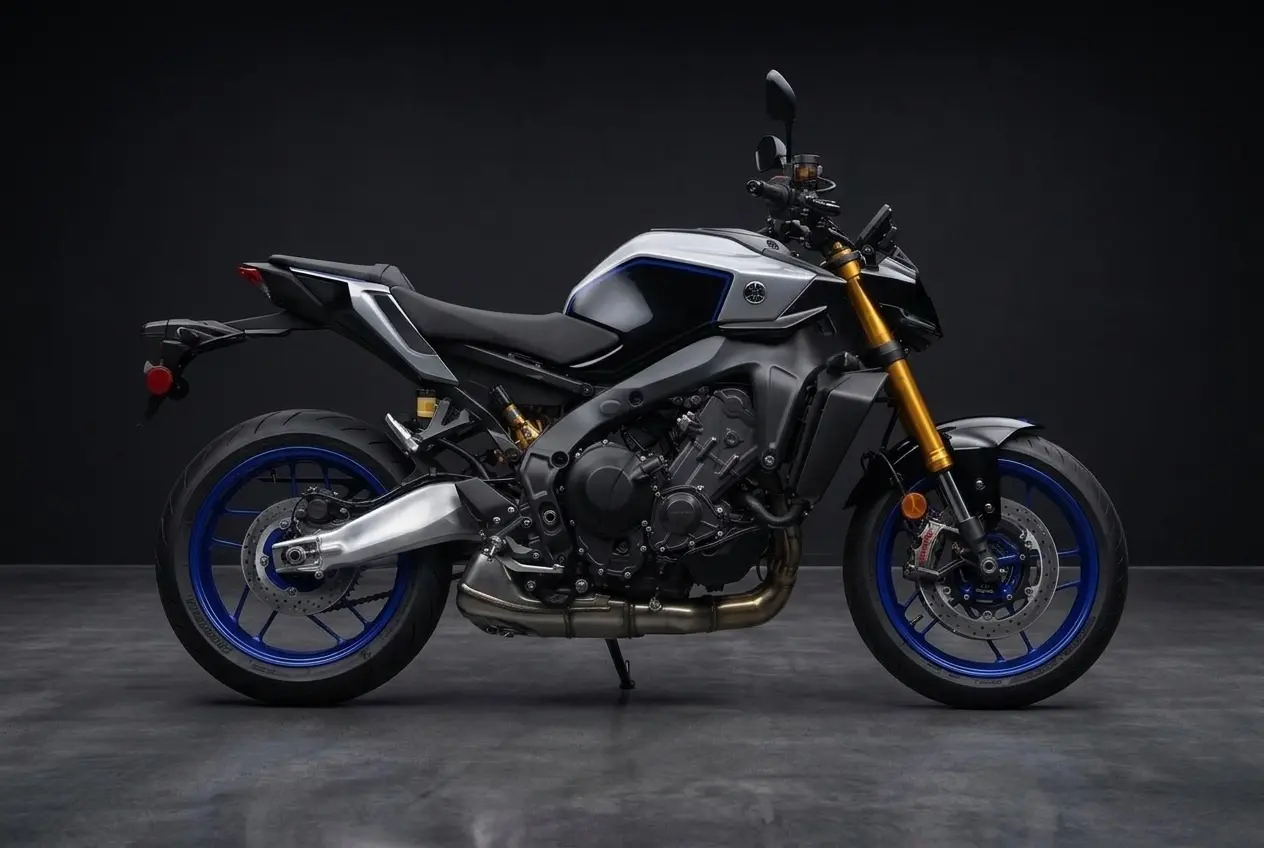
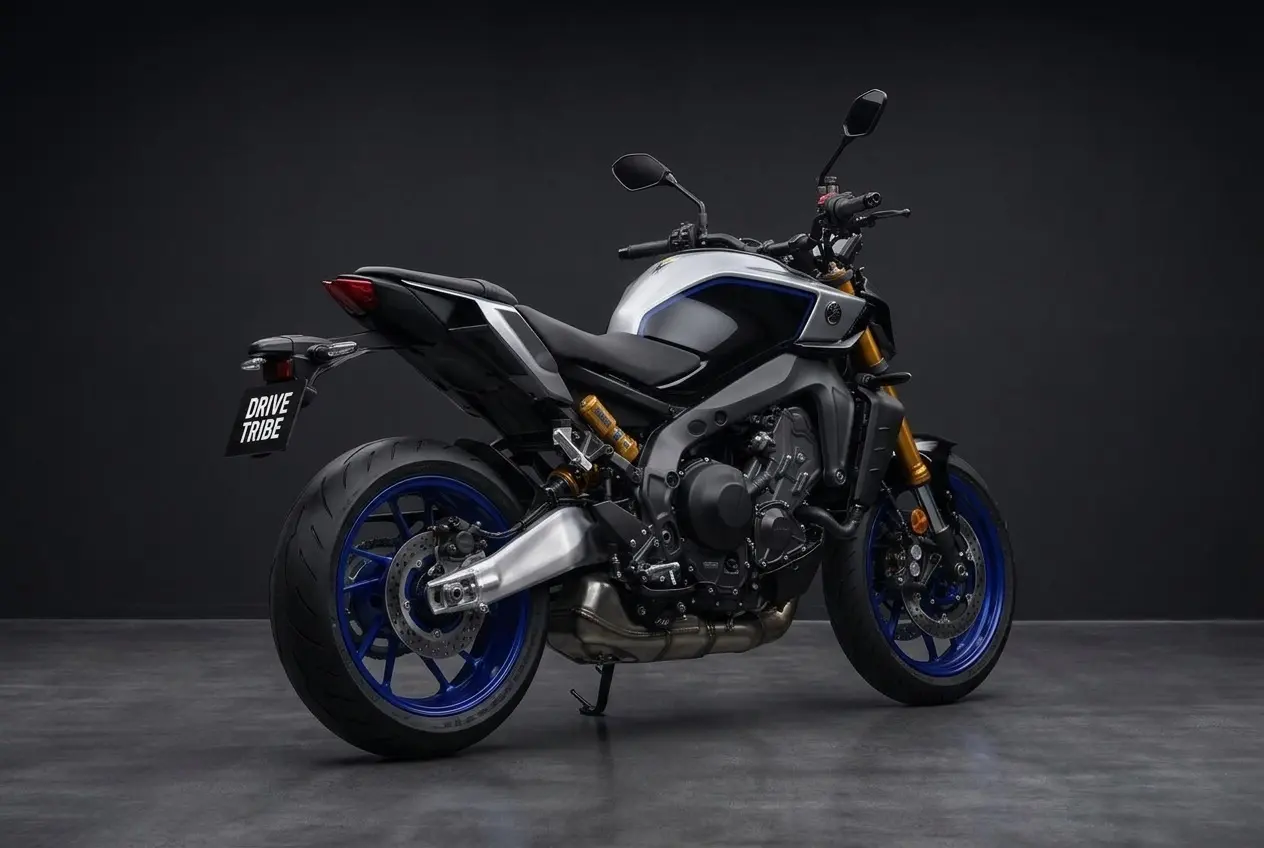
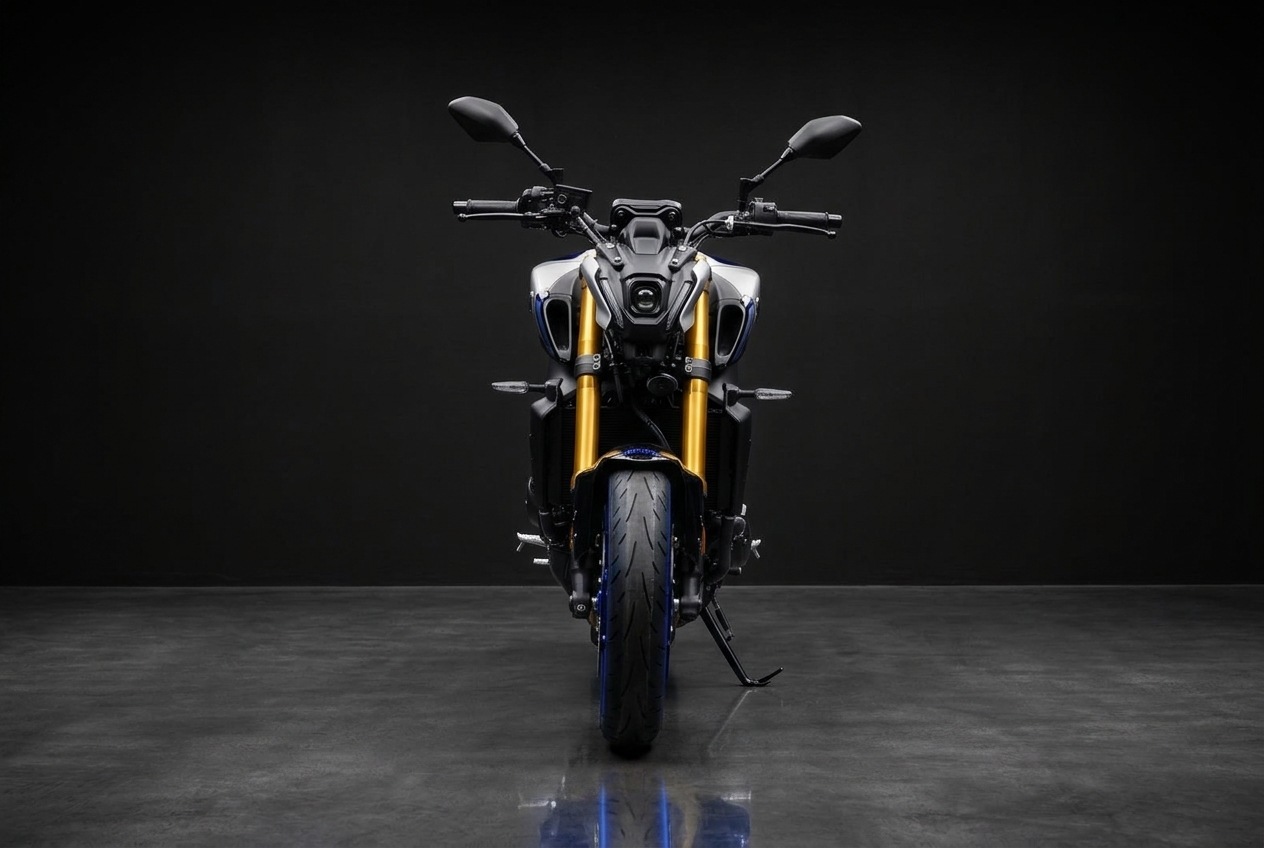
The Yamaha MT-09 SP is a performance naked bike that suits a careful rider on rural roads. Its premium adjustable suspension helps with changing surfaces, and its strong brakes give confidence when a road asks for them quickly.
Respect the valley, take your time and let the scenery and the wildlife set your pace. A calm ride here is a memorable one, and it leaves plenty of room to enjoy the view.
Book the Yamaha MT-09 SP now and let us help you plan your valley ride. We look forward to welcoming you to Parramatta and to seeing you on the road into the Blue Mountains.

Frequently asked questions
Is Megalong Valley suitable for a road bike?
Yes, on the sealed roads. Rural valley roads can change to unsealed surfaces without much warning, and our road bikes should not be ridden on gravel or dirt. Check the route before you go, keep to the sealed sections and turn back if the surface changes.
Can I ride in the valley at dusk?
Riding at dusk is allowed, but it asks for more care. Light fades quickly in the valley, and wildlife is most active at dawn and dusk. Slow down, keep your headlight on and aim to finish with daylight to spare. If the light is going, shorten the ride rather than pushing on.
What should I do if an animal steps onto the road?
Brake gently and in a straight line, keep the bike upright and avoid swerving sharply. Hard braking on a loose or wet surface can cause a slide, so ease off smoothly. Give the animal space and keep your attention on the verges, because a sudden movement can come from either side of the road.
How do I cross a grid on a farm road safely?
Cross slowly and upright, and avoid braking or leaning over the grid. Ease off the throttle before you reach it rather than on it, and keep the bike straight. Grids can be slippery when wet, so take extra care after rain and treat every grid as a potential hazard.
Which bike suits a valley day?
The Yamaha MT-09 SP is an approachable choice for a rider who wants to enjoy the valley at a careful pace, with premium adjustable suspension and strong brakes. The MV Agusta F4 and the Ducati 1199R are sharper machines best saved for experienced riders on challenging mountain roads.
What should I bring for a valley ride?
Bring a warm layer, a waterproof jacket, water, snacks and a small first aid kit. Wear sturdy footwear, keep your phone charged and let someone know your planned route and return time. A small torch is a sensible extra if there is any chance you will ride into the dusk.
Ready when you are. Pick your dates and book the Yamaha MT-09 SP online, or call us and we will sort it with you.
Book NowCall 0468 011 118