

Book the Yamaha MT-09 SP. Pick your dates and book the Yamaha MT-09 SP online, or call us and we will sort it with you.
Book NowCall 0468 011 118Some of the most rewarding riding on the south coast starts where the valley floor gives way to the forest hills. The roads climb through tall eucalypts, bend around shoulders of green country and open out now and then onto distant ridgelines. Bemboka sits among those hills, a small village that rewards a slow arrival. This guide covers the forest bends, the village stop, the seasons and fuel plans, and the habits that keep a hill day both enjoyable and safe on our Yamaha MT-09 SP.
Everything to know before you book, from the licence rules to the bond, is on our Sydney motorbike hire page.
Why the forest hills make a rewarding ride
Riding through forest country is a different experience from a long highway run. The road sets its own rhythm, with bends that come one after another and hills that lift and drop the horizon. Light moves through the trees, the air smells of eucalyptus after rain and the sound of the engine seems to echo off the trunks. For riders who enjoy a road that asks for attention, the Bega valley hills are a very satisfying choice.
The hills are also a good test of how well a rider reads a road. You have to look through a corner to see what comes next, anticipate the crest of a rise and judge how the surface changes under the tyres. None of that is about speed. It is about smoothness, timing and keeping the bike settled, and a ride through the forest is a good place to practise those skills.
Bemboka makes a satisfying destination because the journey itself is much of the reward. You leave the broader valley behind, climb steadily into the hill country and arrive in a village that moves at its own calm pace. Plan the day around the ride as much as the arrival, and you will find the hours pass quickly.
Leaving the Bega valley and climbing into the hills
The early kilometres are about settling in. Leave the valley floor at an easy pace, check the mirrors and let the bike warm up before the first real climb. The roads out of the valley are generally sealed and well kept, but traffic can include farm vehicles, log trucks and locals who know the road well and expect you to keep up a steady rhythm.
As the road begins to climb, the country changes quickly. Pastures give way to patches of dense bush, and the views open up whenever the trees part. Each lookout is a chance to stop and get your bearings. Make the stops deliberate, check your bike, sip some water and let your eyes adjust to the change in light under the canopy.
The climb asks for a smooth throttle hand and a clear view of the road ahead. Keep your weight settled, look well through each bend and avoid making corrections in the middle of a turn. A calm, unhurried approach will serve you far better than trying to carry speed into the hills, and it leaves you with a clear head for the rest of the day.
The bush bends and how to read them
The defining feature of the forest hills is the sequence of bends. Some are open and sweeping, others tighten quickly and drop over a rise where the view disappears entirely. Learn to read the shape of each corner from its entry, looking for the exit and any change in camber before you commit. Position the bike early, and let it settle into the turn without sudden inputs.
Blind crests need particular respect. A rise can hide oncoming vehicles, animals on the road or a patch of wet bitumen where the shade has kept the surface damp. Ride so that you can stop within the distance you can see, and keep to your own side of the centre line with plenty of margin. Assume there is something around the next bend, and you will rarely be caught out.
Overtaking on these roads deserves caution. Wait for a clear straight with full visibility, and do not rely on hope or an assumption that the road ahead is empty. If a vehicle is following you, pull over where it is safe and let it pass rather than pushing on through a series of bends you cannot see clearly.
Road character: surface, traffic and gravel turn-offs
The main roads through the hills are sealed, but the surface can change between sections, and the edges may carry loose gravel or leaf litter in the shadier spots. Tree roots can push up the bitumen in places, and the verges can break away after rain. Keep your line close to the middle of your lane where the surface is generally best, and watch the edges of the road for any change.
Traffic is light for much of the week and busier on fine weekend mornings, when cyclists, caravans and holiday drivers use the hills. Locals drive these roads daily, so expect vehicles to appear around corners at a steady pace. Give them room, avoid tailgating and make your passing decisions with care.
Gravel turn-offs and tracks are common in forest country, and some look like inviting shortcuts. Our road bikes are for sealed roads only, so any track that is gravel, dirt or unsealed is one to leave alone. Gravel on a corner is one of the most common causes of falls on country roads, and it is never worth the risk.
- Sealed roads only on our road bikes, with no detours onto gravel or dirt
- Expect loose leaf litter and root-lifted patches on shaded bends
- Give local farm vehicles and log trucks room to pass
Bemboka and the village stop
Bemboka is a small village set among the hills, with a quiet main street and the easy pace of a place that has never needed to hurry. The local community is proud of its surroundings, and the village is a good spot to slow right down. A short walk around the centre is the simplest way to stretch the legs after a steady climb.
Look for places with parking that suits a motorcycle and enough room to turn the bike around. Hours in village services can be shorter than in larger towns, particularly on weekday afternoons, so do not count on a meal being available at any time. Bringing something to eat or planning your lunch around opening times makes the stop much less stressful.
Use the stop to check the bike. Look at tyre pressures, the chain or drive, the lights and your gear, and make a note of your fuel level. A quick, thorough check in the village is much better than discovering a problem halfway along a winding road with few places to stop.
Best time of day and season in the forest hills
Autumn and spring are the best seasons for the Bega valley hills. Temperatures are mild, the roads are generally dry and the forest looks its best. Late autumn and early spring offer comfortable riding without the heat of summer or the chill of deep winter, and the views are clear on most days.
Winter brings cold mornings and damp conditions. Frost can settle in shaded hollows, and the bitumen can stay wet long after the sun has come up. Dress in layers, allow extra time in the first hour and take shaded bends slowly until the surface is fully dry. Summer is warm and the forest is cooler than the valley floor, but a clear afternoon can still be hot, so plan the return before the heat builds.
Early morning is the best time of day to ride the hills. The air is cool, the road is quiet and the chance of seeing wildlife on the verges is at its highest. Late afternoon is lovely for light through the trees, but animals become more active as the sun drops, so plan to finish the ride well before dusk and keep your speed sensible on the descent.
Want the Yamaha MT-09 SP for your date? Pick your dates and book the Yamaha MT-09 SP online, or call us and we will sort it with you.
Book NowCall 0468 011 118Fuel, food and water in the hill country
Fuel in the hills needs planning. Services can be spaced out, and a station that looks convenient on a map may have shorter hours than you expect. Fill up before you start climbing, keep an eye on your range through the bends and never assume the next village will have fuel open when you arrive.
Food is simple in the hill country. Expect a café or a counter lunch in the larger towns, and a bakery or general store in smaller centres. A proper meal after a long morning in the saddle is a pleasure, but keep it light before the return leg so you stay alert on the bends. A short stop with fresh air and a stretch will do more for concentration than a heavy lunch.
Water matters more than most riders expect. Forest air can feel cool and damp, which hides how much fluid you are losing on a long ride. Sip regularly, take a break every hour and carry enough water for the whole day, especially in the warmer months.
- Fill up before the hills, and again before the return
- Carry water in every season, not just summer
- Keep lunch light if you have a long bend-filled return leg
Why the Yamaha MT-09 SP suits the hills
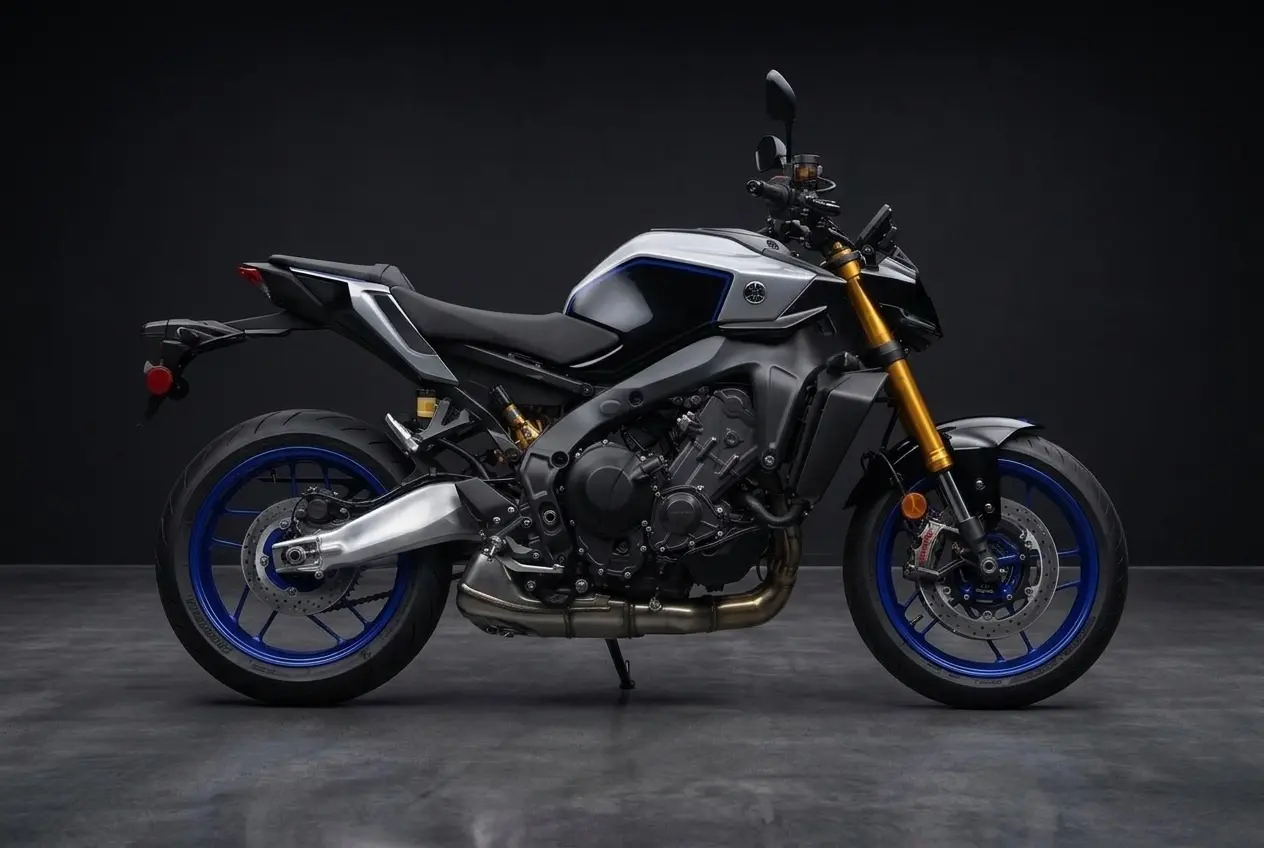
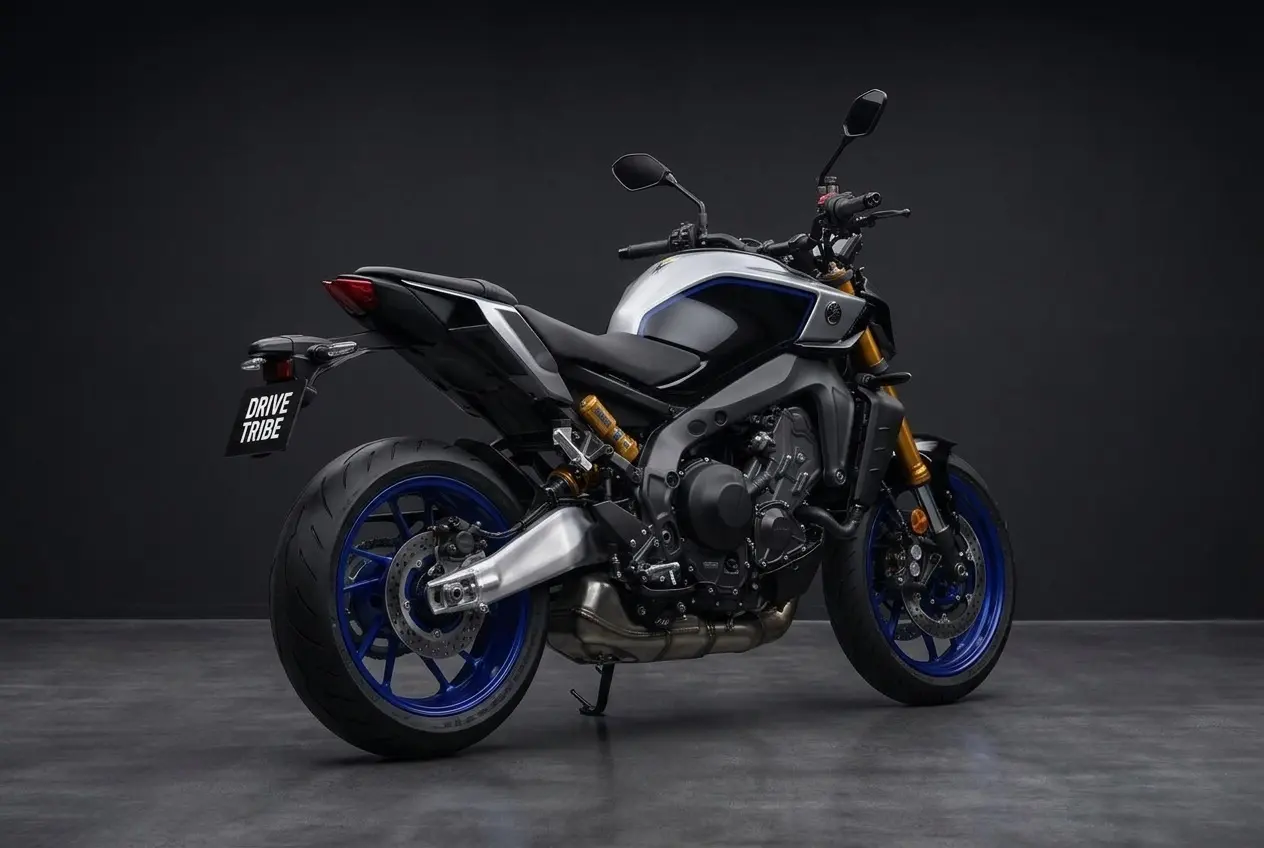
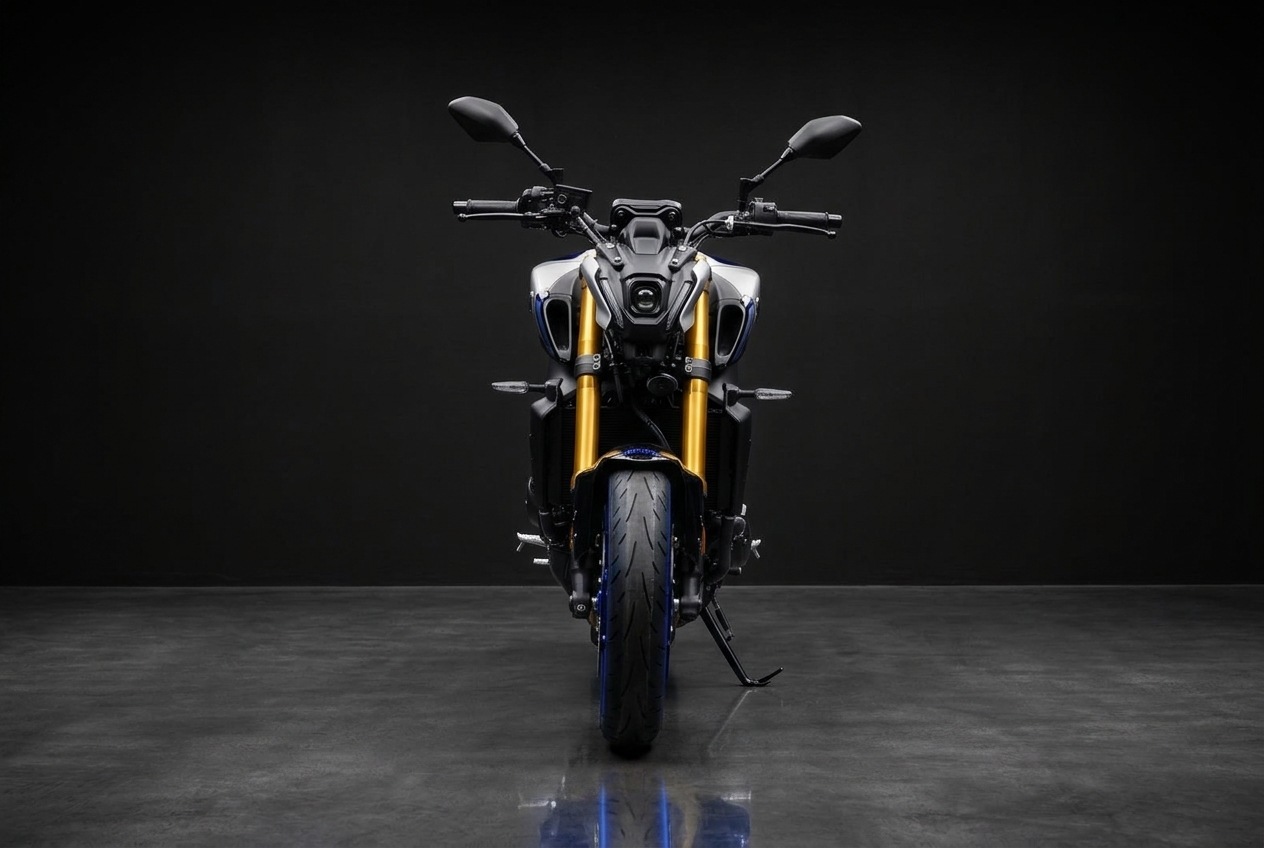
The Yamaha MT-09 SP is our recommended bike for the Bega valley hills. Its inline three performance naked bike character gives a usable spread of power that helps you climb smoothly and pick a clean exit from each bend. Because it is a naked bike, nothing comes between you and the forest, and that open feeling is a large part of the enjoyment.
The premium adjustable suspension is a real help on hill roads. You can tune it to settle the bike over the uneven patches and the root-lifted surfaces, and firm it up for the faster-flowing sections. The strong brakes are reassuring on the descents, where you will want to scrub speed before the corners rather than in the middle of them.
The Ducati 1199R and MV Agusta F4 are superbikes for experienced riders on open roads, and they suit a different kind of day. The Yamaha is the more balanced companion for a winding forest ride with changing surfaces and village stops, which is why we point most riders in its direction for this trip.

Safety in the forest hills
Safety begins with proper preparation. Wear a fitted helmet and motorcycle-rated gear, check tyre pressures, lights and the drive, and make sure your visor is clean. Forest mornings can be cold and damp, so pack a layer you can take off as the day warms, and keep your hands warm enough to work the controls smoothly.
Fatigue is a real risk on a winding run. Concentration fades quickly on a series of bends, and a tired rider can misjudge a corner or a crest. Take a break every hour, stretch your back and shoulders, and stop the moment you feel your focus slipping. Keep the day alcohol-free, and park the bike the moment tiredness or illness creeps in.
Wildlife is a serious consideration in forest country. Kangaroos, wallabies, wombats and wild dogs can appear on the road without warning, especially at dawn and dusk and on shaded bends. Slow down on rural verges, scan the road edges constantly and keep room to react. After rain, check for slippery patches, leaf litter and loose debris on the corners, and take extra care on the first bends after a shower. Check road conditions with Transport for NSW before you leave, and again on the day if the weather changes.
Planning the day and booking
Our bikes are self-drive, collected from our Parramatta base, and the minimum hire is three days. Only those holding a full motorcycle licence for three years or longer, and aged 25 or older, can take one of our machines onto the road. A passenger can ride only on the Yamaha MT-09 SP, and that passenger must be 16 or over, while the Ducati and MV Agusta bikes are single-seaters.
A good hill day is built around a loose plan with two or three stops, rather than a timetable. Choose a clear weekday or an early weekend start, pick your fuel point before the climb, and aim to be back in the valley before the afternoon light changes. If the forecast is poor, move the date rather than riding a long day in wet, cold conditions.
The forest hills reward a patient rider who enjoys the journey. When you are ready, pick your dates and lock in your booking. We will help you prepare for a day on the Yamaha MT-09 SP through the bends and bush of the Bega valley hills, and we look forward to seeing you on the road.

Frequently asked questions
How long does the ride to Bemboka take?
Allow a relaxed half day from the Bega valley to the village, with the return on the same roads. The total time depends on how many lookouts and stops you make and how much of the forest you want to enjoy. Build in a comfortable margin, because the bends mean that a steady pace takes longer than a straight run, and it is far more pleasant than rushing.
Are the roads to Bemboka sealed?
The main roads through the hill country are sealed, but gravel or dirt turn-offs are common, so take care to stay on the bitumen. Our road bikes are for sealed roads only, so any unsealed track should be left alone. Surfaces can change between sections, and leaf litter or root-lifted patches can appear on shaded bends, so keep a close eye on the road ahead.
What is the best season for a forest hill ride?
Autumn and spring offer the most comfortable conditions, with mild days, dry roads and clear views through the trees. Winter is rideable with good preparation, though cold mornings and damp, shaded bends need extra care. Summer is warm, but the forest is often cooler than the valley floor, so an early start keeps the afternoon heat away from your ride.
Where can I refuel and eat on the way?
Fill up before you start the climb into the hills, because services are spaced out and may close earlier than you expect. Bemboka is a small village, so its services can be limited, particularly on weekday afternoons. Larger towns in the valley offer cafes and counter lunches, and a sensible plan is to eat at a stop you have already checked.
Can I ride the hills at dusk?
Dusk is not banned, but it is when wildlife is most active on rural and forest roads, which makes it a poor time for a winding run. Plan to finish well before the light fades, and allow a margin for any delays on the way back. Late light through the trees is beautiful, so enjoy it from a stop rather than from the saddle as the sun goes down.
Which bike suits the Bega valley hills best?
The Yamaha MT-09 SP is our recommended bike for the forest hills. Its inline three engine, premium adjustable suspension and strong brakes give a balanced feel on changing surfaces and tight bends. The Ducati 1199R and MV Agusta F4 are superbikes built for experienced riders on open roads, so they suit a different kind of day in the saddle.
Ready when you are. Pick your dates and book the Yamaha MT-09 SP online, or call us and we will sort it with you.
Book NowCall 0468 011 118