
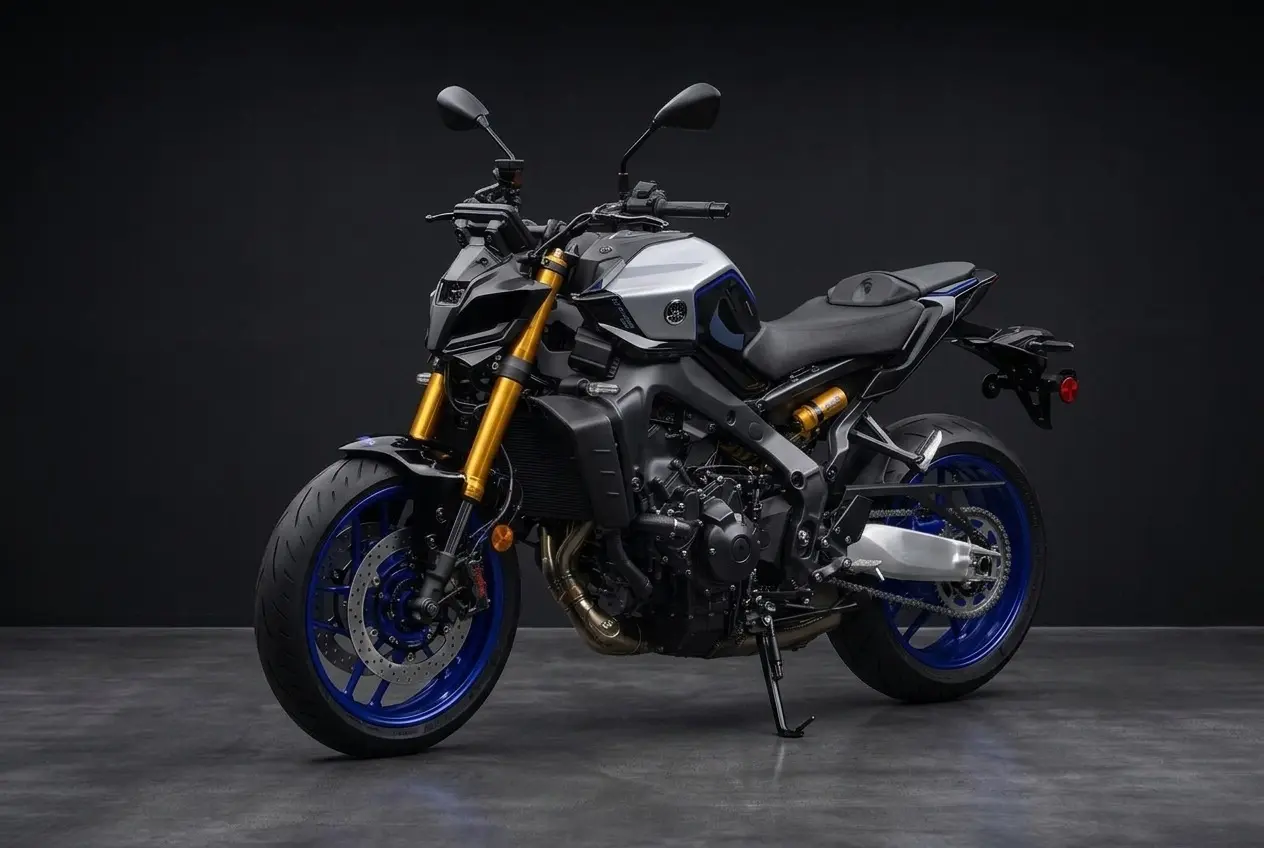
Book the Yamaha MT-09 SP. Pick your dates and book the Yamaha MT-09 SP online, or call us and we will sort it with you.
Book NowCall 0468 011 118Few riders think about their ears until the ride is nearly over. By then the constant roar of wind across the helmet has been working on concentration for hours, and the ringing in the ears afterwards is a clue that something was going on. A long highway run is a test of focus as much as stamina, and the noise you cannot switch off is one of the quiet reasons it wears you down. Here is how to think about ear protection, and why it belongs in your planning.
Still choosing a bike? Start with our guide to motorcycle hire in Sydney, which sets out the licence, age and pillion rules.
What wind and engine noise do to your focus
Noise on a motorbike is not one sound. There is the rush of air around the helmet, the mechanical note of the engine, the exhaust, the tyres on the road and the traffic you pass or follow. Each sound on its own is manageable. Together, sustained over an hour or more, they demand a steady background effort from your brain as it sorts what matters from what does not. That effort is invisible, and it accumulates.
The result is a gradual loss of sharpness. You may find you are slower to notice a car drifting into your lane, or that you have to think harder about the sound of a brake light in traffic. The roar can also mask the cues that tell you what the bike is doing, such as a change in the engine note on a climb or the feel of the tyres as you lean. A rider who cannot hear as well is less able to respond early.
Fatigue follows. Loud, constant noise is tiring in the same way that bright light is tiring, and it reduces the margin you have when something unexpected happens. A highway run that feels fine at the first fuel stop can feel heavy by the third, and much of that heaviness is the cumulative load on your concentration rather than the distance itself.
How loud is too loud for a long ride
Riders often ask whether a sound level is safe, and the honest answer is that there is no exact line for every person. Sustained exposure to loud noise is the concern, and the longer it lasts, the more it adds up. If you come off a ride with ringing in the ears, a muffled feeling or a sense that conversation is harder to follow afterwards, your hearing has been working harder than it should. Treat those signs as a reason to change your approach.
Helmet and wind noise are the biggest contributors on the highway. Engine and exhaust noise matter too, particularly on a bike with a strong exhaust note. The noise you hear at the front of the bike is not necessarily the noise reaching your ears, because the helmet and your body alter the sound. Think about total exposure across the day rather than the instantaneous volume you notice at any one moment.
- Ringing or a muffled feeling after a ride is a signal to protect your ears next time.
- Loud noise over many hours matters more than a single short burst.
- Anything that makes hearing harder, such as a cold or an ear infection, makes protection more important.
Earplugs, helmet fit and what actually helps
Earplugs designed for riding and for loud environments are the most common way riders reduce wind noise. They sit in the ear canal and cut the level of sound reaching the eardrum, which takes some of the sharp edge off the roar. Choose a pair that fits your ear comfortably and that you can remove and replace easily at a stop. Keep a spare pair in a pocket so you are never without them when you need them.
Helmet fit also matters. A helmet that sits snugly, with no gaps at the sides or behind the ears, reduces the wind noise that gets inside, while a loose helmet lets air rush in and makes the noise worse. Check the fit before every ride, especially if you have changed the padding or are riding with different headwear. A well fitted helmet also keeps you more stable, which reduces the effort your body spends bracing against the wind.
Be careful with anything that blocks the ear completely in traffic. You need to hear horns, sirens, approaching vehicles and the sound of other riders around you. Earplugs are meant to lower the volume, not silence the world. If you can no longer tell where a sound is coming from, the protection has gone too far. Test your earplugs in a quiet place before you rely on them on a highway.
The highway stretches where noise hits hardest
The Hume Highway and the Princes Highway offer long, fast stretches where wind noise builds steadily and does not let up. The road is straight for kilometres at a time, which means your brain has little to distract it from the roar. Plan regular breaks on these runs, because the monotony and the noise together can dull your attention before you realise it has happened.
The Pacific Highway north of Sydney mixes fast sections with slower towns, traffic lights and changes in road surface. The changing pace means your ears adjust and readjust, which is tiring in its own way. Keep an eye on how you feel between towns, and use the lights and the slower sections as chances to reset your concentration and check your protection.
The Putty Road is quieter, with fewer vehicles and long open runs. Wind noise is still constant at highway speeds, and services can be far apart, so plan the stops in advance. Riders should check road conditions with Transport for NSW before leaving, particularly for routes with roadworks or fallen debris after storms.
Why the Yamaha MT-09 SP suits a focused highway run
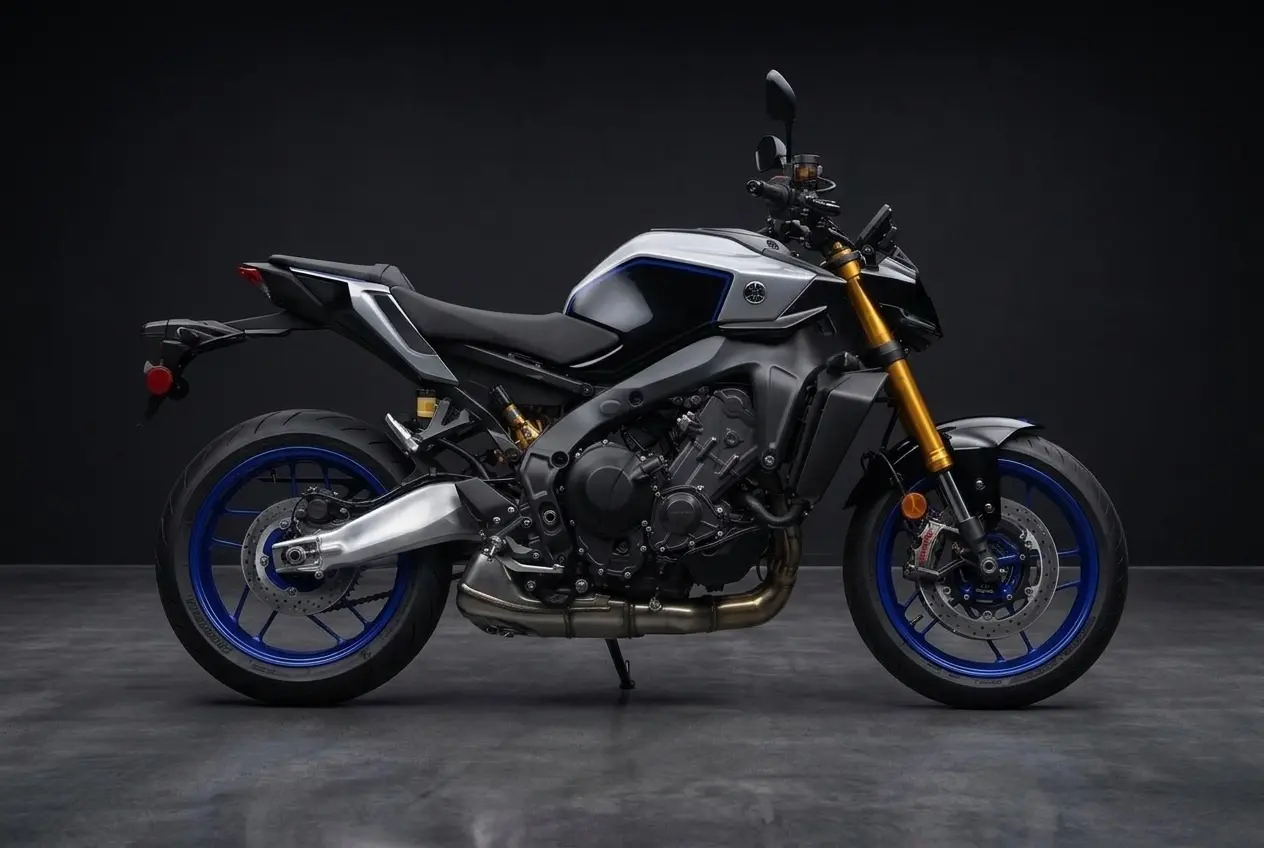
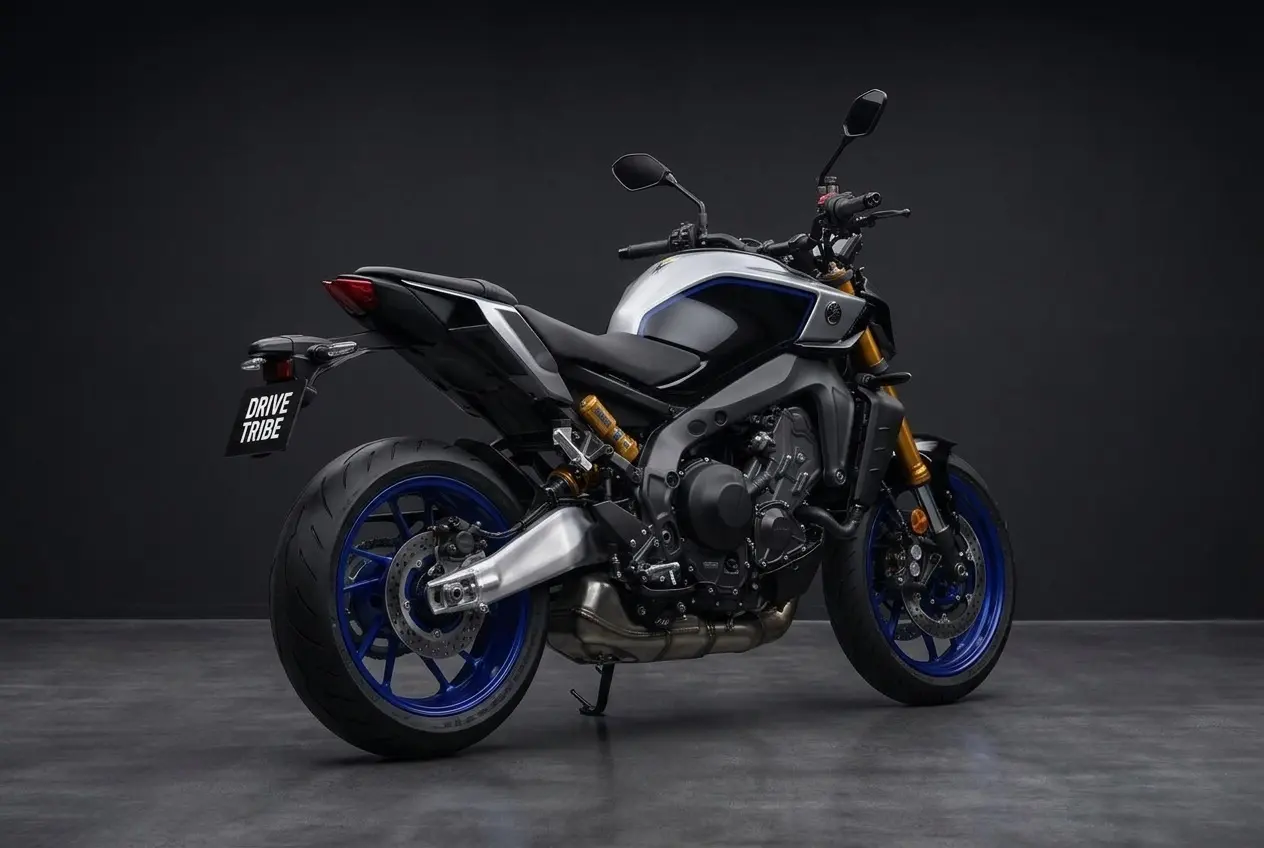
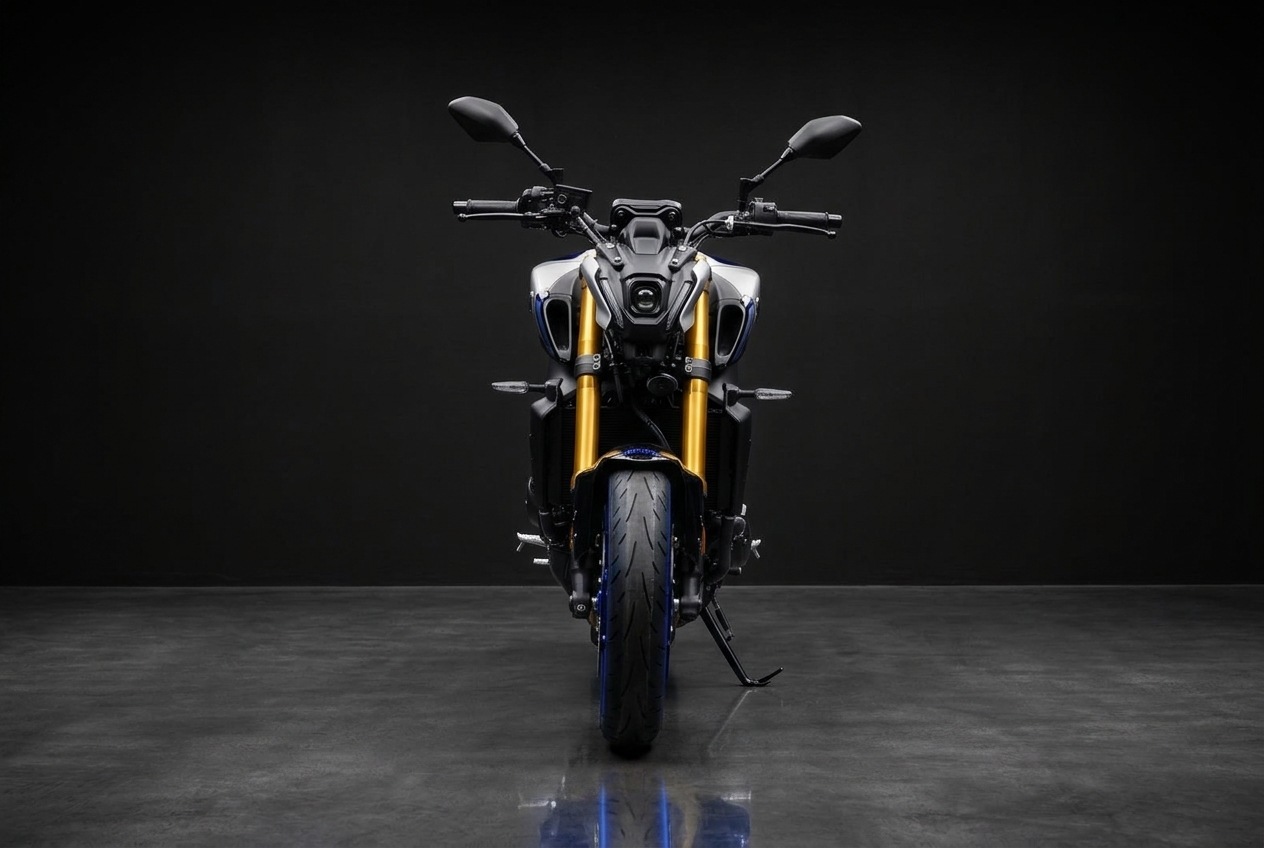
The Yamaha MT-09 SP is an inline three performance naked bike. Its premium adjustable suspension, gold front forks and strong brakes make it a bike that rewards a rider who is paying attention. On a long run the chassis gives you the confidence to hold a line through changing corners, and that confidence is only as good as your concentration. Protecting your hearing and your focus is part of getting the most from the bike.
A naked bike has a different feel to a bike with a fully enclosed front, and that changes the way wind reaches your body and head. Expect the wind to be a constant presence at highway speed. Setting up the suspension is worth doing before you leave the car park, and taking a few minutes to check your helmet and earplugs will pay off across the day.
The bike is also the only one in our range that can take a passenger, which changes the conversation on a long run. A passenger has their own ears to protect and their own tiredness to manage, so plan breaks around both of you. Keep the pace relaxed and check in regularly, because a quiet conversation becomes hard to hold once the wind is roaring.
Want the Yamaha MT-09 SP for your date? Pick your dates and book the Yamaha MT-09 SP online, or call us and we will sort it with you.
Book NowCall 0468 011 118Hire terms that shape how you plan a long run
Three terms from our hire conditions are worth keeping in mind when you plan a long highway day. Your licence needs to be a full motorcycle one that you have carried for three years or longer, and you need to be at least 25 to ride any of our bikes. We may end a hire if we judge a rider unsafe, and riding more than 30 km/h over the posted limit ends the hire, with the bond forfeited. Helmets (Shark, AGV or Bell) can be hired from us in small, medium or large for $50 per hire, or you can bring your own. We do not supply jackets, gloves, pants or boots, so bring your own riding gear.
These terms are not there to make a ride difficult. They reflect the same thinking as good ear protection and good planning: stay within your ability, keep your concentration on the road and do not let the pace run ahead of your judgement. A rider who is comfortable with the noise, the speed and the distance is a rider who gets home in the best condition.
Breaks, fuel and the rhythm of the day
Regular breaks are the simplest way to protect both your ears and your focus. A stop every hour or so, even a short one, lets your hearing recover and gives your concentration a chance to reset. Use each stop to check your earplugs, the fit of your helmet and how you feel. A quick stretch and a drink of water help more than most riders expect.
Fuel stops double as rest stops on a long highway run. Plan them before you need them, rather than waiting until the tank is nearly empty, because a rushed stop can mean a rushed decision. Choose a place that is quiet enough to hear yourself think, away from the main road noise if possible, and give your ears a break from the roar before you climb back on.
Food matters too. A heavy meal can leave you drowsy, and drowsiness is the enemy of a sharp ride. Keep lunch light, eat little and often, and watch for the post-meal dip that can arrive halfway through the afternoon. A short walk after eating will do far more for your focus than another coffee in the car park.
Best time of day and season for highway runs
Autumn and spring are often the best seasons for a long highway run in New South Wales, with mild temperatures and steadier traffic than the summer holiday peak. Summer brings heat and long daylight, which can tempt riders into overambitious days. Winter is cold and damp, and the chill makes concentration harder, so keep winter runs shorter and dress for the conditions.
Mid morning to early afternoon is often a comfortable window. The roads are usually calmer once the commuter rush has passed, and the day is warm enough to keep you loose without becoming punishing. Weekends bring recreational riders, cyclists and touring traffic to the coastal and mountain routes, so expect the roads to be busier and plan your pace accordingly.
Alcohol has no place on a highway run. It dulls hearing, reaction and judgement, and it makes it harder to notice the early signs of fatigue. If you plan to enjoy a drink after the ride, keep the bike safely garaged first and let the rest of the day unfold from there. Your ears and your focus both depend on a clear head.

Ready for a focused ride with the right protection
A good highway ride comes down to preparation. Choose earplugs that suit your ears, check your helmet fit before you leave and plan breaks at sensible intervals. Know your route, check the conditions and keep your speed within what you can comfortably manage. Protecting your hearing and your focus is one of the simplest things you can do to get the most out of a long day in the saddle.
If the Yamaha MT-09 SP sounds like the right bike for your next run, see the MT-09 SP page to check details and availability. Our range is listed in full on the fleet page, where you can compare the bikes side by side. Tell us about the roads you have in mind and we will help you plan a day that suits your ability and the conditions.
Frequently asked questions
Do I need ear protection on a motorbike for a short ride?
For a short run in town, you may not need anything more than your helmet. Once you are riding at highway speed for an hour or more, wind and engine noise build up and are worth protecting against. Earplugs designed for riding are the simplest option. If you notice ringing or a muffled feeling after a ride, that is a sign your ears were under strain and you should use protection next time.
What kind of earplugs work best for riding?
Earplugs made for loud environments and riding, which fit your ear comfortably and can be removed and replaced easily, are the most practical choice. Test them before a long ride. You should still be able to hear horns, sirens and traffic. If you cannot tell where sounds are coming from, the protection is too strong. Keep a spare pair in your pocket so you are never without them.
Can a poorly fitting helmet make wind noise worse?
Yes. A loose helmet lets air rush in around the sides and back, which increases both wind noise and buffeting. Check the fit before each ride by making sure the helmet sits snugly without pressure points, and that it does not move when you shake your head. A well fitted helmet is also more stable at speed, which reduces the effort your body spends bracing against the wind.
Can loud noise on a motorbike damage my hearing?
Sustained exposure to loud noise can affect hearing over time, and the risk grows with the level and the length of exposure. Ringing, a muffled feeling or difficulty following conversation after a ride are signals to protect your ears better. If the symptoms persist, see a doctor or a hearing professional for advice. Protection is far easier to build in early than to repair later.
Will earplugs make it harder to hear traffic?
They reduce the overall volume, which can make some sounds quieter, but a good pair should still let you hear traffic, horns and sirens clearly. The aim is to reduce the constant roar, not to block out your surroundings. If you find yourself missing sounds you need, switch to a lower level of protection or take them out in busy areas, and check that you can still locate noises around you.
How often should I stop on a long highway run?
A short stop roughly every hour is a sensible guide for most riders, and more often in heat, cold or heavy traffic. Use each break to check your earplugs, your helmet fit and how you feel. Drink water, stretch and let your concentration reset. Planning fuel stops in advance means you are not rushed, and a rested rider is a sharper, safer rider on the road.
Ready when you are. Pick your dates and book the Yamaha MT-09 SP online, or call us and we will sort it with you.
Book NowCall 0468 011 118