

Book the MV Agusta F4. Pick your dates and book the MV Agusta F4 online, or call us and we will sort it with you.
Book NowCall 0468 011 118Some roads earn their reputation before you reach the first corner, and the run from Oberon to Jenolan Caves is one of them. The tablelands give way to forest, the forest gives way to a steep and twisting descent, and at the bottom sits a limestone landscape that has drawn visitors for well over a century. It is a memorable ride for an experienced rider who respects the road. Here is how we plan it, what to expect and how to ride it safely.
Everything to know before you book, from the licence rules to the bond, is on our Sydney motorbike hire page.
The caves and the road that gets you there
Jenolan Caves are among the most visited caves in Australia, and the road that leads to them is part of the experience. It is not a motorway and it does not try to be. The route winds through forest and hill country, drops steeply into the valley and rewards a rider who keeps a clear head and a smooth throttle hand.
For many riders the journey is as important as the destination. The corners change constantly, the views open and close as the road bends, and the air cools noticeably as you move under the tree canopy. That variety is what makes the run special, but it also means you need to stay alert from the first kilometre to the last.
Plan the day as a whole rather than a race to the caves. Give yourself time for the morning ride, a proper break at the caves and a measured return, especially if the climb back up is on your mind. A rushed ride tends to produce the mistakes that spoil an otherwise excellent day.
Leaving Oberon in the morning
Oberon sits on the tablelands, and the morning air there is cold for much of the year. Start by warming up the bike gently and checking your tyre pressures, which drop as the temperature falls. Wipe the visor, check your lights and make sure any straps or bags are secure before you pull out of town.
The early kilometres are a gentle warm-up. The road is generally open and the bends are wide, which gives you a chance to feel how the bike responds at a steady lean. Use these miles to find your rhythm, settle your braking points and get used to the surface before the forest sections begin.
Before you leave, check the route with Transport for NSW and confirm the status of any works or closures. Road conditions in the hills can change, and a short check before departure can save a long detour or an unexpected stop.

Pine plantations and granite country
The tablelands are a mix of farmland, pine plantations and native forest. The pine sections are dark and quiet, with long straight runs that let you open the throttle briefly, while the native forest brings tighter bends and dappled light. Watch for the sudden change from sunlight to shade, because the surface often stays damp in the shadows long after the open road has dried.
Granite outcrops appear in the higher country, and the rounded boulders and rock faces make the landscape feel old and sculpted. The road follows the contours of these hills, so expect a series of rises and dips rather than one steady climb. Each crest can hide a corner, a vehicle or an animal, so keep your speed to the distance you can see.
Pine plantations also bring their own hazards. Fallen needles, bark and small branches collect on the verge and sometimes on the road itself, particularly after wind. Slow down through these sections and keep your line well away from the loose debris at the edges.
The descent toward the caves
The descent into the valley is the most demanding part of the ride. The road drops in a series of tight bends and switchbacks, and the gradient is steep enough that your brakes will work hard. Use engine braking to hold your speed, select a lower gear before the bend rather than during it, and keep your brake application smooth and progressive.
Lean the bike gently into each corner and keep your eyes up, looking through the bend to the exit. The most common error on a descent like this is braking too late or too hard mid-corner, which can unsettle the bike and cause the rear to lose grip. Set your entry speed early, so you can roll through the apex on a steady throttle.
Take a rest at a safe pull-off partway down if your hands or arms are tired. Gripping the bars and braking hard for long periods drains energy faster than you expect, and fatigue is one of the most common causes of errors on a mountain descent.
- Select a lower gear before the bend, not during it
- Brake smoothly and progressively through the corner
- Rest at a pull-off if your hands begin to tire
Surface, corners and the road near the caves
The surface on the descent is generally sound, but it has patches of repair, edge breaks and the occasional area where water runs across the road. Look for changes in colour and texture as you approach a bend, because they often mark a repaired section that may be slicker than the rest of the seal.
Corners on this road vary from open sweepers to tight hairpins. Each one demands a different approach, so read the bend before you commit and let the bike set its line. Keep to your own lane, use the full width where it is safe and avoid cutting the apex on blind corners where another vehicle may be coming the other way.
Near the caves the road opens out and the traffic becomes slower and more predictable. Coaches, cars and visitors on foot are all common here, so keep your speed down, watch for people stepping out and park your bike in a designated spot away from the main walkways.
Traffic, coaches and weekend visitors
Traffic on the approach can be heavy at weekends and during school holidays, particularly in the morning and early afternoon. Coaches and campervans take up more room than you expect, and some drivers are more focused on the scenery than the road ahead. Ride with a generous gap, avoid overtaking on blind bends and be ready to slow when a large vehicle is pulling over.
Midweek and early morning rides are noticeably quieter. You will have the forest bends largely to yourself, and the caves are calmer when you arrive. If your schedule allows, aim for a Tuesday, Wednesday or Thursday start to make the most of the road and the surroundings.
Visitors on foot near the caves need space and patience. Keep your bike well away from the walking paths, and do not assume that someone stepping onto the road has seen you approaching. A slow, deliberate approach is always the right choice in a place like this.

Want the MV Agusta F4 for your date? Pick your dates and book the MV Agusta F4 online, or call us and we will sort it with you.
Book NowCall 0468 011 118Best time of day and season
The best time of day for this run is the early morning. The air is cool, the forest is quiet and the light filters through the trees in a way that makes the ride feel special. Start soon after sunrise and you will have the descent largely clear before the coaches and campervans start to move.
Autumn and spring are the most comfortable seasons. In autumn the deciduous trees around the tablelands turn golden, and the air is crisp and clear. Spring brings fresh growth and wildflowers along the verges, with mild temperatures for most of the day. Winter is cold and can bring frost and fog, particularly in the valleys, and summer can be warm with afternoon storms in the hills.
Plan fuel and food before you leave Oberon, because services are limited on the way to the caves. Bring water and a light snack for the ride, and plan lunch at the caves or in town rather than relying on a stop along the forest sections.
Fuel, food and the climb back
The climb back up from the valley is a serious part of the day, and it is easy to underestimate how much fuel and energy it uses. Fill your tank before you leave the caves area, and make sure you know how far your bike can travel on a full tank in real conditions. Head winds and cold air both reduce range, so assume less than the figure you see on the dashboard.
Take a planned break before the climb rather than pushing straight on. Check your tyres, drink some water and make sure your layers are right for the cooler air at height. A few minutes of rest at the bottom of the hill gives your concentration a reset before the most demanding stretch of the ride.
On the climb, use a gear that lets the bike pull cleanly out of each bend without strain. Keep your speed steady, look well ahead and avoid overtaking unless the road ahead is clearly open for a long distance.
Safety for cold mornings, wildlife and fatigue
Gear is non-negotiable on this route. Wear a fully certified helmet, a jacket with armour, gloves for cold mornings and boots that cover the ankle. A thermal layer under the jacket helps through the early hours, and a visor that does not fog is worth sorting out before you leave the car park.
Wildlife is active at dawn and dusk, and the forest edges are where kangaroos, wallabies and wombats are most likely to appear. Slow down on the bends where the trees close in, scan the verges and assume that movement in the scrub may cross your path. Gravel on corners is a second risk, particularly after rain, so ride within the grip you can see.
Ride within your ability and never with alcohol in your system. Fatigue on a demanding descent can creep up quickly, so stop, rest and reassess whenever your concentration begins to slip. If we think a rider is not coping with the road, we can stop the hire. Riding 30 km/h or more over the posted limit also ends the hire, and the bond goes with it.
The MV Agusta for the caves run, and the hire rules
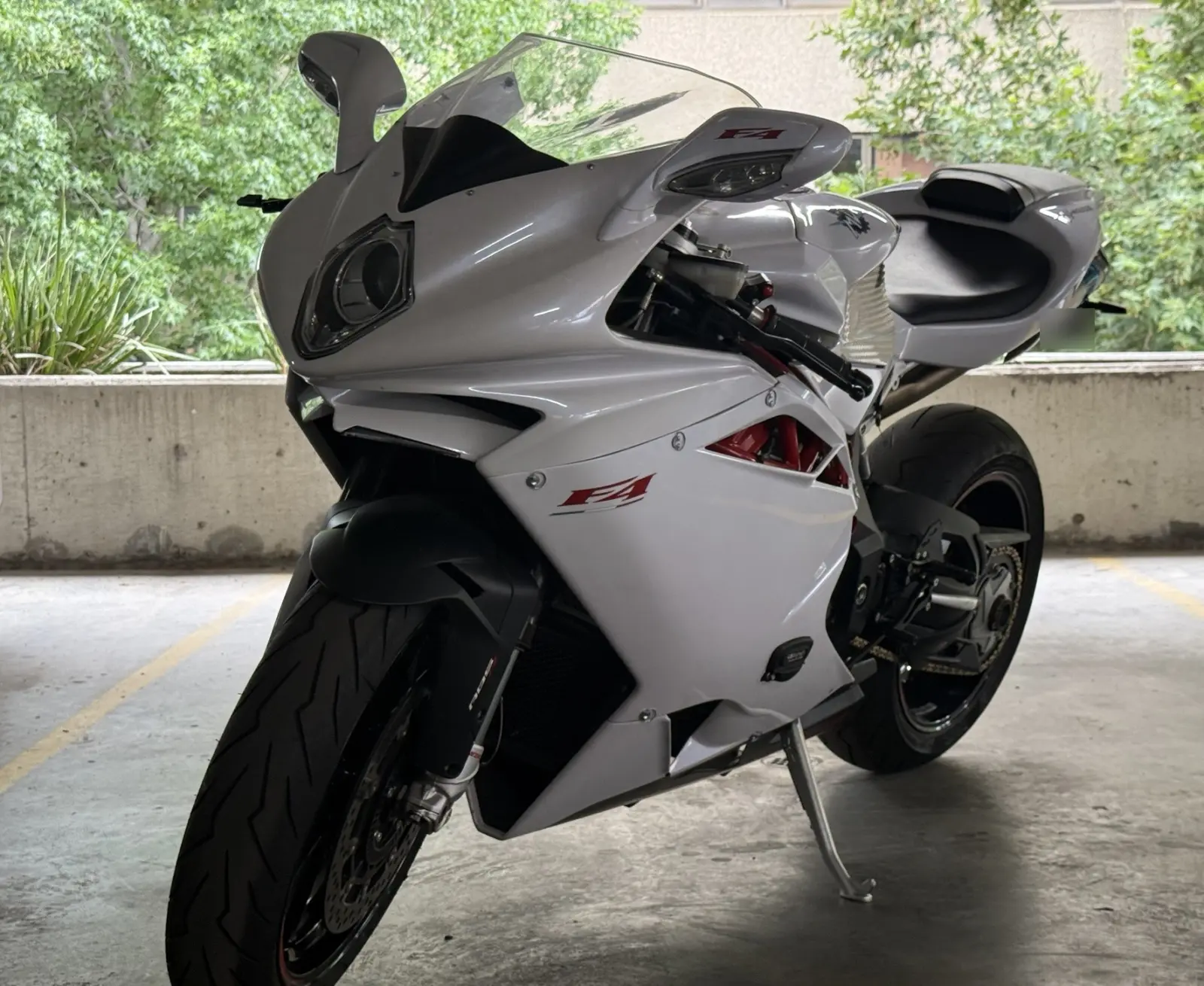
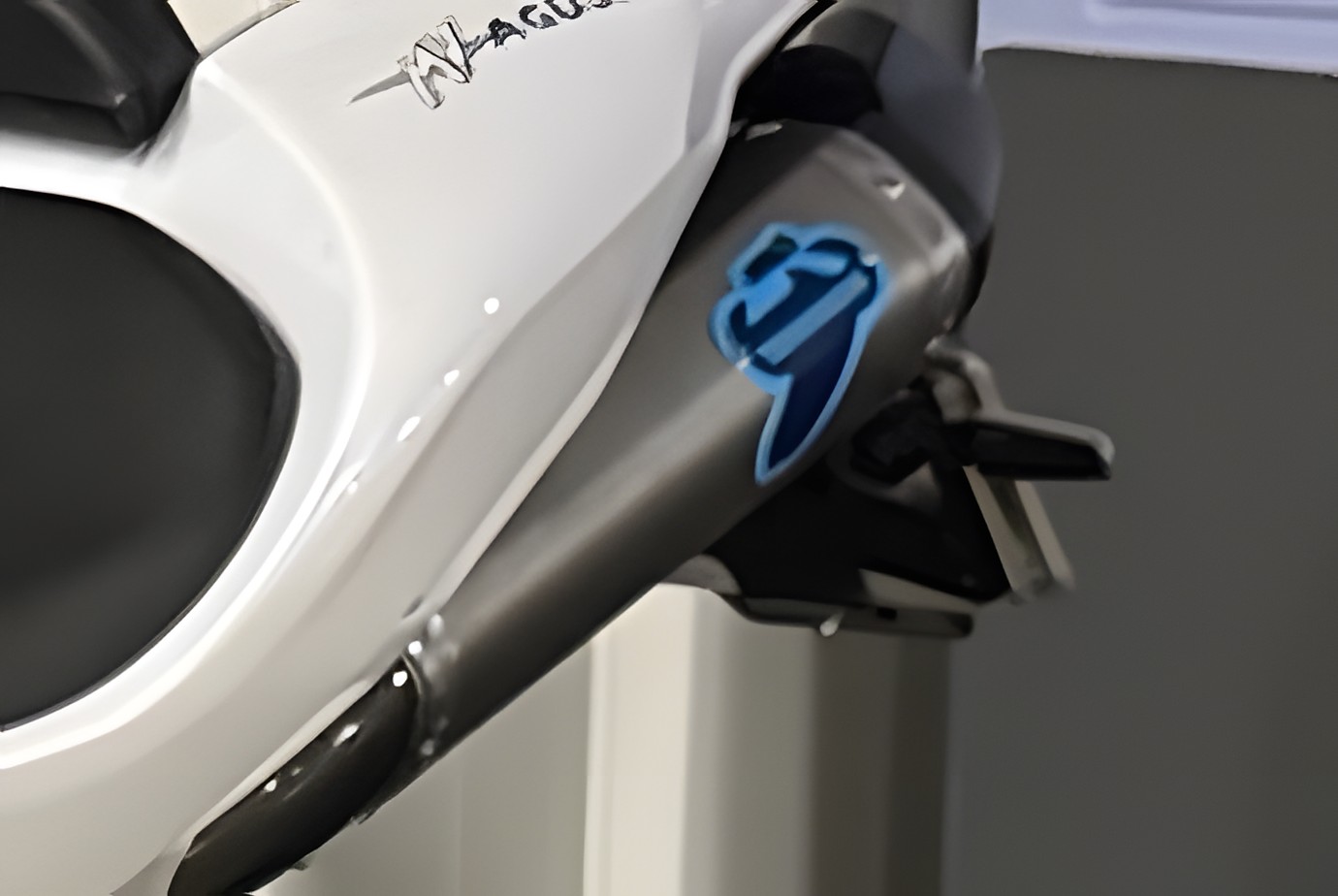
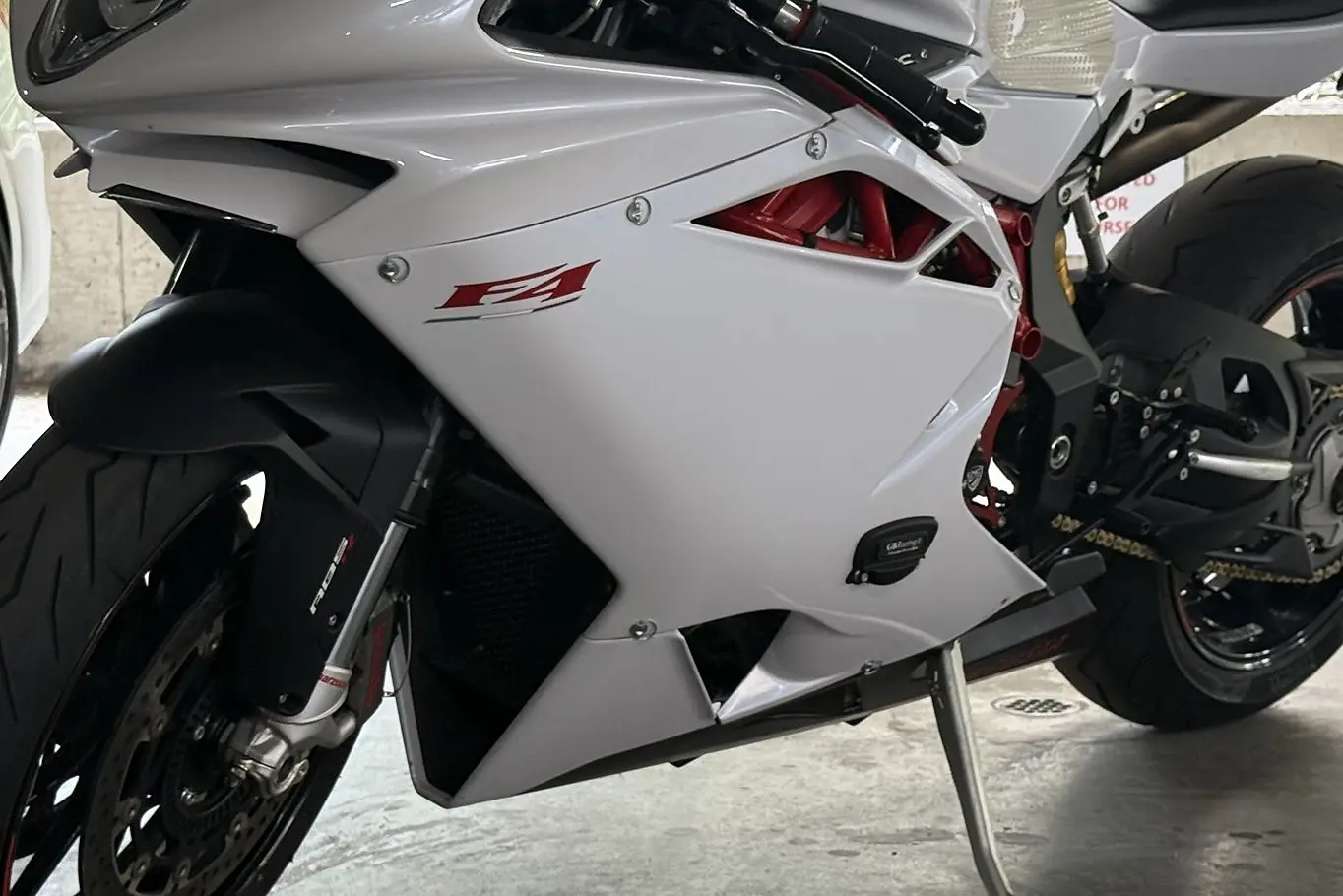
The MV Agusta F4 is the bike we would take for the Oberon to Jenolan run. Its 998cc inline four has the strength to pull out of tight bends and climb with confidence, and its tuned performance exhaust adds a strong note through the forest. The pearl white finish with a red trellis frame stands out against the green canopy. It is a single-seater, so it suits a solo rider making the full trip.
If you plan to stay overnight, the bike must be kept in a locked garage or secure off-street parking between 9pm and 6am. To hire, you need a full motorcycle licence held for at least three years, and you must be 25 or over. A security bond is held according to the class of bike you choose. Discuss your overnight plans with our team when you book so the details are clear before you ride.
When you are ready, use the Book Now option on this page to reserve the MV Agusta F4 for your dates. Browse the full fleet if you want to compare the other bikes first.
Frequently asked questions
How long does the ride from Oberon to Jenolan Caves take?
Allow a good part of the morning for the run itself, with extra time for the descent, stops and a break at the caves. The exact time depends on traffic, weather and how often you stop to rest. Start early to avoid coaches and campervans, and keep the pace steady rather than rushed. Treat any timing as a guide and leave margin for road works and changing conditions.
Is the Oberon to Jenolan road suitable for a newer rider?
It is best suited to riders who already feel confident on hills and tight bends. The descent is steep, the switchbacks demand smooth braking and the gravel and damp shade add pressure. A newer rider should build experience on easier roads first, choose a midweek start, ride at a steady pace and consider a companion who knows the route.
What is the best season for this ride?
Autumn and spring are the most comfortable seasons, with mild temperatures and clear visibility. Autumn brings golden tones through the deciduous trees, and spring adds fresh growth along the verges. Winter is cold, with frost and fog in the valleys, while summer can be warm with afternoon storms in the hills. Early starts are wise in every season.
Can I stay overnight with the bike at the caves?
Yes, but the bike must be kept in a locked garage or secure off-street parking between 9pm and 6am. Please talk to our team about your overnight plans when you book, so you know what is required before you ride. Plan secure parking in advance, since the caves area can be busy and parking options vary.
Can I take a passenger on this ride?
A passenger is allowed only on the Yamaha MT-09 SP, which takes one passenger aged 16 or over. The MV Agusta F4 and the Ducati 1199R are single-seaters, so you cannot carry a passenger on either of them. If you want to share the trip, the MT-09 SP is the bike to choose, and its suspension suits the mixed surfaces on the tablelands roads well.
What should I do if I feel tired during the descent?
Stop at a safe pull-off well clear of the road, and do not try to push through fatigue on a steep, twisting section. Take a few minutes to rest your hands, drink some water and check your concentration. Only continue when you feel fully alert. Fatigue is one of the most common causes of errors on mountain descents, so take breaks before you need them.
Ready when you are. Pick your dates and book the MV Agusta F4 online, or call us and we will sort it with you.
Book NowCall 0468 011 118