
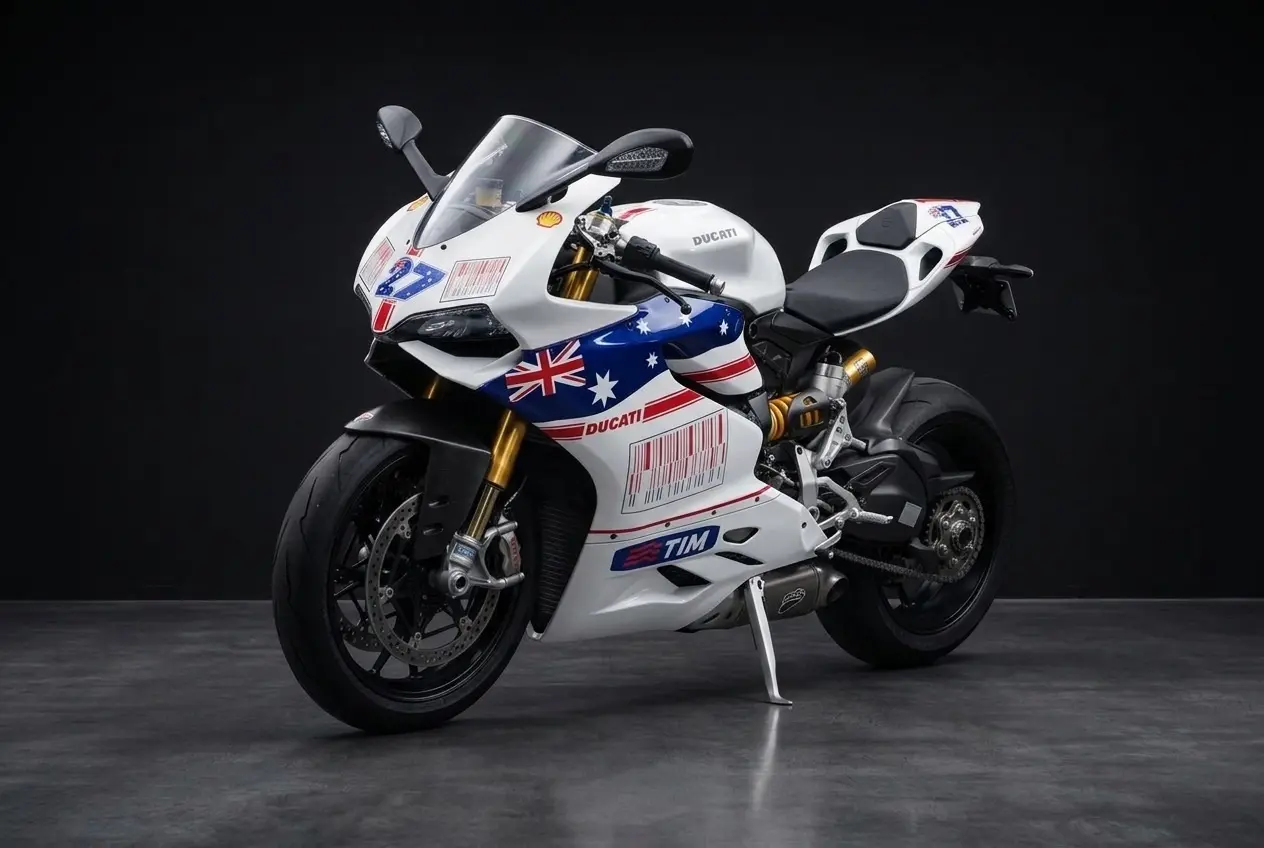
Book the Ducati 1199R. Pick your dates and book the Ducati 1199R online, or call us and we will sort it with you.
Book NowCall 0468 011 118On an open road, the throttle is the control that most rewards a patient hand. A firm roll-on has a place: it clears a slow vehicle on a clear straight, helps you merge with confidence and gets you out of trouble when the moment calls for it. Used carelessly, though, the same input unsettles the bike, unsettles the rider and turns a relaxed ride into a corrective scramble. This guide sets out when acceleration should be firm and when it should be smooth.
Everything to know before you book, from the licence rules to the bond, is on our Sydney motorbike hire page.
Where a firm roll-on earns its place
Hard acceleration is a tool, and like any tool it has a proper use. On an open road with a long clear sightline, a firm roll-on can carry you past a slow truck quickly, and then you can tuck back in with plenty of room. The key word is clear. You should be able to see the whole manoeuvre, the oncoming lane and your exit before you begin, and if any part of that picture is missing, the firm input has no place.
Merging is the other common case. Joining a faster stream of traffic from a slip lane or a junction needs momentum, and a bike that lags behind the flow is harder for other drivers to read. Build your speed in a controlled way that matches the traffic around you. The aim is to blend in rather than to make a point, and a firm but steady roll-on does that far better than an abrupt snap.
There is also the escape case, where a firm roll-on helps you clear a hazard that has appeared in front of you. Even then, the input should be deliberate. A rider who has already scanned the road, checked the mirrors and held a steady line will find firm acceleration far easier to manage than one who is reacting in a panic, and that difference is the whole point of this article.
The throttle is your most sensitive control
The throttle sits under your right hand and works continuously. Every small change in twist sends a change of power to the rear tyre, which in turn changes how the bike sits, how the suspension loads and how much grip is available for the next corner. Because the input is so immediate, the throttle can unsettle a bike faster than almost any other control you have.
Think of the throttle as a way of talking to the bike. A gentle, steady input says that you are in control and that the bike can settle into its line. An abrupt input forces the suspension to react, the front can lift and the rear can squat, and the rider has to correct quickly. Neither is dangerous on its own, but the abrupt version leaves no margin for a surprise on the road.
Good throttle work is mostly about rhythm. Roll on gradually as the bike comes out of a bend, feel the front settle and the rear take the load, and then increase the input as the road opens. Riders who learn this rhythm find the bike feels more connected and more predictable, which is exactly what you want on a mountain run or a long country road.
Smooth roll-on: the habit that keeps the bike predictable
A smooth roll-on starts with a relaxed grip and a light touch. Open the throttle in a progressive way, so the power builds across a second or so rather than arriving in one burst. This gives the tyres time to take up the load and lets you feel exactly how much grip the road offers at that moment.
Smoothness also depends on where you are in the bend. Do not open the throttle hard while the bike is still leaning hard, because that asks the tyre to do two jobs at once. Wait until the bike is upright or nearly upright, and then add power gradually as the line opens out. Patience at the corner exit often saves more time over a whole stretch than any shortcut through the bend.
Practise on a quiet road first. Choose a gentle bend, enter at a comfortable speed, and experiment with a steady roll-on from the apex. Notice how the bike responds and how far you can change the input before the rear feels unsettled. Once you have that feel, you can apply it to any road, whether it is a rural highway, a winding country lane or a long climb.
- Keep the grip relaxed and the touch light.
- Wait for the bike to come upright before adding power.
- Build the throttle over a second or so, not in one burst.
Overtaking on open roads without rushing
Overtaking is where hard acceleration is most often used, and it is also where most mistakes happen. Before you commit, confirm that the road ahead is clear for the full length of the manoeuvre, that no vehicle is hidden behind a crest, and that your exit gap is wide enough to return safely. If any of those checks is uncertain, hold back and wait for a better opportunity.
Once you commit, the roll-on should be firm and steady rather than violent. Accelerate to get past the vehicle in a clean and predictable way, then return to your lane with a comfortable gap. Do not hang alongside a truck or stay in the opposing lane longer than you need to. The shorter the time you spend out of your own lane, the lower the risk to you and to everyone else on the road.
Many riders overtake more often than they need to. On a good road, a relaxed pace behind a slower vehicle is often safer and more enjoyable than a string of quick passes. Save the firm roll-on for the moments when it genuinely helps, and let the rest of the ride be calm, deliberate and smooth, which is what most riders remember at the end of the day.
Corners, wet patches and the cost of a snap throttle
Corners are where a snap throttle does the most damage. Opening the throttle sharply while the bike is leaning can push the rear wheel wide, and on a damp or cambered surface that is enough to start a slide. The safe approach is to hold a steady throttle through the apex and build power only as the bike comes upright.
Wet patches and painted lines reduce grip, and your right hand needs to respond to the surface beneath the tyre. Avoid opening up across a painted line or a metal cover in a lean. If you find yourself on a slick patch, ease off gently, keep the bike upright and let the grip return before you add power again. Sudden corrections are what turn a small slip into a crash.
Gravel and loose sand are the least forgiving surfaces. Our bikes are road bikes, so unsealed roads are not part of any ride we plan. On a sealed road with loose material at the edge, keep the throttle smooth and the line tight, and resist any urge to correct a wobble by snapping the throttle shut, because that sudden change can unsettle the bike further.
Gear choice and the rhythm of open road riding
Gear choice has a large effect on how smooth the throttle feels. Riding in too high a gear forces the engine to labour and makes the power delivery lumpy, while a slightly lower gear lets you roll on cleanly out of a bend. Plan your downshift before the corner, so the engine is in the right place by the time you need the power.
The Ducati 1199R Panigale is a superbike for experienced riders, with a V-twin and 143 kW, and it rewards a rider who matches the gear to the road. On an open stretch the bike will pull strongly, so keep a firm and deliberate hand, and avoid rolling on abruptly just because the road is empty. The right gear and a gentle grip keep the bike calm even when the road opens up.
Find a rhythm that suits the road. On a long open stretch, keep a steady pace, relax your shoulders and look well ahead. Good riders treat the throttle as a continuous conversation with the bike, adding and easing power as the surface and the bends change, rather than making sudden decisions that the bike has to absorb.
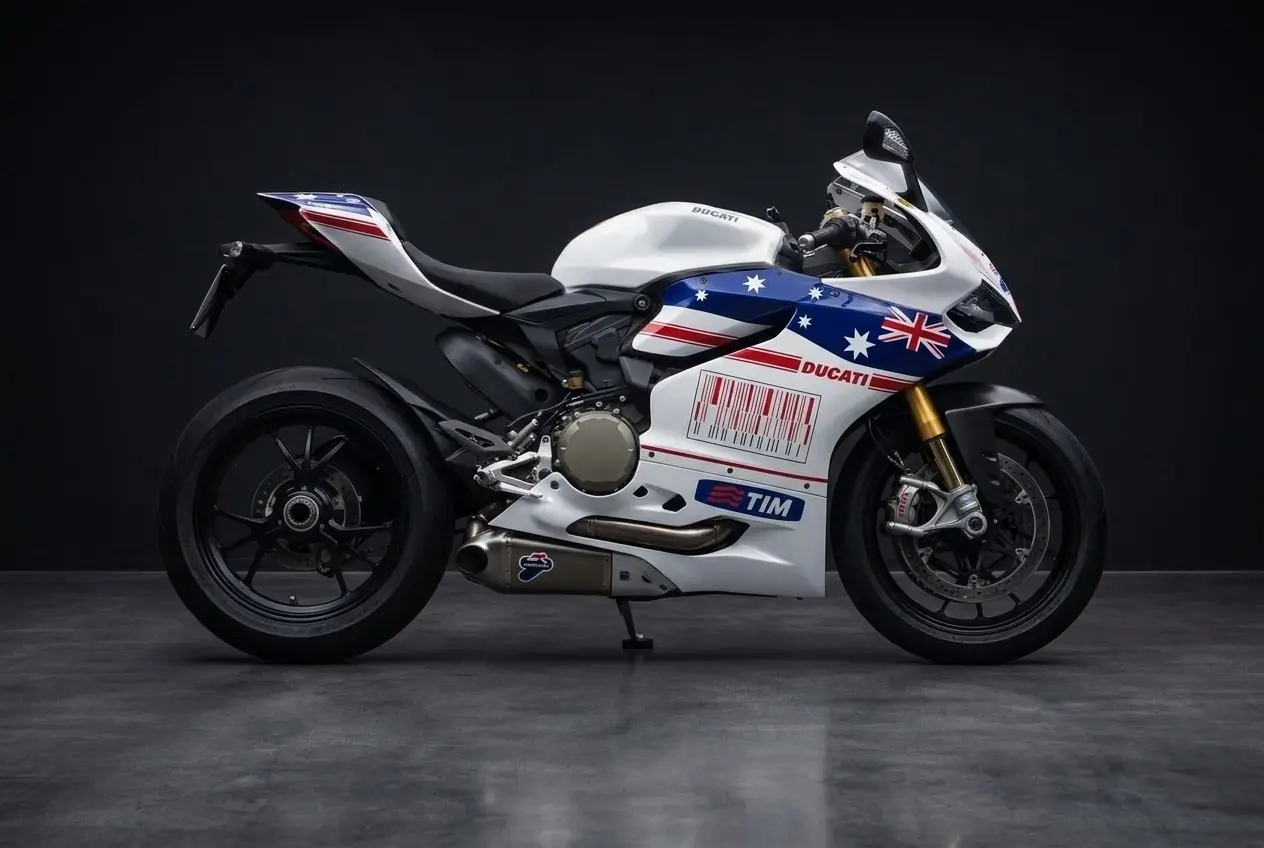
Want the Ducati 1199R for your date? Pick your dates and book the Ducati 1199R online, or call us and we will sort it with you.
Book NowCall 0468 011 118Fatigue, gear and staying within your ability
Fatigue quietly erodes throttle control. Tired hands grip too hard, reactions slow and the rider starts making abrupt inputs without noticing. If you feel drowsy or stiff, stop at a safe place, stretch and drink some water before continuing. A short break does more for smooth riding than any technique tip in this article, and it costs you nothing but a few minutes.
Proper riding gear keeps you comfortable, which helps you stay relaxed on the grip, and it protects you if the bike or the road surprises you. Choose a helmet that fits well, gloves that let you feel the lever and the throttle, and boots that cover the ankle. Comfort on a long ride is a safety matter, because a rider who is cold or sore stops making careful inputs.
Alcohol has no place in this discussion. Even a small amount dulls the fine control you need from the throttle hand and slows the judgement that keeps you out of trouble. Ride within your ability, respect the bike, and let your confidence grow gradually rather than racing ahead of it. The best open road riders are the ones who never feel they have something to prove.
Best time of day, season and where to stop
The best time for practising smooth throttle is mid-morning on a weekday, when the road is quiet and the air has warmed enough for the tyres to grip well. Start after 6am, and keep your ride clear of the 9pm to 6am garage window. Autumn and spring are the most consistent seasons, with dry days, moderate temperatures and fewer surprise patches of cold and damp in the high country.
Open country roads are often long, so plan fuel before you leave. Top up when you pass a fuel station rather than counting on the next town, and remember that rural stretches can be longer than they look on a map. Good stops include a shaded rest area where you can stretch your back and check your gear before the next leg of the run.
Traffic on quieter roads usually means trucks and tourists rather than city congestion. Heavy vehicles can be slow on climbs and hard to read on downhill sections, so use the lane carefully. Weekends bring more visitors and motorcycle groups, and a relaxed weekday ride is generally the easier option for practising the smooth roll-on you want. Before leaving, check road conditions with Transport for NSW, because works and closures can change without much notice.
Hire conditions and the Ducati for experienced riders
Three hire conditions matter for this kind of riding. You need a full motorcycle licence held for at least 3 years, and you must be 25 or over on every bike. A security bond is held against the hire, set by the class of bike. Riding 30 km/h or more over the posted limit ends the hire and the bond is forfeited, so the smooth input you practise is also your protection under the hire terms.
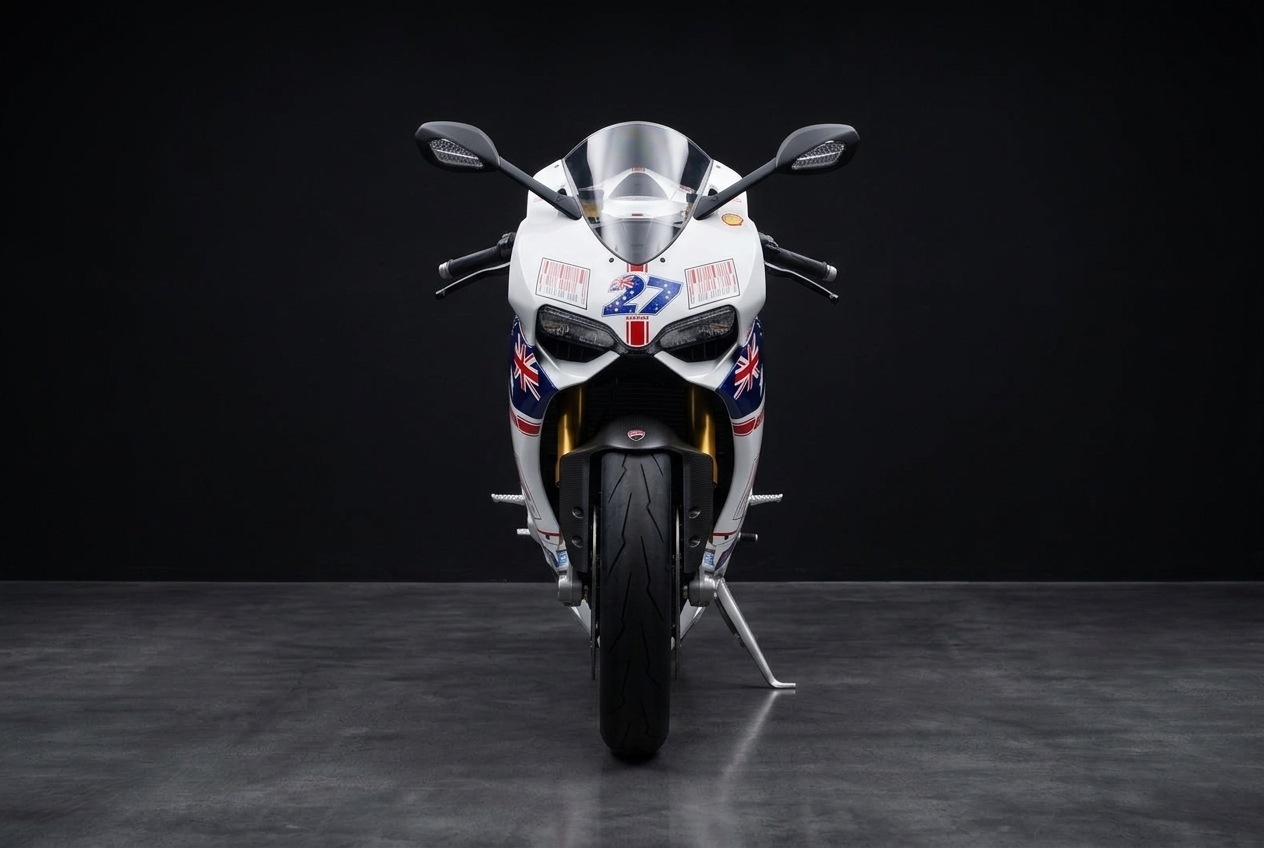
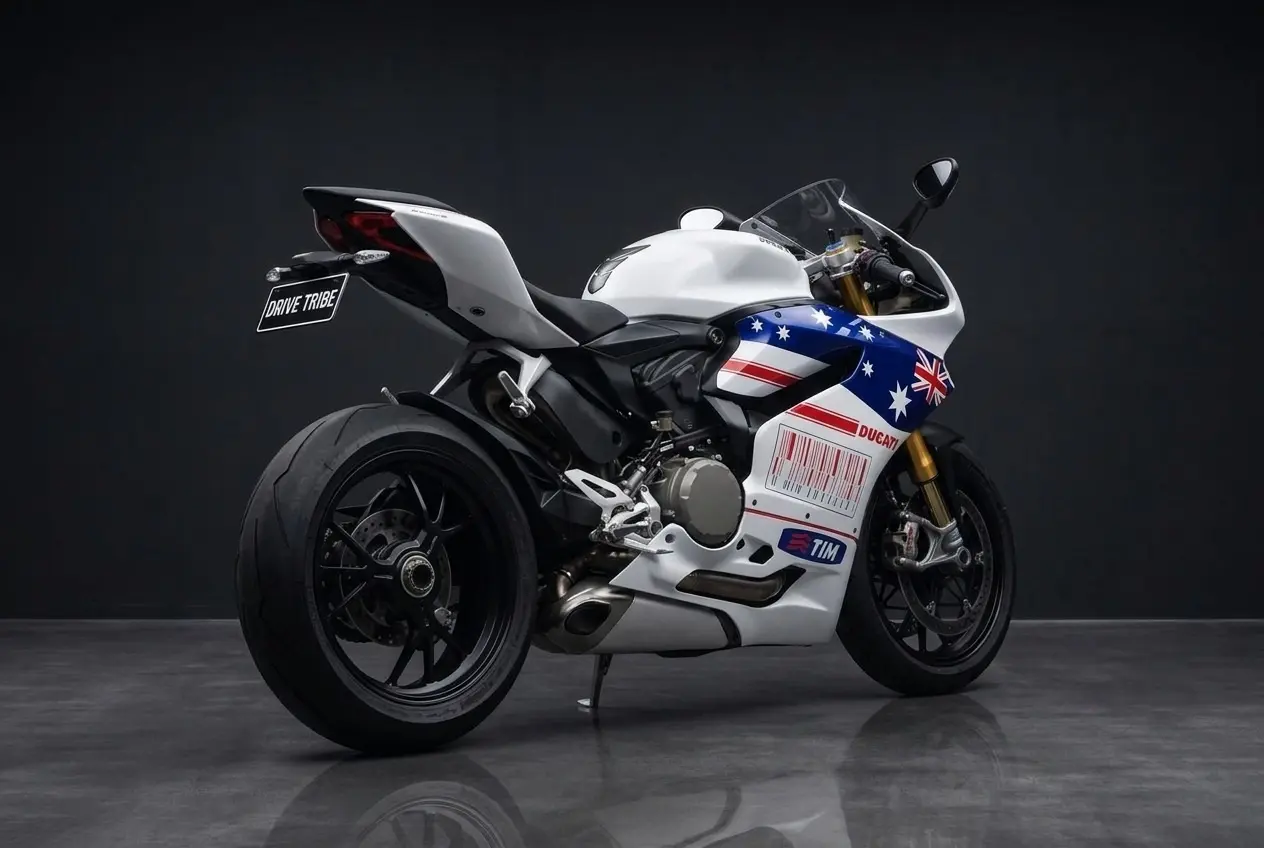
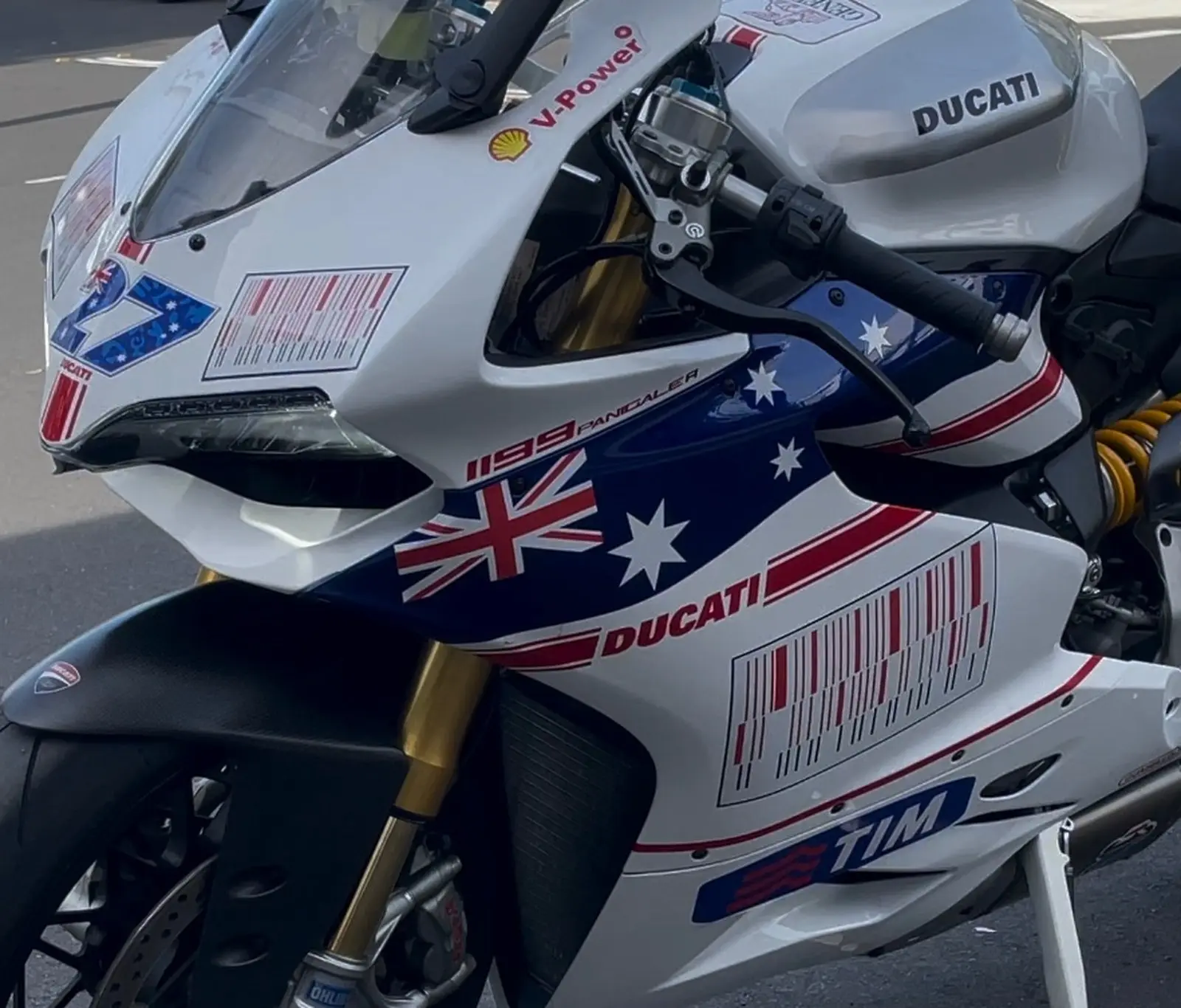
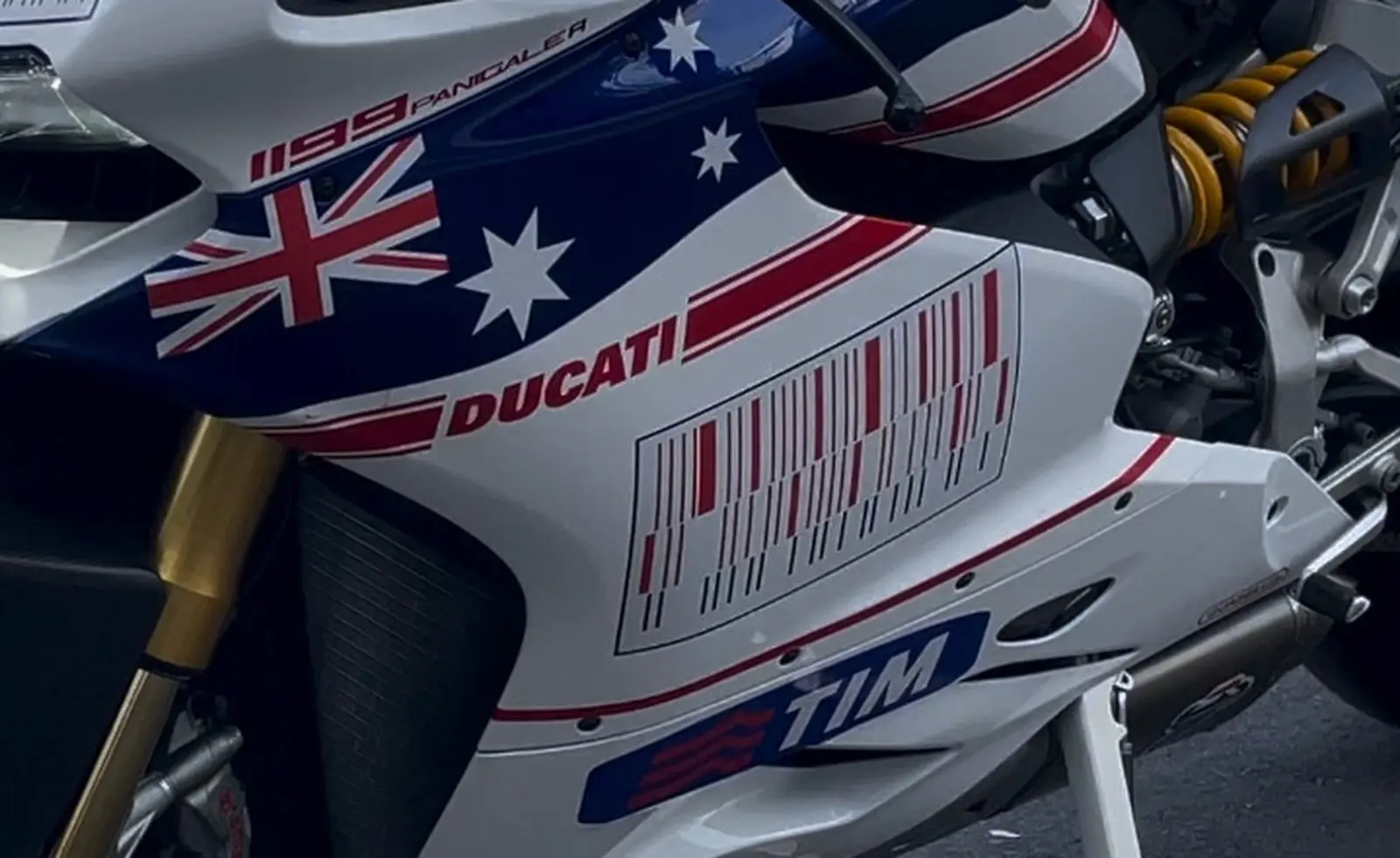
The Ducati 1199R Panigale is the bike we would point experienced riders toward. It is a superbike with gold front forks and black forged wheels, and its Australian flag livery is a tribute to Casey Stoner, who won his first MotoGP World Championship on a Ducati in 2007. It is a tribute livery and is not officially endorsed. For smooth roll-on practice, that focus on precision is exactly what makes it rewarding.
The MV Agusta F4 is another performance option, with a 998cc inline four, a pearl white finish, a red trellis frame and a performance exhaust. The Yamaha MT-09 SP offers strong brakes and premium adjustable suspension for riders who want a naked bike. Each machine asks for the same smooth input, and the right choice depends on your experience and the kind of road you have in mind.
Plan the road, then book the ride
Smooth throttle control is a skill you build one corner at a time, and it becomes second nature with practice. Start on quiet roads, choose your moments for firm acceleration, and let the rest of the ride be calm and steady. A good rider reads the road, adds power with intent and keeps the bike settled through every change in the surface and the bends.
Before you ride, check your gear, your fuel and your plan. Eat a light meal, drink water and avoid alcohol completely. If you feel tired or distracted, pull over somewhere safe and rest before continuing. Ride within your ability at all times, because no open road is worth a rushed decision, and a calm start tends to produce a calm finish.
When you are ready for a bike that rewards precision, the Ducati 1199R Panigale page has the full details and the booking options. Bring your licence, a clear plan for the day and a patient right hand, and we will help you prepare for the road ahead.
Frequently asked questions
When is hard acceleration safe on an open road?
Firm acceleration is appropriate when the road ahead is clear for the full length of the manoeuvre, you can see your exit, and there is no vehicle hidden behind a crest or in your path. Use it for a deliberate overtake, a clean merge or to clear a hazard you have already spotted. If any of those conditions is uncertain, hold back and wait for a safer moment on the road.
Why does my bike jerk when I open the throttle?
A jerky response usually comes from an abrupt input, a gear that is too high for the speed or a grip that is not relaxed. Ease the throttle open over a second or so, use a lower gear before the bend, and keep your hand light. If the jerk persists, stop somewhere safe and check that you are comfortable with the controls before riding again.
Does smooth throttle matter more on a superbike than a naked bike?
Smooth throttle matters on every bike, but a superbike with a high power output rewards precision and punishes abruptness more quickly. The Ducati 1199R Panigale is a superbike for experienced riders, and the MV Agusta F4 is a performance machine. A naked bike such as the Yamaha MT-09 SP also depends on a measured input, so the habit is worth building on any machine.
What should I do if the rear wheel steps out on acceleration?
Stay calm and ease the throttle gently rather than snapping it shut. Keep the bike as upright as you can and let the grip return before you add power again. Look well ahead to where you want to go, because the bike follows your eyes. A small, controlled correction is far safer than a panicked reaction, and you should slow the whole stretch afterwards.
Can I practise smooth roll-on on a dusk ride?
It is better to save this practice for daylight. Low light makes it harder to read the surface, and wildlife is most active at dusk on country roads, so a sudden movement can ask for an abrupt input. The bike is garaged from 9pm to 6am, so plan your practice for mid-morning or early afternoon when the road is clear and the light is good.
How do I know I am ready for firmer acceleration?
You are ready when your roll-on stays smooth on every bend, your gear choices come naturally and you feel calm rather than rushed. Test your progress on quiet roads before trying anything on a busy road. If you find yourself tensing up or correcting often, return to gentler practice. Confidence should grow gradually, and there is no benefit in racing ahead of it.
Ready when you are. Pick your dates and book the Ducati 1199R online, or call us and we will sort it with you.
Book NowCall 0468 011 118