

Book the MV Agusta F4. Pick your dates and book the MV Agusta F4 online, or call us and we will sort it with you.
Book NowCall 0468 011 118A ride at first light can feel as though the road has been handed to you. The air is clean, the traffic is still thin and the sky shifts from grey to gold while you ride. This guide is about those early hours on Sydney's coast roads and the habits that keep them safe. The rides described here start at six or later, so the focus is on the light that follows, and on the cold, wildlife and low visibility that come with it.
New to riding with us? Our page on motorbike hire in Sydney covers the bikes, the rider rules and how pick-up works.
Why first light is a different kind of riding
First light changes the character of a road. Traffic is thin, the air is cool and clean, and the landscape looks freshly washed. Those qualities make early morning one of the most rewarding times to ride, but they also bring hazards that do not exist at midday. Visibility can be poor, the road can hold moisture and animals are on the move. Every good early ride starts with respect for those conditions.
A useful way to think about first light is as a transition. The dark is leaving, the colours are returning and your eyes are still adjusting. For the first few kilometres your brain is catching up with the light, and that is when mistakes happen. Riders who settle their pace until their eyes have adjusted tend to enjoy the morning far more than those who push straight into the good sections.
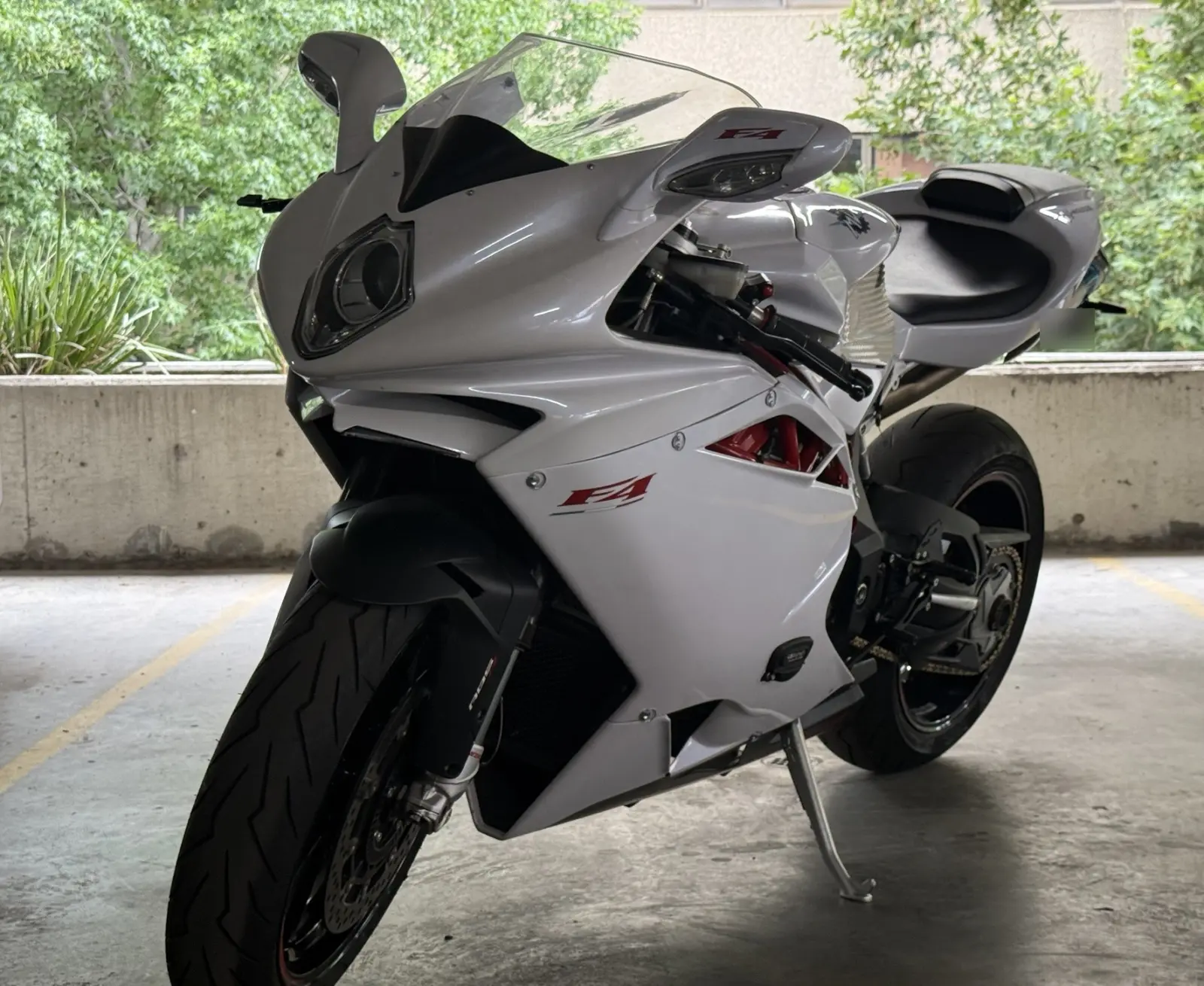
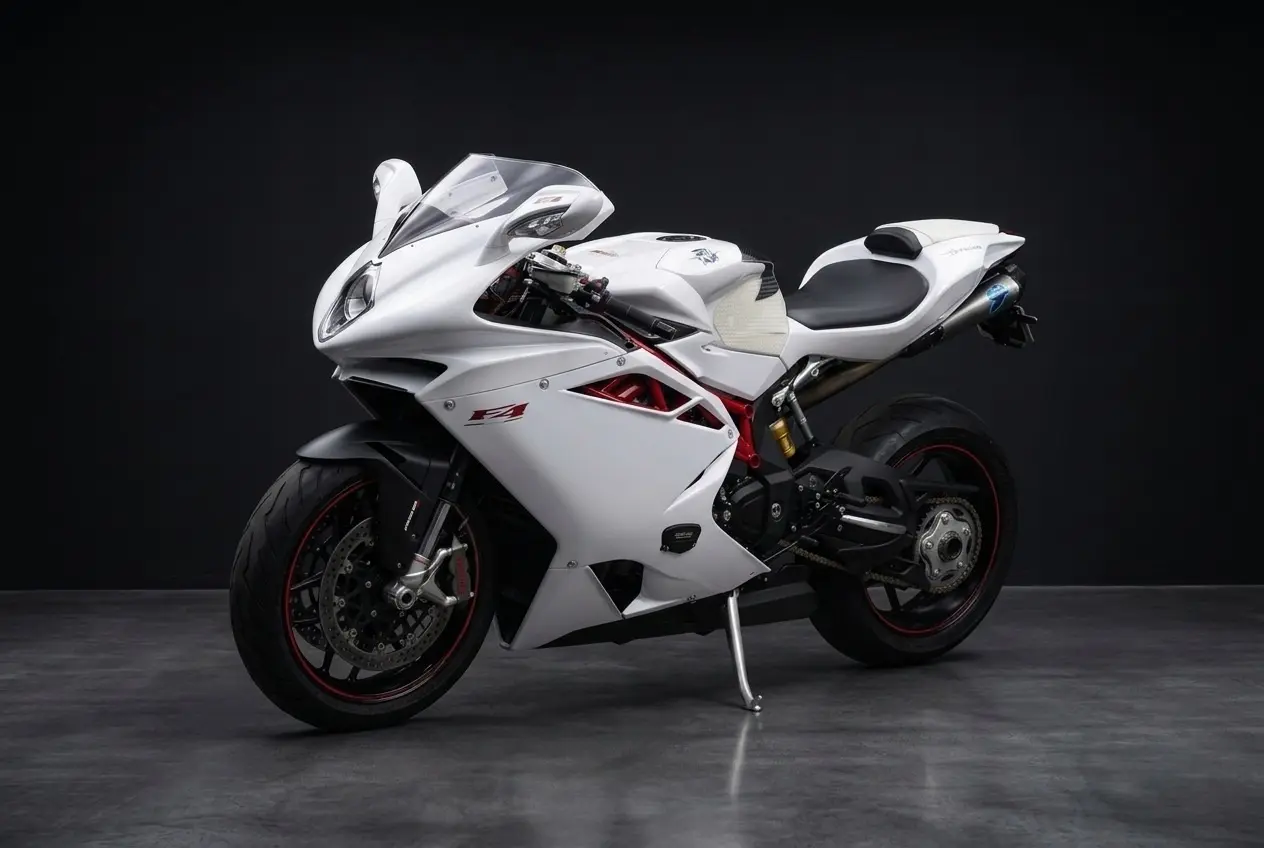
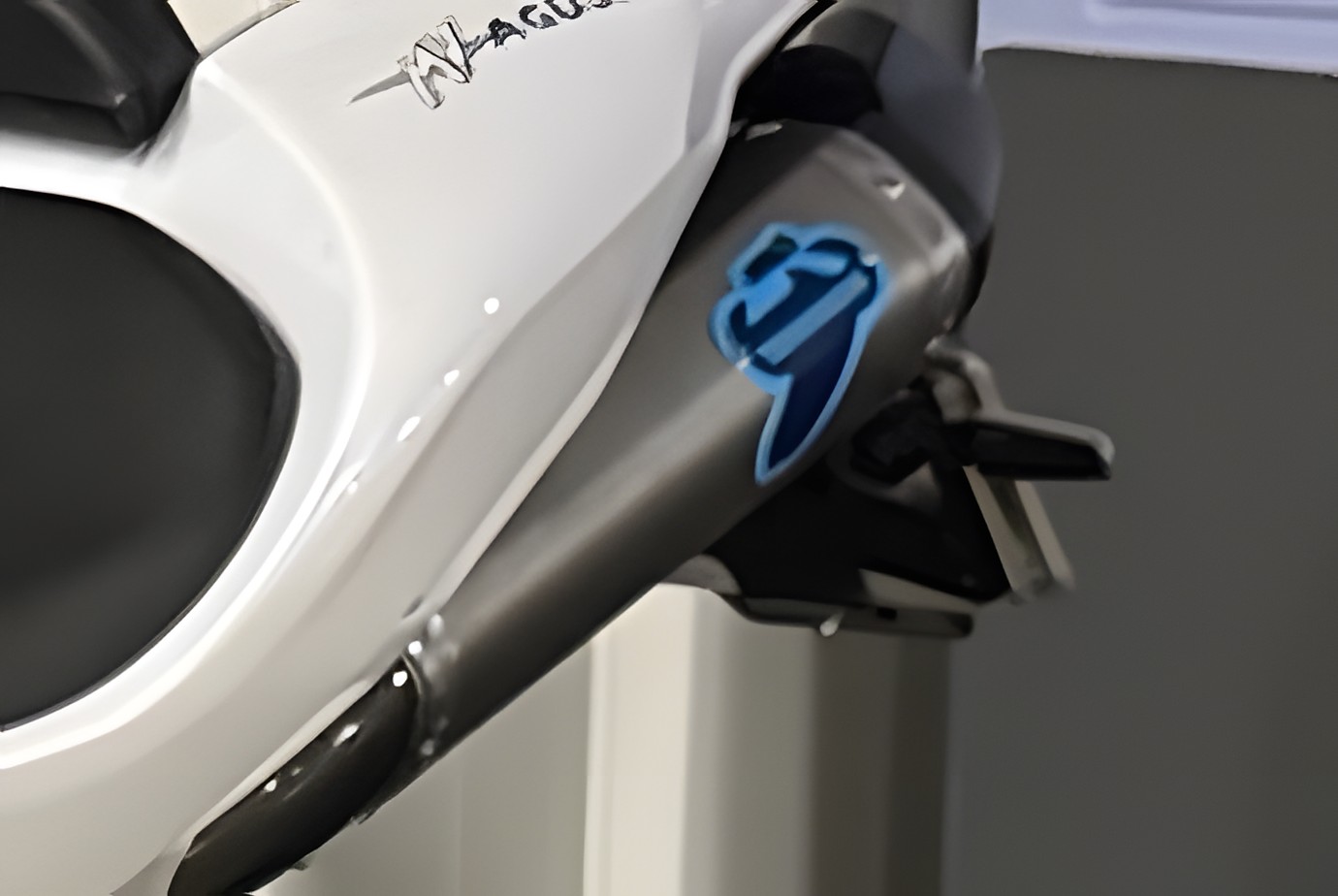
The MV Agusta F4 suits a deliberate, measured approach to this sort of ride. Its pearl white finish and red trellis frame make it easy to pick out, and its performance exhaust gives it real character, but on a cool morning the bike rewards a steady hand and clear focus. That focus is worth far more than any quick gear change or overtake you might be tempted to make.
The earliest start and the sunrise window
Plan your start for six o'clock or later. That gives the road time to warm and the light time to lift, and it keeps the whole morning in an orderly rhythm. Check the sunrise time for your date. In summer the sun may already be well up by the time you are underway, while in winter the first light will only be arriving as you pull out onto the road.
Many riders plan a dawn ride around the view rather than the road. A more sensible approach is to plan around the traffic and the light together. Choose a route you already know, so you are not reading signs in dim conditions. Keep the distance short for your first early ride, and build up gradually as you gain confidence reading the road in changing light.
Check road conditions with Transport for NSW the evening before, because works, closures and crashes can change the picture overnight. Look for alerts on any stretch you intend to use, and have a second route in mind in case the first is blocked. Good planning is what turns an early start from a gamble into a calm, enjoyable run.

Preparing yourself and the bike in the half light
Preparation starts before you leave the house. Lay out your layers, gloves, helmet and any spare items the night before, so you are not searching for things in half light. Check the bike too, including tyre pressures, lights and the fuel level. A few minutes of organising means you can focus on the road rather than fiddling with kit when you should be settling into the ride.
Warm the bike gently. Give the engine a short period to come up to temperature before you pull away, and then ride with smooth throttle inputs until the tyres have warmed. Cold tyres have less grip than warm ones, and the grip you lose on cold rubber can be exactly what you need on a damp corner. Start with gentle, progressive changes in speed and lean.
Warm yourself as well. Thermal layers, a windproof outer and gloves that still let you feel the controls make a real difference. Cold hands and stiff shoulders reduce your control, so take a few moments to stretch and move before you ride. A rider who is comfortable and alert is far safer than one who is cold and rushing to make up time.
Cold tyres, dew and frost
Dew can coat the bitumen overnight, leaving a slick film that is hard to see. On shaded stretches and under tree cover, the surface can stay damp long after the sun clears the ridgeline. Painted lines, road markings and metal drain covers become especially slippery when wet, and they are often found on the inside of bends, where the lean is greatest.
Frost is a real risk in autumn and winter, particularly in the valleys and in low, shaded sections of road. It can look like a faint dusting of light, and it may not be obvious until you are already on it. If you see white patches on the verge or the road, slow down well before you reach them, and avoid braking, leaning or accelerating across them.
The rule of thumb is simple: reduce your speed early and let the bike settle before each corner. Use gentle inputs, avoid sharp braking while leaned over and increase your following distance. A slippery surface punishes sudden actions, so smooth, deliberate riding is the best protection you can give yourself on a cold morning.
Wildlife at first light
Wildlife is at its most active around dawn and again at dusk. Kangaroos graze the grass verges and bush edges, and they often cross the road in small groups, so one animal is often a warning of more to come. Wallabies, possums, birds and reptiles also move at this hour, and they may appear at the roadside with very little notice.
Slow down wherever trees come close to the road or the verge is wide and grassy. Scan the edges of the carriageway as well as the centre, and watch for the eyes of animals catching the light from oncoming traffic. Treat any movement at the roadside as a possible hazard, and be ready to stop in a straight line rather than swerving toward oncoming vehicles.
If an animal does come onto the road, brake firmly but in a controlled way, keep the bike upright and avoid swerving into a corner or onto the wrong side of the road. Collisions with animals at speed are among the most serious risks on rural roads at this time of day. The safest approach is to plan your speed around the possibility of a crossing, rather than around your confidence in the road ahead.
Want the MV Agusta F4 for your date? Pick your dates and book the MV Agusta F4 online, or call us and we will sort it with you.
Book NowCall 0468 011 118Reading the road in low light
Low light changes how you read a corner. Shadows can hide a sudden change in camber, a patch of loose gravel or a pothole, and the contrast between sunlit and shaded sections can make the surface hard to judge. Look further ahead than you normally would, and read the road for changes in colour and texture rather than relying on a single glance.
Glare is a key risk as the sun rises. When the low sun sits directly ahead, it can wash out the road and hide hazards entirely. Keep your visor clean inside and out, and avoid staring straight into the glow. Slow down when you have to ride toward the sun, and expect the car in front to be harder to see against a bright sky.
Lane positioning matters in early light. Ride where other drivers can see you, avoid sitting in a vehicle's blind spot and keep a safe gap from parked cars and the kerb. Clear sight lines are your best friend, so when you cannot see far ahead, slow down until you can.
Best season, fuel and food for an early ride
Autumn and spring suit a first-light ride best, with cool mornings and clear air. Summer dawns are warm and pleasant, and the early hours offer a comfortable start, but the sun rises quickly and the light turns harsh. Winter brings the clearest views and the lowest sun, along with the coldest starts, frost in the valleys and the shortest window of usable light.
Fuel up before you leave, because early mornings are not the time to find a closed service station. Check your range against the route you have chosen and plan a top-up for the return. Many stations open early, but on quieter routes they may shorten their hours, so plan as though the fuel you carry is the fuel you have.
Food stops work best in the nearest towns with cafes or bakeries, rather than out in the bush. Busy coastal towns often open early, while smaller villages may not open until later in the morning. Weekend mornings bring cyclists, surfers and car clubs to the coast by seven, so a weekday start gives you the emptiest road. Pack a snack and water so you are not relying on a stop that may be closed.
Fatigue, alcohol and staying within your ability
Fatigue is a serious risk on early starts. A short night, a rushed breakfast or a stressful week can dull your reactions and blur your judgement. If you do not feel alert, do not ride. Moving a planned early ride to a later start is a far better outcome than riding tired and taking a chance on a corner.
Never ride with alcohol in your system. Even a small amount can slow your reactions and reduce your ability to judge distance and speed, and a dawn run is no time to test those limits. The morning after a late night is not the morning for an early run, however good the forecast looks.
Ride within your ability at all times. A cold, quiet road can tempt you into a pace you would never choose at midday, and that is exactly when things go wrong. Keep your speed deliberately moderate, choose a pace that lets you stop in the distance you can see, and let the first light be the reward rather than a reason to push harder.
Hire details and booking the MV Agusta F4
Bikes are self-drive and hired from Drive Tribe in Parramatta, with a three day minimum hire. Every rider needs a full motorcycle licence held for at least three years and must be aged 25 or over on every bike. Riding 30 km/h or more over the posted limit ends the hire, and the bond is forfeited, so keep your speed well inside the limit on every early run.
The MV Agusta F4 is our featured bike for this route. It is a 998cc inline four with 143 kW, and it is a single-seater built for a rider who values character and a precise, measured style. Its pearl white paint and red trellis frame make it instantly recognisable on the road, and it suits a careful, deliberate early start.
When you are ready to ride a bike built for measured, careful early starts, choose the MV Agusta F4 on the MV Agusta F4 page and pick your date. We will have it ready in Parramatta, and you can compare the rest of the range on the fleet page before you commit to your first early ride.
Frequently asked questions
What is the earliest time I should ride at dawn?
Plan your start for six o'clock or later. That gives the road time to warm, the light time to lift and your body time to wake up properly. Check the sunrise time for your date so you know whether the sun will be up when you set off. Keep the early run short for your first attempts, and build up gradually as you learn how the road looks in changing light.
Is it safe to ride when the sun is just rising?
It can be, provided you manage glare and low visibility carefully. Keep your visor clean, avoid staring into the sun and slow down when you have to ride toward it. Expect the car in front to be harder to see, and keep a generous gap. If you cannot see far enough ahead to judge the road, slow down until you can, or turn around and try another morning.
What is the biggest hazard on an early coastal ride?
Wildlife is one of the biggest hazards, particularly kangaroos feeding along the verges and bush edges at dawn and dusk. They often cross in small groups, so one animal may be followed by others. Slow down where the trees come close, scan the roadside and be ready to stop in a straight line. Avoid swerving toward oncoming traffic, and keep the bike upright if you do have to brake hard.
How do I deal with dew and frost on the road?
Reduce your speed early, avoid braking or leaning over white patches and give yourself plenty of room. Dew makes painted lines and metal covers slippery, while frost can be hard to see in shaded sections of road. Ride smoothly, keep your inputs gentle and increase your following distance. If the surface looks suspicious, wait for the sun to lift and warm the road before you ride through it.
How much should I eat before an early ride?
Eat a light breakfast that is easy to digest, with some carbohydrate and protein, and drink water before you leave. Avoid heavy meals that can make you sluggish, and skip caffeine if it leaves you jittery in the cold. A snack and extra water in your bag help on longer rides. Hunger and dehydration both affect concentration, which matters more than usual when the light is changing.
Can I enjoy the sunrise view safely while riding?
Yes, provided you stop properly. Choose a designated lookout or a flat, sealed area well away from the carriageway, park on firm, level ground and turn the engine off before you step away. Keep the stop short enough to stay on schedule, and never stop on a blind corner or where you would block traffic or a driveway. Enjoy the view from the stopped bike, not from the saddle.
Ready when you are. Pick your dates and book the MV Agusta F4 online, or call us and we will sort it with you.
Book NowCall 0468 011 118