
Book the Yamaha MT-09 SP. Pick your dates and book the Yamaha MT-09 SP online, or call us and we will sort it with you.
Book NowCall 0468 011 118The far west of New South Wales is big, quiet and unforgiving of poor planning. The hills around Nymagee rise out of wide plains, and the old mining country gives the landscape a history you can feel along the road. This is a serious trip, several hundred kilometres from Parramatta, and it rewards riders who plan carefully and stay on sealed roads. This article is a road-safety guide to a remote trip, covering distance, fuel, heavy vehicles and what to carry, with the Yamaha as a capable companion.
For the bikes we hire, who can ride them and how a hire runs, see motorbike hire in Sydney.
What the far west hills offer
The country beyond the central west opens into a landscape of low hills, scrub and wide plains. Towns are small and far apart, and long stretches go by without a building in sight. For a rider who wants solitude and big skies, the far west delivers in a way few other regions can. The hills around Nymagee add a little relief to the flatness, and the old mining history gives the towns a quiet, working character.
The appeal of the trip is in its scale. Distances that look modest on a map take a long time to cover, and the road becomes a companion that asks for patience. You notice the change in vegetation, the colour of the soil and the way the light falls across the plains as the day moves on. These are rewards for a rider who is prepared.
We approach a trip like this as an exercise in preparation. The riding itself is usually straightforward on the sealed roads, but the remoteness makes planning the real task. A rider who has checked the fuel, the water, the route and the timing can relax and enjoy the country.
Planning the distance from Parramatta
Nymagee is several hundred kilometres beyond the central west, so the trip is best planned over several days. A realistic plan puts about two long days of riding in the schedule, with overnight stops in towns that offer secure parking and a decent night's rest. Build in a spare day in case of weather, roadworks or simple fatigue.
Set a daily distance you are comfortable with, and do not be tempted to push beyond it because the road looks open. Long straight stretches can make the distance seem smaller than it is, and fatigue builds quickly in the heat and the sun. A modest daily target gives you time to stop, stretch and enjoy the country.
Before you leave, check road conditions with Transport for NSW, because closures, roadworks and weather events can affect the far west with little warning. A firm plan that is ready to change is the best approach for a trip like this.
Sealed roads only
Our road bikes are for sealed roads only, and that rule matters more on a remote trip than anywhere else. Some routes into the hills may include long gravel or dirt sections, which can look like shortcuts on a map. We recommend leaving those sections out of the plan altogether. A loose surface, a corrugated track or a sudden patch of sand can cause a serious crash, and the nearest help may be far away.
Plan your route using the sealed network only, and check each leg before you set off. If a sealed road turns to gravel because of works or a closure, turn back to the last sealed junction and find another route. Do not push on in the hope the surface improves, because the road can become worse without warning.
A good rule is to treat every unsealed section as a no-go zone for these bikes. Stay on the bitumen, use the sealed highways and accept that some of the most dramatic country in the far west is best seen from a sealed lookout or a town.
Fuel and water in remote country
Fuel is the most important planning point on a remote trip. Services are spaced far apart, and some towns have limited opening hours. Fill the tank whenever you reach a town with fuel, and do not wait until you are low. Plan each leg so that you never leave a fuel stop with less than a comfortable margin for the next one.
Carry water in quantities you would consider generous for a long day in the heat. Dehydration builds quietly, and it reduces your concentration when you most need it. Keep a bottle within reach, drink regularly and do not rely on a single source. Let someone know your fuel and water plan before you leave.
Keep a small emergency kit with a first aid pouch, a torch, a warm layer and a reliable phone charger. Mobile coverage can be patchy across the hills, so leave your route and expected arrival time with someone in the city or a town along the way.
Heavy vehicles and mining traffic
The roads through this country carry heavy vehicles, including trucks linked to the mining and agricultural industries. These vehicles are large, can be slow on the climbs and can create a strong draught as they pass. Give them plenty of room, avoid being alongside a truck for longer than necessary and expect them to take up most of the lane on the bends.
Be especially careful around the entrances to mine sites, depots and rural properties, where vehicles may turn across the road with little warning. Slow down well before each entrance, watch for indicators and be ready to stop if a vehicle begins to move. Never assume a driver has seen you, particularly in dust or low sun.
Overtaking heavy vehicles requires patience. Pick a long, clear section with good visibility, make sure the road ahead is genuinely free and avoid passing on any hill or bend. If in doubt, stay back and wait for a safer moment.
Want the Yamaha MT-09 SP for your date? Pick your dates and book the Yamaha MT-09 SP online, or call us and we will sort it with you.
Book NowCall 0468 011 118Timing the trip and the seasons
The far west has extreme seasons. Summer days can be very hot, and the heat can make even a short ride exhausting. Winter days are cooler, but nights can be cold and frost can form on the plains in the early morning. Autumn and spring are generally the most comfortable times for a remote ride, with moderate temperatures and clear skies.
Plan to ride in the cooler parts of the day, and take a long break through the hottest hours. Start after first light and aim to reach your stop before the afternoon heat peaks. A relaxed pace in the heat keeps you safer and makes the trip much more enjoyable.
Wildlife is most active at dawn and dusk. Kangaroos, emus and livestock can wander onto roads in the low light, and the risk is highest when you are tired or riding into the sun. Plan your day so that you are settled for the evening before the light fades.
Overnight stops and rest
Choose overnight towns carefully, and check that they have secure parking for the bike. Overnight stops are part of the trip, not an afterthought, and a secure garage or off-street spot gives you peace of mind. Plan a second option in case the first is full, since accommodation can be limited in small towns.
Arriving with daylight to spare is one of the simplest ways to make the trip safer. You can check the bike, rest, eat and plan the next day without rushing. A tired rider makes mistakes, and the remote country is no place to test your stamina late in the afternoon.
Use the evenings to recover. Hydrate, eat a proper meal and give your body time to rest before the next day's ride. The best days of a remote trip often begin with a good night's sleep and a calm plan.
Safety in remote country
Ride within your ability, and expect the trip to be physically demanding even on sealed roads. Concentration fades on long straight sections, and the sheer distance between towns can make a rider careless. Stop regularly, stretch and make sure your focus is still on the road.
Fatigue is the quiet risk in the far west. Take a break every hour or so, eat small amounts and drink water regularly. If you feel drowsy, pull over somewhere safe, away from traffic and the road edge, and rest before you go on.
Alcohol has no place on a remote ride. Keep it out of your plan entirely, and wait until the bike is parked for the night before you think about any drink. Tell someone your route and your expected return, and be honest with yourself about your energy levels every day.

The Yamaha MT-09 SP for a remote trip
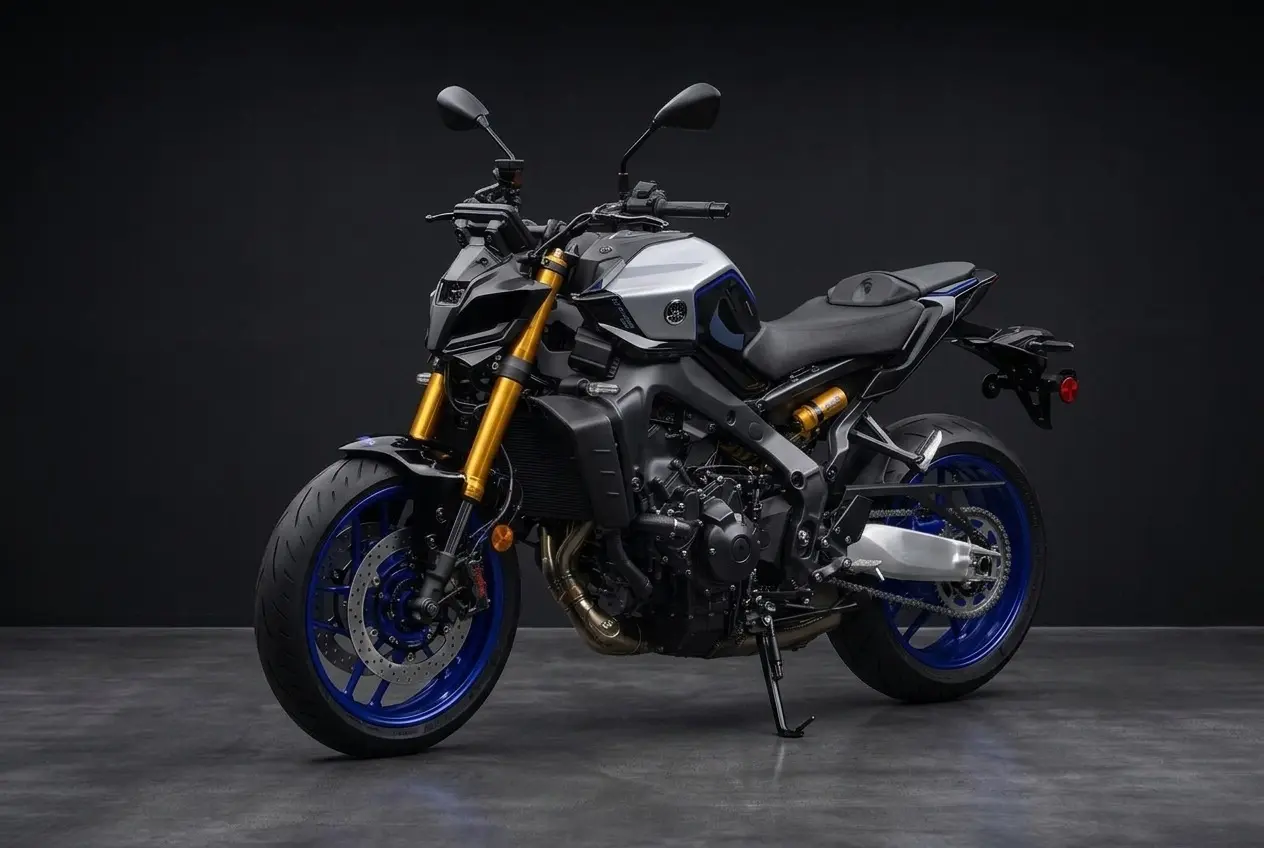
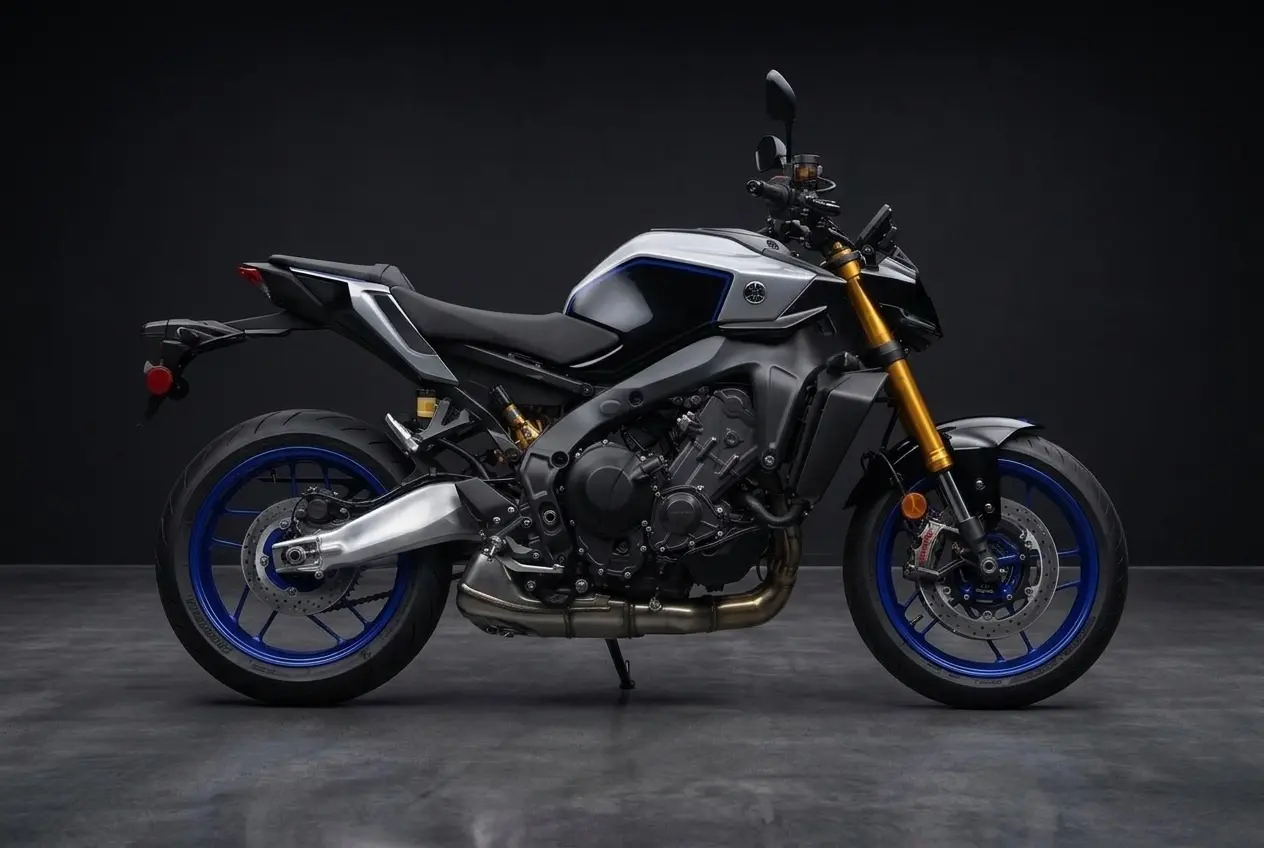
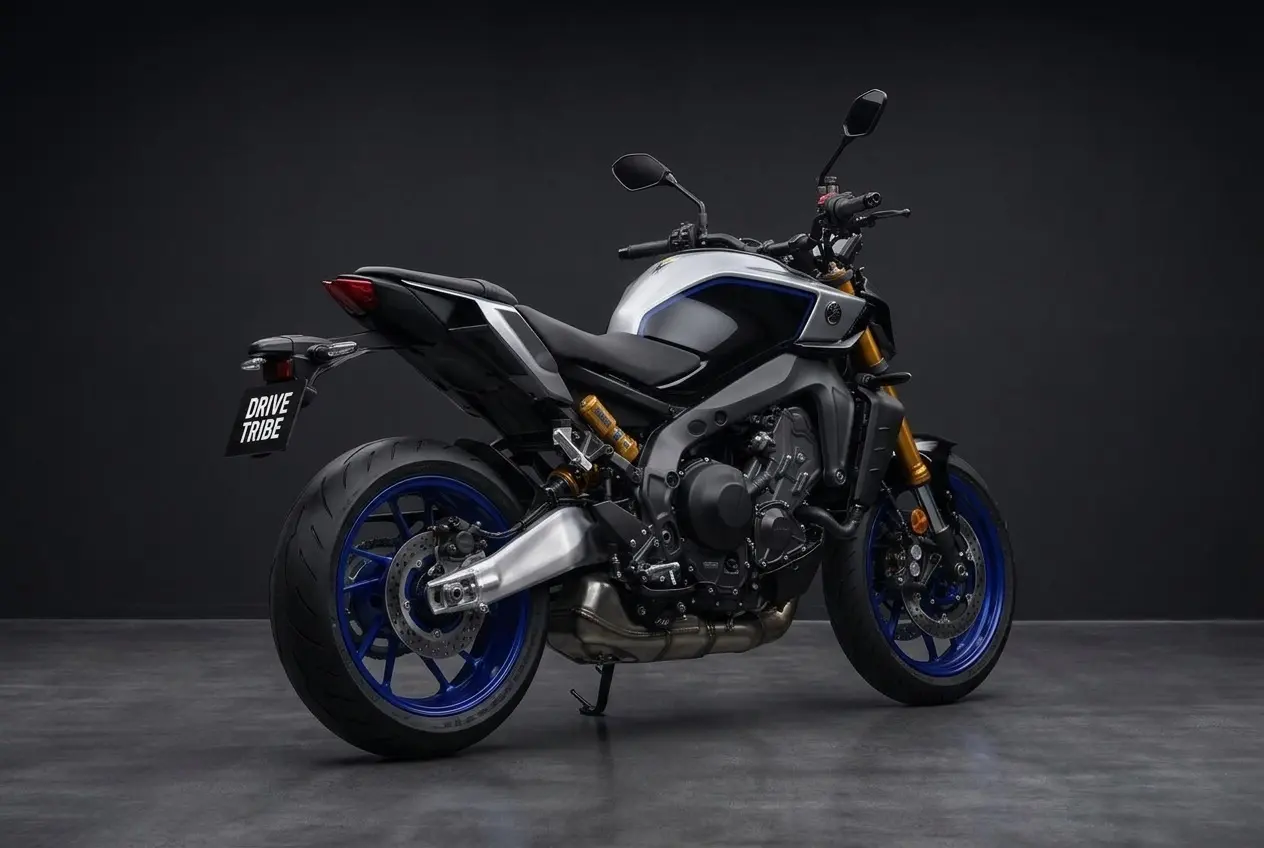
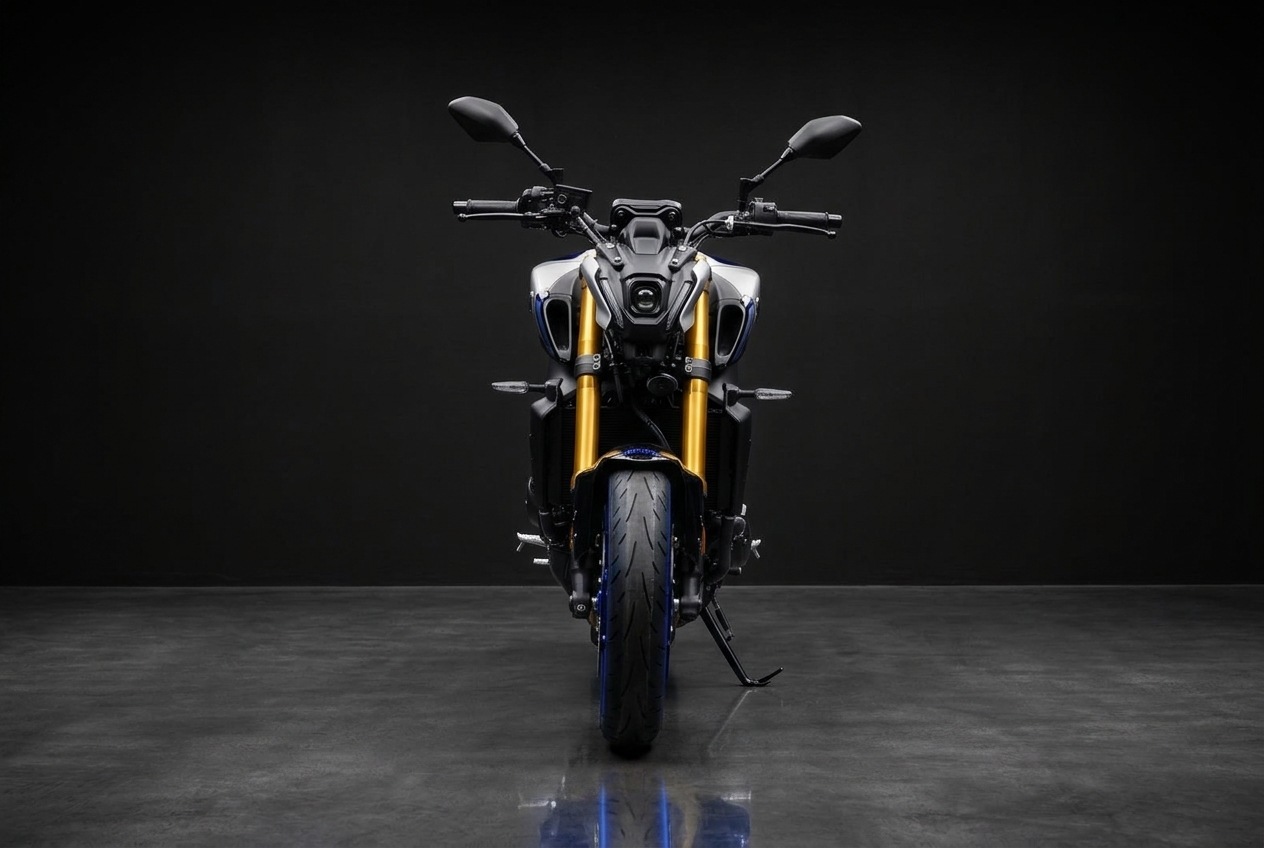
For a remote run across the far west, the Yamaha MT-09 SP is a capable companion. It is an inline three performance naked bike with premium adjustable suspension, gold front forks and strong brakes, which makes it confident over long days on sealed highways and sweeping country roads. The adjustable suspension lets you set the bike to suit a loaded or relaxed ride, and the brakes give you reassurance when traffic appears suddenly.
Hire terms apply to every trip. Bikes are collected from our Parramatta base, and the hire lasts at least three days, which suits a trip of this length. The rider must hold a full motorcycle licence for at least three years and be 25 or over. Learner and provisional riders cannot hire. The bike must be kept in a locked garage or secure off-street parking between 9pm and 6am each night.
If a remote trip into the far west appeals to you, reserve the Yamaha for your dates and plan carefully. Keep to the sealed roads, carry the water and fuel you need and enjoy the country at a pace that keeps you safe.
Frequently asked questions
Is the far west trip suitable for a day ride?
No, the distance from Parramatta to the far west is too great for a single day. The trip is best planned over several days with overnight stops in secure towns. Build in a spare day in case of weather or roadworks, and keep each day's distance manageable so you can rest properly.
Can I take gravel roads to reach the hills?
No. Our road bikes are for sealed roads only, so keep your route on the bitumen and leave out any gravel or dirt sections. If a sealed road changes to gravel because of works, turn back to the last sealed junction and find another route.
How much fuel and water should I carry?
Fill the tank at every town with fuel, and never let it fall to a low level between stops. Carry water in generous amounts for hot weather, and keep a bottle within reach at all times. Plan each leg with a margin, since services can be far apart and opening hours can be limited.
When is the best time of year to make this trip?
Autumn and spring offer moderate temperatures and clear skies. Summer days can be extremely hot, so plan to ride in the cooler parts of the day. Winter brings cold nights and frost on the plains, so pack a warm layer for the early start.
Is mobile coverage reliable in the far west?
Coverage can be patchy across the hills and between towns, so do not rely on your phone alone. Leave your route and expected arrival time with someone, carry a charger and keep a basic emergency kit with you. Plan stops in towns where you can make contact if needed.
What should I watch for near mining and farm traffic?
Heavy vehicles can be slow on climbs and create strong draughts as they pass. Slow down before entrances to sites and properties, watch for indicators and avoid overtaking on hills or bends. Give large vehicles plenty of room and wait for a clear, safe moment before passing.
Ready when you are. Pick your dates and book the Yamaha MT-09 SP online, or call us and we will sort it with you.
Book NowCall 0468 011 118