

Book the MV Agusta F4. Pick your dates and book the MV Agusta F4 online, or call us and we will sort it with you.
Book NowCall 0468 011 118A downhill hairpin looks simple from the top of the road and asks more of a rider than almost any other bend. Gravity pulls the bike forward, the brakes work harder than they would on the flat, and the tight turn at the bottom gives you very little time to recover from a mistake. We have watched plenty of riders take the MV Agusta F4 down a switchback road and make the same handful of errors. This guide walks through those errors, explains why they happen and sets out the habits that keep a descent calm and controlled.
New to riding with us? Our page on motorbike hire in Sydney covers the bikes, the rider rules and how pick-up works.
Why a downhill bend is different
On a flat corner, the bike's weight sits evenly and the brakes do a steady job. On a downhill hairpin, the weight moves forward as you descend, the front tyre takes more load and the rear becomes lighter. That shift means the front brake has more grip to work with, but it also means the rear can lift and the front can dive more than you expect.
Gravity also keeps adding speed. Even a gentle grade can make the bike feel as if it wants to run on, and riders who release the brakes early often find themselves carrying too much speed into the turn. The bend then seems to tighten at the last moment, and the rider reacts with a sharp, unsettled input.
Think of a downhill hairpin as a sequence rather than a single corner. The approach, the braking, the turn-in and the exit each ask for a different input, and the mistakes usually happen where one stage blends into the next.
Mistake one: braking too late and too hard
The most common error is leaving the brakes too late and then grabbing them hard as the bend approaches. The front dives, the rear lifts and the bike drifts wide. Riders who do this often feel as if the bike is fighting them, but the bike is simply reacting to a rushed input made on a slope.
The fix is to brake earlier and more gently, in a straight line, before the lean begins. Use a progressive squeeze on the front lever and let the bike settle as the weight moves forward. Once the bike is settled, release the pressure gradually as you turn in, so the suspension is not fighting you through the bend.
A useful check is to ask yourself whether you are still braking when the bike is leaned over. If the answer is yes, the braking began too late, and the next run should start with an earlier, softer application.

Mistake two: relying on the brakes alone
Many riders use only the brakes on a long descent and ignore the engine. That habit overheats the brakes and creates a feel of fading or spongy lever pressure, which can be alarming halfway down the grade. Engine braking, managed through the gears, takes some of the load off the discs and keeps the speed more even.
Select a gear before the descent that lets the engine hold you back without pulling the revs too low. Downshift before the bend rather than during it, and keep a steady rhythm. The aim is a controlled speed on the approach, so the brakes are used lightly and only when needed.
If the brakes start to feel different, stop somewhere safe and let them cool. Do not keep pulling the lever harder to make up for a soft feel, because that is the moment a small problem becomes a large one.
Mistake three: too much lean and not enough line
Downhill hairpins are often tighter at the bottom than they look from above. Riders who pick a line that is too close to the inside can find the bike running out of room on the exit, while those who go too wide can run into the oncoming lane. Look through the bend to the exit before you commit to the line, and keep the bike well inside the lane when visibility is limited.
Leaning the bike further than the grip allows is another common error. The tyres do not have unlimited grip, and a lean that feels safe on the flat can become risky on a sloping surface with patches of dust, leaf litter or worn bitumen. Lean only as far as you can see the road and trust the surface.
A helpful habit is to find a reference point on the exit and steer toward it, rather than focusing on the apex. That keeps your head up and your inputs smooth, and it reduces the chance of overcooking the turn.
Mistake four: throttle chopped mid-turn
Riders sometimes close the throttle sharply in the middle of a hairpin, perhaps because they feel they are going too fast. A sudden closing of the throttle can unsettle the rear, change the balance of the bike and cause the front to push wide. It can feel like a safe move, but it is often the trigger for a sudden loss of control.
The better approach is to set your speed before the turn and roll on gently through the apex. If you have braked properly and selected the right gear, you should not need to make a large throttle change mid-corner. Smooth, consistent inputs are much more predictable for the bike and for you.
If you do feel that the bike is carrying too much speed, the answer is to have braked earlier, not to jab the throttle shut. Note the mistake, and adjust your approach on the next bend.
Hire rules for the F4
Hire is self-drive from Drive Tribe in Parramatta, and it runs for three days at minimum. To ride the F4 you need a full motorcycle licence held for three years or longer, and you must be aged 25 or over on every bike. The F4 is a single-seat machine, so you ride alone. Helmets (Shark, AGV or Bell) can be hired from us in small, medium or large for $50 per hire, or you can bring your own, and a helmet replacement fee applies if a helmet is lost or damaged. We do not supply jackets, gloves, pants or boots, so bring your own riding gear. Our car damage cover is not part of bike hire, a security bond is held according to the bike's class, and personal injury cover beyond compulsory third-party insurance is for you to organise. Overnight the bike is fitted with a tracker and must be kept in a locked garage or secure off-street parking between 9pm and 6am.
Want the MV Agusta F4 for your date? Pick your dates and book the MV Agusta F4 online, or call us and we will sort it with you.
Book NowCall 0468 011 118Setting up the bike before a descent
Before you ride a mountain descent, check the tyres for pressure and wear, the brake pads and lever feel, and the chain or drive. A descent places heavy demands on the brakes and tyres, so any weakness is more likely to show there than on the flat.
Check that the suspension feels right for your weight, and that the bike sits level and settled when you climb aboard. A bike that bottoms out or dives excessively under braking will be harder to manage on a downhill bend.
Fuel up before you start the descent, and make sure you know where the next stop is. Running low on a steep grade is a problem that is easy to avoid with a little planning.
- Tyre pressures and wear checked when cold
- Brake pads and lever feel confirmed
- Chain or drive inspected
- Fuel topped up before the grade
Reading the road and the surface
Downhill roads collect debris in the corners, and loose gravel, leaf litter and dust gather where the water runs off. Those patches are often invisible until the front wheel is already on them. Scan the surface through each bend, and be ready to ease off if the road looks dull or uneven.
Shaded sections can stay damp long after the sun has reached the road above. The grip on those patches is lower, and braking on them can be unpredictable. Ease into the shade, reduce speed before you enter it and keep the bike upright until you are clear.
Traffic can use these roads too, and some drivers take the bends more slowly than others. Stay alert for vehicles that cross the centre line or stop in the corners, and give yourself room to react.
Seasons, weather and timing
Autumn and spring are the most comfortable seasons for a downhill ride. The bitumen is usually dry, the temperatures are mild and the light is good. Mornings can be cool and damp, so allow the bike to warm before you tackle the steepest grades.
Wet weather changes the whole descent. Brakes need more distance, the tyres need a gentler approach and every bend demands a slower entry. If rain is forecast, consider postponing the ride or choosing a route with easier gradients.
Summer heat can overheat brakes on a long descent. Use the engine to hold you back, let the brakes cool at a stop and ride in the cooler hours of the day when possible.
Safety habits that prevent the big mistakes
Ride within your ability and wear gear that protects you on a steep grade. A properly fitted helmet, an armoured jacket, gloves, long trousers and boots covering the ankle are the minimum. A fall on a downhill bend can happen quickly, and gear is the difference between a scare and a serious injury.
Never ride after alcohol or with any drug that affects judgement. The hire ends if you ride 30 km/h or more above the posted limit, and the bond is not returned. Descents are not the place for a bold run, and a steady approach is always better than a fast one.
Practise the approach on a quieter road before you tackle a major descent. Repeating the same bend a few times helps you find your braking point, your gear and your line, and it builds the confidence that makes a hairpin feel manageable.
Taking the F4 down the grade with control
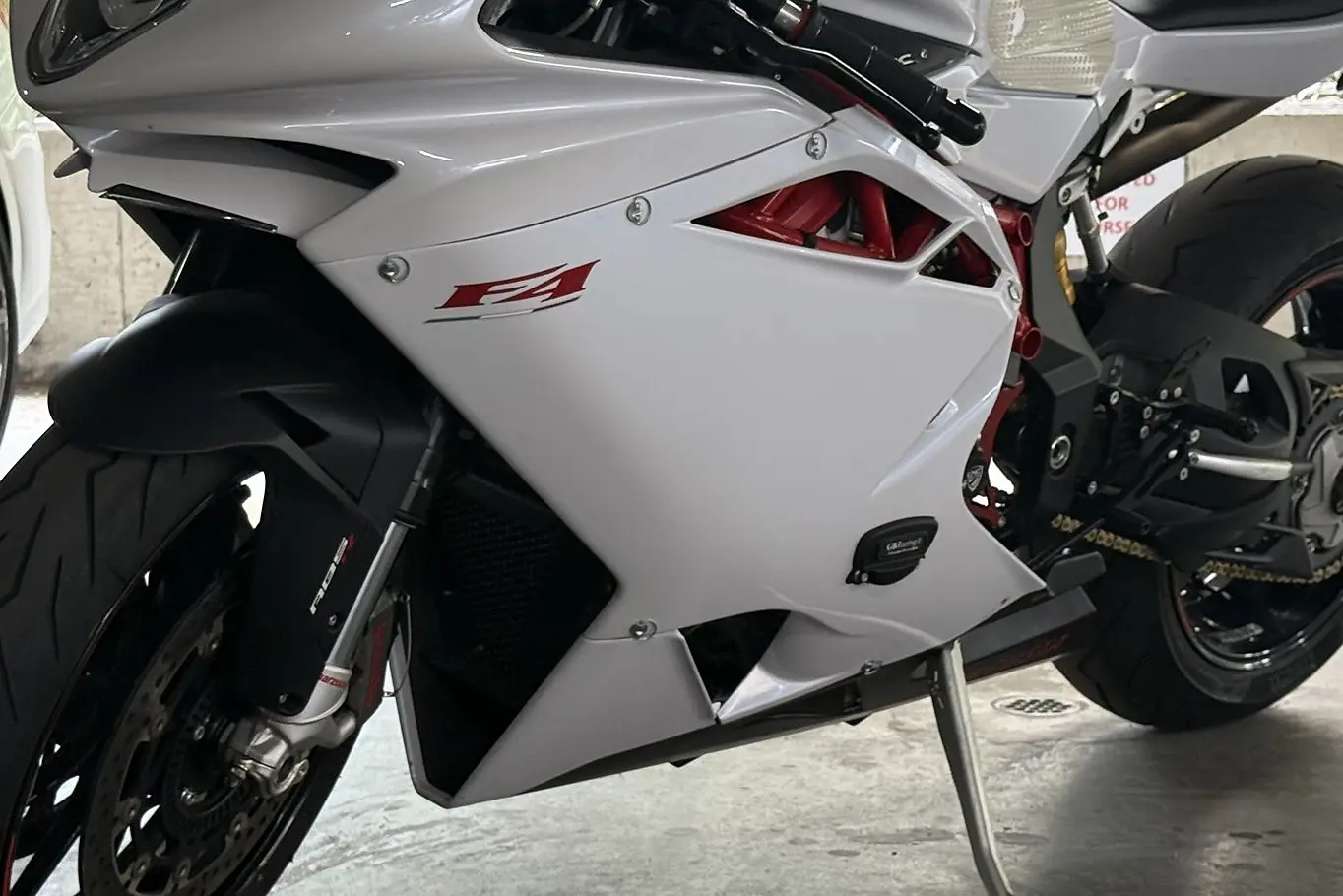
Downhill hairpins reward patience. The mistakes are predictable, and so are the habits that prevent them: braking early, using the engine, choosing a sensible line and rolling on smoothly through the apex. A rider who builds those habits will find the descent far more rewarding than a rider who chases speed.
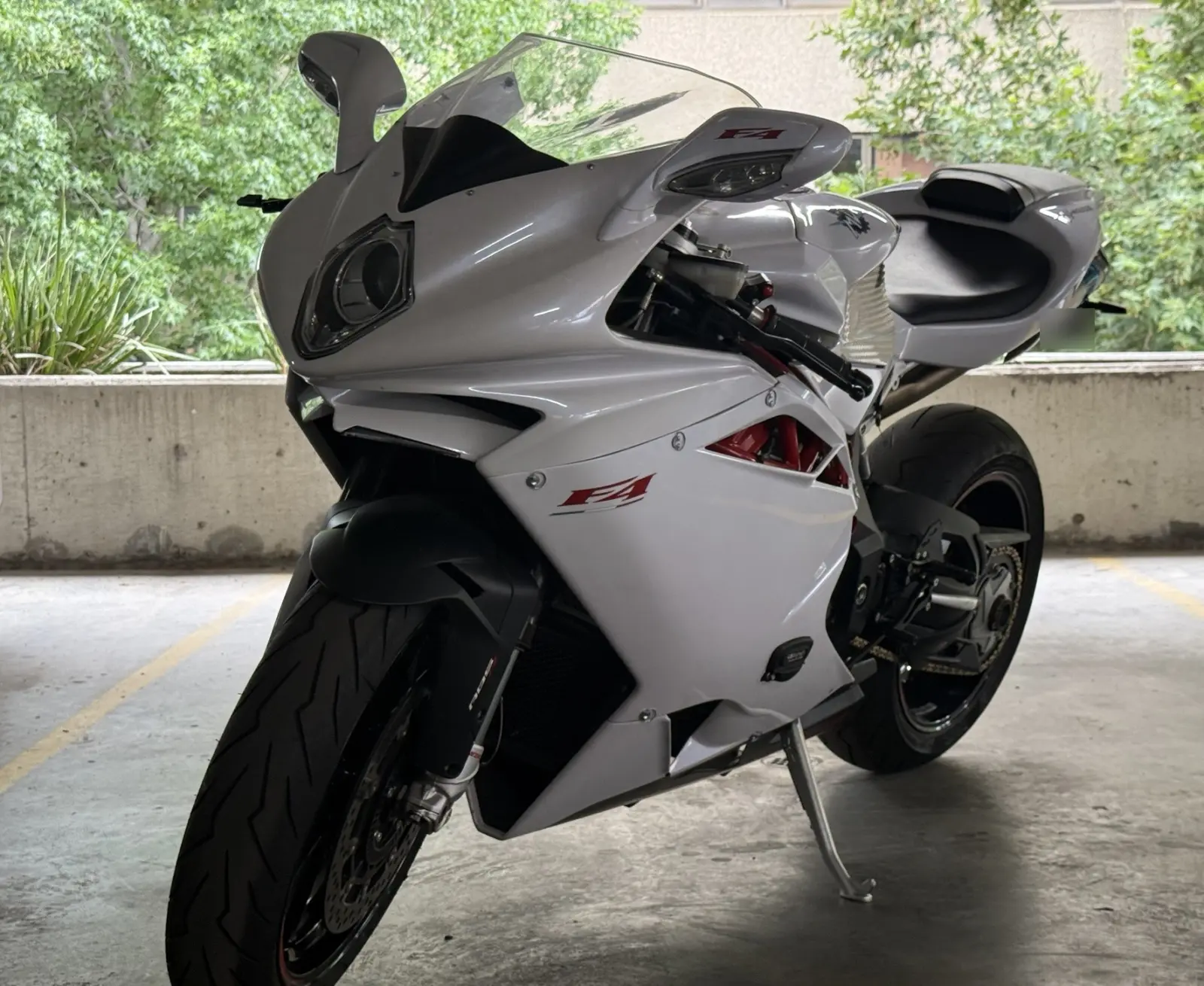
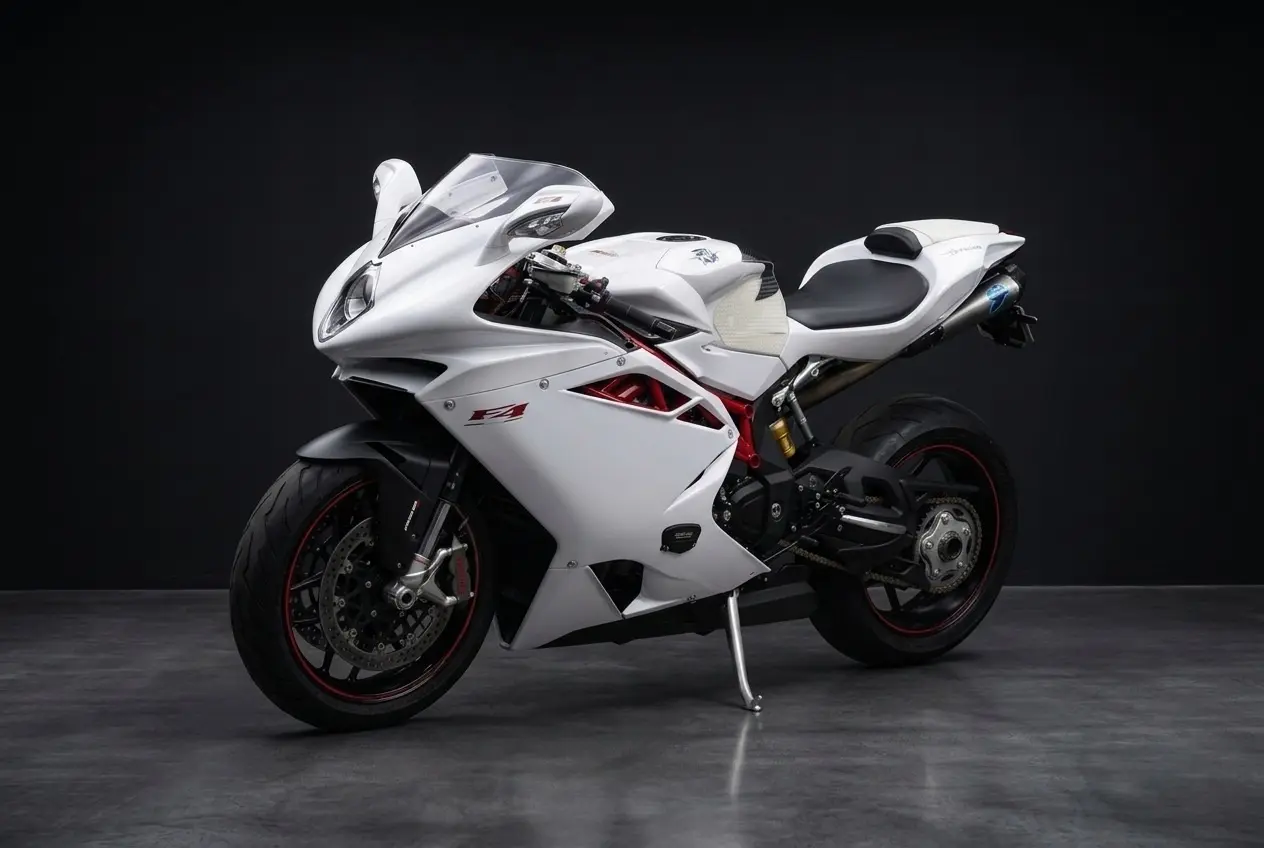
The MV Agusta F4 is a focused machine with strong power and a direct chassis. It suits an experienced rider who respects gravity and braking distances on a steep road.
If you are ready to take on a descent, the MV Agusta F4 is available to book, and we will go through the braking and line advice with you before you set off.
Frequently asked questions
Why do riders make mistakes on downhill hairpins?
Gravity moves the weight forward, adds speed and changes how the brakes and tyres work. Riders often brake too late, rely only on the brakes and carry too much speed into the bend. Recognising those pressures helps you avoid the common errors.
Should I use the engine to slow down on a descent?
Yes. Engine braking, managed through the gears, reduces the load on the brakes and helps keep your speed steady. Downshift before the bend rather than during it, and avoid holding a gear so low that the revs overwhelm the grip.
What is the most common braking mistake?
Braking too late and too hard is the most common error. It unsettles the front and rear and can push the bike wide. Brake earlier and more gently in a straight line, then release the pressure as you turn in.
Can I chop the throttle in the middle of a hairpin?
It is better not to. A sudden closing of the throttle can unsettle the bike and cause the front to push wide. Set your speed before the turn and roll on smoothly through the apex instead.
How do I check the brakes before a long descent?
Check the lever feel, the pads and the disc condition, and make sure the lever is firm and progressive. If the brakes feel soft or fade, stop somewhere safe and let them cool before you continue.
Do I need to check conditions before a descent?
Yes. Check current road conditions with Transport for NSW before you leave, particularly after rain, when debris or works may affect the bends. A quick check at home helps you choose a safe time and route.
Ready when you are. Pick your dates and book the MV Agusta F4 online, or call us and we will sort it with you.
Book NowCall 0468 011 118