
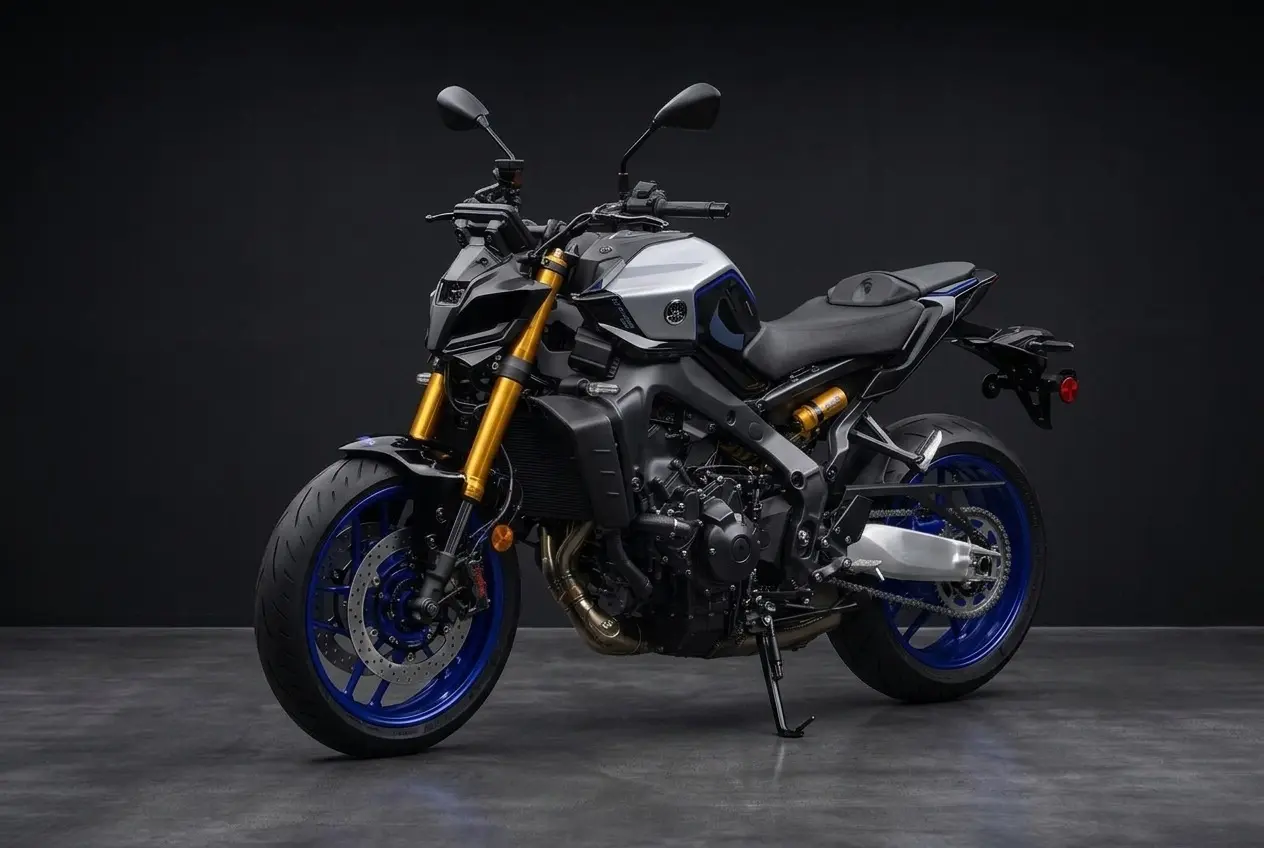
Book the Yamaha MT-09 SP. Pick your dates and book the Yamaha MT-09 SP online, or call us and we will sort it with you.
Book NowCall 0468 011 118A long coastal ride in summer is one of the best days you can have on a motorbike, and one of the easiest to get wrong. The sea breeze can feel like relief until the heat builds inside your gear, and the miles pass quickly when the road is open. This guide shows you how to schedule shade, water and fuel stops along the Princes Highway south of Wollongong, so the heat never gets the better of you and the last hour is as enjoyable as the first.
New to riding with us? Our page on motorbike hire in Sydney covers the bikes, the rider rules and how pick-up works.
Why summer heat changes a coastal ride
Heat is a quiet opponent. On a warm summer day, the air temperature rises steadily through the morning, the road surface absorbs the sun, and the reflected light off the tarmac adds to the load. Inside a full set of riding gear the body struggles to shed heat, and the effect builds gradually, so many riders feel fine at the first stop and only notice the drain an hour later.
Coastal roads add their own twist. The sea breeze can feel cooling at speed, which tempts riders to skip breaks because the ride feels comfortable. The cooling effect is deceptive, though, because the wind takes warmth off your skin without taking the sun off your back or the heat out of your helmet. A rider who stops rarely will often arrive at the destination dehydrated and mentally slow.
The answer is not to avoid summer riding, but to plan for it. Treat heat as a route variable in the same way you would treat fuel, weather and daylight. Decide your stops before you leave the driveway, and let the plan, rather than how you feel at a given moment, decide when you pull over.
Plan the stops before you leave the driveway
Write down your stop points for the whole day before you start. A sensible pattern is a short break roughly every hour, with a longer rest and a meal every two to three hours. These are guidelines rather than rules, but writing them down means you are not making decisions while you are hot and tired. Mark the towns, shaded spots and fuel stations you intend to use, and check that each is reachable within your planned leg.
Keep the stops short but purposeful. Each break should include a drink, a few minutes out of the wind, a check of your gear and a glance at the next leg of the route. If you find yourself saying it is only a few more kilometres, that is the moment to pull over, because the impulse to keep going is often a sign that the body is already working harder than it should.
Share the plan with a friend or family member who is not riding with you, so that someone knows your route and your expected arrival time. A plan that is shared is also a plan that is easier to keep to, and it gives you a simple reference point if the day runs longer than expected.
Morning starts, shade and the midday window
Start early in the day, after the morning has warmed a little but before the heat becomes intense. The first leg of a summer coastal ride is the most comfortable, and the cooler part of the day is the time to cover the longest kilometres. Plan to be at your first major shade stop before the sun climbs high, and treat the middle of the day as the time for rest, lunch and a long drink rather than fast riding.
Midday on a summer coast is the hottest part of the day, and the open road gives little shelter. Look for cafes, shaded parks or a sheltered beach car park with trees where you can stand up, drink and cool down. Take off excess layers before you start to overheat, and open or lift your visor at stops so the air can move across your face.
Schedule the hardest section of the ride for the morning, when the temperature is still manageable and your concentration is best. The afternoon is better for an easy run back, provided you have built in enough rest that the return does not start on an empty tank of energy.
Pay attention to the surface as the temperature rises. Hot tarmac can soften at the edges of the road and in the shoulders of corners, and a loose patch of sand blown across the lane from a beach car park can feel quite different on a warm afternoon than it did in the morning. Slow the entry to each bend a little more than you would in cooler weather, and keep the bike upright through the apex. A calm, measured pace is one of the best defences against a hot day turning into a difficult one.
Fluids, food and the salt you lose
Drink before you feel thirsty. Thirst is a late signal, and by the time you notice it the body has already lost a significant amount of fluid. Water is the simplest choice, and a small amount of salt or electrolyte with your food helps replace what sweat takes away on a long, hot day. Avoid large amounts of sugary drinks, which can leave you feeling heavy, and steer clear of alcohol completely.
Food matters too. A light, regular intake keeps energy steady better than one large meal. Fruit, bread, a salad or a simple sandwich suits a hot day far better than a heavy lunch that makes you sluggish on the bike. Eat something at each longer stop, even if you are not hungry, because appetite often drops in the heat and the body still needs fuel to stay sharp.
Watch for the warning signs in yourself and your riding partners. Headache, dizziness, nausea, cramp, unusual irritability or a sudden loss of concentration all suggest that the body needs cooling and fluid, and the sensible response is to stop in shade, drink and rest before going further. Never push on through these symptoms in the hope of reaching the next town.
Fuel range and the stops you cannot skip
Fuel is a planning point, not an afterthought, on a long coastal run. A motorbike carries less fuel than a car and has a shorter range, and running low in the heat is an unpleasant way to find yourself. Top up at each reliable station when your tank reaches roughly half, and always fill up before a long stretch where stations are spaced further apart.
The towns along the Princes Highway south of Wollongong are generally well served with fuel, but the gap between a station and the next one can be longer than the map suggests, especially on a weekend. Check the fuel on your planned route before you leave, and work out the point at which you would need to refuel if the day goes differently from the plan.
Fuel stops double as rest stops. A station with shade, a seat and a cold drink is a good place to pause, and a few minutes spent stretching and checking the bike will save you trouble later. Choose stops where you can see the bike clearly, and keep the keys with you while you rest.
Want the Yamaha MT-09 SP for your date? Pick your dates and book the Yamaha MT-09 SP online, or call us and we will sort it with you.
Book NowCall 0468 011 118The Princes Highway south: road character and crowds
The Princes Highway south from Wollongong runs through a mix of coastal villages, wider open sections and tighter bends where the road follows the shape of the land. The surface is generally good and the sightlines are reasonable, but summer traffic can be heavy, particularly on weekends and during school holidays, when visitors head for the beaches. Expect slow vehicles, caravans and people who are unfamiliar with the road.
Towns such as Kiama, Gerroa, Berry and Nowra are useful places to break the ride. Each has parking, shade and a range of cafes, though popular spots fill quickly on hot weekend afternoons. Arrive early for lunch, or choose a quieter stop a little off the main road if you want space to rest without the crowds.
Further south, the road runs past a series of beaches and small towns that are well suited to a relaxed stop. Ulladulla and Milton offer a good mix of food and shade, and the coast here is often more open and breezy than the hinterland. The breeze can be welcome, but it also means you should take extra care in gusty conditions, and check road conditions with Transport for NSW before you leave.
The hire rules that shape a summer plan
Three rules shape a summer coastal plan from our base. Hire runs for a minimum of three days, so the route can be spread across more than one day rather than forced into a single hot run. A passenger may ride only on the Yamaha MT-09 SP, and that passenger must be aged 16 or over. If we judge a rider unsafe, we may end the hire, and this includes riders who ride in a way that puts themselves or others at risk, whatever the weather.
Book the Yamaha for your coastal summer ride
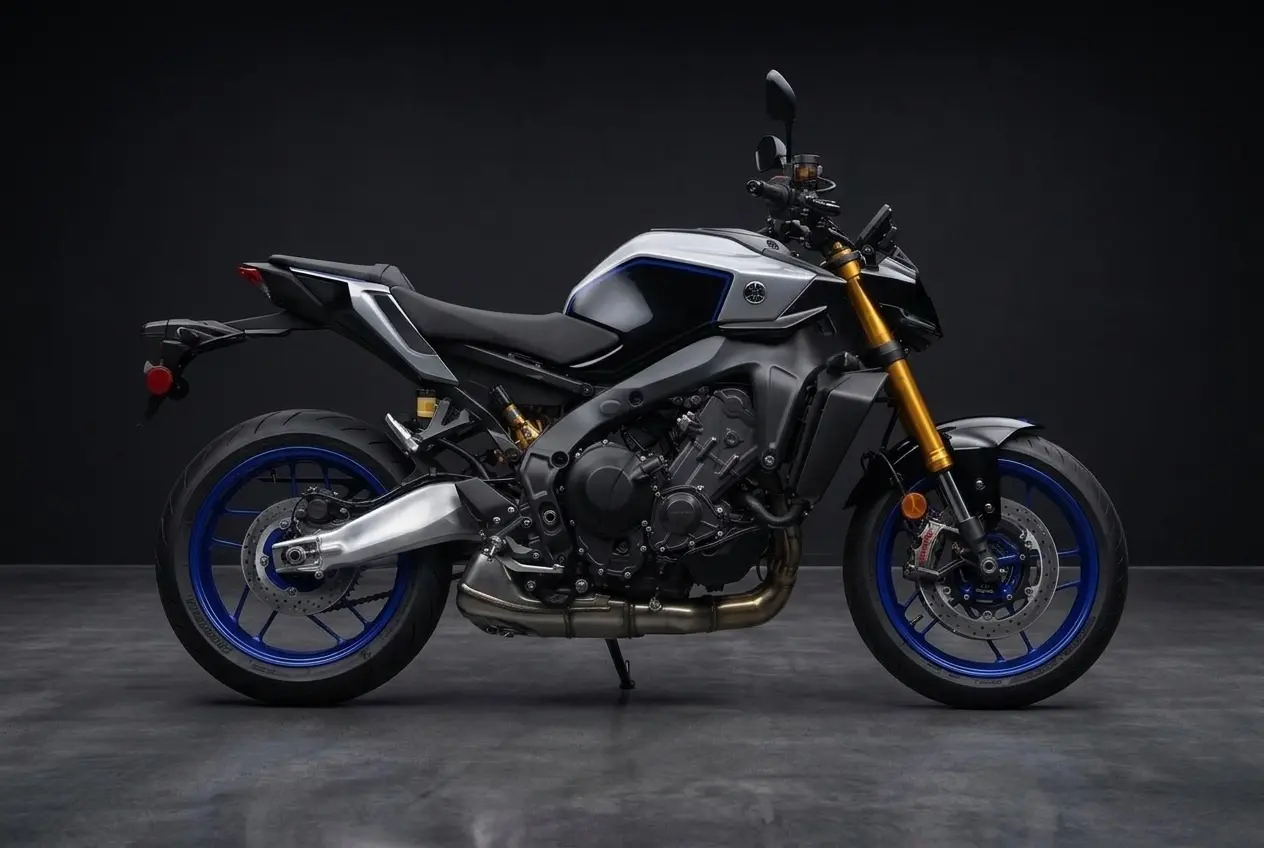
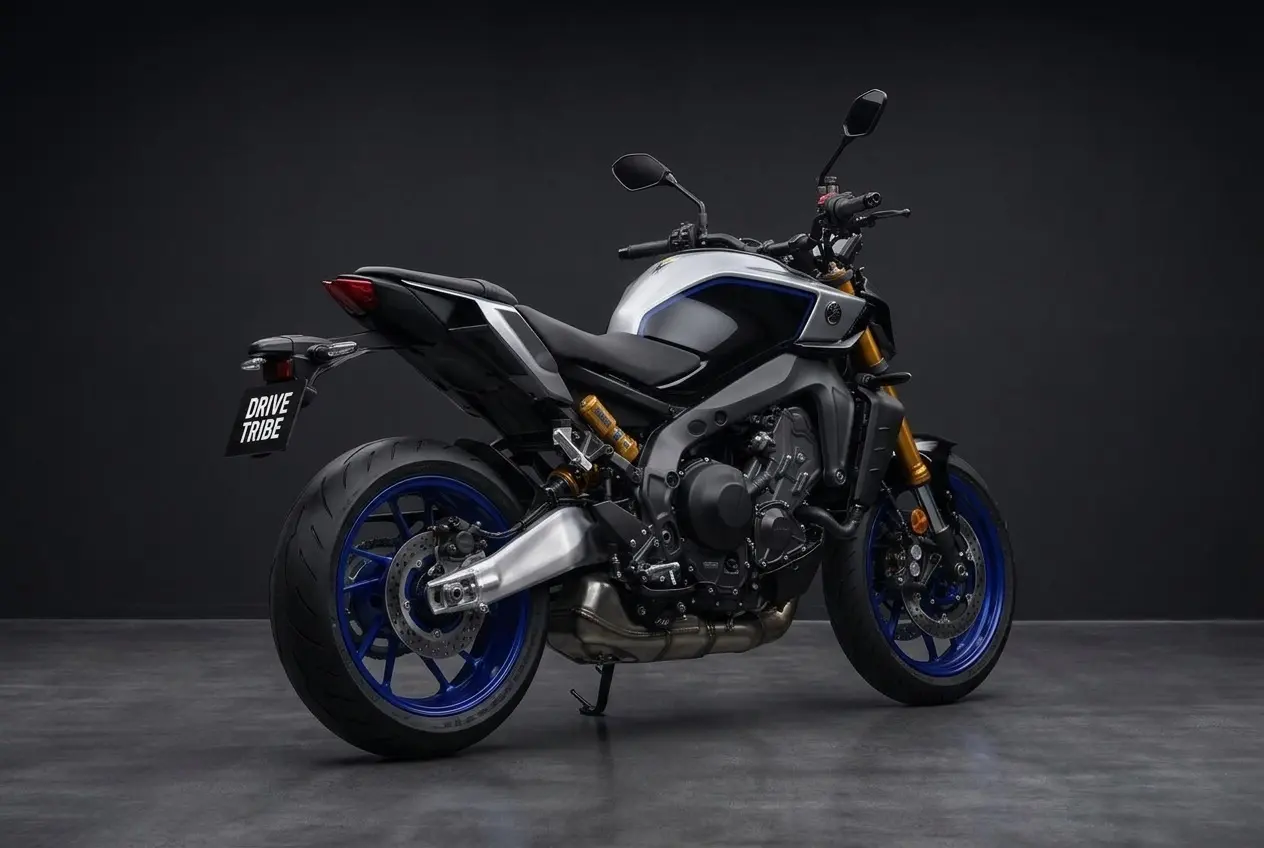
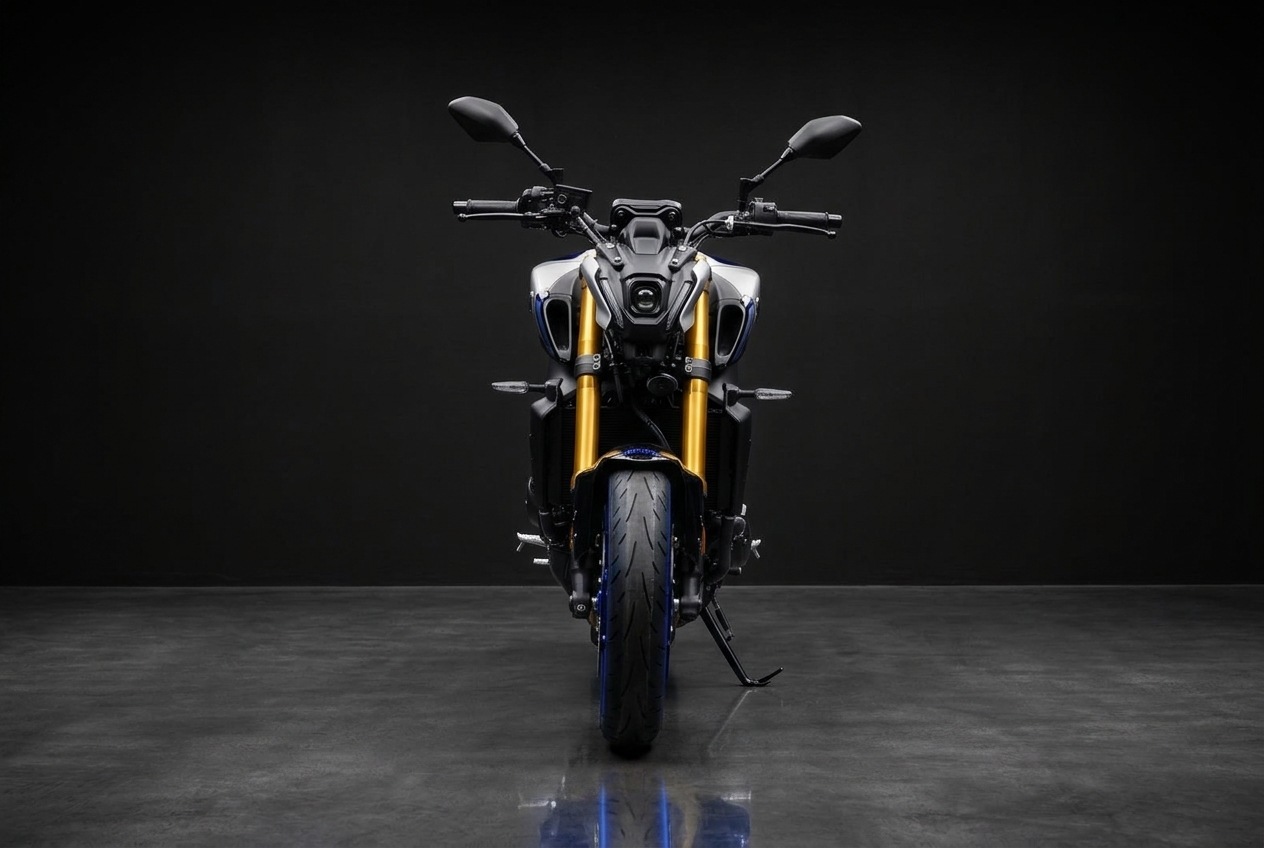
For a summer ride along the coast, the Yamaha MT-09 SP is a comfortable and capable choice. Its inline three performance naked bike character gives a flexible spread of power for the open road, and its premium adjustable suspension and strong brakes help on the longer, warmer days. Gold front forks add to its character without making it harder to live with on a long ride.
Plan your stops, set your fuel points and decide the morning start before you book. When you are ready to reserve the Yamaha MT-09 SP, you can do so here: book the Yamaha MT-09 SP. A well-timed plan turns a hot day into a rewarding ride, and the coast rewards those who take the heat seriously.

Frequently asked questions
How often should I stop on a hot summer ride?
A useful starting point is a short break roughly every hour, with a longer rest and a meal every two to three hours. Stop earlier if you feel warm, tired or distracted. Short stops in shade, with a drink and a moment to check your gear, are more effective than a single long rest late in the day, because they help the body cool before it becomes overheated.
What should I drink on a long summer ride?
Water is the best everyday choice, and drinking before you feel thirsty helps more than catching up later. A small amount of salt or an electrolyte drink with food can help replace what sweat takes away on a long hot day. Avoid large amounts of sugary drinks, and never drink alcohol before or during a ride.
Is the coast cooler than the hinterland?
Often, yes, because sea breezes can ease the temperature, but the breeze is deceptive. The wind cools your skin while you ride, which can mask how much heat is building inside your gear. Coastal sun can still be intense, so plan breaks in shade regardless of how pleasant the wind feels at speed.
What are the warning signs of heat stress?
Watch for headache, dizziness, nausea, cramp, unusual irritability and sudden loss of concentration. If you notice these in yourself or a riding partner, stop in shade, drink fluids and rest before continuing. Do not push on in the hope of reaching the next town, because heat stress can worsen quickly once a rider is already tired.
When is the best time to start a summer coastal ride?
Start after the morning has warmed a little but before the heat becomes intense, so you can cover the longest distances while the temperature is manageable. Save the midday window for rest and lunch in shade, and plan an easier afternoon run back. Weekend traffic can be heavy in the warmer months, so an early start also helps you avoid the busiest stretches.
How do I avoid running out of fuel in the heat?
Top up at a reliable station when the tank reaches roughly half, and fill up before any long stretch with fewer stations. Work out your refuelling point before you leave, and remember that heat and stop-start traffic can increase fuel use. Keep the fuel stops as part of your rest plan, so refuelling gives you a chance to drink, stretch and cool down.
Ready when you are. Pick your dates and book the Yamaha MT-09 SP online, or call us and we will sort it with you.
Book NowCall 0468 011 118