
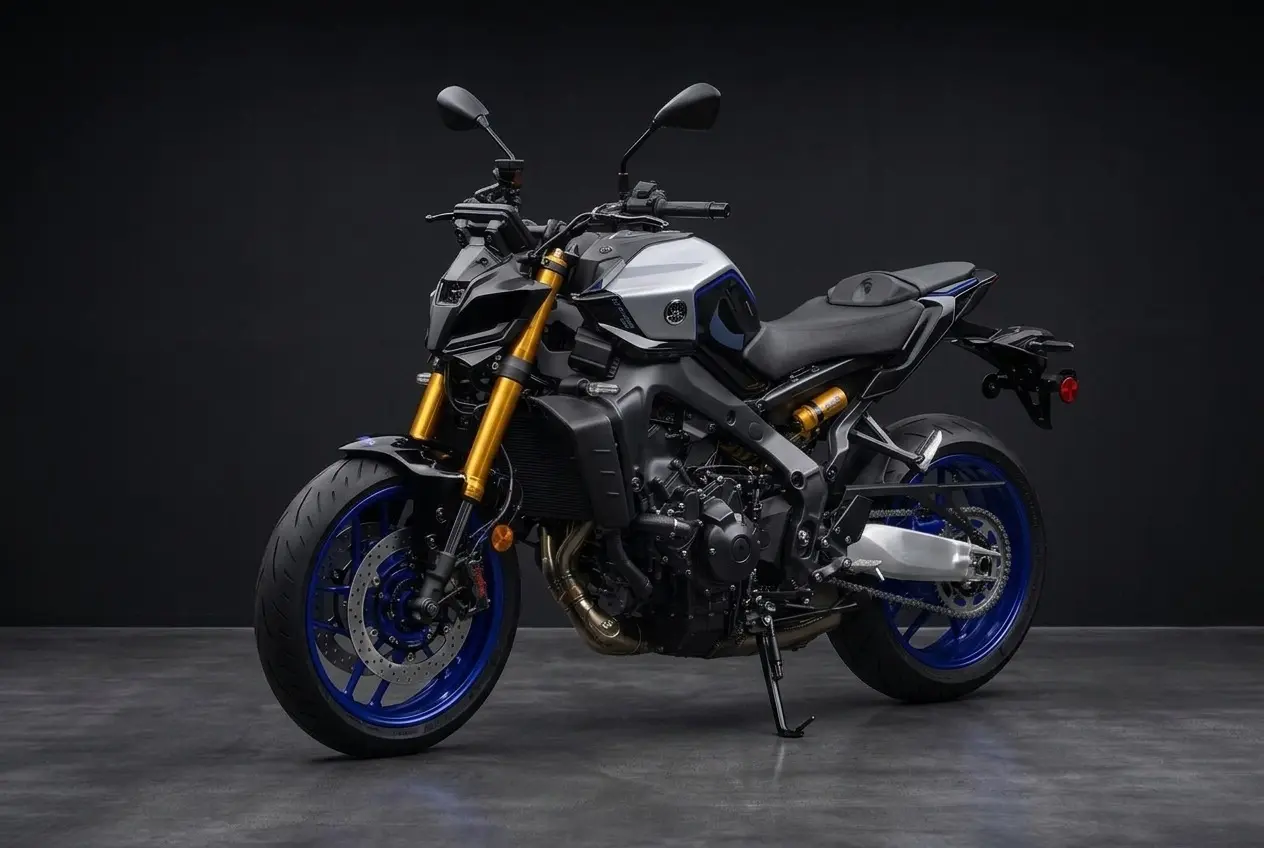
Book the Yamaha MT-09 SP. Pick your dates and book the Yamaha MT-09 SP online, or call us and we will sort it with you.
Book NowCall 0468 011 118Buying a motorbike is a big decision, and a few minutes around the block rarely tells you enough. A multi-day hire can give you a far more useful picture of how a bike fits your body, your roads and your habits. In this guide we set out a structured way to use a hire as a test ride, from our Parramatta depot, with the Yamaha MT-09 SP as the example you can try on real Sydney roads before you decide anything.
New to riding with us? Our page on motorbike hire in Sydney covers the bikes, the rider rules and how pick-up works.
Why a hire makes a useful test
A short demonstration tells you how a bike feels for five minutes. A longer period tells you how it feels at the end of a tiring day, after a stop-start commute and a long run home. Those are the moments that matter when you are deciding whether a bike will become part of your life. A hire gives you time to find out, rather than relying on first impressions.
Hiring also lets you ride the bike on the roads you actually use. Your suburb, your commute and your favourite weekend loop are the real test. A bike that feels brilliant on a quiet road may feel very different in heavy traffic, and a bike that seems awkward in a showroom may feel natural once you have ridden it for a few hours.
Be clear about what a hire is and is not. Drive Tribe is a hire business, and a rental gives you the chance to learn about a bike, not a promise about buying one. Treat the hire as information gathering, and make your decision with proper advice from people who know your circumstances.
What a test ride should answer
Before you book, write down the questions you want the hire to answer. A clear list keeps you focused on what matters, and it stops you being swayed by the excitement of a fast bike or a striking finish. Ask yourself how the bike suits your height and reach, how it handles your usual routes and how your body feels after a few hours in the saddle.
Think about the riding you already do and the riding you expect to do. A bike for a steady commute has different strengths from a bike for weekend loops or occasional passengers. Be honest about your experience, your comfort in traffic and how confident you feel on sealed bends. The answers will guide your choice far better than any sales pitch.
Use these prompts to shape your test:
- Can I reach the controls comfortably at a stop and while riding?
- Does the bike feel stable and predictable at a steady pace on my usual roads?
- How do the brakes feel in wet and dry conditions?
- How do my shoulders, wrists and back feel after two or three hours?
- Does the bike feel manageable in stop-start traffic?
- Do I enjoy the ride enough to want to ride it again next weekend?
Setting up a structured test over several days
A good test is planned. Choose a period that includes at least one weekday commute, one weekend ride and one longer run. Each type of riding reveals different strengths and weaknesses. Keep a short written log after each ride, noting what felt good, what felt awkward and anything that surprised you. Those notes become very useful when you compare options later.
Plan a few routes in advance. A mix of urban roads, a winding sealed road and a highway section gives you a balanced picture. Avoid unsealed roads, since our bikes are road bikes built for sealed surfaces, and choose roads where you can ride steadily and pull over safely if you need to think.
Give yourself time to adjust. The first ride on any new bike feels unfamiliar, and it can take a day or two for the controls, the throttle and the brakes to feel natural. Judge the bike after you have settled in, not in the first ten minutes of the hire.
Testing the Yamaha MT-09 SP on real roads
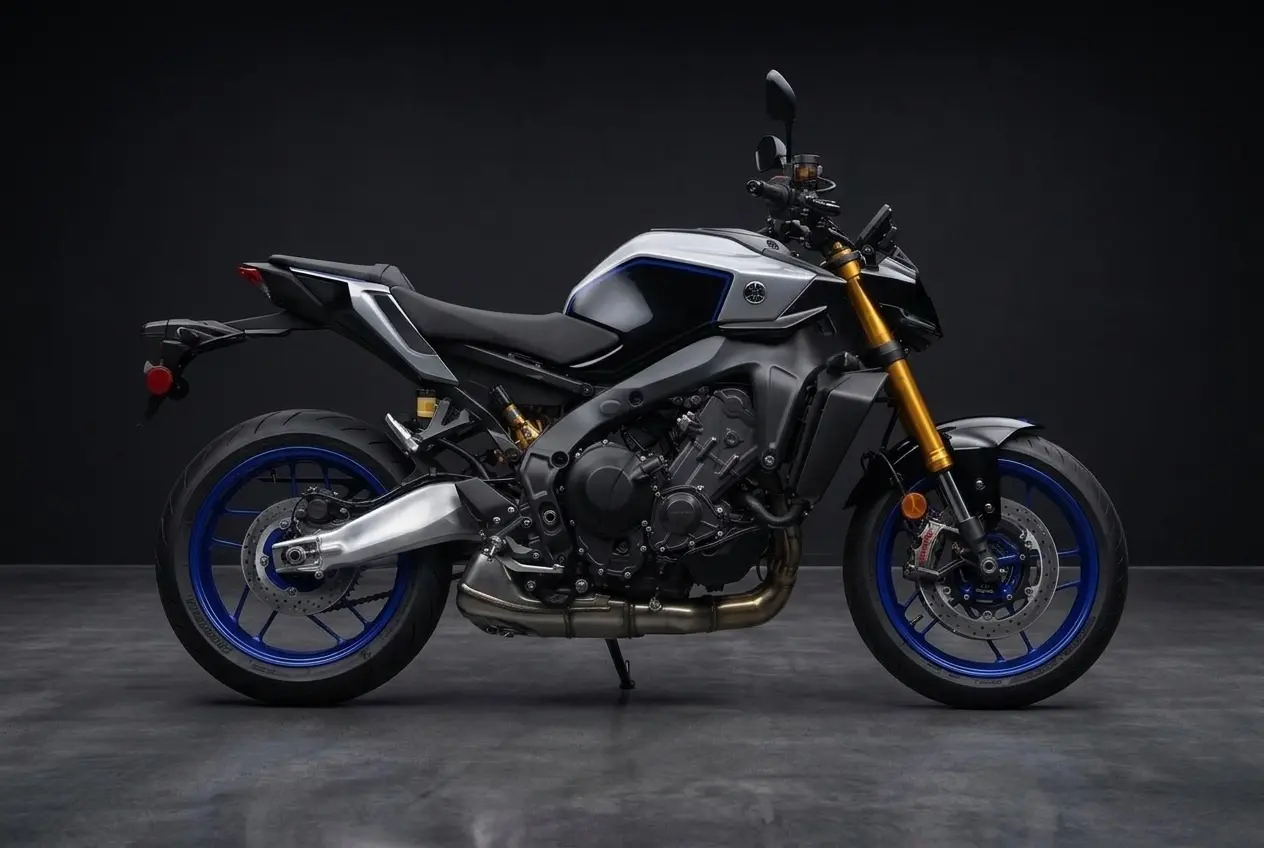
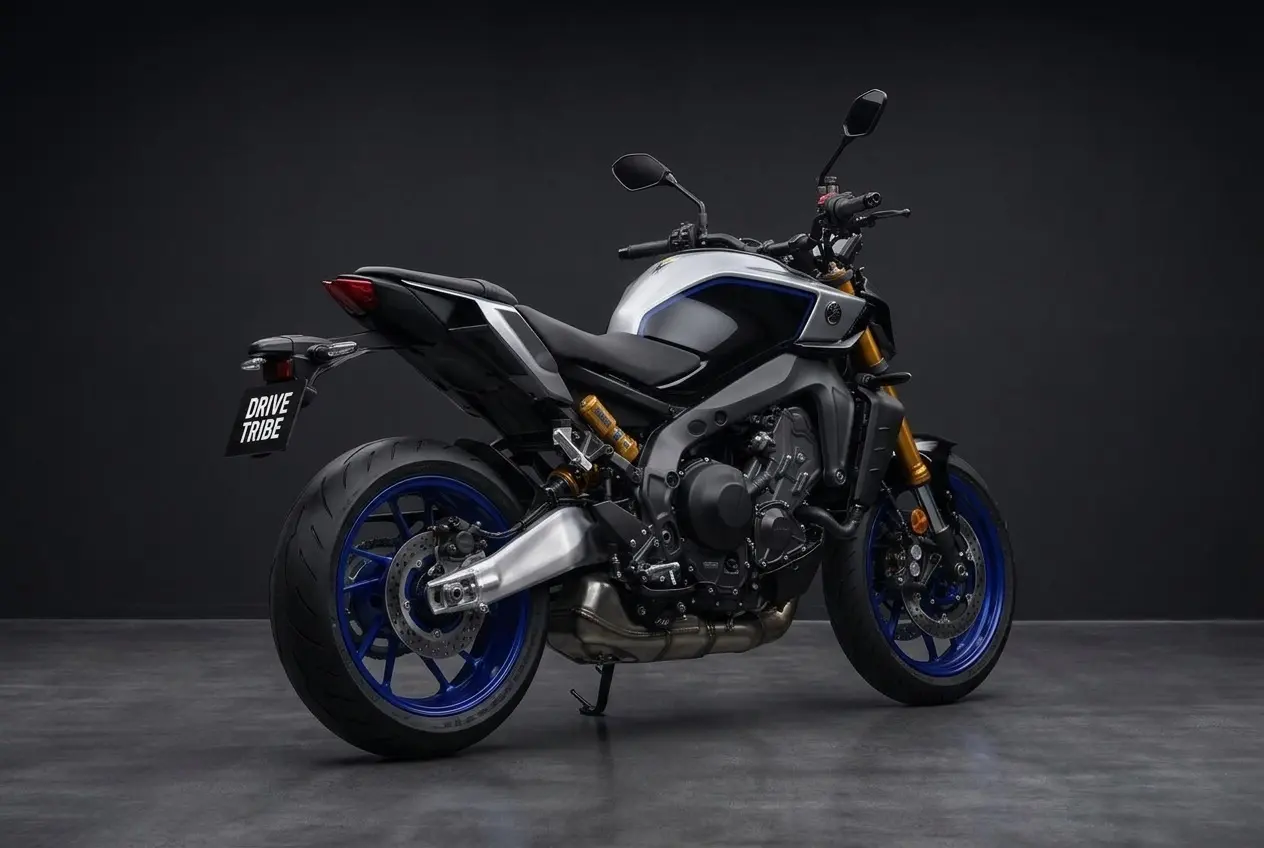
The Yamaha MT-09 SP is an inline three performance naked bike, so it is a good example of how a hire can reveal what a machine is really like to live with. Its premium adjustable suspension lets you tune the feel to your weight and style, which is useful to test on a mix of smooth and rough surfaces. Notice whether the bike settles well over small bumps and dips, and whether the adjustments make a noticeable difference.
The strong brakes deserve careful attention. Test them gently in a quiet area first, then use them with more intent on the road. Pay attention to how much lever pressure you need, how predictable the bite feels and how the bike behaves when you brake mid-corner. Confidence in the brakes often shapes how relaxed a rider feels in traffic.
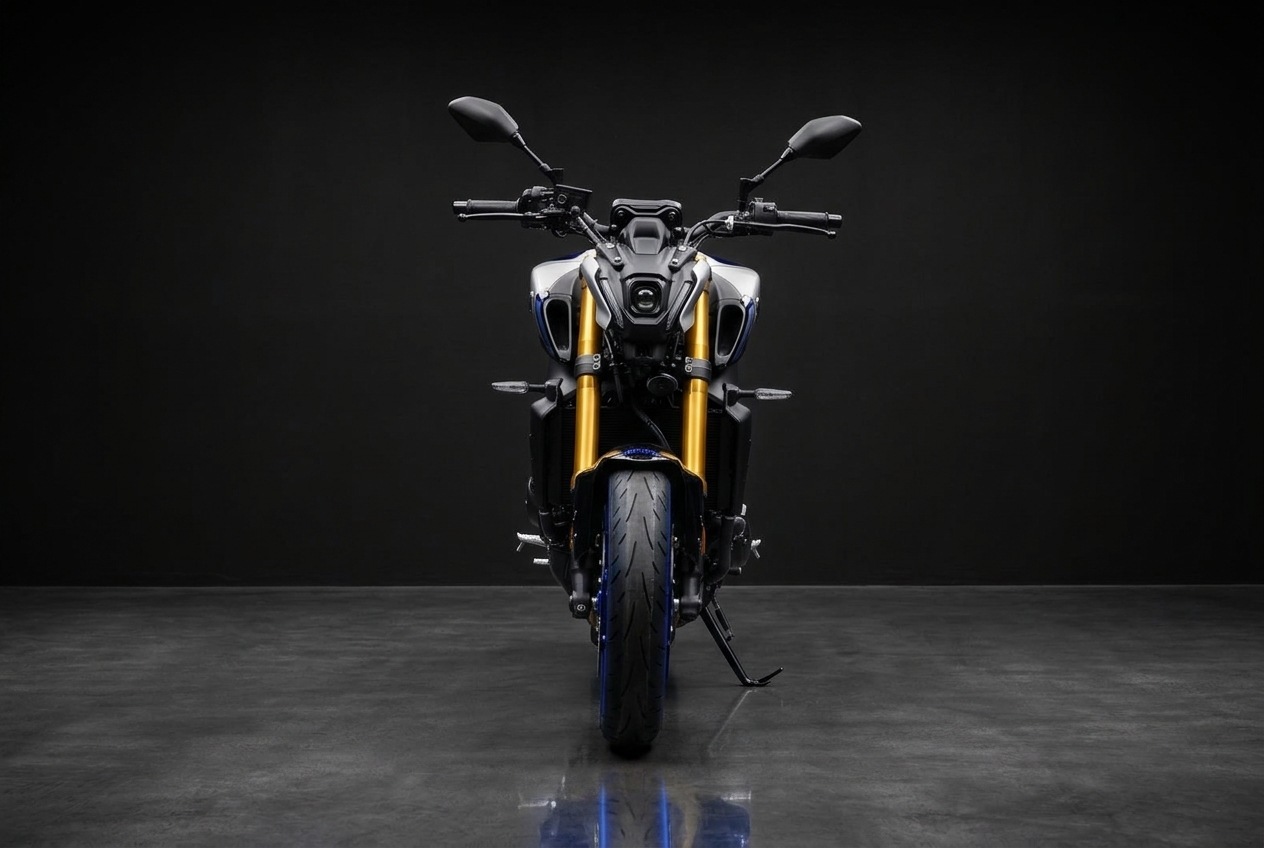
Gold front forks and a clean naked design give the bike a clear, open look, and the riding position sits you in a direct, easy-to-read posture. Notice how that position feels after an hour, and whether you can see the road and the traffic around you without stretching. Comfort on a long day is one of the most important tests of all.
Fit, comfort and the gear you will actually wear
A test ride should include an honest look at fit. Check how the seat feels when you are stopped at lights, how far you reach to the bars and how your feet sit on the pegs. Small differences in fit can change how a bike feels over a long ride, and they are easy to overlook in a showroom.
Try the bike with the gear you would normally wear. A thick jacket, winter gloves or a heavier pair of boots can change how the controls feel, and the difference matters when you are deciding whether a bike suits your riding. Ride with your usual helmet and check your view over both shoulders at junctions.
Be honest about how the bike suits your body. If you feel cramped, sore or uneasy at any point, write it down. Those small signals often matter more than the headline features when you look back on your decision weeks later.
Want the Yamaha MT-09 SP for your date? Pick your dates and book the Yamaha MT-09 SP online, or call us and we will sort it with you.
Book NowCall 0468 011 118Safety during a test ride
Every test ride carries the same basic safety needs as any other ride. Dress for the road with a certified helmet, an armoured jacket, gloves, long trousers and boots that cover the ankle. Keep your visor clean and carry a light layer for cool mornings, since temperatures can change quickly on the escarpment and in the valleys.
Fatigue is a real risk when you are focused on testing. It is tempting to keep riding to gather more information, but tiredness reduces judgement and reaction time. Take regular breaks, drink water and stop when your concentration drops. A test that ends with a clear head gives you better information than a long day that ends in exhaustion.
Never ride after drinking alcohol, and avoid riding when you are stressed or unwell, since both will distort your judgement of the bike. Wet roads, shaded corners and wildlife near dawn and dusk all call for extra care. Keep your speed comfortable, and treat every new road as a fresh learning experience rather than a challenge to prove something.
Best time, season and stops for testing
Mid-morning and early afternoon are usually the best windows for testing. The roads are calmer than during commuter peaks, which lets you concentrate on the bike rather than the traffic. Use the quieter periods for the controls and the handling, and save the busier stretches for later in the hire when you are comfortable with the machine.
Autumn and spring are the ideal seasons for a test. The weather is mild, the roads are dry and you can judge the bike on a range of conditions without extreme heat or cold affecting your comfort. Winter brings chilly mornings and damp bitumen, which is also a useful test of brakes and grip, provided you ride carefully. Summer heat can make longer rides tiring, so plan shorter loops with shaded breaks.
Plan fuel and food stops as you would on any ride. Fill up before the rural sections, carry snacks and water and choose a relaxed coffee or lunch stop that gives you time to reflect on the morning's riding. Weekend crowds can make towns busy, so an early lunch or a quieter village often suits a test day better.
Check Transport for NSW for live traffic and road conditions before the day begins.
Hire essentials and booking your test
Our bikes are self-drive, hired from Drive Tribe in Parramatta, with a three day minimum hire, which gives you enough time to judge a bike across different kinds of riding. Riders need a full motorcycle licence that they have held for three years or more, and they must be 25 or older for any bike in our fleet. A security bond is held, set by the class of bike, so check the details when you book so the hire is clear from the start.
A structured test helps you make a decision based on real experience rather than hope or hype. Write your questions down, plan a varied set of rides and keep honest notes after each one. The bike that feels right over several days is often the one that will serve you best.
When you are ready to test the Yamaha, you can book the MT-09 SP through our site and choose the dates that suit you. We will help you set up a hire that gives you a fair and useful test of the bike on the roads you know.

Frequently asked questions
Can a hire really tell me whether I should buy a motorbike?
A hire can give you useful information about how a bike feels over time, on the roads you normally use. It cannot make the decision for you, but it can reveal comfort, fit and handling issues that a short demonstration misses. Write notes after each ride, compare how you feel at the end of the day and consider the answers alongside your budget, licence status and riding goals before committing to any purchase.
How long should a test ride period last?
Several days is more useful than a single afternoon, because it lets you ride in different conditions and settle into the bike. Include at least one commute-style ride, one weekend loop and one longer run. Give yourself time to adjust to the controls before judging the bike. A structured period of testing usually reveals far more than a short spin around the block.
What should I check on a test ride?
Look at how the bike suits your height and reach, how the brakes feel in different conditions and how comfortable you are after a few hours. Notice how the suspension handles bumps and dips, and whether the bike feels predictable in traffic. Ride with the gear you would normally wear and check your view at junctions. Write down anything that feels awkward or surprising.
Do I need to be an experienced rider to use a hire as a test?
You need to be comfortable on a motorbike and able to ride safely on the roads you plan to use. A hire is not a substitute for proper training, and it is best to ride within your ability throughout the test. If you are still building experience, choose quieter roads and shorter loops, and be honest about how confident you feel. A test that respects your skill level gives far more reliable information.
Should I test a bike in traffic or on open roads?
Both matter. Traffic shows you how the bike handles stop-start running, low-speed manoeuvres and the constant need to watch other vehicles. Open roads show you how the bike feels at a steady pace and how comfortable it is over distance. A balanced test includes both, so that you know how the bike will behave in the situations you actually ride in.
What is the best way to log a test ride?
After each ride, write a few lines about the route, the conditions, how the controls felt, how your body felt and any moments that stood out. Rate your comfort and confidence honestly. Keep the notes short and consistent, so that you can compare days and bikes later. A simple log turns a hire into a clear source of evidence for your decision.
Ready when you are. Pick your dates and book the Yamaha MT-09 SP online, or call us and we will sort it with you.
Book NowCall 0468 011 118