
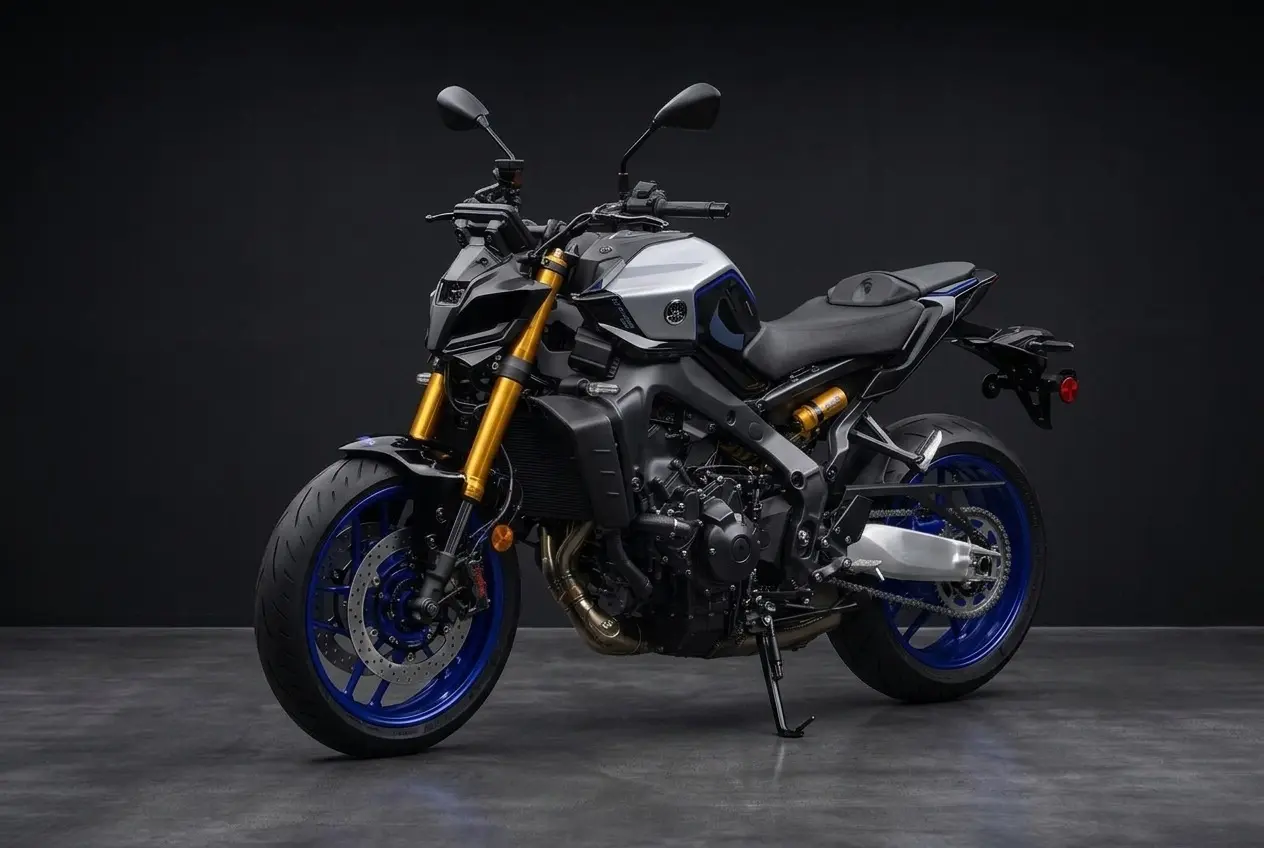
Book the Yamaha MT-09 SP. Pick your dates and book the Yamaha MT-09 SP online, or call us and we will sort it with you.
Book NowCall 0468 011 118Kosciuszko Road climbs from the lake town of Jindabyne toward Perisher and Charlotte Pass, carrying riders out of the forest and into the cold alpine air that surrounds Australia's highest mainland peak. It is a rewarding road for a first alpine ride, with long views and corners that feel different at altitude. This guide is written for first-timers and covers what to check before you leave, what altitude does to a bike and rider, and how to handle ice, frost and cold.
New to riding with us? Our page on motorbike hire in Sydney covers the bikes, the rider rules and how pick-up works.
Why first-timers should treat this road with care
Kosciuszko Road is a road that rewards preparation. The climb is steady, the corners change character as the trees thin out, and the air grows colder with every few hundred metres. For a rider who has only ridden at sea level, the change can be a surprise. The road itself is well sealed, but the conditions can shift quickly, and that is where first-timers often run into trouble.
The best approach is to treat the first ride as a learning ride. Choose a clear day, go up at a steady pace and stop often to look at the view and check how you feel. There is no prize for reaching the top quickly, and a calm first trip builds the confidence you need for later rides in the mountains.
This guide will help you prepare, but it cannot replace good judgement on the day. If the road looks wet, icy or closed, the right decision is to turn around and try another day. Mountain roads are unforgiving toward riders who push past what they can see, and a patient rider always enjoys the return trip more.
Check the road before you leave
The first job is to check the status of the road before you leave home. Conditions on the high country can change overnight, and closures or restrictions are common during heavy snowfall. Check the current status with NSW National Parks and Transport for NSW, and look at the forecast for the summit area as well as the town below, because the two can be very different.
Ask yourself what you will do if the road is closed or the weather turns on the way up. Have a fallback plan for a lower altitude ride, a lunch stop in town or a return to the start. Knowing your options in advance keeps the day calm, and it stops you pushing on into conditions you would not choose if you were calmer.
Plan the ride for the daylight hours and give yourself plenty of margin to return before the light fades. Cold mountain nights come quickly, and a late return on an unfamiliar road adds risk without adding anything to the experience.
How altitude changes the bike and the rider
Altitude has two effects that every rider should understand. The air is thinner, which means less oxygen for the engine and a noticeable drop in power as you climb. You may find the throttle feels less responsive at the top than it did in the valley, and that is normal. Keep your inputs smooth and avoid asking for quick bursts of acceleration on the steeper sections.
The second effect is on the rider. Thin air can make you feel tired, short of breath and less sharp than usual, especially if you are not used to the height. Headaches and a slight dizziness are common in the first few hours, so take the climb slowly, drink water and stop when you feel off. Do not ride through a headache or a feeling of confusion.
Altitude also changes the way the bike handles the cold. Temperatures drop with height, and the wind on the upper sections can be strong. A calm, deliberate approach keeps both the bike and the rider settled, and it gives you time to notice changes in the road and the weather before they become a problem.
Black ice, frost and shaded bends
Black ice and frost are the main winter hazards on the climb. They form on shaded bends, on bridges and in low spots where the sun does not reach until late in the morning. A surface that looks dark and wet can be icy, and the warning signs are often subtle, such as a faint shine on the tarmac or a sudden change in grip.
Slow down before you reach a shaded section, and keep your braking and steering gentle. Avoid heavy braking on any patch that looks dull or white, and do not lean hard into a corner you cannot see the exit of. If you feel the bike move unexpectedly, ease off the throttle and keep the bike upright rather than correcting sharply.
Early starts are the most common mistake. The frost and ice are at their worst in the coldest hours, and the sun takes time to clear the shaded sections on the high road. Wait until the day has warmed and the frost has lifted from the road before you ride the upper section, and check the surface at each bend as you climb.
The best season and time of day
Autumn and late spring are the most comfortable seasons for a first ride up Kosciuszko Road. The air is cool rather than cold, the roads are usually clear of snow and the scenery is at its best. Late spring can still bring cold snaps, so check the forecast and pack warm layers even when the valley feels mild.
Winter is the snow season, and the road is at its most demanding and most beautiful. Snow play and skiing draw large crowds to the resorts, and weekends bring heavy traffic, slow vehicles and busy car parks. Midweek is far calmer, though conditions can change quickly, and the road can be closed or restricted during snowfall.
Summer is mild and pleasant at the top, though afternoon storms can build over the mountains. The best window for any season is mid-morning to early afternoon, when the air has warmed and the road is dry. Start after the early chill has passed, and plan to be off the upper section before the afternoon weather arrives.
Road character: the climb, corners and crowds
The climb from Jindabyne is a mix of gentle sweepers and tighter bends, with the forest opening up to alpine views as you gain height. The surface is generally good and well maintained, but the edges can gather leaf litter, snow melt and sand from road works. Look through each bend before you commit, and keep your line clear of the edges where debris collects.
The upper sections are more exposed, with fewer trees to shelter the road from wind. Corners can tighten quickly, and the view across the high country can pull your eyes away from the surface. Make a habit of looking at the road directly in front of you before you look at the scenery, and stop at the designated lookouts to enjoy the view.
Crowds are the other feature of this road. Visitors pull over suddenly, and drivers sometimes stop on the road to photograph the view. Keep a generous gap behind cars and be ready for vehicles that brake without warning. Riders who are patient and steady find the road far more enjoyable than riders who try to keep pace with the traffic.
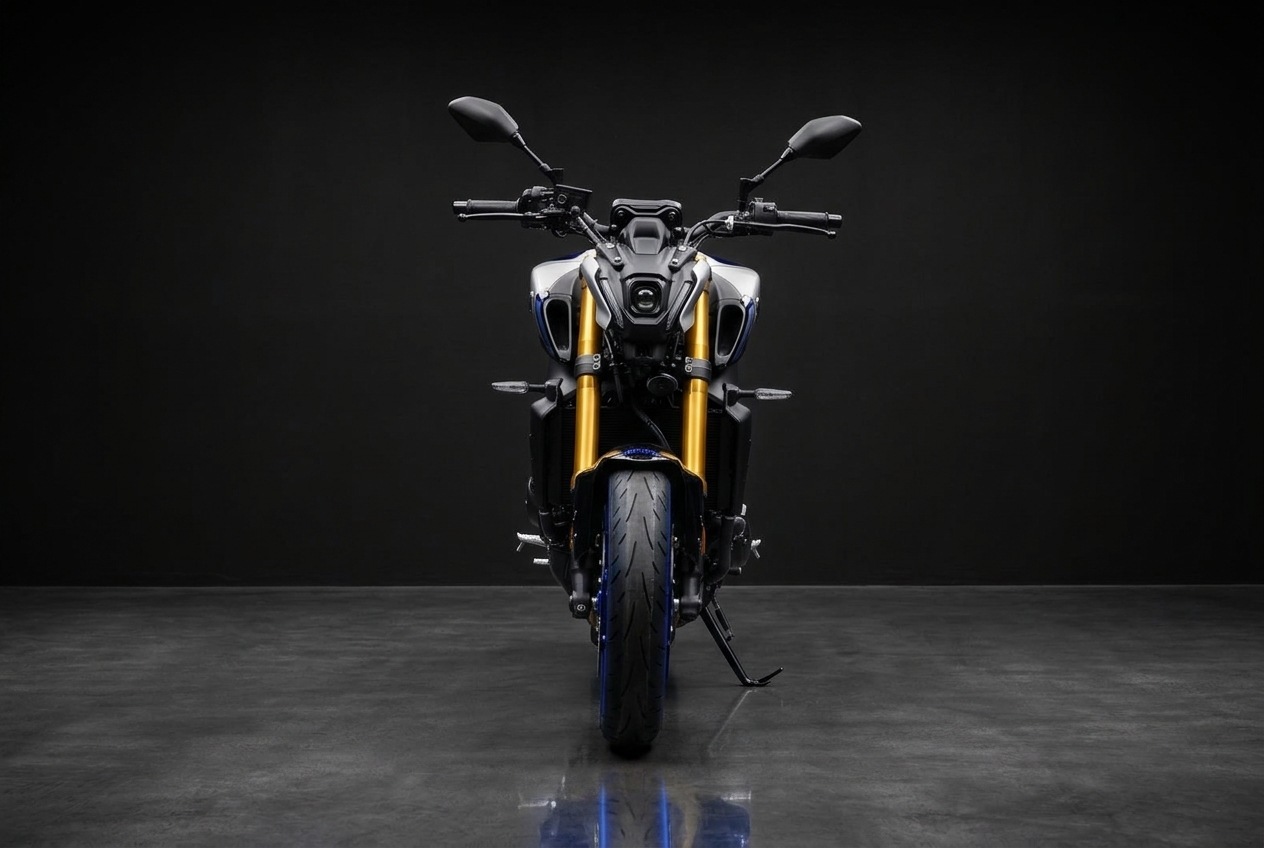
Want the Yamaha MT-09 SP for your date? Pick your dates and book the Yamaha MT-09 SP online, or call us and we will sort it with you.
Book NowCall 0468 011 118Fuel, food and warm stops
Fuel is easier on this road than on remote highways, but it still needs planning. Jindabyne has stations and services, so top up before you start the climb. Treat half a tank as your cue to fill up, and remember that the air temperature at the top is much colder than the town, so plan your stops around comfort as well as fuel.
Food is one of the best parts of a mountain ride. Jindabyne has cafes and restaurants with warm meals, and a hot drink at the start or end of the climb is a welcome break. Choose a place with a view of the bike, and avoid a heavy lunch before the upper sections, because a full stomach makes the cold feel worse.
Use the stops to warm your hands, check the tyres and look over the bike. A short break every hour on the climb keeps you alert, and a warm drink at the top is a reward that many riders remember long after the ride is over.
- Top up in Jindabyne before starting the climb
- A warm meal or a hot drink in town before or after the ride
- Water and a light snack for the upper sections
- A dry pair of gloves and a warm layer in the pack
- A short warm-up break at each lookout
Gear for the snowline
Gear is non-negotiable on this road. Wear a fitted helmet, armoured jacket and pants, gloves and boots, and layer warm, windproof clothing underneath. The air at the top is much colder than the valley, and wind chill makes it feel colder still. A proper windproof outer layer and a neck tube or balaclava make a real difference to comfort.
Extremities need special attention. Warm socks inside waterproof boots and gloves that give good control will keep your hands and feet working. Carry a spare pair of gloves, because damp gloves lose their warmth quickly and make the controls harder to use. Plan your warmth around layers and good gloves.
Pack for the change in temperature as well as the cold. You may be warm on the climb and cold at the top, so carry a thin layer that stows easily and stop to adjust your clothing before you feel chilled. Being warm and dry is a safety habit, not just a comfort.

First-timer habits that keep you safe
Ride within your ability, especially on your first trip to altitude. Your judgement is most important on the corners you do not know, and the best riders are often the ones who turn back early rather than pushing on into doubt. Never ride after drinking alcohol, and keep the trip plan simple so you are not tempted to hurry.
Fatigue is a bigger factor at altitude. Thin air, cold and concentration on unfamiliar corners all add up, so stop every hour, drink water and check how alert you feel. A short rest at a lookout or a town stop is always worth the time, and it keeps the day enjoyable.
Wildlife is active at dawn and dusk on the edges of the high country, and the verges can hold kangaroos, wallabies and other animals. Slow down as the light fades, use your lights and scan both sides of the road. Loose gravel dragged out of car parks can also collect at the corners, so keep your line tight and avoid leaning into any patch of debris.
Booking the Yamaha for your first alpine ride
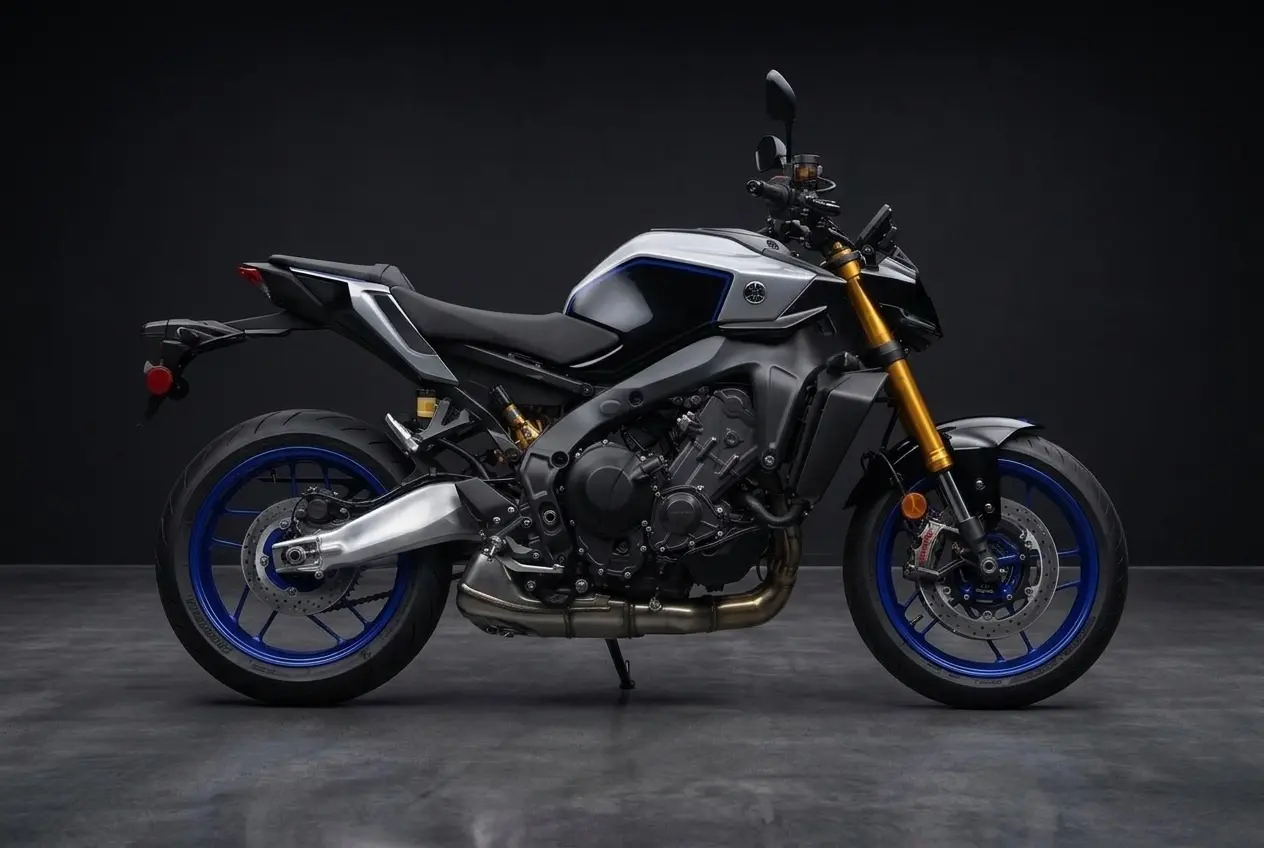
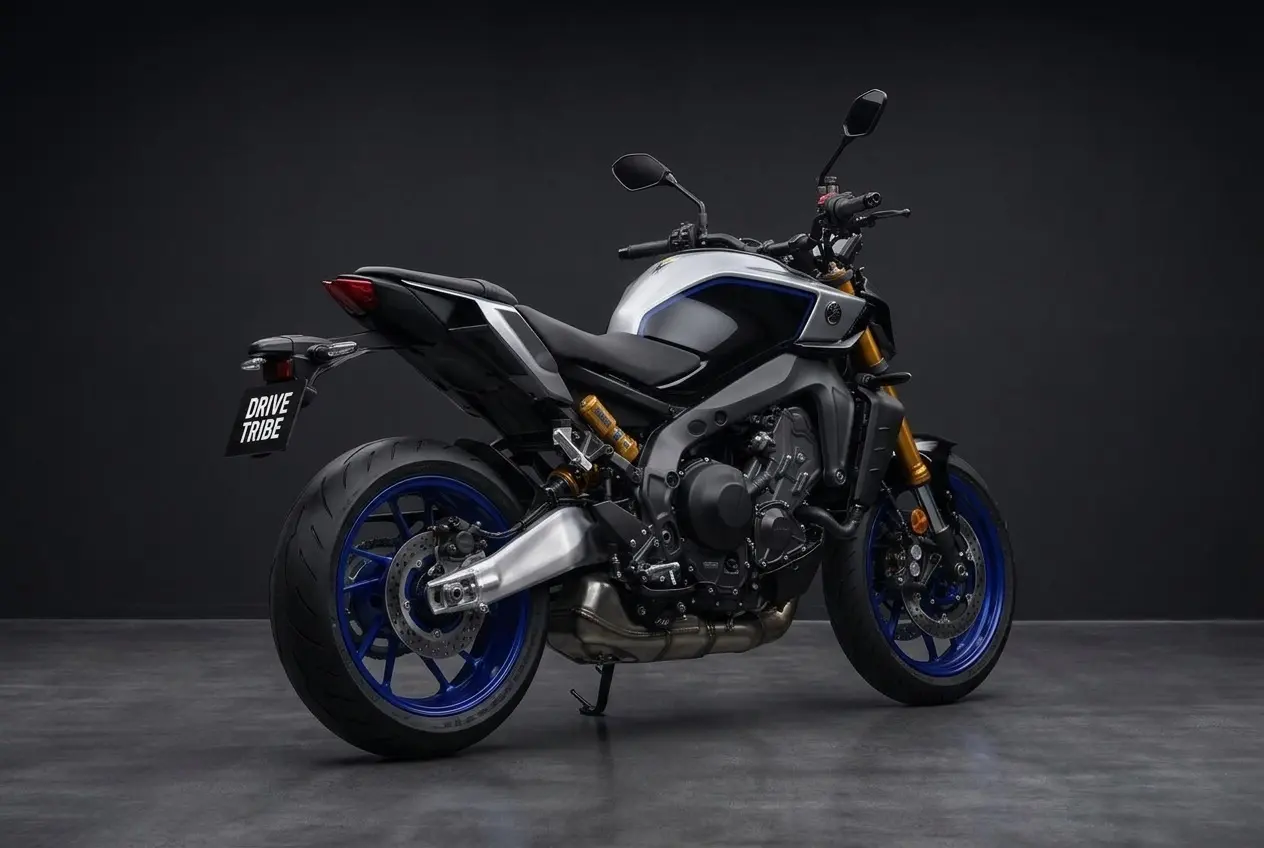
The Yamaha MT-09 SP is a strong choice for a first alpine ride. It is an inline three performance naked bike with premium adjustable suspension and strong brakes. The suspension copes well with the uneven patches at the edges of the road, and the brakes give confidence when you need to scrub speed on a cold descent.
Of the bikes we rent, only this one carries a passenger, so it is the natural choice for a first ride shared with a companion. Plan extra breaks when you ride two, and keep the pace calm on the upper sections. The Ducati 1199R and the MV Agusta F4 are single-seaters, so they are better suited to a solo rider with plenty of experience on mountain roads.
Hire is self-drive from our Parramatta base, and it runs on a minimum of three days. You will need a full motorcycle licence with at least three years behind it, and every rider must be 25 or over. Riding 30 km/h or more over the posted limit ends the hire, and the bond is forfeited, so keep your pace well inside the posted limit on every section.
When you are ready for the climb, the Yamaha MT-09 SP is ready for you. Check its page for the details, or browse the fleet overview before you choose.

Frequently asked questions
Is Kosciuszko Road suitable for a first alpine ride?
Yes, many riders make their first mountain ride on this road. It is well sealed and offers long views with steady, manageable corners. Choose a clear day in the cooler months, go up at a steady pace and stop often. If conditions look wrong, turn around early and try another day.
Does altitude really affect a motorbike?
Yes. The thinner air means less oxygen for the engine, so the bike feels less responsive as you climb. Keep your throttle inputs smooth and avoid quick bursts on the steeper sections. The effect on the rider is just as important, because thin air can cause tiredness, shortness of breath and headaches.
What should I check before heading up?
Check the current road status with NSW National Parks and Transport for NSW, and look at the forecast for the summit area as well as the town below. Confirm your fuel, pack warm layers and water, and decide in advance what you will do if the road is closed or the weather turns.
Is black ice a real risk on the climb?
Yes, especially on shaded bends and bridges in the cooler months, and in the early morning. It can be hard to spot, and it may look like a dark, wet patch. Slow down before shaded sections, brake gently and avoid steering changes on any surface that looks dull or white. Wait for the day to warm if the frost is still on the road.
Can I visit the snow resorts by motorbike?
Yes, the road leads toward the resort areas, but the surface and crowds change in winter. Snow season weekends bring heavy traffic, slow vehicles and busy car parks, so ride with extra patience. Midweek rides are calmer, and an early arrival gives you a better chance of parking safely.
Can I ride Kosciuszko Road at dusk?
You can, but it is not a good idea for a first trip. Wildlife is most active as the light fades, the temperature drops quickly and the corners are harder to read. Plan to finish the climb and the return in daylight, so you can enjoy the view without the added risk of riding in failing light.
Ready when you are. Pick your dates and book the Yamaha MT-09 SP online, or call us and we will sort it with you.
Book NowCall 0468 011 118