
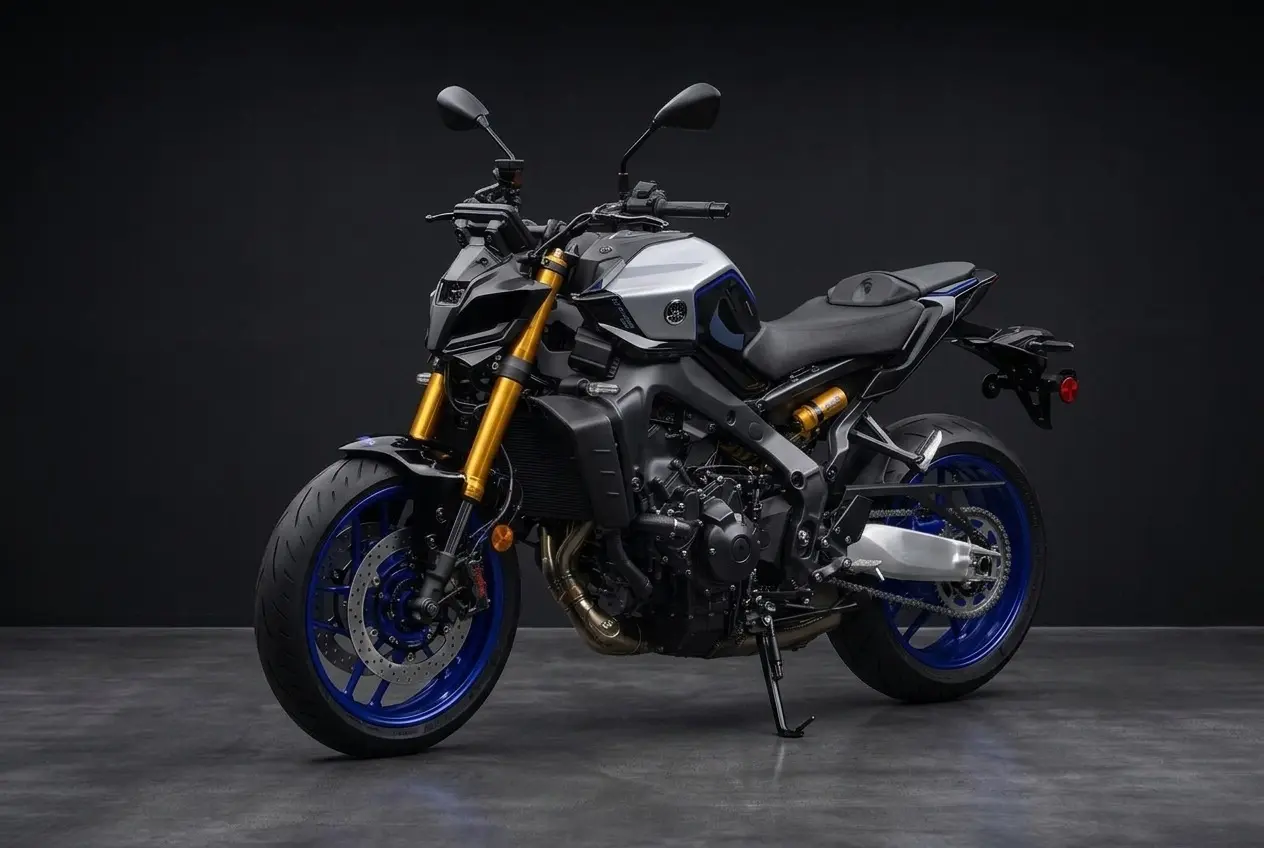
Book the Yamaha MT-09 SP. Pick your dates and book the Yamaha MT-09 SP online, or call us and we will sort it with you.
Book NowCall 0468 011 118Sharing a first bike hire with a partner who has never been on a motorcycle is a big step, and it deserves a slower, kinder plan than a usual ride. The rider needs to be fully focused on the road, while the passenger needs to trust the bike and know what to do with their body. With a calm start, a short first route and clear communication, the day can become one of the best shared memories of the year.
For the bikes we hire, who can ride them and how a hire runs, see motorbike hire in Sydney.
Why a first ride together needs a slower plan
A passenger who has never ridden will feel every change of speed, every lean and every gust of wind far more than an experienced rider does. Their body is learning to balance behind someone else, and that takes time. A relaxed plan with a short route and frequent stops gives them the room to adjust without feeling pressured or overwhelmed.
The rider has a different job. Their attention must stay on the road, the traffic and the surface, while still checking that the passenger is comfortable. Agree before you leave on a few simple signals, such as a tap on the shoulder for a stop, so the rider can ask questions without taking their eyes off the road.
Talk through what to expect before the first start. Describe the feel of the bike at idle, the way it moves when you change gear and how it leans into a corner. Knowing what is coming reduces anxiety, and a nervous passenger is far more likely to hold on too tightly or move at the wrong moment.
Seating, grip and body position
Before the engine starts, the passenger should settle onto the seat with their weight centred and feet on the pegs. They should hold the rider firmly through the torso or the grab points, keep their knees close to the bike and avoid leaning independently of the rider. Practise getting on and off in a quiet car park while the bike is stationary.
Movement matters more than strength. The passenger should lean with the rider through corners, rather than against them, and keep their head in line with the rider's shoulders. Sudden shifts of weight are what unsettle a bike, so the passenger should keep still unless the rider asks for a movement.
Dress for the passenger role. Long trousers, boots that cover the ankle, gloves and a properly fitted helmet are essential, and a jacket with armour is worth wearing. Loose clothing can catch in the wind, so keep everything snug and secure before you start.
Choosing an easy first route
The first route should be short, quiet and simple. A sealed loop on a weekday, with wide roads and gentle bends, lets the passenger feel the bike at a steady speed without the pressure of heavy traffic or steep climbs. Save the mountain roads and busy highways for later rides, once you have both found a rhythm together.
Plan one stop at the halfway point, and another near the start in case the passenger needs a pause early on. A quiet car park with space to turn the bike around is a good spot to check in. Ask how the passenger is feeling, and be ready to shorten the route if they are tired or nervous.
Keep the route in a form you can both read easily, with a clear start, a turn-back point and a finish. A simple plan reduces stress, and it gives the passenger confidence to know where the ride is going and when it will end.
Agree on a turn-back point before the start, and treat it as a success rather than a setback. Many first rides end at the point where both riders feel they have had enough, and that is a good outcome. The second ride can then start from that point with more confidence, and the route can grow naturally from there.
Pacing, braking and the first half hour
Brake smoothly and early, because abrupt braking throws the passenger forward and can cause alarm. Accelerate gently, and avoid sharp throttle changes on the approach to corners. A rider who makes every input slowly and deliberately gives the passenger a calm ride and a better understanding of how the bike moves.
The first half hour is the most important. Keep the pace well below the limit, stay in a predictable lane position and avoid overtaking. Watch for the passenger's posture and ask for feedback at each stop. If they seem stiff or uneasy, slow down further and take a longer break.
Once the passenger feels settled, you can extend the route slightly, but keep the pace gentle. Changes should be gradual, and both of you should be comfortable before the ride grows longer. Never push the pace to impress a passenger, because the best rides are the ones where nobody feels rushed.
Best season and time of day for a first ride
Autumn is the most forgiving season for a first passenger ride. The temperatures are mild, the roads are usually dry and the light is kind. Spring is also pleasant, though afternoon winds can unsettle a nervous passenger, so start early and keep the ride short.
Mid-morning is the best time of day for a first ride. The roads are calm, the temperature has risen and the sun has warmed the surface. Avoid the very early hours, when the air can be cold and misty, and avoid peak traffic when the roads are busiest and the stop-start pace is tiring.
Summer can be hot, and a passenger in a thick jacket can overheat quickly, so choose a ventilated jacket and keep water on hand. Winter is cold and damp, and a passenger who is cold will find it hard to relax, so wear warm layers, gloves and a neck covering, and keep the first ride short.
Want the Yamaha MT-09 SP for your date? Pick your dates and book the Yamaha MT-09 SP online, or call us and we will sort it with you.
Book NowCall 0468 011 118Fuel, food and rest stops
Fill the tank before you leave, and plan a second stop on the return so the rider is never low on fuel with a nervous passenger on board. Each stop is also a chance to check how the passenger is feeling, so treat every fuel stop as a pause for a conversation rather than a rush.
A short lunch or a coffee halfway through the route gives both of you time to talk about the ride so far. Choose a quiet spot with room for the bike and a view if you can find one. Eat lightly so the passenger does not feel heavy or sluggish on the return leg.
Build rest into every stage of the ride. A five minute break every half hour can be enough for a first-time passenger to shake off tension and stretch their legs. Keep water in a pack and encourage small sips, since dehydration makes concentration and balance harder.
Traffic and road character for a beginner
Choose roads where traffic is light and predictable. Wide suburban streets, quiet rural roads and sealed loops with gentle bends suit a beginner passenger far better than a busy arterial road at peak hour. Look for roads where you can see far ahead, since a passenger feels safer when the way forward is clear.
Pay attention to the surface. Painted lines, manhole covers and patches of gravel can unsettle a bike, and a passenger feels every bump more sharply than the rider does. Brake gently over these hazards, avoid leaning on them and keep the bike steady through the corner.
Expect other road users to be unpredictable, particularly near shopping centres, schools and parked cars. Keep a generous gap to the vehicle in front and be ready to stop without a sudden movement. A calm, measured approach keeps the passenger relaxed and the ride enjoyable.
Safety for a first ride together
Full protective gear is non-negotiable for both riders. A helmet that fits, an armoured jacket, gloves and boots that protect the ankle are essential for everyone on the bike. Check fastenings and straps before you leave, and make sure the passenger understands how to climb on and off safely.
Wildlife and wet surfaces remain the main hazards. Kangaroos and birds can appear near the verges at dawn and dusk, so slow down in those hours. After rain, leaves, grit and oil can collect on the road, and a passenger will feel any loss of grip more intensely than the rider.
Never ride after drinking, and avoid riding when either of you is tired or unwell. A first ride is a learning experience, so end it on a good note. If the passenger feels uneasy, stop, talk it through and decide together whether to continue or to try again another day.
Check Transport for NSW for live traffic and road conditions before the day begins.

The Yamaha MT-09 SP and booking
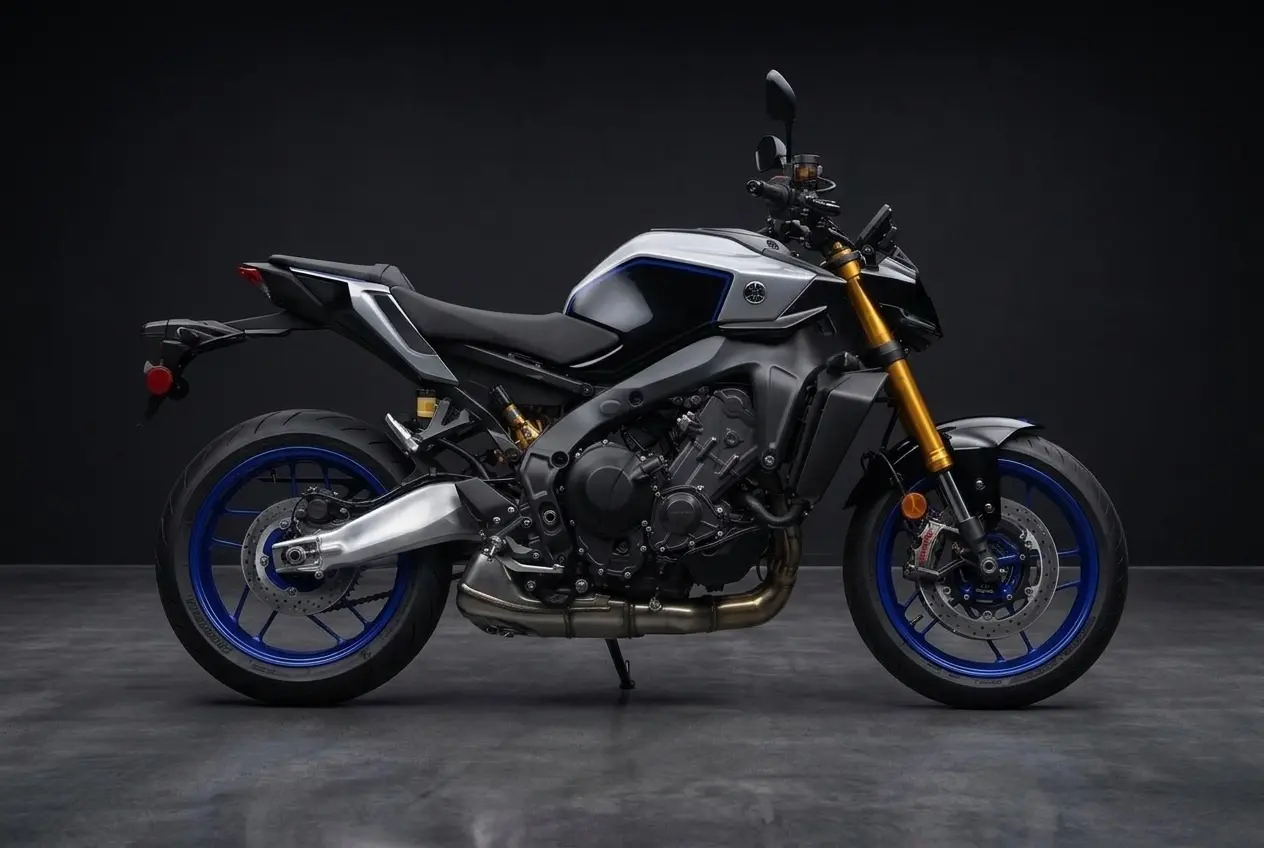
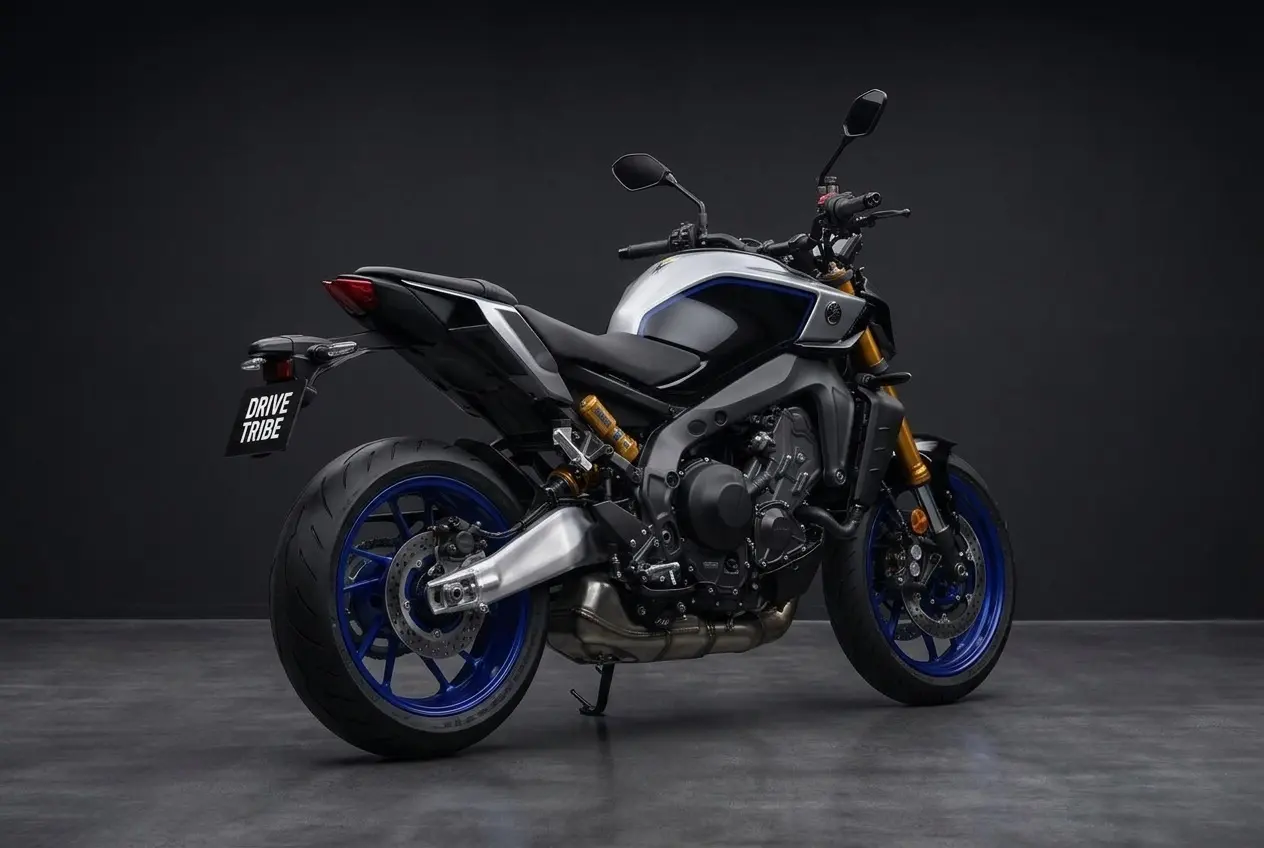
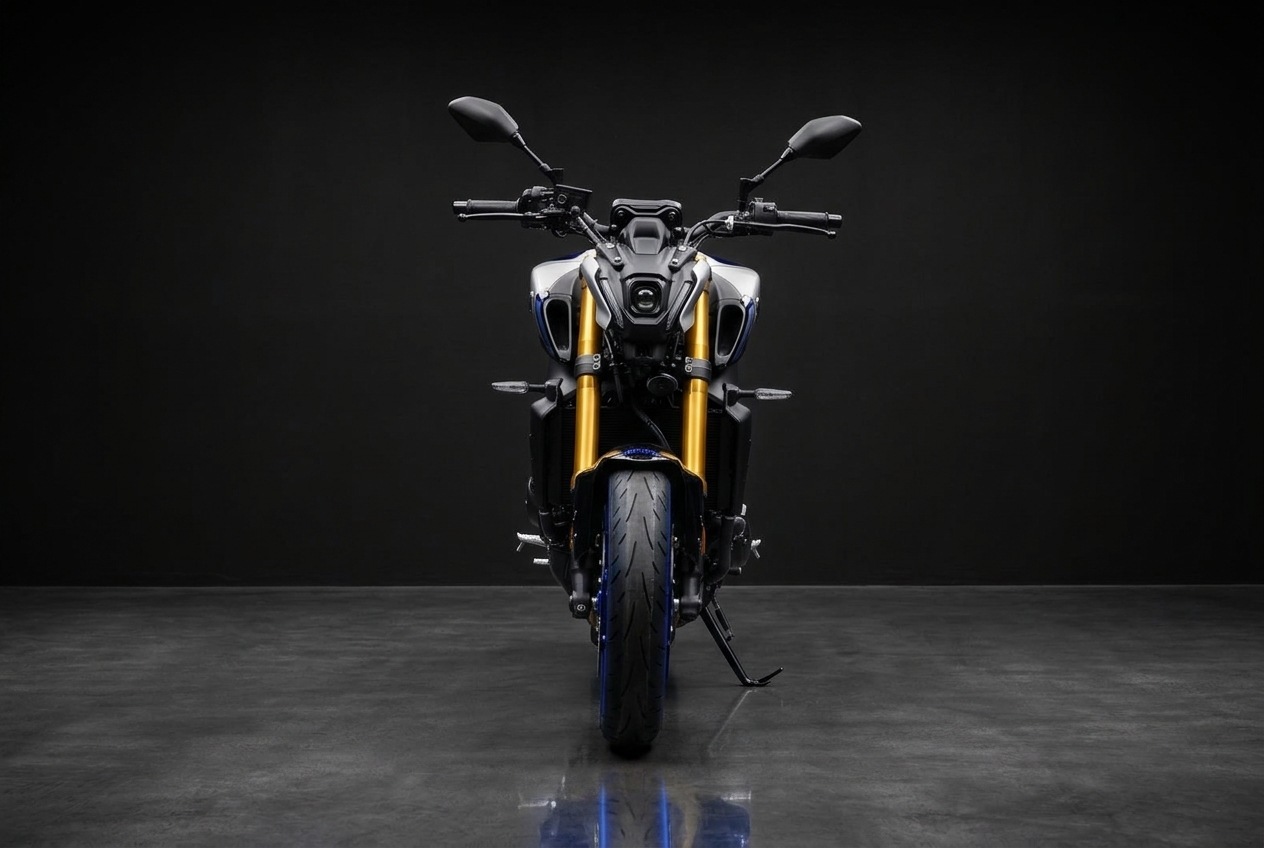
The Yamaha MT-09 SP is a strong choice for a first passenger ride because it is an inline three performance naked bike with premium adjustable suspension, gold front forks and strong brakes. The suspension helps keep the ride composed, and the bike is the only one in our range that takes a passenger, which is why it suits a rider and partner sharing a first hire.
Hire rules that apply: every hire is collected from our Parramatta base and runs for a minimum of three days. The rider needs a full motorcycle licence held for at least three years and must be 25 or over. A passenger may ride only on the Yamaha MT-09 SP, and must be 16 or over.
When you are ready to share the road, book the Yamaha MT-09 SP and we will help you plan a first ride that both of you will remember for the right reasons.
Frequently asked questions
Can a partner with no riding experience ride as a passenger?
Yes, provided the bike is the Yamaha MT-09 SP and the rider has the right licence and experience. A passenger with no riding history benefits from a short first ride, clear signals and a calm rider. Explain what to expect, practise getting on and off, and stop often so the passenger can ask questions and settle into the ride.
How do I know if my partner is ready for a longer ride?
Look for relaxed posture, steady breathing and a willingness to talk at stops. A passenger who feels comfortable on the first short route is usually ready to extend it gradually. If they seem tense, stiff or unsure at any point, keep the next ride short and build confidence before adding distance or bends.
What should the passenger wear?
A properly fitted helmet, a jacket with armour, gloves, long trousers and boots that cover the ankle are the essentials. Choose clothing that stays snug in the wind and does not flap. Warm layers help on cold mornings, and a ventilated jacket is more comfortable in summer heat, so dress for the season and the length of the ride.
Where is the best place to practise getting on and off?
A quiet car park or a flat, open space with no traffic is ideal. Practise with the bike stationary and the engine off, so the passenger can learn where to place their feet and how to hold on. Repeat the routine until it feels natural, and make sure both riders understand the signal to start moving.
Should the passenger use hand signals or a tap?
A simple tap on the shoulder or a clear verbal cue works well for most pairs. Agree on the signals before you leave, such as a tap for a stop and a different signal for a question. Keep the signals consistent, and avoid overcomplicated systems that distract the rider from the road ahead.
What if the passenger wants to stop halfway?
Stop as soon as it is safe to do so, and treat the request as a normal part of the ride rather than a failure. Find a quiet spot off the carriageway, let the passenger step off and check how they feel. You can decide together whether to continue, shorten the route or head home without any pressure.
Ready when you are. Pick your dates and book the Yamaha MT-09 SP online, or call us and we will sort it with you.
Book NowCall 0468 011 118