
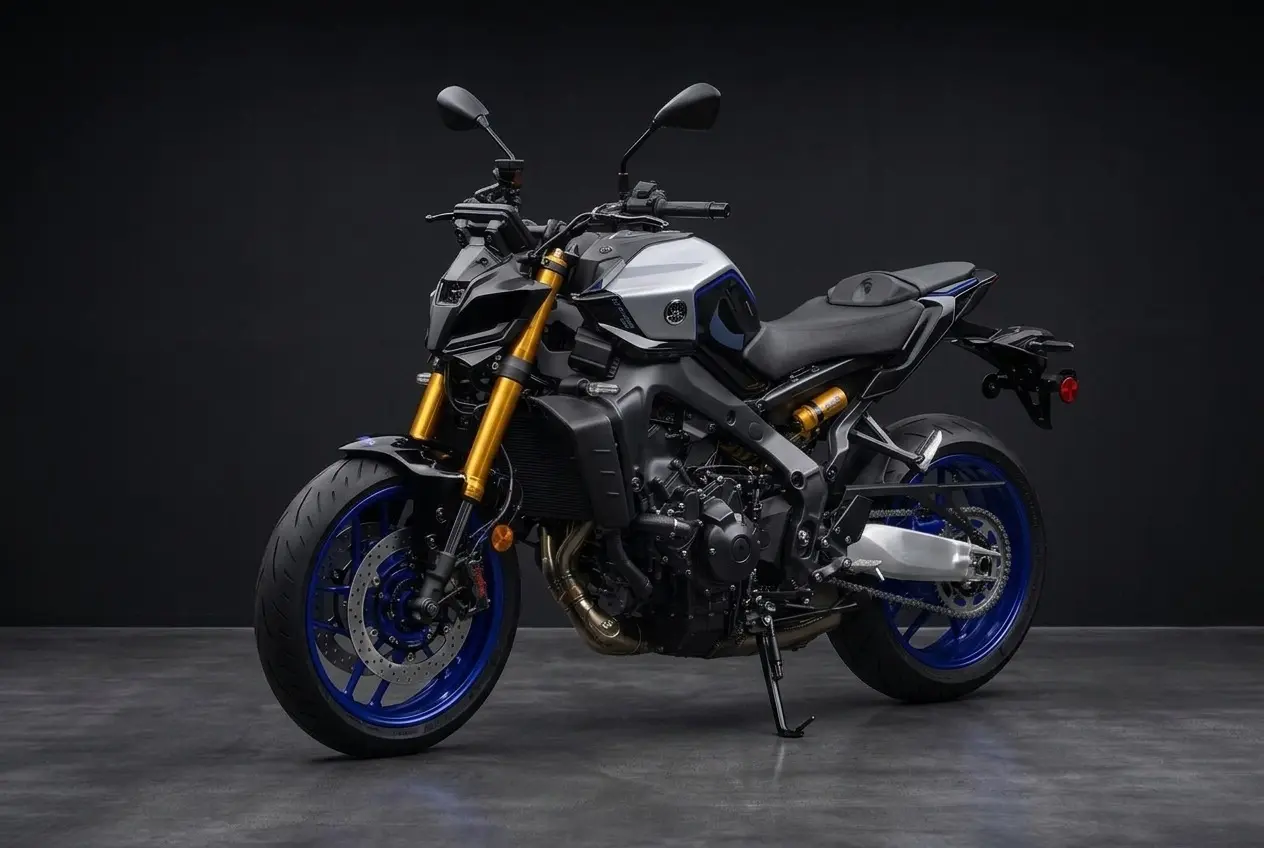
Book the Yamaha MT-09 SP. Pick your dates and book the Yamaha MT-09 SP online, or call us and we will sort it with you.
Book NowCall 0468 011 118The big ride you have been picturing, with long bends, a full day on the road and a finish somewhere far from home, is best approached in stages. A pilot route is a short loop you ride first, close to base and in familiar conditions, so you learn the bike, the traffic and the timing before the long day begins. It is one of the simplest habits a first-time hirer can build, and it turns an uncertain plan into something you can actually trust.
Everything to know before you book, from the licence rules to the bond, is on our Sydney motorbike hire page.
Why a Pilot Loop Makes Sense
Most first long rides go wrong for a simple reason: the rider has never tested the plan. They have a map, a rough idea of the distance and a picture of the scenery, but no sense of how the bike handles at the first set of lights, how their body feels after an hour or how the traffic behaves on the connecting roads. A pilot loop fills in those gaps while the stakes are low and a return to base is close at hand.
The principle borrows from how experienced riders prepare for unfamiliar country. They scout a stretch, note the hazards, check the fuel options and make a mental map of the surfaces before they commit to a longer day. Scouting does not need to be elaborate. It needs to be honest, and it needs to be done with the bike you will actually be riding, not the one you imagine.
The pilot loop also gives you a clear, measurable goal. Instead of wondering whether you are ready for six hours on the road, you can ask whether you finished the loop calmly, with energy to spare and without any moment that made your heart race. Those answers are far more useful than vague feelings of confidence, and they point to what to adjust before the big day.
Choosing the Loop and Its Length
Choose a loop that you can ride in a morning or an afternoon, and that returns you to your starting point without long detours. A loop of roughly an hour or two is usually enough to reveal most of the issues a longer route will raise. It should include a mix of road types, so that you meet both open stretches and more demanding sections, but it should not be so ambitious that it becomes a test of endurance in itself.
Use the Royal National Park as an example of the kind of setting that suits a pilot loop. Its roads offer a mixture of curves, changing views and areas where traffic thins out, and the park is well signposted for riders who are finding their feet. The sealed park drives give you a sense of how a bike feels on a winding road with varied surfaces and scenic pull-offs along the way, without committing you to a long day.
Think about the loop in terms of the things you want to learn. Do you need practice with hill starts, with stop-start traffic, with winding roads or with a long stretch of open highway? Design the loop to include at least one of the challenges you expect on the big day, so that you rehearse it before you rely on it.
What to Check on the Loop
Before you ride, check the bike and the gear with the same care you would give a long journey. Confirm your helmet fits snugly, your gloves let you work the controls, and your jacket and boots are comfortable. Look over the tyres, lights and controls, and make sure you know where the fuel level sits. Taking a few minutes at the start prevents small problems from becoming distractions halfway around the loop.
During the loop, pay attention to the way the bike responds to your inputs. Notice how it brakes, how it turns at low speed, how the throttle feels and how the gears engage in traffic. Test the bike gently in quiet conditions before you ask more of it. The aim is not speed. It is familiarity, so that the controls become second nature by the time you are on the longer route.
Note the hazards as you go. Mark places where the road narrows, where the surface changes, where cars tend to pull out and where the shade holds moisture. Keep a short mental list of these points, and check them off on the return leg. That list becomes your briefing for the longer ride and a useful reference for any future trip into the same area.
Testing Fuel, Food and Rest Stops
A pilot loop is the perfect place to test your fuel and rest planning. Note how far you travel on a tank, how much reserve you carry and how long it takes you to refuel. On a longer route, fuel stops can be spaced further apart, so the habit of topping up early matters. Use the loop to practise the routine of checking your range before each stretch, rather than relying on luck when the needle drops.
Food and water deserve the same attention. Pay attention to when you feel hungry, how much water you drink and how your energy levels change over the course of the loop. Carry a small snack and a bottle in your jacket or pack, and note which stops offer something you can eat easily. A rider who has tested those habits on a short loop will arrive at the big ride with a plan that works.
Rest stops are part of the test as well. Find a spot where you can pull fully off the road onto level, firm ground, away from traffic and loose material. Practise getting on and off the bike, checking the stand and resetting your focus before you move off again. Those small routines feel obvious on a short loop, but they become valuable when you are five hours into a long day.
Learning the Bike Before the Big Day
Every bike has its own character, and a pilot loop lets you learn it. Notice the way it responds to throttle at low speed, the feel of the brakes when you need them and the sensation of the bike when you lean into a gentle bend. Learn where the controls sit under your hands and feet, and make sure you can use them without looking. Familiarity builds the calm needed for a long day.
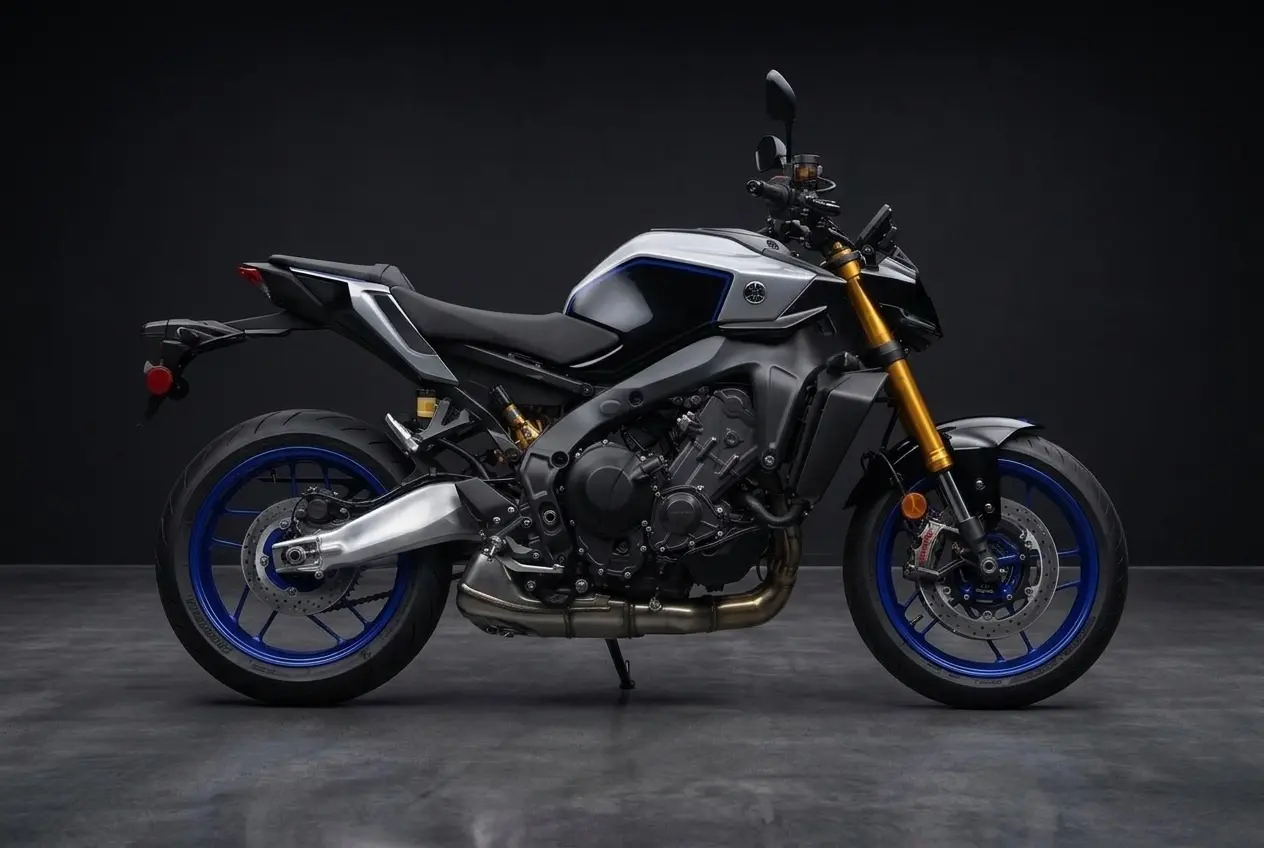
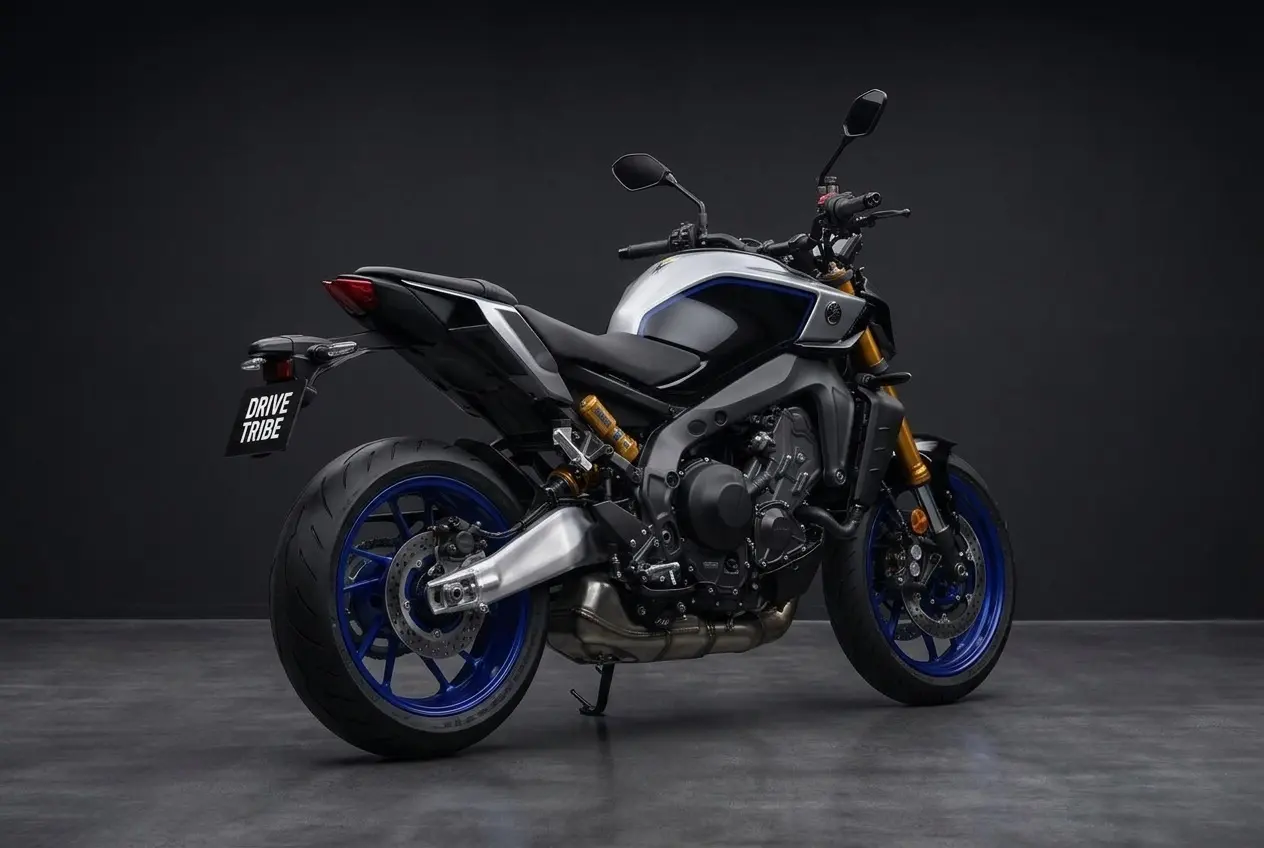
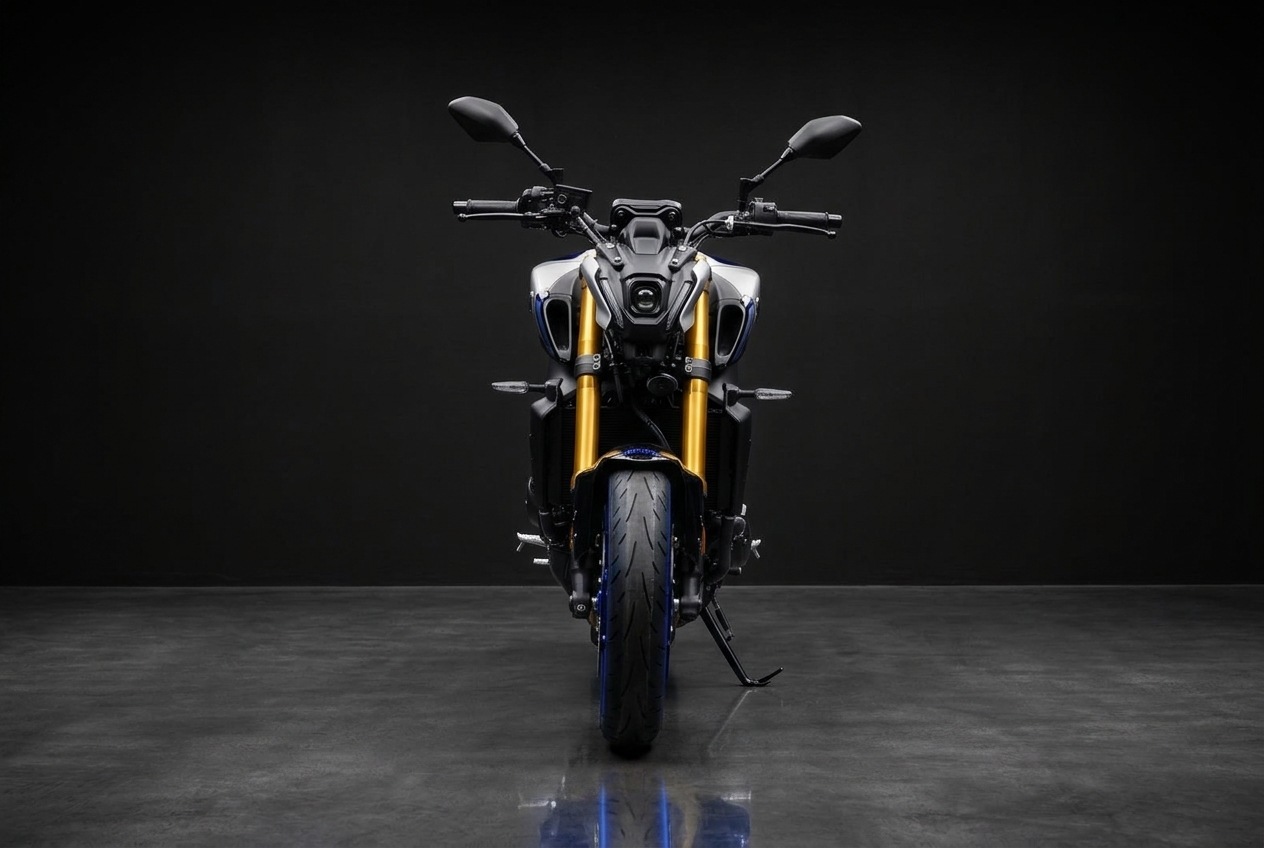
The Yamaha MT-09 SP is a good example of a bike that rewards this kind of familiarity. It is a performance naked bike with premium adjustable suspension, gold front forks and strong brakes, and its inline three responds well to a rider who takes the time to understand it. Use the pilot loop to test the suspension on a few bumps, check the brakes in gentle stops and see how the bike feels when you ride it at a comfortable, steady pace.
Practise the small skills that matter most on a long ride. Smooth gear changes, progressive braking, steady throttle control and a relaxed upper body all make the day easier. Spend time on each one during the loop. A rider who has built those habits will find the long route less tiring and more enjoyable, because the bike feels like an extension of their own decisions.
Want the Yamaha MT-09 SP for your date? Pick your dates and book the Yamaha MT-09 SP online, or call us and we will sort it with you.
Book NowCall 0468 011 118Hire Terms to Know Before You Set Off
Three terms deserve your attention before any first long ride. Bikes are self-drive, collected from our Parramatta base and hired for a three day minimum. The rider must hold a full motorcycle licence that has been held for at least 3 years, and must be aged 25 or over on every bike. Helmets (Shark, AGV or Bell) can be hired from us in small, medium or large for $50 per hire, or you can bring your own, and a helmet replacement fee applies if a helmet is lost or damaged. We do not supply jackets, gloves, pants or boots, so bring your own riding gear.
We also reserve the right to end a hire if we judge a rider unsafe, and riding 30 km/h or more over the posted limit ends the hire and forfeits the security bond. These terms are not meant to discourage a first long ride. They are there to keep the ride calm, controlled and safe for you and for everyone sharing the road with you.
A pilot loop helps you meet these terms in practice. You will know your gear fits, your licence and age are in order and your riding stays well within the posted limit, long before the big day begins.
Riding the Loop With a Clear Head
Keep the pilot loop calm and unhurried. The purpose is to learn, not to prove yourself. Ride at a pace that lets you read the road, respond to traffic and notice the small details of the bike. If the loop starts to feel stressful, pull over, rest and reassess. Stopping early is a sign of good judgement, and it gives you valuable information about what the longer route will demand.
Fatigue and concentration are important factors on any loop. Watch for signs such as heavy eyelids, drifting in your lane, slower reactions or a growing impatience. Take a break in a safe place, stretch, drink some water and reset your focus. Never ride after drinking alcohol, and do not treat the pilot loop as a race against a clock. Ride within your ability at all times.
Cold mornings and changing weather can make a pilot loop harder than it looks. Dress in layers, let the engine warm and keep your hands supple. If rain begins, reduce your speed, increase your gap to traffic and avoid leaning hard over painted lines or patches. Scouting in the conditions you are likely to meet is valuable, but never push into weather that feels unsafe.
Wildlife, Light and Timing
Timing matters on a pilot loop. Plan to ride when traffic is light and visibility is good, and avoid the middle of a busy weekend if you can. Mid-morning and early afternoon are often the calmest times on popular routes, and they give you enough daylight to finish the loop without rushing. Keep your plan flexible, so you can adjust if traffic or weather changes.
Wildlife is an important consideration, particularly near bushland at dawn and dusk. Kangaroos, wallabies and birds can move onto the road edge as the light changes, and a rider who is still learning the bike may find it harder to react. Scan the verges constantly, keep your speed under control and be especially careful in the last hour of daylight, when animals become more active and visibility falls.
Use the loop to practise your timing as well. Note how long each section takes, how long you spent at stops and how long the traffic delayed you. Those numbers help you plan the big day realistically, so that you do not set off with a schedule that leaves no room for the unexpected.
Transport for NSW publishes live closures and roadworks, and it is worth checking before you commit to the day.

Using What You Learn for the Long Ride
When the pilot loop is finished, review what you learned. Write down the hazards you noted, the fuel and rest habits that worked, the controls you felt comfortable with and the points where you felt uncertain. Those notes become the foundation of your plan for the long ride, and they give you a clear picture of what to prepare for.
Adjust your plan based on those lessons. If the loop showed that you need more practice with hill starts, schedule a session before the big day. If fatigue set in early, build more rest into the longer route. If a particular corner felt tricky, plan to approach it with extra care. Good preparation turns a long ride from a gamble into a sequence of sensible decisions.
Once you feel ready, book your long hire with confidence. The Yamaha MT-09 SP is our suggestion for a first long ride, since it combines a manageable, upright feel with the adjustable suspension and strong brakes that help on varied roads. You can see the details and book through the Yamaha MT-09 SP page, or compare the rest of the range on the fleet index. Press Book Now when you are ready, and we will help you plan the route.
Frequently asked questions
What is a pilot route for a motorbike?
A pilot route is a short loop you ride before a long journey, usually close to your base and in familiar conditions. It lets you learn the bike, test your fuel and rest stops and identify hazards on the road. Scouting a short loop first is a simple way to reduce surprises on the big day, and it gives you a clear measure of how ready you feel.
How long should a pilot loop take?
A loop of an hour or two is usually enough to reveal the main issues a longer route will raise. It should include a mix of road types, including some curves and changes of speed. Keep it manageable so that it does not become a test of endurance. The aim is to learn and build confidence, not to cover ground quickly.
Can I ride a pilot loop the same day as my long hire?
It is best to ride the pilot loop first, ideally on a separate occasion, so you have time to reflect on what you learned. If that is not possible, keep the loop short and gentle, and do not start the long route until you have rested and checked the bike. Scouting before you commit gives you the best chance of a calm and enjoyable long ride.
What should I do if the pilot loop feels too hard?
Stop, rest and reassess. Feeling uncertain on a short loop is useful information, and it tells you where to focus your practice. Ride quieter roads, work on the skills that felt difficult and try again when you feel more settled. Never push through a stressful section. Riding within your ability is the foundation of a long and enjoyable motorbike life.
Do I need to check the bike before the pilot loop?
Yes, a quick check before you ride is a sensible habit. Confirm your helmet fits snugly, your gloves let you work the controls and your jacket and boots are comfortable. Look over the tyres, lights and controls, and check the fuel level. Taking a few minutes at the start prevents small problems from becoming distractions later in the loop.
Is a pilot loop useful for experienced riders too?
Yes, experienced riders benefit from scouting unfamiliar roads and a new bike. Even confident riders can be caught out by a different bike, a new surface or a changed traffic pattern. A short loop helps everyone prepare, and it is a sensible habit whether you are riding for the first time or the hundredth. Keep the loop calm and read the road with care.
Ready when you are. Pick your dates and book the Yamaha MT-09 SP online, or call us and we will sort it with you.
Book NowCall 0468 011 118