
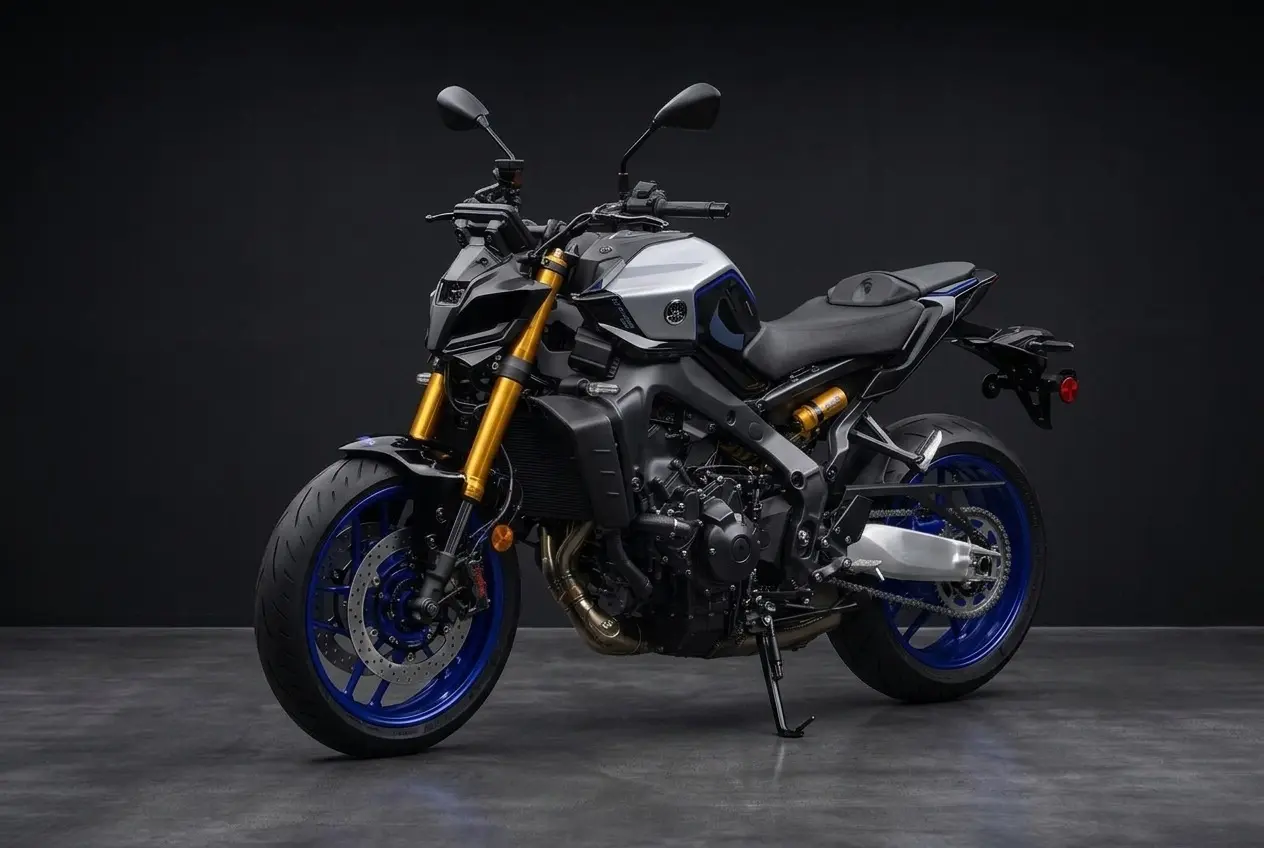
Book the Yamaha MT-09 SP. Pick your dates and book the Yamaha MT-09 SP online, or call us and we will sort it with you.
Book NowCall 0468 011 118Carrying a passenger changes the way a motorcycle sits, the way it moves and the way the rider sees the road. On the Yamaha MT-09 SP, the mirrors are the first thing to revisit when a second person climbs on, because the passenger's shoulders and helmet can block part of the view. This guide shows how to set the mirrors for two-up riding, how to check them before you leave and how both riders can keep the trip relaxed and safe.
For the bikes we hire, who can ride them and how a hire runs, see motorbike hire in Sydney.
How a passenger changes your view
Most riders set their mirrors for a solo ride, with the body in a single, predictable position. Once a passenger joins, the rider's posture shifts slightly and the passenger's body sits directly behind, which can change what the mirrors show. A mirror that gave a clear view of the lane when you rode alone may now show more of the passenger than the road.
The change is easy to miss. The passenger's helmet and shoulders can block the lower part of the mirror, and a moving passenger can cause the image to flicker in your peripheral vision. Riders who do not check the mirrors after a passenger gets on often find themselves guessing about the traffic behind.
Make the mirror check part of the routine every time you add or remove a passenger. Two minutes spent before the first corner is well worth it, and it means the view you rely on is the view you have set. Tell your passenger about the check before you start, so they know why you are pausing and do not shift position while you adjust the glass.
Setting the mirrors with a passenger on board
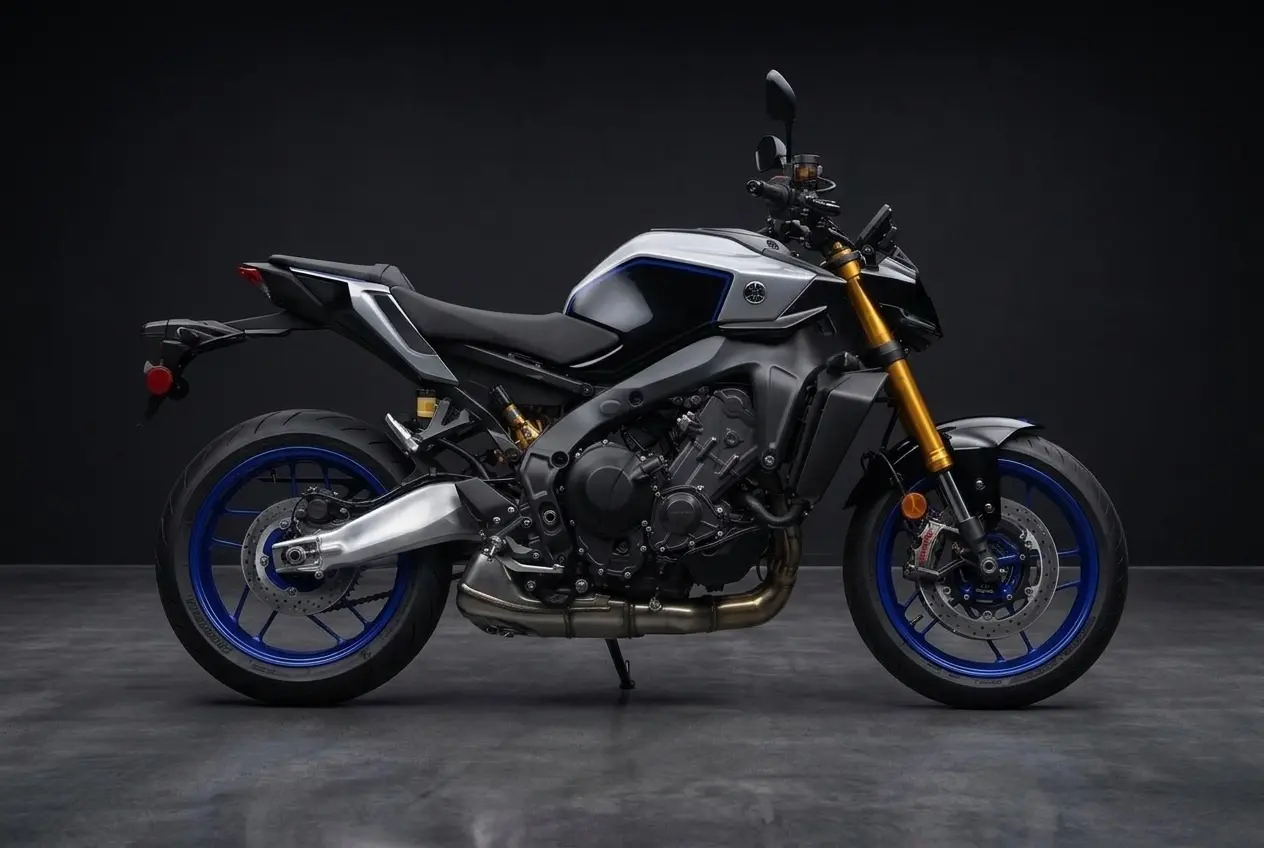
Sit on the bike with your passenger in position and both of you settled. Your riding position should match the way you will ride for the day, with your hands on the bars and your feet set on the pegs. Adjust each mirror so you can see the lane behind with a small part of your shoulder in view, giving you a clear reference point.
Check that the passenger is not blocking the mirror. If their helmet or shoulders cover the lower portion of the glass, angle the mirror slightly so the lane behind remains visible. The aim is to see the traffic clearly, not to achieve a perfect symmetry with the mirror on the other side.
Lock the mirrors in place and check the fixings. A mirror that drifts during a ride gives an unreliable view, and that is particularly risky with a passenger, because the extra weight changes the way the bike moves and the rider needs a steady picture of the traffic.
Passenger position and the rider's view
Ask your passenger to sit as close to the rider as is comfortable and to keep their head and body still. A passenger who leans or shifts constantly can disturb the bike and the rider's view. Agree on a simple rule that they move only when you signal it, such as during a slow stop or a steady lean.
The passenger should hold the grab handles or the rider's waist firmly, and keep their feet on the footpegs at all times. A passenger whose feet slip from the pegs can disrupt the balance and draw attention away from the road.
Before you set off, check that the passenger can see past you safely. Their helmet should not block the view of the road ahead, and they should be comfortable enough to stay still for the length of the trip.
- Passenger sits close and keeps still
- Passenger holds the grab handles or the rider firmly
- Feet stay on the footpegs throughout
- Helmet does not block the view past the rider
Checking the mirrors during the ride
Glance in the mirrors regularly, especially before changing lanes, overtaking or slowing for a junction. A passenger changes the way the bike accelerates and brakes, so you need more time to react and a clear view of the traffic around you.
Do not rely on the mirrors alone when you are changing lanes. A quick head check over the shoulder covers the blind spot the mirror cannot show, and it is especially valuable when the passenger's body blocks part of the view.
If the mirror becomes unclear, stop at a safe place and adjust it before continuing. A tilt that was fine at the start of the ride can change after a bumpy section, so a quick check during a break is worthwhile. Look at the mirrors from the rider's seat after each break, not from the kerb, because the sitting view is the one that matters once you are moving again.
If a passenger wants to adjust their own position during a stop, wait until you are both stationary and the bike is firmly on its stand. A small change made at the right moment is far safer than a shift made while the bike is still rolling.
Hire terms for a two-up ride
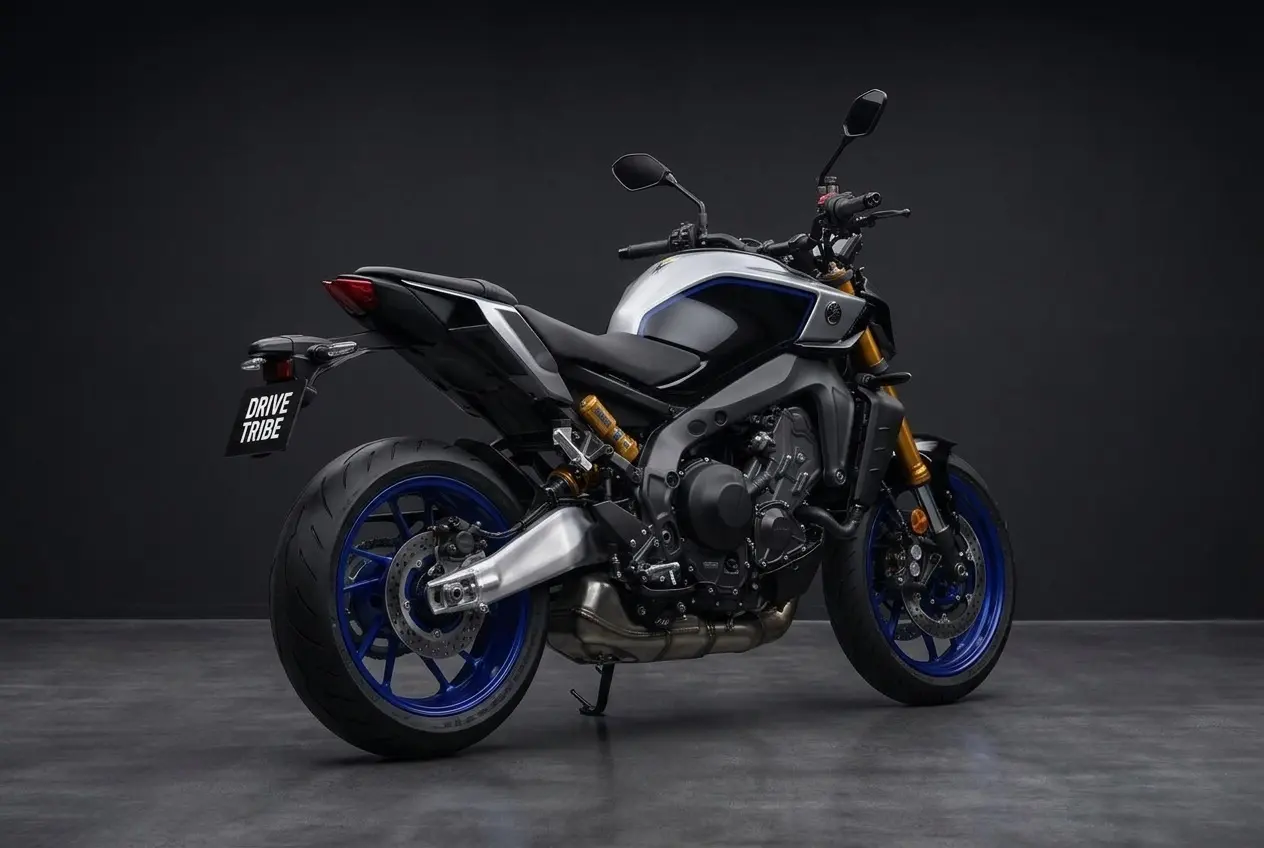
The MT-09 SP is the one bike in our range that carries a passenger, and that passenger must be aged 16 or over. The rider needs a full motorcycle licence held for at least three years and must be 25 or older. Helmets (Shark, AGV or Bell) can be hired from us in small, medium or large for $50 per hire, or you can bring your own. We do not supply jackets, gloves, pants or boots, so bring your own riding gear.
Gear for both riders
Both riders need full protective gear. A helmet that fits properly, a jacket with armour, gloves and boots that cover the ankle are essential for the passenger as much as for the rider. Check that the passenger's gear fits well and is in good condition before you leave.
Passenger comfort matters too. A jacket that allows movement, a helmet with clear vision and a set of gloves that grip well all help the passenger stay settled. A passenger who is cold, uncomfortable or unsure will move about more, which makes the ride harder for the rider.
Pack a spare visor cloth and some water for the passenger. Small comforts make a long two-up ride more pleasant and help both riders stay focused. A passenger who is warm, dry and able to see clearly is far more likely to sit still, which is the single biggest help you can get on the road.
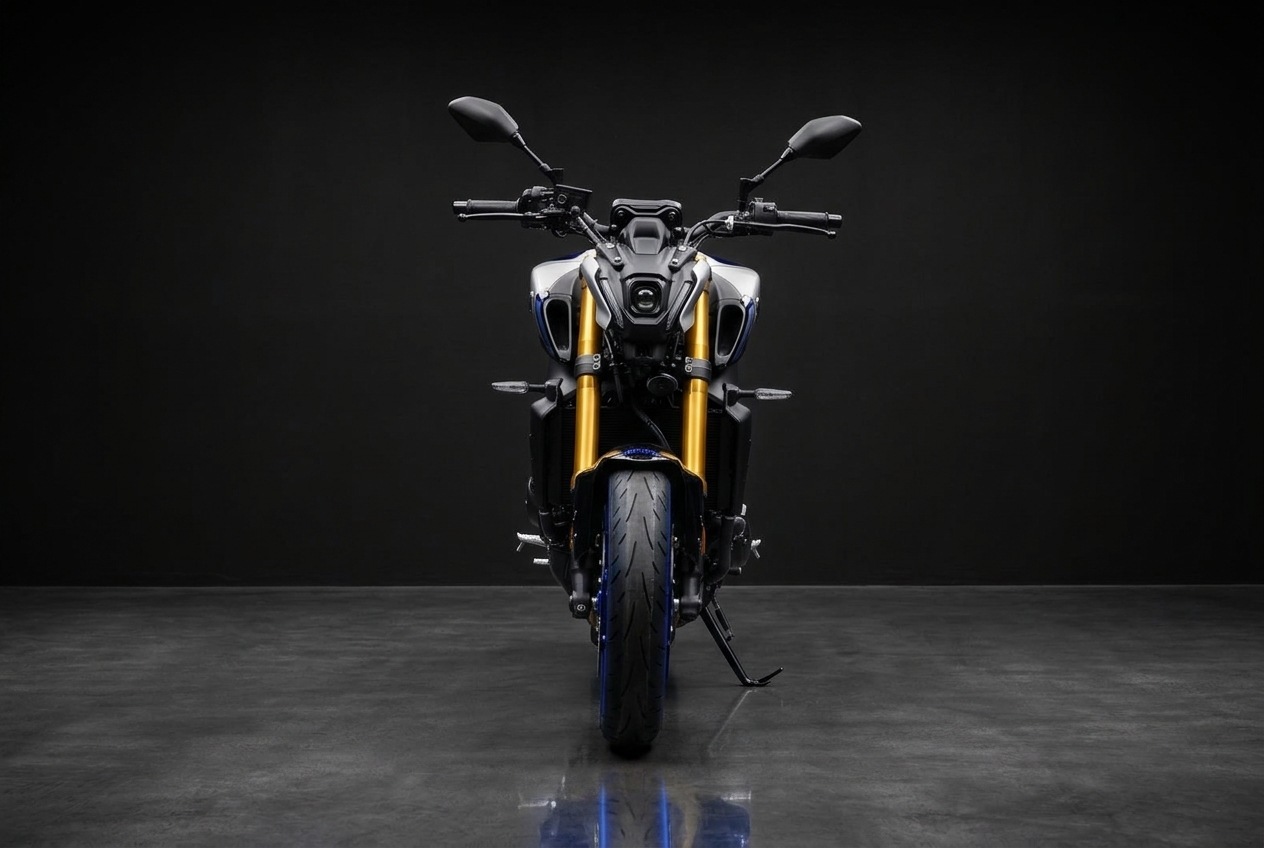
Want the Yamaha MT-09 SP for your date? Pick your dates and book the Yamaha MT-09 SP online, or call us and we will sort it with you.
Book NowCall 0468 011 118Weight, braking and smooth control
Extra weight changes braking distances and the way the bike settles under the brakes. Allow more space for each stop, brake earlier and more gently and avoid sharp changes of direction. The bike will feel different at low speed, so take the first few kilometres calmly.
Throttle control matters too. Roll the power on steadily when pulling away, especially from a kerb or a junction, because a passenger can make the bike feel less responsive at low revs. Smooth inputs keep the bike composed and the passenger relaxed.
Keep the bike upright through corners and avoid leaning with a sudden shift of weight. A passenger who knows the plan will sit more steadily, so talk through the route before you leave.
Fatigue and focus on a two-up day
A two-up ride can be tiring for both riders, and fatigue can reduce the smoothness of the controls. Take a break every hour or so, stretch, drink water and check on your passenger's comfort at each stop.
Concentration is harder to hold with a passenger. You may be aware of their movements and the need to look after their comfort, so keep your focus on the road and the traffic. Stop early if you feel your attention wandering.
Alcohol has no place on any ride, and that includes a passenger. Both riders need to be fully alert, so save any celebration for the end of the day.

Best time of day and season for two-up riding
Mild, dry days suit a two-up ride best. Early mornings and late afternoons are often comfortable, with cooler temperatures that keep both riders alert. Summer heat can be tiring for a passenger, so start early and plan regular shade stops.
Choose quieter roads when you ride with a passenger. Less traffic means fewer sudden changes to manage, and it gives the pair of you time to settle into the rhythm of the bike. Plan a rest at a scenic spot about halfway through the route, where you can both step off, stretch and talk about the next section before continuing.
Before you leave any base, check road conditions with Transport for NSW, so you know about works or closures that may affect the route. A calm, well-planned route makes the day easier for both riders.
Book the MT-09 SP for a two-up adventure
The Yamaha MT-09 SP is a capable choice for a ride with a passenger. Its inline three gives smooth, usable power, its premium adjustable suspension helps with the extra weight and its strong brakes give confidence when you slow for a junction. With the mirrors set and the plan agreed, it is a comfortable bike for two.
The Yamaha MT-09 SP page has the details and shows when the bike is free. Check the dates and plan the route with your passenger in mind.
When you are ready, book the Yamaha and set up the mirrors before you set off. A clear view, a settled passenger and a patient pace will make the ride a memorable one for both of you.

Frequently asked questions
Do I need to reset the mirrors when I have a passenger?
Yes, check them after your passenger climbs on. Their helmet and shoulders can block the lower part of the view, and your posture may shift slightly. Re-set the mirrors with both of you settled, so the lane behind stays clear and the picture is steady.
Can my passenger block my view of the road?
A passenger's helmet can block part of the view past the rider if they sit too high or lean. Ask them to sit close and keep their head still. If the view is still limited, adjust your riding position and check the mirrors again before you leave.
How should my passenger hold on?
The passenger should hold the grab handles or the rider's waist firmly, and keep their feet on the footpegs at all times. Agree on a simple rule about when they should move, such as during a slow stop or a steady lean, so their movements stay predictable.
Does a passenger change how the bike brakes?
Yes. The extra weight increases braking distances and changes how the bike settles under the brakes. Brake earlier and more gently, allow more space for each stop and avoid sharp changes of direction. Take the first few kilometres calmly to feel the difference.
What gear does a passenger need?
The passenger needs the same protection as the rider: a properly fitted helmet, a jacket with armour, gloves and boots that cover the ankle. Check that the gear fits and is in good condition before you leave. Comfort also matters, since a cold or unsettled passenger will move about more.
Is the MT-09 SP comfortable for a longer two-up day?
It can be, with planning. Take regular breaks, check on your passenger's comfort at each stop, drink water and avoid long stretches without rest. A relaxed pace and a clear plan make a long two-up day far more enjoyable for both riders.
Ready when you are. Pick your dates and book the Yamaha MT-09 SP online, or call us and we will sort it with you.
Book NowCall 0468 011 118