

Book the MV Agusta F4. Pick your dates and book the MV Agusta F4 online, or call us and we will sort it with you.
Book NowCall 0468 011 118Orara Way is a forest road that rewards a steady rider and punishes a hurried one. It runs through country where logging trucks share the road with cars, the crests hide what is coming and the edges of the seal can change without warning. For a rider who is still building experience, that combination is worth taking seriously. This guide is written for first-timers, and it sets out the hazards we brief new riders on, the habits that keep a ride calm and the simple rules that matter before you ever leave the car park.
New to riding with us? Our page on motorbike hire in Sydney covers the bikes, the rider rules and how pick-up works.
Why a forest road is a different kind of ride
Many riders are comfortable on a town road or a coast highway and then feel unsettled the first time they ride through forest country. The reason is that the road changes its character much more often. A straight run can become a tight climb, the trees close in and visibility shrinks, and the surface may carry debris from trucks and the surrounding bush. A forest road asks you to read more of the road at once.
For a first-timer, the best approach is to treat each section as new. Do not assume the next bend will look like the last one. Keep your eyes moving, look well ahead, and build your speed gradually as you learn how the road behaves. Confidence on a road like this comes from steady repetition of good habits, not from pushing harder at the first opportunity.
Check road conditions with Transport for NSW before you leave, because roadworks, closures and heavy vehicle movements can change the day. A quiet road one week may carry a lot of heavy traffic the next, and a rider who knows what to expect will ride with more care from the first kilometre.
Logging trucks and heavy vehicles
Logging trucks are the most significant hazard on this kind of road. They are large, they need a wide lane through the bends and they can take up more space than you expect when they are loaded. Their drivers may not see a small bike in the mirror on a long corner, so the job of staying visible and out of the way falls to the rider.
When a truck comes toward you, ease back and give it room. Do not try to pass one on a bend or a crest, and avoid being alongside a heavy vehicle on a narrow section. A truck that is braking or changing gear can throw loose material onto the road, and the wind it pushes ahead of it can move a light bike sideways. Hold your line, keep your speed steady and allow a generous gap.
If you are following a truck, drop back. A loaded vehicle slows on the climbs, and the rider behind it may find the road ahead blocked for a long stretch. Overtaking a heavy vehicle on a forest road is one of the most dangerous manoeuvres a new rider can attempt, so the sensible default is patience until a clear, safe view appears.

Blind crests and sudden corners
Crests on forest roads hide the road beyond them. You may be at a comfortable speed on the way up, only to find a truck, a slow car or a patch of debris waiting just over the top. Treat every crest as blind, and approach it at a speed you can stop from in the distance you can see before the crest.
Corners on the hill sections can also tighten after a gentle start. The bend may open out and then close sharply, and the shoulder may fall away on the outside. Enter at a speed you can control, brake in a straight line before the lean begins and let the bike run smoothly through the apex. Keep your eyes looking through the bend to the exit, rather than at the edge of the seal.
Stay on your side of the road at all times, and keep the bike in the centre of your lane. A crest or corner that hides oncoming traffic is no place to cut across the middle or to ride wide on the bend. Slow down, look well ahead and be ready to stop if a vehicle appears in your lane.
Edges, gravel and the seal's boundary
The edges of forest roads can be loose, with gravel or dirt that has spread from the seal or from the verge. Gravel is most dangerous on corners, where the bike is leaning and grip is already at its limit. Watch for loose material on the outside of bends and in the gutters, and ease off the throttle if you see it.
We do not recommend our road bikes on any unsealed or gravel road, and a first-timer should never plan a route that takes them onto one. Side tracks, fire trails and management trails are not for these bikes, and a turn off the seal can end a ride very quickly. If the seal ends or changes character ahead, slow down and turn back rather than pressing on.
Keep the bike off the verge. A soft edge can pull the front wheel sideways, and a rider who corrects sharply may find the bike sliding. Ride on the sealed surface, keep a margin from the edge and never stop on loose ground to take a photo or wait for a friend.
Wildlife, fatigue and cold mornings
Forest country is home to wildlife, and the dawn and dusk hours are the most risky. Kangaroos, wallabies and other animals can move onto the road quietly, often in small groups, and a first-timer may not yet recognise the warning signs. Slow down as soon as you see one animal, and expect others to follow. Avoid swerving toward traffic or onto a loose verge.
Cold mornings in the hills can be sharp, particularly in the shaded sections where the sun takes longer to reach the road. Cold hands and stiff shoulders make a new rider's inputs less smooth. Dress in layers, keep gloves warm and let your body settle before tackling the first hill. A warm, relaxed rider handles surprises much better than a cold, tense one.
Fatigue creeps up on long forest rides, and concentration drops after an hour of constant bends. Stop regularly, drink water and stretch. If you feel drowsy, pull over somewhere safe and rest before going on. Alcohol has no place on a riding day, and a drink with breakfast or lunch will slow your reactions when you most need them.
The rules a first-timer must know
Our rules for new riders are short and firm. You must hold a full motorcycle licence, which means learner and provisional riders cannot hire from us, and that licence must have been held for at least 3 years. You must also be 25 or over to ride any of our bikes. Riding 30 km/h or more above the posted limit ends the hire and the bond is forfeited.
Want the MV Agusta F4 for your date? Pick your dates and book the MV Agusta F4 online, or call us and we will sort it with you.
Book NowCall 0468 011 118Best time of day, season and where to stop
For a first ride on a forest road, mid-morning on a weekday is the calmest choice. Traffic is lighter, logging movements are more predictable and the air has warmed enough to keep the bike and your hands comfortable. Starting after 6am gives you the day ahead, and it lets you leave the wildlife-heavy dawn hours behind before you reach the hill sections.
Autumn and spring are the most comfortable seasons for a forest road, with mild temperatures and clearer conditions. Summer afternoons can be hot and humid, and the air in the bush can feel heavy. Winter mornings are cold and damp in the shade, and the road can stay slippery for longer than you expect. Plan the ride for the part of the year that suits your confidence.
Fuel before you head into the forest, because stations can be sparse on the back sections. Know your bike's range and the distance to the next fuel point, and carry some water and a light snack. Choose a stop on a firm, sealed pull-off away from the traffic lane, and take your time setting the bike up before you walk away from it.
Building skill one ride at a time
Think of this road as a classroom rather than a test. The goal of a first ride is to finish with better habits than you started with. Practise reading the road ahead, managing your speed through the crests and keeping your line steady through the bends. Each ride will teach you something new about the bike and about your own judgement.
A good way to build confidence is to set a simple plan before you start. Choose a finish point, agree on a break time and decide in advance how you will handle a truck, a crest or a patch of loose material. Writing the plan down or saying it aloud helps you stick to it when a surprise arrives on the road.
- Read the road well ahead and slow for every crest you cannot see over.
- Give logging trucks plenty of room and never pass them on a bend or a hill.
- Stay on the sealed surface and keep a clear margin from the edge.
- Watch the dawn and dusk hours for wildlife and slow down early.
- Stop regularly, drink water and rest if you feel drowsy.
The MV Agusta F4 is not a first-timer bike
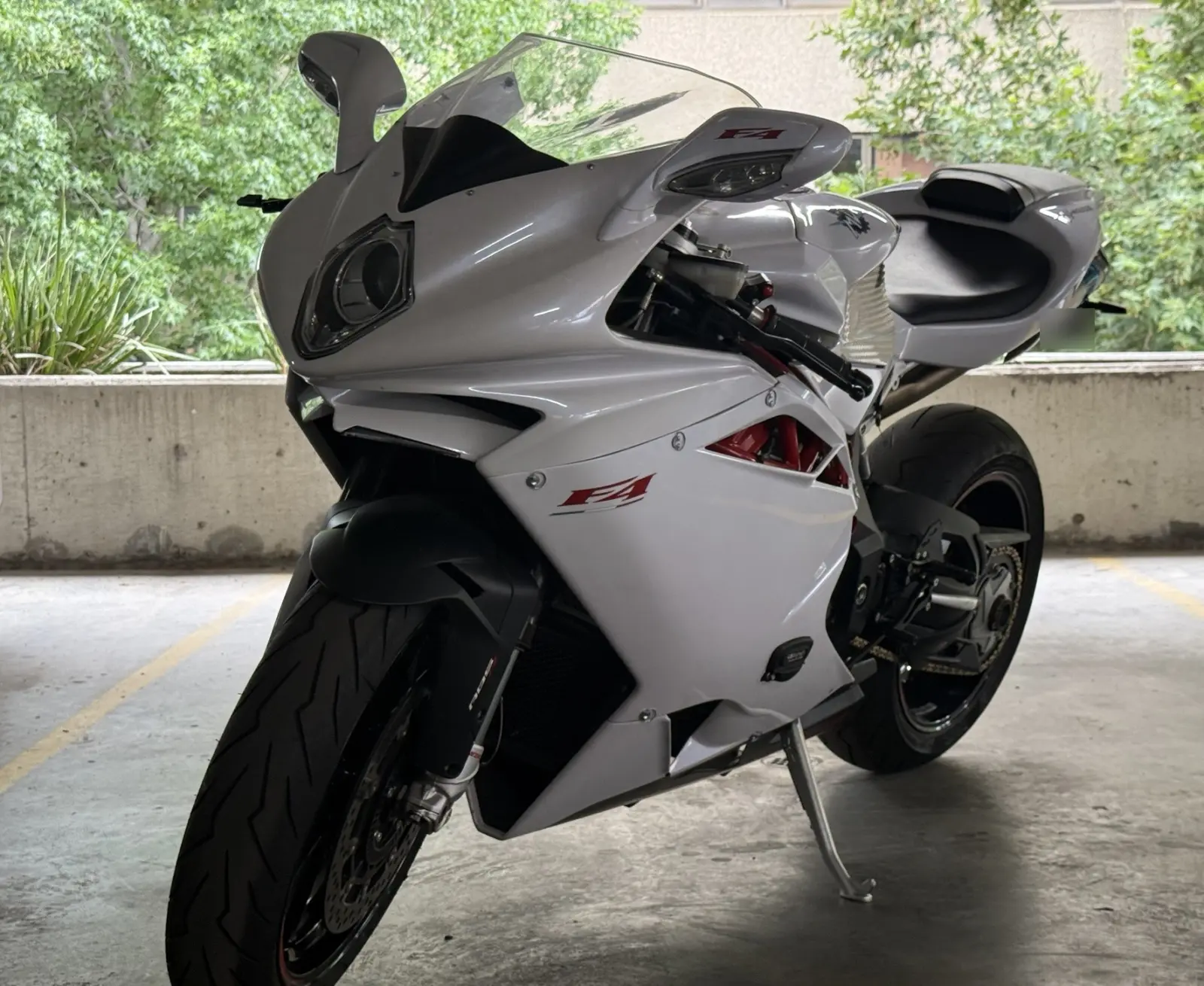
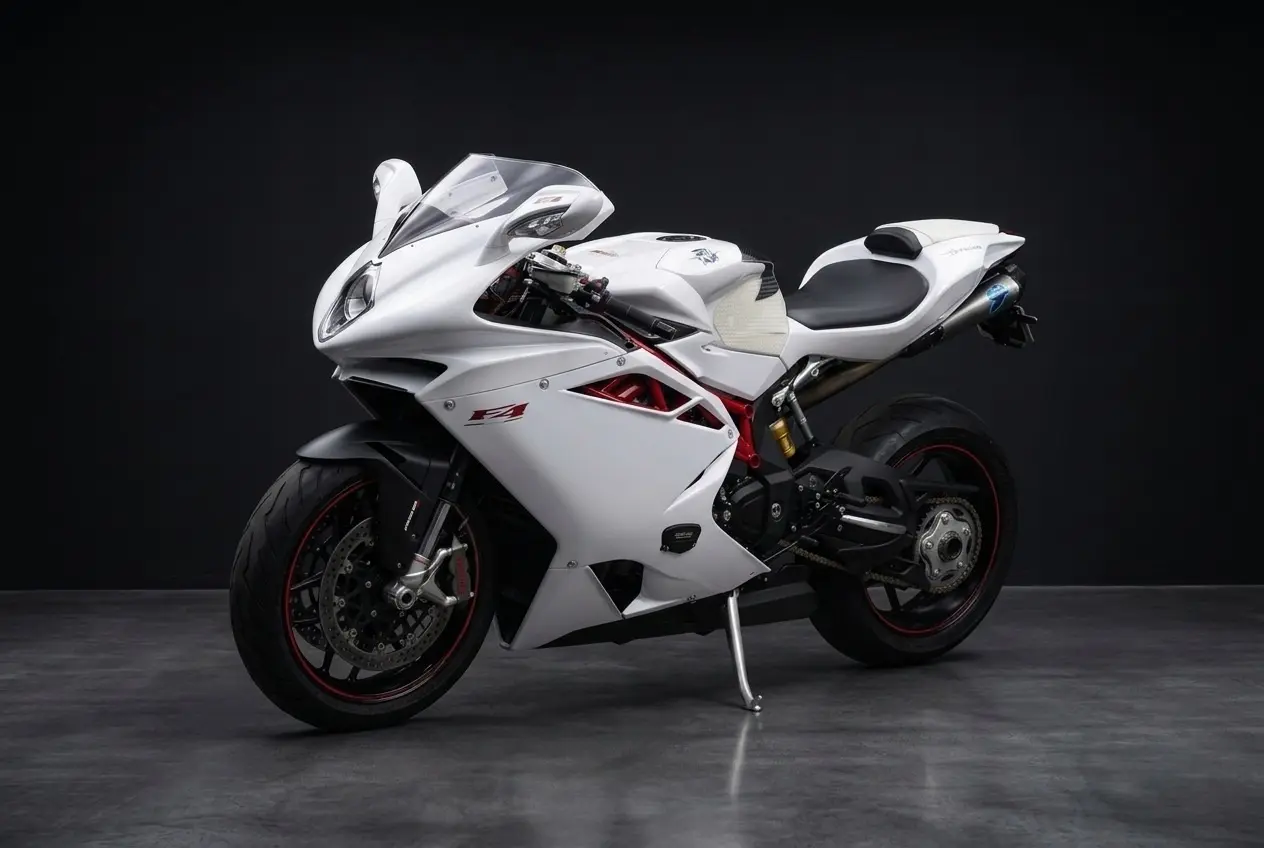
We will be straight with you. The MV Agusta F4 is a superbike, with 998cc in an inline four and 143 kW on tap, and it is built for experienced riders who are confident in their control. On a forest road with logging traffic and blind crests, the sensible first choice for a new rider is a calmer bike. A superbike should be ridden with respect for its power at all times, and that respect takes time to build.
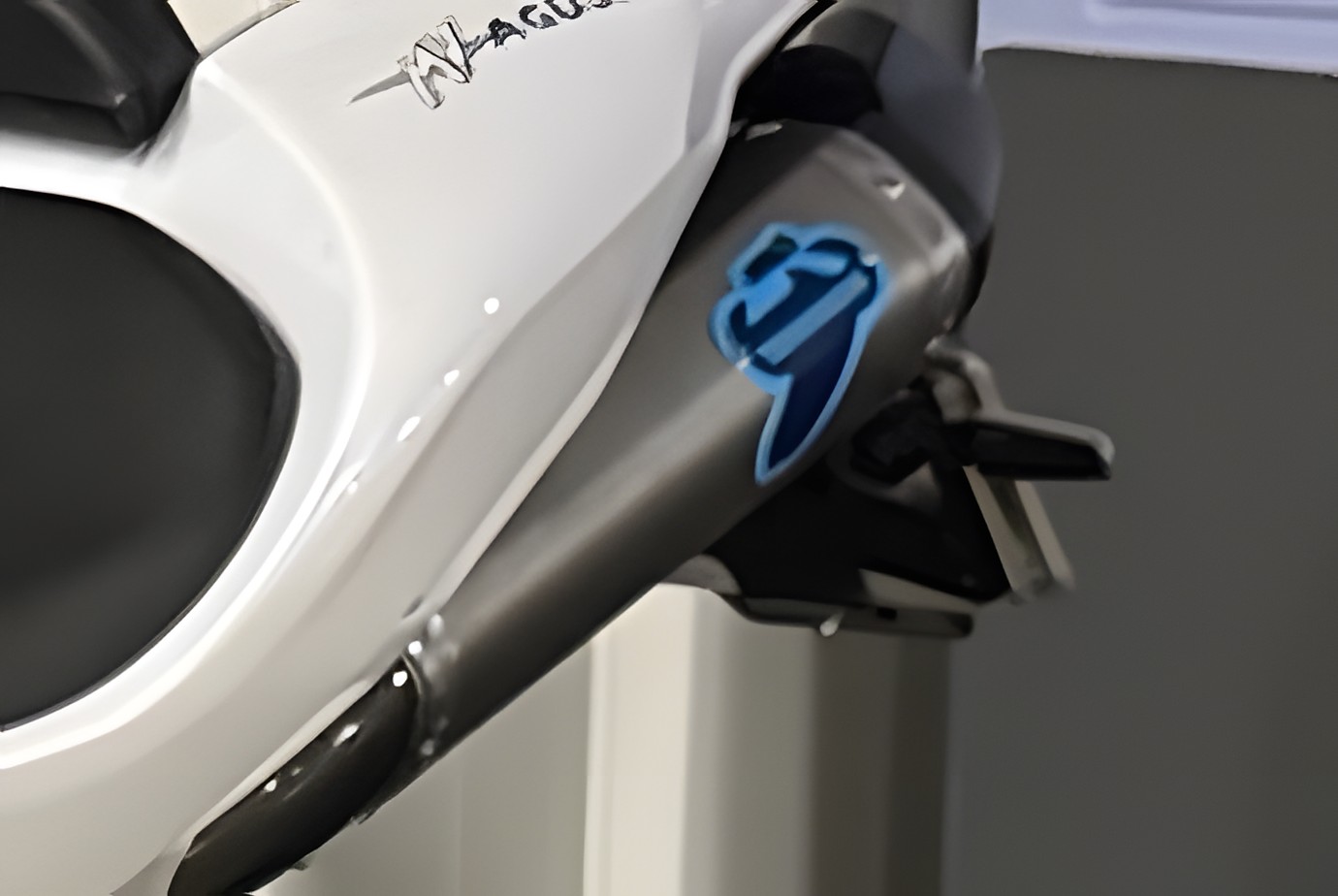
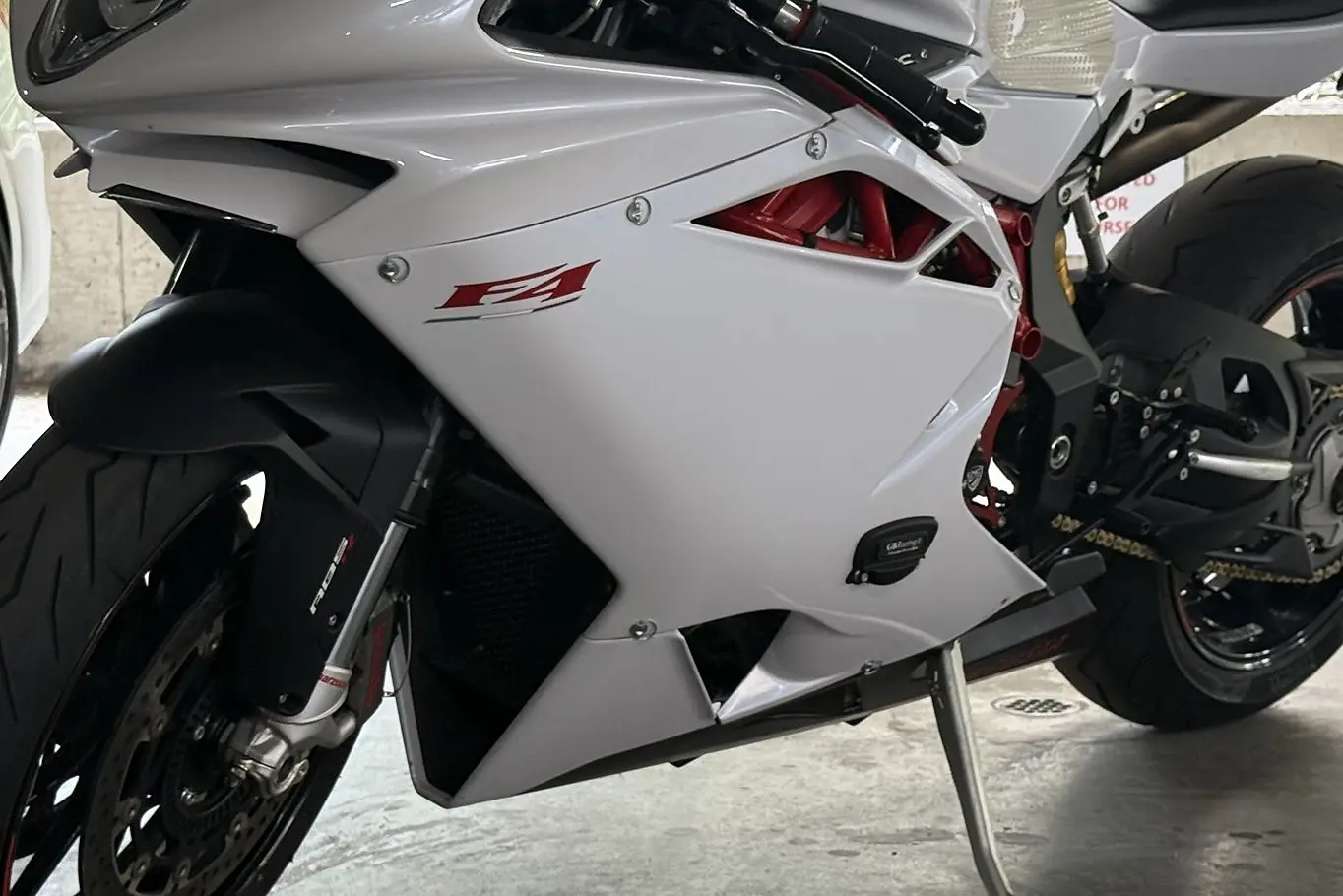
If you have the experience and the discipline to ride well within the road, the F4 offers a rewarding, focused ride with its pearl white finish, red trellis frame and performance exhaust. Use the power smoothly, keep your throttle inputs gentle through the bends and treat every crest as an unknown. A rider who is honest about their own ability will enjoy the road far more than one trying to prove something on it.
Ready to plan your first forest ride
When you feel ready, plan the route with care, check the weather and conditions, and make sure your gear is in good order. Allow plenty of time for each section, and be ready to turn back if the road or the traffic does not suit the day. A short, careful ride is always a better start than a long, rushed one.
If you want to see the road on one of our bikes, the MV Agusta F4 is available to book through our fleet page, and we are happy to talk through the route and the conditions with you before you ride. Take your time, respect the trucks and the crests, and enjoy the forest at a pace that keeps you in control.
Frequently asked questions
Is Orara Way suitable for a first ride on a motorbike?
It can be, provided you have ridden regularly on sealed roads and are comfortable with bends and changing traffic. Forest roads ask for steady judgement, especially around crests and logging trucks. Build your confidence on quieter roads first, then take on a route like this with a clear plan, a sensible pace and an honest view of your own ability.
How should I handle a logging truck on the road?
Ease back and give it plenty of room. Do not try to pass a heavy vehicle on a bend, a crest or a narrow section. Keep your line steady, avoid riding alongside the truck and watch for loose material it may drop or throw onto the road. If you are following a truck, drop back so you can see the road ahead clearly.
What should I do if the road turns to gravel ahead?
Stop and turn back. Our road bikes are not for unsealed or gravel roads, and it is not worth pushing on to see what is beyond the seal. A turn off the seal can end a ride quickly, so choose a different route rather than riding onto loose ground. Plan your route in advance to avoid these surprises.
How do I manage blind crests safely?
Treat every crest as concealing traffic or debris. Approach at a speed you can stop from in the distance you can see before the top, and keep to the centre of your side of the road. Look well ahead as you come over the rise, and be ready to brake gently if a truck or a slow vehicle is waiting. Patience at the crest is much safer than a rushed overtake.
Are there wildlife risks on a forest road at dawn?
Yes, dawn and dusk are the highest-risk times for kangaroos and wallabies crossing or sitting on the road. Slow down as soon as you see one animal, since others often follow. Avoid swerving onto a loose verge or toward oncoming traffic, and brake in a straight line where possible. Starting after 6am and riding in full daylight reduces the risk considerably.
What gear should a first-time rider wear in the hills?
A helmet, gloves, a riding jacket and boots that cover the ankle are essential. Layers help on cool mornings, and a light waterproof is worth carrying for showers or damp shade. Warm hands are important for smooth control. Make sure your kit fits properly and is in good order before you set off.
Ready when you are. Pick your dates and book the MV Agusta F4 online, or call us and we will sort it with you.
Book NowCall 0468 011 118