
Book the Ducati 1199R. Pick your dates and book the Ducati 1199R online, or call us and we will sort it with you.
Book NowCall 0468 011 118Riding into Sydney from interstate is one of the great motorcycle trips in Australia, but the paperwork needs sorting before you leave home. Visitors often ask about licences, identity and what to carry on the road, so this guide walks through those checks in plain order. Work through it the week before you travel and your first morning in the saddle can be about the ride and nothing else.
Still choosing a bike? Start with our guide to motorcycle hire in Sydney, which sets out the licence, age and pillion rules.
Start with the licence in your wallet
Your licence is the first thing we check and the first thing you should check yourself. The card needs a motorcycle class printed on it, not only a car class, and it needs to be current on the day you collect the bike. A full licence issued in another Australian state is generally recognised in New South Wales, but the class and any conditions printed on the card still apply. Read it line by line the week before you travel, because a licence that looks valid on the front can hide a restriction in the small print.
Provisional and learner-style cards from home are not enough for a hire bike, so only a full motorcycle licence counts here. If your card was replaced or renewed recently, bring the new card and leave the old one at home, since a superseded licence is no help at the counter. Write the expiry date in your trip notes so you can see at a glance whether the licence will still be valid when your hire ends on the last day of the trip.
Keep the licence in a clear plastic sleeve inside your jacket or tank bag, not in a wallet that could be left in a pannier or a bag on the bike. Interstate riders often carry more than one card from the state registry, so decide which document you will show first and keep the rest close. A photo of the front and back on your phone is a useful backup, but it does not replace the physical card when we ask to see it.
The hire conditions that touch your paperwork
Our bikes are self-drive, collected from our Parramatta base on a three-day minimum hire. To ride, you need a full motorcycle licence that you have held for at least three years, and you must be aged 25 or over to ride any of our bikes. A security bond is held against every hire, set by the class of bike you choose, so ask us which figure applies to the machine you have in mind before you plan your payment method.
These conditions are simple, but they shape the whole trip. A three-day minimum means a weekend visit is best planned around at least two full riding days plus a settling-in day. The licence length and age checks happen before any keys change hands, so bring the card that proves your age along with the licence itself. We would rather sort a question at the counter in Parramatta than halfway up a mountain road with help some distance away.
Read the booking terms before you arrive rather than relying on what another rider told you at a fuel stop. Booking early gives you time to fix any document problem before the trip starts. If something in your paperwork does not match what you expected, tell us as soon as you know, so there is time to adjust your dates without rushing the rest of your plans.
Identity and the documents to carry on the road
Carry your licence, a second photo identity document, and a record of your home address. An overseas visitor will often use a passport as the second document, while an interstate rider might carry a second state-issued card. Keep these in a waterproof pouch separate from your phone, so a wet afternoon in the hills does not leave you without anything to show. Police can ask for identification at any roadside stop, and a calm, organised response keeps the stop quick.
Registration is the next question many visitors ask. The bike you ride with us is ours, so you will not need to carry its papers. If you are bringing your own motorcycle into Sydney, the situation is different. Its registration, compulsory third-party insurance and roadworthy condition should be confirmed before you leave home, and Transport for NSW can explain what applies to a vehicle registered in another state.
Keep a short list in your pocket: your licence number, a contact number at home, and the name of someone who can be called if your plans change. Share those details only at a counter or with an emergency service, and never post them in an online message to a stranger. A small card like this takes a minute to write and can save an awkward phone call later.
Overseas licences and international permits
If your licence was issued overseas, the rules differ from an interstate card, so do not assume they match. An international driving permit can accompany a valid overseas licence by showing a translation of it, but it is not a replacement for one. The answer depends on the country that issued your licence and how long you plan to stay, so check the requirements with Transport for NSW well before you travel.
Language matters at the counter and on the roadside. If the licence is not printed in English, carry an official English translation alongside the original, and make sure the motorcycle class is clearly shown. An officer needs to confirm the category quickly, and a card that can be read at a glance keeps the stop short for everyone. Keep the translation in the same sleeve as the licence so the two are never separated during a wet ride.
Match your hire dates to the validity of every document before you fly. A licence that expires during your trip is a problem to fix at home, not on the morning of collection. If your passport will expire during the stay, renew it first. Travellers who sort these details early can spend their energy on the road, which is exactly the point of doing the paperwork well in advance.
Getting in: the approaches to Sydney
Most interstate arrivals come in on the Hume Highway from Victoria, or on the Pacific Highway from the north. Both are long, fast roads with heavy trucks, so break the trip into stages with a proper rest every hour or two. Plan the last stretch into the city for daylight if you can, because the outer suburbs are busy through the morning and evening peaks, and a tired rider in heavy traffic faces the greatest risk.
Riders from the south coast usually take the Princes Highway, which climbs over the Illawarra escarpment near Wollongong before the run north into the metropolitan area. The character changes quickly: long straights give way to bends and cuttings, and the surface can be patchy after rain. Check road conditions with Transport for NSW on the morning you leave, because roadworks and closures change from week to week.
Filtering through slow traffic is legal in New South Wales for fully licensed riders at up to 30 km/h, between slow or stopped traffic. It is not allowed beside the kerb or parked cars, or in school zones during school-zone hours. Lane splitting above 30 km/h is illegal. If you have not filtered before, practise in quiet conditions first, and check the current guidance with Transport for NSW because the details matter.
Up into the mountains by the highway and Bells Line of Road
The Blue Mountains are the classic first ride for anyone arriving in Sydney. The Great Western Highway climbs out of the western suburbs through Penrith, and the views open up well before the summit. Katoomba and Leura are the towns most riders aim for, and the lookout at Echo Point gives a clear view of the Three Sisters rock formation, which is worth a stop even on a busy weekend.
Bells Line of Road is the more demanding alternative. It runs west from Richmond across the Hawkesbury country, through Bilpin and its orchards, then up to Mount Tomah before dropping towards Bell and Lithgow. The corners are tighter and more frequent than on the highway, and leaf litter and damp patches can linger in the shade, so take the first few kilometres slowly until the road's rhythm settles in.
Stop at Govetts Leap for a proper look into the valley, and park where you can see the bike from the lookout. Weekends and public holidays bring plenty of tour traffic to both routes, so plan a start that gets you onto the mountain before the crowds arrive. Keep valuables out of sight and take them with you, and do not leave anything loose on the seat while you walk to the edge.
Want the Ducati 1199R for your date? Pick your dates and book the Ducati 1199R online, or call us and we will sort it with you.
Book NowCall 0468 011 118The coast at Stanwell Park and the river at Wisemans Ferry
Lawrence Hargrave Drive runs south from Stanwell Park along the clifftops above the Illawarra coast, with a string of lookouts, sweeping bends and the surf below. It is one of the most loved ocean rides in the state and is open to motorcycles. Expect a slower pace, because the road is narrow in places and warm weekends bring enough tourist traffic to turn a bend into a queue.
For a different mood, head north-west to Wisemans Ferry, where a vehicle ferry crosses the Hawkesbury River. The road into the valley winds through gum forest and rolling paddocks, and the air along the river can feel chilly on an autumn morning. The wait for the ferry is usually short, so stop with the bike upright, keep it in neutral, and stand with your feet down on firm ground while you wait.
Both rides work well as half-day loops, and both suit a relaxed afternoon after a morning in the mountains. Build a proper rest into the plan so the return trip is not rushed. Fatigue is the quiet risk on coastal and river roads, because the scenery keeps tempting you to look rather than ride, and a few minutes on a shaded verge can reset your focus.
Best seasons, best hours and where to stop for fuel and food
Autumn and spring suit interstate visitors best. The mountain mornings are crisp, the afternoons are mild, and the roads are usually drier than in midwinter. Summer is hot in the city and humid on the coast, so start early and save the long stretches for the cooler hours. Winter brings cold starts in the Blue Mountains, and shaded sections can hold frost or wet patches well after sunrise.
Daylight suits most visitors, and the time of day matters for wildlife. Kangaroos and wallabies move about most near the bush at dawn and dusk, so ease off on rural stretches at those times. Our bikes stay garaged from 9pm to 6am, so plan the day around that window and make sure every ride finishes with the bike back in its place well before the garage time begins.
Plan fuel in the larger towns rather than relying on small roadside stations in the hills. Lunch in Leura or Katoomba suits a relaxed day, and a counter meal in one of the valley towns works well on the way home. Carry water and a few snacks in your pack, because not every roadside stop is open when you want it, and a planned break is far safer than a rushed one.
- Penrith or Emu Plains before the climb
- Katoomba or Leura for lunch
- Lithgow for fuel on the western run
Safety on your first day in the city
Your first day should be the easiest. Pick a short loop from Parramatta, give yourself time to get a feel for the bike at low speed on a quiet street, and ride outside peak traffic. Wear full protective gear every time: a helmet that fits well, a jacket with armour, gloves, and boots that cover the ankle. Gloves and boots matter more than most riders expect when a corner tightens unexpectedly.
Ride within your ability, and take a break at least every hour, especially after a long run through the mountains. Fatigue slows reactions in a way that is hard to notice from the saddle. Alcohol and riding do not mix, at any hour of the day, and a tired rider in unfamiliar country makes small errors that become serious very quickly.
Wet weather and cold change everything. Mountain roads can turn slick after light rain, and painted lines, metal covers and leaf litter are slippery when wet. Ease into corners, brake before you lean, and leave a larger gap than feels necessary. If the forecast is poor, move the ride to another day. A cold rider makes mistakes, so layer up for the descent and stop to warm your hands before you carry on. The bikes carry no damage cover option, which is another reason to ride well within your limits. For licence law, including how an interstate or overseas licence is treated in NSW, check with Transport for NSW rather than relying on this article.
Bringing it together with the Ducati
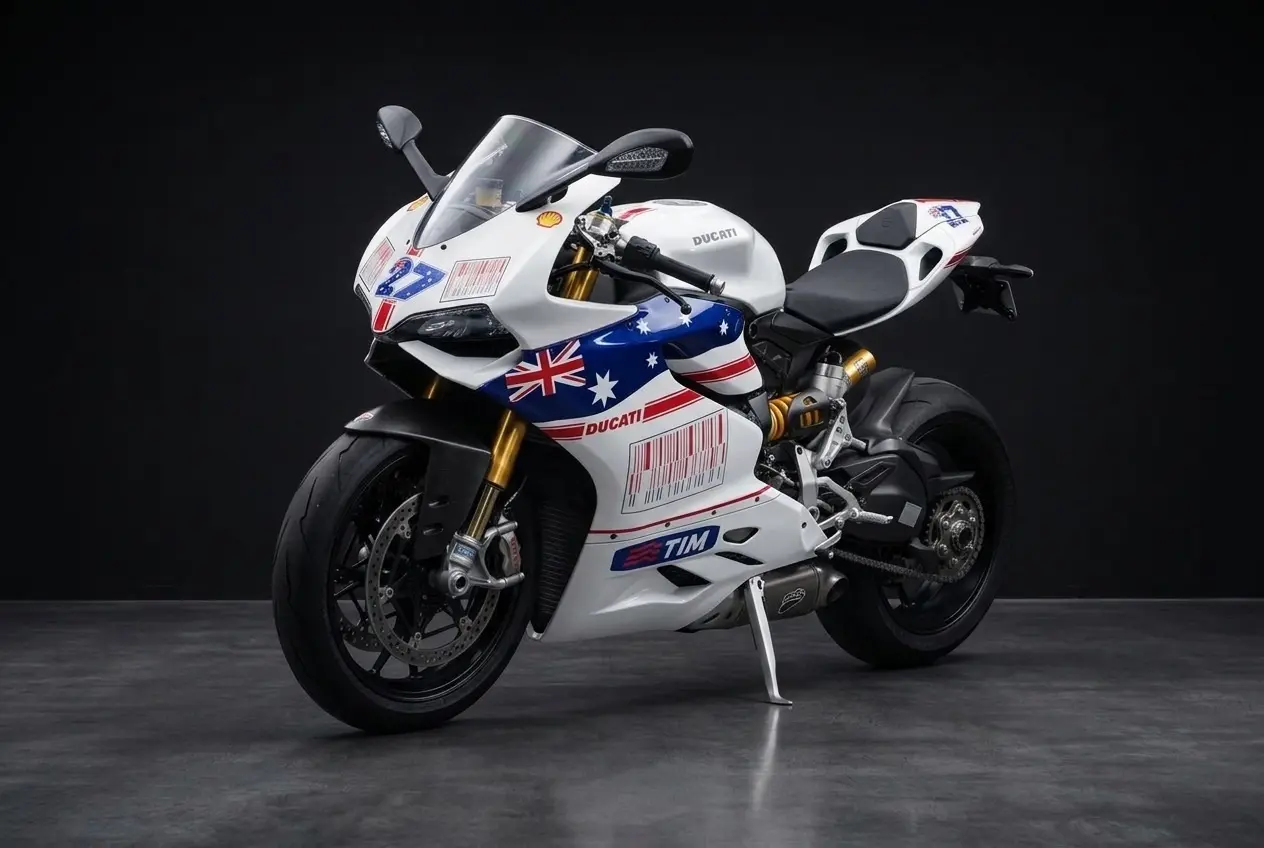
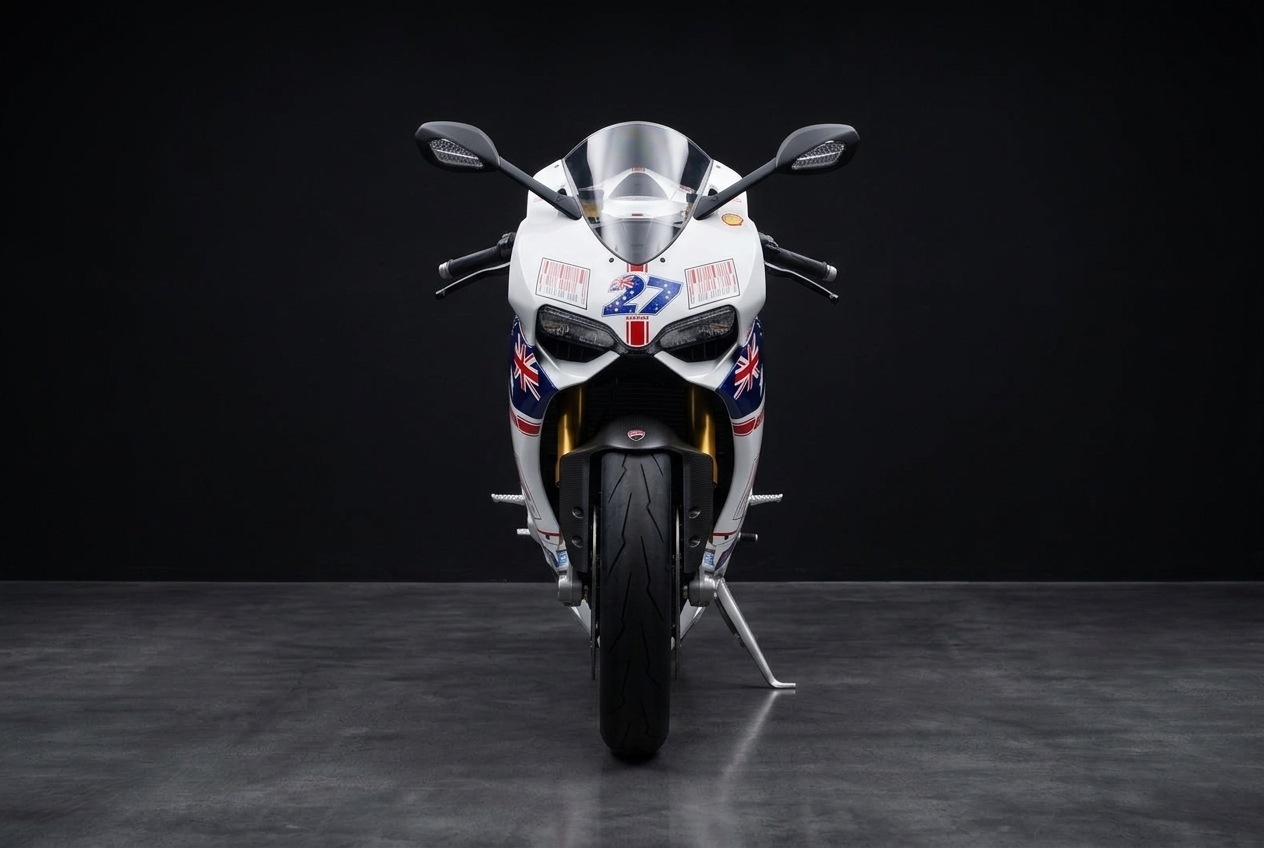
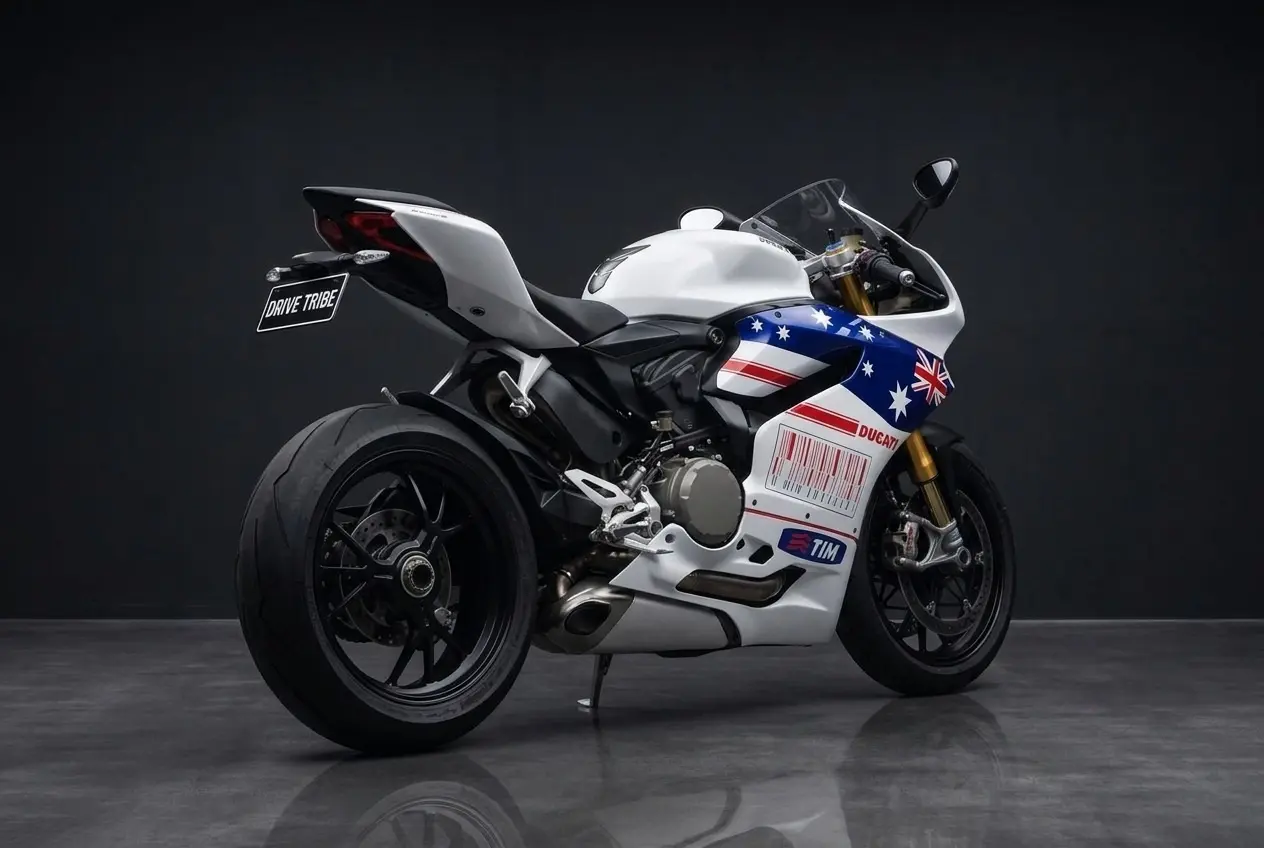
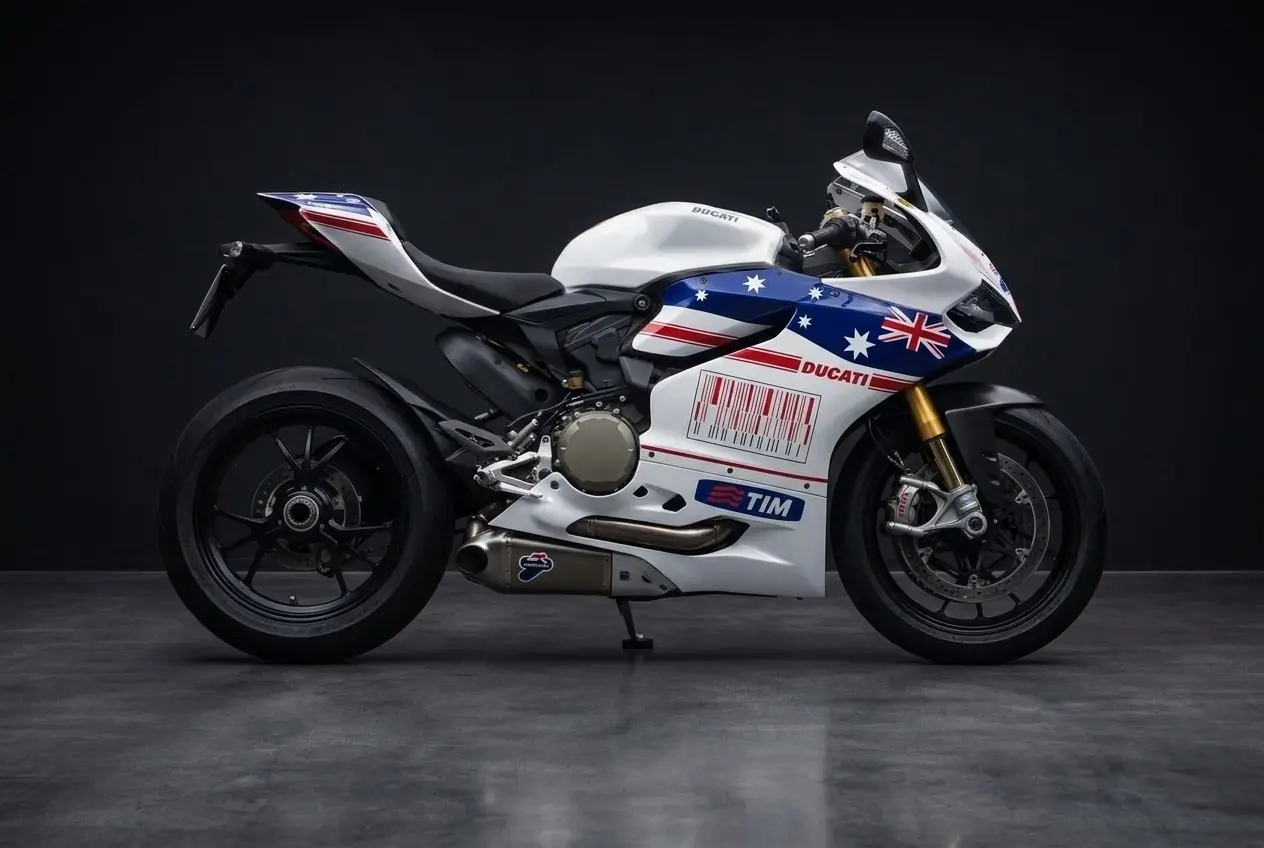
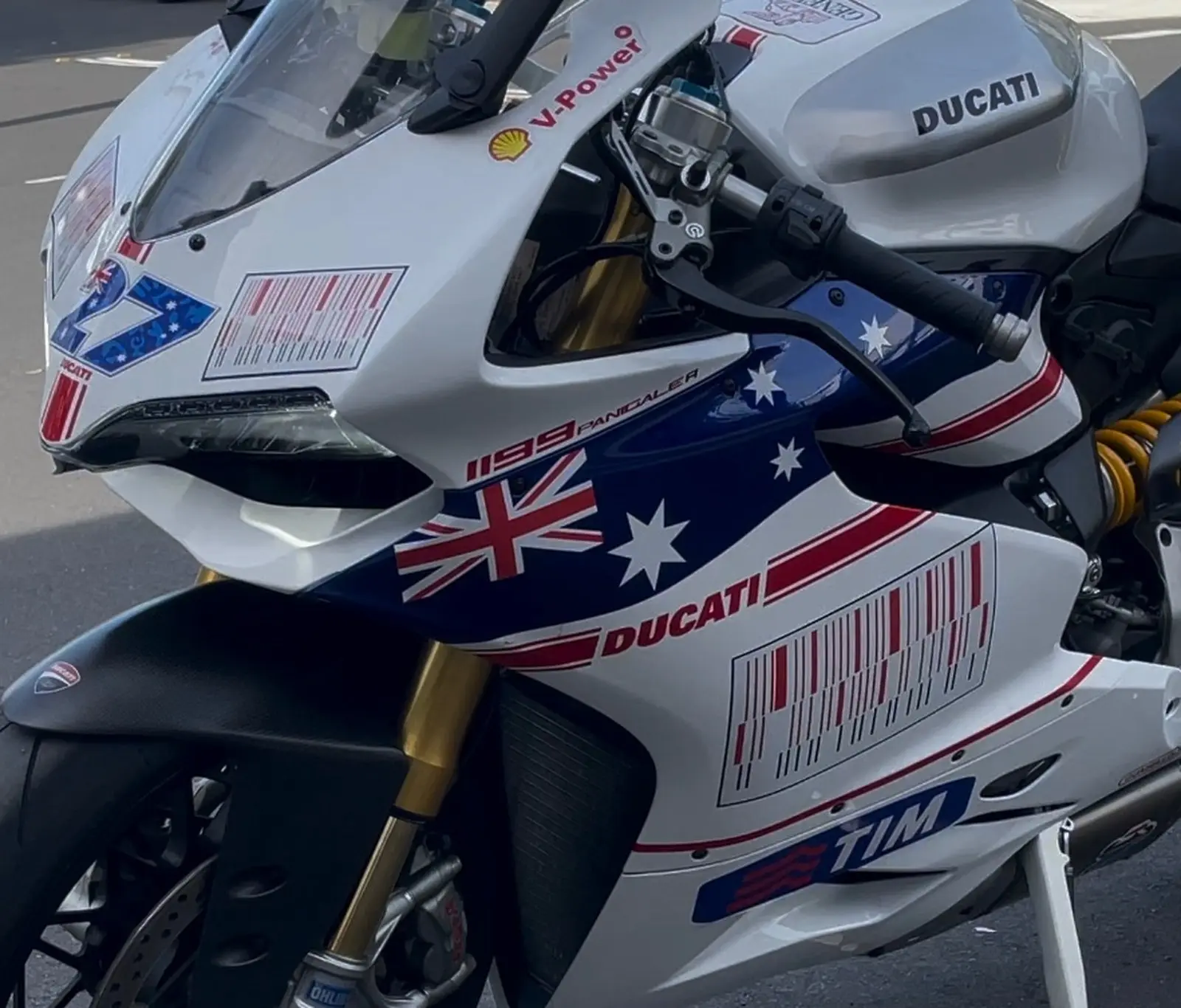
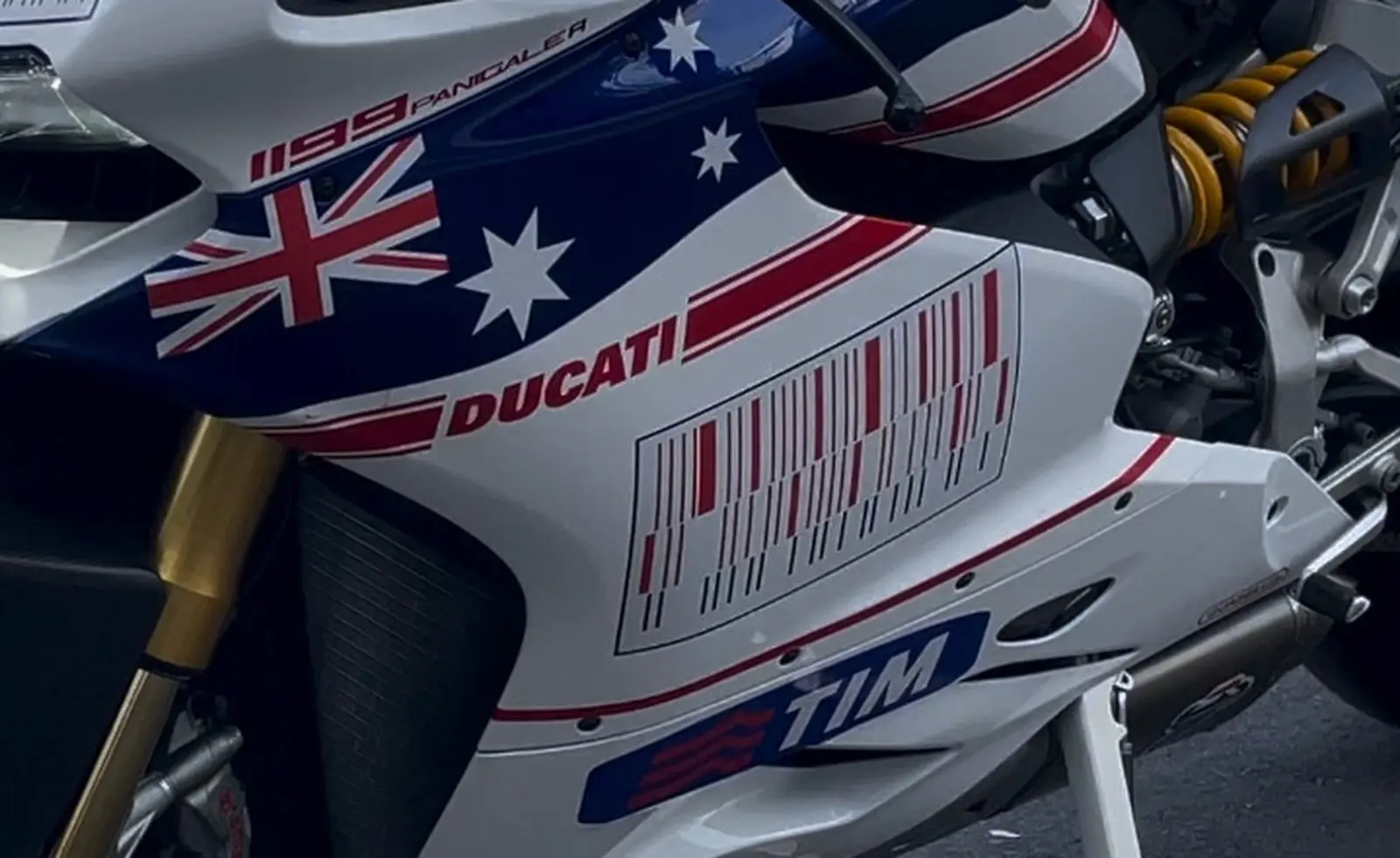
If you have ridden on open roads for years and hold the licence to match, the Ducati 1199R Panigale is the bike that rewards a long Sydney itinerary. It is a superbike for experienced riders, and its Australian flag livery is a tribute to Casey Stoner, the Australian rider who won his first world championship on a Ducati in 2007. The livery is a tribute only, not a bike that belonged to him, and it carries no endorsement from him.
The V-twin has strong, eager pull through the hills, and it rewards a smooth, planned approach to corners. On an interstate trip you are asking more of your judgement than of your right wrist, so plan consistent lines, brake early and set a clear plan for each stop. The MV Agusta F4 and the Yamaha MT-09 SP are also in the fleet, and they suit different moods, from a sharp four-cylinder sprint to a versatile naked bike with premium adjustable suspension.
Check your licence against the rules above, plan a route that suits your skill, and carry the documents we have discussed. When your dates are set, book the Ducati for your Sydney trip and tell us your plans, so we can help you choose the right route for the riding you want to do.
Frequently asked questions
Can I ride in Sydney on a licence from another Australian state?
In most cases yes, because a full motorcycle licence issued in another Australian state is generally recognised in New South Wales. Check that the motorcycle class is printed on the card and that no condition applies to you. Because rules can change and every licence is different, confirm the current position with Transport for NSW before you travel.
Do I need to bring registration papers for the bike I hire?
No. The bike you hire from us is ours, so its papers stay with us. You do need your own licence and identity documents with you on every ride, ready to show at a roadside stop. If you are bringing your own motorcycle to Sydney, its registration, insurance and roadworthy condition should be checked before you leave home.
What if my licence was issued overseas?
An overseas licence follows its own rules, so the answer depends on the country that issued it and how long you plan to stay. Carry the original licence with an official English translation if the card is not in English. An international driving permit can accompany a valid licence but does not replace it. Check the current position with Transport for NSW well before your trip.
Is lane filtering allowed for visiting riders?
Lane filtering is legal for fully licensed riders in New South Wales at up to 30 km/h, between slow or stopped traffic. It is not allowed beside the kerb or parked cars, or in school zones during school-zone hours. Lane splitting above 30 km/h is illegal. If you are unsure, practise in light traffic first and check the current guidance with Transport for NSW.
What should I carry on every ride?
Carry your licence in a clear sleeve, a second photo identity document and a home contact note in a waterproof pouch. Keep a phone photo of your licence as a backup, but remember that it does not replace the card. Wear a helmet, an armoured jacket, gloves and boots that cover the ankle, and bring water and a few snacks for longer stretches.
What should I do if I am stopped by police on a ride?
Stay calm, pull over safely, and keep your hands visible while you find your licence. Hand over your documents when asked, answer questions politely and follow any instructions. If you are unsure about a requirement, ask the officer to explain it. A courteous, organised approach keeps the stop short, and it is the same advice we give every rider who visits Sydney.
Ready when you are. Pick your dates and book the Ducati 1199R online, or call us and we will sort it with you.
Book NowCall 0468 011 118