
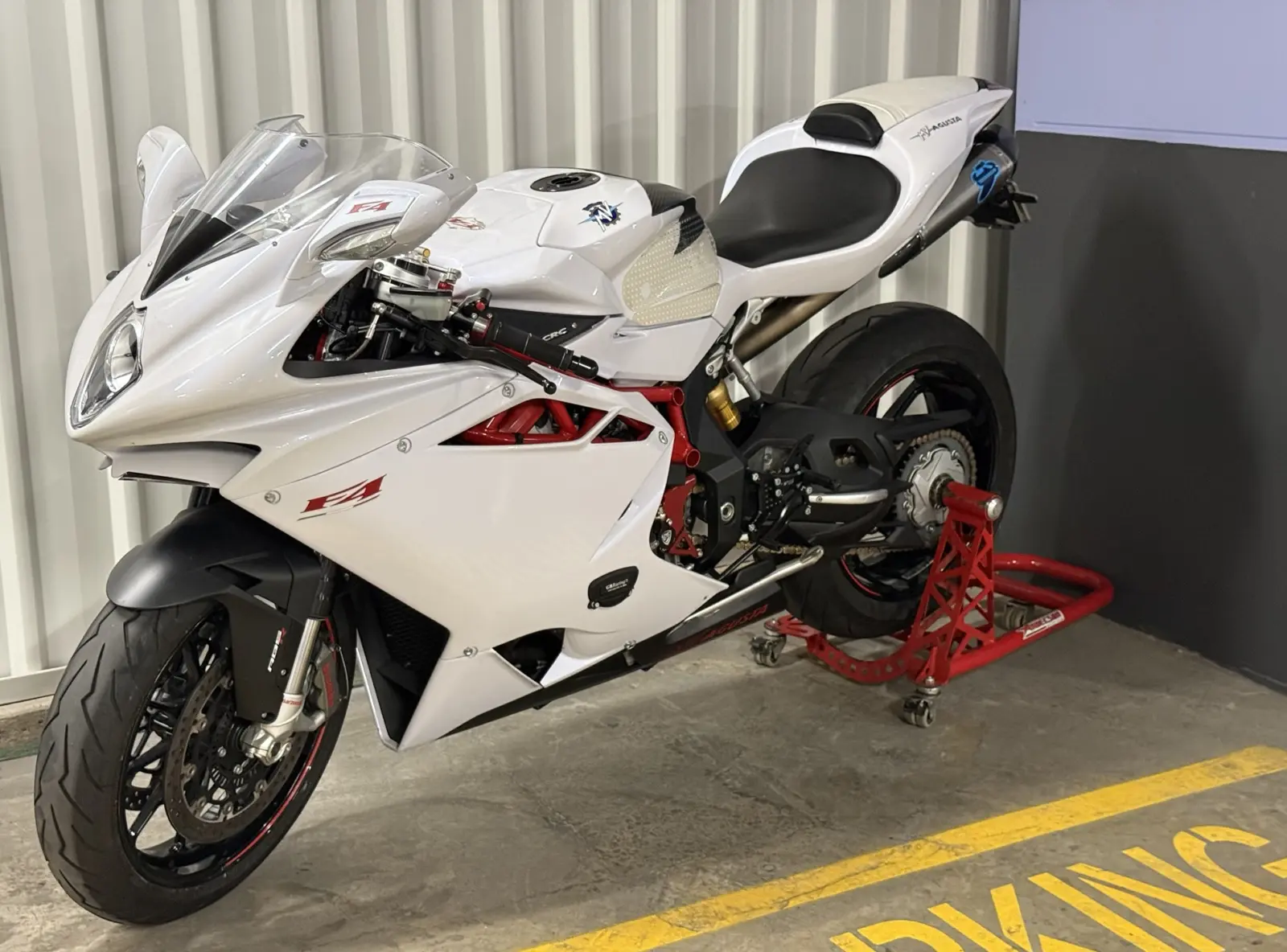
Book the MV Agusta F4. Pick your dates and book the MV Agusta F4 online, or call us and we will sort it with you.
Book NowCall 0468 011 118Hillston sits on the Lachlan River in the far west of New South Wales, a long way from the coast and a long way from the traffic of the city. The road out crosses flat country where the Lachlan spreads into swamps, wetlands and river red gums, and the sky seems to reach the ground in every direction. For a rider it is a trip of distance, planning and quiet rewards. This guide shows how we would prepare for the run on the MV Agusta F4, with the fuel plan, the wetlands and the long straight roads all in view.
New to riding with us? Our page on motorbike hire in Sydney covers the bikes, the rider rules and how pick-up works.
A trip measured in distance and patience
Hillston is a destination that rewards those who plan properly. The run from Sydney is long, and most riders split it into two days with a stop in a regional centre along the way. The reward is a landscape that few riders from the coast ever see, with open skies, distant horizons and a pace of life that feels gentle and deliberate.
The first part of the trip is about settling into the miles. The roads are long and straight, and the temptation to push can be strong when the view stays the same for kilometre after kilometre. Keep a steady rhythm, check your speed often and take breaks before fatigue sets in.
Think of the trip as three stages: the approach across the tablelands, the flats and swamps, and the final run into the town. Each stage needs a slightly different mindset, and a rider who adjusts to each one will find the journey far more enjoyable.
Leaving the city and heading west
Getting out of Sydney takes time, and the early kilometres are spent in traffic and on busy highway sections. Leave early to avoid the worst of the congestion, and keep a comfortable gap to the vehicles around you while you settle into the highway.
Heavy transport is a constant presence on the western highways. Trucks move at steady speeds, and their wind blasts can push a light bike sideways on exposed sections. Give them room, avoid lingering in their shadow and pass only with a clear view ahead.
Plan your first major fuel stop before you leave the populated areas. Stations become less frequent once you move onto the plains, and some close early or have restricted hours. Know where your next fuel is before you need it.
The Lachlan swamp country
The Lachlan swamps are a mosaic of wetlands, channels and river red gums. In wetter seasons the floodwater spreads across the flats and the birdlife gathers in numbers that can be astonishing. In dry years the swamps can look bare and cracked, so the landscape changes dramatically depending on the rainfall.
Water across the road is a real hazard on these flats. Low sections can flood quickly after rain, and the depth and speed of the water are very hard to judge from a bike. Do not ride through water you cannot see clearly, and turn back if a crossing looks uncertain.
Take time to stop by the wetlands where it is safe to do so. A quiet few minutes beside the water lets you appreciate the birds, the reflections and the sense of space. Keep clear of private land and fenced areas, and never block a gateway or track.
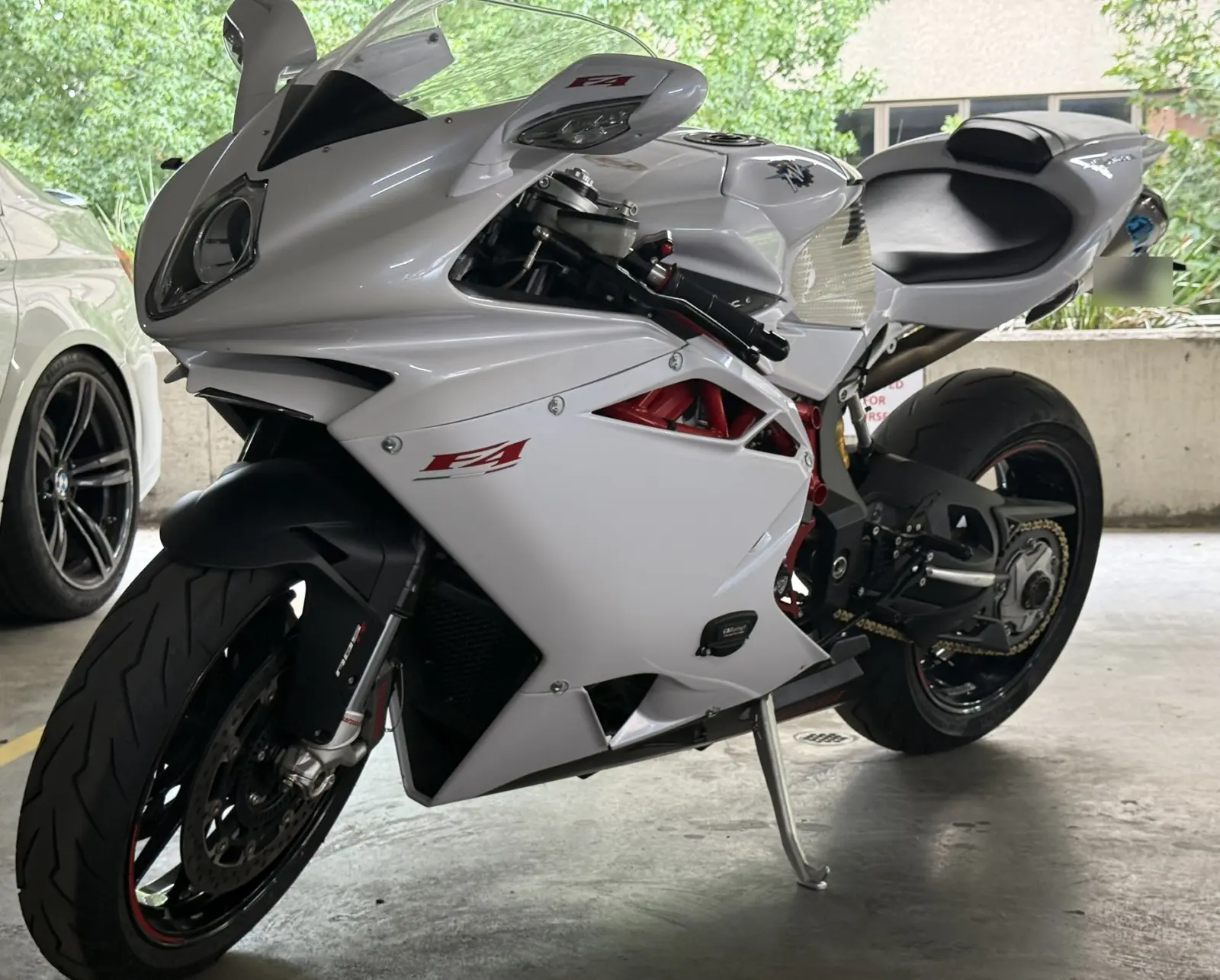
The MV Agusta F4 on open flats
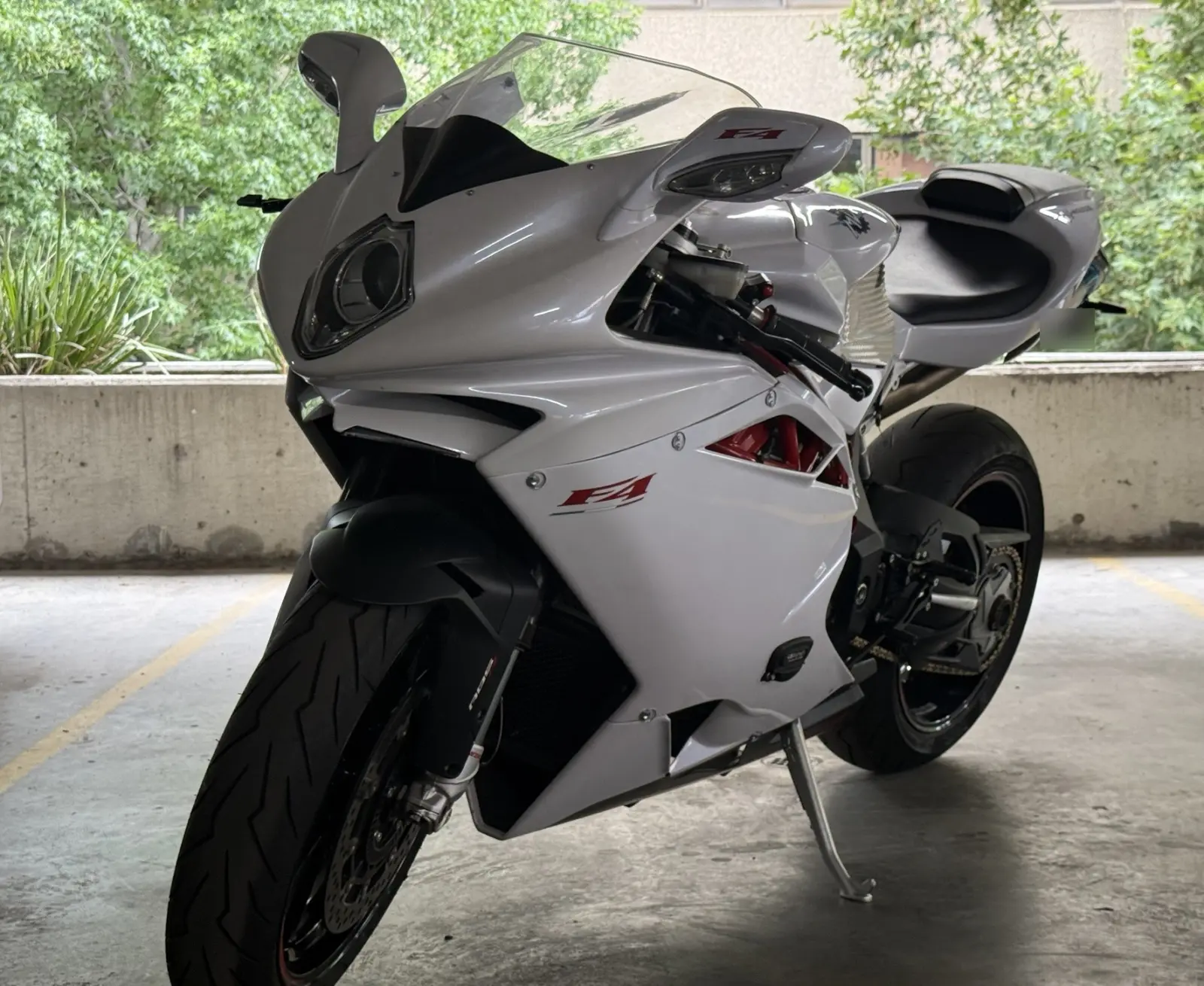
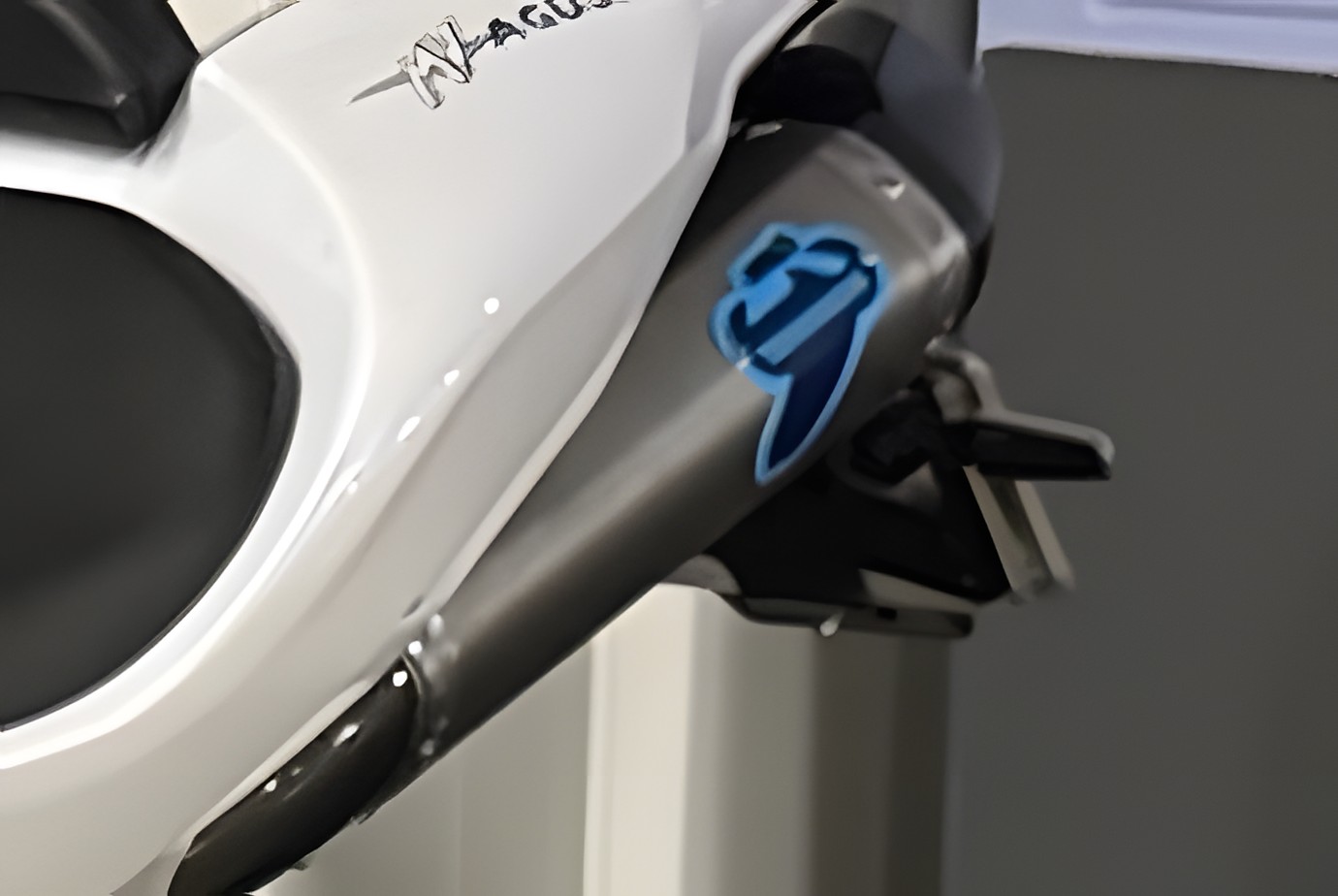
The MV Agusta F4 is a sharp and engaging bike, and its 998cc inline four gives strong, responsive power on the long straights. The tuned performance exhaust adds a distinctive voice across the open country. Use the power with restraint, since the open road can tempt a rider to ride faster than the conditions warrant.
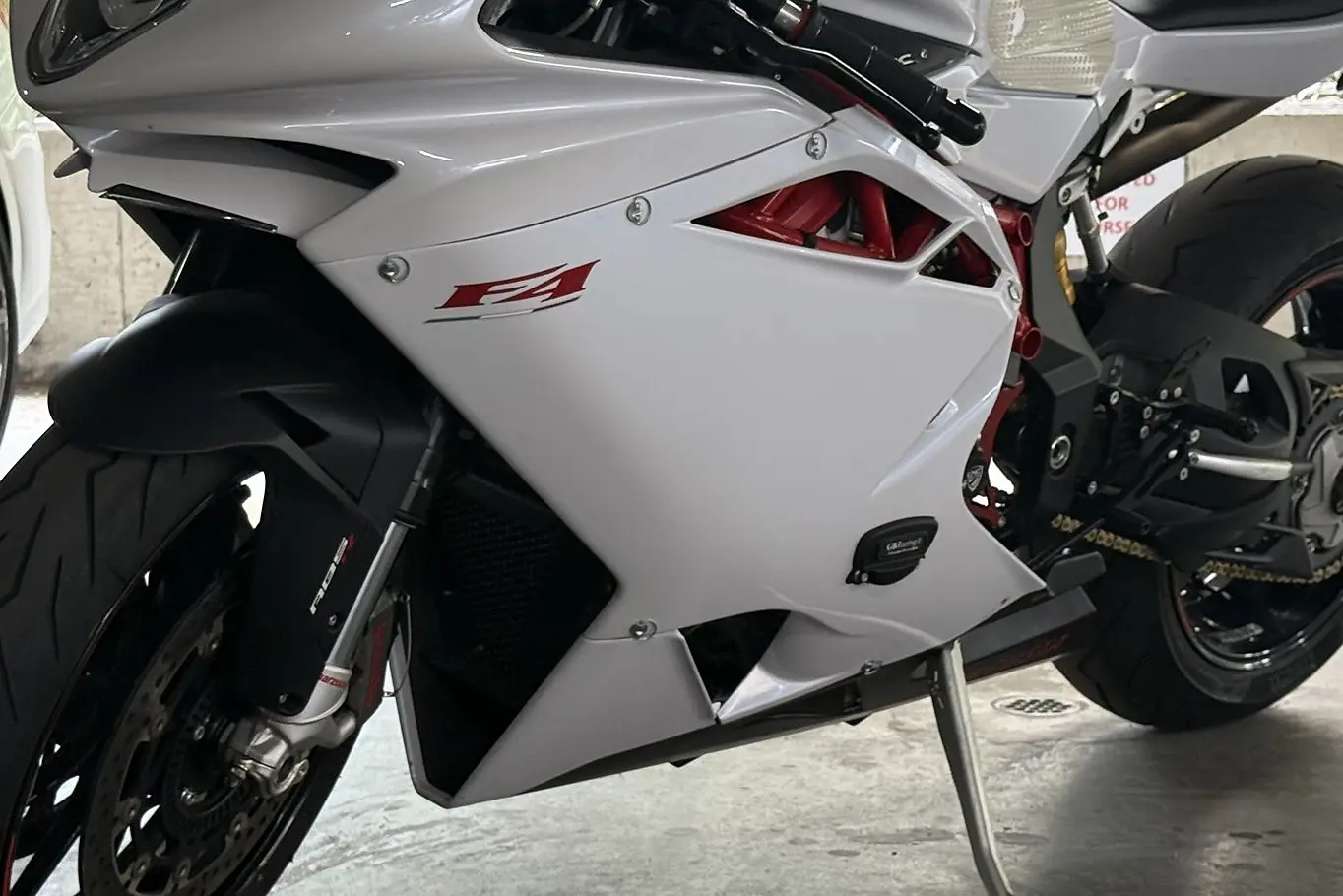
The pearl white finish and red trellis frame stand out against the grey-green of the swamps and the pale sky. On a long, flat run the F4 rewards a rider who manages the throttle smoothly and keeps the bike settled through the gentle bends and bridges.
Keep the bike composed in crosswinds, which can push a machine sideways on open flats. Relax your grip, look well ahead and avoid sudden corrections, particularly when a gust comes across the road from the side.
Fuel planning for a far-west run
Fuel is the single most important part of planning this trip. Work out your bike's realistic range, add a generous margin and fill up whenever you pass a station that is open. Never plan a leg that depends on a fuel stop you have not confirmed, especially on weekends and public holidays.
Carry a little extra water and a light snack in case you are delayed. Stations and towns can be a long way apart, and a breakdown or detour can stretch the time between services considerably. A small reserve of supplies makes these situations far less stressful.
Tell someone your route and expected arrival time before you leave. Mobile coverage can be patchy on the far-west roads, so a person who knows your plan can raise the alarm if you are overdue.
Seasons, heat and the flats
Autumn and spring are the most comfortable seasons for the far west. Temperatures are moderate, the light is clear and the landscape is at its best. Spring can bring green growth and bird activity to the wetlands, while autumn offers calm mornings and warm afternoons.
Summer is hot and dry, and temperatures can climb very high on the open flats. Start from 6am, carry more water than you think you need and plan your stops in shaded places. Winter nights can be cold, with frost on the low ground, so dress in layers and wait for the sun to warm the road.
Wind is a feature of the plains in every season. Gusts can arrive without warning and push a bike across the lane, so keep your grip relaxed and your line steady.

Want the MV Agusta F4 for your date? Pick your dates and book the MV Agusta F4 online, or call us and we will sort it with you.
Book NowCall 0468 011 118Traffic, road conditions and remote stretches
Traffic on the western roads is usually light, but heavy transport and farm vehicles are common. Give large vehicles plenty of room, expect them to turn or overtake with little warning and avoid lingering in their blind spots.
Check road conditions with Transport for NSW before you leave, particularly after rain, when low crossings can flood and roads may close for days. Remote stretches can have limited mobile coverage, so check your plan before you set out.
Wildlife is common on the far-west roads, especially kangaroos, emus and livestock near the verges at dawn and dusk. Slow down when you see animals and be ready to brake gently in a straight line.
Fuel, food and resting in the town
Hillston has services and places to eat, making it a practical place to stop for the night or for a meal. Check opening hours before you plan a specific stop, since small places may keep limited hours on certain days.
A proper meal after a long day gives your body time to recover from the vibration and the concentration of the road. Eat well, drink plenty of water and avoid alcohol, since the morning ride will need a clear head.
Rest every hour or so on the open roads. A short stop beside the road, away from traffic, lets you stretch, check the bike and look at the horizon. Fatigue builds steadily on long straight roads, so take breaks before you feel tired.
Night stops and the long view of the stars
On the far-west plains the night sky is one of the great rewards of the trip. With few town lights, the stars are sharp and plentiful, and a clear evening can be spectacular. Plan your overnight stop so that you arrive in daylight and have time to settle the bike before dark.
Night riding on these roads is best avoided. Wildlife becomes very active after sunset, and the long straight roads can hide animals until they are close. If the schedule demands an evening arrival, slow your pace and watch the verges with extra care.
Park the bike securely at night, away from traffic, and check the tyres, fuel and gear before you sleep. A short check at the end of the day means you start the next morning with a clear plan and a ready machine.
Hire rules and planning the far-west trip
Before you book, here are the points that apply to this trip. The F4 is collected from our Parramatta base, and the hire is for a minimum of three days, which suits a trip of this length. The rider must hold a full motorcycle licence, held for at least 3 years, and be 25 or over. The F4 is a single-seater, and a security bond is held for every hire, set by the class of bike.
Gear is essential on a long and remote ride. A helmet, gloves, boots and abrasion-resistant clothing protect you from the sun, the wind and the road. Helmets (Shark, AGV or Bell) can be hired from us in small, medium or large for $50 per hire, or you can bring your own. We do not supply jackets, gloves, pants or boots, so bring your own riding gear. Ride within your ability and stop when you feel unwell or tired.
A far-west trip is a matter of preparation. Plan the fuel, carry water and tell someone where you are heading, and the open roads will reward you with an experience few other trips can match.
Plan the trip and book the F4
If Hillston and the Lachlan swamps appeal to you, the MV Agusta F4 is a capable and characterful bike for the journey. Plan your overnight stop, your fuel and your rest breaks before you leave, and allow time for the unexpected.
Ready to ride? Head to the F4 page to book, and our team will walk you through the handover before you head off. Bring your licence, map your route and tell us about any questions you have before you go.
Frequently asked questions
How long does the trip to Hillston take?
The journey is long, and most riders split it over two days with an overnight stop in a regional centre. Once on the flats, straight roads can make progress feel slow, so plan steady riding and regular breaks. Leave early each day to avoid the heat and keep the light on your side.
Is the Lachlan swamp country safe to ride through?
The road is generally safe in good conditions, but low crossings can flood after rain, and water depth is hard to judge from a bike. Check conditions with Transport for NSW before you leave and never ride through water you cannot see clearly. Turn back if a crossing looks uncertain.
How should I plan fuel for the far west?
Work out your bike's realistic range, add a generous margin and top up whenever a station is open. Confirm opening hours, especially on weekends, and never rely on a single station for a long leg. Carry some extra water and a light snack in case of delays.
Is there mobile coverage on the road?
Coverage can be patchy on remote far-west roads, so do not depend on your phone for navigation or assistance. Tell someone your route and expected arrival time before you leave, and check in when you reach a town where signal is available.
Can I ride the F4 on the flats in windy conditions?
The F4 can handle the flats, but crosswinds can push a bike across the lane. Keep a relaxed grip, look ahead and avoid sudden corrections. If the wind becomes too strong, stop somewhere sheltered and wait for conditions to ease before continuing.
What is the best season for this trip?
Autumn and spring are generally the most comfortable, with mild temperatures and clear light. Summer heat can be intense on the open flats, and winter nights can bring frost. Whatever season you choose, start early, carry water and plan your stops around the weather.
Ready when you are. Pick your dates and book the MV Agusta F4 online, or call us and we will sort it with you.
Book NowCall 0468 011 118