

Book the MV Agusta F4. Pick your dates and book the MV Agusta F4 online, or call us and we will sort it with you.
Book NowCall 0468 011 118Autumn is when the New England tablelands and the Granite Belt show their best colours. The air sharpens in the mornings, the light turns golden across the paddocks and the granite boulders around Tenterfield seem to glow. It is a long way from Sydney, which makes this a proper motorcycle journey rather than a day trip. This guide sets out how to shape the route, what the road character is like and the practical notes that make a long autumn run both safe and enjoyable.
New to riding with us? Our page on motorbike hire in Sydney covers the bikes, the rider rules and how pick-up works.
Why Autumn Suits the Granite Country
Autumn is the season that suits the Granite Belt and the New England tablelands best. Summer heat has eased, the vineyards and orchards near Stanthorpe show their harvest colours, and the deciduous trees around Tenterfield turn gold and red as the days shorten. For a rider, the big advantage is temperature. The middle of the day is comfortable for long stretches, and the roads are rarely as busy as they become in the summer holidays.
The region sits high, and that changes everything about the weather. Mornings can be sharp and cold, with frost on paddocks in the hollows and fog lying in the valleys until the sun gets properly up. Afternoons often feel mild and clear. A rider who packs for both ends of the day will enjoy the country far more than one who relies on a warm afternoon to make up for a chilly start.
Autumn also suits a rider who wants a slower, more considered pace. The roads reward gentle corners and wide views rather than brisk lap times, and the small towns invite you to stop, walk around and chat with the locals. A few days in the country with the bike and a map gives the feel of a real journey rather than a dash, which is exactly what this region is made for.
Getting There: A Long Run Worth Planning
Tenterfield is far enough from Sydney that the journey itself needs planning. From Parramatta it is a long run of most of a day, with motorway, highway and a good deal of country road between the two. We recommend splitting the trip rather than riding it all in one go. A comfortable first day gets you well into the tablelands, and the second day brings the best of the granite country and the afternoon light.
Build the route around sealed roads and towns you know you can reach, and set a daily distance that leaves room for breaks. Heavy traffic on the main highways can make a long day feel longer, particularly behind trucks on the climbs. Pick a finishing town before you set off each morning, so you are not searching for a stop when you are already tired. A flexible plan with a clear overnight base is the most relaxed way to cover these distances.
Check the weather for the whole route before you leave, not just the starting point. The tablelands can be several degrees cooler than the coast, and cloud or rain can arrive quickly on the higher country. Before you leave, check road conditions with Transport for NSW, since closures and roadworks can change the route at short notice. Be willing to shorten a day if the weather or your energy levels call for it.

Road Character on the Tablelands
The roads of the New England tablelands are a mix of wide, sweeping highway, tighter country bends and the occasional steep grade where the land rises toward the high country. The New England Highway carries most of the through traffic and offers a steady rhythm, with long sight lines and plenty of room to pass. Expect trucks, caravans and farm vehicles, and give them space on the climbs, where their speed drops away.
Smaller country roads are where the riding gets more interesting. They tend to have shorter straights, tighter bends and changes in camber as they climb over ridgelines and drop into creek valleys. Sealed roads are generally well maintained, but loose material can gather at the edges after rain, and shaded bends can hold damp well into the morning. Read the surface through each corner rather than trusting the first metre you see.
Our MV Agusta F4 is a strong fit for this country, but it rewards a rider who is patient on the approach to corners. Plan your line early, brake in a straight line before the bend, and let the bike exit smoothly rather than rushing the throttle. The best mornings on these roads are the quiet ones, when you can settle into a rhythm and the country opens up around you.
Granite Country and the Park Roads
The granite country around Tenterfield is one of the most striking landscapes on this route. Huge boulders sit on the hillsides in piles and stacks, and the shapes change with every bend. Bald Rock National Park, a short drive from Tenterfield, is known for its enormous granite dome, and the climb up the rock gives a view that makes the ride worthwhile. Check the park's current guidance before you go, because access arrangements can change.
Many park roads and tracks are unsealed, and those are not suitable for our road bikes. Stick to sealed roads, and if a park road looks like it is turning to loose surface, turn back and enjoy the sealed approach instead. A visit on foot is often the more rewarding choice on a long trip than a rough road that leaves the bike dirty and the rider tense.
Across the border, Girraween National Park near Stanthorpe is another big granite landscape, known for its boulder piles and for wildflowers in the right season. Autumn light on the rocks is lovely in the late afternoon. Take your time between sites, keep your speed sensible on the roads that link them, and plan your return to town before the light starts to fall.

Cool Mornings, Frost and Fog
Autumn mornings on the tablelands are cold enough to make a real difference to riding. Frost can settle on paddocks and shaded road edges, and fog can lie in the valleys until the sun reaches the bottom of the hills. Wait until the ground has warmed and the shade has cleared before you push into the bends. A cold start is not a problem if you give the bike and yourself time to warm up properly.
Fog reduces visibility and makes the road surface harder to read. Keep your headlight on, ride within the distance you can see clearly, and expect cattle, horses and wildlife on or near the road. Kangaroos and wallabies feed at the edges of the road when the light is low, so give the verges your full attention, especially on open stretches where long grass runs right up to the bitumen.
Layering is the answer to the temperature swing. Start with a warm base layer, add a windproof mid layer and carry a light top you can put on at the stops. Frost and fog can make the first hour the hardest part of the day, and warm hands are the best defence against a clumsy start. Once the sun is up and the fog has lifted, you can shed a layer and enjoy the fresh, clear air of the tablelands.
Want the MV Agusta F4 for your date? Pick your dates and book the MV Agusta F4 online, or call us and we will sort it with you.
Book NowCall 0468 011 118Fuel, Food and Where to Stop
Fuel planning is essential on this route. Towns are spaced well apart, and some stations close early or keep limited hours. Top up at every reasonable opportunity, and check your range on each leg rather than trusting the gauge alone. A full tank at the start of a long day is a simple habit that removes a lot of stress, especially when the next town is a considerable distance away.
Food stops are one of the pleasures of this country. Tenterfield has cafes and bakeries along its main street that suit a warm lunch, and the towns on the Granite Belt have plenty of places to sit down with a coffee and watch the afternoon light change. Plan for a proper meal in the middle of the day, because the long afternoon stretches are easier to ride after you have eaten and rested.
Choose your stops with the weather in mind. A sheltered courtyard is pleasant on a cool day, and a shaded picnic spot works well when the afternoon warms up. Pull fully off the bitumen to stop, and make sure you can get back onto the road safely before you move off. A relaxed break every hour or so keeps you sharp and makes the long afternoons far more enjoyable.

Fatigue, Pacing and Riding Within Your Ability
Long autumn days are tiring in ways that do not always show at the start. The combination of cool air, concentration on corners and long straights builds fatigue slowly, and by late afternoon many riders are less sharp than they realise. Plan a break every hour, stretch your legs and shoulders, and drink water even when it feels cool. If you notice yourself drifting across the lane or missing corners, stop and rest properly.
Riding within your ability matters on a long route. Set a pace you can hold comfortably for hours, rather than matching a faster friend through the bends. Give yourself more space on the descents, watch the surface closely in shade and keep your speed predictable. Sound judgement is worth more than any single fast stretch, and the country rewards patience far more than urgency.
No alcohol before or during a ride, and that includes the warm drink at the end of a long day. Alcohol slows reaction times and blurs judgement at exactly the moment you need both. Keep the celebrations for the evening, once the bike is parked and you have had a proper rest. A sober, rested rider is the one who enjoys the country the next morning.
Hire Basics for a Multi-Day Run
A trip like this needs to fit our hire terms. Bikes are self-drive from our Parramatta base, and hire runs for a three day minimum, which suits a route best covered over several days. Between 9pm and 6am each night, the bike has to sit behind a lockup door or in a safe spot off the street. A security bond is held on every bike, set by the class of bike you hire, so check the figure with us before you book.
Plan your overnight stops with the bike in mind. Look for accommodation with a locked garage or secure parking, and ask about it when you book, because not every stay offers the same arrangements. A town with a suitable place to keep the bike makes the evening simpler and gives you a calm start the next morning.
Start each morning with a short check of the tyres, lights, fuel and your gear before you move off. A few minutes of checking before a long day is time well spent, and it means the first kilometres are about the country rather than a problem you have to solve at the kerb.
Riding the MV Agusta F4 Into the Hills
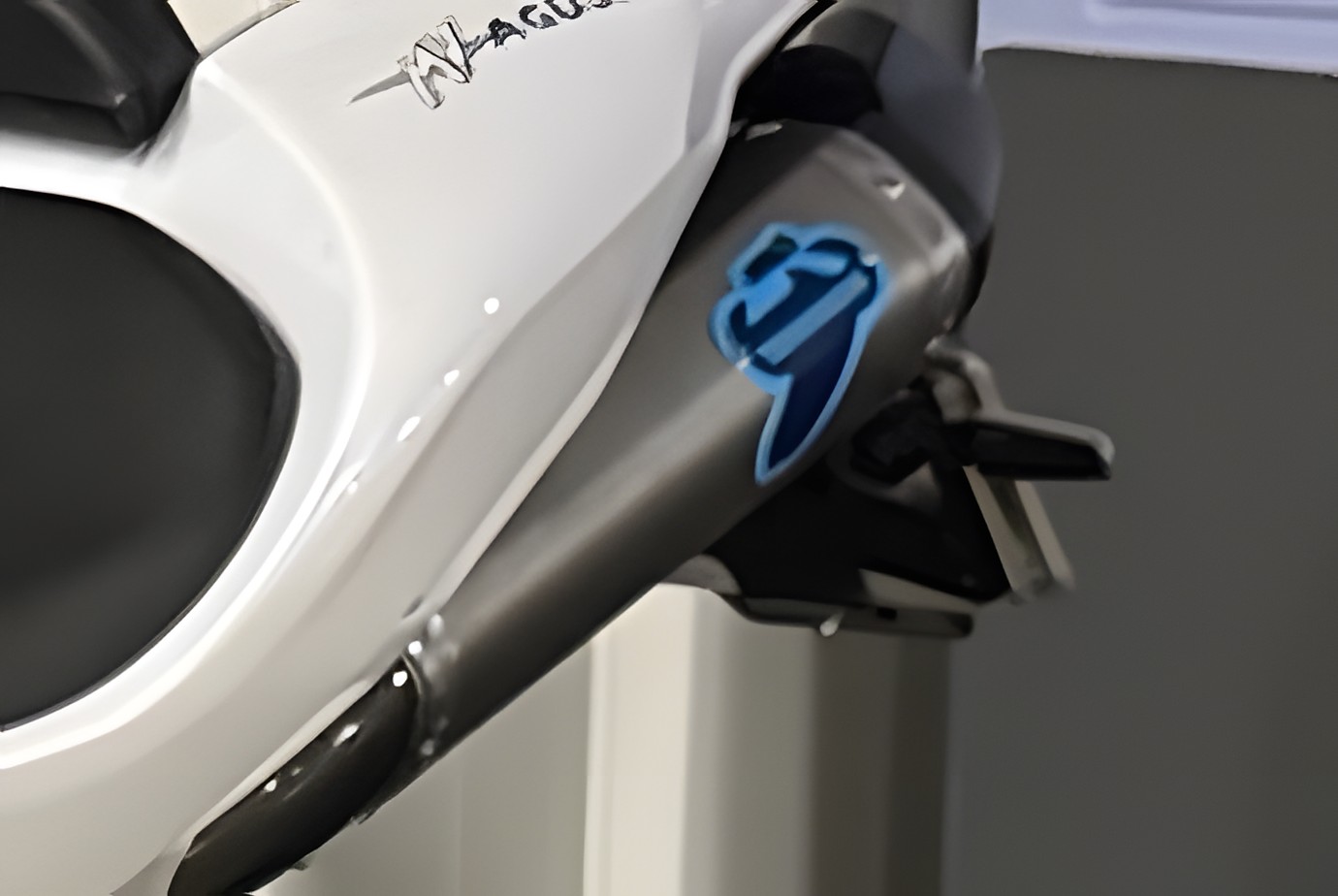
The MV Agusta F4 is a striking machine for a long autumn run. Its 998cc inline four and pearl white finish with a red trellis frame make it an attention-grabbing bike at every café stop, and the performance exhaust gives it a sound that suits the country. It is built for a rider who enjoys a strong, focused ride and wants a bike that feels special on a long day.
Set the day up as a journey rather than a challenge. Aim for a steady pace, a good breakfast, a fuel stop before the hills and a sheltered spot for lunch. Watch the weather, keep your gear within reach, and let the granite country and the tablelands unfold at a pace that feels right for you. The best memories of this route often come from the stops as much as the corners.
When you are ready, book the MV Agusta F4 for your autumn trip and we will walk you through pick-up and the details of the route. You can also look at our full range on the fleet page before you decide which bike suits the journey.
Frequently asked questions
How far is Tenterfield from Sydney on a motorbike?
It is a long way, usually a full day of riding even at a steady pace. Most riders split the journey with an overnight stop in the tablelands, which turns the trip into a relaxed route across a couple of days. Plan the first day to finish somewhere comfortable, and keep the second day for the best of the granite country. Allow time for fuel, meals and the weather.
When is the best time of year to ride the Granite Belt?
Autumn is one of the best seasons, with milder afternoons, colourful deciduous trees around Tenterfield and clear, bright light over the granite. Early mornings can be cold and foggy in the valleys, so plan a later start and layer your clothing. Spring is also pleasant, although the weather in the highlands can be less predictable.
Are the granite parks good for a day trip by motorbike?
Yes, provided you stick to sealed roads and allow time for a walk. Many park roads and tracks are unsealed, which makes them unsuitable for a road bike, so keep to the sealed approaches and turn back if the surface changes. The granite landscapes look best in late afternoon light, so plan your return to town before dusk.
How often should I stop for fuel on the tablelands?
Stop whenever you pass a reasonable station, and never let the tank drop low out of habit. Towns are spaced apart and some stations close early, so check your range on each leg and note the next fuel stop in your plan. A full tank at the start of each day gives you room to change your route if the weather turns or a road is closed.
What should I wear for cool autumn mornings in the high country?
Layers work best. Start with a warm base layer, add a windproof mid layer and carry a light top for the stops. Insulated gloves help with control in cold air, and a neck tube keeps the wind off on open stretches. Keep a lightweight wet-weather layer in your bag, because a shower can arrive quickly on the higher ground.
Is it safe to ride long distances in cooler weather?
Yes, when you plan for it. Cold air and concentration both tire you, so take a break every hour or so, stretch your hands and shoulders and drink water. Keep your pace comfortable rather than rushing to beat the clock. If you notice you are drifting or missing corners, stop, rest properly and only ride on once you feel sharp again.
Ready when you are. Pick your dates and book the MV Agusta F4 online, or call us and we will sort it with you.
Book NowCall 0468 011 118