
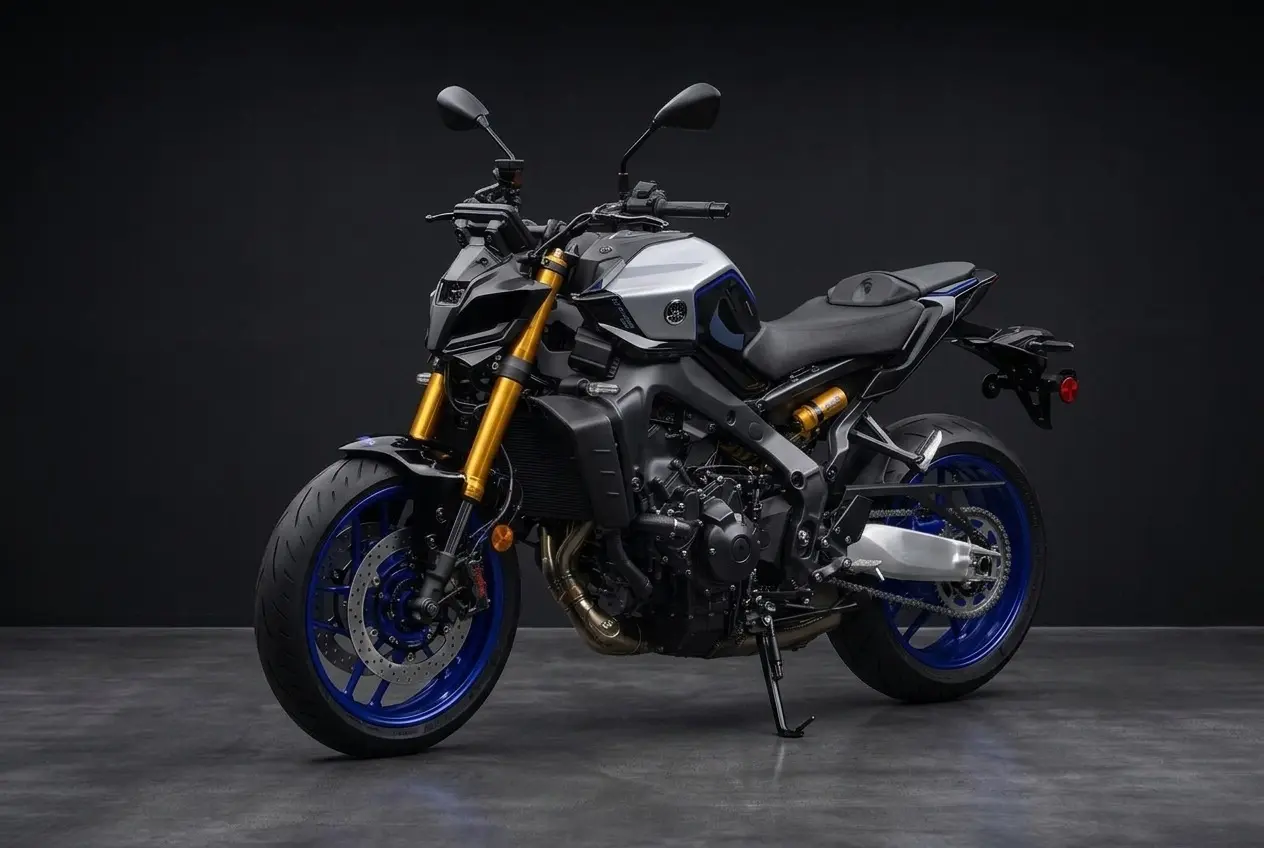
Book the Yamaha MT-09 SP. Pick your dates and book the Yamaha MT-09 SP online, or call us and we will sort it with you.
Book NowCall 0468 011 118Two riders setting off together rarely share the same pace, and the difference shows up first at the fuel stop. One rider wants to keep moving, the other likes to stop at every lookout, and a shared route can quickly feel like a contest. With a little planning, the stops become the best part of the day rather than the source of an argument. This guide shows how to agree a pace, choose fuel and regroup points and keep the gap sensible, using the Yamaha MT-09 SP as the bike for a relaxed, shared run.
Still choosing a bike? Start with our guide to motorcycle hire in Sydney, which sets out the licence, age and pillion rules.
What happens when two riders ride at different speeds
Most friction on a shared ride comes from a mismatch in expectations rather than a mismatch in skill. One rider may be happy to hold a steady, comfortable speed for hours, while the other enjoys a brisker pace through the bends and wants to make progress. Neither approach is wrong, but when the two meet on a country road the gap between the bikes grows quickly, and the rider at the back can feel pressured to catch up.
The usual problem is the fuel stop. The faster rider arrives first, refuels, checks the phone and wonders where the other rider has gone. The slower rider arrives later, feels hurried and rushes to get going again. A simple plan prevents that cycle, because both riders know where the next stop is, how long it will take and what the other rider is likely to do.
Start the day by admitting that the paces will differ. Once you accept that, the question becomes how to manage the difference rather than how to remove it. The right plan keeps both riders comfortable, keeps the gap sensible and makes the fuel stops a relaxed part of the route rather than a point of tension.
Hire terms that apply to each rider
Every rider on a shared trip needs their own licence and their own booking. Riders must hold a full motorcycle licence held for at least three years, and must be 25 or over on every bike they ride. Our hires run for at least three days, which gives two riders plenty of time to find a rhythm that works for both of them. Each bike must be kept in a locked garage or secure off-street parking overnight, from 9pm to 6am, so check that both bikes can be parked securely before you set out.
Two bikes side by side also mean two sets of fuel, two sets of checks and two sets of riding habits to consider. Set out with both bikes checked the same way, and agree at the start who leads and who follows. That simple step removes a lot of confusion when the road splits or the route changes.
Agreeing a target pace before the first corner
Before you ride, agree a target pace that both riders feel comfortable with. Talk about the kind of road you are on, the distance for the day and the stops you want to make. A target that is set in advance is much easier to hold than one that is negotiated at every junction. Agree that the lead rider sets a steady, sensible rhythm, and that the rider behind can ease off or speed up without feeling judged.
Be honest about what each rider enjoys. Some riders like long, uninterrupted sections, while others prefer frequent breaks. Some want to tackle the twisty stretches hard, and others prefer a calm, smooth line. Matching the plan to these preferences makes the ride better for everyone, and it reduces the temptation to race the bends.
Remember that a comfortable pace is also a safe pace. Riding within your ability is what keeps you in control when the road gets tricky, and a rider who feels rushed is more likely to make a mistake. If the pace does not suit one of you, change it early rather than riding faster than you are comfortable with.
Choosing fuel stops that suit both riders
Fuel stops are the natural pause point for two riders, so choose them with both of you in mind. Pick a town with a station that has good access, space to park two bikes and a café or shop where you can sit down. Avoid stops on blind corners, narrow shoulders or busy junctions. A good fuel stop takes about ten minutes for both riders, which leaves time for a drink and a moment to check the bikes.
Plan the stops in advance, so you know which station you are heading for and how far it is from your current position. Each rider should refuel when the tank is below about half, rather than waiting for the warning light. That way, neither of you is caught short, and the pace of the day is set by the road rather than by the fuel gauge.
Agree on a simple signal for stopping. A raised hand or a quick flash of the headlight works for many riders, and a clear plan removes the need for constant checking. Once the stop is agreed, both riders can focus on the road and the next stretch rather than on wondering where the other rider has gone.
Regroup points and keeping the gap sensible
A regroup point is a place where both riders agree to meet if they become separated. Choose a safe, easy-to-find spot such as a wide shoulder, a café car park or a service station. Never wait on a blind corner, at a crest or in the middle of an intersection. The lead rider should slow down and pull into the regroup point, and the rider behind should wait there rather than riding ahead to find the other bike.
Keep a gap that suits the road. A large gap can make the rider at the back feel isolated, while a small gap can encourage racing and tailgating. On open roads, leave enough space to brake comfortably if the lead rider slows suddenly. On twisty roads, keep a gap that lets you see the bike ahead through the bends without feeling pressured.
Never chase to catch up. A rider who speeds up to close a gap is taking risks they would not normally take, and that is how crashes happen. If you lose sight of the other bike, stop at the next safe regroup point and wait. A short wait is always better than a fast ride on a road you do not know well.
Want the Yamaha MT-09 SP for your date? Pick your dates and book the Yamaha MT-09 SP online, or call us and we will sort it with you.
Book NowCall 0468 011 118Road character, season and the best time to stop
The best time of day to ride a shared route is usually late morning to mid-afternoon, when the roads have warmed, the traffic is steady and the views are clear. Early mornings can be cold and misty, and late afternoons can bring fatigue and low light. Weekends bring cyclists, tour traffic and cars parked at lookouts, so a weekday ride is much easier to manage when two riders are trying to stay together.
Autumn and spring offer the most comfortable conditions for a shared trip. The days are mild, the roads are usually dry and the stops are pleasant. Summer can be hot, so plan shorter legs and shaded breaks. Winter is cold in the mornings, and frost can linger on shaded sections, so start later and keep the pace relaxed until the surface has warmed.
Food stops are where a shared day comes together. Choose a café or bakery that has seating for two riders and a menu that suits both of you. A longer lunch at a town with more than one option gives you a choice, and it means you can each eat what you prefer without a rush. A good meal in the middle of the day keeps both riders alert for the afternoon.
When one rider is tired or the group splits
Fatigue affects riders differently, and it can be easy to miss in a companion. Watch for signs that your riding partner is tired, such as wandering in the lane, slow reactions at junctions or a long silence at the regroup point. If you notice these signs, suggest a break straight away. A rest of ten or fifteen minutes can restore concentration, and it costs very little time over the day.
If the group splits, follow the regroup plan and do not improvise on an unfamiliar road. Stop at the agreed point, keep your bike upright, stay visible and wait calmly. If a rider does not arrive within a reasonable time, call them rather than riding back along the route to search. Phone signal can drop in the hills, so agree in advance what to do if you lose contact.
Wildlife is a shared concern, particularly at dawn and dusk. Kangaroos, wombats and livestock can cross the road without warning, and two riders need to watch for each other as well as the road. The rider behind can warn the lead rider about wildlife at the edges, and both should slow down wherever the verges are thick with grass. Never ride after drinking alcohol, and make sure both riders are fully alert before the next leg.
Before committing to the route, see what Transport for NSW says about closures and works.
Book the Yamaha for a shared run
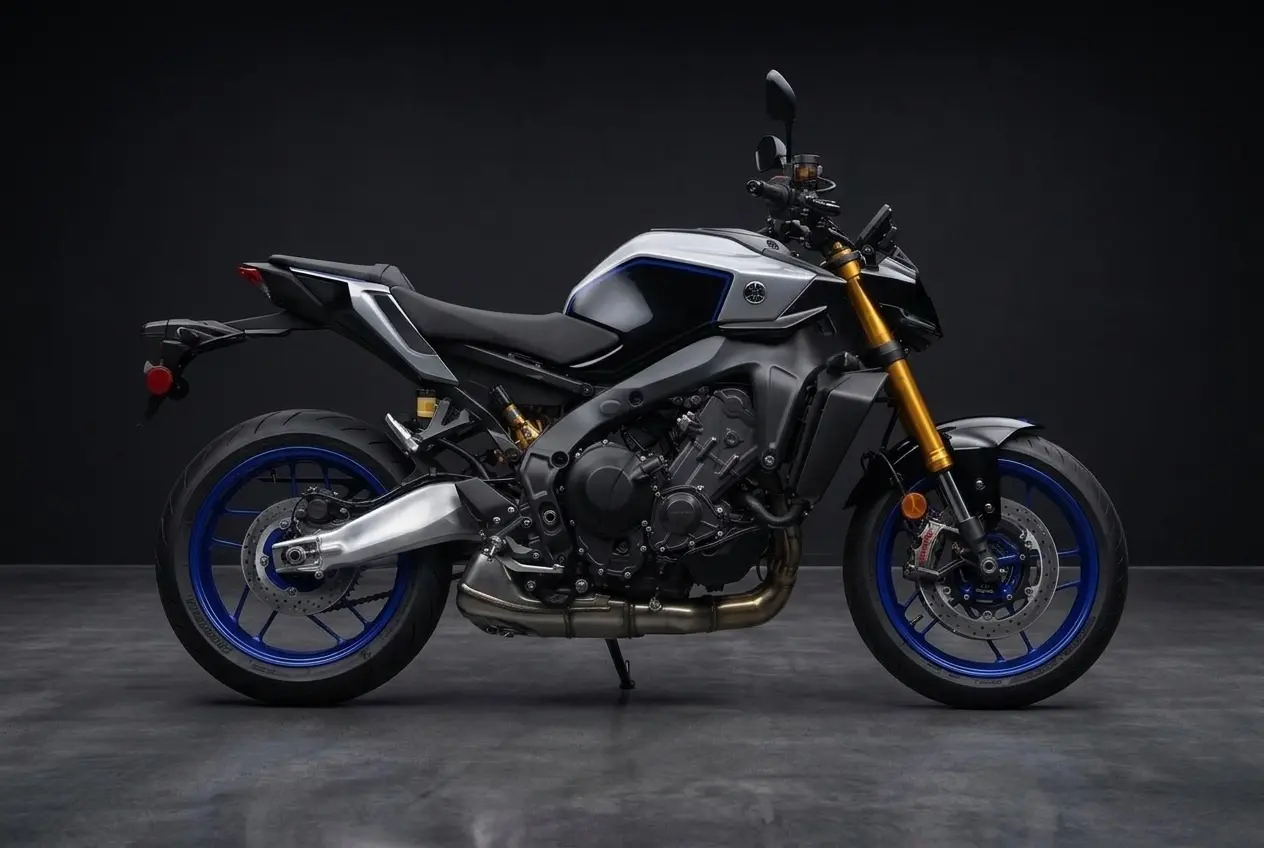
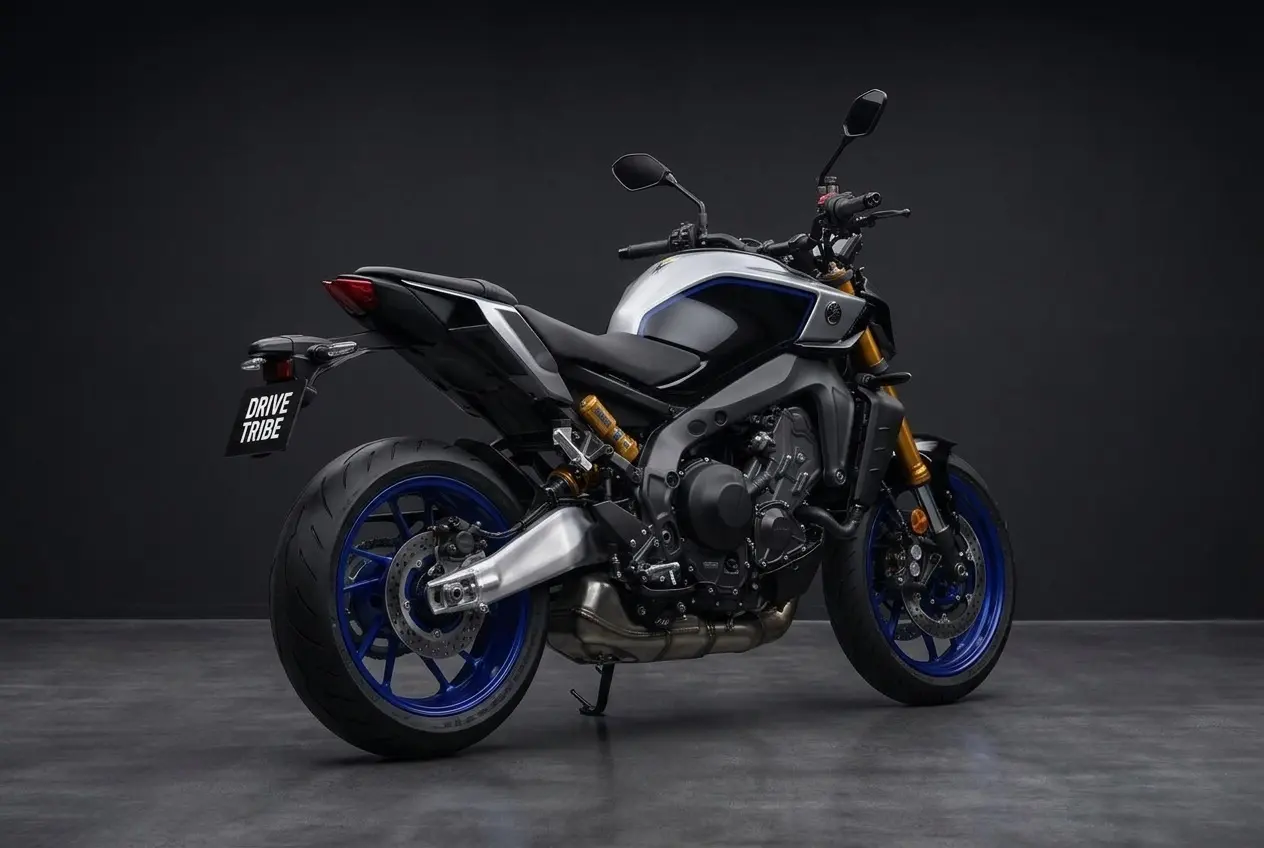
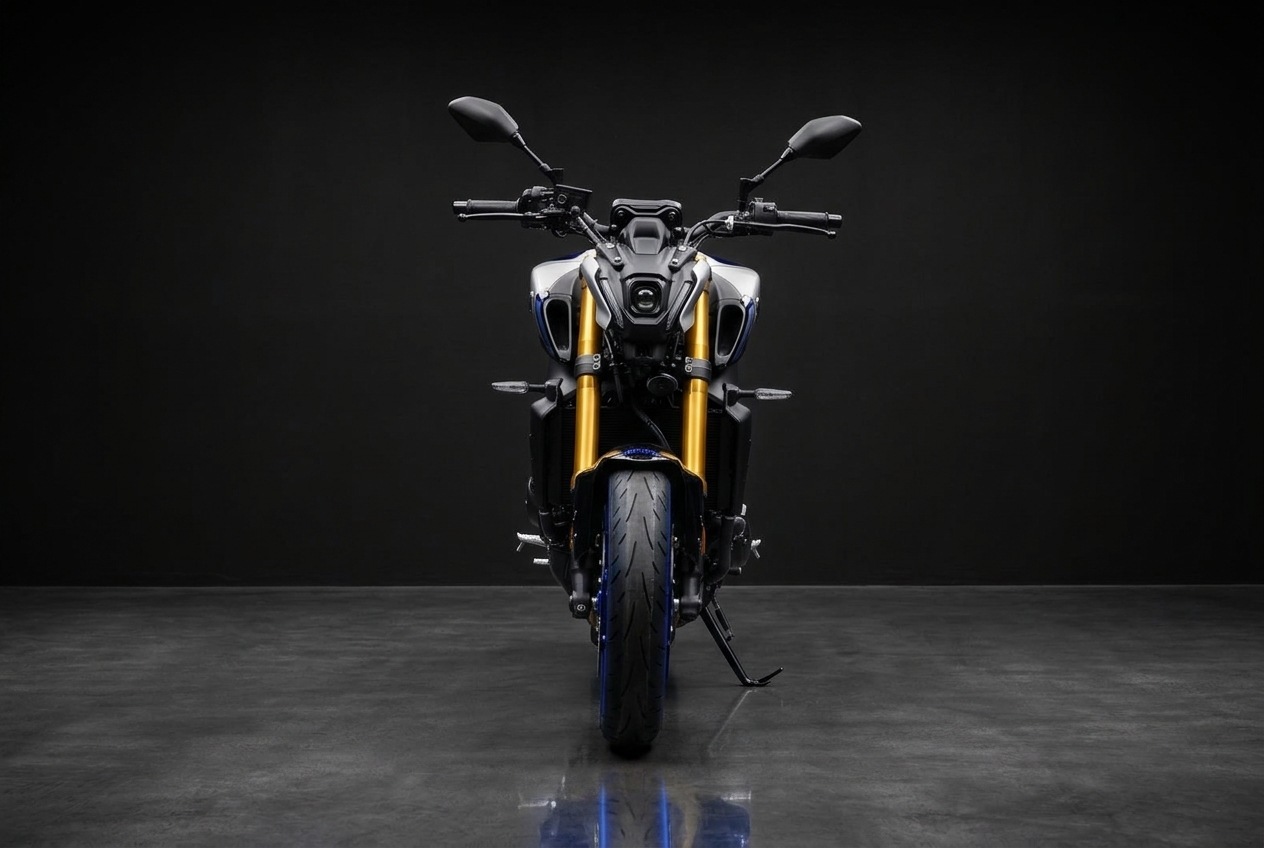
A shared run works best on a bike that suits both riders, and the Yamaha MT-09 SP is a strong choice. It is an inline three performance naked bike with premium adjustable suspension, gold front forks and strong brakes. It feels composed through the bends and gives you confidence to hold a steady pace, which makes it a good match for riders who want to ride together without feeling rushed.
The Yamaha's character suits the mix of highway, country roads and winding sections that make up most shared routes. It rewards smooth, deliberate riding, and that style pairs well with the regroup and fuel plan in this guide. When both riders ride to their own pace within an agreed plan, the day feels relaxed and enjoyable from start to finish.
When you are ready, book the Yamaha MT-09 SP and we will help you plan the route, the fuel stops and the regroup points. Agree the plan with your riding partner before you leave, and enjoy the road together.

Frequently asked questions
How do two riders keep track of each other on a long road?
Agree a regroup point before you start, and keep the gap at a level that lets you see the bike ahead through the bends. If you lose sight of each other, stop at the next safe spot and wait rather than riding fast to catch up. Phone contact is useful as a backup, but do not rely on it while riding. A clear plan and a calm approach keep a shared ride simple.
Should the faster rider lead or follow?
The rider who is most comfortable leading the pace usually takes the front, but the rider at the front should set a steady rhythm rather than a fast one. The rider behind can take the lead on familiar sections if both riders agree. The most important thing is to agree the arrangement before the ride starts, so neither rider feels pressured to change pace at a junction.
How often should two riders stop for fuel?
Refuel when the tank is below about half, rather than waiting for the warning light. A stop every couple of hours is a sensible pattern for many shared rides, but adjust it to the terrain and the weather. Each stop should include a quick check of both bikes, a drink of water and a moment to agree the next leg. Regular, unhurried stops keep the day relaxed for both riders.
What should I do if my partner falls behind on a hill road?
Stop at the regroup point you agreed, and wait there in a safe spot. Do not ride back along the route to find them, because that can put you in a position of risk on the bends. Keep your bike upright and visible, and let your partner know where you are. If they do not arrive within a reasonable time, call them and follow the plan you agreed before the ride.
Can two riders ride at very different speeds safely?
They can, provided the plan allows for the difference. Agree a comfortable pace, keep a sensible gap and set regroup points at regular intervals. The faster rider should not push ahead of the agreed rhythm, and the slower rider should not feel pressured to match a pace they are not comfortable with. Riding within your ability is the foundation of a safe shared trip.
Is it better to ride together or separately?
It depends on the rider and the route. Riding together can be enjoyable and sociable, but it works best with a shared plan and a clear pace. Riding separately can suit riders who want to explore at their own speed, provided you agree on a meeting point and a time to reconnect. Either approach can be safe and rewarding when the plan is clear.
Ready when you are. Pick your dates and book the Yamaha MT-09 SP online, or call us and we will sort it with you.
Book NowCall 0468 011 118