
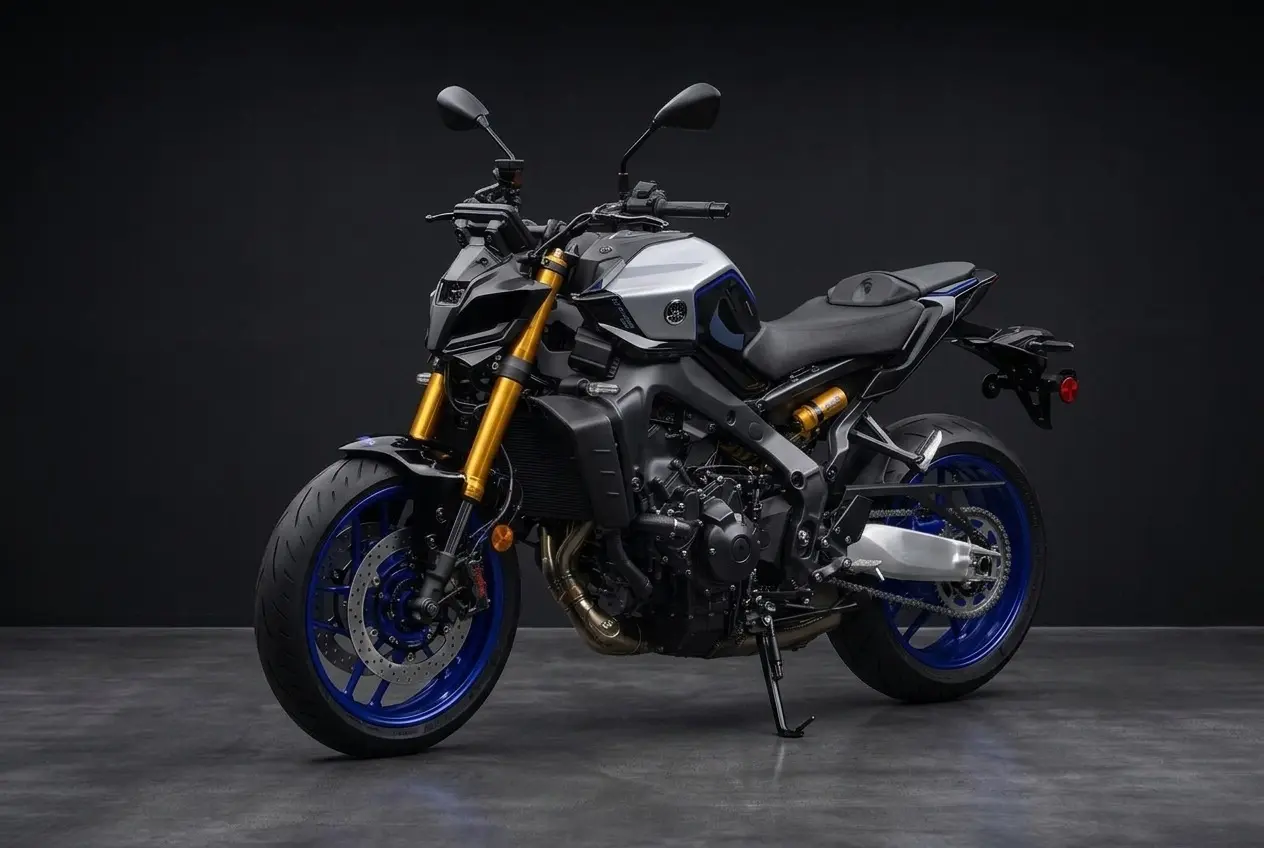
Book the Yamaha MT-09 SP. Pick your dates and book the Yamaha MT-09 SP online, or call us and we will sort it with you.
Book NowCall 0468 011 118Sydney junctions can feel like a test for a rider who has just arrived from a quieter city. Traffic lights change without warning, roundabouts arrive at speed, and drivers in heavy traffic may not notice a motorcycle until it is almost alongside them. A simple routine, repeated at every junction, takes much of the guesswork out of these moments and lets you focus on the vehicles that matter. This guide sets out that routine and what to expect from other drivers.
New to riding with us? Our page on motorbike hire in Sydney covers the bikes, the rider rules and how pick-up works.
Arriving on two wheels in a new city
Many riders who come to Sydney for the first time are surprised by how busy the junctions are, even on roads that look quiet on a map. The city grid is dense, the arterial roads carry a huge volume of traffic, and intersections often sit close together, so a rider can face several decisions in a single block. Expect that rhythm, and plan to take each junction one at a time rather than trying to read the whole road at once.
Your first few days in a new city are best spent getting used to the pattern of the traffic. Notice when the lanes fill, where buses pull out, how drivers use their indicators and which intersections seem to produce the most sudden stops. This quiet observation pays off, because a rider who has already seen how the traffic behaves is far less likely to be caught off guard.
We recommend starting with routes you know, before you tackle the largest intersections. Ride the same few kilometres a couple of times, pay attention to the junctions along the way and build a mental list of the ones that need the most care. Familiar ground makes a new city feel smaller, and it lets your attention settle on the decisions in front of you.
A routine to run at every junction
The most reliable habit is a short routine that you run through before every junction, whether it has lights, signs or no markings at all. Repeating the same steps means you do not have to think hard about what to do next, and it leaves your attention free for the vehicles around you. Keep the routine short enough to run in a second or two, and make it automatic before you ride a busy route.
Run the routine in the same order every time. Start by reading the signs and markings, then check the lights, then look at the traffic approaching from each side. Only then decide your speed, your position and your line through the junction. The order matters less than the consistency, because a rider who does the same thing each time catches problems early.
- Read the signs and road markings before you reach the stop line.
- Check the signal, or the give way and stop signs, and decide what they require.
- Look right, then left, then right again for traffic that may be entering.
- Check your mirrors for vehicles closing from behind, especially buses and trucks.
- Set your speed so you can stop comfortably if a driver makes an unexpected move.
- Choose a lane position that keeps you visible and leaves space around you.
Who has right of way at an unmarked intersection
In New South Wales, at an intersection with no signs, lights or markings, you must give way to vehicles approaching from your right. This rule catches out many visiting riders, because it is different from some other places and it is easy to forget when a road looks clear ahead. Slow as you approach, look to the right first and be ready to stop even if the road in front of you seems empty.
Give way signs and stop signs are simpler, but they still need a deliberate response. A give way sign means you must slow and yield to traffic on the other road, while a stop sign requires you to come to a complete halt before you proceed. On a motorcycle, a complete stop at a stop sign is the right habit, because it gives you time to check each direction properly.
Traffic lights are the most common junctions you will meet in the city. A green light does not remove the need to look, since drivers turning across your path may ignore the light or simply misjudge their gap. When the light changes to amber, decide early whether you can stop safely, and avoid accelerating through an amber signal you could have stopped for comfortably.
Roundabouts in practice
Roundabouts are common on the suburban roads around Parramatta and across the wider Sydney region. The general principle is that you give way to traffic already on the roundabout, and you should approach it at a pace that lets you stop if the circle is busy. Look well ahead to see the exits and the traffic patterns, and aim to enter with the bike upright and your line already chosen.
The lane you choose on a roundabout matters. Keep to the lane that matches your exit, signal your intention where the road markings and the layout make it clear, and avoid changing lanes while you are inside the circle. Watch for vehicles that may be cutting across your path to reach an exit on the far side, because a driver who sees a gap may move without checking for you.
Think about a roundabout before you reach the give way line, not once you are sitting on it. Ask yourself which exit you want, how many lanes the circle carries and whether a vehicle on the approach is likely to hesitate. A rider who makes these choices early has more room to act, and is far less likely to be caught out by a driver who stops, changes lanes or takes a longer exit than expected.
Wet or cold conditions make roundabouts more demanding. Painted lines and the surface near the centre can be slippery after rain, and braking on a curve puts extra load on the tyres. Reduce your speed on the approach, keep your inputs gentle and avoid heavy braking once you are on the curve, because the bike is most stable when it is carried smoothly through the turn.
Reading drivers, not just the signs
Signs and lights tell you what should happen, but other drivers tell you what is about to happen. Watch the wheels of a car at a junction, because the direction they point often shows the driver's intention before the indicator flashes. Notice drivers who look at their phones, who edge forward too early or who seem hurried, and give them more room than you would give a calm, attentive driver.
Motorcycles are small and easy to misjudge, particularly when the traffic is heavy and drivers are focused on other vehicles. A driver may look straight at you and still fail to register that you are there. Make yourself more visible by positioning the bike in the part of the lane where the driver can see you clearly, and do not assume that eye contact means you have been seen and understood.
Pay attention to the drivers who are waiting, not only those who are moving. A car stopped at the give way line, or a van pulled over at the kerb with its driver still inside, can decide to move without much warning. Treat stationary vehicles at a junction as possible movers, and keep a gap that gives you options if one of them begins to roll.
Trucks and buses need special care at junctions. Their size blocks sight lines, and their turns are wider than those of a car, so they may swing toward the centre of the road before completing the turn. Stay well back, avoid moving into the space beside a turning truck and wait for the vehicle to clear before you proceed.
Want the Yamaha MT-09 SP for your date? Pick your dates and book the Yamaha MT-09 SP online, or call us and we will sort it with you.
Book NowCall 0468 011 118Sydney junctions by time and character
The weekday peak is the hardest time to ride a Sydney junction. Morning and evening rush hours bring dense queues, short gaps and a steady stream of drivers who are focused on getting somewhere quickly. Mid morning and early afternoon are often calmer, and a rider who plans a route outside the peak will find far fewer difficult decisions to make at each intersection.
Autumn and spring are the most pleasant seasons for city riding. Winter mornings can bring damp roads, and oil or painted lines become slippery when the surface first gets wet after a dry spell. Summer afternoons are hot, and heat can make concentration fade, so take breaks and keep your head clear before tackling the busiest junctions.
For fuel and food, plan stops away from the busiest intersections. Service stations along the main roads are easy to reach but can be crowded and tricky to enter. Choose a quieter stop where you can pull off cleanly and check your route for the next leg, rather than trying to make decisions in a busy forecourt with traffic moving close by.
Safety at junctions: gear, fatigue and the road surface
Good gear reduces the impact of a mistake and helps you stay alert. A well-fitted helmet, a riding jacket with armour, gloves, boots that cover the ankle and motorcycle trousers are all worth wearing on every trip. Bright or reflective elements also help drivers see you at a junction, especially in low light or heavy rain.
Fatigue affects decision making more than most riders realise. Long days in heavy traffic leave you tired, and a tired rider is slower to spot a vehicle that is about to pull out. Take regular breaks, drink water and step off the bike before your concentration starts to slip. If you are feeling worn out, a quieter route is always the better choice.
Do not ride after drinking alcohol, and be wary of any surface that is damp, dusty or covered in debris. Junction surfaces often collect oil, rubber and water, and these can make braking unpredictable. Keep your inputs smooth, leave extra space when you brake and look for the cleanest part of the lane to stop in. If the road looks unsafe, slow down further rather than hoping it will be fine.
Wet days in the city bring their own hazards. Painted lines, tracks set into the road and drain covers can be treacherous after rain, and the first heavy shower after a dry spell lifts oil to the surface. Give those features a wide berth, brake well before you reach them and keep your inputs gentle through the junction.
Before you head off, check current road conditions with Transport for NSW so a closure or roadworks does not catch you out.
Hire terms and the Yamaha for city riding
Our bikes are self-drive, hired from our Parramatta base with a three day minimum, so you are responsible for the bike and its route from the moment you leave. You need a full motorcycle licence that you have held for at least 3 years, and every rider must be aged 25 or over on our bikes. Helmets (Shark, AGV or Bell) can be hired from us in small, medium or large for $50 per hire, or you can bring your own. We do not supply jackets, gloves, pants or boots, so bring your own riding gear.
Before you hire, decide which routes you will use for your first few days and plan your stops around quieter times. A clear plan takes much of the pressure off a new city, and it gives you time to learn the traffic at your own pace.
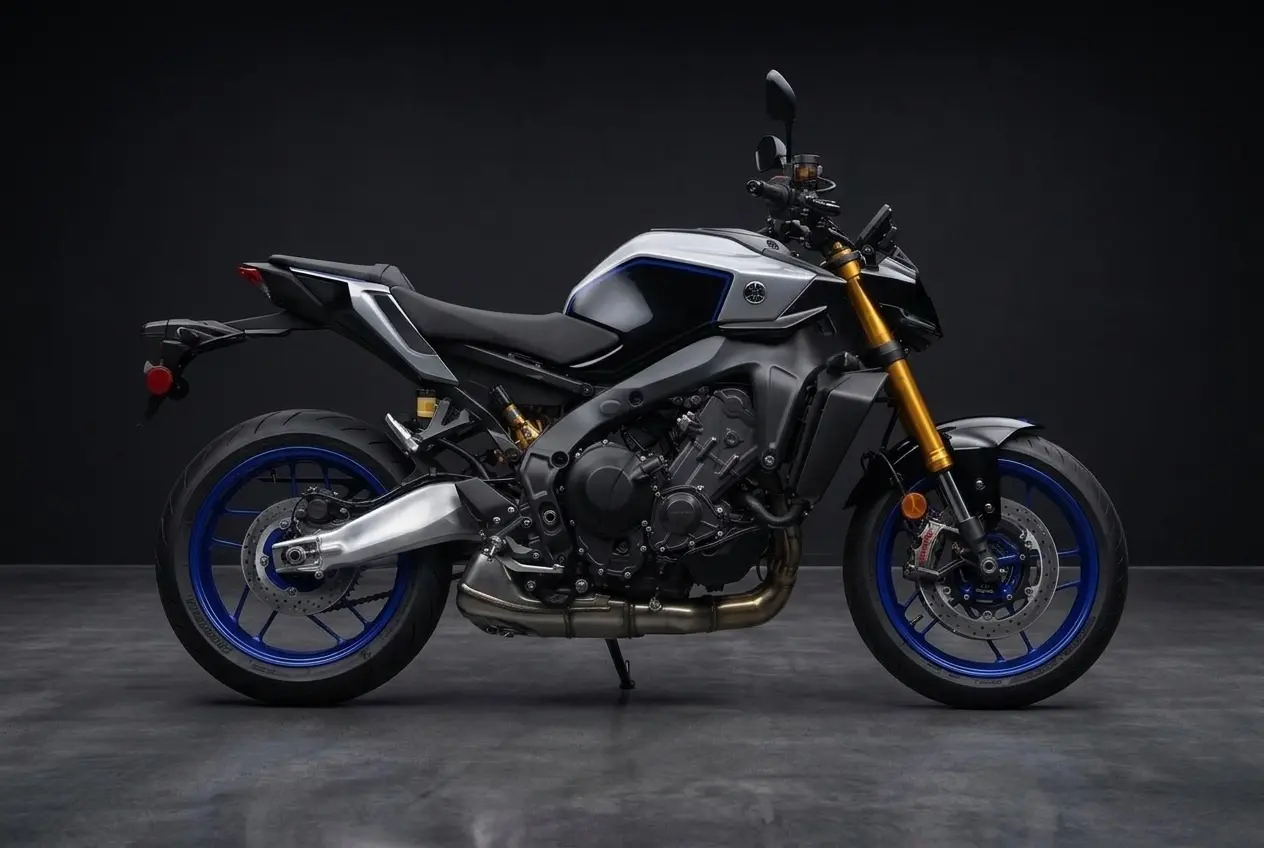
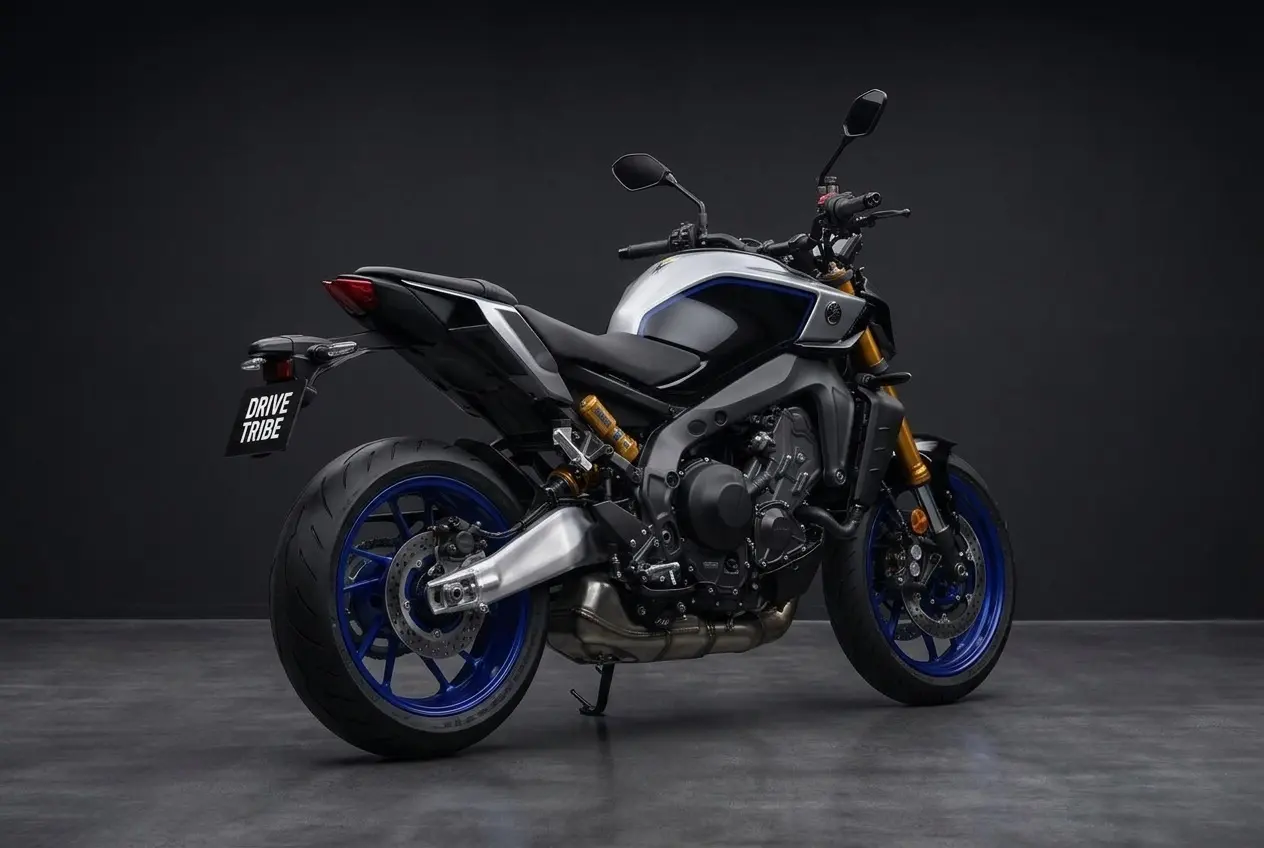
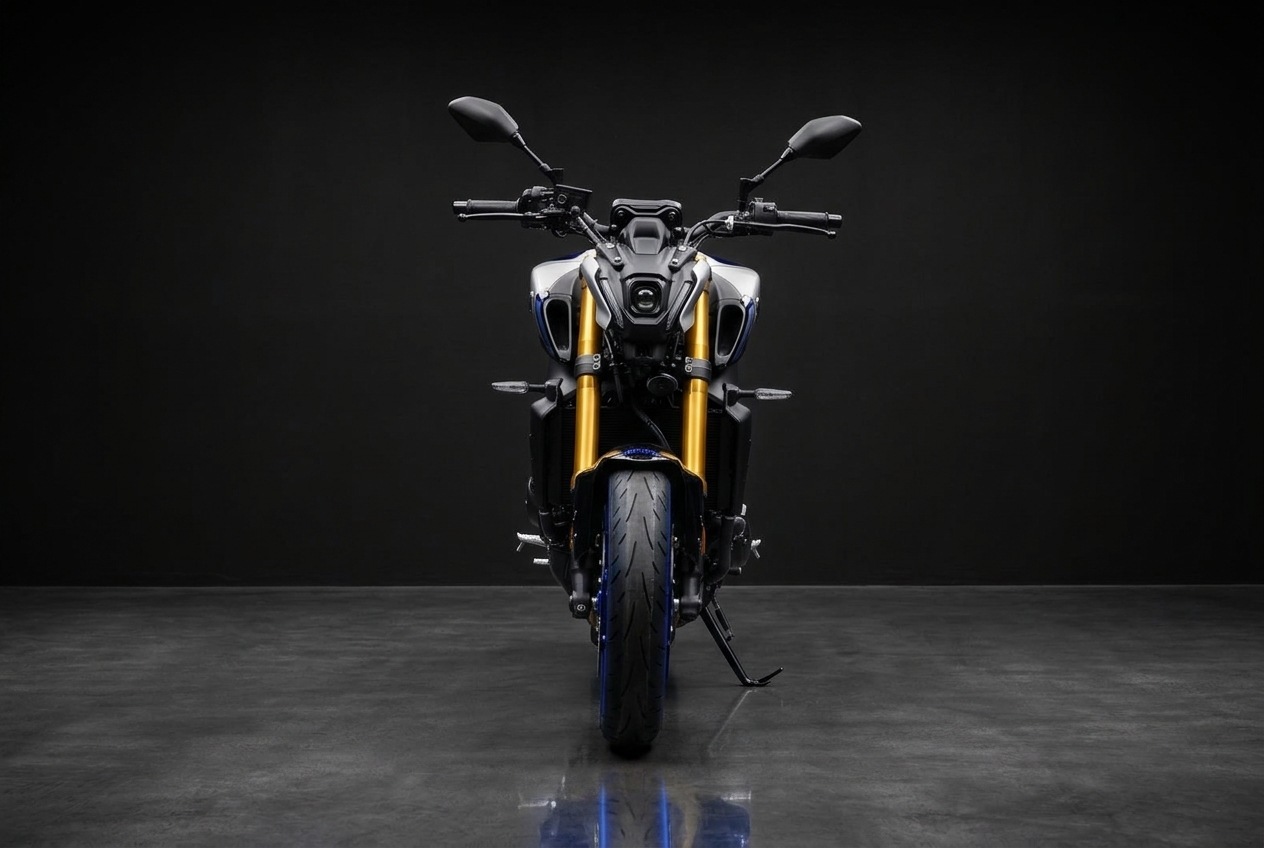
The Yamaha MT-09 SP is a good choice for city and suburban riding because it sits upright, has strong brakes and gives a broad spread of power that is easy to manage in traffic. Its premium adjustable suspension helps on the uneven surfaces found around junctions. Use the Book Now button on this page to reserve it, and take your first junctions slowly so the routine becomes second nature.

Frequently asked questions
Who has right of way at an unmarked intersection in NSW?
At an intersection with no signs, lights or markings, you give way to vehicles approaching from your right. This applies even when the road ahead looks clear. Slow as you approach, look to the right first and be ready to stop. Making this check part of your routine at every unmarked junction is one of the most useful habits a visiting rider can build.
Should I still look at traffic when the light is green?
Yes. A green light does not guarantee that the road is clear, because drivers turning across your path may ignore the signal or misjudge a gap. Keep scanning both sides as you move through the junction, and watch the wheels of cars waiting to turn. A quick check each time keeps your attention where it needs to be.
How should I approach a busy roundabout?
Approach at a pace that lets you stop if the circle is crowded, and look well ahead to the exits and the traffic already inside. Choose your lane before you enter and keep your inputs smooth. Avoid changing lanes while you are on the roundabout, and watch for drivers who may cut across your path to reach an exit on the far side.
Why are buses and trucks harder to ride around at junctions?
Large vehicles block sight lines and their turns are wider than those of cars, so they can swing toward the centre of the road before completing a turn. Stay well back, avoid moving into the space beside a turning truck and wait for the vehicle to clear the junction before you proceed. Give them the room they need, even if it costs you a few seconds.
What is the easiest time of day to learn Sydney junctions?
Mid morning and early afternoon are generally calmer than the weekday peaks. Traffic is less dense, gaps are longer and you can focus on the routine without a queue of vehicles pressing behind you. Once you feel comfortable, you can add busier times to your practice rides, but building confidence in quieter periods first is the sensible path.
Does the Yamaha suit riding in heavy traffic?
It suits city riding well. The bike sits upright, has strong brakes and offers a broad, usable spread of power that is easy to manage at low speeds. Premium adjustable suspension helps with the uneven surfaces around junctions. Set the suspension and mirrors before you leave the Parramatta base, and take your first few junctions slowly.
Ready when you are. Pick your dates and book the Yamaha MT-09 SP online, or call us and we will sort it with you.
Book NowCall 0468 011 118