

Book the MV Agusta F4. Pick your dates and book the MV Agusta F4 online, or call us and we will sort it with you.
Book NowCall 0468 011 118Few roads within reach of Sydney reward good timing quite like Mount White Road. Climb into the Central Coast hills on a dry autumn morning and the air is cool, the grip is honest and the views open over the valleys with every change of direction. Get the timing wrong and the same stretch can carry frost in the shadows, or turn slick after a heavy shower. This guide works through each season, the stops that shape a good day, and the habits that keep a rider comfortable from the first bend to the last.
Everything to know before you book, from the licence rules to the bond, is on our Sydney motorbike hire page.
Reading Mount White Road before you ride
Mount White Road is a sealed route through the hills of the Central Coast, rising over ridgelines with a steady mix of tight hairpins, medium radius bends and longer sweepers where the tree cover thins out. The bitumen is generally sound, but hill roads collect their own hazards, including patches of worn surface, the odd edge break and leaf litter that builds in the apex of corners. The character of the road shifts every few kilometres, so the sensible approach is to ride the first stretch at a relaxed pace and learn its rhythm before pushing harder.
Think of the route as three moods. The lower section is open and steady, with longer curves that let you settle the bike and find your line. The middle climbs are where the bends tighten and the road shades over, so this is the part that demands the most attention to surface and speed on entry. The upper section opens out again and gives clearer sight lines, though it is worth staying alert for cars drifting over the centre line on blind crests.
Before you leave, check current road conditions with Transport for NSW, particularly after storms, and look for closures or roadworks on the day. Conditions in the hills can change quickly, and a stretch that was clear last week may now have debris or a temporary speed restriction. A few minutes of planning at home saves a lot of frustration once you are on the road.
Autumn: why it suits the road best
Autumn is the season we recommend most for this road. Through March, April and May the days stay mild, the morning temperature sits in a comfortable range for leather and layers, and the road has usually had a few weeks to dry out after the summer storms. Grip on the bitumen is at its most dependable, and the bends feel predictable in a way they simply do not after a wet night.
The scenery is a big part of the appeal. The hills take on warm colour as the leaves turn, and the early light lifts across the valleys in a way that makes the lookouts worth a stop. Traffic is usually lighter on weekday mornings, so you can enjoy longer runs of clear road without constantly watching mirrors for slow vehicles or cyclists.
Autumn also suits riders returning after a break. The conditions are forgiving enough to rebuild confidence, and the mild weather means you are less likely to ride tired or overheated, which is when small mistakes creep in. Pick a cool, dry morning, start steadily, and the route will show you why so many riders plan their year around it.

Winter mornings, frost and shaded bends
Winter brings the coldest riding of the year, and the main hazard on Mount White Road is not the corners but the shade. Stretches that catch little sun through the day can hold a thin film of frost or moisture long after the open road has warmed. Those patches are hard to spot in grey morning light, and they tend to sit exactly where you are leaning the bike hardest.
Dress for the first hour rather than the middle of the afternoon. Thermal layers under a windproof mid layer, a warm neck tube and cold weather gloves make a real difference on a long descent. Cold hands and feet slow your reactions and dull your feel for the front brake, so a short warm break at the bottom of a climb is time well spent rather than wasted.
If you ride in winter, wait until the sun has had a chance to clear the frost, and treat every shaded corner as potentially slippery. Brake in a straight line before the bend, keep your inputs smooth and avoid heavy throttle until the tyres are clearly biting. The reward is a crisp, quiet road with clear air and very little traffic on the early runs.
Spring: verges, blossom and longer days
Spring is when the hills come alive. From September through November the roadside verges fill with wildflowers, and the bush takes on fresh green as the days stretch out. The temperature is warm but not yet hot, and the road is usually dry, which makes spring one of the most rewarding times to ride the full length of the route.
Expect a little more life on the road. Weekends bring more cars, more cyclists and more motorcyclists out enjoying the same weather, and wildlife is more active along the edges of the bush. Keep your eyes moving well ahead, watch the verges as well as the road in front, and be ready to slow for animals stepping out, especially late in the afternoon when they move about more.
A good spring ride can start mid morning and run through lunch, with the afternoon light giving the best views from the lookouts. Because the days are longer you have more room to plan a loop, but do not let the extra daylight push you into riding tired. Fatigue has a way of creeping up on you in the last hour, and that is when focus matters most.
Summer: heat, storms and early runs
Summer is the hardest season for this road. Temperatures in the hills can run well above the coast, the air feels heavy and the sun reflects hard off the bitumen, so both bike and rider run hotter than expected. Afternoon storms build quickly, often bringing sharp showers, gusty winds and fallen branches that can land across the road within minutes.
The sensible plan is to ride early, after first light and before the heat builds, which keeps the road cooler and the traffic lighter. Aim to finish the run before the heat peaks. Drink water before you feel thirsty, and wear a ventilated jacket that still protects the shoulders and elbows, because a fall in shorts and a vest is never worth the saving in comfort.
Check the forecast and the fire danger rating before you leave, and skip the hills entirely on days when storms or high fire danger are forecast. If you do ride in the afternoon, keep the pace gentle, carry a rain layer and watch the sky to the west, since a storm front can change the feel of the road in a matter of minutes.
Wet weather and surface care
Rain changes Mount White Road more than any other factor. Oil and rubber build up on the bitumen during dry spells, and the first hours of a shower bring that residue to the surface, making the road far more slippery than it looks. Leaf litter and moss in shaded corners become treacherous, and painted lines and metal covers can be deceptively slick.
As a rule, give the road at least a day after heavy rain before you ride, and longer if the wet has been prolonged. Early in any wet spell, reduce speed on entry and leave more following distance. Use the brakes smoothly, avoid sudden changes of lean angle, and feed the throttle in gently out of each bend so the rear tyre keeps its grip.
Check tyre pressures and tread before any hill ride, and take extra care once a storm has washed the road clean. If visibility drops, pull over somewhere safe and wait it out rather than pushing on. A patient rider who lets the surface settle will always enjoy the road more than one who learns the lesson the hard way at the bottom of a corner.
Want the MV Agusta F4 for your date? Pick your dates and book the MV Agusta F4 online, or call us and we will sort it with you.
Book NowCall 0468 011 118Fuel, food and rest stops
Fuel is the planning point most riders forget. Services are thin once you are in the hills, so fill the tank in the larger towns on the way in and note where the next station sits before you start the climb. Do not plan to run the tank dry, because a closed station on a public holiday can turn a pleasant ride into a long walk.
Food stops should fall at natural breaks in the route, roughly after the first big climb and again at the top lookouts. Choose a bakery or cafe in a village rather than relying on a single stop, since opening hours in small hill towns vary by day and season. Eat something light before you set out, keep a snack in the jacket, and stop when you first feel tired rather than waiting for the fuel gauge to tell you.
Rest is part of the ride, not a delay to it. A short stop every hour or so keeps your concentration sharp, lets your hands and shoulders relax and gives you a moment to check the bike, the weather and the time. Riders who build these stops into the day usually finish with more energy and far fewer close calls.
Crowds, weekends and timing your start
Traffic is the second big factor after the weather. Weekend mornings bring a steady flow of cars, motorcycle groups and cyclists, and the lookouts can fill quickly once the sun is up. The lightest traffic is generally on weekday mornings, when the road is quiet enough to settle into a rhythm, and those early runs are often the most enjoyable of the whole year.
If you ride on a weekend, plan an early departure and aim to reach the upper section before the main crowds arrive. Expect slower vehicles on the climbs, and only overtake where the sight line is clear and the road allows it. Never pass on a blind crest or mid corner, and treat every driver on the route as though they may not have seen you.
Public holidays and school holidays bring heavier traffic again, and some lookouts can be busy with parked cars, so allow extra time on those days. The better plan is to ride the full route midweek and keep weekends for shorter loops, which gives you the best of the road without the crowds.
Gear, fatigue and riding within your ability
Good gear matters more on Mount White Road than on a flat highway. A full face helmet that fits properly, a motorcycle jacket with armour at the shoulders, elbows and back, gloves that let you feel the controls, and sturdy boots are the minimum we would expect. Whatever you wear, check it is comfortable and secure before you leave the car park, because a loose helmet or a flapping sleeve is a distraction you do not need on a hairpin.
Fatigue and alcohol are the quiet risks. Ride within your own ability, which means choosing a pace you can hold without strain and stepping back when concentration starts to wander. Never ride after drinking alcohol, and be honest about how you feel after a late night. On a route with this many bends, a moment's lapse can cost far more than the minutes saved by pushing.
Wildlife, loose dirt and fuel range deserve the same attention. Scan the verges for animals, particularly at dawn and dusk, watch for gravel and debris that gathers on corners after rain, and plan fuel so you are never gambling on the next station. If you are unsure about a section, slow down and look again, because the road will still be there when you are ready.
Choosing your bike and planning the hire
Hire runs from our Parramatta base on a self-drive basis, with a three day minimum, so this is better suited to a weekend or a few days in the hills than a single afternoon. You will need a full motorcycle licence held for at least three years, and you must be 25 or older on every bike in the fleet. Overnight the bike has to be kept in a locked garage or secure off-street parking between 9pm and 6am, so plan where it will sleep before you head up the mountain.
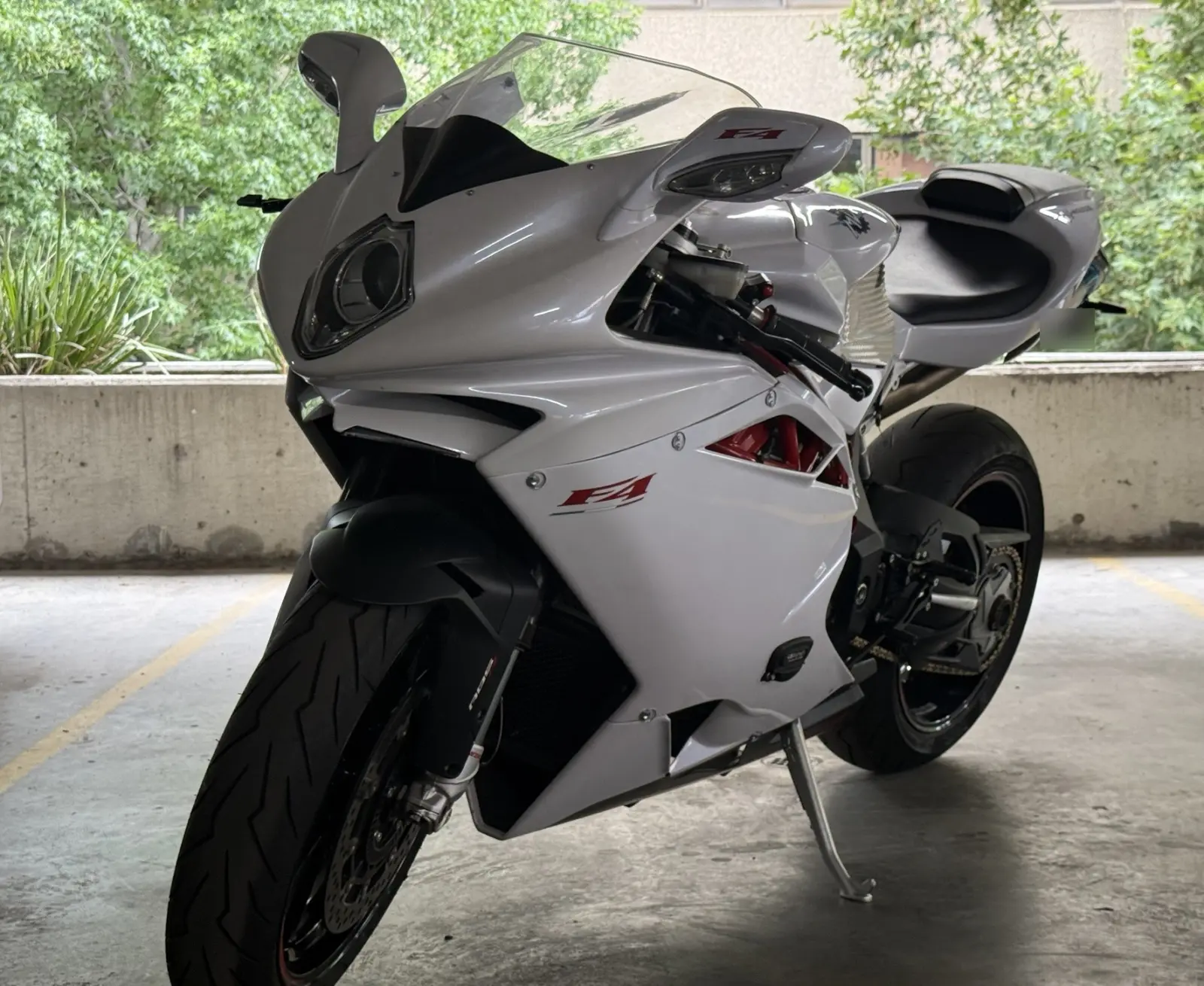
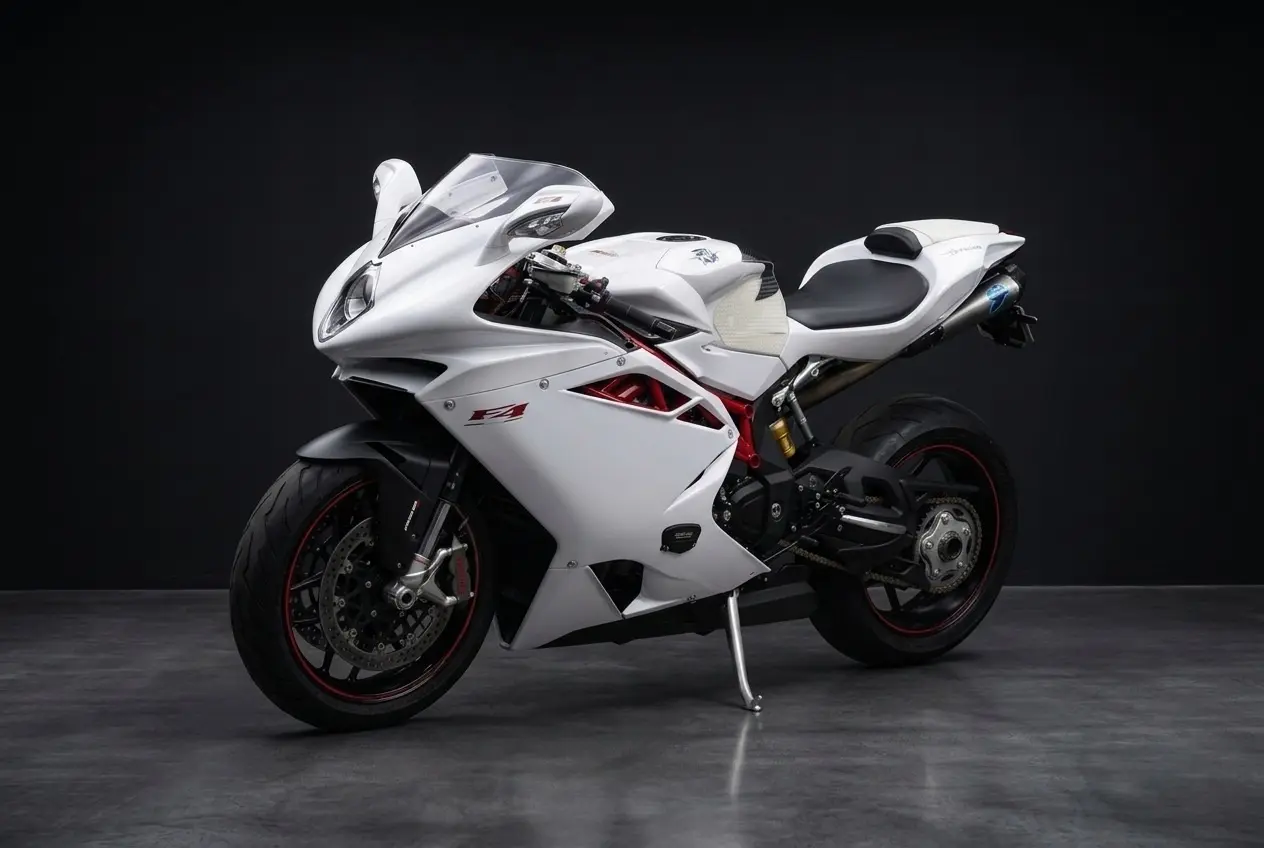
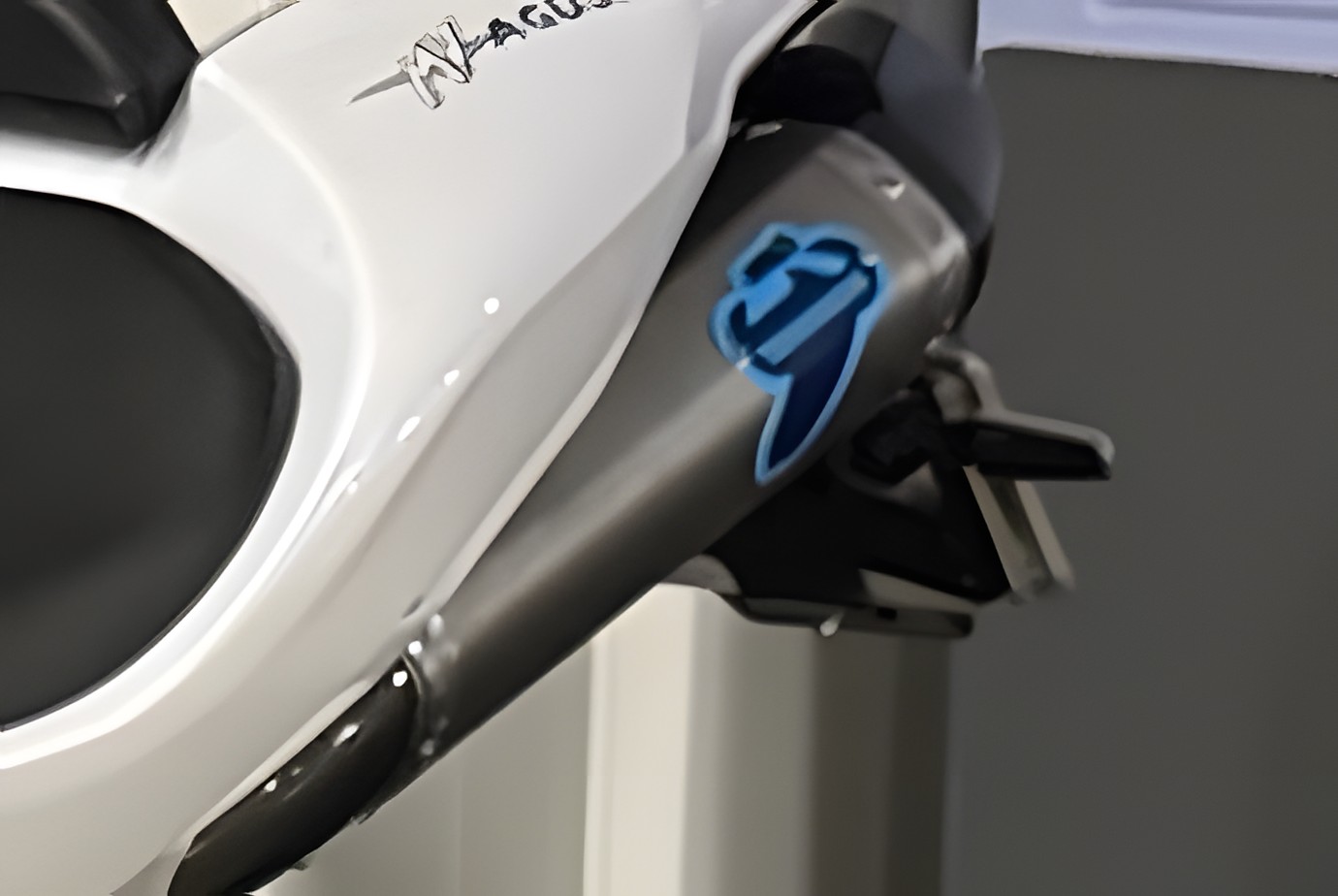
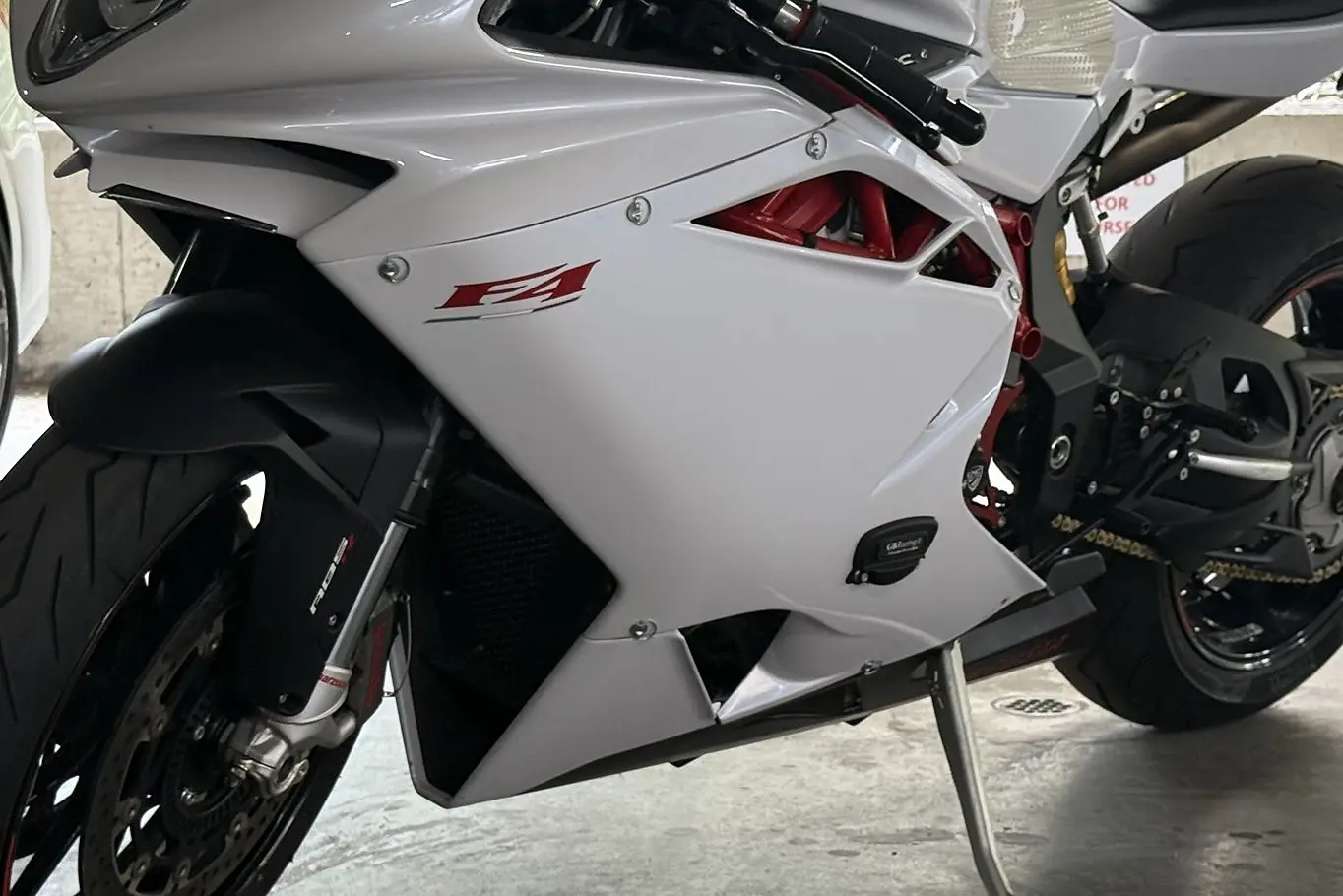
For this road we would point most riders towards the MV Agusta F4, a 998cc inline four with 143 kW and a performance exhaust. It rewards smooth throttle through a hairpin and sounds superb on the climb, though it asks for a steady hand on the damp mornings. Its pearl white finish with a red trellis frame also looks right at a lookout.
The Yamaha MT-09 SP is the bike to consider if you want company, because it is the only machine in the fleet that takes a passenger, one passenger aged 16 or over. Its adjustable suspension and strong brakes suit mixed hill surfaces well. The Ducati 1199R is a superbike for experienced riders and belongs on the open stretches rather than the tight climbs. Browse the full fleet and choose the bike that fits your riding, then plan your season.
Frequently asked questions
When is the best time of year to ride Mount White Road?
Autumn is our first pick, from March to May, when the days are mild, the road has had time to dry after summer storms and the grip is at its most reliable. Spring runs a close second, with wildflowers along the verges and longer days for a relaxed loop. Both seasons offer lighter traffic on weekday mornings, which makes the bends easier to enjoy at a steady pace.
Is Mount White Road safe to ride after rain?
It can be slippery for a while after rain, because oil and rubber rise to the surface during the first hours of a shower. We recommend waiting at least a day after heavy rain, then riding with extra care in shaded corners and on painted lines. If visibility drops or storms are forecast, delay the ride rather than pushing on through the wet.
What should I wear for a ride in the hills?
Wear a full face helmet that fits properly, a motorcycle jacket with armour, gloves that let you feel the controls, and sturdy boots. In winter add thermal layers and a windproof mid layer for the cold first hour. In summer choose ventilated gear that still protects the shoulders and elbows. Check everything is secure before you start the bike.
Is there fuel and food along the route?
Services are limited once you are in the hills, so fill up in the larger towns before you start the climb and do not plan to run the tank dry. Food is easiest to find in the villages, where bakeries and cafes often serve good breakfasts and lunches. Check opening hours beforehand, since small hill towns vary by day and season.
Can I ride Mount White Road on weekends?
Yes, but weekends bring more cars, cyclists and motorcycle groups, and the lookouts fill up as the morning goes on. An early start helps you reach the upper section before the main crowds arrive. Midweek is quieter and better suited to a full run of the route, while weekends work well for shorter loops.
What is the most important safety habit on this road?
Ride within your own ability and keep your speed matched to what you can see ahead. Watch for shaded frost in winter, animals along the verges at dawn and dusk, and debris on corners after rain. Never ride after drinking alcohol, take a break when you feel tired, and remember that a bend you cannot see past always needs a slower entry.
Ready when you are. Pick your dates and book the MV Agusta F4 online, or call us and we will sort it with you.
Book NowCall 0468 011 118