

Book the MV Agusta F4. Pick your dates and book the MV Agusta F4 online, or call us and we will sort it with you.
Book NowCall 0468 011 118Spring is a glorious season for riding around western Sydney, but it brings a wind that can shove a motorbike sideways the moment you step onto an open bridge deck. The Hawkesbury and Nepean crossings sit in wide, exposed valleys, and gusts funnel along the water with little warning. Our MV Agusta F4 is a focused machine that rewards a calm, deliberate rider. In this article we explain how to read the wind, hold your line and enjoy the view when the breeze picks up.
For the bikes we hire, who can ride them and how a hire runs, see motorbike hire in Sydney.
Why Spring Wind Catches Riders Out
Spring weather in Sydney is famously changeable. A still morning can turn into a blustery afternoon as warm air rises over the inland plains and pulls cooler, stronger winds in from the coast. The rivers and their valleys act like a channel, so a gust that barely registers on a suburban street can arrive at a bridge with real force. Many riders are surprised by how quickly the conditions can shift.
The problem is not only the strength of the wind but its unpredictability. A gust may hit from one side for a second, then drop away, leaving you leaning into nothing. That sudden change is what tends to upset a rider, especially when they are already concentrating on traffic, road markings and the approach to a junction.
Before you leave, check the forecast and the wind conditions for the day, and watch how the weather is building. Transport for NSW publishes current road conditions and closures, and it is worth checking them before any ride that crosses major bridges. If the wind is strong and gusting, consider a different day, a different route or a later start.
The Bridges Along the Route
The crossings along the Hawkesbury and Nepean are a mix of older steel structures and newer concrete decks. Some are high above the water, with open sides that let the wind sweep straight across the carriageway. Others sit lower and offer a little more shelter, but they still channel air along the river corridor, and the effect can be just as noticeable.
The Pacific Highway crossing at Brooklyn is one of the better-known river crossings, and the approaches around it can carry heavy traffic that adds its own turbulence. Further west, the bridges near Windsor and Richmond cross the Hawkesbury in a more open setting, where the river widens and the wind has room to build. The Nepean crossings near Penrith open out in a similar way.
Each bridge has its own character, so treat every one as a new challenge. Look at the sides of the deck, the height above the water and the space around you. Wind often feels strongest in the middle of a long span, so plan your speed and position before you reach that point rather than reacting once you are already exposed.

Crosswinds and Lane Position
A crosswind pushes the bike sideways, and the correction is smooth, not dramatic. Relax your grip on the bars, keep your body loose and let the bike track through the gust with small, steady adjustments made through your upper body and throttle. Fighting a strong gust with a rigid grip usually makes the problem worse, because the bike responds to every stiff input.
Lane position is one of the simplest tools you have. Keep to the part of the lane that gives you the most space from the kerb and from the edge of the deck, and avoid riding right on the painted edge line, where debris and water often gather. A little more room from trucks and high-sided vehicles gives the wind less chance to surprise you as they pass.
Anticipate the gust before it arrives. Watch the flags, trees, dust, water and the movement of the grass on the banks. When you see a change, ease off the throttle slightly, hold your line and keep your eyes on the far end of the bridge rather than the water below, because looking down can make your balance feel less certain.
Gusts from Trucks and Overtaking Traffic
Large vehicles create their own wind. A truck moving past you pushes air out to the side, and when it clears you the air can pull you toward it or push you away. These pressure waves are short, but they arrive at the worst possible moment, often just as you are turning into a long bridge section.
Give heavy vehicles a generous gap, and avoid riding alongside them on a bridge deck where you have no escape route. If a truck is overtaking you, hold your line, avoid sudden steering changes and let it pass without making any abrupt moves. On a windy day it is often better to drop back a few seconds and let the traffic thin out before you cross.
Overtaking on bridges should be avoided unless the road is clearly open for the full length of the manoeuvre and you have a clear view ahead. The safest bridge crossing is the one that is calm, planned and unhurried, where every change in the wind has already been anticipated.
Surface, Joints and Wet Decks
Bridge decks have their own surface quirks. Expansion joints, steel grates and metal plates can be slippery when wet, and painted markings can lose their grip in the first rain after a dry spell. Cross these features at a steady speed and avoid braking or accelerating hard over them, since a sudden change in load can make the rear feel unsettled.
Spring rain can leave a film of water on the deck that dries unevenly, so the grip changes from one section to the next. Ride with more space between you and the vehicle ahead, brake earlier and gently, and keep the bike upright through the joints. If the deck looks wet in patches, treat it as wet all the way across.
Watch the road beyond the bridge as well. Approaches can have loose gravel, leaf litter and debris blown in by the wind, and the surface may change as you leave the structure. Keep your speed controlled until you have a clear read of the road surface on the far side.
Want the MV Agusta F4 for your date? Pick your dates and book the MV Agusta F4 online, or call us and we will sort it with you.
Book NowCall 0468 011 118Best Time of Day and Season
Spring brings some of the best riding weather in the region, with mild temperatures, green banks along the river and long, bright days. The wind is most unpredictable in the afternoon, when the land heats and the breeze builds, so an early start is the easiest way to avoid the worst of it. Riding after first light, and never before 6am, gives you calmer air and quieter roads.
Weekend traffic can be heavy along the river corridors, with day trippers heading for lookouts, riverside towns and cafes. Weekday mornings are generally quieter and suit a steady ride across the bridges. Plan your stops with the crowds in mind, and look for places to pull off that are sheltered from the wind and clear of the traffic lanes.
Fuel and food are easy to find in the larger towns along the route. Top up before you cross the big bridges rather than after, since the stretches between towns can be longer than they look on a map. A sheltered lunch stop in one of the riverside towns gives you a chance to let the wind drop and watch the water before the ride continues.
Why the MV Agusta F4 Suits Windy Days
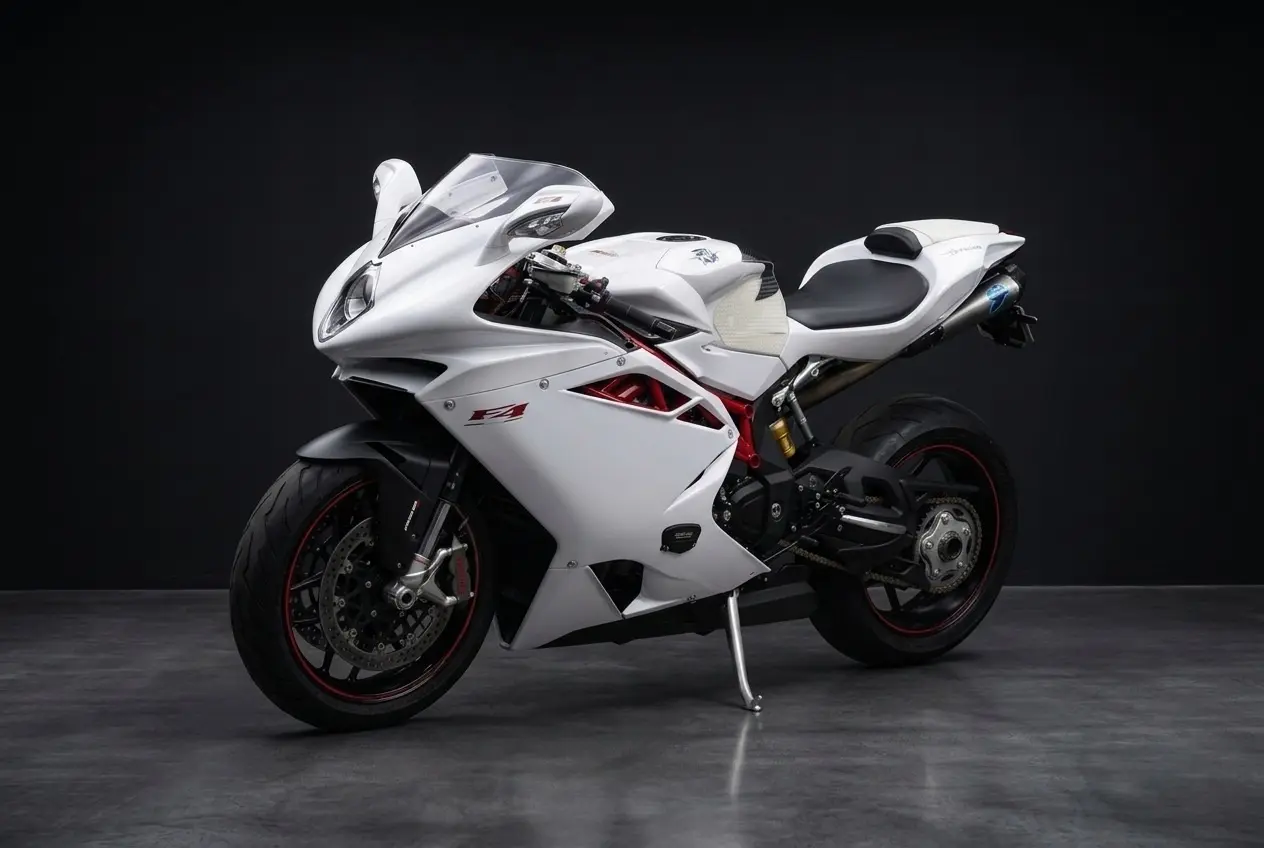
The MV Agusta F4 is a 998cc inline four, built for riders who like to stay in control of their bike. On a windy bridge the value of a responsive engine is clear: small, measured throttle adjustments let you hold your line through a gust without making large, unsettling corrections. The F4 rewards that kind of precise input, which is why it appeals to riders who enjoy a focused ride.
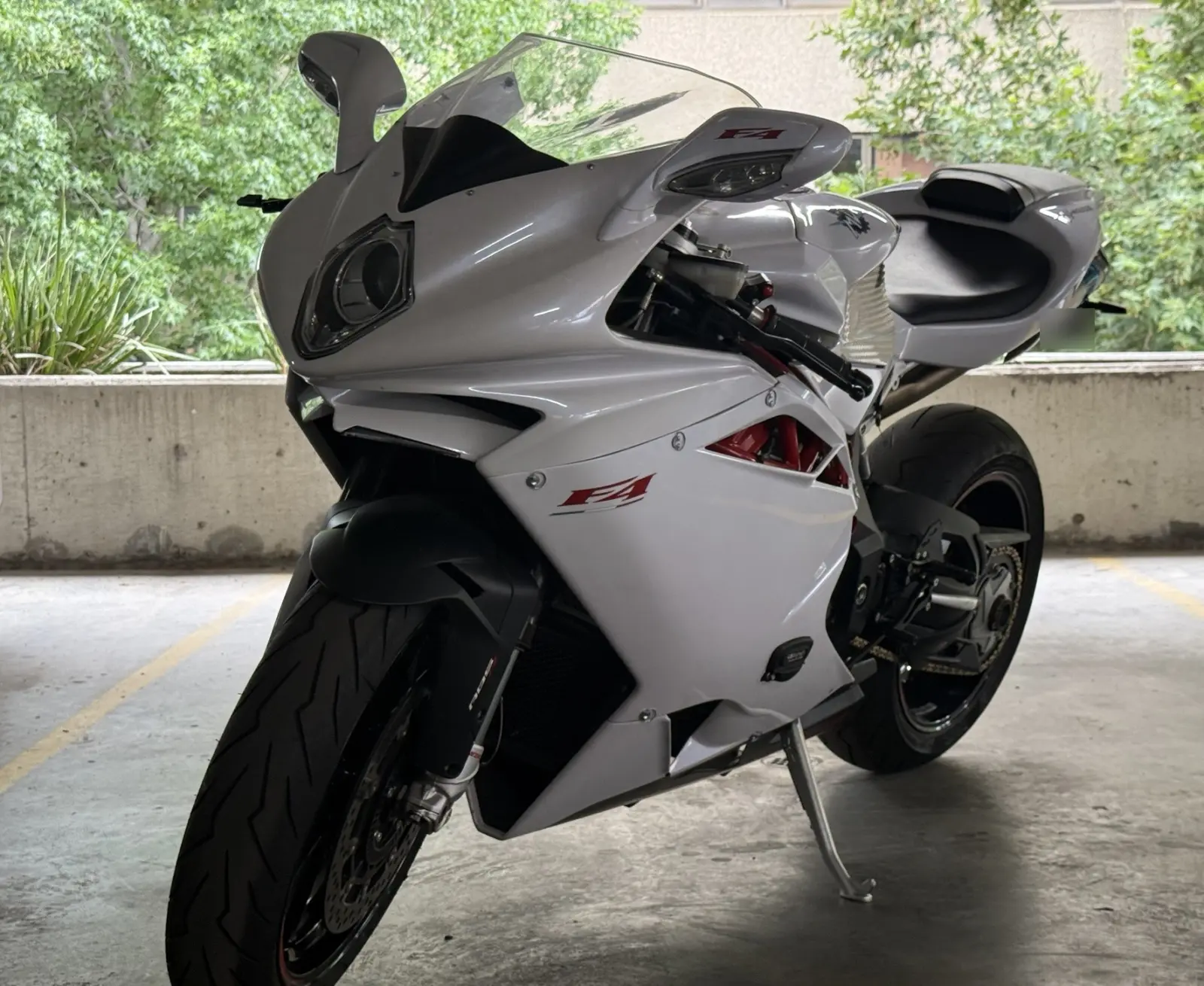
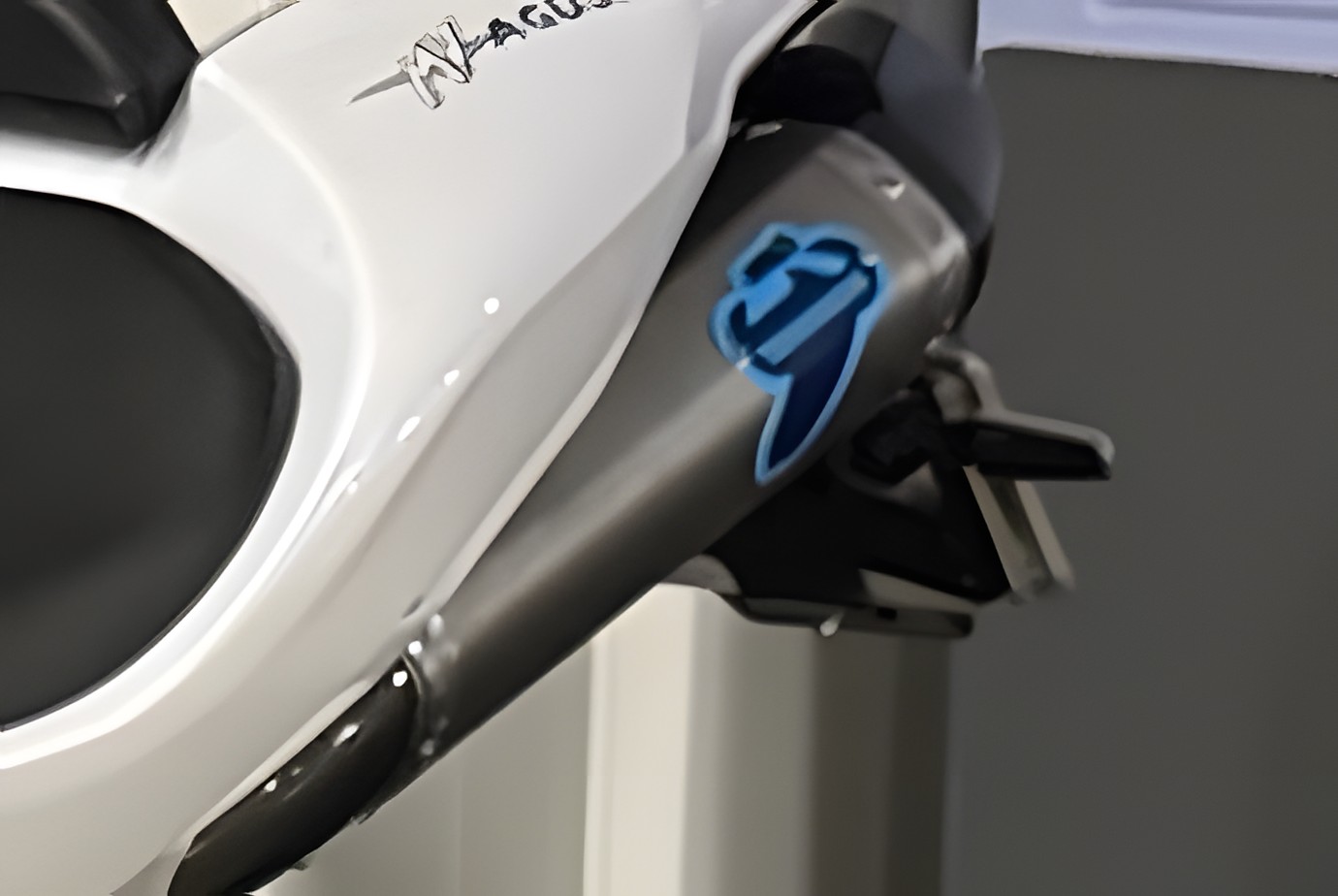
Its pearl white finish and red trellis frame make it a striking sight on the approach to a bridge, and the performance exhaust gives it a strong voice at the lights. The character of the machine is purposeful rather than relaxed, so it suits a rider who is confident and attentive. Plan your speed for the conditions, keep your grip relaxed and let the bike do the work you ask of it.
A windy day is not the time to test the limits of any bike. The F4 is a rewarding machine when you ride it smoothly and with respect for the conditions, and its 143 kW gives you plenty of response when you need to pull away from a slow vehicle. Use that power with restraint, and you will find the bridges far less intimidating than you expected.
Safety for Gusty Days
Gear matters more on a windy ride. A fitted helmet, a jacket with armour, gloves and boots that cover your ankles all help you stay in control, and a windproof outer layer makes a real difference when the gusts arrive. Spring mornings can be cool, so dress for the coldest part of the day and carry an extra layer in case the temperature drops on the way back.
Fatigue is the sneaky risk on a windy day. Constant small corrections are tiring, and the effort adds up over a long ride. Stop every hour or so, stretch your arms and shoulders, drink water and reset your grip before you head onto the next bridge. A tired rider reacts more slowly to a gust, so a break is good for safety as well as comfort.
Keep an eye out for wildlife at dawn and dusk, particularly on the quieter roads near the river. Never ride after drinking alcohol, and ride within your ability. Use this checklist to stay focused across the crossings:
- Check the wind and the forecast before you leave home.
- Keep a relaxed grip and make small, smooth corrections.
- Hold a steady lane position away from the kerb and the painted edge.
- Give trucks a generous gap and avoid overtaking on bridge decks.
- Take extra care over joints, grates and painted lines when the deck is wet.
Hire Rules and Booking a Windy-Day Ride
Our bikes are self-drive and collected from Drive Tribe in Parramatta, and we only hire for a minimum of three days, so the bridges are best enjoyed as part of a longer trip. To hire a bike you must hold a full motorcycle licence for at least three years, and every rider must be aged 25 or over on every bike. The F4 is a single-seater, so it is for the rider alone.
Use your hire days well. Choose a calm morning for the longest crossings, keep a second day in reserve in case the weather turns, and avoid trying to fit every bridge into a single afternoon. A relaxed plan gives you the freedom to pick the right conditions, and it keeps the ride enjoyable from the first kilometre to the last.
When you feel ready to take on the Hawkesbury and Nepean crossings, reserve your MV Agusta F4 through its bike page. We will help you choose the right dates and talk through the route before you collect the bike. You can also compare the other machines on our fleet page before you decide.
Frequently asked questions
How strong does the wind have to be before I should not ride across a bridge?
There is no single figure that suits every rider, because a gust that is manageable for one person can be unsettling for another. If the wind is gusting strongly, or if you feel your bike being pushed around on the approach, it is a sign to stop, wait for conditions to ease or choose another route. Trust your judgement and never push on simply because you have already set out.
Is it safer to cross the bridges early in the morning?
Usually, yes. Air is often calmer in the early part of the day, before the sun heats the land and the afternoon breeze builds. Riding after first light, and never before 6am, also means quieter roads with fewer trucks and day trippers. Even so, check the forecast on the morning itself, because a calm start can still turn gusty by mid-morning in spring.
What should I do if a gust hits as I am halfway across?
Stay relaxed and keep your eyes on the far end of the bridge. Avoid grabbing the brakes or making a sharp steering input, since that tends to unsettle the bike more. Make small, smooth adjustments with your body and throttle, and let the bike track through the gust. Once you are across, pull into a safe spot and take a moment to reset before you continue.
Do painted lines and grates on bridges really cause problems?
They can, particularly when the deck is wet or freshly rained on. Painted markings may lose grip after the first rain following a dry spell, and steel grates or metal plates can feel slippery under the tyres. Cross these features at a steady speed, avoid hard braking or acceleration over them, and keep the bike upright. Treat the whole deck as wet if the surface looks uneven.
Should I follow a truck closely across a bridge?
No. Staying close to a heavy vehicle leaves you with no escape route if the wind pushes the truck or if it changes lane. Give trucks a generous gap, both behind and beside you, and use the extra space to watch the wind effects as they pass. If a truck is overtaking, hold your line calmly and let it clear before you adjust your speed.
Is the MV Agusta F4 a good choice for a windy day ride?
The F4 suits a rider who is confident and attentive. Its responsive engine lets you make small throttle adjustments to hold your line through a gust, and its performance exhaust gives it a purposeful character. It is not a machine to test the limits on a windy day, but it rewards a smooth, controlled style across the bridges and the approach roads.
Ready when you are. Pick your dates and book the MV Agusta F4 online, or call us and we will sort it with you.
Book NowCall 0468 011 118