
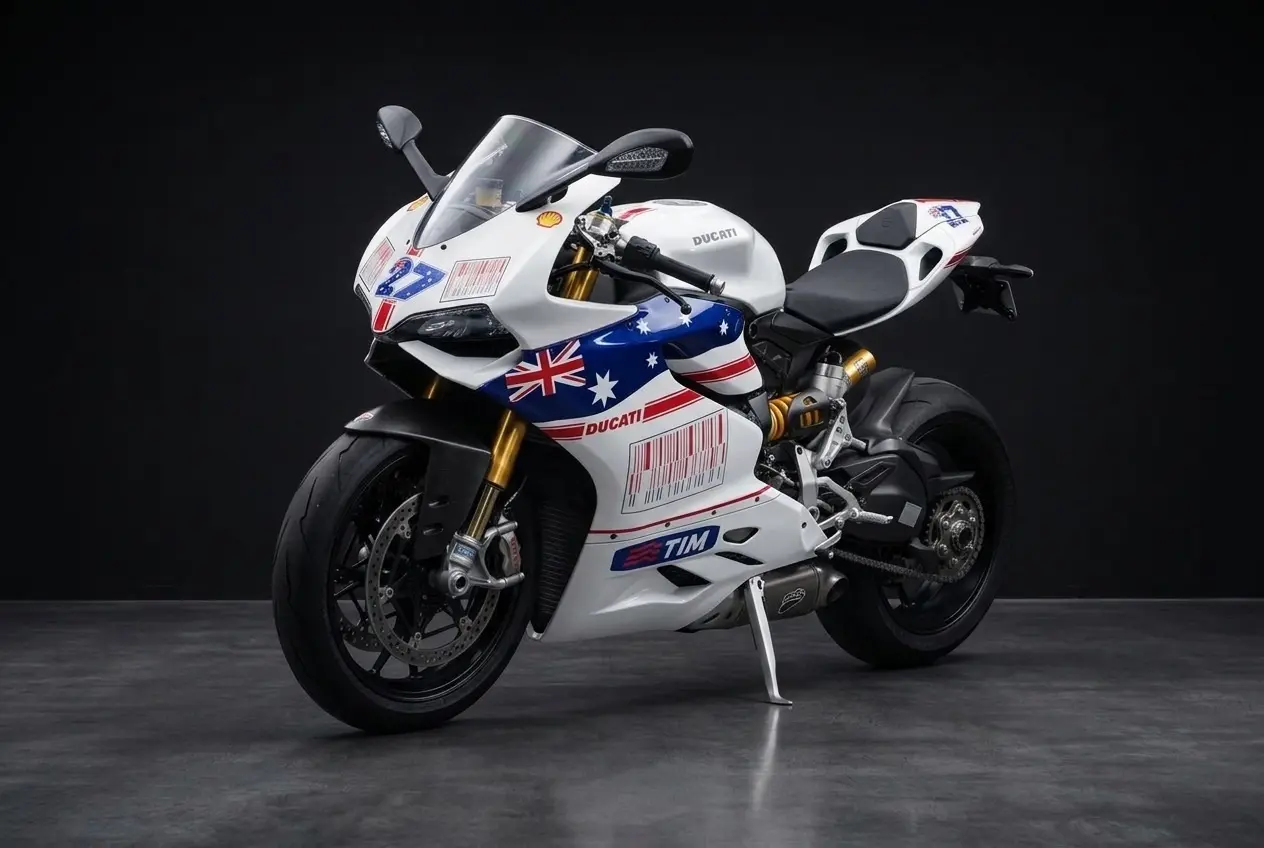
Book the Ducati 1199R. Pick your dates and book the Ducati 1199R online, or call us and we will sort it with you.
Book NowCall 0468 011 118The coast rewards a rider who starts well. The first kilometres often bring cold air off the water, stiff hands from the early chill and a head that has not yet settled into the rhythm of the road. A short warm-up before you leave, on the bike or beside it, turns those first minutes from a scramble into a controlled start. The drills below take only a few minutes, need no special space and help your body, eyes and balance catch up with the day ahead.
For the bikes we hire, who can ride them and how a hire runs, see motorbike hire in Sydney.
Why a Warm-Up Matters on the Coast
Riders often treat the first ride of the day as a formality, climbing aboard and pulling away before the body has woken fully. On the coast that can be a mistake. Sea air is cool and damp, and the wind off the water can chill your hands and face within minutes. Muscles that are cold and stiff respond more slowly, and the fine touch needed for a smooth clutch or a gentle brake lever can be harder to find.
A warm-up also gets your eyes ready for the road. Coastal routes often mix bright open views with shaded cuttings, sudden crests and moving light off the ocean. Your eyes need a moment to adjust, and a few simple scanning drills help them shift quickly between near and far objects. That matters when a cyclist appears on the edge of a bend or a car pulls out from a lookout.
Think of the warm-up as the bridge between the quiet of the hire base and the demands of the road. It costs little time, and it gives you a smoother start, a clearer view and a steadier pair of hands from the very first corner.
Hands, Wrists and Shoulders
Begin with your hands. Open and close them slowly ten times, then roll each wrist gently in both directions. This wakes up the small muscles that work the clutch and throttle, and it restores the feeling in your fingers after a cold start. Keep the movements slow and comfortable, rather than forcing a stretch, since the aim is to loosen rather than strain.
Move on to the shoulders and upper back. Roll both shoulders forward five times, then backward five times, letting the arms hang loose. Follow that with a gentle shrug, lifting the shoulders to your ears and releasing them. Tension in the shoulders is one of the most common reasons a rider's grip becomes too tight on the bars, so loosening them early pays off across the whole day.
Finish with your neck. Turn your head slowly to look over each shoulder, holding each position for a few seconds. Then tilt your head gently toward each shoulder. These movements prepare you for the head checks you will make at junctions, roundabouts and when you change lanes, and they keep your neck supple for a long day in the saddle.
Eyes and Head Checks
Start your eye drill by picking a distant point, such as a headland, a sign or a tree on the horizon. Hold your gaze there for a few seconds, then shift your focus to something close, like a mirror or your fuel gauge. Repeat that switch several times. The exercise trains your eyes to refocus quickly, which matters when a vehicle appears suddenly on a winding coastal road.
Next, practise scanning. Sweep your eyes slowly from left to right along the line of the road ahead, noticing the edges, the verges and any movement. Then sweep them back. Try to take in the whole picture without fixing on one spot. Good scanning reduces the chance of missing a hazard that is just outside your central view, and it helps you read the road several seconds in advance.
Finally, rehearse the head check. Before you move off, turn your head to look over each shoulder, confirming that the lane is clear. This is a habit you will repeat many times on the day, and rehearsing it while stationary builds the reflex. A clear head and steady eyes make the coast far easier to read.
Balance and Clutch Feel Before You Ride
If you have the space, sit on the bike with the engine off and find your balance. Rest your feet on the pegs, keep your weight centred and practise lifting the bike off its stand and steadying it upright. Small adjustments in posture make a large difference on a coastal road, where wind gusts can push you sideways. Feel how the bike sits under you before you rely on it.
Then work on the clutch. In a quiet sealed area, with the engine running and the bike in first gear, practise finding the friction point slowly. Release the lever gradually until you feel the bike start to move, then squeeze it back. Repeat several times. This is quick to do, and it helps you pull away smoothly from junctions, lookouts and the car park exit where many coastal rides begin.
Test your brakes gently as well. Roll forward at walking pace on a clear, sealed surface, and apply the front and rear brakes lightly to feel how each responds. Keep the test brief and calm. You are not trying to stop quickly, but simply to confirm that the controls feel as you expect before you add the speed and gradients of the coast.

Gear Checks and Layers
Before you ride, run through a short gear check. Confirm that the helmet fits snugly and does not move when you shake your head, that the visor is clean and clear, and that your gloves let you operate the controls with confidence. Look at the jacket and trousers, check that all zips and fastenings are closed, and make sure your boots fit well and protect your ankles.
Coastal weather can change quickly, so dress in layers. A thin base layer, a mid layer you can take off and a windproof outer layer give you options as the day warms or the wind picks up. Keep a small pouch or pocket free for a layer you may need later, and make sure you can reach it without stopping in an unsafe place.
Take a moment to check your bike as well. Look at the tyres, lights and mirrors, and confirm the fuel level. Make sure your mirrors are set so that you can see the traffic behind you without moving your head too far. A simple, complete check before departure prevents small problems from becoming distractions on the first bend.
Want the Ducati 1199R for your date? Pick your dates and book the Ducati 1199R online, or call us and we will sort it with you.
Book NowCall 0468 011 118The Coastal Road Ahead
The coastal road that many riders choose for a long day is Lawrence Hargrave Drive, which follows the cliffs and bays of the Illawarra coast. Its character changes often. You may ride through open stretches with sweeping views, then descend into shaded bends where the road holds moisture and leaf litter. Expect the corners to tighten and the crests to hide what lies beyond, particularly on the sections that climb above the water.
Traffic on coastal roads is varied. You will meet cars moving slowly to take in the view, trucks and vans on delivery runs, cyclists on the shoulder and walkers near the lookouts. Weekends bring the heaviest crowds, with tourists stopping suddenly and drivers taking bends with their attention on the scenery. Midweek mornings are generally quieter, with clearer sightlines and fewer surprises.
Surfaces vary too. Sea spray and salt can leave a film on the road, and that film can be slippery when the morning is damp. Painted lines, drainage grates and worn patches all demand attention. Check road conditions with Transport for NSW before you leave, as works or closures can change the route at short notice.

Best Time, Season and Food Stops
A warm-up suits a mid-morning start, once the air has warmed a little and the sun is clear of the ridge. Setting off at that time gives you a quiet road, calmer traffic and enough daylight to enjoy the views. Avoid rushing a departure to beat the crowds, because a hurried start leaves no room for the warm-up that keeps you safe on the first corners.
Autumn and spring are the best seasons for coastal riding. The temperatures are comfortable, the sea breeze is gentle and the surfaces are generally dry. Summer brings heat and a steady stream of holidaymakers, while winter mornings can be cold, misty and windy. In winter, allow extra time for the warm-up, and wait until the sun has lifted the chill from the road.
Plan your fuel and food stops along the way. Top up before you leave the built-up areas, since petrol stations can be spaced out along the coast and may be busy at weekends. Cafes and kiosks near the beaches and lookouts are popular, and they fill quickly on sunny days. Eat something light before you ride, carry water and plan a rest every hour or so in a safe spot off the road.
Fatigue, Wildlife and Staying Within Your Ability
Fatigue can creep in early on a warm, windy coastal ride. The steady noise of the wind, the constant focus on bends and the sun glinting off the water can drain your energy faster than you expect. Watch for stiff hands, slower reactions and a tendency to drift in your lane. Stop in a safe place, stretch, drink water and reconsider the pace if you feel tired. Never ride after drinking alcohol.
Wildlife is active near bushland and the edges of coastal roads at dawn and dusk. Kangaroos, wallabies and birds may move onto the verge as the light changes, and a rider who is already tired can be caught out. Scan the verges constantly, keep your speed gentle and be especially alert in the last hour of daylight.
Ride within your ability at all times. A warm-up tells you how ready you are, and if you feel unsettled after the drills, ride more gently or choose a shorter route. A calm, confident start is more valuable than any particular stretch of road, and the coast will still be there another day.
Hire Terms and the Ducati 1199R
A few terms apply before you collect a bike. The rider needs a full motorcycle licence and must have held it for at least 3 years, with the minimum age set at 25 for every bike. Bikes are hired from our Parramatta base for a three day minimum. Helmets (Shark, AGV or Bell) can be hired from us in small, medium or large for $50 per hire, or you can bring your own, and a helmet replacement fee applies if a helmet is lost or damaged. We do not supply jackets, gloves, pants or boots, so bring your own riding gear.
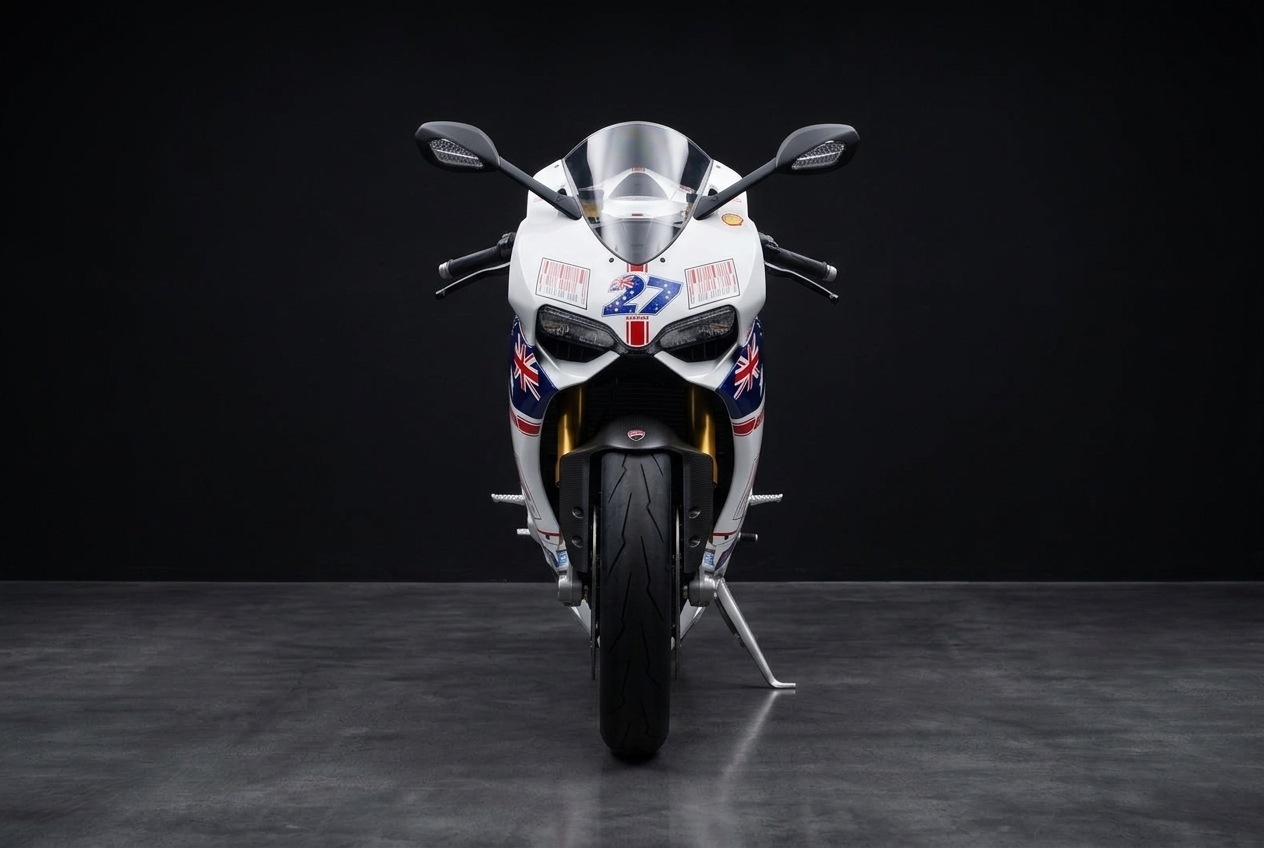
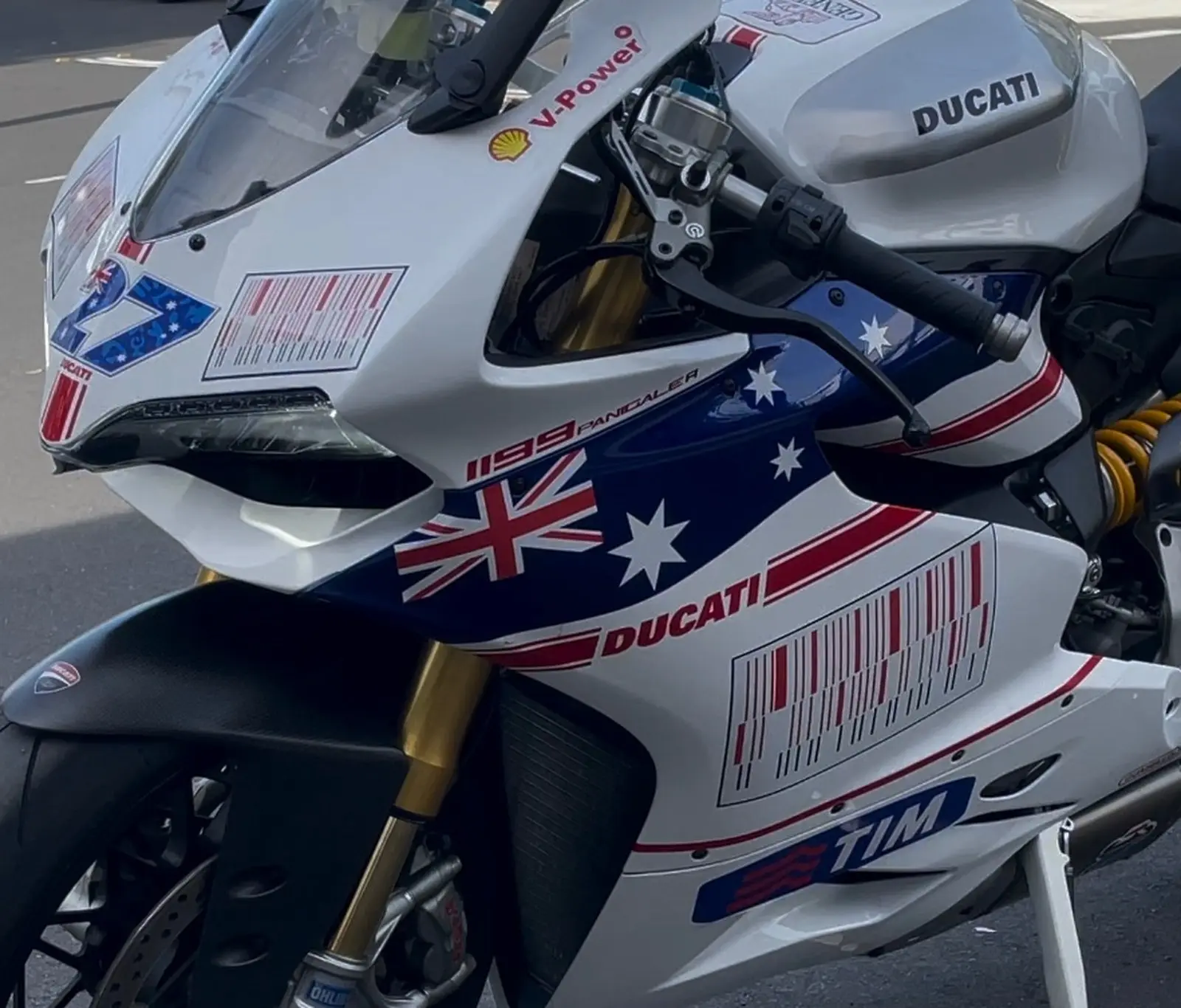
The Ducati 1199R is a superbike with a V-twin engine, built for experienced riders who are comfortable with a focused, precise machine. Its Australian flag livery, gold front forks and black forged wheels make it a striking bike to ride along the coast, and the livery is a tribute to Casey Stoner, who won his first MotoGP World Championship on a Ducati in 2007 racing as number 27. It is a tribute only, and it is not his bike or an official endorsement.
Because the Ducati asks for careful handling, a warm-up is especially valuable before you set out on it. Complete the drills, settle your head and hands and then ease into the first corners. You can see the full details and book through the Ducati 1199R page, or browse the other machines on the fleet index. Press Book Now when you are ready, and we will help you plan a route that suits the day.
Frequently asked questions
How long should a warm-up take before a coastal ride?
A warm-up of about ten to fifteen minutes is usually enough to loosen your hands, shoulders and neck, settle your eyes and confirm the controls feel right. Keep it calm and unhurried. Longer is not always better, and a warm-up that leaves you tired or cold has missed its purpose. Adjust the length to suit the morning temperature.
Do I need to warm up if I have ridden the coast before?
Yes, even experienced riders benefit from a warm-up, because the body and eyes take time to adjust after a break, and the conditions change from day to day. Cold air, a stiff neck or a change in the traffic can all make the first kilometres harder. A short routine keeps you sharp and ready, whatever your experience.
What is the best way to check my gear before I ride?
Check that your helmet fits snugly and that the visor is clean and clear. Make sure your gloves let you operate the controls, your jacket and trousers are fastened and your boots fit well. Confirm you can reach any layers you may need later. A quick, methodical check before you start prevents small problems from becoming distractions on the first bend.
Can I warm up in a car park or at the hire base?
Yes, a quiet, sealed car park or the hire base is an ideal place to warm up. Choose a level, clear area away from traffic and pedestrians. Keep the drills gentle, and avoid rolling the bike faster than walking pace. The aim is preparation, not performance, so take your time and stop if anything feels uncertain.
What should I do if I feel cold or stiff on the coast?
Stop in a safe place, off the road and clear of loose material. Stretch your hands, shoulders and neck, and take a few minutes to warm your fingers. Wear extra layers if you have them. Do not continue until your hands are supple and your focus has returned, since cold fingers can make the controls harder to use smoothly.
Is a warm-up needed on a short coastal hop?
A short ride still benefits from a brief warm-up, particularly on cold or windy mornings. The drills take only a few minutes, and they help you start the ride with steady hands and clear eyes. Even a short trip can present sudden corners, traffic or wildlife, so a few moments of preparation are a sensible habit.
Ready when you are. Pick your dates and book the Ducati 1199R online, or call us and we will sort it with you.
Book NowCall 0468 011 118