

Book the MV Agusta F4. Pick your dates and book the MV Agusta F4 online, or call us and we will sort it with you.
Book NowCall 0468 011 118Most motorcycle collisions in busy traffic happen when a car driver turns, merges or changes lanes into a rider they never saw. On Sydney's multi-lane arterials, where traffic is dense and vehicles shift lanes constantly, a rider who looks properly before moving is far safer than one relying on mirrors alone. This guide sets out a practical routine for shoulder checks, how to build them into every lane change and turn, and how to ride the MV Agusta F4 with a clear, controlled approach through heavy city traffic.
New to riding with us? Our page on motorbike hire in Sydney covers the bikes, the rider rules and how pick-up works.
Why the blind spot is the rider's biggest enemy
A blind spot is the area beside and slightly behind a vehicle that a driver cannot see in their mirrors. On a motorbike, that area is a very real danger, because a bike is narrow and can disappear into it in an instant. A rider who sits in a car's blind spot is effectively invisible, however carefully they ride.
Multi-lane arterials make the problem worse. Traffic is heavy, lanes change constantly and drivers are often watching the car in front rather than the bikes beside them. Even a careful driver can drift a few centimetres, and a rider who is alongside a large vehicle has very little room to react.
The solution is not to hope drivers will see you. It is to make your own space, watch the traffic patterns and confirm your position with a physical check before every move you make.
Mirrors first, then the shoulder check
Mirrors tell you what is around you, but they cannot tell you what is in the blind spot. Use them to build a picture of the traffic, noting which vehicles are close, which are closing fast and where the gaps are forming. Then turn your head and look over the shoulder in the direction you intend to move.
A proper shoulder check is a quick, deliberate look rather than a glance. Turn the head far enough to see the area beside you and slightly behind, and keep the bike steady while you do it. A wobbling bike while you turn your head is a hazard in itself, so keep the throttle smooth and the bars light.
Make the shoulder check part of a routine. Mirror, signal, shoulder, move. Repeat it every time you change lanes, and it becomes second nature rather than a conscious task you might forget under pressure.

Doing the check without losing control
Looking over your shoulder changes the way the bike sits, so practise it at low speed in quiet traffic until it feels natural. Keep your body square over the bike, your elbows relaxed and your grip gentle. The movement should come from the neck and shoulders rather than from leaning or twisting the whole body.
Keep both hands on the bars where possible, and avoid taking your eyes off the road ahead for longer than you need to. A shoulder check that lasts a second or two is enough when it is done properly. A longer look usually means the rider is confused about the traffic, and that is a sign to slow down and reassess.
On a long run of traffic, avoid making lane changes just because a gap appears. Wait for a clear space that gives you room to complete the check and move without rushing. Patience is one of the most effective safety tools a rider can use.
Turning across traffic at intersections
Turning at intersections is a moment of high risk. Cars may be waiting to turn in the opposite direction, pedestrians may step off the kerb and drivers may be focused on the lights rather than on a motorbike approaching from the side. Slow early, look for the gap and check the shoulder before you move into the turn.
When you turn across a lane, check the approaching traffic in both directions, including vehicles that are coming up on the inside. Be ready for a driver who pulls out or changes lanes without signalling. Keep your speed controlled through the junction and avoid turning while you are still braking hard.
Pay attention to the surface at the intersection. Painted lines, tram tracks, drainage grates and wet patches can all reduce grip, so ease into the turn and keep the bike upright until you are clear.
Changing lanes safely in heavy traffic
Lane changes on arterial roads should be planned well before you reach the gap. Choose the lane you want to move into several seconds in advance, then position the bike so that you are visible to the drivers around you. Avoid lingering in the blind spot of a truck or bus, and do not rely on a driver to make room for you.
Once you have the gap, complete the shoulder check and move in a single, smooth motion. Do not change your mind halfway, since a sudden correction on a busy road can be dangerous. If the gap closes before you can move, stay where you are and wait for the next one.
Keep your lane position sensible. Riding in the centre of a lane gives you a clear view and space to react, while riding close to the kerb or the line of a car can leave you exposed. Choose the position that gives you the best view of the traffic ahead.
Think about the vehicle behind you as well. When you slow for a gap or a turn, a following driver may close up faster than expected. Signal early, brake gently and check the mirror again before you commit, so the move does not catch someone by surprise.
The MV Agusta F4 in city traffic
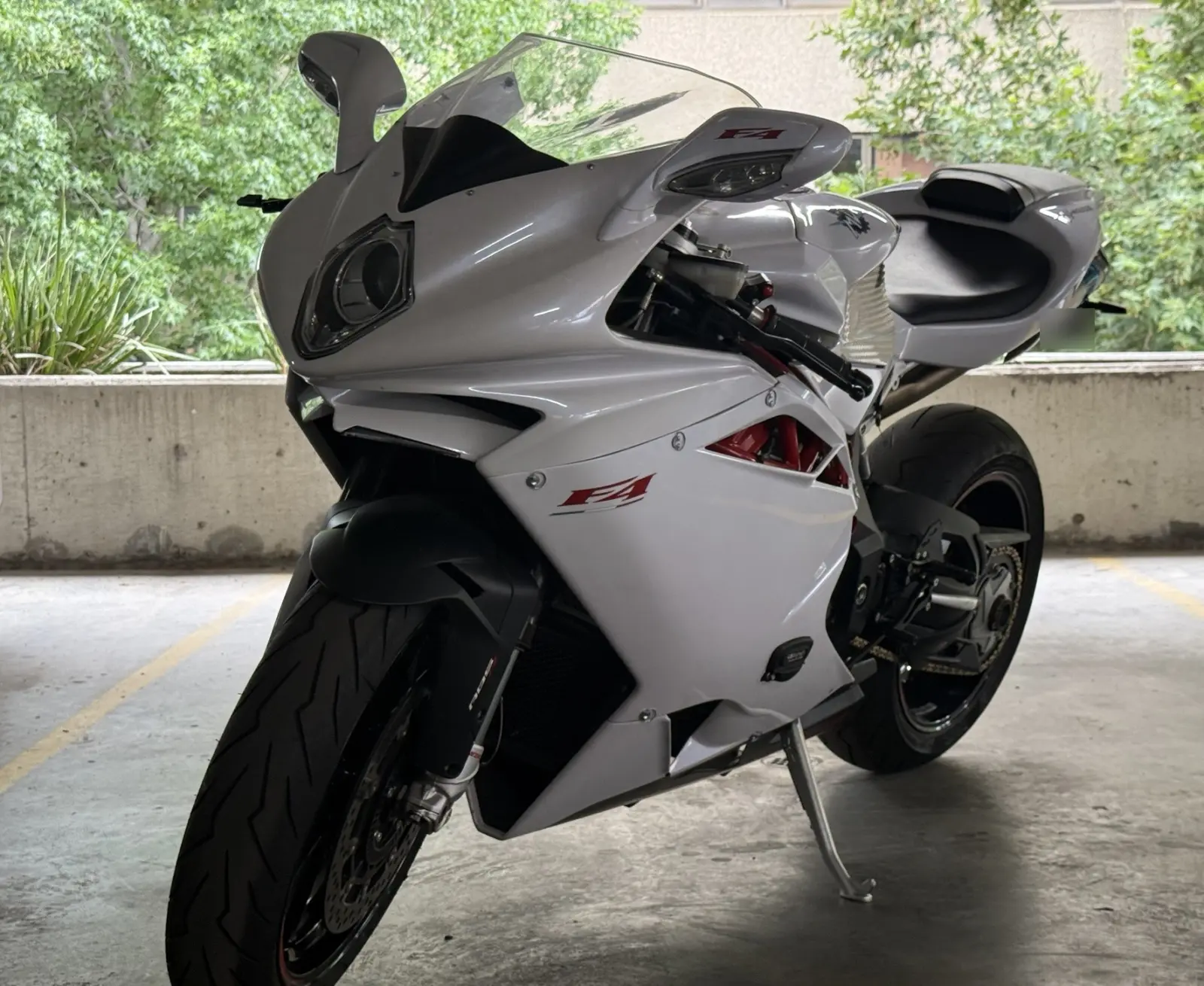
The MV Agusta F4 is a 998cc inline four with 143 kW, and that power is far more than city traffic demands. On an arterial road, the bike is best ridden with restraint, using its response to stay ahead of the traffic rather than to dart through gaps. Smooth inputs and a calm pace make the bike easier to manage in heavy traffic.
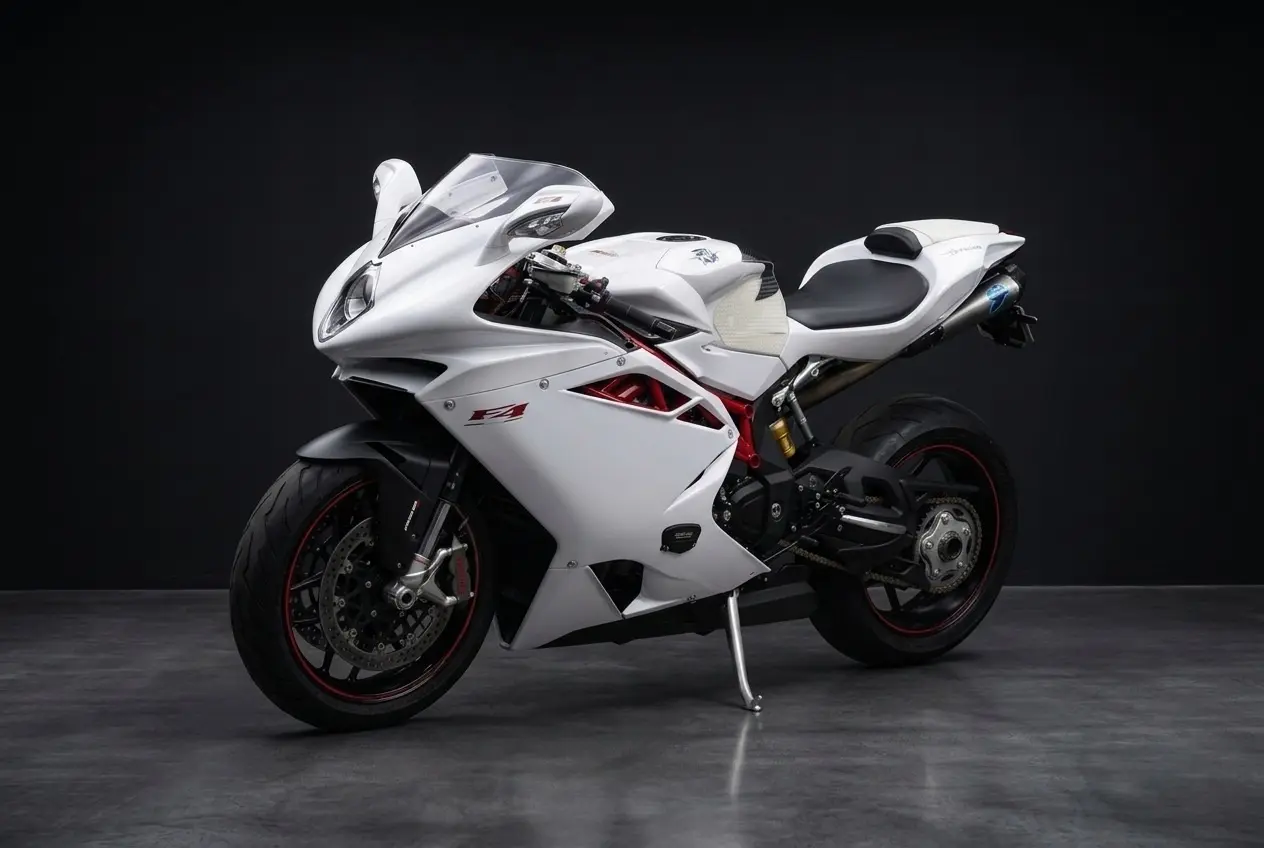
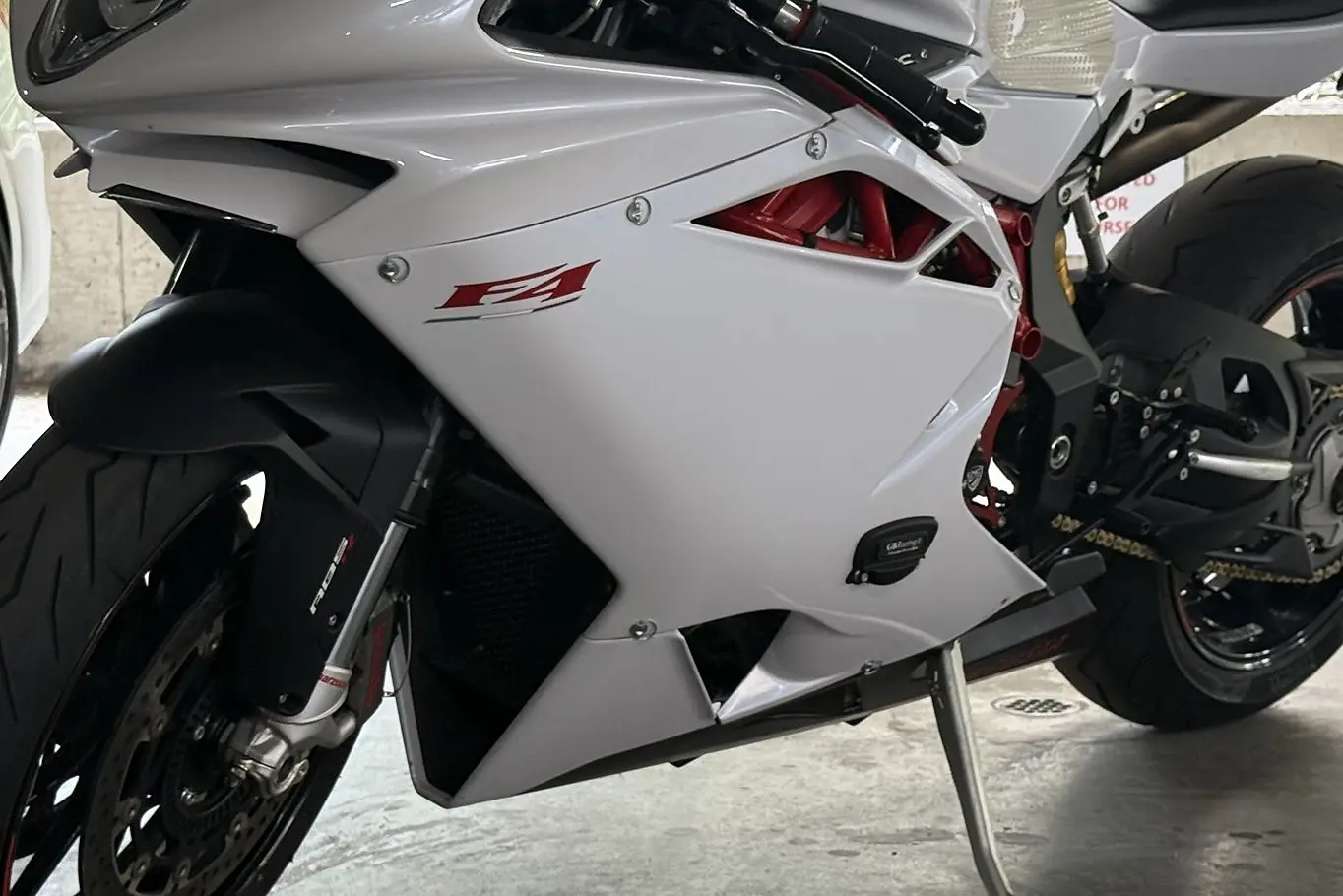
The pearl white finish and the red trellis frame make the bike highly visible in a crowd of cars, which is a useful side effect. Visibility helps, but it does not replace good habits. Keep the lights on, keep your position clear and still complete every shoulder check.
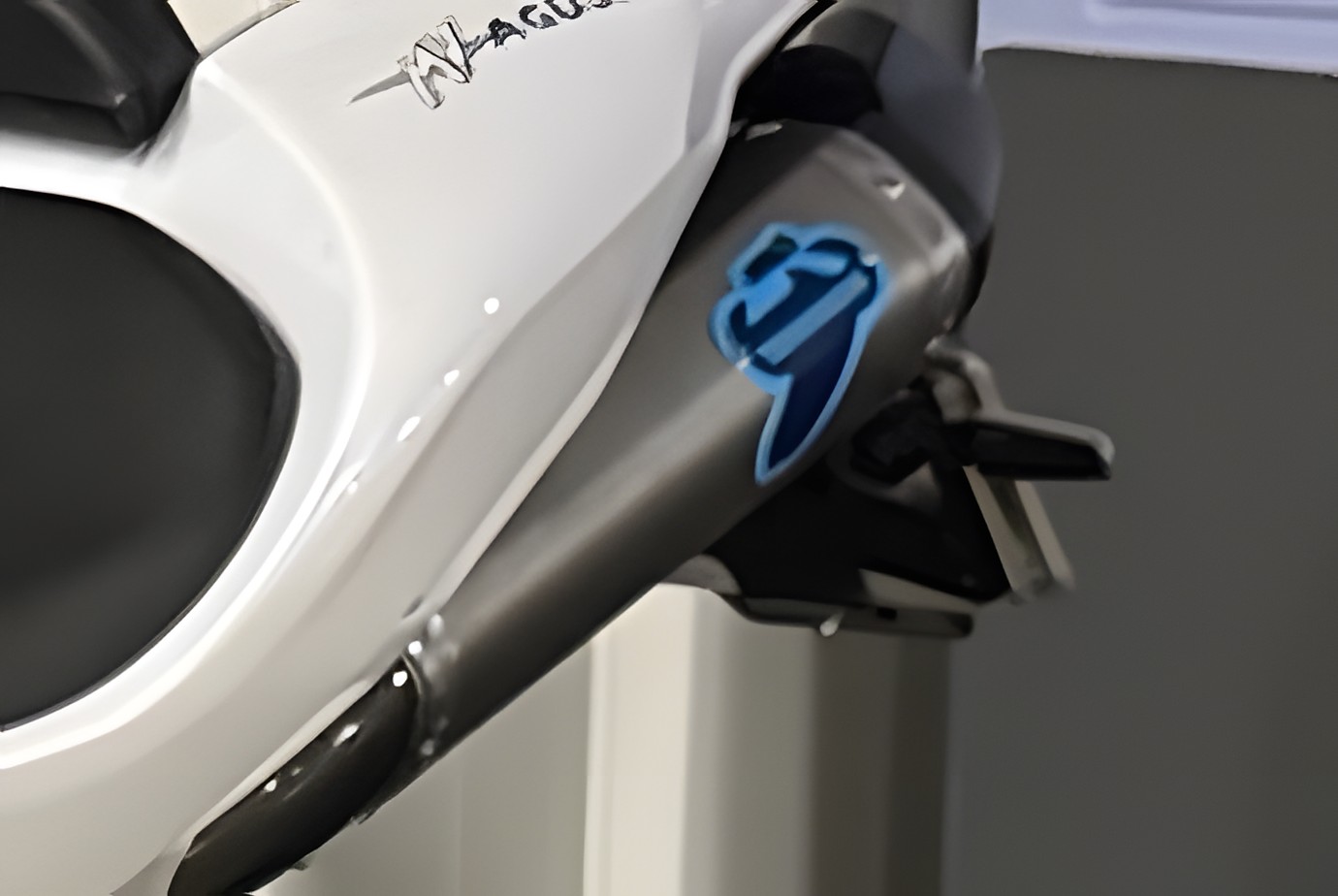
Its performance exhaust gives the bike a distinctive note, but the rider should keep the engine calm in traffic. Gentle throttle work and steady braking are the best habits for a bike like this in the city, and they leave room for the unexpected.
Want the MV Agusta F4 for your date? Pick your dates and book the MV Agusta F4 online, or call us and we will sort it with you.
Book NowCall 0468 011 118Best time of day and season for city riding
The quietest time for a city ride is early in the morning, after about 7am, when traffic has not yet reached its peak. Avoid the morning and evening peaks where you can, since the density of cars makes shoulder checks harder and lane changes more frequent. Midday on weekdays is often calmer than the rush hours.
Autumn and spring are the most comfortable seasons for city riding, with mild temperatures and clear visibility. Summer brings heat and sudden downpours, which make roads slippery and reduce visibility. Winter mornings can be cold, and frost is rare in the city but damp roads and shade can still cause problems.
Traffic in Sydney is heaviest on weekdays, and weekends bring different patterns with shopping and leisure traffic. Check road conditions with Transport for NSW before you leave, particularly after heavy rain or when there are roadworks on the route. Allow extra time for fuel and food stops, since busy areas fill quickly.
Fuel, food and rest for a city ride
Fuel up before you join the arterials, because service stations can be crowded and difficult to access in heavy traffic. Plan your fill at a quiet spot with a clear approach, and avoid stopping on the road to top up. A full tank removes a lot of stress from the middle of a busy day.
Food stops in the city are plentiful, but parking is often limited. Choose a place with secure motorcycle parking if you can, and keep your helmet and gloves with you. A light lunch helps you stay alert on the afternoon traffic, and it is wise to avoid heavy meals before a long afternoon of riding.
Rest is important in city traffic, even though the distances are shorter than on a country run. The stress of constant lane changes, junctions and close traffic can tire a rider quickly, so pull over somewhere safe every hour or so and take a few minutes to reset.
Hire rules for city riding
Two points matter most for a city ride with us. Hires are self-drive from Parramatta, and the minimum hire is three days. You need a full motorcycle licence held for at least three years, and you must be aged 25 or over. The MV Agusta F4 is a single-seat machine, so it is designed for one rider, and any gear you hire is an optional daily add-on for each person.
Ride the city with a clear head and book
Shoulder checks are a simple habit, but they make a huge difference on busy Sydney roads. Mirror, signal, shoulder, move, every time. Keep your speed controlled, choose your gaps with patience and treat every turn and lane change as a moment that needs full attention.
If you want a bike that handles city traffic with composure and a strong, controlled response, the MV Agusta F4 is the machine we would recommend for an experienced rider. Check availability for your dates and we will help you confirm the details, so your next city ride starts with a clear plan.
Frequently asked questions
Why do shoulder checks matter if I have mirrors?
Mirrors show what is around you, but they cannot show what sits in the blind spot beside and behind you. A motorbike is narrow and can vanish into that area. A quick, deliberate shoulder check confirms that the lane is clear before you move. Use mirrors to build the picture, then look over your shoulder before any change of lane or direction.
How long should a shoulder check take?
A proper check is a quick, deliberate look, usually a second or two. It should be done with the bike steady and the throttle smooth. If you find yourself looking for longer, the traffic may be confusing, and that is a sign to slow down, hold your position and wait for a clearer gap before moving.
Is the MV Agusta F4 easy to manage in city traffic?
The MV Agusta F4 is a 998cc inline four built for an experienced rider, and its power is far more than city riding needs. Smooth throttle work and steady braking make it manageable in heavy traffic, and the pearl white finish helps it stand out to drivers. Keep the engine calm and keep every shoulder check.
What should I do if a driver pulls into my lane?
Stay calm, brake progressively and give yourself space to react. Do not try to squeeze past the vehicle, and avoid accelerating into a gap that may close. Sound the horn if it helps, and make your position clear. A rider who keeps a safety margin usually has time to respond without drama.
Can a passenger ride in the city?
Only the Yamaha MT-09 SP carries a passenger, so it is the only bike in our fleet to choose for a second rider. The passenger must be aged 16 or over and should stay still, hold on and keep their weight balanced through every stop and start. Any rider on the Ducati or the MV rides alone by design.
What gear helps most in heavy city traffic?
A fitted helmet, gloves that let you grip the bars firmly, a jacket with armour and boots that protect the ankle are the core items. Bright or reflective panels help drivers notice you, especially at dusk. Helmets (Shark, AGV or Bell) can be hired from us in small, medium or large for $50 per hire, or you can bring your own. We do not supply jackets, gloves, pants or boots, so bring your own riding gear. Choose kit that is comfortable for stop-start riding, since heat can build quickly in dense traffic.
Ready when you are. Pick your dates and book the MV Agusta F4 online, or call us and we will sort it with you.
Book NowCall 0468 011 118