

Book the MV Agusta F4. Pick your dates and book the MV Agusta F4 online, or call us and we will sort it with you.
Book NowCall 0468 011 118Murrurundi sits at the northern edge of the Hunter, and the road that brings you there climbs over the Liverpool Range through a gap that has long linked the coast with the inland plains. The ride is steep in places, with tight bends and a view from the top that opens over the country ahead. This guide covers how we would plan the day, what the climb feels like on two wheels and why the MV Agusta F4 suits the job.
Everything to know before you book, from the licence rules to the bond, is on our Sydney motorbike hire page.
Setting off toward the range
The approach to the Liverpool Range begins on the open highway, where the traffic thins and the landscape starts to rise. Plan an early start, because the climb is more enjoyable when the road is cool and quiet. Check your fuel, tyres and chain before you leave, and settle your seating position before the first real gradient arrives.
As you near the foothills, the country folds into ridges and gullies, and the road begins to climb in earnest. Expect a mix of long grades and sharp changes of direction, with the engine working hard on the steeper sections. Keep your gear selection sensible and let the bike pull smoothly rather than forcing it through each rise.
We like to pause at the bottom of the climb for a few minutes. It gives you a last chance to add a layer, drink some water and check your visor before the bends start. A settled start makes the difference between riding the range with confidence and riding it on tired nerves.
The climb: steep bends and changing surfaces
The Liverpool Range is a rider's road, with a character that shifts from one section to the next. Some bends are broad and well banked, inviting a smooth, flowing line. Others tighten sharply, and the gradient can steepen mid-corner, so read each turn early and set your speed before you lean.
Surface quality varies on the climb. There are smooth, grippy stretches, but also patches where the edge has broken up and loose stones gather on the outside of bends. Shaded corners can hold moisture or leaf litter, and the front wheel can wash out if you brake hard while leaned over. Keep your braking in a straight line, get the bike upright and then roll on through the apex.
Traffic on the range includes heavy vehicles, local cars and the occasional caravan on a weekend trip. Trucks can take a wide line on tight bends, and some drivers are looking at the view rather than the road ahead. Keep a generous following distance, avoid overtaking on blind corners and be ready for vehicles drifting over the centre line.

The view from the top
The reward for the climb is the view from the high points. The land falls away toward the plains, and on a clear day the distances seem endless. The light shifts across the ridges as the day goes on, changing the colours of the hills in a way that makes a short stop feel worthwhile.
Pull into any lookout slowly and use the car parks rather than the road edge. Park the bike on firm, level ground with the front wheel turned slightly away from the slope, and keep it clear of traffic lanes. Take a few minutes to look out across the country before you carry on, and let the view set the pace for the descent.
Lookouts can be busy on fine weekends, when cars and tourists stop without much warning. Stay alert, keep your bike visible and avoid stepping onto the road for a better photograph. Moving on before a stop feels rushed is the best way to keep the experience safe and relaxed.
Murrurundi and the old gateway
Murrurundi has long served as a gateway town, where travellers paused on their way between the coast and the inland. Its main street is a good place to stop and look at the older buildings, and the town has a settled, friendly feel. Park the bike away from the through traffic and walk the centre at an easy pace.
The town's history as a stopping point is part of its appeal. Many of the buildings reflect the decades when the district depended on road and rail traffic, and a slow walk tells you more about the place than any quick photo. Ask locally about any current roadworks, since they can affect the approach roads.
Keep the riding around town relaxed. Pedestrians, parked vehicles and local traffic are all part of the picture, and a gentle approach to the centre suits the pace of the day. A break here is a natural point to rest before the return over the range.
Seasons and the best hours
Autumn and spring are the best seasons for the Liverpool Range. Temperatures are comfortable for the climb, the hills look their most colourful and the road is usually dry for longer stretches. Spring brings fresh growth in the gullies and mild afternoons that suit a relaxed day in the saddle.
Summer can be hot on the lower slopes and heavy on the highway, and afternoon storms can build over the range with little warning. Start early, aim to ride the steepest sections before the heat builds and watch the sky if the air turns heavy. A cool morning start also keeps the road surface at its most predictable.
Winter is cold on the range, with frost on shaded bends and fog that can settle in the low country for hours. Wait until the sun has warmed the road before riding the faster sections, and dress in warm layers from the start. Morning is the best time of day in any season, when the road is quiet and the light is clean.
Fuel, food and rest stops
Fuel up before you begin the climb, since services in the foothills can be spaced further apart than you expect. Check your range for the return and carry a margin for detours. A full tank is a comfortable start, but do not assume a station will be open when you arrive.
Murrurundi has places to eat, and a mid-morning or lunchtime stop suits the pace of the day. Choose a spot with parking away from the main road and keep the bike within view. A light meal is better before the descent, because heavy food can make the bends feel more demanding than they are.
Rest stops on the range are informal. Use a wide, firm spot clear of the traffic lane, and check your tyres, chain and brakes before you carry on. Drink water in small amounts through the day, especially if the afternoon turns warm after a cool morning.

Want the MV Agusta F4 for your date? Pick your dates and book the MV Agusta F4 online, or call us and we will sort it with you.
Book NowCall 0468 011 118Bike choice: the MV Agusta F4 for steep climbs
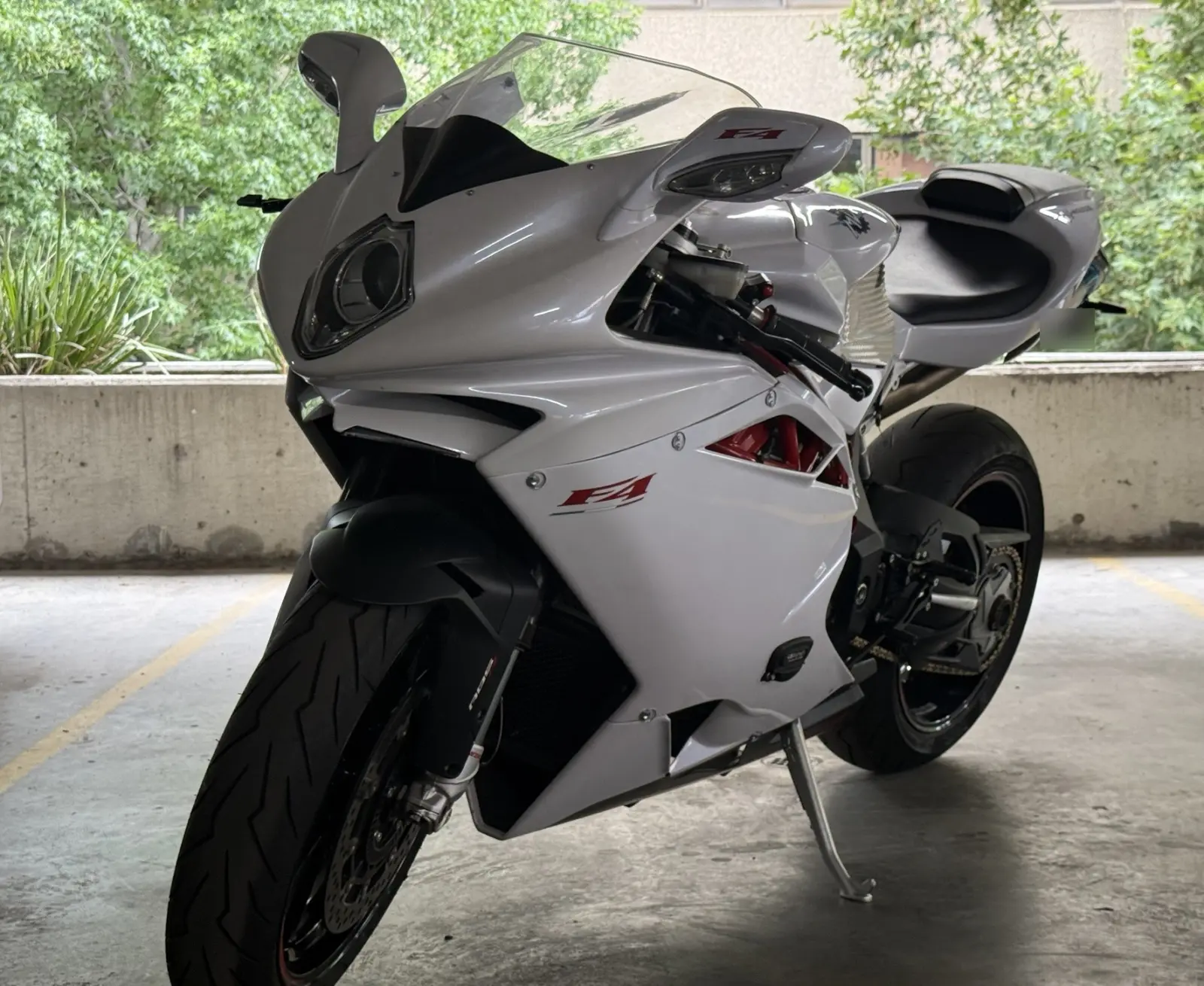
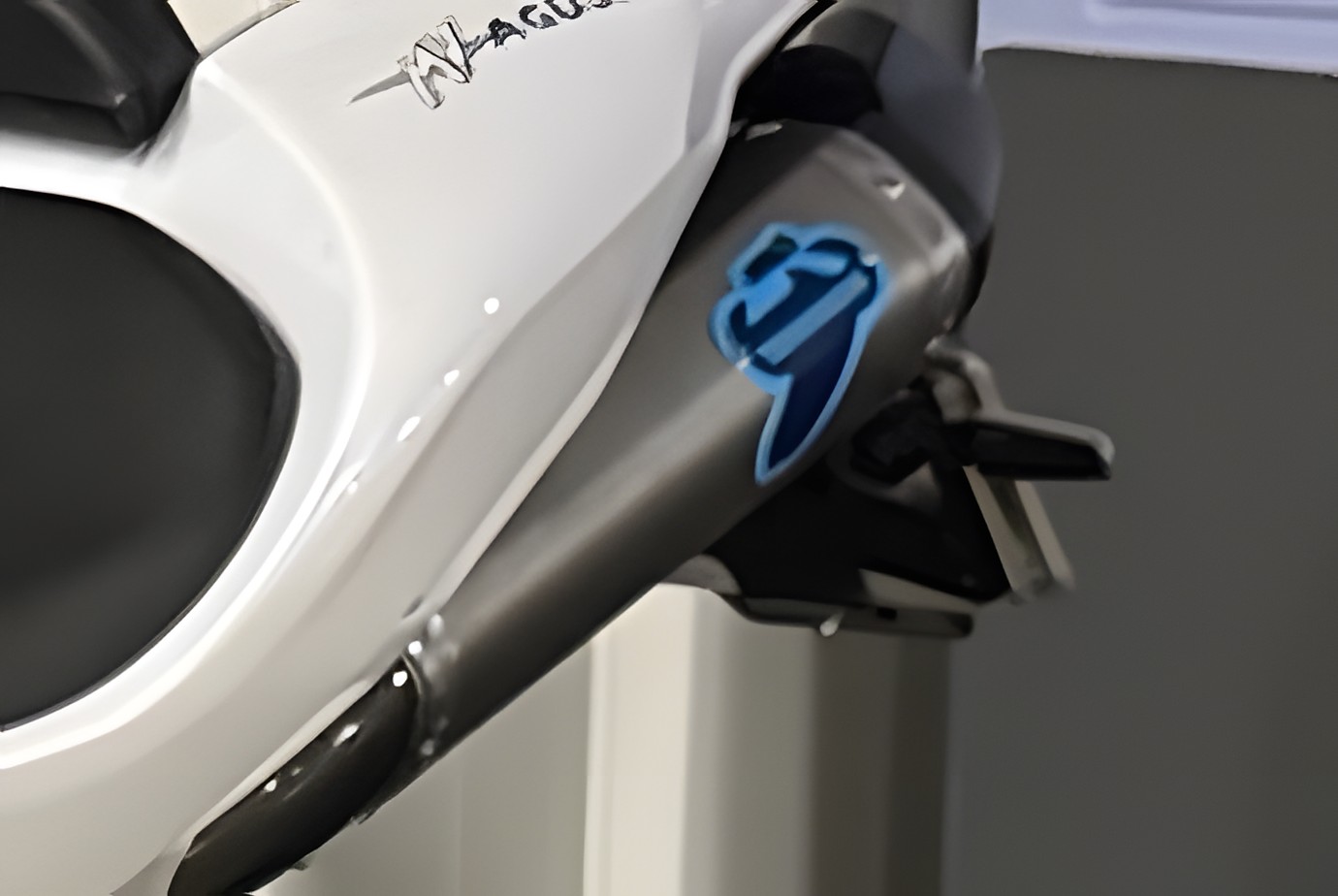
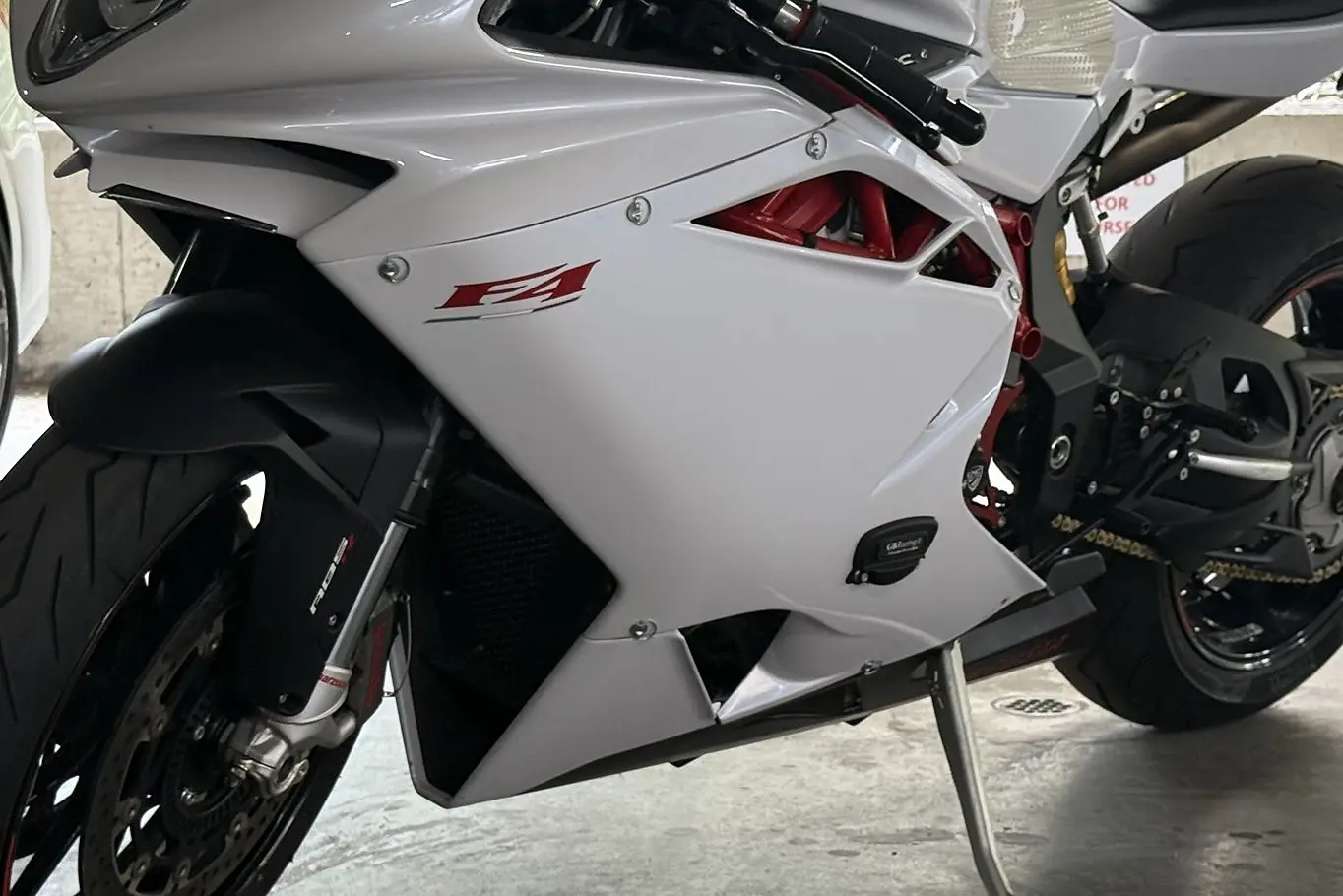
We recommend the MV Agusta F4 for riders who want a sharp, engaging machine for this climb. The 998cc inline four has a strong, willing character that makes the steeper sections feel lively, and the performance exhaust adds a distinctive voice that suits the range. The pearl white finish with a red trellis frame is easy to spot at the lookouts.
The F4 rewards deliberate inputs. Set your line early, brake in a straight line before the lean and let the bike settle before a fast section. On a steep road the bike's responsiveness is best enjoyed with restraint, since a lot of throttle on a tight bend can unsettle a rider who is not fully prepared.
The Yamaha MT-09 SP is a relaxed alternative for riders who want more comfort on rough surfaces, with premium adjustable suspension and strong brakes. The Ducati 1199R is the choice for experienced riders who want maximum pace. Match the bike to your confidence on climbs and descents rather than to appearance alone.
Safety on the range
Gear matters on the Liverpool Range because the temperature drops with altitude and the wind can be cold on the descents. Wear a fitted helmet, an armoured jacket, gloves, pants and boots, and add a warm layer under your gear. Check fit and fastenings before you leave, and keep a waterproof in the pack.
Wildlife is active at dawn and dusk, and kangaroos and other animals can cross the road with little warning. Scan the verges constantly, reduce speed when visibility drops and be ready to brake in a straight line. Wet leaves and moss on shaded corners can be as slippery as gravel, so ease off whenever the surface looks different.
Ride within your ability, and never ride after drinking alcohol. Fatigue creeps up on riders during long climbs, so take a break each hour, eat before you feel hungry and stop when your concentration begins to fade. Check road conditions with Transport for NSW before leaving, since works and closures can change the route at short notice.
Hire rules for this ride
Our bikes are self-drive, collected from our Parramatta base on a three day minimum. Eligibility starts with a full motorcycle licence held for three years or more, and an age of 25 or over for every machine. A security bond is held, set by the class of bike, and trackers are fitted to every machine in the fleet.
A longer booking suits a range crossing, because you can climb on a fresh morning and return the next day by another road. Allow for the weather, and build in a rest day if conditions turn. A cold, tired rider makes more mistakes on a mountain road than on any other kind of ride.
Check your own skill level candidly before you commit to a particular machine. Steep bends, cold air and changing surfaces are demanding for a rider who has not tackled them before. If you are unsure, talk with our team and choose the bike that matches your confidence on the range.
Planning the day and booking
Plan the crossing for the morning, so you reach the top with time to enjoy the view and enough daylight for the return. Leave room in the schedule for stops, photos and the slower stretches. An offline map is worth carrying, because coverage can drop out in the gullies.
Tell someone your route and expected return time. Keep your phone charged and in a secure pocket, and save our contact details before you leave. If you need help, stop somewhere safe, switch the bike off and make the call. Early, sensible decisions keep a mountain crossing enjoyable from start to finish.
When you are ready to ride, use the Book Now option on the MV Agusta F4 page and bring a clear plan, your licence and the right gear. The Liverpool Range rewards patient riders with steep, honest roads and a view that opens over the Hunter country. We look forward to seeing you at the top.
Frequently asked questions
Is the Liverpool Range too steep for a first mountain ride?
It is better suited to riders who already feel comfortable on bends and changing surfaces. The climb asks for steady throttle control, careful braking and good observation on shaded corners. A newer rider should practise on quieter roads first and treat the range as a goal rather than a starting point. Talk with our team about the right bike and a plan that suits your skill.
What is the best time of year to cross the range?
Autumn is the strongest season, with crisp mornings, dry roads and comfortable temperatures for the climb. Spring is nearly as good, with fresh growth and mild afternoons. Summer is hot on the lower slopes and can bring storms over the range, so an early start helps. Winter brings frost and fog, so wait for the sun to warm the bends before the faster sections.
How long does the crossing take?
Allow time for a steady climb plus stops, rather than measuring the ride by the clock. Traffic, weather and the number of lookouts you visit all change the timing. Most riders plan the morning around the climb, a short break in town and an unhurried return. Build in a margin for the descent, which tends to take longer than riders expect.
Where can I refuel near the range?
Fill up before you begin the climb, since services in the foothills can be spaced further apart than in the city. Keep a fuel margin for the return and for any detours you take. Do not assume a station will be open when you arrive, especially outside peak periods. If your range is uncertain, top up early rather than gambling on the next town.
Is it safe to stop at the lookouts?
Yes, provided you stop at a wide, firm spot clear of the traffic lane. Switch the engine off, park on level ground and keep your bike visible to passing drivers. Avoid stepping onto the road for a better angle, and never block a driveway or a gateway. Short stops are better than long ones on busy weekends, when the lookout edges can be crowded.
What should I carry for a day over the range?
Pack a warm layer, a waterproof, water, a light snack, a charged phone and a small first aid kit. Carry a copy of your hire paperwork and the depot contact details. Keep items in a secure pocket or bag so they stay put on the descent. An offline map can help where coverage drops out in the gullies.
Ready when you are. Pick your dates and book the MV Agusta F4 online, or call us and we will sort it with you.
Book NowCall 0468 011 118