
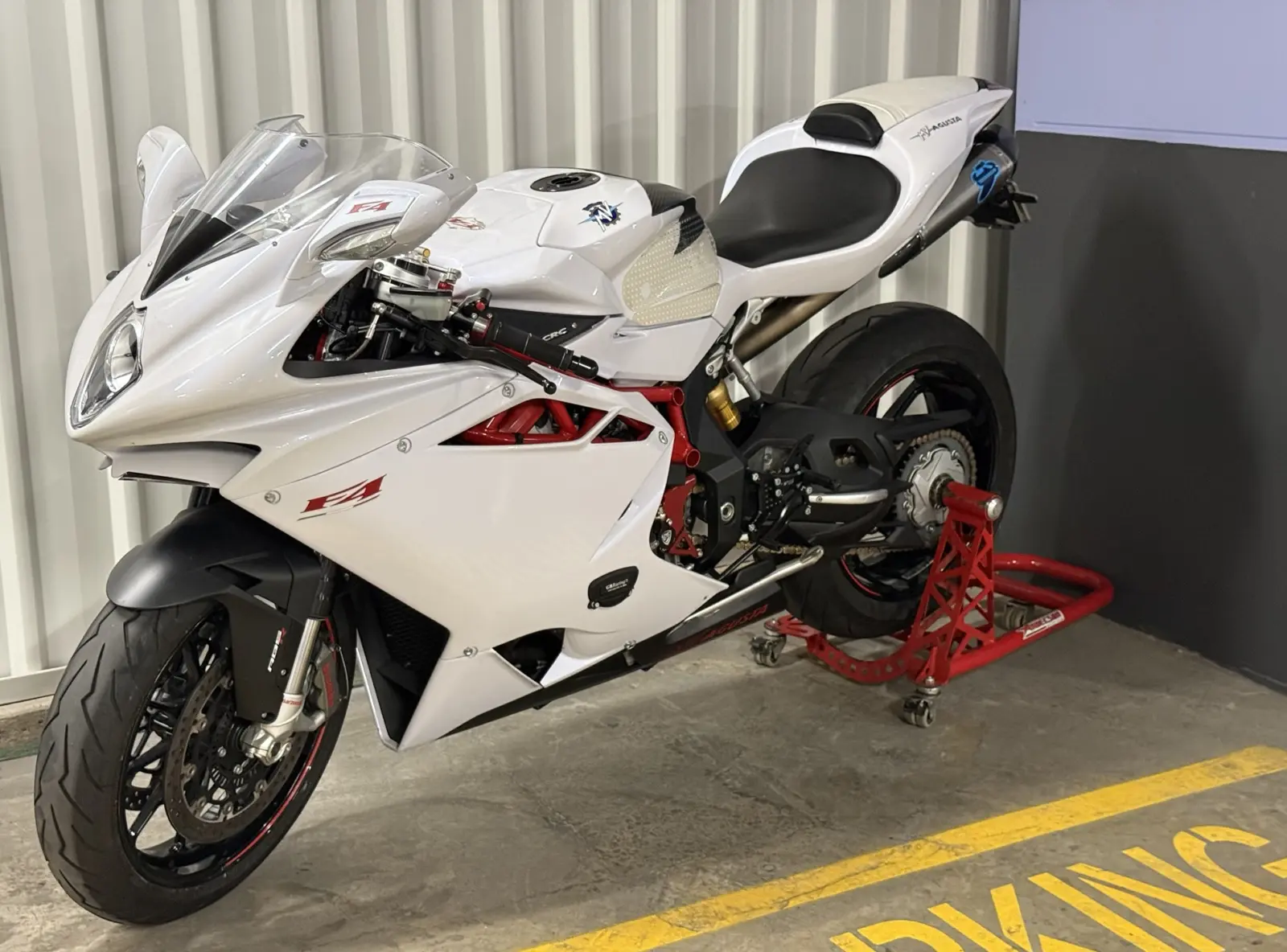
Book the MV Agusta F4. Pick your dates and book the MV Agusta F4 online, or call us and we will sort it with you.
Book NowCall 0468 011 118A midweek ride to the mountains is one of the best ways to get out of the city without giving up a whole weekend. The roads are quieter on a Tuesday or a Wednesday, the lookouts are easy to reach and the air up on the escarpment feels a world away from the western suburbs. Daylight is shorter in the cooler months, so the plan has to be tight. This guide covers the climb from Western Sydney, the roads to ride, the stops worth making and how to get home before dark, with the MV Agusta F4 as our recommended bike.
New to riding with us? Our page on motorbike hire in Sydney covers the bikes, the rider rules and how pick-up works.
Why a midweek escape up the mountains works
Weekends in the Blue Mountains can be crowded, with cars queued at the main lookouts, cyclists strung out along the climbs and day trippers filling every café. A midweek ride avoids most of that. The road is open, the viewing platforms are often empty and you can stop where you like without waiting for a gap in the traffic. For a rider with a free weekday, it is one of the simplest ways to reset.
Western Sydney is a good starting point for this kind of run. The suburbs are busy in the morning peak, but once you are clear of them the road begins to climb and the scenery changes quickly. Within an hour, the flat outer suburbs give way to rising country, bushland and the first cool air of the escarpment. That shift is part of the enjoyment, and it makes the day feel bigger than the distance covered.
The aim of a midweek ride is to feel unhurried. Leave early enough to beat the morning peak, keep the lookouts as the highlights rather than a checklist and plan the return before the light begins to fade. A ride built around those points is calm, satisfying and easy to manage.
Heading west from Parramatta toward the escarpment
From Parramatta, the route runs west through the outer suburbs toward Penrith and the foot of the mountains. The early stretches carry signals, buses and turning traffic, so keep your line steady and signal early. Once past the busiest intersections the road settles into a steady flow, and you can ease into the rhythm of the ride before the climb begins.
The Great Western Highway is the main road up the escarpment, and it carries a steady stream of trucks and cars. Keep a generous gap to heavy vehicles, especially on the uphill sections where they slow and their wheels throw up grit. Use overtaking opportunities carefully, and do not sit in a truck's blind spot for longer than necessary. Traffic is generally lighter midweek, which makes a real difference to how the climb feels.
Before leaving, check the road and traffic conditions with Transport for NSW, since roadworks and weather can change things quickly on the escarpment. Save your route on your phone or print it, and allow time for the climb so you are not pushing the pace on a cold morning.
The climb onto the escarpment
The climb up the escarpment is the heart of the ride. The road winds through long, gentle bends, with the occasional tighter corner and a series of rises that reveal wider views over the valleys. Corners are generally well signed and the sight lines are good, but the road can narrow in places, and shade from the trees keeps some surfaces damp well into the morning.
Position yourself carefully on the climb. Keep to the centre of your lane through the bends, stay well to the left on the open sections and avoid sitting alongside a truck on a tight corner. Brake in a straight line before each bend, then roll on through the apex so the bike stays settled. A smooth, progressive rhythm keeps both you and the bike comfortable on a long uphill run.
Every lookout pull-in is an opportunity to stop, but stop well off the carriageway on firm, level ground. The views from the escarpment are wide and deep, and they reward a pause. Make sure the bike cannot roll, and keep your stop short enough to avoid the cold settling in once you have finished climbing.
Bells Line of Road on a quiet weekday
Bells Line of Road is the alternative for riders who want a longer, more twisting route. It runs through the hills in a long sequence of bends, with a varied surface and a mix of open sweeps and tighter turns. It is sealed and well known among riders, and a quiet weekday is the best time to ride it, when the corners can be taken at a measured pace and the lookouts are free.
Expect the corners to ask for a patient approach. Enter each bend slowly and wide enough to see past the apex, and avoid carrying speed into the tighter sections. The surface is generally sound, though some patches have been repaired and the edges can carry leaves and grit, especially in the shade of the trees.
Weekends are much busier on this road, with cyclists, cars and groups of riders sharing the same stretch. Midweek mornings are the calmest window, and they give you the freedom to ride the road at your own pace. Keep your eyes well up, and watch for vehicles pulling out of lookouts and side roads without much warning.
Mountain towns, lookouts and parking
The mountain towns make good stops on the way up. Katoomba is a natural base for the day, with its wide views, its old main street and the famous lookout at Echo Point, where the rock formations of the Three Sisters are visible across the valley. Blackheath and Mount Victoria offer quieter stops with cafés and walking tracks close to the main road.
Parking on a midweek visit is usually straightforward, though the car parks at the main lookouts can still fill at lunchtime. Choose a legal, sealed space that does not block a driveway, a bus stop or an access point, and keep the bike upright on firm ground. Avoid parking on the gravel or grass near the edges of the lookout, where the surface can be soft and uneven.
Lock the bike with a disc lock or chain, and carry your helmet, gloves and jacket with you. Keep valuables out of sight and walk back to the bike regularly, checking the surface and the bike before you ride on. A quick look around the bike is a good habit after a long walk in the cold.
Short winter daylight and the best time of day
Winter is the season most riders associate with the mountains, and it is also the season with the shortest days. The sun drops early in the afternoon, and the cold air settles quickly once the light fades. That makes an early start essential. Set off after 6am, climb while the roads are quiet and aim to be on the return leg by mid-afternoon, so the descent happens in good light.
Autumn and spring are gentler seasons for this ride. The temperatures are kinder, the light is generous and the escarpment looks its best with the leaves turning or new growth coming through. Summer is warm on the lower roads and cooler on the mountains, so pick your timing with the forecast in mind, and remember that storms can build over the escarpment in the afternoon.
Fuel and food need a little forethought. Fill the tank in Western Sydney before the climb, since stations on the mountain roads are spaced out and not every one is open all day. Pack a light snack and water, and plan a café stop in one of the towns rather than relying on roadside food. Midweek kitchens are generally less busy, so a relaxed lunch is easier to find.

Want the MV Agusta F4 for your date? Pick your dates and book the MV Agusta F4 online, or call us and we will sort it with you.
Book NowCall 0468 011 118Cold air, fog and the edges of the day
The mountains are cold, and the cold arrives early. Temperatures can drop sharply once the road climbs above the valleys, and the wind on the escarpment can feel biting even on a sunny day. Dress in layers, with a thermal base, a windproof outer and gloves that keep your hands working for the clutch and brake. Warm your muscles with a short stretch before you set off.
Fog can settle on the escarpment, particularly in the early morning and the late afternoon. It can reduce visibility to a few metres, and the damp surface makes braking less predictable. If you meet fog, ease off, keep your headlight on and wait for the air to clear. Do not try to outrun it, and never push on in poor visibility to make up time.
Wildlife is most active at dawn and dusk, and the roads at the edge of the bush are where you are most likely to meet kangaroos and wallabies. Keep your speed controlled through the early and late hours, scan the verges and assume any movement at the roadside could become a crossing animal. Taking those precautions is far more effective than any amount of braking once the animal appears.
Wet weather, gravel and staying on sealed roads
Mountain weather changes quickly. A sunny climb can turn into cloud and rain within minutes, and wet bitumen brings oil and dust up to the surface. Reduce speed well before the corners, avoid braking hard over painted lines and metal covers, and keep a wider gap to the traffic in front. Wet-weather gear is worth carrying, and it is best put on before the rain arrives.
Gravel and leaf litter are the hazards on the edges of the mountain roads. They collect on the outside of corners and at the entrances to lookouts and side tracks. Look well through each bend, notice whether the edge is dusty or clean, and reduce speed before you lean. A patch of grit that looks harmless can take the grip from a tyre without warning.
Our road bikes are for sealed roads only, so keep to the bitumen and turn back if the surface changes to a gravel track. A midweek ride is the perfect time to enjoy the sealed roads at a relaxed pace, and there is no need to chase a shortcut that leads onto an unsealed route.
Fatigue, alcohol and riding within your ability
A midweek escape can still be a long day in the saddle. The climb, the cold and the concentration needed on winding roads all add up, and fatigue can creep in when you least expect it. Take a break roughly every hour, stretch your hands and shoulders, drink water and eat something light. If your focus begins to drift, stop, rest and resume only when you feel alert again.
Never ride after drinking alcohol. A relaxed lunch or a glass by a fire at the end of the day is a reason to leave the bike parked and make other arrangements for the return. Mountain roads demand a clear head, and the decisions made on the climb are only as good as the mind making them.
Ride within your ability on the escarpment. There is no need to keep up with anyone or to chase a faster time on the bends. A steady line through each corner and a comfortable pace give you the margin you need to react to wildlife, traffic and changing weather.
Overnight in the mountains and the MV Agusta F4
Bikes are self-drive and hired from Parramatta, with a three day minimum hire. Each rider must hold a full motorcycle licence and have held it for at least three years, and must be aged 25 or over. If you stay overnight in the mountains, the bike must be kept in a locked garage or secure off-street parking between 9pm and 6am, so choose accommodation that can offer that before you book.
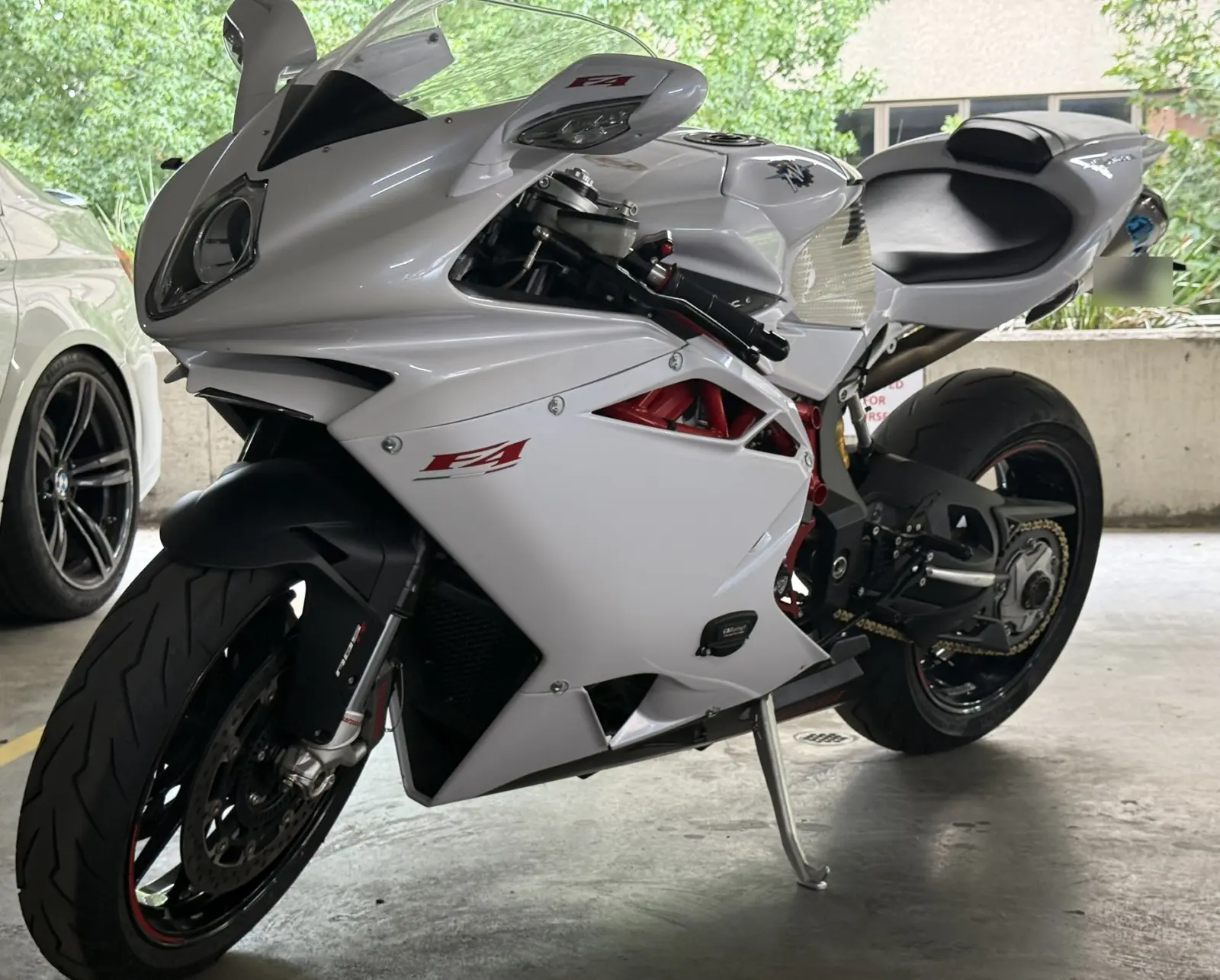
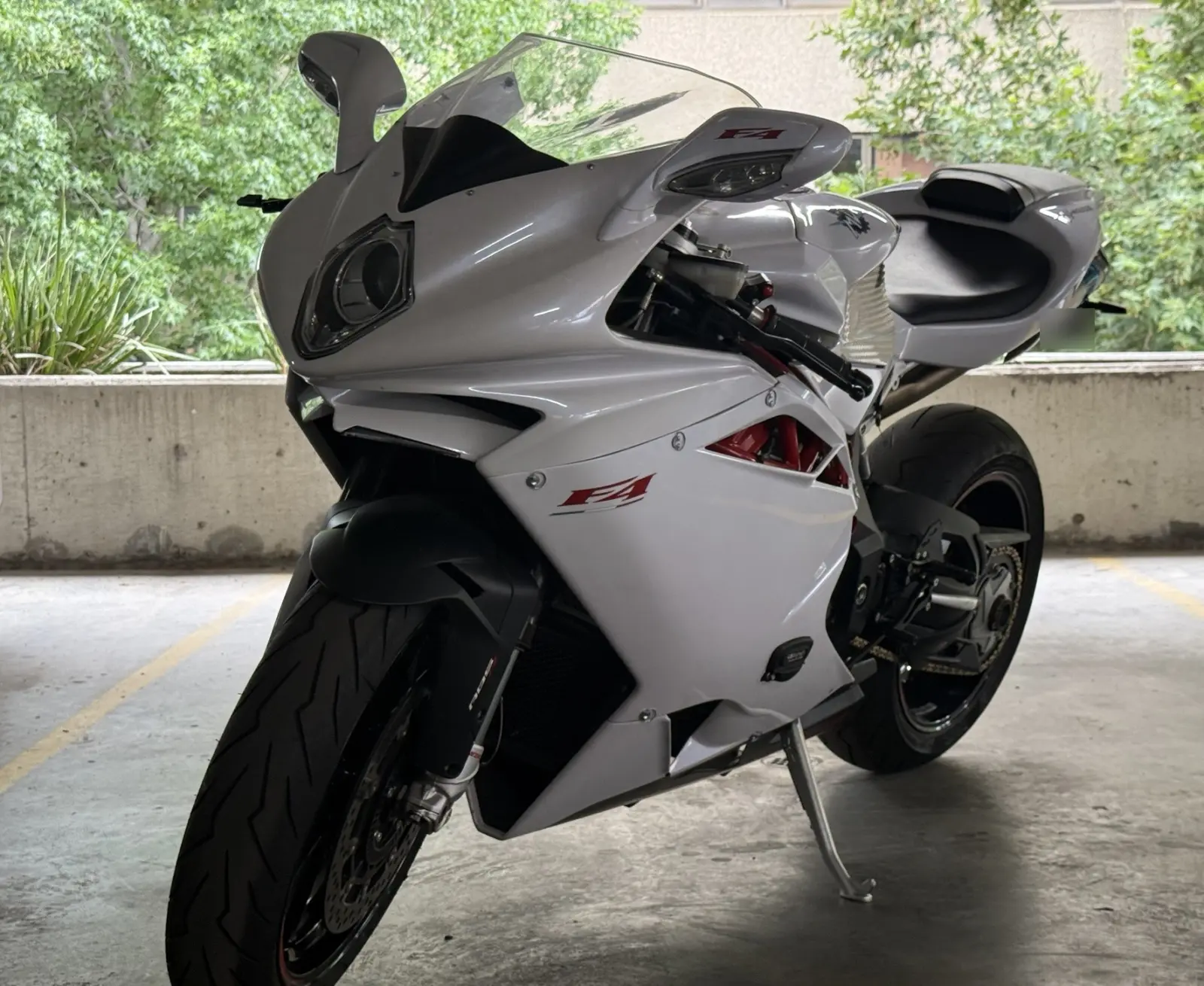
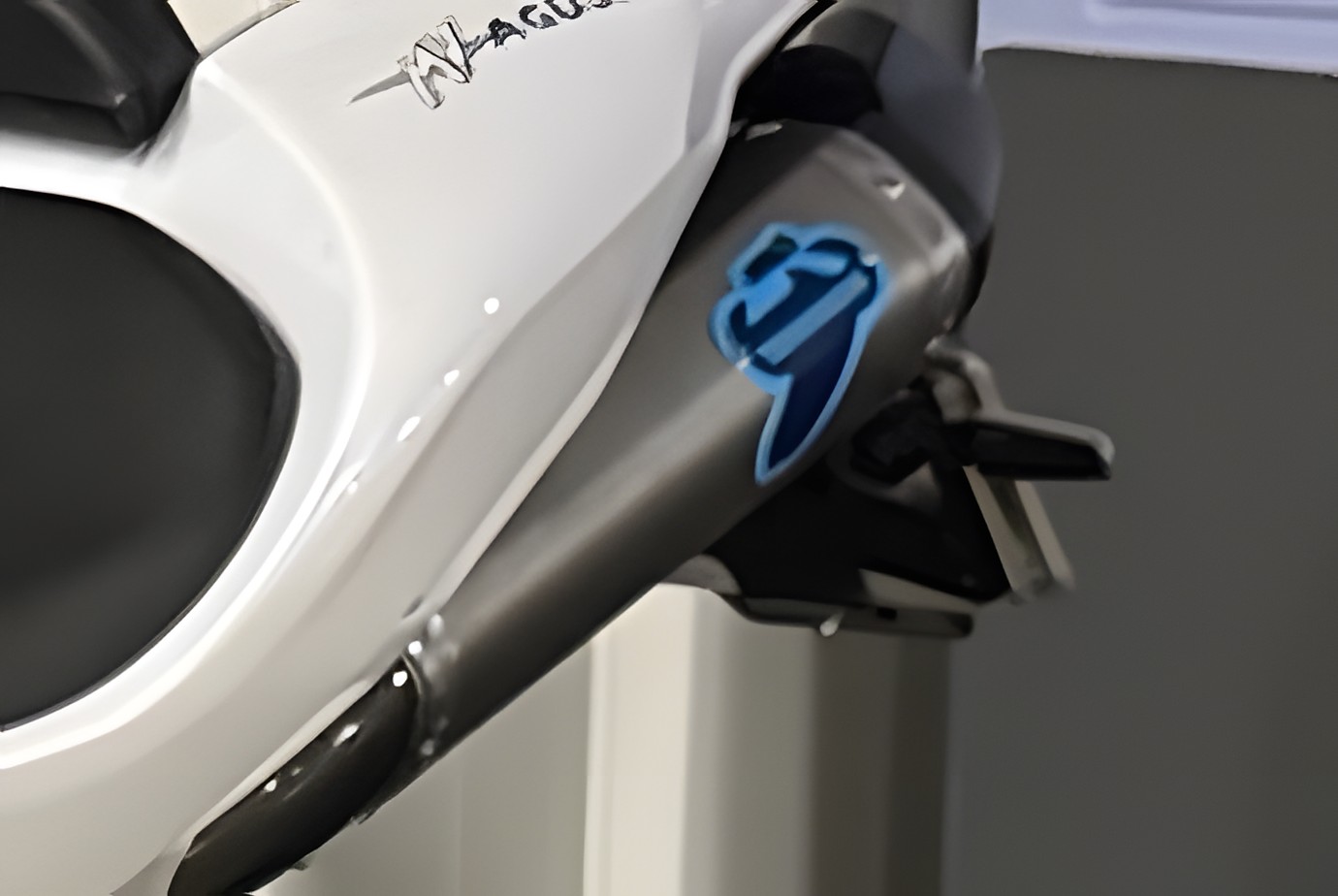
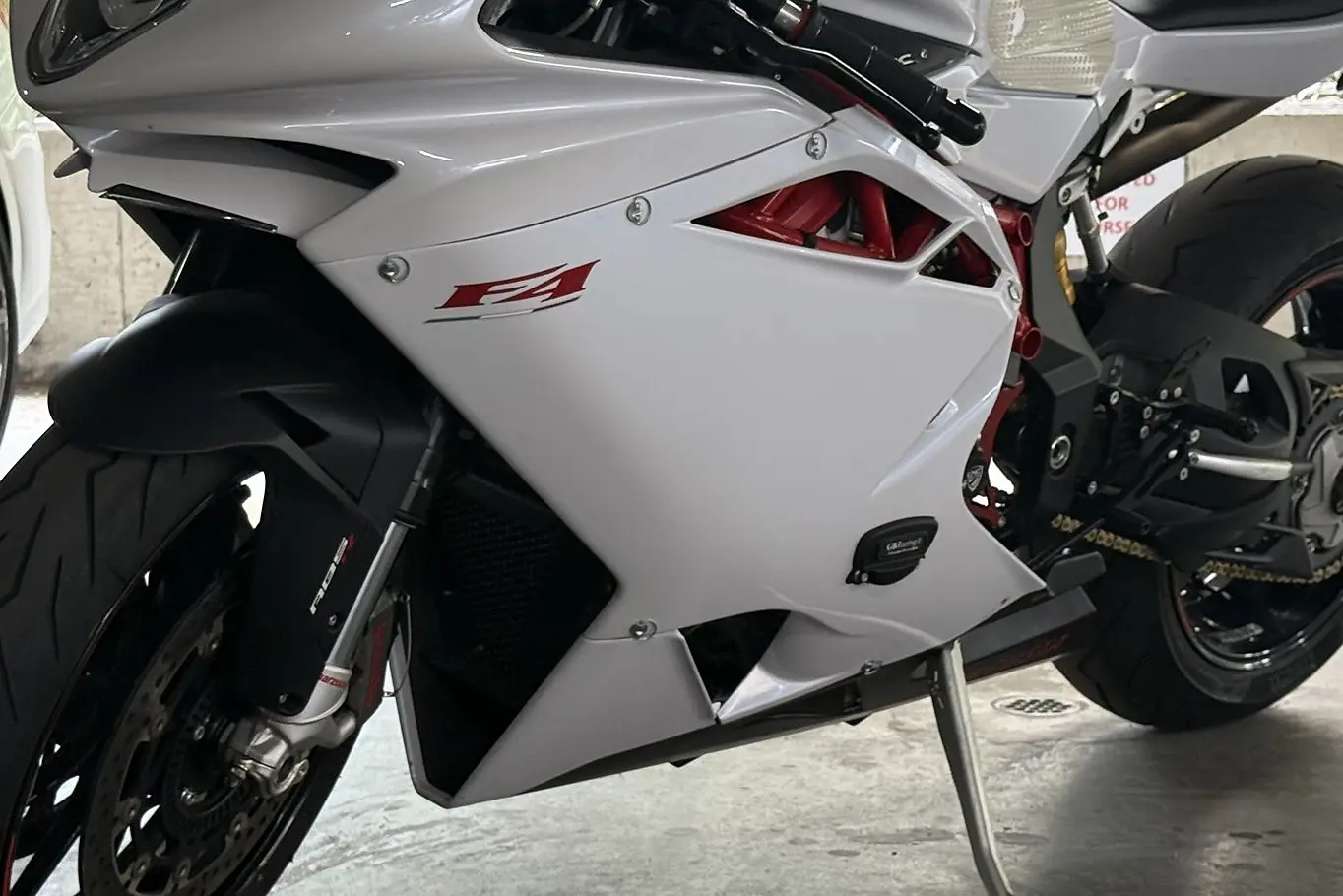
For a midweek escape up the escarpment, we recommend the MV Agusta F4. It is a 998cc inline four with 143 kW, finished in pearl white with a red trellis frame, and it has a performance exhaust tuned to its character. It is a single-seater, which suits a solo escape, and it rewards a rider who likes to pick a steady line through the mountain bends.
When the weekday is set, book the MV Agusta F4 through its fleet page and plan the climb for an early start. The mountains are at their best on a quiet midweek morning, and we would be glad to help you map the route and the timing for your own escape.
Frequently asked questions
Is a midweek ride to the mountains really quieter than a weekend trip?
Yes, in most cases. Weekday traffic on the escarpment roads is generally lighter, and the main lookouts are less crowded than they are on a sunny weekend. Cyclists are also fewer on the climbs, which makes the bends easier to manage. The exception is a school holiday period, when more families may be on the road, so check the calendar before you plan the day.
What is the best lookout for a short stop?
Echo Point in Katoomba is a popular choice, with wide views across the valley and easy access from the main road. Blackheath and Mount Victoria offer quieter stops with walking paths close to the highway. Choose a lookout with a sealed, legal car park and a clear view of the bike from where you stand, and keep the stop short enough to stay warm and focused.
How early should I leave Western Sydney on a winter day?
Leave after 6am and aim to be climbing before the morning peak has fully built. Winter daylight is short, and the cold settles quickly once the road lifts above the valleys. An early start gives you time for the climb, a relaxed lunch and an unhurried return before the light fades in the afternoon.
What do I do if fog closes in on the escarpment?
Ease off early, keep your headlight on and find a safe place to pull off if the visibility drops. Do not try to outrun the fog or push on to make up time, because the damp surface makes braking unpredictable. Wait for the air to clear and resume only when you can see the road clearly for a good distance ahead.
Are there gravel sections on the mountain roads?
The roads we recommend are sealed, but gravel and leaf litter gather at the edges, near lookouts and at side track entrances. Keep to the bitumen throughout, and turn back if the surface changes to an unsealed track. Look well through each corner and reduce speed before you lean, so that loose material does not catch you out.
Can I ride the mountains in summer?
Yes, though it requires careful timing. The lower roads are hot and the escarpment can be cooler, but afternoon storms can build quickly over the mountains. Start early, keep an eye on the forecast and plan to be on the return leg before the afternoon cloud develops. Carry a waterproof layer and water, and turn back early if the sky begins to darken.
Ready when you are. Pick your dates and book the MV Agusta F4 online, or call us and we will sort it with you.
Book NowCall 0468 011 118