
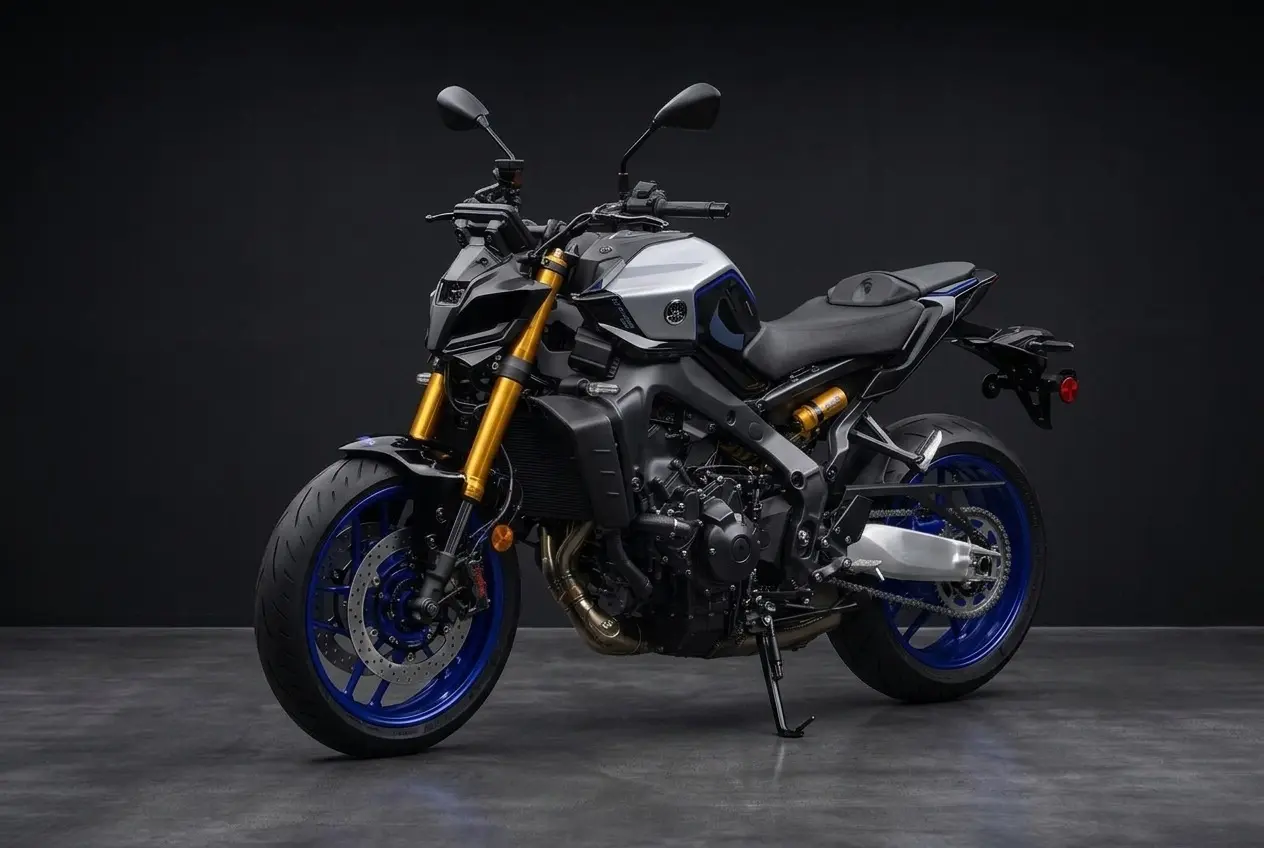
Book the Yamaha MT-09 SP. Pick your dates and book the Yamaha MT-09 SP online, or call us and we will sort it with you.
Book NowCall 0468 011 118Riding two up on a mountain road changes the bike, the rhythm and the job of the person on the back. The weight shifts as you lean, the braking distance grows, and every corner asks for smoother, more deliberate inputs than a solo ride. Good shared riding is less about heroics than about agreement: a clear plan, a passenger who knows what to expect, and a rider who treats every movement as important. This guide sets out how each of you can share the job safely.
New to riding with us? Our page on motorbike hire in Sydney covers the bikes, the rider rules and how pick-up works.
Why two up changes the mountain road
On a flat highway, carrying a passenger feels much like riding solo with a bit more weight. On a winding mountain road, the difference is significant. The bike responds more slowly to steering, the brakes need a longer run, and the centre of gravity sits differently through each bend. A ride that felt relaxed alone can feel demanding with a second person aboard, so plan for that from the start.
The character of the road matters too. Mountain routes combine tight bends, climbs and descents, changing surfaces and sudden shade under the trees. Each of those features asks the rider to think a little further ahead, and the passenger to stay still and predictable. The more you both understand the road, the less surprising it becomes.
Shared control begins before you leave the kerb. The rider sets the pace, the line and the stops, while the passenger supports that plan by staying settled and communicating clearly. Neither job is minor. A passenger who fidgets or leans without warning can unsettle a perfectly good corner, and a rider who ignores the passenger's comfort can end a day badly.
The passenger's job before you leave
A good passenger ride starts with a short conversation. Agree the plan, the route, the expected stops and what the passenger should do if they feel unwell or unsure. Clear expectations keep the ride calm, and they give both of you a shared picture of what the day will look like.
Check the practical details before you set off. Make sure the passenger has the right protective gear and that it fits properly, that their boots cover the ankle and that loose clothing is tucked away. A passenger who is comfortable and secure from the first kilometre is far more likely to stay still and relaxed on the bends.
Walk through the basics together, so that the passenger knows what to expect from the bike. The key points are summarised below, and each one is worth repeating before the first climb:
- Hold the grab handle or the rider's torso, and keep both feet on the footrests
- Sit still and sit square, and move with the bike rather than against it
- Look over the rider's shoulder through the bends, not down at the road
- Speak up early if you feel unwell, cold or unsure, and ask for a stop
The rider's job: smoothness and sight lines
With a passenger aboard, your inputs need to be smoother than usual. Roll the throttle on and off gently, brake in a straight line before the lean and avoid sudden changes of direction. Each action is felt by the passenger as well as the bike, so calm, progressive riding is the best way to keep both of you settled.
Look well ahead. Mountain roads reward a rider who reads the bend from a distance, picks the exit early and sets a line that gives the bike room. When you are looking ahead, the passenger's movements become easier to predict, because you are already planning the corner before it arrives.
Set your speed for the corners before you enter them. Riding two up means the bike needs more distance to slow and more time to settle. If you have to brake mid bend, the passenger may feel it strongly, so make sure your entry speed gives you a comfortable margin on every corner.
Leaning together: how movement works
Leaning with a passenger is a matter of trust. The passenger should stay upright in their own seat and move with the bike through the corner, rather than leaning independently or pulling against the rider. When you are both sitting square and relaxed, the bike can take its natural line, and the corner feels stable.
Avoid sudden shifts of weight. A passenger who leans early or late, or who tenses up when a bend tightens, can change the balance of the bike at the wrong moment. Practise the expected movements on a quiet road before you tackle a steep mountain route, so that both of you know how the bike feels when loaded.
If the passenger feels uncomfortable at any point, the answer is to stop, not to keep riding and hope it passes. A short break lets the passenger reset their posture and gives the rider a chance to check the bike and the road. A steady, unhurried day with a few stops is far better than a rushed run.
Communication and checkpoints at stops
Talk through the ride at each stop. Ask the passenger how they are feeling, check that the gear is secure and confirm the plan for the next section. Short, regular check-ins keep both of you aware of how the ride is going, and they prevent small discomforts from growing into bigger problems.
Agree a simple way to signal a need for a stop before you leave the kerb. A tap on the shoulder or a clear hand signal is enough, as long as you both know what it means. A passenger who can ask for a break without feeling awkward is far safer on a long climb.
Use the stops to reset your attention too. Riders can become tired on a mountain road without noticing, and a passenger's quiet remark can be a useful warning. Take the chance to drink water, stretch your back and shoulders and check that gloves and boots are comfortable before the next stretch.
Mountain road character: corners, surfaces and crowds
Mountain roads vary sharply from section to section. Some stretches offer long, sweeping bends that let you settle into a rhythm, while others tighten into short, tricky corners with little room for error. The surface can change from fresh bitumen to worn patches, and gravel or leaf litter can collect at the edges after wet weather.
Traffic is often mixed. Tourists may stop at lookouts without warning, and heavier vehicles can take a wide line through the bends. Cyclists are common on the quieter sections, and they need plenty of space. Give every vehicle room, and keep your passenger informed of any traffic that might affect the next corner.
Crowds are heaviest on weekends and during school holidays, when the lookouts and the towns fill up. Parking can be limited, and the roads can be busy with visitors who are not yet familiar with the bends. Check current road conditions with Transport for NSW before you leave, and plan a route that suits the traffic you expect.
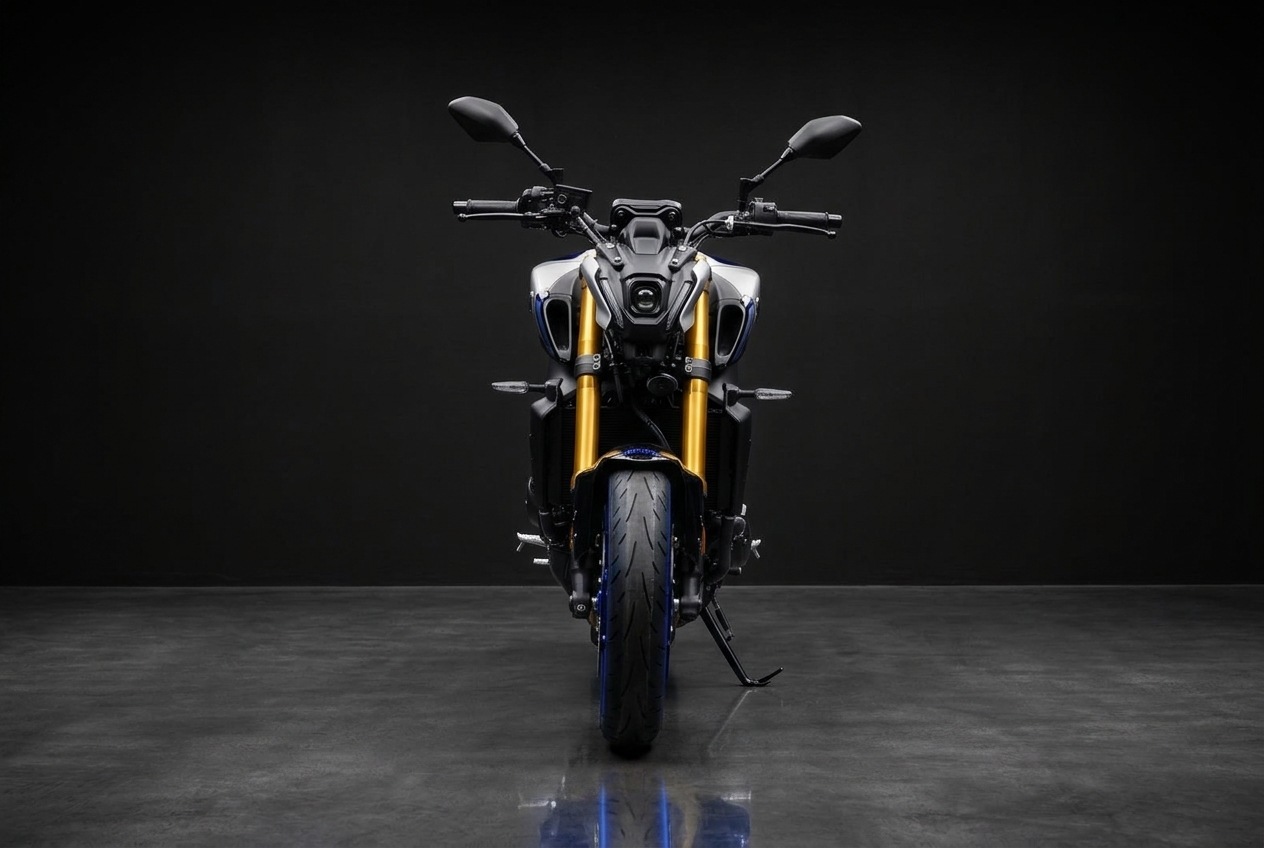
Want the Yamaha MT-09 SP for your date? Pick your dates and book the Yamaha MT-09 SP online, or call us and we will sort it with you.
Book NowCall 0468 011 118Best time of day, season, fuel and food for a two-up day
Autumn and spring give the most comfortable conditions for two-up riding in the mountains. Temperatures are mild, the roads are usually dry and the views are at their best. Summer mornings are a good time to ride, but the afternoons can be hot, so finish before the heat builds. Winter mountain roads can be cold, damp and misty, and a passenger may feel the chill more than the rider.
Fill the tank before you climb into the mountains, since fuel stops can be spaced out along the way. Plan a fuel stop in a larger town and check your range against the total distance, adding a margin for the stops and detours that a two-up day usually involves. Your passenger will appreciate knowing where the next stop is.
For food, choose a café with room to sit down and warm up, rather than eating on the move. A relaxed lunch gives you both a chance to stretch and talk through the afternoon. Keep the meal modest, because a heavy lunch can leave you drowsy on the twistiest sections. Remember that weekend crowds fill cafés early, so order promptly.
Fatigue, warmth and the passenger's comfort
Fatigue affects the passenger as much as the rider, and it often shows up as stiffness, sore shoulders or a loss of attention. Watch for these signs, and build breaks into the day before they are needed. A passenger who is comfortable is better able to stay still and alert, which makes the ride safer for both of you.
Warmth matters too. Cold air moving over the bike can chill a passenger quickly, particularly on descents and in the shade of the trees. Wear a layer under the jacket, keep gloves dry and carry a spare warm layer for the stops. A passenger who is warm and dry is far more relaxed on the bends.
Keep alcohol off the table for the whole day. Riding two up doubles the responsibility on the rider, and the passenger's safety depends on the rider's judgement. Save any celebration for the end of the ride, and make sure the bike is parked before anyone relaxes with a drink.
Why the Yamaha is the bike for two up
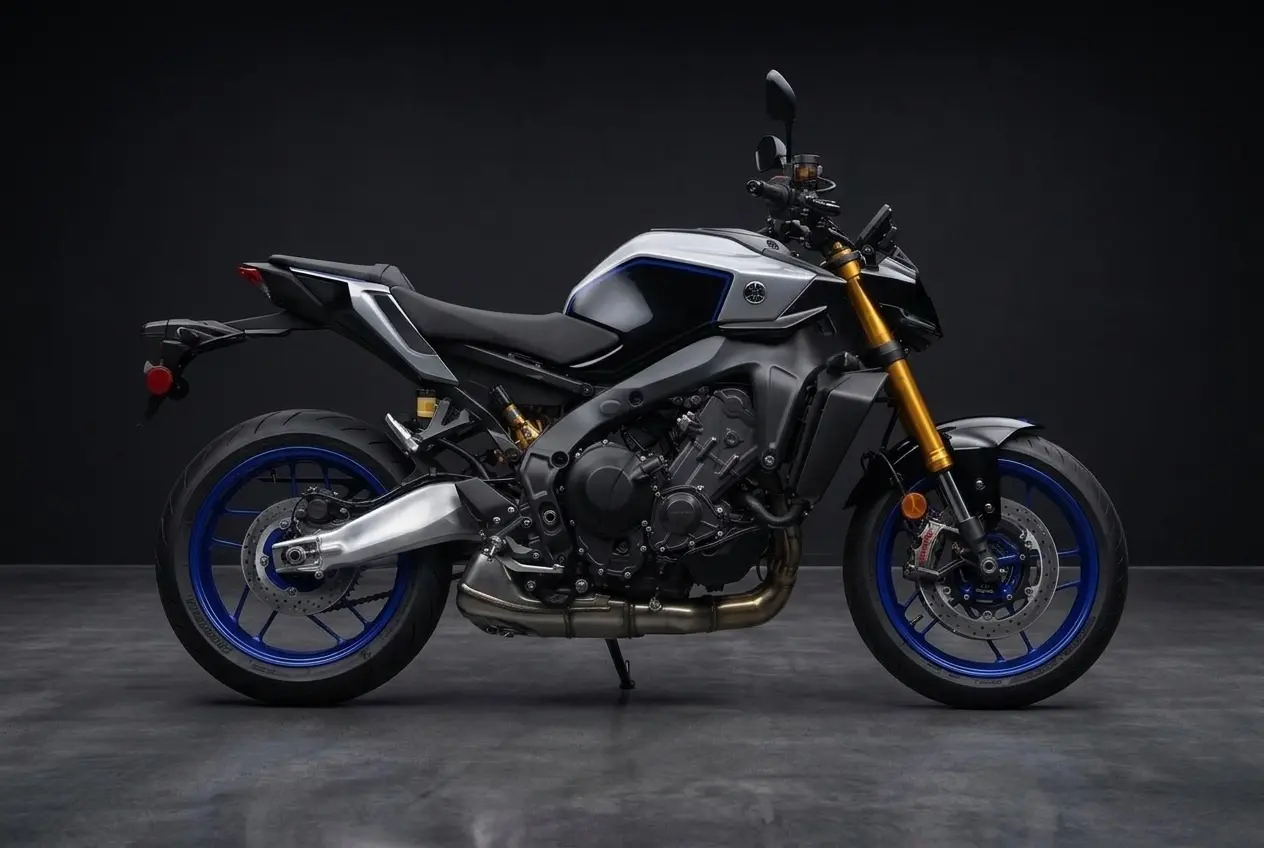
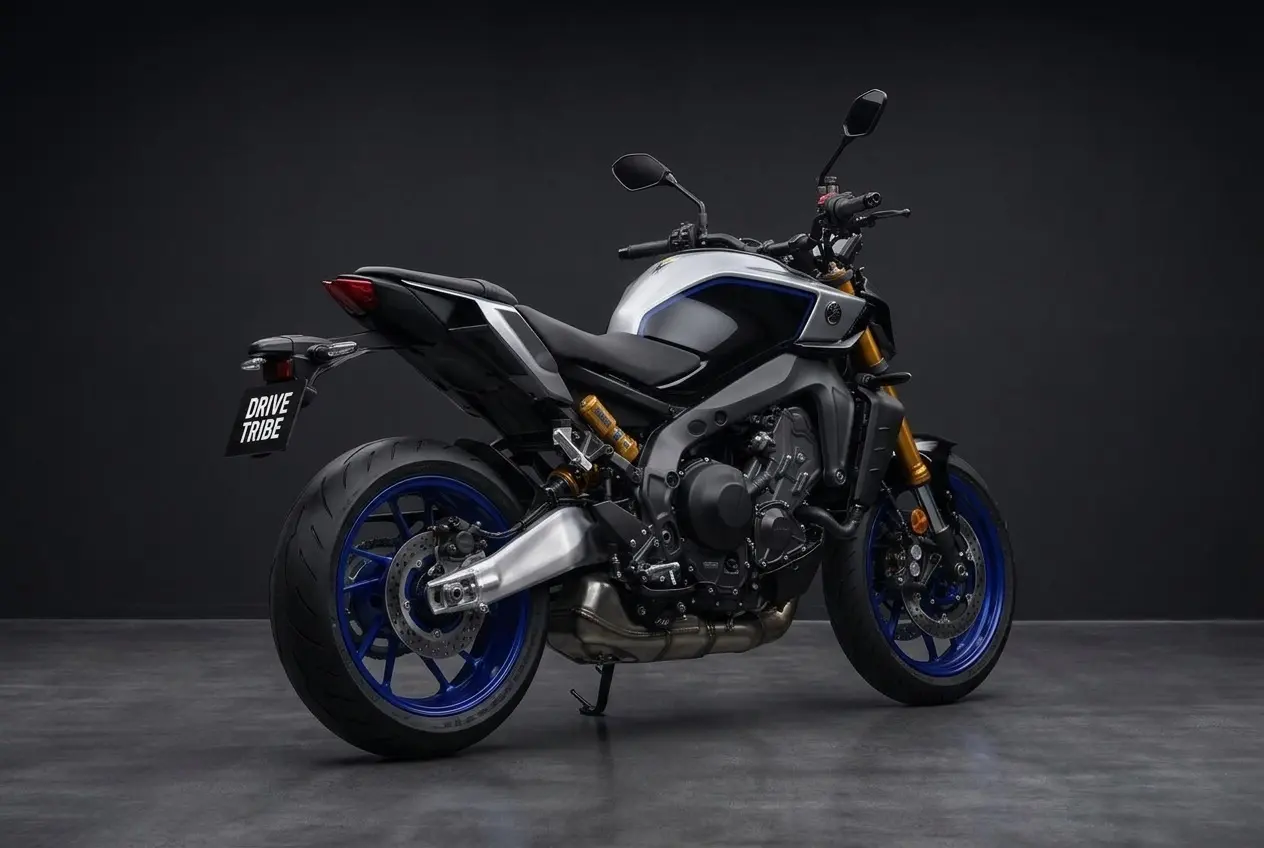
The Yamaha MT-09 SP is the natural choice for two-up mountain riding, and it is the bike we would point you toward for this kind of day. It is an inline three performance naked bike with premium adjustable suspension and strong brakes, and that combination helps the bike stay composed when it carries a second person and a load of gear.
The gold front forks and the naked riding position give the rider a clear view of the road and the bends, while the suspension and brakes help manage the extra weight through the corners. A planted, predictable bike makes shared control easier, because the rider can focus on the line and the passenger can focus on sitting still.
If you are planning a two-up day, tell us about the passenger's experience and the route you have in mind. We will help you plan a sensible pace and a stop schedule that suits both of you, so the mountains are an enjoyable experience for everyone on board.
Hire rules, planning and booking your two-up ride
Three hire rules matter for this ride. A passenger may travel only on the Yamaha MT-09 SP, and only one passenger aged 16 or over. You need a full motorcycle licence held for at least three years and must be 25 or over on every bike. We may also end a hire if we judge a rider unsafe, so the shared plan, the pace and the stops should always be chosen with safety first.
Plan the day with a clear head. Set a turnaround time, agree on the route and decide where the stops will be before you leave. A good two-up ride ends with both of you talking about the views, not the moments that felt uncomfortable, and that outcome depends on planning and honest communication.
When you are ready, you can reserve the Yamaha MT-09 SP and we will walk you through the bike, the passenger requirements and the plan for your day. For a look at the rest of our range, visit the fleet page. Book the Yamaha, share the ride and enjoy the mountains together, with patience, clear signals and a steady hand on the bars.
Frequently asked questions
Can any passenger ride with me on the mountain roads?
Whether a second person can join you depends on the bike you hire, so we confirm the details with you when you book. Before the ride, make sure your passenger is comfortable with the plan, has suitable protective gear and understands how to sit still and move with the bike through the corners.
How is riding two up different from riding alone on a winding road?
The bike carries more weight, it responds more slowly to steering and the brakes need more distance. The passenger's movements can also affect the balance through the bends. Riding two up asks for smoother inputs, earlier braking and a slower overall pace, so plan for longer stopping distances and extra time on each climb.
What should a passenger do on a corner?
The passenger should sit still, stay square on the seat and move with the bike rather than against it. Look over the rider's shoulder through the bend to see where the road is going. Hold the grab handle or the rider's torso, keep both feet on the footrests and avoid leaning independently. If something feels wrong, speak up early.
What if the passenger feels unwell or nervous?
Stop as soon as it is safe to do so, at a turnout well off the carriageway. Give the passenger time to get off the bike, stretch and drink water, and talk through what they are feeling. Only continue when both of you are comfortable. A short pause is always better than riding on with a nervous or unwell passenger.
Is it safe to ride two up in cold or wet weather?
Cold and wet conditions make two-up riding more demanding. Grip is reduced, the passenger may feel the cold more than the rider, and the braking distance increases. Wait for the road to warm and dry where possible, add warm layers for both of you and reduce speed further through the bends. Check the forecast before you leave and be ready to shorten the day.
Should the passenger drink alcohol at lunch?
No. Riding two up doubles the responsibility on the rider, and the passenger's safety depends on the rider's judgement and alertness. Keep alcohol out of the day entirely, and save any drinks until the bike is parked and the ride is over. This is the simplest and safest rule for everyone on board.
Ready when you are. Pick your dates and book the Yamaha MT-09 SP online, or call us and we will sort it with you.
Book NowCall 0468 011 118