

Book the MV Agusta F4. Pick your dates and book the MV Agusta F4 online, or call us and we will sort it with you.
Book NowCall 0468 011 118Nundle Road climbs out of the Tamworth country into the ranges, and the grades give a rider plenty to think about. The climb needs a bike that pulls cleanly, the descent needs a steady hand on the brakes, and the surface changes as the road winds through forest and farmland. This guide covers how to approach the climb and the long way down, with the planning points and safety notes that matter. Our featured bike for this run is the MV Agusta F4.
New to riding with us? Our page on motorbike hire in Sydney covers the bikes, the rider rules and how pick-up works.
What a ranges climb asks of a bike and rider
A long climb through the ranges is a test of patience as much as of the machine. The grades come in steady sequences, the bends tighten at intervals, and the road can lift you well above the farmland you started from before you notice the change. Riders who handle these climbs well plan their gears, their breaks and their line before the first bend.
The bike needs to pull cleanly on the grades and respond predictably as you change lean angle. You want a machine that does not surprise you at the apex and that rewards a smooth, measured hand. Comfort matters too, because a climb that takes an hour or more can make tired wrists and shoulders feel heavier than they should.
Think of the climb in stages. The lower grades are about warming up, the middle section is about finding a rhythm, and the upper bends call for careful, deliberate riding. Breaking the climb into those stages makes it easier to manage the energy and attention the day needs from start to finish.
The hire points for a ranges trip
Three points shape a trip like this. Bikes start from our Parramatta base, and a three day minimum means a ranges run fits best into a proper weekend or a short stay. You must hold a full motorcycle licence for at least three years and be 25 or older on every bike, and the MV Agusta F4 is a single-seater, so plan this run as a solo ride.
Because the ranges sit a good way from the coast, the first leg from Parramatta is a long one. Decide which day you want for the climb itself, and keep the day before it lighter, so you reach the foot of the grades with energy to spare rather than a head full of traffic.
Pick your accommodation with the ride in mind. A base near the foot of the climb saves time in the morning, while a town further along the route opens up a different set of stops. Either way, settle on your starting point the night before rather than working it out in a rush.

Leaving Tamworth and the first grades
Tamworth is a practical last stop before the ranges. Fill the tank, check the tyres and confirm your route before you leave the last sizeable centre. The first kilometres are generally easy, with open country and steady traffic, so settle the bike and your head before the grades begin to bite.
Watch for the first real change in the road. The grades start to lift, the bends become more frequent and the surface can show patches where water has run across the seal. Adjust your pace before each rise and avoid building momentum into a crest you cannot see over.
The early stretch is also the best place to test your line and your braking. Make a few easy runs through gentle bends, feel how the bike responds and set your rhythm before you commit to the steeper sections higher up.
The MV Agusta F4 on the grades
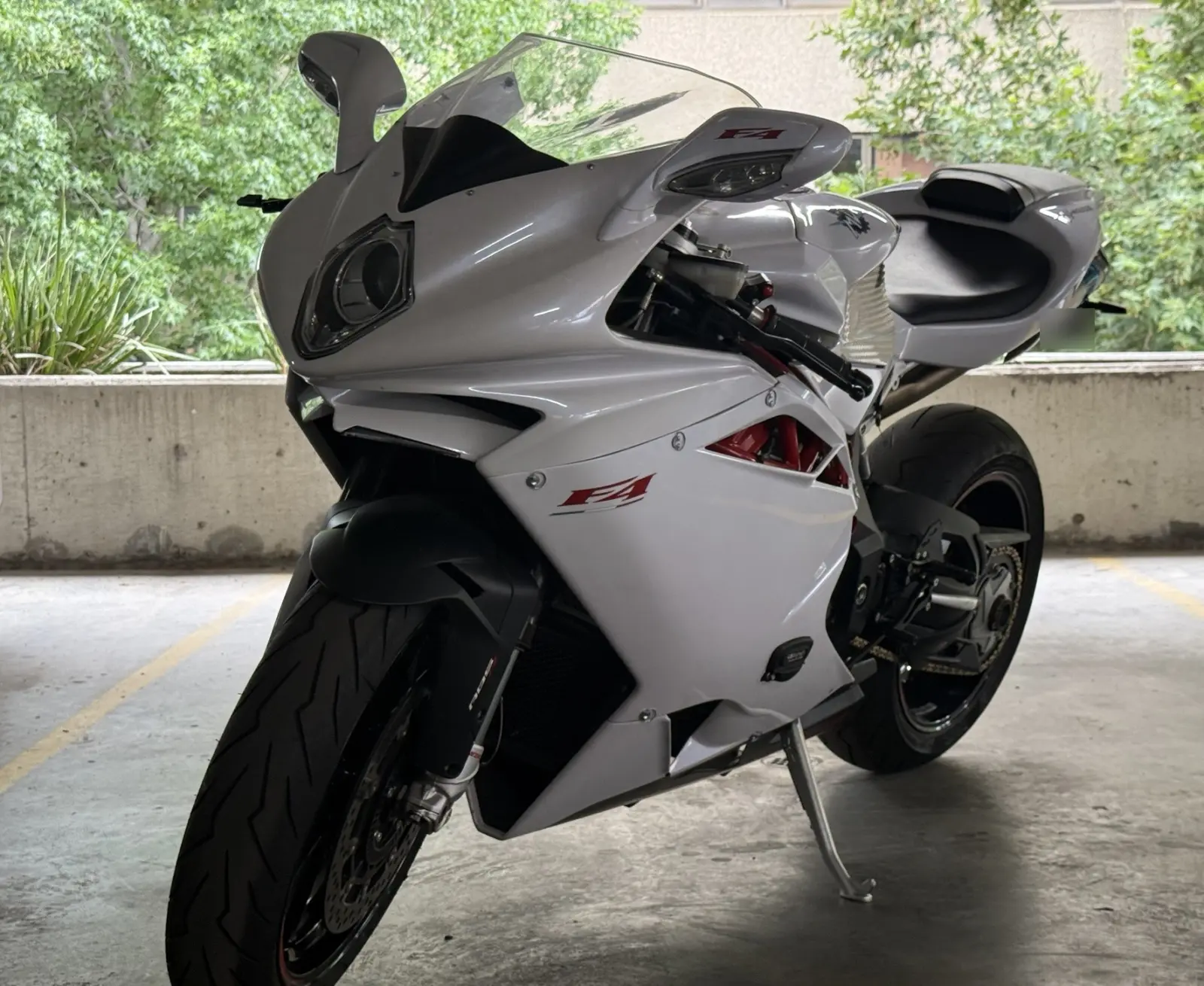
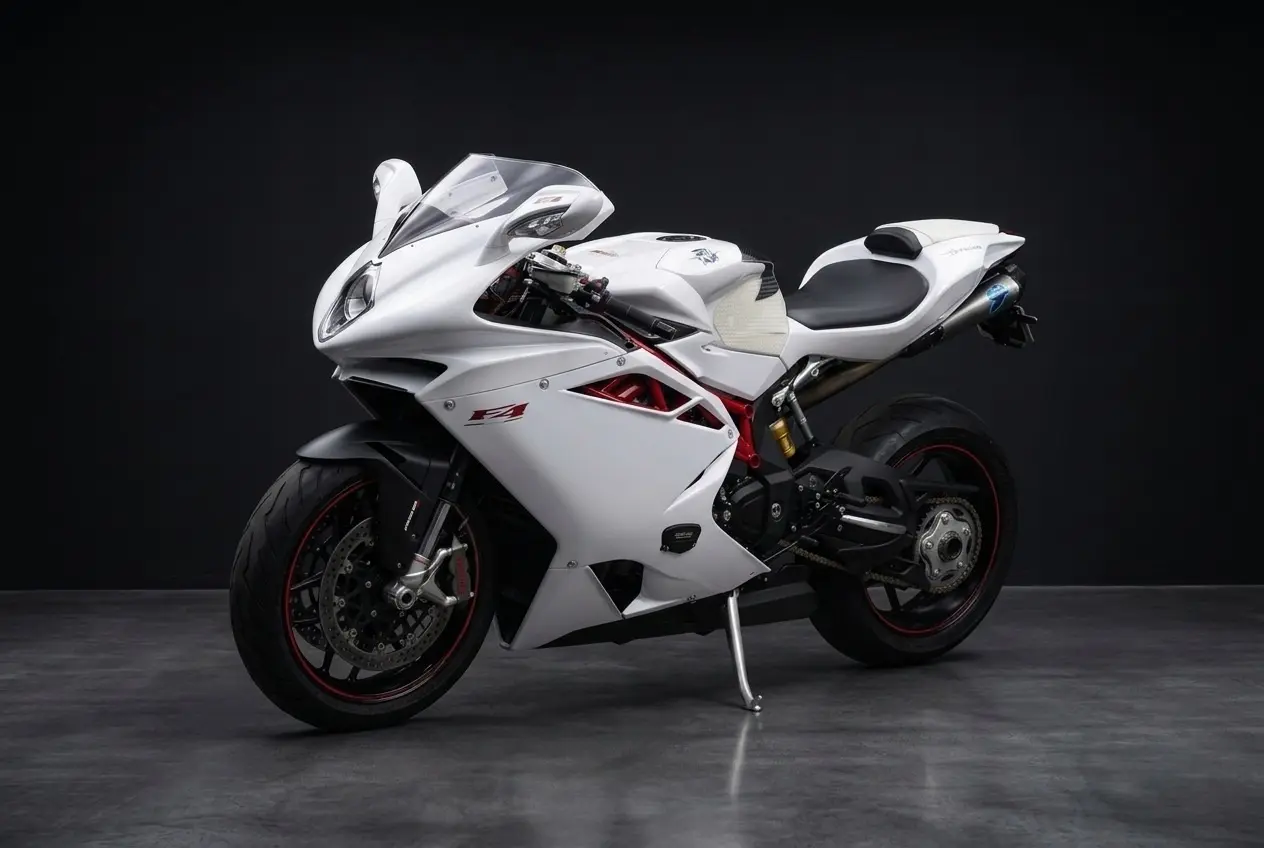
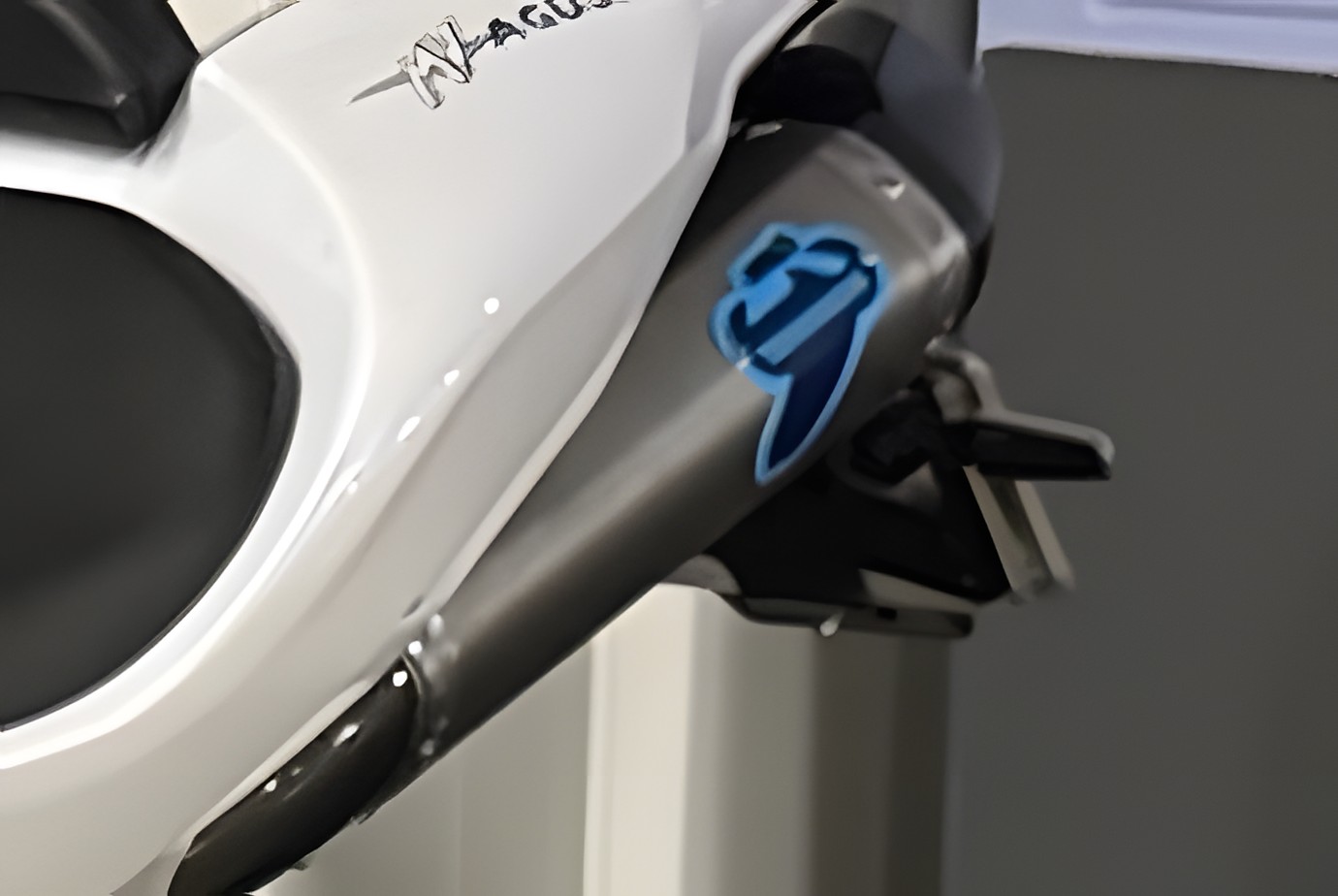
The MV Agusta F4 is built around its 998cc inline four, which gives it a keen, responsive feel as the road tilts upward. The pearl white finish and red trellis frame stand out against the green of the ranges, and the tuned performance exhaust gives it a distinctive voice. Use the power with a measured touch and keep the bike steady through each change of direction.
On a climb, the gear you choose matters as much as the throttle. Pick a gear that keeps the engine in a comfortable working range, so you can roll on smoothly out of each bend without hunting for a lower gear. Avoid stabbing the throttle on a gradient, because abrupt inputs unsettle the bike and make it harder to hold a line on a damp patch.
The F4 rewards a rider who reads the road. Look through each bend, let the bike settle its line and roll on gently once you are upright. Riding it solo keeps your full attention on the road ahead, and the climb feels direct and calm when you take it with patience.
Braking on the far descent
The descent on the far side of the ranges asks as much of your brakes as the climb asked of the engine. Use the gears to hold a steady pace, and apply the brakes in measured steps rather than long hard pulls. Engine braking does a lot of the work on a gradient, so let it take the strain and keep the brakes for trimming your pace before a bend.
Brake fade is the danger to respect. Heat builds during long braking, and a lever that felt firm at the top can feel softer lower down. Brake in short, controlled bursts, allow the system to recover on the straights and never ride down a long grade with the brakes constantly applied. If the feel changes, slow right down and wait for it to settle.
Brake in a straight line where you can, before you lean in. Release the lever gradually as the bike turns, and keep your eyes looking through the bend to the exit. A rider who plans each braking point on the way down arrives at the bottom fresher and calmer than one who has been correcting mid-corner the whole way.
Want the MV Agusta F4 for your date? Pick your dates and book the MV Agusta F4 online, or call us and we will sort it with you.
Book NowCall 0468 011 118Season, time of day and the traffic mix
Autumn and spring are the best seasons for the ranges. The climb is comfortable, the bends stay crisp and the temperatures are moderate at both the top and the bottom of the range. Winter can bring frost in the high country and fog in the valleys, while summer afternoons can be hot and dry, so plan your start around the season.
Time of day matters. Leave once the day has warmed and the frost has lifted from the shaded sections, and aim to be on the climb in late morning when the road has dried. Wildlife is most active at dawn and dusk, so slow down and scan the verges during those hours, especially on the descent where animals may cross without warning.
Traffic in the ranges is usually light, but weekends bring cyclists, tourists, caravans and local vehicles. Midweek is quieter and gives you more room to hold a steady line. When a slower vehicle is ahead of you, wait for a clear straight and never pass on a bend or a blind rise.
Fuel, food and rest on the climb
Fuel planning on a ranges run is essential. Top up in Tamworth before the climb, and check the next station before committing to a long section. Stations in the ranges are few, and some close early, so never wait for the low fuel light. Your own experience of the bike's range is the most reliable guide you have.
A proper breakfast before you start sets the tone, and a coffee stop partway up gives you a chance to rest your hands and check the bike. Choose a stop with safe parking and a clear view of the road. Lunch is best taken in a town with shade and water, since sun on exposed ridges can feel fierce in the afternoon.
Rest is a safety tool on a long climb. A short break every hour keeps your focus sharp, and a few minutes walking around the bike eases stiff shoulders and wrists. If you feel cold, drowsy or distracted, stop, warm up and drink some water before you continue.
Safety on the climb and the descent
Gear is the foundation of a safe ranges day. Start with a helmet that suits your head, gloves, a protective jacket, trousers that cover your legs and boots that offer ankle support. Mountain air can drop quickly, so carry a warm layer and keep it within easy reach for the top of the range.
Gravel, wet leaves and cold are the main hazards. Loose stone at the edge of the seal can throw a bike off line, so keep your wheels clear and avoid braking on it. Leaves and moss gather on shaded bends and can take grip without warning, so slow down before you reach them. Frost can form on the high sections early in the morning.
Wildlife and fatigue complete the picture. Ride with your lights on in low light, watch the verges at dawn and dusk and stop when you feel tired. Never ride after drinking, and keep the pace within your own ability. A calm, steady ride is the one most likely to finish the day in good shape.
Planning the day and booking the MV Agusta F4
Before you set out, check road conditions with Transport for NSW, particularly after rain or in cold weather when frost and fog are possible. Set a turning-back time and a backup route in case a stretch of road is closed or the weather turns.
The return is where many days go wrong. Keep the afternoon light in mind, plan the route down the range before you leave the top and resist the urge to make up time on the descent. A calm finish is always better than a rushed one, and an early plan keeps the whole day in balance.
If a ranges climb sounds like your kind of ride, the MV Agusta F4 is the bike we would recommend. Its 998cc inline four and performance exhaust give it the character for a demanding road, and riding it solo keeps the whole day in your hands. Book your MV Agusta F4 now and plan a day in the Tamworth ranges.
Frequently asked questions
How long does the climb into the ranges take?
From Tamworth, the run to the top of the range takes roughly an hour at a relaxed pace, depending on traffic and how often you stop. The grades and bends slow the riding, so allow more time than a flat road would need. A steady pace from the start and a couple of planned breaks make the climb far more enjoyable than treating it as a race to the crest.
Is the ranges climb suitable for a rider new to hills?
It can be, for a rider who is comfortable with varied bends and steady braking. Build confidence on smaller hills first, practise braking on a gentle gradient and learn how the bike responds to light throttle inputs. The climb is long, so take breaks and use them to read the road ahead. A calm approach always beats a hurried one.
What should I wear for the climb?
Start with a helmet that suits your head, gloves, a protective jacket, trousers that cover your legs and boots that offer ankle support. Carry a warm layer for the top of the range, where the air is colder than the valleys below. A light waterproof in your bag is sensible, since weather in the hills can change quickly without much warning.
How do I brake safely on the long descent?
Use the gears to hold a steady pace, and brake in short, controlled applications rather than long hard pulls. Let the brakes recover on the straights, and avoid riding down a long grade with them constantly applied. Brake before the bend, not during it, and release the lever smoothly as you lean in. If the lever feels different, slow right down and let the system settle.
Can I ride the ranges in winter?
Yes, with extra care. Frost can form on shaded high sections in the morning, and fog can sit in the valleys. Ride once the sun has warmed the road, reduce your pace and leave extra space around you. If the forecast is cold and wet, or the road looks damp and icy, postpone the ride until conditions improve.
What if the weather turns while I am in the hills?
Slow down early and pull on your wet-weather gear before you are cold and wet. Watch for leaves, painted lines and damp patches, and give yourself extra braking distance. If visibility drops or the road becomes unsafe, stop somewhere safe and wait for conditions to improve. A short delay is much better than pressing on through rain or fog.
Ready when you are. Pick your dates and book the MV Agusta F4 online, or call us and we will sort it with you.
Book NowCall 0468 011 118