

Book the Yamaha MT-09 SP. Pick your dates and book the Yamaha MT-09 SP online, or call us and we will sort it with you.
Book NowCall 0468 011 118Some of the best photographs we have seen from a motorbike start with a simple idea: stop at a waterfall, lift the camera, and let the ride tell the rest of the story. The Blue Mountains, about 100 kilometres west of Sydney, give riders quiet valleys, sheer sandstone cliffs and falls that run hard after rain. This guide walks through how to plan a waterfall shoot around a naked bike day, where to stop, when the light is kindest and how to keep the photo session safe and relaxed.
New to riding with us? Our page on motorbike hire in Sydney covers the bikes, the rider rules and how pick-up works.
Why a Naked Bike Suits Waterfall Work
A naked bike puts you inside the scene. With no fairing between you and the trees, the landscape rolls past at a pace that lets you notice a rock shelf, a bend in the creek or the way mist sits above a gorge. For a photographer who rides, that openness matters. You can see the road ahead, the gravel-free shoulder you might use for a stop and the light coming through the eucalypts, all without craning around a screen.
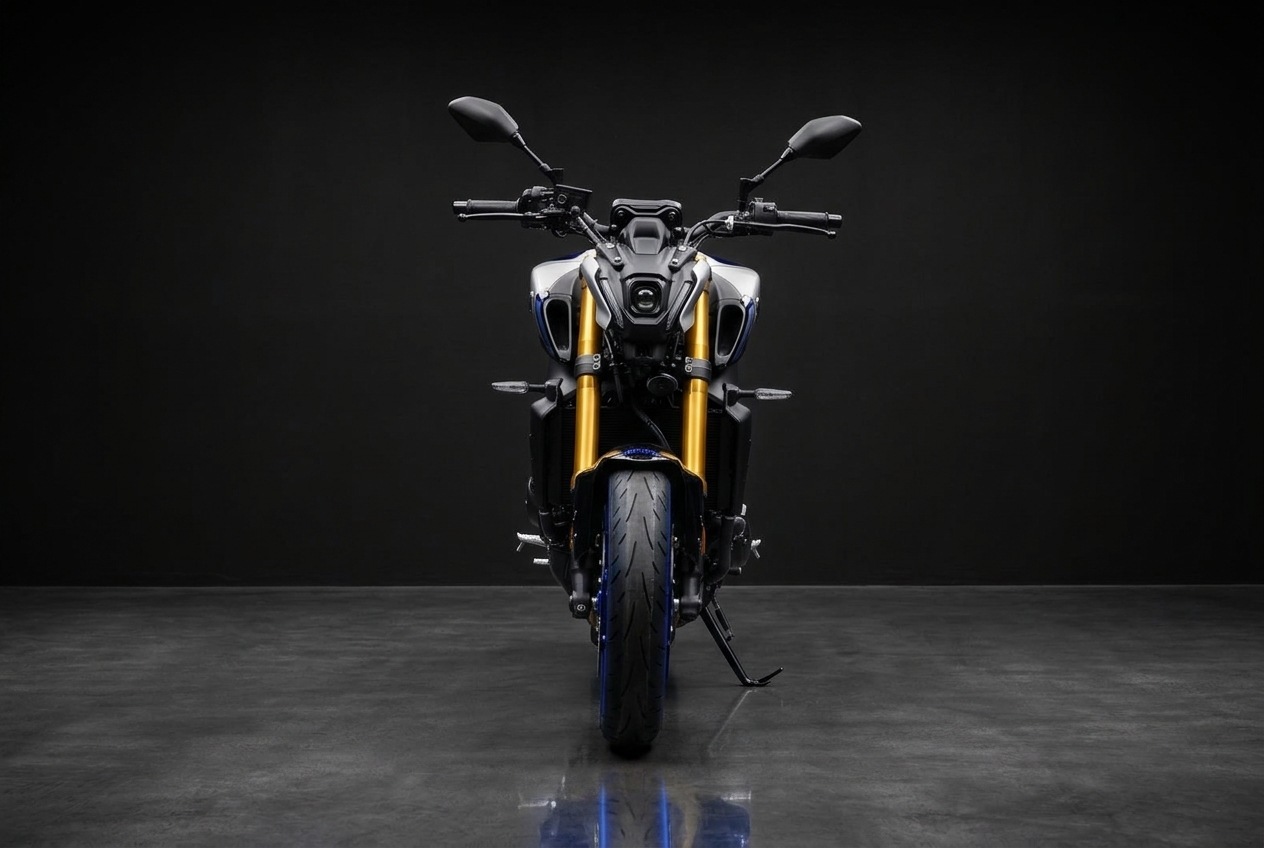
The Yamaha MT-09 SP is the bike we would pick for this kind of day. It is an inline three performance naked bike with premium adjustable suspension, gold front forks and strong brakes. Those qualities matter on hill roads where you will be starting, stopping and starting again at lookouts. The bike rewards a steady, unhurried pace, and that is exactly the pace a good photo day calls for, with plenty of time to look around.
Pack your camera in a small bag that stays close to your body, or in a daypack on your back, rather than loose on the seat. Keep the lens cap in a pocket and the lens cloth within easy reach. If you want a shot from the road, make the stop in a safe spot off the carriageway and never try to frame a picture while the bike is moving. The photo is made on foot at the lookout, with the engine off and the stand down on firm, level ground.
Choosing Your Waterfalls
The Blue Mountains are full of falls that look their best after a few days of rain. Wentworth Falls, reached from the township of the same name, drops in a broad sweep with a lookout that suits a quick stop. Leura Cascades, a short walk from the village of Leura, is a run of steps and pools that shows well in soft light. Each site has its own character, so pick one or two before you leave Sydney rather than trying to chase every fall in the range.
Katoomba Falls and its lookout give a wider frame, with the escarpment dropping away in layers behind the water. Govetts Leap, near Blackheath, is a classic view of a long, narrow fall into a deep valley and a good choice for a single telephoto frame. Because these falls sit within a short ride of each other, a day can cover two or three without rushing. We suggest choosing the one that matches the photos you have in mind and treating the rest as bonus stops along the way.
Waterfalls change with the seasons. Autumn and early spring often bring good flow after recent rain, while summer can leave the creeks thin and the pools low. Check the weather in the days before you ride, and expect slippery stone around every pool. A fall that looks dramatic on a forecast can be a trickle in person, so keep a second option ready. A flexible plan is the photographer's best friend, and it keeps the day from feeling like a checklist.

The Ride Up: Great Western Highway and Bells Line of Road
Most riders reach the mountains by the Great Western Highway, which climbs steadily from the western suburbs through Penrith, Glenbrook and Linden before reaching Blackheath and the ridge towns. The road mixes wide sweeps with tighter bends, and trucks and cars share the lanes. Traffic can build on weekend mornings. Take the first stretch at a steady pace to settle into the bike, and use the longer straights to check mirrors and read the gaps in traffic ahead.
Bells Line of Road offers a different character. It runs across the top of the range toward Bilpin, with long curves through the bush and open views when the trees part. The surface is generally good, but expect patches of leaf litter and damp shade under the trees, particularly after rain. Ride to the bend you can see clearly, avoid overtaking on blind rises, and keep a firm hand on the bars when the road tightens near the lookouts.
Before you leave, please check road conditions with Transport for NSW, including any closures, roadworks or incidents on the highway and the mountain roads. Conditions can change quickly in cold or wet weather, and a route that was dry at breakfast may be slick by the afternoon. Build spare time into the plan so that you are not pushing to make up lost minutes. A relaxed route is a safer route, and it leaves more room for the unexpected view.
Timing the Light Through the Day
Light in the mountains is kind for a long part of the day, but the falls sit in deep gullies where direct sun reaches the floor only briefly. For most waterfall photographs, mid-morning is the sweet spot, once the sun has cleared the ridge and the valley is evenly lit. Overcast skies are a bonus. A soft grey sky lets the water show texture without harsh contrast on the stone, and the foliage keeps its colour.
Late afternoon brings warmer tones to the cliffs and a gentler slant of light through the trees. Plan to reach the lookout with time to spare before the sun drops behind the ridge. Mist can rise from the gorges in the cooler months, adding atmosphere, but it also leaves the rock damp and the road shaded for longer. Keep the return ride within daylight so you are not reading corners in fading light and trying to watch for wildlife at the same time.
We would rather you enjoy a mid-morning start than rush to beat the light. A relaxed departure with a coffee stop on the way up often produces better frames than an early scramble. Give yourself a full day rather than squeezing a shoot into a few hours, and let the light come to you. The best moments tend to arrive when you have stopped worrying about the clock and started watching the water.

Fuel, Food and Coffee Stops
Fuel is not hard to find along the route, but it is worth topping up before you climb into the ranges. The stations in the larger towns on the Great Western Highway are the most reliable, and smaller villages can keep shorter hours. Plan a fill-up at Penrith or Glenbrook before the climb, and check that your planned loop leaves comfortable margin. Hill riding with a lot of stopping and starting can use more fuel than you expect on a flat road.
Katoomba and Leura have a good spread of cafes and bakeries that make natural lunch stops after the falls. We suggest the bakery at the top of a main street for a pastry and a long black before the walk to the cascades. Picnic only in designated areas, and keep food packaging out of the bush so the native animals do not learn to expect a handout. Leave the place as you found it, which is what keeps these lookouts beautiful for the next visitor.
Carry water on the walks, because the steps at some falls are steep and the afternoons can be warm even in autumn. A small snack in a pocket keeps you sharp on the descent, and it is wise to eat something before the ride back, when the twisty sections demand your full concentration. A tired rider makes slower decisions, so a proper lunch and a cup of something warm is part of the safety plan as much as the photography.
Want the Yamaha MT-09 SP for your date? Pick your dates and book the Yamaha MT-09 SP online, or call us and we will sort it with you.
Book NowCall 0468 011 118Parking, Pull-Offs and Lookouts
Stop only where the road gives you room. Use designated car parks and marked lookouts, and avoid the narrow shoulders on bends, where a bike and a passing vehicle can both be in trouble. Bring the bike to a stop fully off the carriageway, check that the surface is firm and level, set the stand down, and only then take your helmet off. Parking on a slope or soft verge is a common cause of a tipped bike on a hot day.
Watch for people on foot near the falls. Visitors step onto the road without looking, and tourists sometimes stop without signalling. Keep your speed low through village centres and around parked cars, and allow more room than you think you need in front of a coach or a line of cars slowing for a lookout. A calm, predictable approach is the most useful thing you can offer the other road users on a busy weekend.
Keep valuables out of sight on the bike and carry the camera with you rather than leaving it in the pannier or on the seat. A bike parked where you can see it from the photo spot is easier to keep an eye on, and it is far less tempting for opportunists. If you are not sure whether a turnout is safe, do not stop there. Ride on to the next one, where you can see the traffic approaching from both directions.
Camera Kit for a Moving Day
A simple setup works best on a bike. A compact camera or a modern phone with a good lens, a spare battery and a microfibre cloth for mist will cover most falls in the mountains. Carry everything in a bag that sits close to your body. A loose bag on a moving bike is a distraction, and it can shift at the worst possible moment in a corner, so keep the weight balanced and secure.
For slow shutter work on falling water, a tripod helps, but it is bulky to strap on any motorcycle. Choose a lightweight tripod and keep it in the pack. A lens hood keeps spray off the front element, and a quick wipe between frames stops droplets from ruining the shot. Remember that a waterfall throws a lot of moisture into the air, so your gear will be damp well before you get back to the bike.
Dress for the walk as well as the ride. Sturdy boots matter more than any camera, because stone steps and pools are slippery even on a dry day. Keep a small towel for cold hands, and pack a dry layer for the ride home, since the valleys can feel several degrees cooler than the ridge after the sun drops. Being comfortable keeps you concentrating on the photos and on the road.
Safety on Wet Rock, Cold Mornings and Long Descents
Wet stone is the biggest hazard on a waterfall day. Algae on steps and rock platforms can be as slippery as ice, and the spray from a fall keeps the surface damp well after you have walked away from the edge. Walk slowly, use the handrails where they exist, and keep the walking boots separate from the riding boots if you can. A slip on rock can cause far more harm than a slip in the car park, so treat every pool with respect.
Cold mornings and descents from the ridges are a test of their own. Temperatures can drop sharply in the valleys, and a shaded corner may hold frost or damp leaves for hours after sunrise. Ease off before entering curves, keep a steady throttle through the bend, and brake before you lean rather than in the middle of the turn. Fatigue builds on long days, so take a proper break every hour or so and stretch your hands and shoulders.
Wildlife is most active around dawn and dusk, and kangaroos and wallabies can appear on the verge without warning. Ride within your ability and within the posted limit, wear full protective gear and a helmet every time, and never ride after drinking alcohol. If the weather turns, stop somewhere safe and wait it out. No photograph is worth a rushed corner, and the mountains will still be there on the next fine day.
Hire Rules and Booking Your Ride
Bikes are self-drive and collected from Drive Tribe in Parramatta, on a three day minimum hire. You need a full motorcycle licence that you have held for at least three years, and you must be 25 or over to ride any of our bikes, so a learner or provisional rider cannot hire from us. Overnight, each bike must be kept in a locked garage or secure off-street parking between 9pm and 6am, so plan your waterfall loop to be parked well before 9pm.
If the Blue Mountains are on your list, the Yamaha MT-09 SP is the bike we would set up for you, and it suits a loop of waterfalls, lookouts and mountain roads. Browse the full fleet if you want to compare the other bikes, and then choose the Yamaha MT-09 SP for your day in the mountains.
Bring your camera, leave plenty of daylight in the plan and let the falls set the pace. The best waterfall photographs come from riders who stop often, look properly and enjoy the ride as much as the destination. We look forward to seeing where your route takes you.
Frequently asked questions
Which waterfall is easiest to reach by bike?
Wentworth Falls and Leura Cascades are the easiest to fit into a single day, as both sit close to their towns and their lookouts are a short walk from a parking area. Katoomba Falls is also simple to reach and has a viewing area that suits a quick stop. Each gives you a good first photo before you tackle the steeper walks. Check the current parking arrangements before you set out, as they can change with the season.
What is the best time of year for waterfall photos in the mountains?
Autumn and early spring often suit waterfall work well, when recent rain has given the falls good flow and the air is cool enough for comfortable riding. Winter brings crisp light and mist in the gorges, but the stone can be cold and damp underfoot. Summer flows may be lighter, and the heat makes long days harder on the rider. Look at the recent weather before you commit, and choose a different fall if the one you planned is running low.
Can I take photos from the bike while riding?
No. Keep both hands on the bars and your attention on the road whenever the bike is moving. Stop fully off the carriageway in a safe spot, switch the engine off and then take your photos on foot. We would not recommend mounting a camera to the bike for this kind of ride, because it adds distraction and weight at the moment you need full control. Calm stops produce better photos anyway, since you are not rushing the frame.
Is it safe to ride the mountain roads after rain?
Wet roads in the mountains are slippery, particularly where leaves, moss and painted lines gather on the bends. Ease off, leave more space ahead of you and avoid heavy braking on corners. Keep your speed well within the posted limit and allow extra time for the whole ride. If the forecast is poor, it is better to postpone the photo day than to ride in heavy rain on roads you do not know well.
How long should I plan for a waterfall loop from Sydney?
A loop covering two or three falls, with a lunch stop and a few photo breaks, fits comfortably into a full day. Allow about an hour and a half to reach the mountains from the western suburbs, depending on traffic, and plan the return with daylight to spare. Rushing the photos rarely pays off, so keep the plan modest. A slower pace leaves time to notice the light changing across the cliffs, which is often when the best frames appear.
What should I carry for a photo stop?
Pack a lens cloth, a spare battery, a lightweight cover to keep spray off the camera, sturdy boots for wet stone and a dry layer for the ride home. Keep the camera in a bag that sits close to your body rather than loose on the seat. Carry water and a small snack, and a torch for the walk back from a shaded lookout. Keep the kit light, because every extra item adds weight to the walk and affects how you handle the bike.
Ready when you are. Pick your dates and book the Yamaha MT-09 SP online, or call us and we will sort it with you.
Book NowCall 0468 011 118