
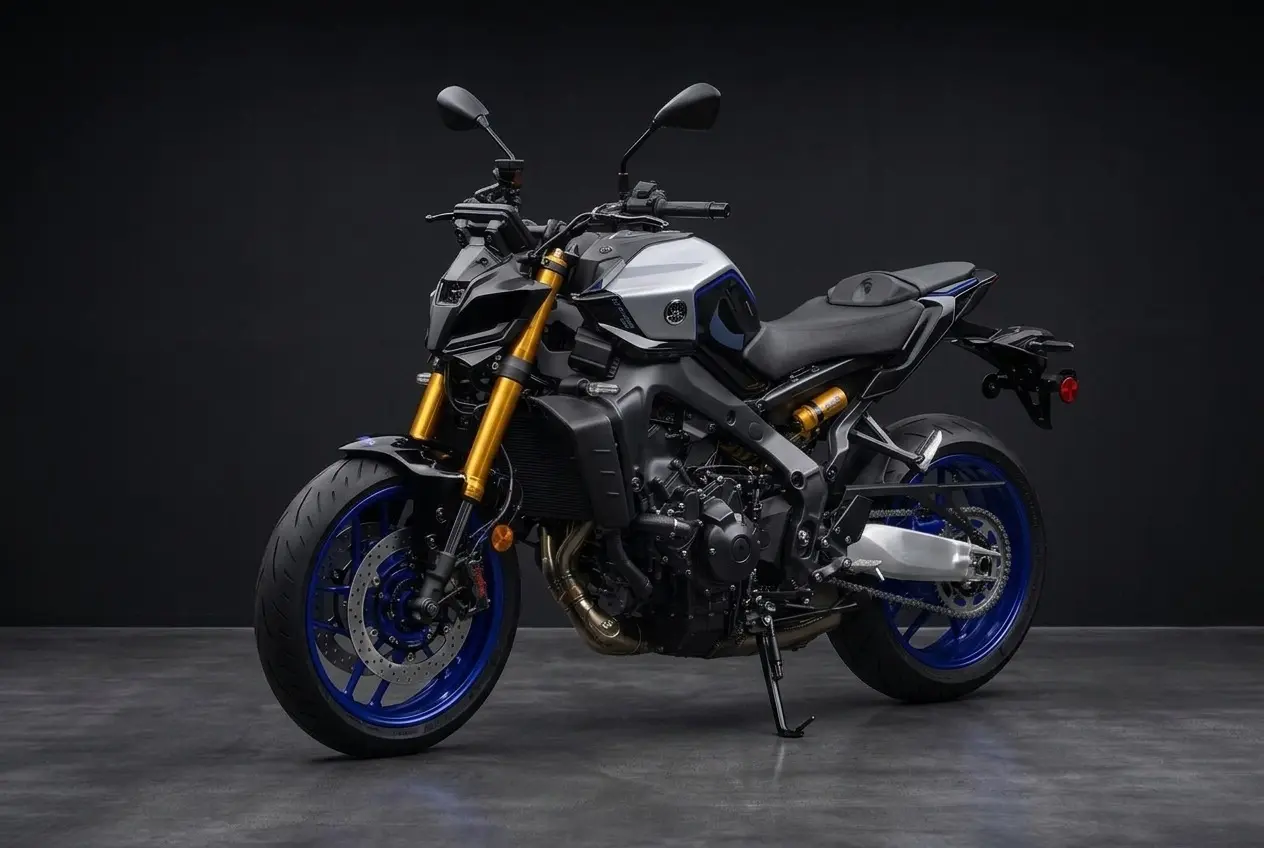
Book the Yamaha MT-09 SP. Pick your dates and book the Yamaha MT-09 SP online, or call us and we will sort it with you.
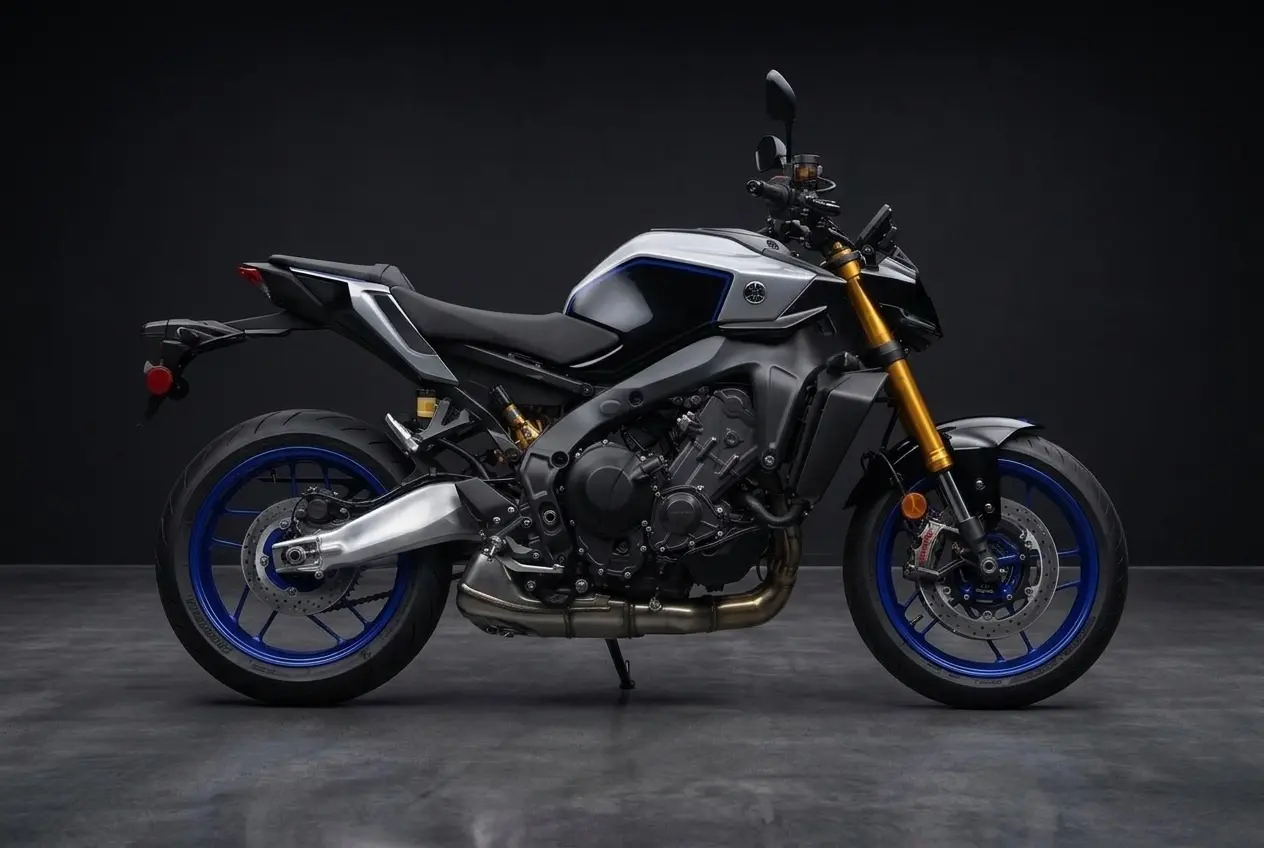
Book NowCall 0468 011 118Riding the Hume Highway after dark is a different job from the daylight run. The lights thin out, the trucks become larger shapes in the mirror, and the verges can hide kangaroos until you are almost on them. The Yamaha MT-09 SP is a capable companion for the task, with a naked riding position that keeps you alert and a set of brakes that inspires confidence. This guide covers lighting, lane position, traffic, wildlife and fatigue for riders who must cover the distance after sunset.
For the bikes we hire, who can ride them and how a hire runs, see motorbike hire in Sydney.
Why night riding on the Hume is different
Daylight riding on the Hume gives you a wide field of vision and plenty of warning about what lies ahead. At night that advantage shrinks to the reach of your headlight and the reflections of signs and lane markers. Distances become harder to judge, and speeds feel deceptively slow. Before you leave, accept that the ride will ask more of you, and plan the route around that reality rather than hoping for the best.
Most riders who struggle at night do not fail because of the bike. They fail because they carry the same pace and expectations they use in daylight. A steadier speed, earlier planning and more frequent checks on your own alertness make the difference. The Yamaha is easy to manage at a measured pace, which is exactly what the Hume rewards after dark.
Check the state of the highway before you set out, including any roadworks, lane closures or diversions that may have been put in place since the morning. Conditions can change quickly on long roads, and a detour you did not expect can add fatigue at the worst time of day. Look at the official travel information for New South Wales and Victoria, and plan for the longer leg.
Lighting and visibility on the bike
The headlight is your most important tool after dark. Make sure it is clean, correctly aimed and working on both beams before the trip, and carry a spare fuse or a torch in case something fails at a remote stop. Keep the visor clean on the inside and the outside, because a smear that you barely notice in daylight becomes a glare problem under oncoming headlights.
Use your lights consistently and let other road users see you clearly. Running your headlight on dipped beam is standard practice, and it helps trucks and cars judge your position on the road. Reflective gear on your jacket and helmet adds to your visibility when a vehicle's headlights sweep across the lane, and it is a cheap, sensible addition to your kit.
Your eyes need time to adjust. Avoid staring into oncoming headlights, look to the left edge of the lane when a truck approaches, and keep your focus on the road surface ahead rather than on the glare. If your vision feels strained, reduce your speed and give yourself more room. Good night vision comes from patience, not from squinting harder.
Lane position and passing trucks
On the Hume, the most important safety decision at night is your position in the lane. Ride where other drivers can see you without being drawn into the wheel tracks where debris collects. Many riders choose a position that keeps them clear of the edge and the centre line, giving them room to react to shifts in traffic without being pushed.
Trucks are the biggest challenge after dark. Their headlights are high, their shapes are large and their wind turbulence can push a light bike sideways for a moment. Never try to pass a heavy vehicle unless the road is clearly open for a long distance. When you are overtaken, hold a steady line, keep your grip relaxed but firm and avoid sudden corrections.
Be careful when you come up behind a truck at night, since its tail lights may be hard to judge in spray or in low visibility. Keep a generous gap and be ready to brake gradually. A patient, predictable style on the Hume is far safer than a quick pass that puts you in the path of a large vehicle with very little room.
Wildlife on the verges and the shoulders
Wildlife is the biggest night-time hazard on the country sections of the Hume. Kangaroos graze along the verges and cross the road without much warning, and they often move in groups. Where you see one animal, expect others nearby, and slow down before you reach any section where the grass comes close to the bitumen.
Watch the edges of the lane for movement, and use your headlight to scan from one side to the other rather than fixing your gaze on the road directly in front of you. If an animal appears, brake in a straight line and keep your bike upright. Swerving at speed can be more dangerous than the impact itself, so focus on slowing down.
Stock and livestock can also appear on the road, particularly near gates and paddocks. Slow down near any gate or farm entrance, and treat any unexpected shape on the verge with caution. The Yamaha's strong brakes help you stop quickly, but they work best when your speed is already controlled.
Fatigue and the body clock
Fatigue is the most common reason riders make serious mistakes on a night run. Your body clock is working against you in the late evening and early morning, and your reactions slow more than you may realise. The steady drone of the engine and the repetitive nature of the highway add to the problem, making it easy to drift into a state where your concentration is hard to hold.
Take a short break every hour, even if you feel fine. Get off the bike, walk around, drink water and look at something far away to rest your eyes. If you feel your head nodding, your attention wandering or your lane position drifting, stop immediately. A brief rest at a well-lit service area is far safer than pushing on for another half hour.
Plan your night run with a clear finish point. Choose a town with accommodation and fuel before you set out, and decide in advance that you will stop there even if you feel strong. Many riders regret pushing past their limit, and the highway has no shortage of safe places to pause.
Want the Yamaha MT-09 SP for your date? Pick your dates and book the Yamaha MT-09 SP online, or call us and we will sort it with you.
Book NowCall 0468 011 118Fuel, food and where to stop after dark
Fill your tank before dusk, since services between the larger towns can be spaced far apart and some close early in the evening. Check your range with a generous margin, and remember that night riding and headwinds both use more fuel than steady daylight running. A low fuel light at midnight on a quiet stretch is a situation to avoid completely.
Eat a proper meal before the evening run rather than relying on snacks on the road. A light snack and water in your pack will carry you through the longer gaps between services. Choose stops with good lighting and room to park the bike safely off the road, and avoid resting on the shoulder of a fast highway.
The service areas on the Hume are the best places to pause. They are well lit, have toilets and food, and let you step away from the traffic. Use them generously. A stop every hour or so keeps your focus where it needs to be, and it turns a tiring night into a manageable one.
Best time of day and season for the night leg
The safest night run is one that starts in good light and finishes before the tiredest hours. Leaving in the late afternoon gives you time to settle in before dark, and it means you are not battling exhaustion at two in the morning. Where possible, break the journey in a regional town so the night leg is shorter and easier to manage.
Autumn and spring offer the most comfortable night riding. Temperatures are mild and the nights are not too cold. Winter nights on the southern tablelands can bring frost, fog and icy patches, so check the forecast closely and carry warm layers, since the wind chill on the bike can make the temperature feel much lower. Summer nights are warm but can bring storms and sudden rain on the tarmac.
Weekend nights carry more heavy vehicles and holiday traffic, while weekday nights are generally quieter. On any night, keep your speed measured and your distance from trucks generous. The quieter the highway, the more tempting it is to push, so resist that urge and let the steady pace do the work.
Gear and safety for riding after dark
Wear a certified helmet, a jacket with armour, gloves that keep your hands warm and grippy, and long trousers and boots that cover your ankles. Night air on the tablelands can be cold even in spring, and a windproof layer under your jacket makes a big difference over long hours. A clear visor or a well-cleaned lens is essential for good vision.
Never ride after drinking alcohol, and do not set out if you are unwell or running on little sleep. Rest properly before a long night leg, and keep your phone charged and your emergency contacts accessible. If something goes wrong on a remote stretch, you want to be able to call for help quickly.
Ride within the distance you can see and stop in. At night that distance is shorter than in daylight, so adjust your speed accordingly. If you feel uncertain at any point, pull into a service area, rest and reconsider the plan. Caution on the Hume at night is always a better choice than pride.
Before the first fuel stop, have a look at Transport for NSW for anything that might affect the route.
Hire terms and booking the Yamaha MT-09 SP
Before you plan an overnight run on the Hume, look over the terms below. They are the same whether you ride by day or after dark, and they shape how you plan the stops, the parking and the return. Working them into your itinerary early avoids surprises at the counter.
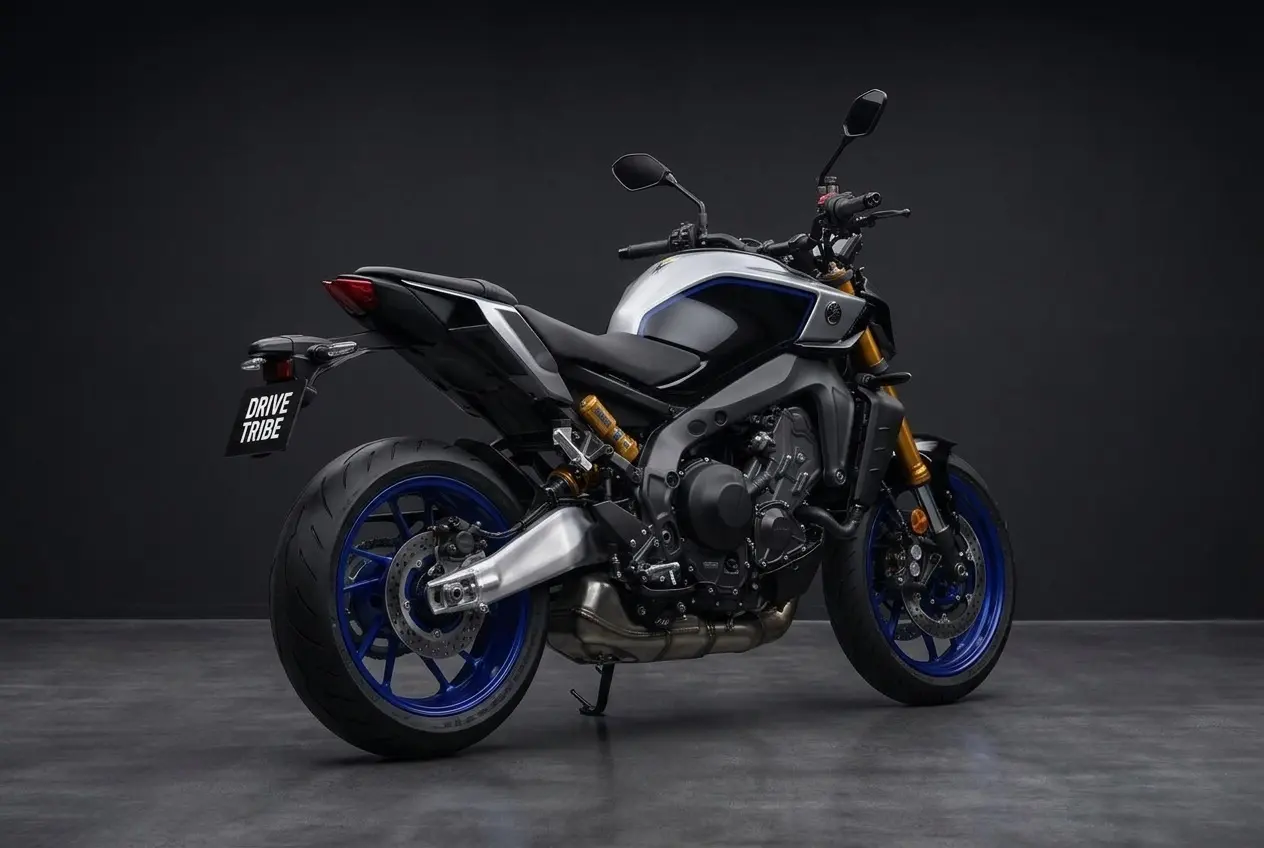
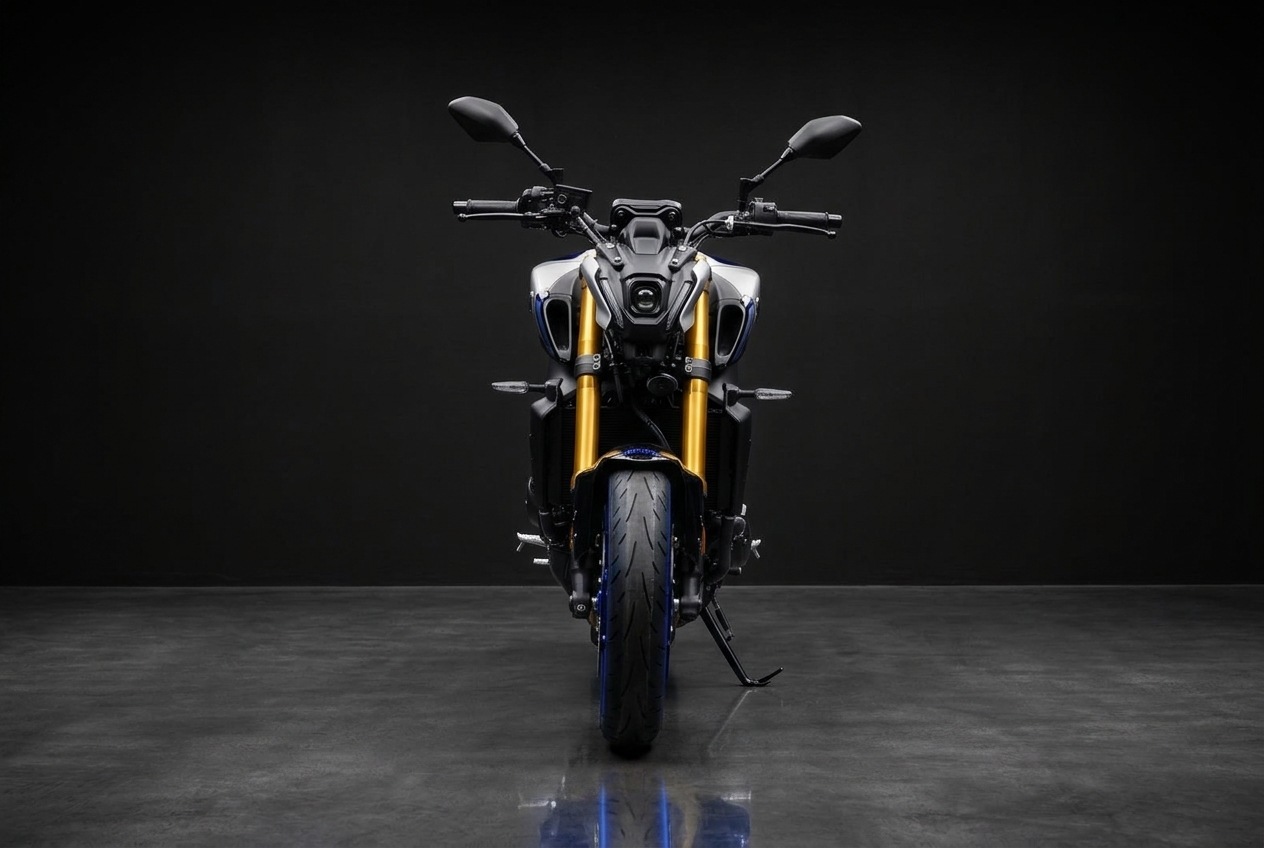
The Yamaha MT-09 SP suits riders who want a capable, comfortable naked bike for long highway work and the quieter country beyond. Its adjustable suspension and strong brakes give confidence on the highway, and it is the bike that carries a passenger if you are sharing the run. Use the Book Now option below to reserve your dates, and send us your route so we can talk the night leg through before you ride.
- Hire is self-drive from our Parramatta base at Drive Tribe, with a minimum of three days.
- Licence and age come first: a full motorcycle licence held for three years or longer, and at least 25 years old on every machine.
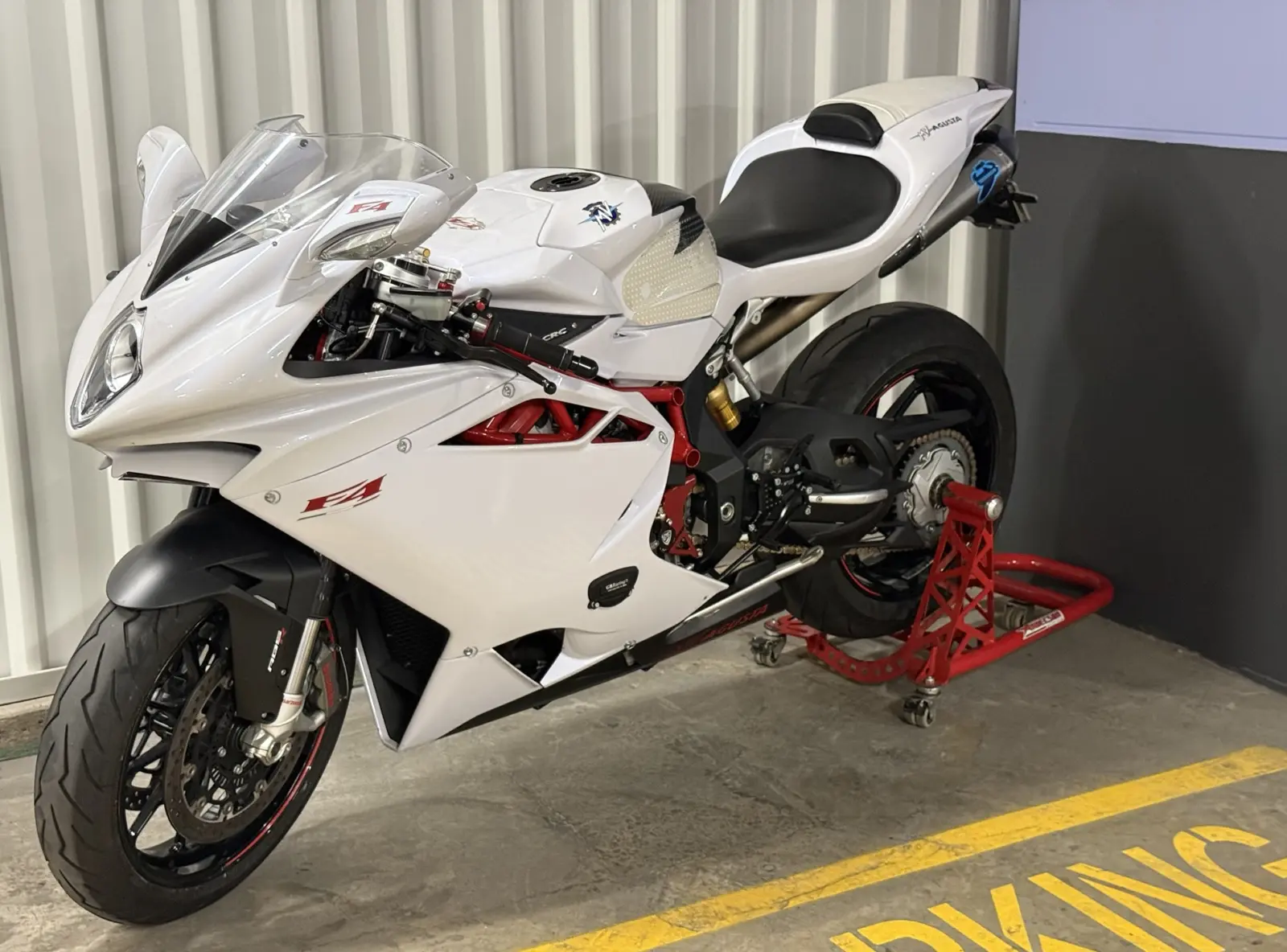
- The MT-09 SP is the only bike in our fleet that can take a passenger, one person aged 16 or over, which is worth knowing before a night run. The Ducati 1199R and MV Agusta F4 are built for a single rider.
- Helmets (Shark, AGV or Bell) can be hired from us in small, medium or large for $50 per hire, or you can bring your own. We do not supply jackets, gloves, pants or boots, so bring your own riding gear. Losing or damaging a helmet triggers a replacement charge.
- Damage cover offered on cars does not extend to bikes. A bond is held, and its size depends on the class of bike.
- Injury cover above the compulsory third-party policy is something the rider arranges personally, if wanted.
- Overnight, bikes stay in a locked garage or a secure off-street spot between 9pm and 6am.
- Every bike carries a tracker.
- We reserve the right to end a hire if we judge a rider to be unsafe on the road, and that applies just as much after dark. Riding 30 km/h or more above the posted limit ends the hire and forfeits the bond.
Frequently asked questions
Is it safe to ride the Hume Highway at night on a motorbike?
It can be done safely by riders who plan carefully, but it asks more of you than daylight riding. The main risks are wildlife on the verges, heavy trucks and fatigue. Ride at a measured pace, keep a generous distance from vehicles, use your lights properly and take a break every hour. If you feel unsure at any point, stop at a well-lit service area and rest before continuing.
What lighting should I check before a night ride?
Check that your headlight works on both beams, that it is correctly aimed and that the lens is clean. Keep a torch and a spare fuse in your pack in case of a failure at a remote stop. A clean visor, inside and out, is just as important, since smears cause glare under oncoming headlights. Reflective gear on your jacket and helmet adds visibility when headlights sweep across the lane.
How do I pass trucks safely after dark?
Pass only where the road is clearly open for a long distance, and never attempt a pass if the road is uncertain. Expect buffeting from the truck's wind and hold a steady line when you are overtaken. Keep a generous gap behind a truck, since its tail lights can be hard to judge in spray or low visibility. Patience on the Hume is a far better habit than a quick pass with little room.
What should I do if a kangaroo appears on the road?
Brake in a straight line and keep the bike upright. Swerving at speed is often more dangerous than the impact itself, so focus on slowing down. Expect animals in groups along country stretches, and slow down whenever the grass comes close to the bitumen. Scanning the verges with your headlight helps you spot movement early.
Where should I stop to rest on a night run?
Use the service areas on the Hume, which are well lit and offer toilets and food. Stop at least once an hour, get off the bike, drink water and rest your eyes. Avoid resting on the shoulder of a fast highway. If you feel drowsy or your concentration drifts, stop without delay, because a short rest is far safer than pushing on.
Is the Yamaha MT-09 SP a good choice for a night highway run?
The Yamaha is a comfortable, capable naked bike for long highway work, with adjustable suspension and strong brakes that give confidence at a measured pace. Its riding position keeps you alert over long distances. It is also the bike that carries a passenger, which suits riders sharing a long run. Our fleet page lists the full range so you can compare the options.
Ready when you are. Pick your dates and book the Yamaha MT-09 SP online, or call us and we will sort it with you.
Book NowCall 0468 011 118