

Book the Yamaha MT-09 SP. Pick your dates and book the Yamaha MT-09 SP online, or call us and we will sort it with you.
Book NowCall 0468 011 118Some rides are about the destination, and the Riverina is different. Here the journey is the point: wide paddocks rolling to the horizon, grain silos standing like markers and small towns that appear without warning before settling back into the plains. A ride to Barellan gives you that big, open country in one unhurried day. This guide covers the run, the road character, the seasons and the safety notes that matter when the land is flat and the sky is enormous.
Still choosing a bike? Start with our guide to motorcycle hire in Sydney, which sets out the licence, age and pillion rules.
Why the Flat Country Rewards a Slow Ride
Flat country can feel like a test of patience, but it rewards a rider who slows down and looks around. The wheat paddocks change colour through the year, from fresh green to gold to bare brown, and each season teaches a different lesson. Without tight corners to hold your attention, the mind wanders more easily, so a Riverina ride calls for steady focus and regular breaks.
Many visitors arrive expecting a straight line to a small town and leave having discovered a quiet, layered landscape. The little details matter: a line of old trees around a homestead, a shed with faded lettering, a dust trail far off on a farm track. Make a habit of noting these things at each stop, and the day becomes richer than the distance on the map suggests.
Open country also shows you the weather early. You can watch storm cells building an hour away and see the light change across the paddocks. Use that view to plan. Check the sky before you commit to a long leg, and remember that a clear morning can give way to a cool, gusty afternoon in the same day.
The Run Out From Sydney
Barellan is a long way from the city, and the usual route is a full day's ride, around six hours or more depending on stops and traffic. Most riders follow the Hume Highway for the first long stretch, then leave it for regional roads that carry them across the plains. Leave early, because the first two hours are the busiest and least interesting part of the journey, and you want them behind you before the sun is high.
Plan a break at about the halfway point, when your legs need a stretch and your mind needs a reset. Choose a stop with shade and a safe, sealed car park, because the verges on the bigger roads can be soft and narrow. A short stop with a drink and a snack will do more for your focus than a long lunch, which can leave you drowsy for the flat stretches to come.
Before you leave, check the road conditions with Transport for NSW, because closures, roadworks and heavy weather can change the run at short notice. Keep your bike fuelled ahead of time. On the long legs between towns, stations can be a considerable distance apart, and an unexpected queue or closure can eat into your margin. Treat half a tank as the moment to start thinking about the next stop.
What the Riverina Looks Like From the Saddle
The Riverina is one of the great grain and sheep landscapes of New South Wales. From the saddle you see fields stretching to a clean horizon, with irrigation channels catching the sky and the occasional tree belt breaking the view. The scale is hard to describe until you ride it. A town can be visible for many minutes before you reach it, and that anticipation becomes part of the pleasure.
The towns come with character. Grain silos rise above the rooflines and serve as landmarks for a rider navigating by sight. Quiet main streets have wide footpaths, a war memorial and a hotel that has seen many harvests come and go. Slow down through each town, look out for pedestrians and vehicles pulling out from side streets, and enjoy the unhurried pace at which the place runs.
Wind is a constant companion on open ground. A cross wind can push a bike gently across the lane on a long straight, especially when a heavy vehicle passes and the air shifts behind it. Hold a relaxed grip, keep your body loose and expect small corrections rather than fighting the bike. Those corrections become second nature after an hour or two in the saddle.
Road Surfaces, Crossings and Grain Spills
The roads in this country are generally sealed and well used, but the surface can change at rural crossings, at railway lines and where the road narrows near farm entrances. Read each change and ease in early, rather than braking hard on the crossing itself. Painted lines can turn slippery when they are fresh, and a light film of dust on the tar can make the first few corrections feel vague.
Grain spills are a seasonal hazard. During harvest, trucks carry heavy loads down the main roads and occasionally leave grain or chaff on the tar, especially near intersections and where loads have been topped up. Loose grain behaves like marbles under a tyre. Watch the road ahead for darker, uneven bands, and keep the bike upright through any suspicious section.
Corners are few, so when they arrive they demand attention. A sweeping bend near a river crossing or a small town can hide a patch of sand or loose material blown from a farm track. Keep the bike upright, take the bend at a sensible pace and never assume the surface stays the same for the whole length of the turn.
Harvest Traffic and Heavy Vehicles
Heavy vehicles are part of the scenery in harvest season. Road trains, grain trucks and tankers use the regional network, and they need wide room through the bends. Give them space, avoid overtaking on blind rises and be patient when a truck is slow on a hill. A large vehicle throws up its own wind and spray on a wet day, so move a little further to the side of your lane as one passes.
Farm vehicles add another layer. Tractors, headers and utes may pull out from gateways with little warning, especially at the turn-offs to paddocks and sheds. Slow where you see equipment on the verge and keep your eyes on the drivers rather than the machinery. A rider who expects the unexpected is far less likely to be caught out at a junction.
Crowds are a different matter from traffic. Barellan and the surrounding towns are quiet for most of the year, but busy harvest weeks and local events can bring extra vehicles to the streets. Midweek rides usually feel calmer, and an early start helps you avoid the peak movement of the day on the main roads.
Want the Yamaha MT-09 SP for your date? Pick your dates and book the Yamaha MT-09 SP online, or call us and we will sort it with you.
Book NowCall 0468 011 118Best Time of Day and Season, With Fuel and Food Notes
Autumn and spring are the best seasons for this ride. Autumn brings clear, mild days and crisp mornings that warm up nicely, while spring offers green paddocks and wildflowers along the verges. Summer days in the Riverina can be intensely hot, and winter mornings can drop to a chilly frost, so layer up in cooler months and carry extra water in summer.
Start early, shortly after six, to ride the cool part of the day before the heat or the harvest traffic builds. Mid morning suits the long legs, and a midday stop in a town gives you a rest in the shade. Afternoon rides can be pleasant in autumn and spring, but aim to be back in town well before dusk, when kangaroos and emus move across the paddocks.
Fuel and food need forward planning. Towns are spaced out, and not every station is open late or on weekends. Pack a sealed snack and an insulated bottle, and eat lightly before the afternoon. Most towns have a bakery or a cafe for a proper lunch, which makes a fine reward after a long morning on the plains.
Riding Safely on Long Flat Roads
Fatigue is the quiet risk on long straight roads. The landscape barely changes, the hum of the engine becomes constant and your concentration can slip without warning. Take a break every hour, stretch your shoulders, drink water and walk around for a minute. If your eyelids feel heavy or your lane position starts to drift, stop at the next safe spot and rest before going on.
Wildlife is active at dawn and dusk, when kangaroos, emus and wild pigs move onto the verges and across the road. Ride with your headlight on, scan the roadside and slow when you see movement near the edge. A collision with a large animal can be serious, so give yourself time to react, and never plan a leg that forces you to ride through the low light without a margin.
Gear and cold both matter. Winter mornings in the Riverina can be frosty, and wind chill on the open road feels colder than the thermometer suggests. Wear a helmet and gloves that protect you, a jacket with armour and boots that cover the ankle. Never drink alcohol before or during a ride, and ride within your ability at all times, especially on unfamiliar country.
Why the Yamaha MT-09 SP Suits Open Country
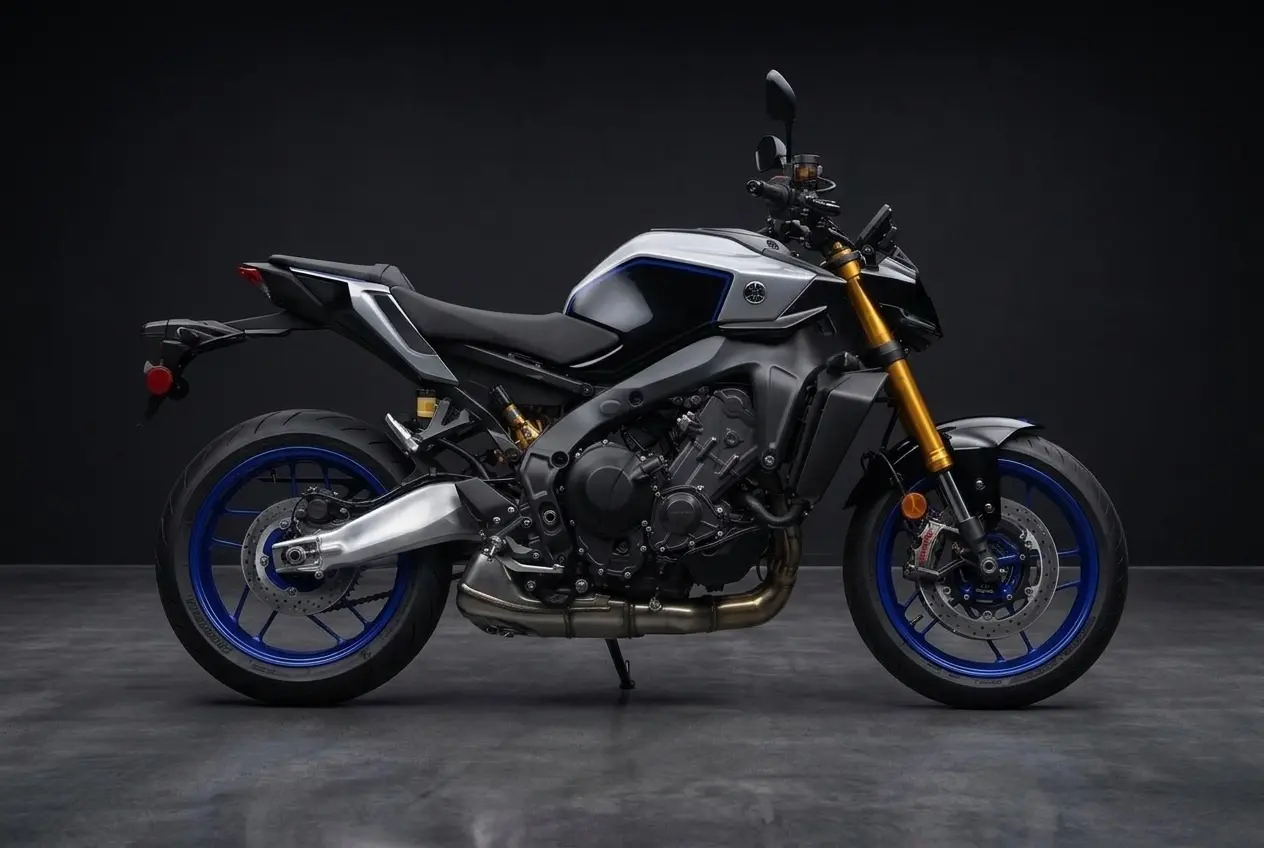
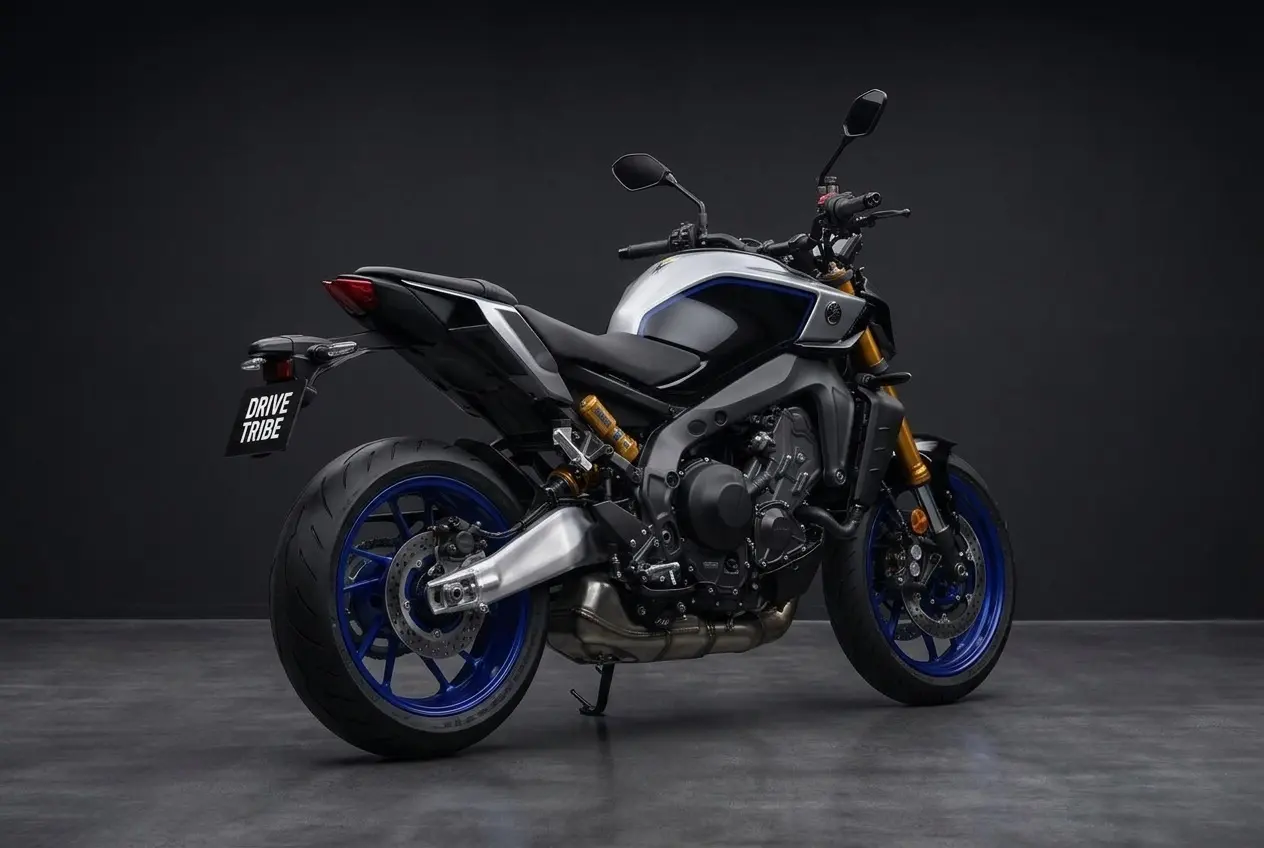
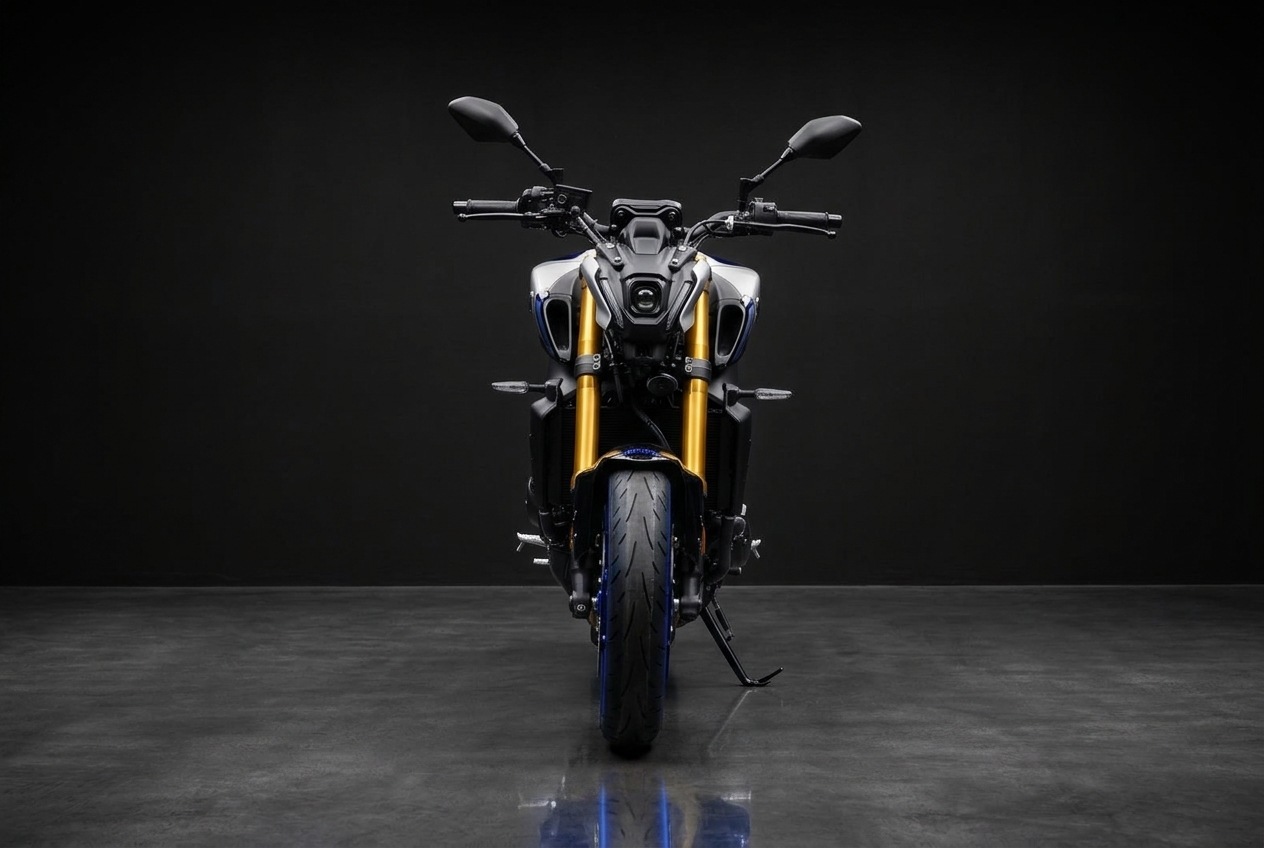
Our Yamaha MT-09 SP is an inline three performance naked bike with premium adjustable suspension, gold front forks and strong brakes. Those qualities suit open country, because the suspension can be set to handle a mix of long straights, rural crossings and the occasional rough patch on the approach to town.
Strong brakes earn their keep when a truck pulls out ahead or a farm vehicle slows in front of you. Brake early and progressively, and avoid heavy braking on a crossing or a patch of loose material. The gold front forks are a striking feature, and the bike gives a settled feel over a long run, which helps your concentration on the flat stretches.
Choose a comfortable pace and let the bike carry you through the country rather than the other way round. A relaxed rider on a capable machine sees far more of the Riverina than someone racing the clock, and the stops become the best part of the run.
Hire Rules and Booking Your Riverina Ride
Bikes are self-drive and hired from our Parramatta base, with a three day minimum that suits a relaxed run across the plains. Riders need a full motorcycle licence held for at least three years, and must be aged 25 or over on every bike. A passenger is allowed only on the Yamaha MT-09 SP, and that passenger must be aged 16 or over.
Before you book, think about the route in terms of daylight, not hours. Schedule the long legs for the cool, bright part of the day, and leave slack in the plan for a stop, a photo or a change in the weather. A little flexibility makes the run feel effortless rather than rushed.
Ready to ride the wheat country? You can book the Yamaha MT-09 SP for your Riverina trip and set your dates around the season you prefer. We look forward to seeing you on the road out to Barellan.
Frequently asked questions
How long does the ride to Barellan take from Sydney?
Plan for a full day, roughly six hours or more depending on stops, traffic and roadworks. Leaving early helps, because the first stretch out of the city is the busiest. A midway break keeps you fresh for the long flat legs across the plains. Build in some slack for a fuel stop and for weather changes, so the run stays relaxed rather than rushed from start to finish.
When is the best season to ride across the Riverina?
Autumn and spring suit most riders, with mild days and comfortable temperatures. Autumn mornings can be crisp, and spring brings green paddocks and wildflowers along the verges. Summer is very hot, so ride only in the cool hours and carry plenty of water. Winter mornings can be frosty, and the wind on open ground feels colder than the thermometer shows, so dress for it.
Are the roads around the wheat towns sealed?
The main roads through the Riverina are sealed and well maintained, and they are the routes we recommend for a road bike. Farm tracks and unsealed access roads are not suitable for our bikes, so stay on the bitumen. Surfaces can change at crossings and near farm entrances, so read each section carefully and ease in early rather than braking hard on a crossing.
What is the biggest hazard during harvest?
Grain spills and heavy vehicles are the main concerns. Loose grain on the tar behaves like marbles under a tyre, especially near intersections. Road trains and grain trucks need wide room in the bends, and tractors may pull out from gateways without warning. Keep a generous gap, watch for darker uneven bands on the road and avoid overtaking on blind rises.
Is it safe to ride long flat stretches on a motorbike?
Yes, provided you manage fatigue. Long straight roads can dull your concentration, so take a break about every hour, stretch and drink water. If your focus drifts or your lane position wanders, stop and rest. Watch for wildlife at dawn and dusk, and ride within your ability, especially when you are tired or riding unfamiliar country.
What should I pack for a day across the plains?
Pack a jacket with proper protection, gloves, a helmet that fits well and boots that cover the ankle. Add a light waterproof layer and an insulated bottle for water, and bring a sealed snack for the long legs. A small first aid kit and a phone with a charged battery are sensible extras. Keep everything secure in a bag so nothing shifts or falls away on a rough crossing.
Ready when you are. Pick your dates and book the Yamaha MT-09 SP online, or call us and we will sort it with you.
Book NowCall 0468 011 118