
Book the Ducati 1199R. Pick your dates and book the Ducati 1199R online, or call us and we will sort it with you.
Book NowCall 0468 011 118Jamberoo Mountain Road is a short, sharp climb that begins near Kiama and winds up through the Jamberoo valley toward the Saddleback range. It is compact enough to ride several times in one morning, and tight enough to keep you honest on every bend. The Ducati 1199R is a machine for this kind of road, with a superbike chassis that rewards precision. This guide covers the climb, the valley, the views from the top and the safety points that matter most.
New to riding with us? Our page on motorbike hire in Sydney covers the bikes, the rider rules and how pick-up works.
Why a short climb suits a superbike
A superbike shows its character on a road where every bend asks something different of the rider. The Ducati 1199R, with its V-twin producing 143 kW, has the performance to make a short climb feel very quick, but the chassis is best used with a calm hand. Jamberoo Mountain Road gives you a compact stretch of hairpins and sweepers that lets you practise smooth inputs and feel exactly what the bike is doing.
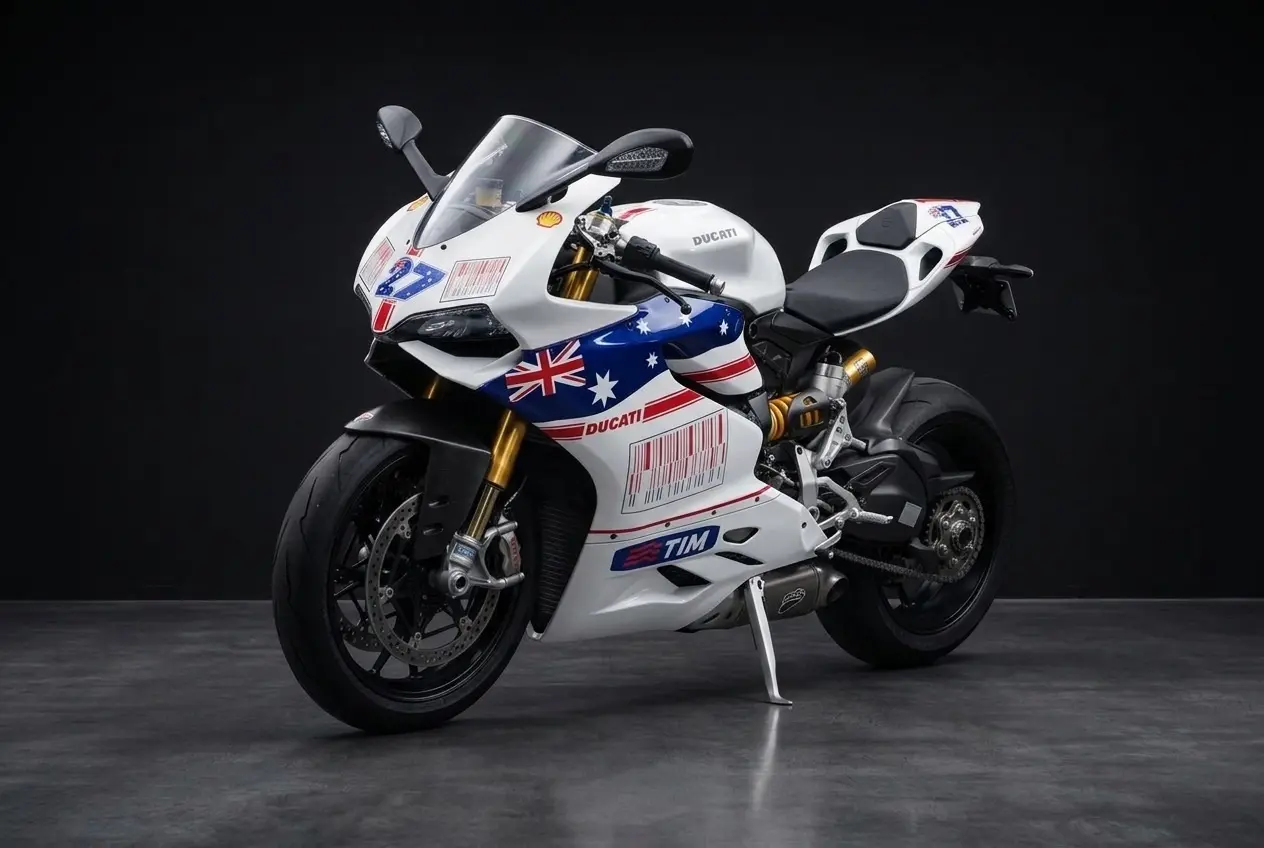
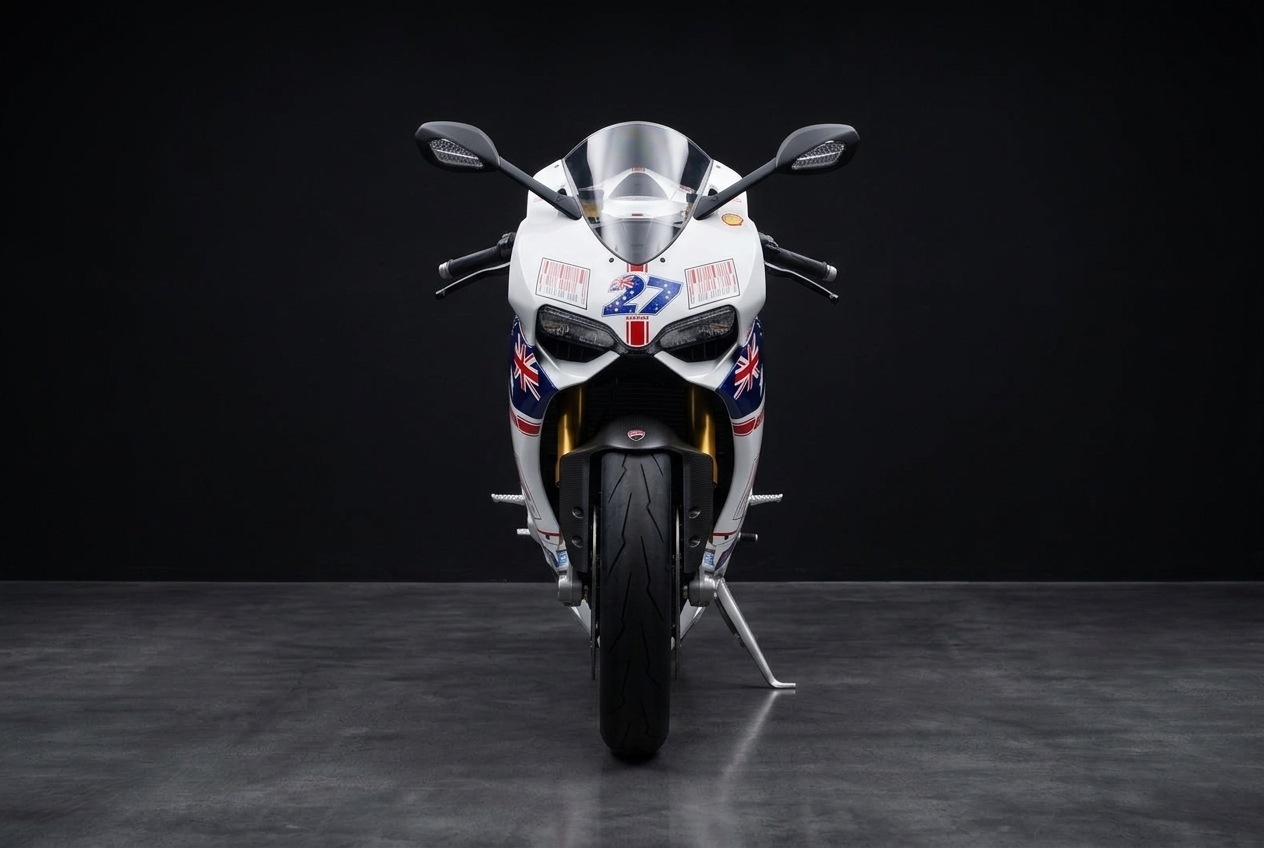
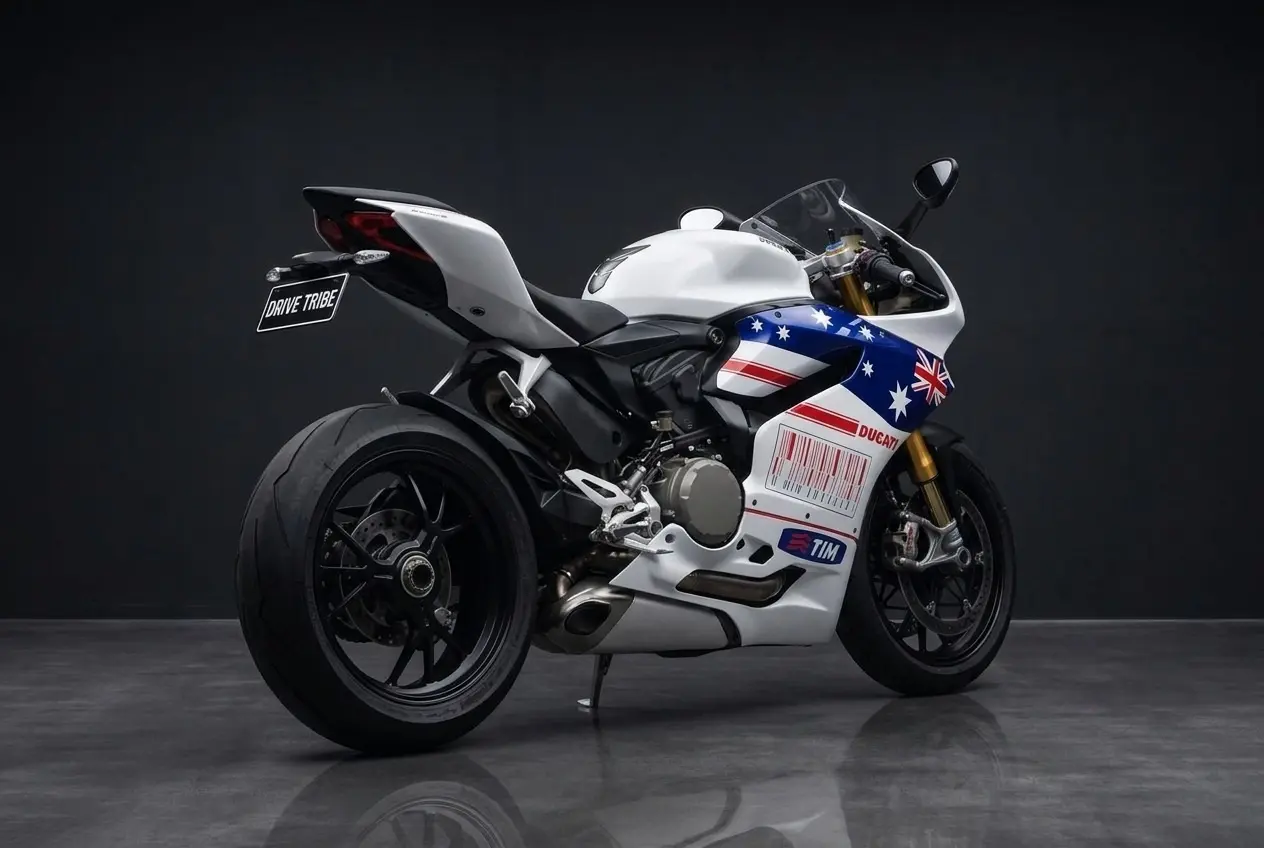
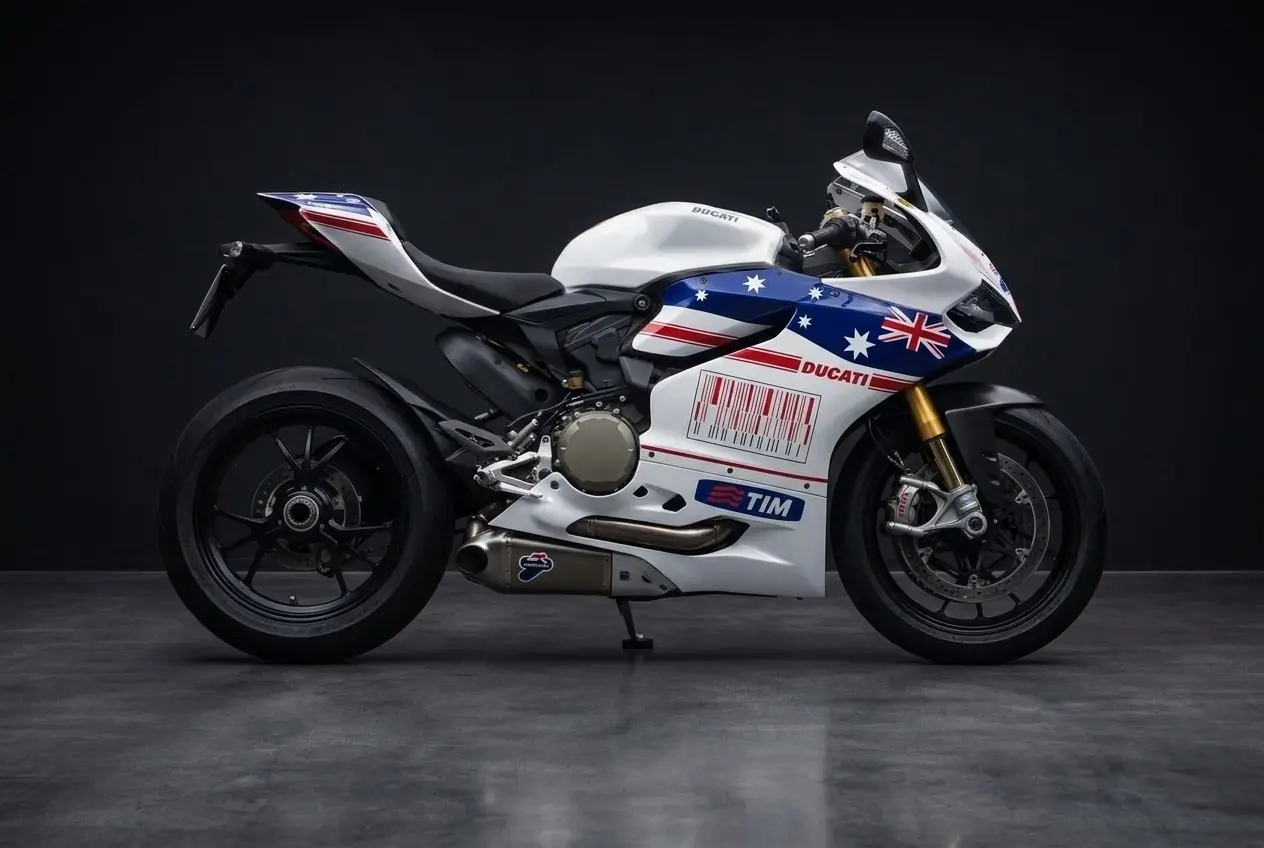
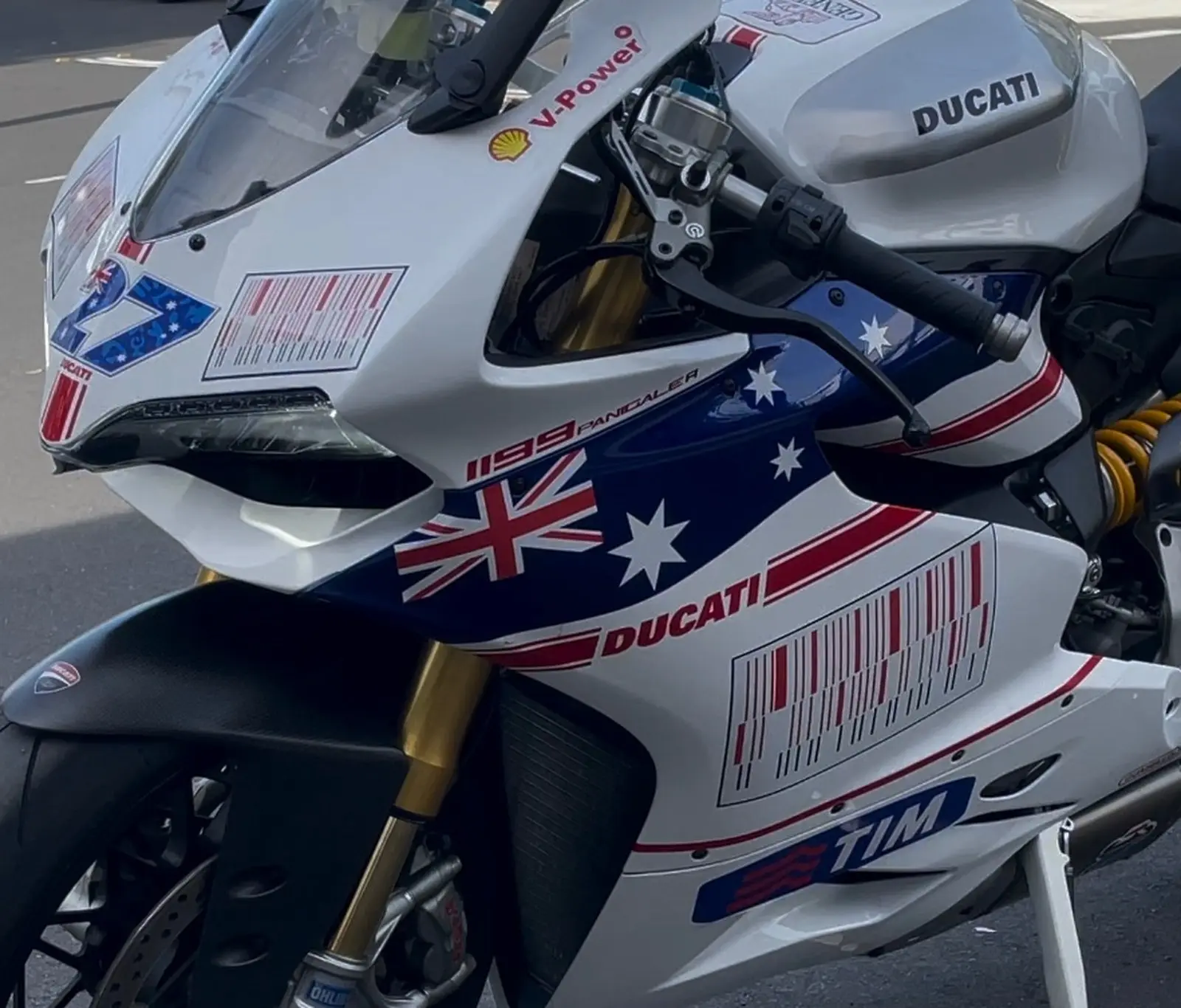
The bike's gold front forks and black forged wheels look striking on the valley road, and the Australian flag livery stands out against the green paddocks. That presence is part of the appeal, but the real pleasure comes from the way the machine settles through a bend when you approach it correctly. A rider who enters slowly, holds a clean line and rolls on early will find the 1199R remarkably composed.
This is not a road for chasing speed. The climb is short, the bends are close together, and the margin for error is smaller than it looks from the bottom of the hill. Think of it as a technical exercise rather than a sprint, and you will come away with a much better understanding of your bike and your own riding.
Riding from Parramatta to Kiama
Collect the 1199R from our Parramatta base and head south on the motorway toward the Illawarra. The first part of the ride is straightforward and gives you time to settle into the bike. Use this section to check the mirrors, feel the throttle response and get used to the brakes, since a superbike can accelerate quickly and you want to be comfortable before the coast road begins.
The approach to Kiama brings a change of pace. Traffic becomes more relaxed, the towns are smaller and the road begins to follow the lie of the land. Watch for cyclists, slow drivers and vehicles pulling out from side roads. Keep your speed controlled through the built up sections and give yourself time to choose the right moment to leave the main road.
Look at the live road reports from Transport for NSW on the morning of your ride, because wet leaves and roadworks on the mountain sections can change quickly. Roadworks and temporary closures on the local roads can change your route, and a quick check helps you plan your timing and fuel. Start with a full tank, since the climb itself is short but you will want to explore the valley and return in comfort.
The climb: tight bends and braking discipline
Jamberoo Mountain Road begins with a series of medium bends that tighten as the gradient increases. The key is to brake in a straight line before each turn, shed speed to the right entry point and then roll on smoothly through the apex. The 1199R has strong brakes that reward early, progressive application, so do not wait until you are already leaning to slow down.
The hairpins and sharper sections ask for patience. Approach them slowly enough that you can see the exit before you commit. Avoid sudden throttle or brake inputs mid bend, because the front and rear tyres need time to share the load. A smooth, deliberate rider will find each bend easier than the last, and the bike will feel more composed as the climb goes on.
Keep your head up and your eyes looking through each corner to the exit. It is tempting to watch the front wheel, but the bike follows where you look. A rider who anticipates the next bend two or three ahead will set up correctly and avoid late corrections, which are the most common source of trouble on a hill road.
The surface, shade and the valley floor
The surface on the climb varies with the shade. Sunlit sections are generally grippy, but the shaded bends can hold moisture, moss and leaf litter for much longer. Lean less where the surface is unclear, and keep your line well inside the verge where the road is cleanest. Look for changes in colour or texture ahead, and adjust your speed before you reach them.
On the valley floor the road is more open. Paddocks, fences and the occasional farm entrance line the route, and the traffic is usually steady. Watch for tractors, farm vehicles and drivers who may turn off without much warning. Keep a comfortable gap and avoid passing unless the sight line is completely clear for the full length of the overtake.
Gravel from farm vehicles can occasionally spill onto the road, particularly near gates and entrances. Treat any loose material as a hazard, ease off the throttle and avoid braking over it. A cautious approach on the valley floor leaves you ready for whatever the next bend brings, and it keeps the ride relaxed rather than rushed.
Saddleback views and where to stop
The top of the climb opens out toward the Saddleback range, and the view back down over the valley is the reward for the effort. The hills are soft and green, and on a clear morning the coast is visible in the distance. Choose a safe, wide spot with a clear view both ways, and park the bike well off the carriageway before you dismount.
Take a few minutes at the top to look over the valley, drink some water and check the bike. Your brakes may feel warm after a run of hard braking, and a quick visual check of the tyres, chain and fluid levels is always worthwhile. Keep your helmet on while you are close to the machine, and never leave valuables on the seat.
Avoid stopping on blind bends or narrow shoulders, where a parked bike is easy to miss. Use the designated pull-offs, step back from the lane when you take photographs, and keep your exhaust note sensible when you pull in and out. Other visitors enjoy the same quiet, and a considerate rider leaves the view as good as they found it.
Want the Ducati 1199R for your date? Pick your dates and book the Ducati 1199R online, or call us and we will sort it with you.
Book NowCall 0468 011 118Fuel, food and rest on the Kiama side
Plan your fuel before you arrive in Kiama, since the coastal towns offer services but they are spaced out and some close early. Filling the tank before the climb gives you a comfortable margin for the valley and the return. The 1199R is a thirsty machine when ridden with commitment, so keep an eye on the range throughout the day.
For food, Kiama has a good range of cafes, bakeries and takeaway options near the town centre. We do not name individual businesses here, so check what is open on the day before you rely on a particular stop. A light breakfast before you ride helps keep you alert on the bends, and a simple packed lunch works well for a quiet spot on the valley road.
Rest breaks are important on a short but demanding climb. Stop roughly every hour, stretch your back and shoulders, and drink water. Concentration is high on a superbike, and the mind can wander once the adrenaline fades. A short pause brings you back to the bends with a clear head and a steadier line.
Best time of day, season and weekend traffic
Early morning is the best time to ride Jamberoo Mountain Road. The bends are quiet, the air is cool and the valley is calm before the day's traffic builds. Mornings can be chilly in autumn and winter, so wear a thermal layer and allow the first few kilometres to warm up gently. Early weekday runs are the calmest, with few visitors and very little traffic on the climb.
Season shapes the ride. Spring and autumn offer the most comfortable conditions, with mild temperatures and generally settled weather. Summer is warm, and the afternoon sea breeze can gust across the valley, so an early start is wise. Winter brings clear, crisp days and dramatic views, but wet patches and frost on shaded bends demand a slower pace.
Weekends bring more visitors to the coast and the valley, including cyclists, weekend motorists and groups of riders. The bends are narrow enough that a group can make the road feel crowded quickly. If you ride on a weekend, start early or wait until the afternoon traffic has eased, and keep a generous margin around every group you meet.
Safety on a superbike in the hills
Gear is essential. Pack a certified helmet, an armoured jacket, palm-protected gloves, ankle boots and riding trousers, or hire the gear as a paid extra if that suits you better. Carry a waterproof layer for sudden showers, and a thermal layer for cool mornings. Good gear keeps you comfortable and protected, which helps your concentration hold through a series of tight bends.
Wildlife is a real risk in the valley, especially at dawn and dusk. Kangaroos, wallabies and birds can cross the road without warning, and a superbike has less time to react than a car. Slow down in the shaded sections, scan the verges constantly and cover the brakes whenever you see movement. Avoid riding in the early dark, when animals are harder to see and the bends are harder to judge.
Ride within your ability at all times. The 1199R is far more capable than a short climb requires, and speed is never the goal on a road like this. Fatigue slows reactions more than most riders expect, so stop when you feel tired or cold. Alcohol and riding do not mix, so keep any celebration until you are back at the bike and safely parked.
Hire rules and booking the 1199R for the hills
The 1199R is self-drive from our Parramatta base, and hire runs for at least three days. You must hold a full motorcycle licence that has been held for a minimum of three years, and be 25 or older. The Ducati is a single seater, so the run is for one rider only, and the MV Agusta F4 follows the same single seat arrangement.
Other terms apply across the fleet. Helmets (Shark, AGV or Bell) can be hired from us in small, medium or large for $50 per hire, or you can bring your own, and a helmet replacement fee applies if a helmet is lost or damaged. We do not supply jackets, gloves, pants or boots, so bring your own riding gear. Damage cover offered on cars is not available on bikes, a security bond is held according to the class of bike, and every machine must be kept in a locked garage or secure off street parking overnight.
If Jamberoo Mountain Road sounds like the ride you want to master, book the Ducati 1199R for a three day window that gives you time for an early climb, a relaxed valley loop and a steady return. We can talk through your experience and suggest the right pace before you set off. Pick your dates and secure the 1199R on its booking page, and we will have it ready at Parramatta before you head south toward the escarpment.
Frequently asked questions
How long is the Jamberoo Mountain Road climb?
The climb itself is short and can be ridden in a few minutes at a steady pace. Most riders spend longer in the valley and on the top, looking at the views and taking a break. Plan a half day for the full loop, including the drive from Parramatta, the valley, a stop at the top and a relaxed return.
Is this road suitable for an experienced superbike rider?
Yes, for a rider with solid experience on large capacity machines. The bends are tight and close together, and they reward smooth braking, a clean line and steady throttle use. The Ducati 1199R handles the road well when ridden with patience and full concentration, but speed is not the goal here.
What is the best time of day to ride Jamberoo Mountain Road?
Early morning is the best time, when the bends are quiet and the valley is calm. Traffic builds through the day, particularly at weekends. Cool conditions in autumn and winter call for a thermal layer, while summer favours an early start before the warm sea breeze picks up.
Are there safe places to stop near the top?
Yes, use wide, designated pull-offs with a clear view both ways and room to park well off the carriageway. Avoid bends, narrow shoulders and blind crests. Step back from the lane when you take a photo, and keep your helmet on while you are close to the bike.
What should I check on the bike before the climb?
Check the tyre pressures, brake condition, chain tension and mirror positions. Confirm your fuel level, make sure the lights work and that the bodywork is secure. Make sure your gear is fitted and zipped, and that you are comfortable on the bike before you start the climb.
Does the road change much through the seasons?
The road surface is broadly the same year round, but conditions change with the weather. Shaded bends can stay damp and slippery in winter, and leaves can gather on the edges in autumn. Summer brings heat and afternoon breezes, so an early start is the best way to enjoy the climb.
Ready when you are. Pick your dates and book the Ducati 1199R online, or call us and we will sort it with you.
Book NowCall 0468 011 118