
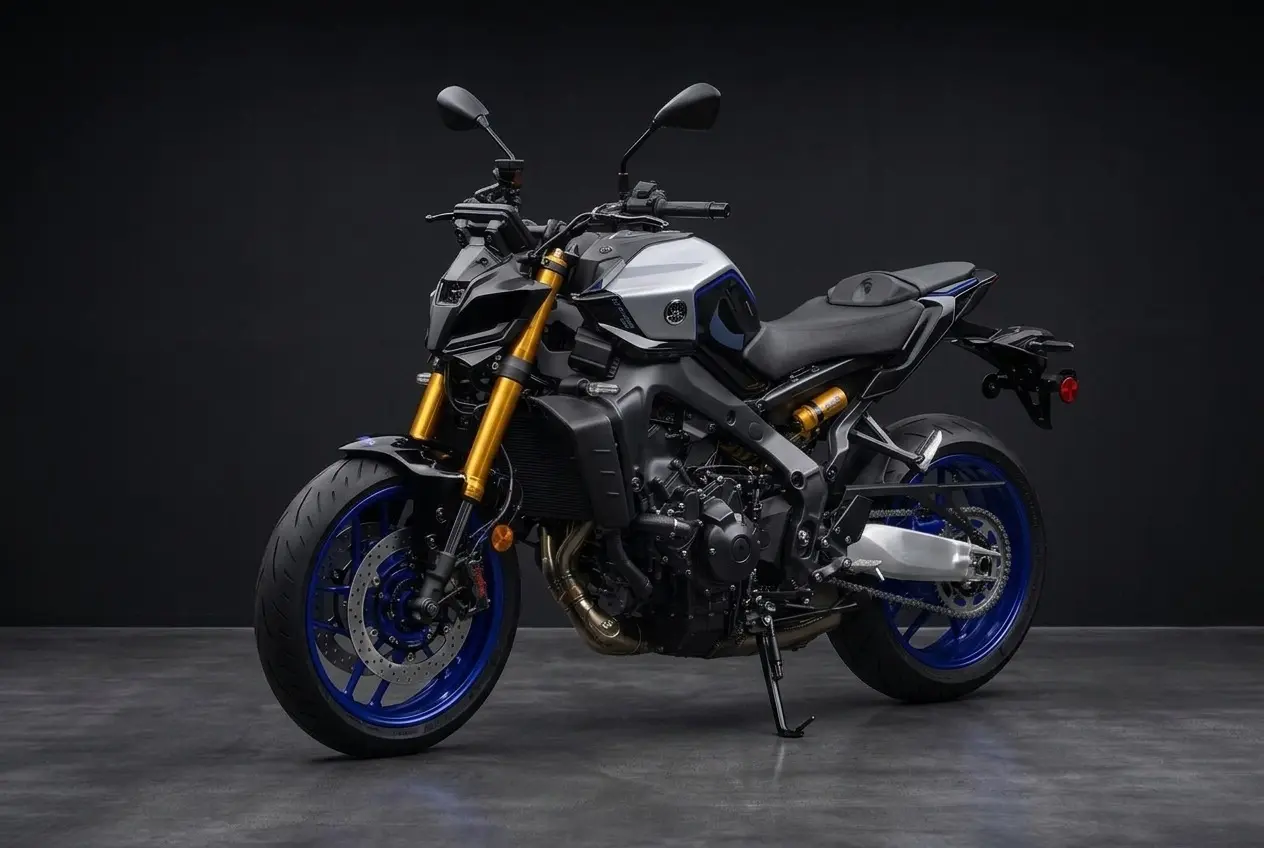
Book the Yamaha MT-09 SP. Pick your dates and book the Yamaha MT-09 SP online, or call us and we will sort it with you.
Book NowCall 0468 011 118Cliff Drive above Katoomba is the Blue Mountains at its most dramatic. The escarpment falls away into the Jamison Valley, the sandstone walls glow in the low sun and the Echo Point lookouts draw visitors from around the world. The question for riders is timing: when the air is clearest, when the crowds thin and when the road is at its most inviting. This guide covers the seasons, the mountain roads, the stops and the closures you must check before you set out.
For the bikes we hire, who can ride them and how a hire runs, see motorbike hire in Sydney.
The Blue Mountains from the saddle
Few places near Sydney reward a motorcycle as the Blue Mountains do. The climb through the escarpment brings a steady change of scenery, from the suburban edge to bushland, then to the sandstone cliffs and the wide valleys below. Every bend seems to open a new view, and the air grows cooler and cleaner as you climb.
Katoomba sits on the top of the range, and the roads that run along the cliff edges are among the most scenic in the region. The valley below is filled with eucalypt forest, and the mist that drifts through it on cool mornings can turn the whole scene into a painting. Riders often describe the first glimpse from the lookout as the moment the ride becomes worthwhile.
The trick is to match the season to the view you want. The mountains change character through the year, and each season offers a different reason to make the trip.
The run from Parramatta up the mountains
From Parramatta, Katoomba is roughly 100 kilometres to the west, and the Great Western Highway carries most riders up the range. The highway is busy with commuters and holiday traffic, so leave early on a weekday to enjoy the approach before the flow thickens. The climb begins quickly after the outer suburbs, and the bends tighten as the escarpment comes into view.
The highway is a steady, well-kept road, but the lane changes and the merging traffic require attention. Keep a safe gap from the larger vehicles, use the lanes that are clearly open and avoid sudden lane changes on the climbs. A relaxed pace on the highway gives you the energy you will need for the cliff roads.
Fuel up before the climb, as the stations on the highway can be busy at weekends and early in the day. Once you reach the mountains, plan your stops around the towns, where food and fuel are easier to find.
Closures, conditions and checking before you go
The mountain roads are open to private vehicles on many sections, but some tracks and lookouts are closed to ordinary traffic and must not be ridden. Before you leave, check road conditions with Transport for NSW and look at the advice from the parks authorities for any closures near the lookouts. If a section of road is closed to private vehicles, leave it off your route entirely.
Mountain weather can close roads quickly after heavy rain or wind, and landslides are a real risk on the steep cuttings. Look for signs of fresh debris on the road, and be cautious if the surface is covered in mud or stones. A road that looks open on the map may not be open in reality.
If you are unsure whether a road is open, do not ride it. A short detour is always better than an unexpected closure with the cliff on one side and a long drop on the other.
Clear winter air and the valley views
Winter brings the clearest air in the mountains. Cold dry days give long, sharp views across the Jamison Valley, and the sandstone walls take on a deep golden colour in the low sun. The lookouts are quieter on weekday winter mornings, and you can stop at a safe spot to take in the view without the crowds.
The cold is the price of that clarity. Mornings on the cliffs can be very cold, and the air on the high roads can carry a bite that you feel through every layer. Frost may remain on shaded sections well into the morning, so warm up before tackling the steep bends.
Plan a winter ride for the middle of the day, when the sun has warmed the road and the view is at its sharpest. Keep the early morning for the easy stretches along the highway, and save the cliff roads for when the surface has dried and the light is strong.
Autumn colour in the mountains
Autumn is the season of colour on the Blue Mountains. The deciduous trees around the towns turn gold, orange and red, and those colours sit against the blue-grey sandstone and the darker green of the eucalypts. Late autumn can be especially striking, with long shadows and warm light that makes every bend look richer.
Autumn weather is generally comfortable for riding, with cool mornings and mild afternoons. The air is clear and the humidity is low, so visibility over the valley is usually excellent. The mornings are chilly enough to need a warm layer, but the day warms quickly once the sun is up.
Autumn weekends bring more visitors to the lookouts, so a midweek ride is the best way to enjoy the colour without the queues. Arrive early, park with care and take your time at the viewpoints.
Summer crowds, heat and the valley air
Summer in the mountains is busy. Holiday visitors fill the towns and the lookouts, and the cliff roads are often slow with cars, coaches and cyclists. The heat builds in the valleys, and the air can feel thick and humid in the afternoon, which makes long rides hard work.
The mountains are generally cooler than the city, and the early mornings can be pleasant even in summer. Start early, aim to reach the lookouts before the crowds arrive and ride the cliff roads while the air is still fresh. By the afternoon, many riders prefer to head back to the highway and find a shady spot to rest.
Storms can also build over the range in summer. Keep an eye on the sky, and if the cloud darkens or the wind rises, head for a safe town and wait until the weather clears. Wet bitumen on the cliff roads is slippery, especially on the bends.
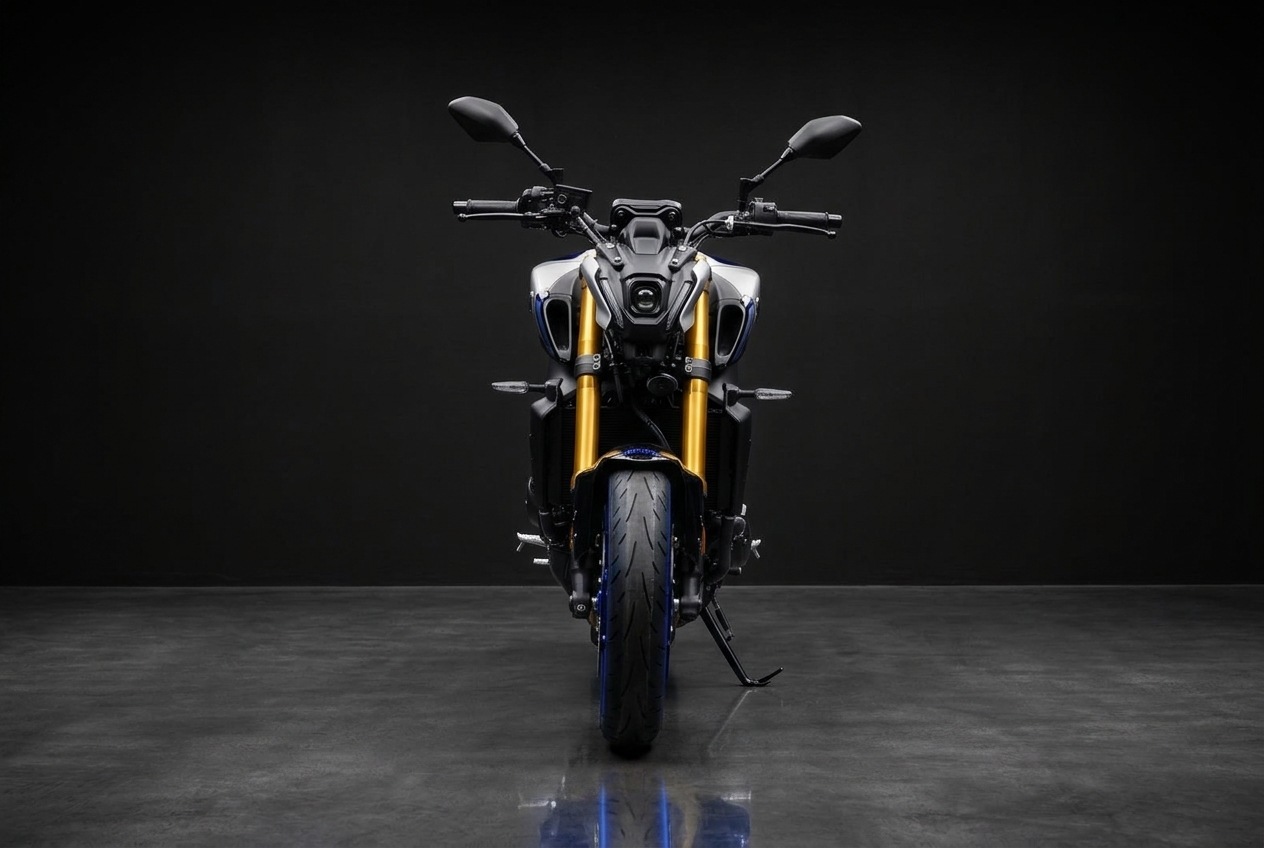
Want the Yamaha MT-09 SP for your date? Pick your dates and book the Yamaha MT-09 SP online, or call us and we will sort it with you.
Book NowCall 0468 011 118Fog, wind and mountain weather
Mountain weather can change within minutes. Cloud can roll over the escarpment and fill the valleys with fog, and visibility on the cliff roads can fall to a few metres. A ride that begins in clear sunshine can end in a grey, damp mist that makes every bend harder to read.
Wind is another hazard on the exposed sections. Gusts can push a bike sideways on the open roads near the cliff edges, and a sudden blast of wind can unsettle a rider at the wrong moment. Hold the bars firmly, keep your speed low and be ready to correct smoothly.
If the fog comes in, slow right down, keep your eyes on the edge of the road and stop somewhere safe if you cannot see the next bend. Patience is always the right choice in mountain fog.
The Yamaha MT-09 SP on the mountain roads
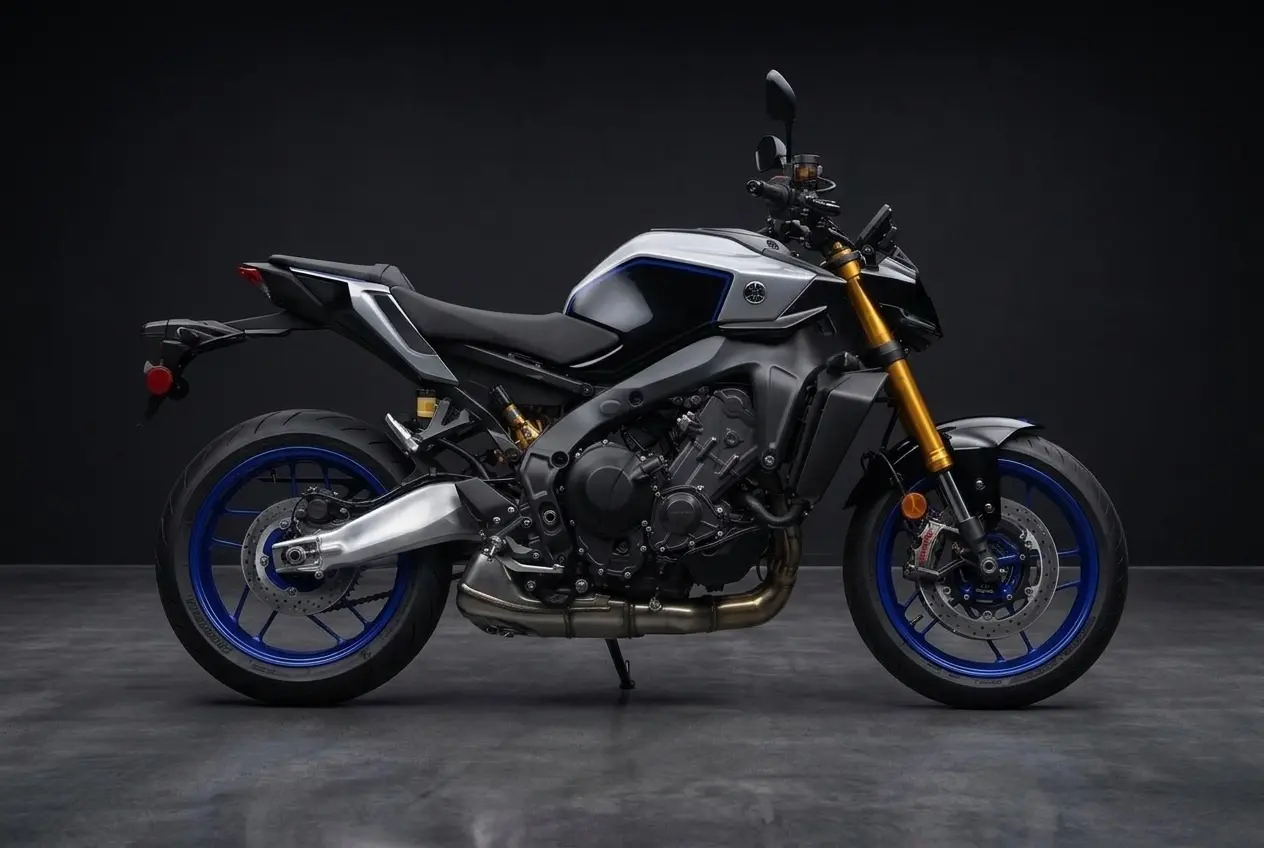
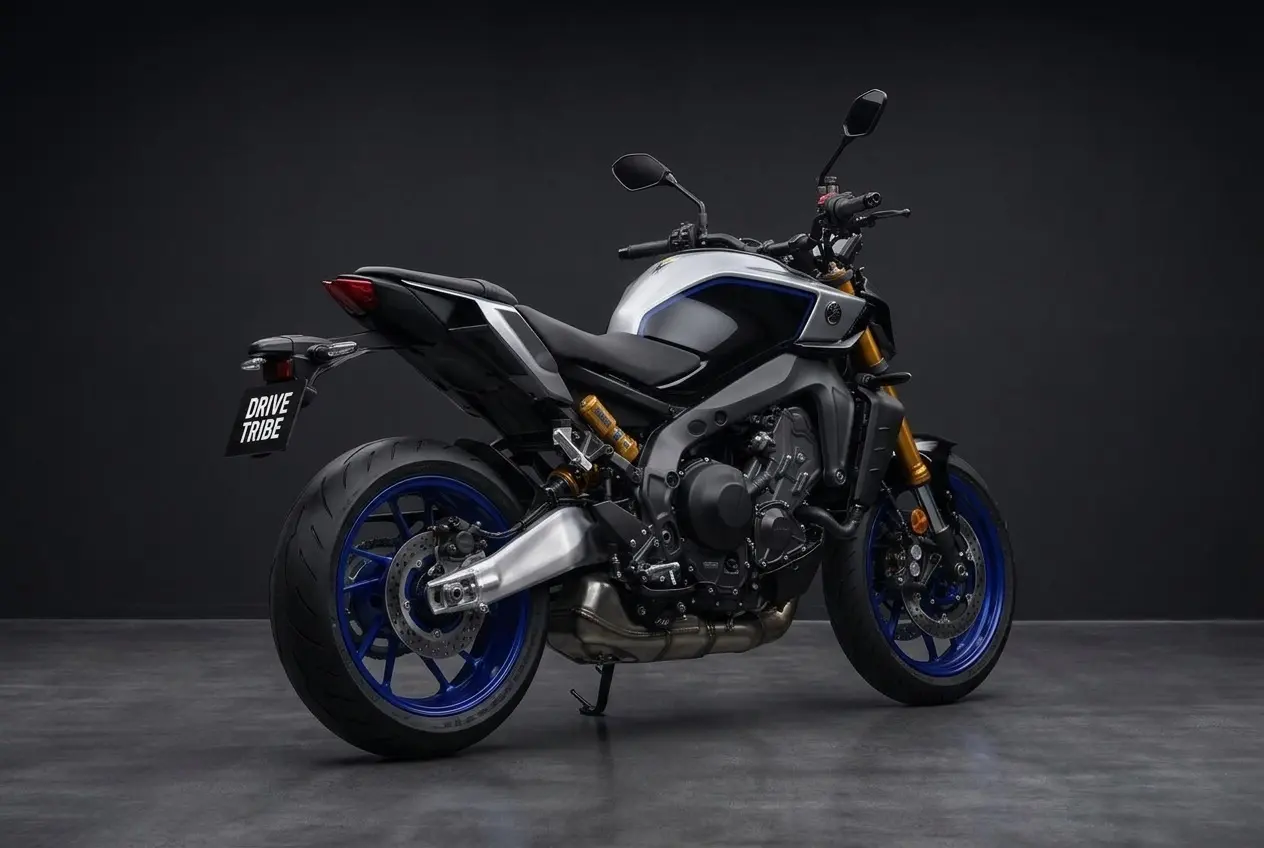
The Yamaha MT-09 SP is a natural choice for the Blue Mountains. Its inline three gives strong, usable pull low in the rev range, which means you rarely need to hunt for power on the climbs. The upright naked riding position is comfortable for a longer ride, and it gives a good view of the valley as you take in the scenery.
Premium adjustable suspension helps on the uneven surfaces and the tight cuttings of the mountain roads. It keeps the bike composed over ridges and dips, and it lets you feel confident through the bends. The strong brakes are reassuring on the steep descents, where a steady, controlled approach matters most.
The gold front forks give the Yamaha a distinctive look, and the bike is a relaxed partner for a day of stops and views. It suits a rider who wants to enjoy the mountains without pushing the pace, and that is the spirit in which the cliff roads are best ridden.
Weekends, food stops and the lookouts
Weekdays are the quietest time to ride the mountains. Weekend crowds fill the lookouts, the cafes and the car parks, and the cliff roads can slow to a crawl as visitors stop to take photographs. A midweek visit gives you more freedom to pick your moments.
For food, plan your lunch in the towns along the highway, where cafes are more reliable than at the lookouts. Many places open later in the morning and close in the late afternoon, so time your stops carefully. Carry water and a snack for the ride, particularly on the quieter cliff roads where services are limited.
When you stop at a lookout, use the designated parking, pull well clear of the carriageway and keep your bike upright on firm ground. Walkers and drivers may step onto the road without looking, so stay alert whenever you are on foot near the bike.
Gear, fatigue and hire terms
Gear for the mountains should cover cold mornings, wind and sudden showers. A thermal layer under a riding jacket, insulated gloves and a windproof neck warmer will carry you through most conditions. Keep a waterproof layer in the luggage, and make sure your helmet visor is clean and clear before every bend.
Fatigue creeps up on long mountain rides, particularly when the cold is draining your energy. Eat a proper breakfast, drink water and take a break every hour or so. If you feel tired or cold, stop somewhere safe and rest, because a tired rider misreads the cliff edges and the bends.
Alcohol has no place on a mountain run, and that includes the evening meal if you plan to ride the next day. Hire is through our Parramatta base and is always self-drive. The minimum hire period is three days, the rider must hold a full motorcycle licence held for at least three years and must be 25 or over. Each night the bike is locked away in a garage or secure off-street spot, from 9pm to 6am.
If the Blue Mountains and their clifftop views are the ride you want, the Yamaha MT-09 SP page has the full specification and current availability. Tell us your plan and how many days you have, and we will help you choose the right season and route.
Frequently asked questions
What is the best season to ride Cliff Drive in Katoomba?
Winter offers the clearest air and sharpest valley views, while autumn brings beautiful colour and comfortable riding temperatures. Spring is also pleasant, with fresh greenery and long, bright days. Summer is busy, hot and prone to afternoon storms. If you can choose, aim for a midweek morning in autumn or winter for the best combination of views, quieter lookouts and comfortable conditions.
Can I ride every section of the cliff roads?
No, not every section is open to private vehicles, and some tracks and lookouts are closed. Before you go, check road conditions with Transport for NSW and look at the advice from the parks authorities about closures. If a section is closed, leave it off your route entirely. A short detour is always safer than riding a road that you are not permitted to use or that may have fallen debris on it.
Is the mountain fog dangerous for riders?
Fog can be very dangerous because visibility can drop to a few metres and bends appear only as you reach them. Slow down before misty patches, keep your eyes on the edge of the road and avoid following other vehicles too closely. If you cannot see the next bend, stop somewhere safe and wait for the fog to lift. Patience is always the better choice in mountain fog, even if it costs you time on the day.
Where should I eat and fuel up before the mountains?
Fill the tank before the climb, because stations on the highway can be busy at weekends and early in the day. Eat a proper breakfast before you leave Parramatta, and pick a town along the highway for lunch, where cafes are more reliable than at the lookouts. Carry water and a snack for the quieter cliff roads, where services are few and far between.
How cold does it get on a winter morning in the mountains?
Mountain mornings can be very cold, with frost lingering on shaded sections well after sunrise. The air on the high roads carries a bite that you feel through every layer. Dress in a thermal base layer, insulated gloves and a windproof neck warmer, and warm up before tackling the steep bends. The day warms quickly once the sun is up, so keep a layer you can remove at a stop.
Which Drive Tribe bike suits a scenic mountain run?
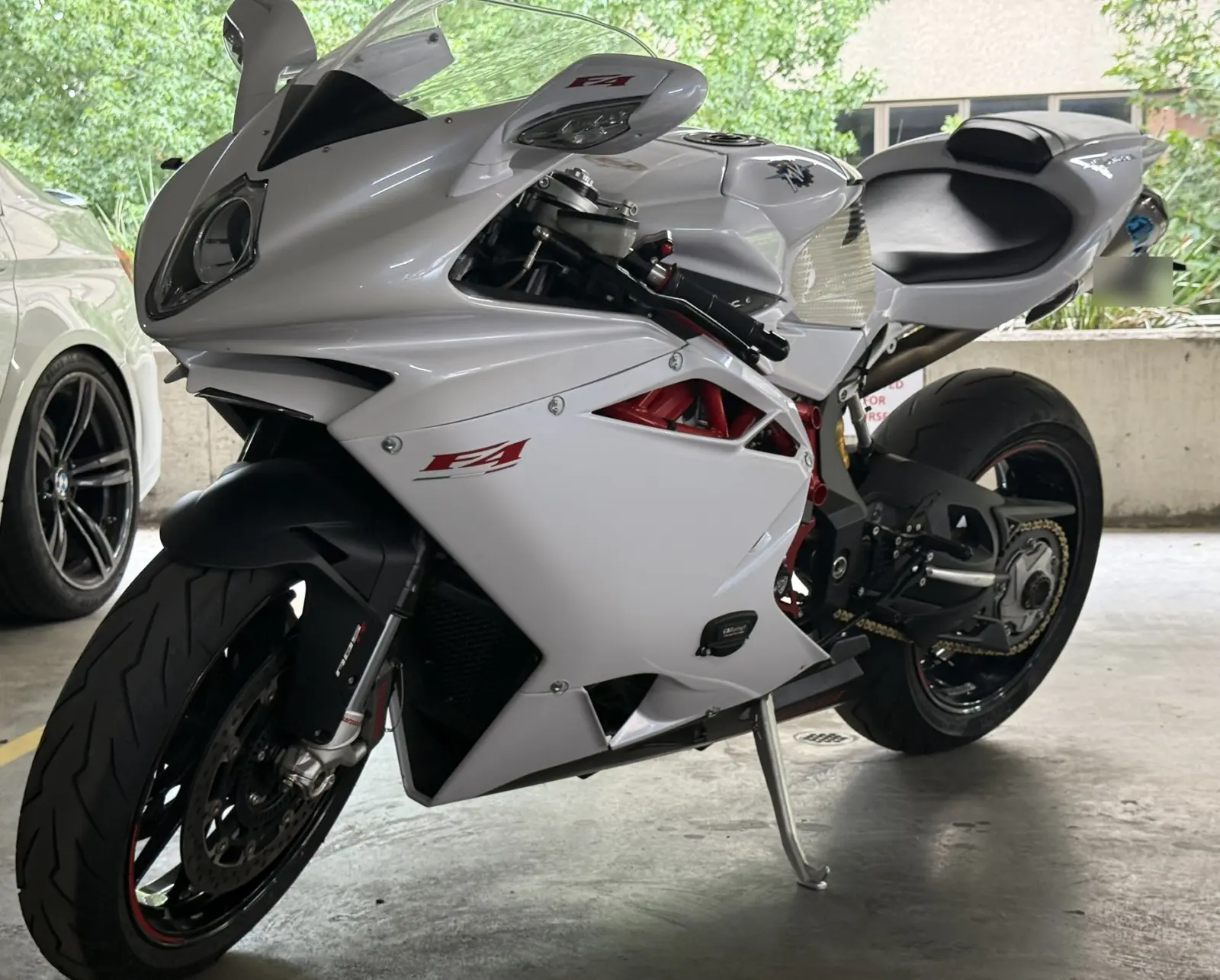
The Yamaha MT-09 SP suits a relaxed scenic run, with strong, usable pull low in the rev range, an upright position and premium adjustable suspension that copes well with uneven mountain surfaces. The MV Agusta F4 is a good choice for a rider who wants a more responsive engine on the quieter stretches, and the Ducati 1199R suits an experienced rider who wants a focused superbike for the clear, dry bends.
Ready when you are. Pick your dates and book the Yamaha MT-09 SP online, or call us and we will sort it with you.
Book NowCall 0468 011 118