
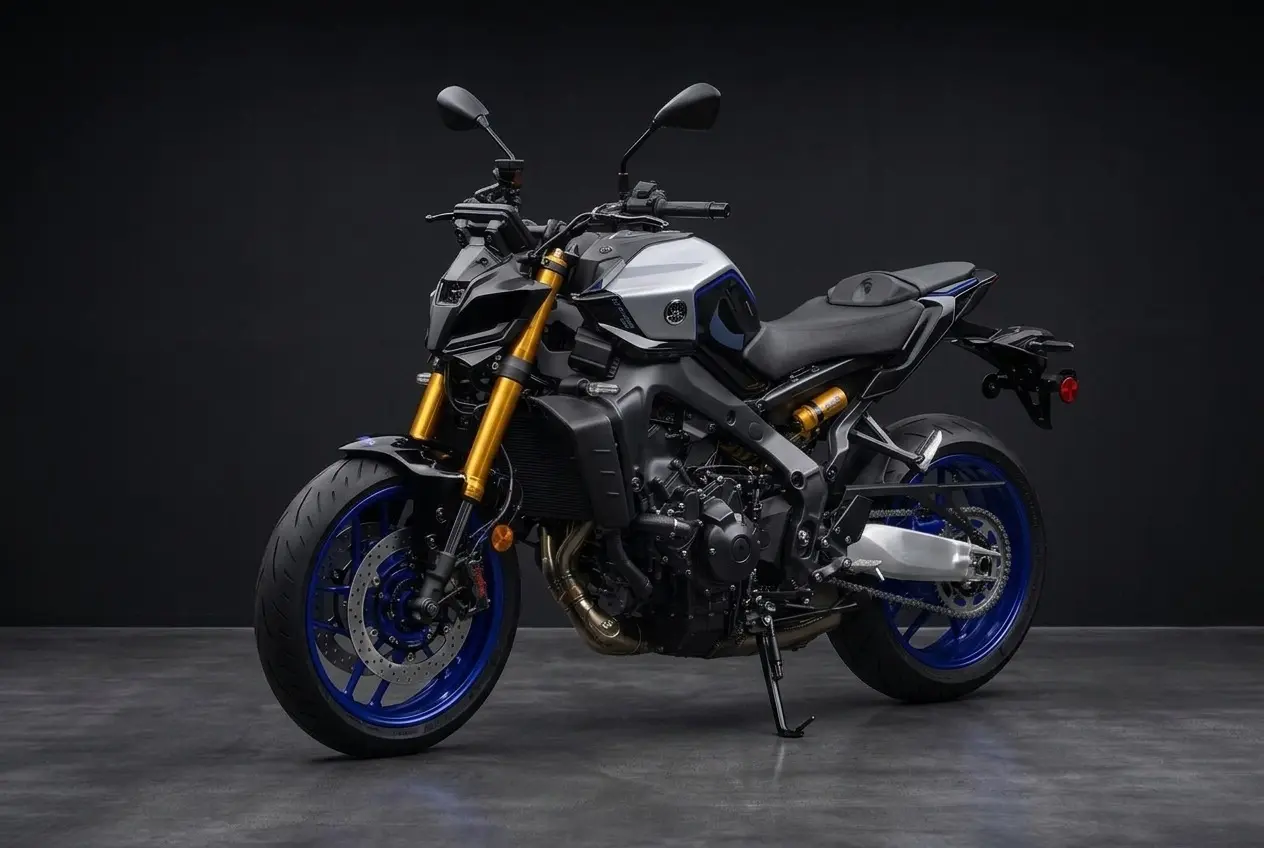
Book the Yamaha MT-09 SP. Pick your dates and book the Yamaha MT-09 SP online, or call us and we will sort it with you.
Book NowCall 0468 011 118The Sydney Harbour Tunnel is one of the most direct ways to cross the water between the North Shore and the city, and on a motorcycle it demands more attention than the open road. The lanes are tight, the traffic is heavy at the wrong times, and the surface can be slick after rain. Riders who cross it well share one trait: they stay in their lane, keep their distance and treat every merge as the most important moment of the trip. Here is how we approach the crossing on our bikes.
Everything to know before you book, from the licence rules to the bond, is on our Sydney motorbike hire page.
Why the Harbour Tunnel Demands Discipline
A tunnel takes away the sky, the wind and most of the cues that help a rider judge distance. Light changes quickly from the bright road outside to the artificial glow inside, and the sound of traffic bounces off the walls so that it is harder to hear a horn or a brake squeal. For a motorcycle rider these conditions mean that every small mistake is magnified, and the calm habits you use everywhere else need to be applied more carefully.
Traffic in the tunnel is typically dense, and cars, vans and heavy vehicles share the same lanes with very little margin. A car that drifts half a lane across to make an exit can close a gap in a second. The rider who has planned the crossing, positioned themselves early and kept a steady rhythm is far less likely to be caught out by that sudden movement than the rider who is simply following the car in front.
We do not recommend the crossing as a place to test your nerve. It is a route to ride with patience, to take at a steady pace within the posted limit, and to leave the showmanship for a quiet stretch of coastal road on another day. Treat the tunnel as a space to be respectful of, and you will arrive on the other side with a clear head.
Before You Enter: Lights, Gear and Position
Lights matter more inside a tunnel than anywhere else on the road. Keep your headlight on at all times, even in bright daylight, so that drivers ahead, behind and merging from the side can pick you out clearly against the background of lights and signs. Check that your visor is clean and that you can see through it before you commit to the entry, because a smudged visor in the glare of tunnel lights is a real hazard.
Gear is essential for any city crossing. Wear a properly fitted helmet, an armoured jacket, gloves, long trousers and boots that cover the ankle. Bright or reflective colours help you stand out, and the leather or textile jacket should be zipped and fastened so that it does not flap in the air movement of heavy traffic. Helmets (Shark, AGV or Bell) can be hired from us in small, medium or large for $50 per hire, or you can bring your own. We do not supply jackets, gloves, pants or boots, so bring your own riding gear.
Set your position before the entry. Sit upright and relaxed, keep your hands light on the grips, and find your lane early on the approach. Do not wait until you are inside the tunnel mouth to decide where you are going, because the moment of changing lanes at speed is when most avoidable accidents happen. A settled rider with a clear plan is the safest rider in any traffic.
Staying in Your Lane
Lane discipline is the foundation of a safe tunnel crossing. Choose the lane that matches your route and stay in it, holding a steady position within the lane rather than riding on the painted lines. Motorcycles have a narrow footprint and can be tempted to sit on the edge of a lane, but a bike riding on a line is easily pushed sideways by a passing truck or a sudden crosswind from a door opening.
Do not filter between lanes. Lane splitting is not a safe option in a tunnel, where the gaps are narrow, the vehicles are close and any movement is unexpected for drivers. Stay behind the vehicle in front of you, keep your eyes moving and make sure every lane change you make is deliberate, signalled and completed with a clear space behind you.
A useful habit is to check your mirrors every few seconds and to note what the vehicles on either side are doing. Look for a driver who is watching their phone, a van that is wandering in its lane or a truck that is hugging the edge. Those are the moments to ease back and create more room. Lane discipline is less about speed and more about giving yourself space to react.
Following Distance and Tunnel Surfaces
Following distance inside the tunnel should be generous. Leave at least two seconds between you and the vehicle in front, and increase that gap if the traffic is stop-start or if vehicles are changing lanes around you. The gap is your buffer for sudden braking, a stalled car or a piece of debris that has come off a truck, and a rider who has it will almost always get through safely.
The tunnel surface can be slippery when wet, and water from vehicles can leave a film on the road that reduces grip. Oil and rubber build up in the lanes that carry heavy traffic, and this matters more under braking. Brake gently and early, avoid sharp inputs on the throttle or brakes, and keep the bike upright as you move through the tunnel. Ease off the pace when the road is damp.
On a cold morning the tunnel may feel warmer than the open air, but the sudden change in temperature can leave a rider stiff and slow to react. Warm up before the approach, keep your hands and fingers relaxed and take a moment to breathe. A rider who is relaxed and focused will handle the surface far better than one who is tense and gripping the bars.
Merging, Changing Lanes and Exits
Merging is where most of the risk sits. As vehicles join from the side, they often do not see motorcycles clearly, and their drivers may be focused on the lane they are entering. Position yourself so that you are visible, avoid riding in the blind spot of a truck or a large van, and keep your speed steady so that merging drivers can judge your position and speed without needing to swerve.
When you need to change lanes for an exit, plan the move well in advance. Signal clearly, check your mirrors and your blind spot, and move only when the gap is genuinely open. Do not rely on other drivers to let you in. A lane change that needs a driver to brake for you is a lane change that is not yet safe, and it is better to stay put and take the next exit than to force a gap.
Exits can arrive faster than expected, particularly on the approach to the city. Read the signs early, and keep a note of which lane you need for the exit you want. If you miss an exit, do not stop in the lane or reverse. Continue to the next opportunity and plan the route again calmly. Missing a turn costs a few minutes, but a rushed manoeuvre can cost much more.
Want the Yamaha MT-09 SP for your date? Pick your dates and book the Yamaha MT-09 SP online, or call us and we will sort it with you.
Book NowCall 0468 011 118Emergencies Inside a Tunnel
If your bike develops a problem inside the tunnel, the first priority is to stay calm and keep control of the machine. Move towards the left edge only when it is safe and steady to do so, and avoid braking hard on a slick surface. Do not stop in a live lane unless there is no other choice, and remember that other drivers may not expect a motorcycle to be stationary in the tunnel at all.
Follow the signs and the instructions of any tunnel staff or emergency personnel. The tunnel has clear procedures for breakdowns and incidents, and they are designed to keep everyone safe. If you are able to reach an emergency bay or a designated area, use it. If you cannot, keep your visor down and your body well clear of the traffic while you wait for assistance, and never try to push or repair the bike in the live lane.
If you have a passenger, or a rider in your group, make sure everyone knows the plan before you enter. Agree that the lead rider will hold a steady pace, that the sweep will stay at the back and that nobody will overtake inside the tunnel. A plan that everyone understands before the entry reduces panic if something goes wrong.
Best Time of Day and Season for the Crossing
Mid-morning on a weekday is generally the quietest time to cross, after the peak commute has passed but before the lunchtime traffic builds. Early morning is also calm, though the sun can be low and glaring as you come off the approach roads. Avoid the late afternoon peak, when the tunnel can fill quickly and progress becomes slow and stop-start.
Weekends bring a different pattern. Sunday mornings are often quiet, but traffic builds steadily as the day moves on, and tourist vehicles, larger family cars and buses share the lanes with commuters and freight. Check road conditions with Transport for NSW before you leave, particularly after heavy rain or when roadworks are planned on the approaches, because a lane closure can turn a simple crossing into a tricky merge.
Spring and autumn offer the most comfortable riding conditions, with mild temperatures and less glare. Winter mornings are colder and the road can be damp, so allow extra time and take a warm layer. A good plan is to stop for fuel and a break before the crossing, on the North Shore side, at a waterfront cafe where you can watch the harbour traffic and settle your nerves before the tunnel.
Riding Within Your Ability in the City
Riding in a city tunnel is an exercise in ability as much as technique. Ask yourself honestly whether you are comfortable in heavy traffic, whether you have ridden in tunnels before and whether you are rested. If the answer to any of these questions is no, choose a quieter route or ride with an experienced sweep for your first crossings. There is no shame in building confidence step by step.
Fatigue is a real concern for city riders. Concentration drops after a long morning in traffic, and tired riders often miss the small signs that matter most. Stop every hour or so, drink water and stretch your shoulders and wrists. A break on the approach gives you the chance to reset before you enter the tunnel.
Never ride after drinking, and do not plan any city riding around alcohol. Even a small amount can slow reaction time and reduce your judgement in unfamiliar traffic. The safest crossing is one that you make sober and well rested, with your full attention on the road ahead and the lanes around you.
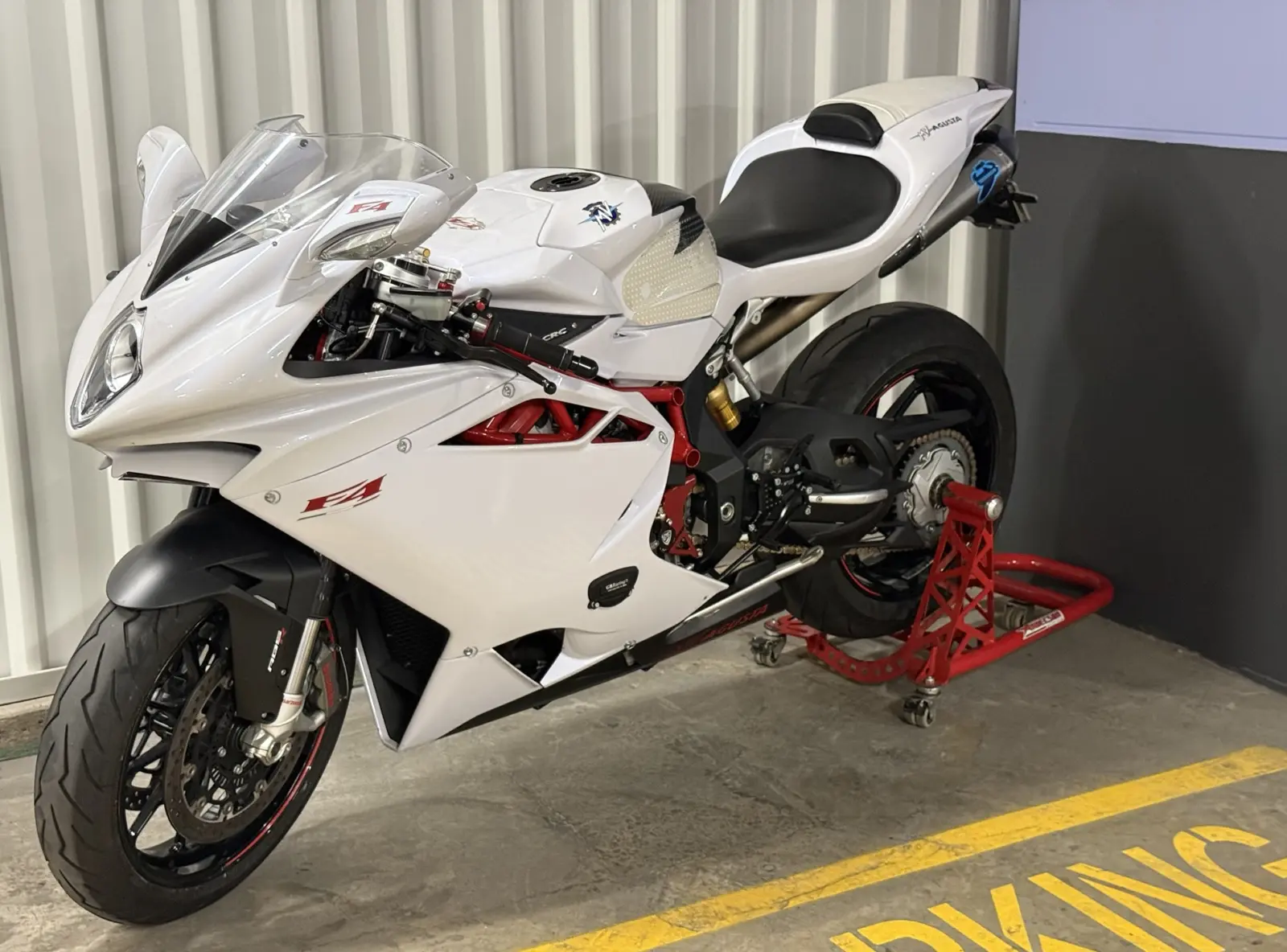
Taking the Crossing Further: The Yamaha MT-09 SP
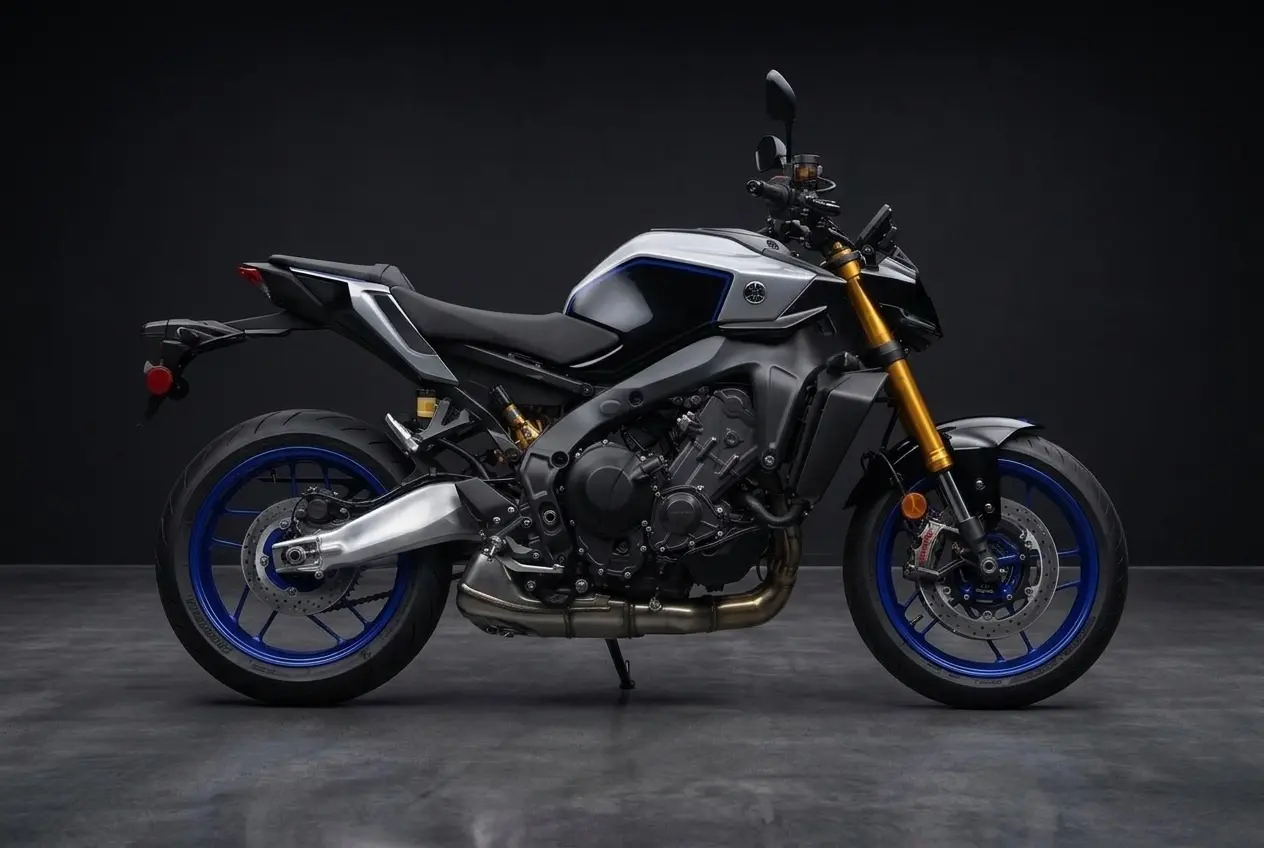
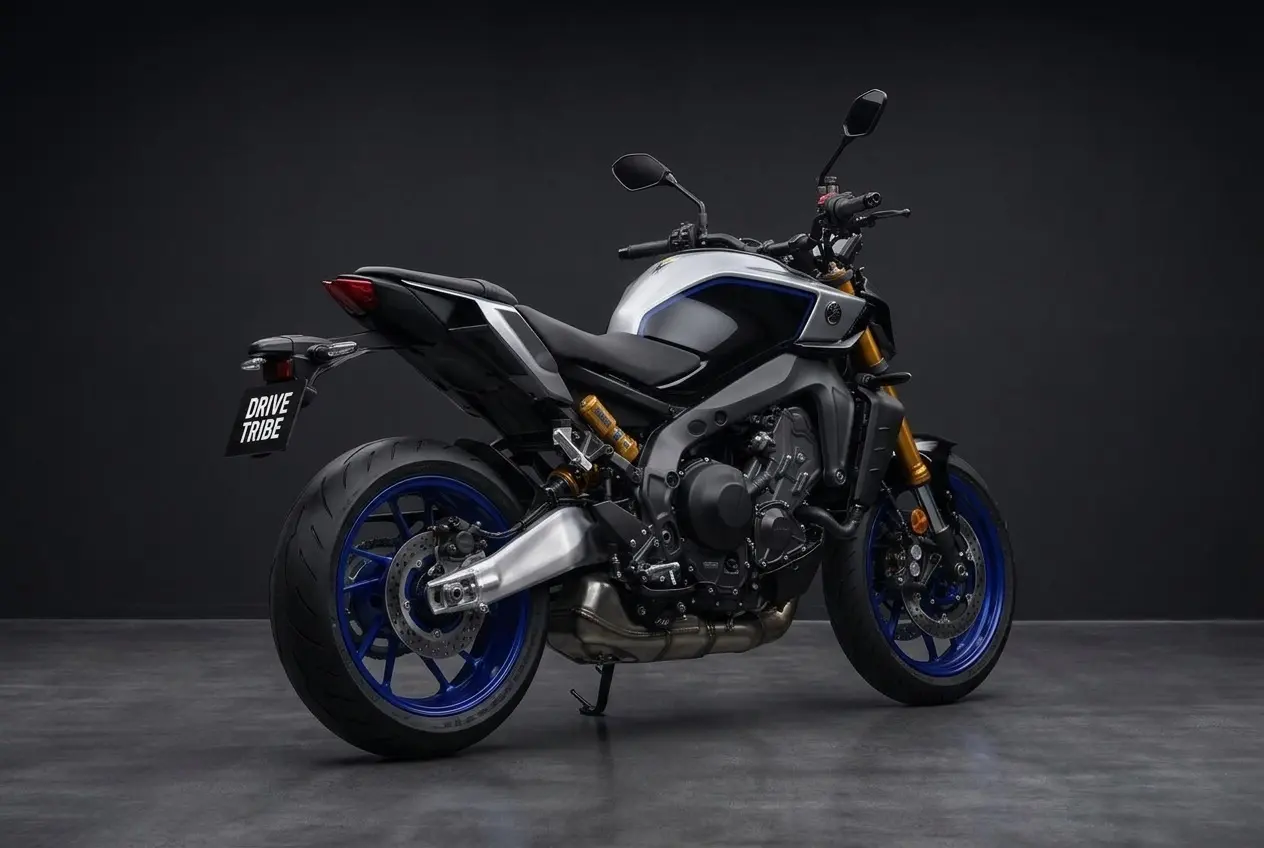
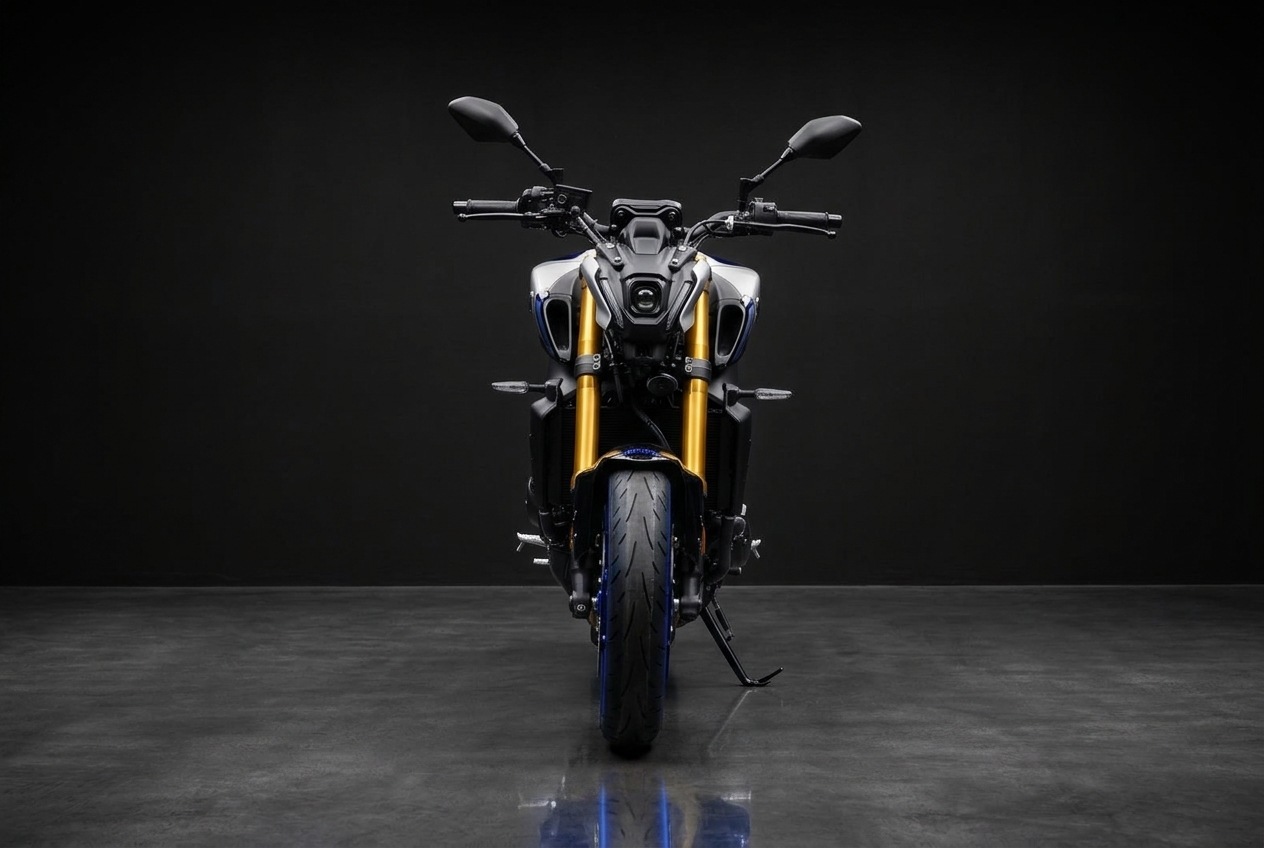
The Yamaha MT-09 SP is an inline three performance naked bike with premium adjustable suspension, gold front forks and strong brakes. Its upright riding position suits city traffic well, and the wide bars give confident control at low speed when you are moving through slow queues or manoeuvring out of a tight space. For the tunnel and the streets around it, that composure is a real advantage.
Good city riding is about smoothness. Ease into the throttle, brake progressively, keep your inputs calm and look well ahead so that you can read the traffic before it reaches you. A naked bike rewards a rider who takes these habits seriously, and the same habits will carry you well on the coastal roads you may want to ride on your next trip.
When you are ready to cross the harbour on a bike that is comfortable in traffic and strong on the open road, use the Book Now invitation to reserve the Yamaha MT-09 SP for your next ride. You can also browse the full fleet to compare the other bikes before you decide, and bring the lane discipline and lights habits from this guide with you.
Frequently asked questions
Is it safe to ride a motorcycle through the Sydney Harbour Tunnel?
Many riders cross the tunnel safely, but it asks for more attention than open road riding. The lanes are close, the traffic is dense and the surface can be slippery when wet. Keep your headlight on, stay in your lane, leave a generous following distance and plan your exit early. If you are new to city riding, consider your route and your timing carefully before you commit, and build up to tunnel crossings gradually.
Should I keep my headlight on in the tunnel?
Yes. Keep your headlight on at all times, including in bright daylight, so that drivers ahead, behind and merging from the side can see you clearly. Inside the tunnel the lights and signs make a busy background, and a clear, steady light helps you stand out. Check that your visor is clean before you enter, since smudges can cause glare in the tunnel lights and make it harder to see.
Can I filter between lanes in the tunnel?
No. Lane splitting is not a safe option in the tunnel, where gaps are narrow and drivers do not expect a motorcycle to move between vehicles. Stay behind the vehicle in front, keep a steady position within your lane and make any lane change deliberate, signalled and completed with clear space behind you. Patience is the safest approach, even when the queue appears to be moving more slowly than you would like.
How much following distance should I leave inside the tunnel?
Leave at least two seconds between you and the vehicle in front, and increase that gap in stop-start traffic or when vehicles are changing lanes around you. The extra space gives you time to react to sudden braking, a stalled car or debris on the road. The surface can be slippery when wet, so brake gently and early and keep the bike upright. A generous gap is one of the most effective habits a rider can build.
What should I do if my bike breaks down inside the tunnel?
Stay calm and keep control of the bike. Move towards the left edge only when it is safe to do so, and avoid braking hard on a slick surface. Follow the signs and the instructions of tunnel staff or emergency personnel, and use an emergency bay if you can reach one. Keep your visor down and your body clear of the traffic while you wait for help, and never try to repair the bike in a live lane.
What time of day is best for crossing the tunnel?
Mid-morning on a weekday is generally the quietest time, after the peak commute has passed and before lunchtime traffic builds. Early morning is calm too, though the sun can be low and glaring on the approach roads. Avoid the late afternoon peak, when the tunnel can fill quickly. Check road conditions with Transport for NSW before you leave, particularly after rain or when roadworks affect the approaches.
Ready when you are. Pick your dates and book the Yamaha MT-09 SP online, or call us and we will sort it with you.
Book NowCall 0468 011 118