

Book the Yamaha MT-09 SP. Pick your dates and book the Yamaha MT-09 SP online, or call us and we will sort it with you.
Book NowCall 0468 011 118Jervis Bay Road carries you from Nowra down to the bay in roughly an hour, through eucalypt forest, farmland and a long run of coastal scenery. Every season suits this ride in its own way. Autumn offers the clearest light and bright white sand, winter brings quiet roads and cold mornings, spring fills the heath with colour, and summer brings the beach crowds. Here is how to choose the window that suits your riding.
Everything to know before you book, from the licence rules to the bond, is on our Sydney motorbike hire page.
Why the season changes this ride
Nowra to Jervis Bay is a short ride, and that is part of its appeal. You can leave the Shoalhaven town in the morning, work through the bends, reach the beaches before lunch and be home by evening. Because the run is short, small changes in weather and crowds matter more than they would on a long haul. A grey drizzly day on the coast feels nothing like a bright one, and a Saturday in January is a different world from a Tuesday in July.
The bay sits at the southern end of the Shoalhaven coast, and the surrounding national park keeps much of the landscape wild. Forest closes in around the road in places and opens onto open coast in others. The character shifts with the calendar as much as the scenery does: frost on the hills in winter, warm salt air in summer, and a crisp clarity in autumn that makes every view look sharper.
Before you set off, check the road conditions with Transport for NSW, especially after heavy rain or when roadworks are under way on the approach from Nowra. Conditions on rural roads can change quickly, so a short check each morning is a good habit that costs you nothing.
The road from Nowra to the bay
Leaving Nowra, the road climbs gently through farmland before the trees begin to close in. The surface is sealed for the whole run, and most of the corners are open sweepers that let you pick a line and hold it. Expect a mix of longer curves, a few tighter bends that call for slower entries, and short straights where the bike can settle before the next turn. Take each corner at a speed you can see through.
Sight lines are the thing to watch. Crests hide what lies over the top, and a car coming the other way can appear quickly on a bend. Keep your eyes up through the turn, look for the exit early, and avoid sitting in the middle of the lane on blind corners. Overtaking should only happen where the road is clear and legal, and never on a bend or over a crest.
Leaf litter and loose bark gather on the outside of bends, particularly in autumn and after rain. Those patches are worth spotting early, because running over them with the bike leaned over feels very different from running over them upright. Brake in a straight line before you lean, and roll on gently once the bike is settled again.

Autumn: clear air and bright sand
Autumn is the season most riders choose for this run. The air is cooler after the summer heat, the light is low and clean, and the views across the bay carry for miles. Mornings can be cold, so expect a jacket and a thermal layer until the sun warms the road, then shed a layer once the afternoon settles in.
The beaches at Jervis Bay are at their most inviting in these months. Hyams Beach, a short detour from Huskisson, is known for its very white sand and clear water on calm days, and the crowds are lighter than in summer. Park with care, keep an eye out for walkers and children near the road, and give yourself time to stop for a photo without rushing back to the bike.
Autumn also falls in the wildlife window at dawn and dusk. Kangaroos graze the verges along the forest edges as the light fades, so ease off on the forest sections in the last hour of daylight and in the first hour after sunrise. The same care keeps the ride relaxed and makes the return run feel as good as the outbound one.
Winter: quiet roads and cold mornings
Winter is the quietest time to ride from Nowra. Weekday traffic thins out, the forest sections feel close and green, and the bay has a stillness that summer rarely gives you. The trade-off is the cold. Frost can settle on the lower ground in the early morning, and the damp coastal air bites through thin gloves. Layer up, and give the tyres a few extra kilometres to warm before you lean into anything serious.
Winter rain is the bigger concern. The first rain after a dry spell brings oil and wet leaves to the surface, which is slippery, and clay on the verges can wash onto the bitumen after a heavy downpour. Brake lightly and steadily, ease off earlier into corners, and allow more following distance than you would in dry weather. Smooth inputs matter far more on a wet road than a dry one.
Whales travel along this coast in the cooler months, so the lookouts around the bay make a good stop when the sea is calm. Pull well clear of the traffic lane, switch off the engine while you are parked, and watch for visitors stepping out from the car park. A slow stop with the helmet visor up lets you enjoy the view without rushing.
Spring: heath colour and building warmth
Spring is a fine balance. The heath along the roadside comes into flower, the bushland smells sweet after rain, and the days warm steadily from one week to the next. Mornings still call for a jacket, but afternoons can be warm enough for a lighter mesh layer. Check the afternoon forecast before you pack, because a cool start can turn into a warm finish.
Spring winds are the thing to plan around. Afternoon southerly breezes can gust across the open stretches near the bay, and a crosswind on exposed ground takes real concentration. Hold the bars firmly, keep your speed down on the open straights, and be ready to adjust your lean through the gusty patches. A windy day is a good day to turn back early and try again later in the week.
Traffic builds through spring as the holiday weeks approach, so weekends run busier than weekdays. Leave after first light so you reach the bay before the cars arrive at the beaches, and plan your return to avoid the late afternoon rush out of the village. Spring rewards the rider who starts early and keeps a relaxed pace.
Want the Yamaha MT-09 SP for your date? Pick your dates and book the Yamaha MT-09 SP online, or call us and we will sort it with you.
Book NowCall 0468 011 118Summer: beach crowds, heat and storms
Summer is the busiest season at Jervis Bay. The beaches fill quickly on warm weekends, parking is tight, and the road carries more caravans, boats on trailers and holiday traffic than it does in the cooler months. The heat is intense by midday, and the bitumen can feel soft under the wheels in the afternoon. Riding in the morning and heading back before the hottest part of the day makes for a far better trip.
Afternoon storms roll in with little warning in the warmer months, and a sudden downpour on a sealed road can leave the surface very slick for the next half hour. Check the weather outlook before you set out, carry a waterproof layer where you can reach it, and pull over somewhere safe if the rain comes on hard. Wait for the surface to dry before you pick the pace back up.
Summer also brings the greatest chance of heat-related fatigue. Drink water before you feel thirsty, take a break every hour or so, and stop in shade if the heat starts to make you feel light headed or foggy inside the helmet. A rider who arrives at the bay calm and hydrated enjoys the coast far more than one who rushed through the forest in the midday sun.
Best time of day, fuel and food stops
For most riders the best window is the first hours after sunrise, or the late morning once the mist has lifted and the wildlife has moved back into the bush. Mid-morning gives you the calmest traffic and the cleanest light for the bay views. Late afternoon works in autumn and winter, but leave enough daylight to reach Nowra again before the kangaroos become active near the forest edges.
Fill the tank in Nowra before you leave, and top up in the bay villages before the return run, because fuel stops are fewer along the forest sections. Plan around a full tank and keep a healthy reserve in mind, especially on a warm summer afternoon when the bay gets busy and queues form at the pumps. Running low on a quiet forest road is far less pleasant than arriving with fuel to spare.
Food stops are easy in Huskisson, where cafes and restaurants line the waterfront and serve lunch through the afternoon. Eat something light before you ride so you stay alert through the forest sections, and save the heavier meal for after you have parked the bike and taken off your gear. A relaxed lunch by the water is the natural reward for a morning on the road.
Safety on the Nowra to Jervis Bay ride
Gear matters more than people expect on a coastal run. Start with a helmet that sits snugly, then add an armoured jacket, leather or textile gloves, long trousers and boots that rise above the ankle. Cold mornings and sudden showers can make a short ride feel long, and a suit that keeps the wind out will keep your concentration sharp for the whole trip.
Fatigue is the quiet risk. A ride of about an hour each way is short, but tired riders misjudge corners and take longer to react. Stop every hour, stretch, drink water, and call it a day if your focus drifts. Never ride after drinking alcohol, and do not ride when a medication has left you drowsy.
Ride within your ability at all times, especially on corners you have not seen before. Wildlife, leaf litter on corners, wet bitumen and sudden weather changes all reward a rider who keeps a margin in hand. Keep the fuel range in your head, carry a charged phone, and tell someone your route before you leave the Nowra streets.
Riding the Yamaha MT-09 SP to the bay
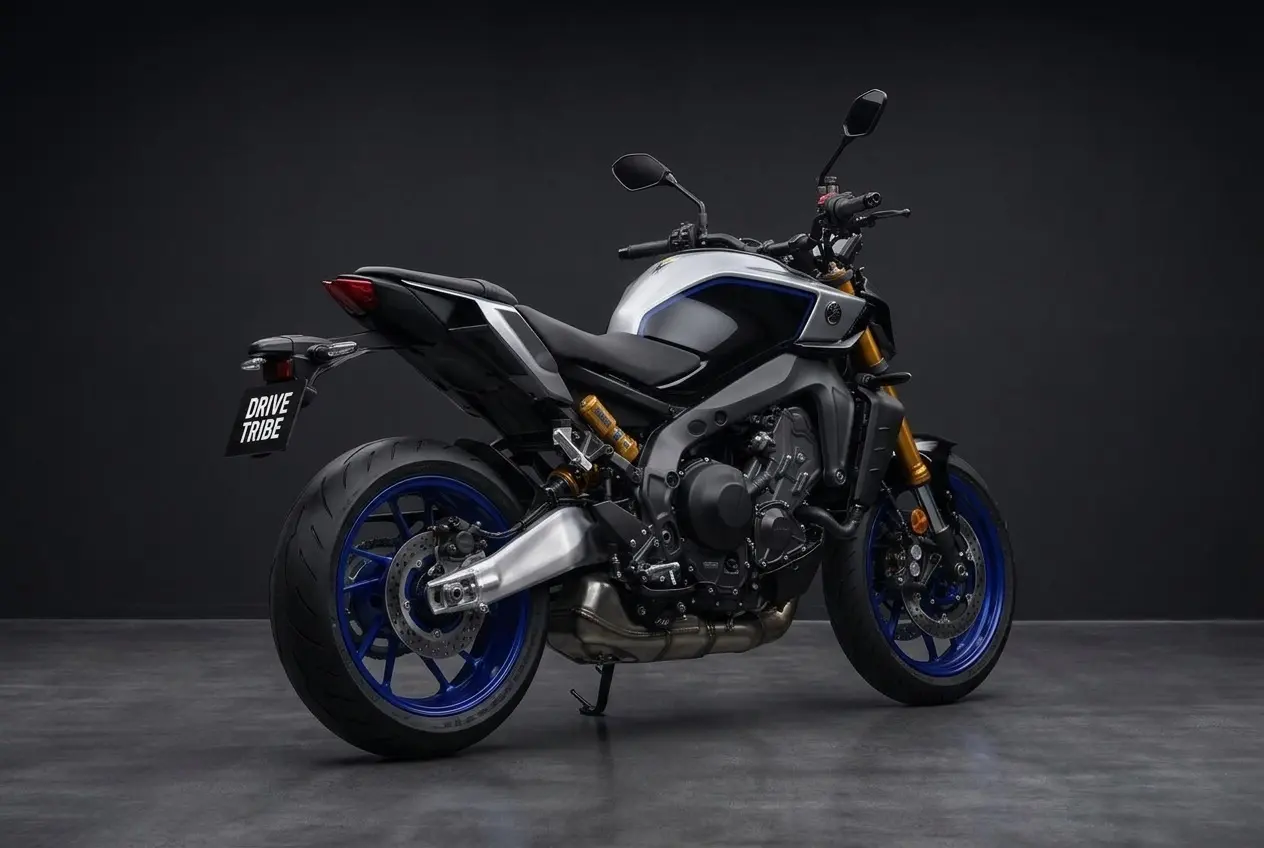
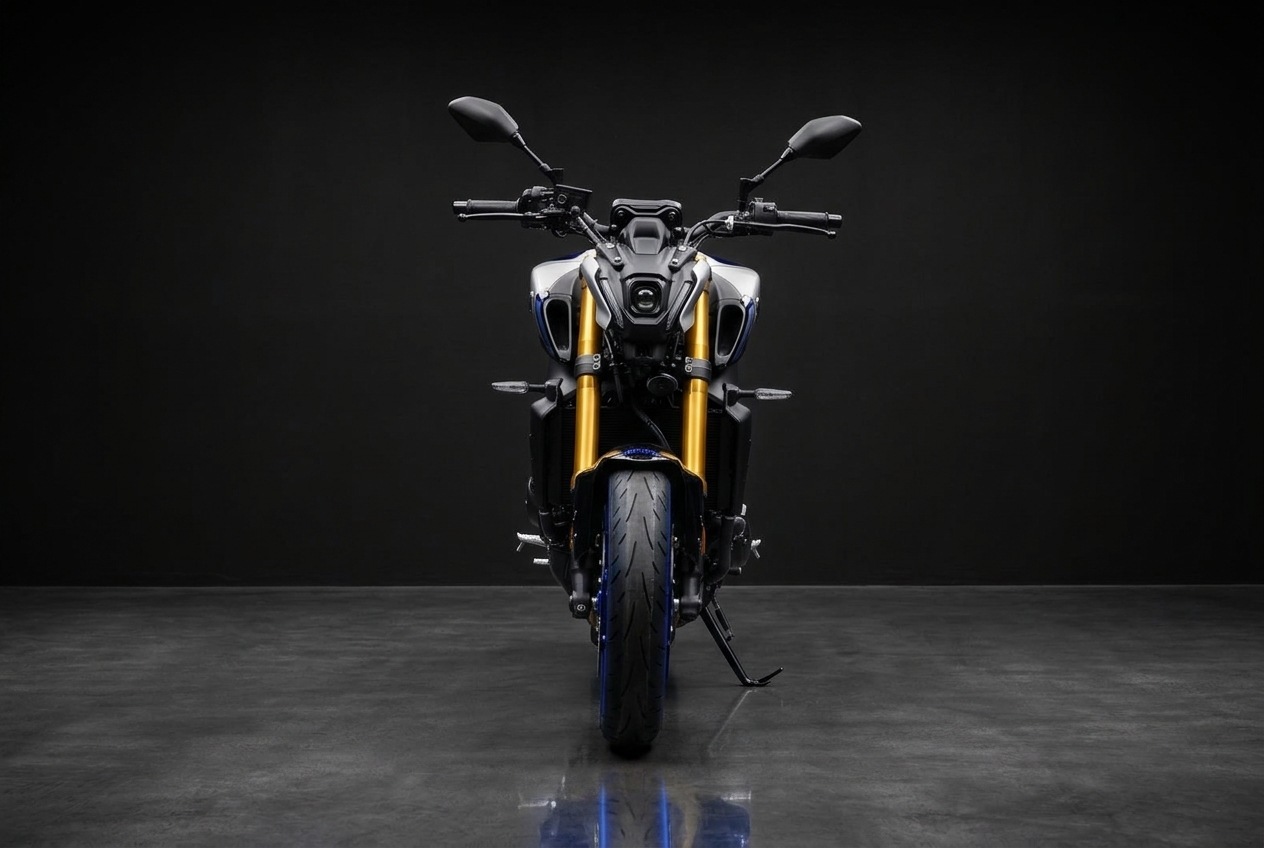
The Yamaha MT-09 SP suits this road well. It is an inline three performance naked bike with premium adjustable suspension, gold front forks and strong brakes, and that package gives you a confident feel through the sweepers and tidy control on the tighter bends. It is also the only bike in our range that takes a passenger, which makes it the natural choice for a two-up run to the bay.
A few rules apply before you book. You collect the bike yourself from our Parramatta base, and every hire runs for at least three days. You need a full motorcycle licence that you have held for at least 3 years, and you must be 25 or over to ride any of our bikes. Bikes must be kept in a locked garage or secure off-street parking between 9pm and 6am, so plan your overnight stops with that in mind.
When you are ready, book the Yamaha MT-09 SP for your run to Jervis Bay and pick the season that suits you best. Tell us your dates, and we will help you match the bike to the ride and the weather you are hoping for.
Frequently asked questions
When is the best season to ride from Nowra to Jervis Bay?
Autumn suits most riders best, with clear light, mild days and bright beaches before the summer crowds arrive. Winter is quieter but colder, spring brings wildflowers and some afternoon wind, and summer is busy and hot. The right answer depends on what you want from the day, so choose the season that matches your priorities for crowds, weather and scenery.
How long does the ride from Nowra to Jervis Bay take?
Allow roughly an hour each way for the run itself, plus time for breaks, photos and a meal at the bay. Traffic, roadworks and caravans on the road can stretch that a little, so plan a full day rather than a rushed round trip. Riders who stop every hour tend to arrive fresher and enjoy the corners more.
Are kangaroos a risk on the forest sections?
Yes, particularly at dawn and dusk when kangaroos move to feed along the verges. Slow down on the forest sections during those times, scan the edges of the road ahead, and be ready to brake in a straight line if an animal appears. A bike that is already slowing down gives you far more time to react than one that is braking hard.
Is Hyams Beach worth a stop?
Many riders make it the highlight of the day. The sand is very white, the water is clear on calm days, and the beach is a pleasant place to rest after the forest sections. Allow time to park, walk down and take a break. Visit on a weekday in the cooler months if you want the quietest experience.
What should I pack for a cold winter morning?
Layers do the job best: a thermal base, a mid layer and a windproof outer shell over a full riding jacket. Add gloves that keep your hands warm and a neck covering for the first hour. The air warms through the day, so keep a layer you can remove at a stop and stow easily once the sun is up.
Do I need to check conditions before leaving?
Yes. Look at the road and weather conditions before you set out, and check the coast forecast as well as Nowra, since the sea breeze can differ from the inland outlook. Rain, roadworks or a fallen branch can change the ride, so a quick look each morning is a sensible habit.
Ready when you are. Pick your dates and book the Yamaha MT-09 SP online, or call us and we will sort it with you.
Book NowCall 0468 011 118