

Book the Yamaha MT-09 SP. Pick your dates and book the Yamaha MT-09 SP online, or call us and we will sort it with you.
Book NowCall 0468 011 118Every corner looks different, and that is part of the appeal. Yet a rider who relies on feel alone can enter some bends too fast and others too slowly, depending on mood, light and fatigue. A fixed visual reference point gives you a consistent way to judge the entry, the line and the pace. A tree, a driveway or a sign at the roadside becomes the anchor that tells you when to slow, when to turn in and when to roll on. The Yamaha MT-09 SP rewards that kind of consistent, planned riding.
Still choosing a bike? Start with our guide to motorcycle hire in Sydney, which sets out the licence, age and pillion rules.
Why corners feel different every time
Bends look different depending on where you are sitting, the light, the time of day and your own state of mind. The same corner can feel gentle one morning and tight the next, which makes it hard to build a reliable sense of how it should be taken. Without a fixed point of reference, each bend becomes a fresh guess.
Fatigue, distraction and the weather can all distort your judgement. A tired rider may misjudge distance, and a relaxed rider may enter too quickly without noticing. A consistent method helps you spot those changes early, before they become a problem on the road.
We find that a simple habit helps most. Choose a visual cue, use it on every corner and let it tell you when to begin braking, when to turn in and when to roll on. It is a small technique that brings a good deal of calm to a winding road.
Choosing a landmark you can trust
A good reference point is fixed, easy to see and placed where you can use it before the bend starts. Trees, power poles, gates, rock faces, road signs and white markers all work well. Avoid anything that moves, such as a parked vehicle, an animal or a cyclist, because it will not help you the next time you ride the same road.
Look for a landmark that sits just before the corner, so you have time to act on it. A marker that lies in the middle of the bend may come too late to help you set the entry. Pick one or two points on each approach, and note how each one lines up with the apex.
The landmark should also help you judge the road's shape. A sign that appears before a tightening bend tells you the corner is closing, while a long straight in the distance tells you the bend opens. Use the landmark to read the whole corner, not just the entry.
Using the landmark to set your entry
When your chosen landmark passes a particular point at the roadside, you should be well set for a comfortable turn-in. This is about sight and position rather than any particular figure. Watch the landmark and the road together, so you can see how far ahead the corner begins before you commit.
Brake before the entry, in a straight line, and select the gear you need for the bend. Use the landmark to time the braking, so that you finish slowing before the lean begins. Early, steady braking leaves the bike upright and ready for a smooth turn.
The aim is consistency. If the landmark tells you to brake at the same spot each time, the corner begins to feel familiar and your inputs become smoother. Familiar corners are easier to handle, even when conditions are slightly different from the last time.
Turn-in point and the apex
Turn-in is the moment you begin to lean into the bend. Choose a turn-in point that lets you reach the apex in the right place on the road. Look through the corner towards the exit and let the bike follow your eyes into the lean.
The apex is the tightest point of the corner, and it is where many riders make mistakes. Aim to reach it with the bike upright or only slightly leaned, rather than cutting late and leaning hard. A balanced line gives you room to adjust if the road changes shape.
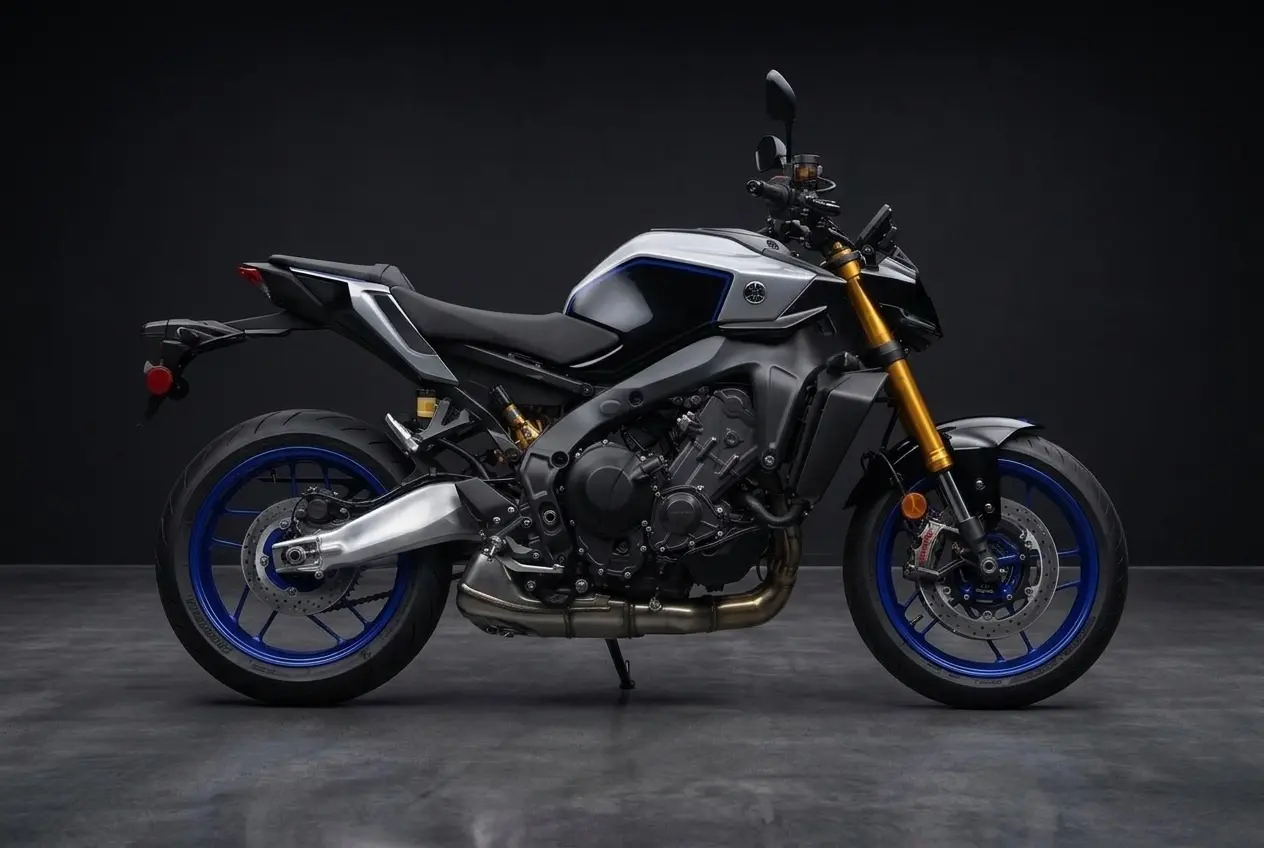
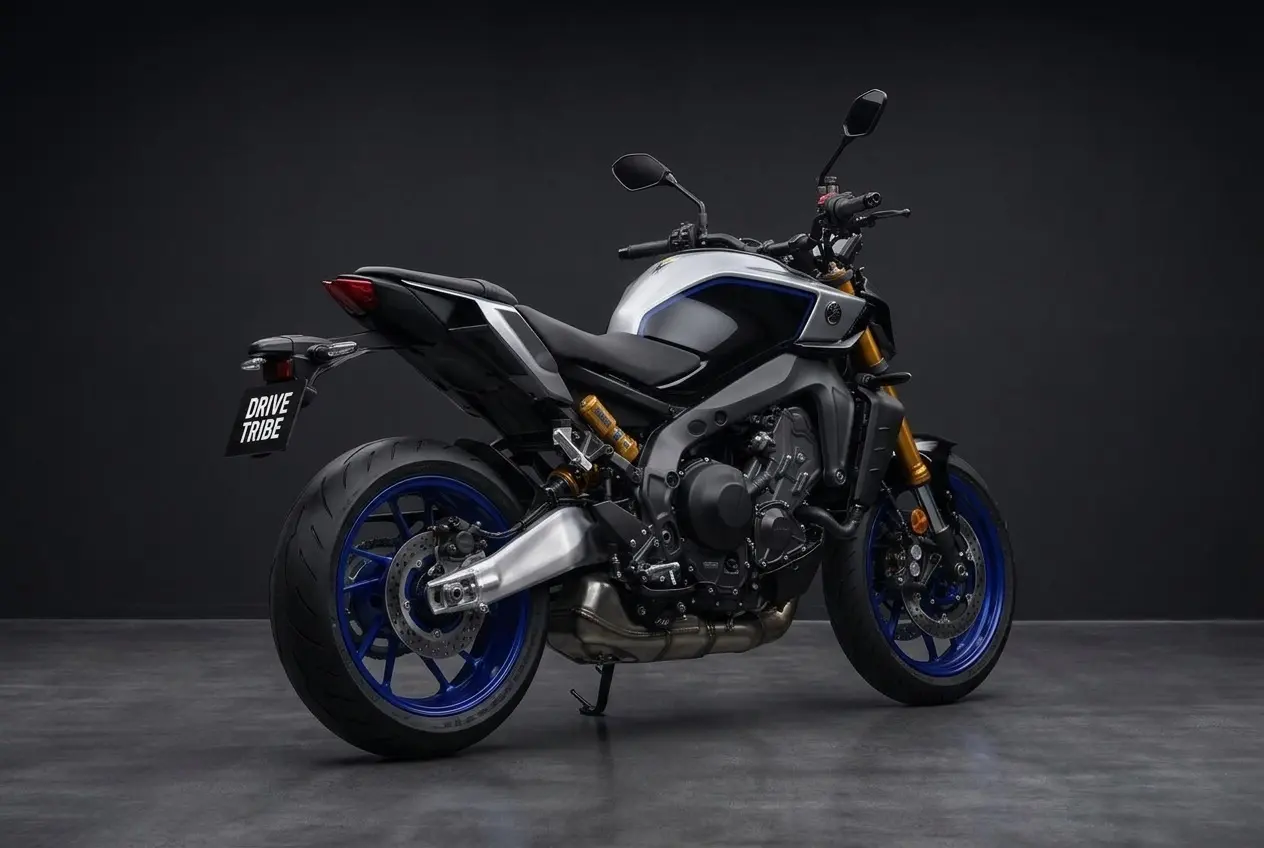
The Yamaha MT-09 SP responds well to a rider who keeps a relaxed upper body and clean inputs through the lean. Its premium adjustable suspension and strong brakes help when the corner tightens, but the foundation is always the same: a consistent entry, a clear apex and a smooth exit.
Exit, throttle and the road beyond
Rolling on at the exit is the reward for a good entry. Once the bike is past the apex, open the throttle gently and let the bike straighten. A smooth roll-on keeps the bike settled and avoids unsettling the rear as you come upright.
Look beyond the exit as you roll on. The road that follows often tells you whether the next bend is coming up quickly, whether a hazard is waiting or whether the road is opening out. Your eyes should be ahead of the bike, not fixed on the tarmac just in front of the wheel.
If the exit looks different from what you expected, adjust calmly. Ease off, hold your line and let the bike settle before you add any power. A calm correction is far safer than a sudden change.
Blind bends and changing surfaces
Blind bends are where a reference point can fail. You may not see the landmark until you are already committed, and the road may narrow or drop away on the far side. On blind bends, slow down more than your usual point suggests and keep the bike well inside your side of the road.
Changing surfaces also affect the entry. Dust, damp leaves, painted markings and shaded patches can change the grip of a bend in seconds. Adjust your braking point and line when the surface looks different, and treat the landmark as a guide rather than a fixed rule.
Watch for oncoming vehicles on blind corners. Keep your position predictable, use your lights and be ready to move to the edge of the road if a vehicle takes more of the lane. Good observation matters more than any single landmark.
Want the Yamaha MT-09 SP for your date? Pick your dates and book the Yamaha MT-09 SP online, or call us and we will sort it with you.
Book NowCall 0468 011 118Best time of day and season for winding roads
Autumn and spring are the best seasons for judging corners on winding roads. The surface is usually dry, the light is steady and the temperatures are comfortable for full gear. Summer can bring heat and storms that change grip quickly, while winter mornings may leave damp patches and frost in shaded bends.
The early morning offers the cleanest surfaces and the quietest roads, which suits a rider learning a new route. Set off once the day has properly started, since no ride should begin before 6am. Late afternoon can bring a low sun that dazzles on the bends, so take extra care as the light changes.
Before you set out, check conditions with Transport for NSW. Roadworks, closures and temporary signs can move the points you have planned around. Weekends bring visitors, cyclists and cars that stop suddenly at lookouts, so judge your corners with a wider margin on those days.
Fuel and food on a winding run
Fuel is easiest to find in the larger towns at either end of a winding road, and the stations on the bends themselves can be few and far between. Top up before you enter the hills or the forest, and carry a margin in case a station is closed.
Food stops are best taken where you can park clear of the traffic. A light meal keeps you alert for the bends, while a heavy lunch can slow your judgement when you need it most. Water matters just as much, particularly on warm, twisting roads.
Stop at a level pull-off to rest your eyes and reset your reference points. Look back at the corners you have ridden, check the tyres and enjoy the view from a safe spot. Short breaks keep your judgement of every bend sharp.
Gear, fatigue and wildlife on bends
Good gear protects you when a bend goes wrong. A full face helmet, gloves, an armoured jacket, long trousers and boots that cover the ankles are the essentials. Choose a jacket that suits the changing temperature, since the shade of a forest can be noticeably colder than the open road.
Fatigue reduces your sense of distance, and that makes landmarks harder to judge. If your entries start to feel ragged, pull over, rest and drink water before you return to the bends. Concentration fades faster on repetitive corners than most riders expect.
Wildlife can step onto winding roads at dusk and dawn. Kangaroos and wallabies move near the bush edges, and a sudden shape can appear on the apex. Slow down at those hours and keep your entries conservative until the road is clear.
Hire rules and booking the Yamaha MT-09 SP
A full motorcycle licence held for at least 3 years is required, and you must be aged 25 or over on every bike. Our bikes are self-drive, and the Yamaha MT-09 SP is the only one that can carry a passenger, one aged 16 or over.
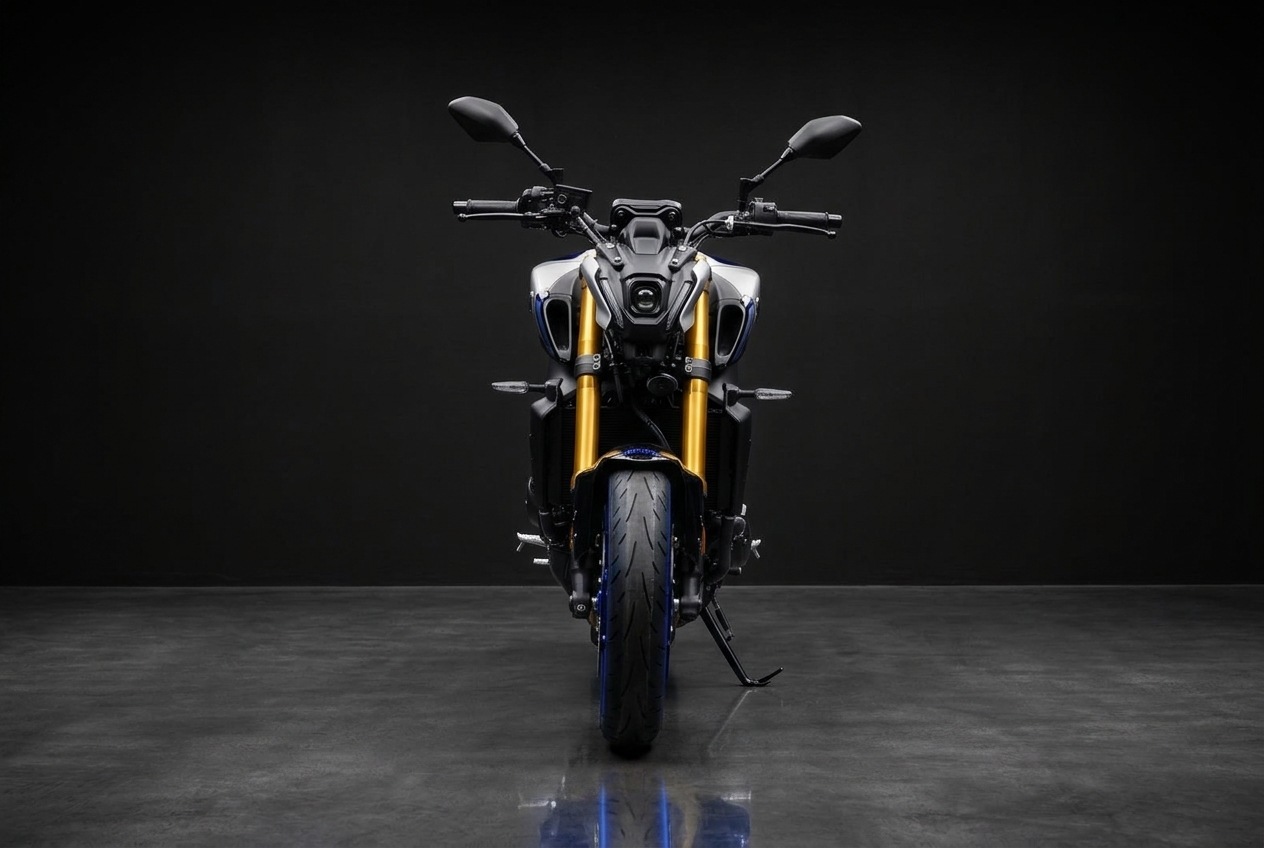
On winding roads the MT-09 SP responds best to a rider who keeps inputs deliberate, and its adjustable suspension and strong brakes support that style. It suits someone building a consistent approach to every bend, one landmark at a time.
Ready to put your reference points to work? Book the Yamaha MT-09 SP, plan the bends you want to ride and tell us about your route and experience when you book. We will help you prepare, and you can browse the full fleet for the other options.
Frequently asked questions
What makes a good visual reference point?
A good reference point is fixed, easy to see and placed before the bend begins. Trees, power poles, gates, signs and white markers all work well. Avoid anything that moves, since it will not help you judge the corner the next time you ride the road.
Should I use the same landmark for every bend?
No. Each corner needs its own reference, because the shape, camber and sightlines differ from one bend to the next. What stays the same is the method: choose a landmark, use it to time your braking, turn in and roll on. Build that habit and it will work across many different roads.
How do I judge a blind bend?
Slow down more than your usual point suggests, because you cannot see what lies beyond the corner. Keep the bike well inside your side of the road, use your lights and be ready to move to the edge if a vehicle takes more of the lane. A blind bend is a time for caution, not for testing your reference points.
Does the landmark method work on a road I have never ridden?
It can help, but it is most effective on a road you have ridden before. On an unfamiliar road, choose your landmarks more conservatively and allow a bigger margin. Look ahead for the shape of the bends and let the first few corners teach you how the road behaves.
Can I use this method in wet weather?
Yes, but the entry needs to be earlier and gentler. Wet surfaces reduce grip, so move your braking point further back and keep the bike more upright. The landmark still tells you where to begin, but you need to treat the surface with more respect.
How do I know if I entered a bend too fast?
Signs include the bike running wide, a need to brake while leaning, or a feeling that the corner is taking all of your attention. If you notice these, ease off, hold your line and let the bike settle through the apex. Next time, move your reference point back so you begin your braking earlier.
Ready when you are. Pick your dates and book the Yamaha MT-09 SP online, or call us and we will sort it with you.
Book NowCall 0468 011 118