
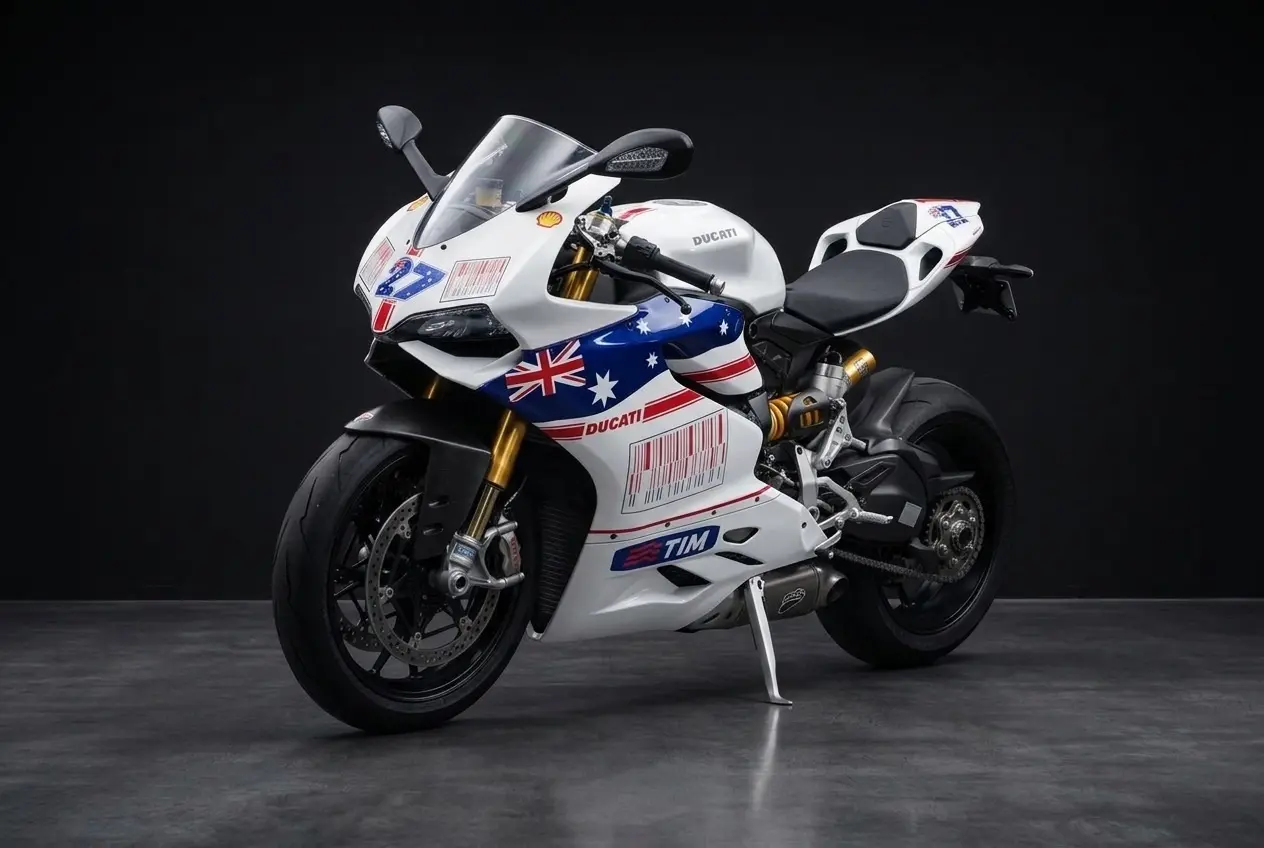
Book the Ducati 1199R. Pick your dates and book the Ducati 1199R online, or call us and we will sort it with you.
Book NowCall 0468 011 118Specification sheets tell you about power and weight, but they rarely tell you how a bike feels at hour two. Riding position decides that. The angle of your back, the reach to the bars, the height of the footpegs and the shape of the seat shape your comfort, your grip and your concentration long after the excitement of the first kilometre has faded. Three very different bikes in our fleet show how position changes the experience, and the differences matter on the road. Here is how each one treats a rider over a real day, and why that matters.
New to riding with us? Our page on motorbike hire in Sydney covers the bikes, the rider rules and how pick-up works.
Why position matters more than the spec sheet
A rider spends every minute of a ride in contact with the bike through the seat, the bars and the footpegs. Those three points decide how your weight is carried, how your arms and legs respond to the road and how much effort it takes to hold a steady line. A bike that feels brilliant for twenty minutes can become tiring or distracting after two hours, and a tired rider is one of the biggest safety risks on any journey.
The three bikes in our fleet take very different approaches. One is a superbike with a committed stance, one is a sport machine with a forward lean and one is a naked bike with an upright posture. Each suits a different kind of ride, and understanding those differences helps you choose the right bike for the way you actually plan to ride.
Riding position also shapes how you react. When you are comfortable and balanced, your inputs are smoother and your eyes stay up. When you are strained or cramped, you tend to grip harder, look down and react later, and that difference can decide how a corner or a sudden stop unfolds.
What we mean by riding position
Three measurements shape how a bike fits you. Reach is the distance from the seat to the handlebars, and it determines how far forward your arms stretch and how much weight your wrists carry. Footpeg height and position decide how your legs are placed, how much of your weight rests on your feet and how easily you can stand up on the pegs.
Seat angle and shape complete the picture. A seat that slopes forward pushes you onto the tank, while a flatter seat lets you sit upright and shift your weight freely. The seat also affects how much pressure you feel through your seat bones and lower back on a long day.
These are relative measures rather than fixed numbers, and they change with your height, leg length and riding style. The best way to judge them is to sit on each bike and move through a few small actions, reaching for the controls, shifting your weight and standing on the pegs, before you ride.
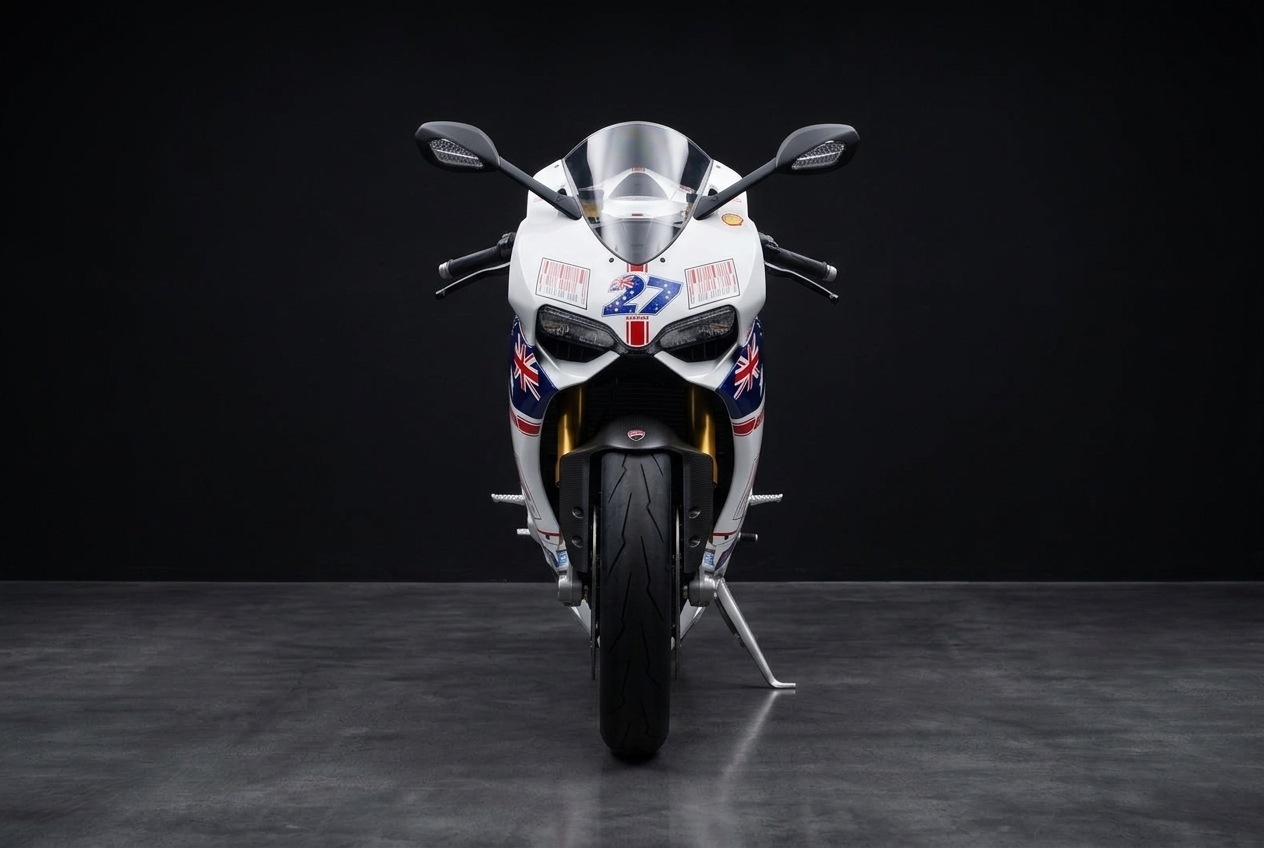
The Ducati 1199R: committed and focused
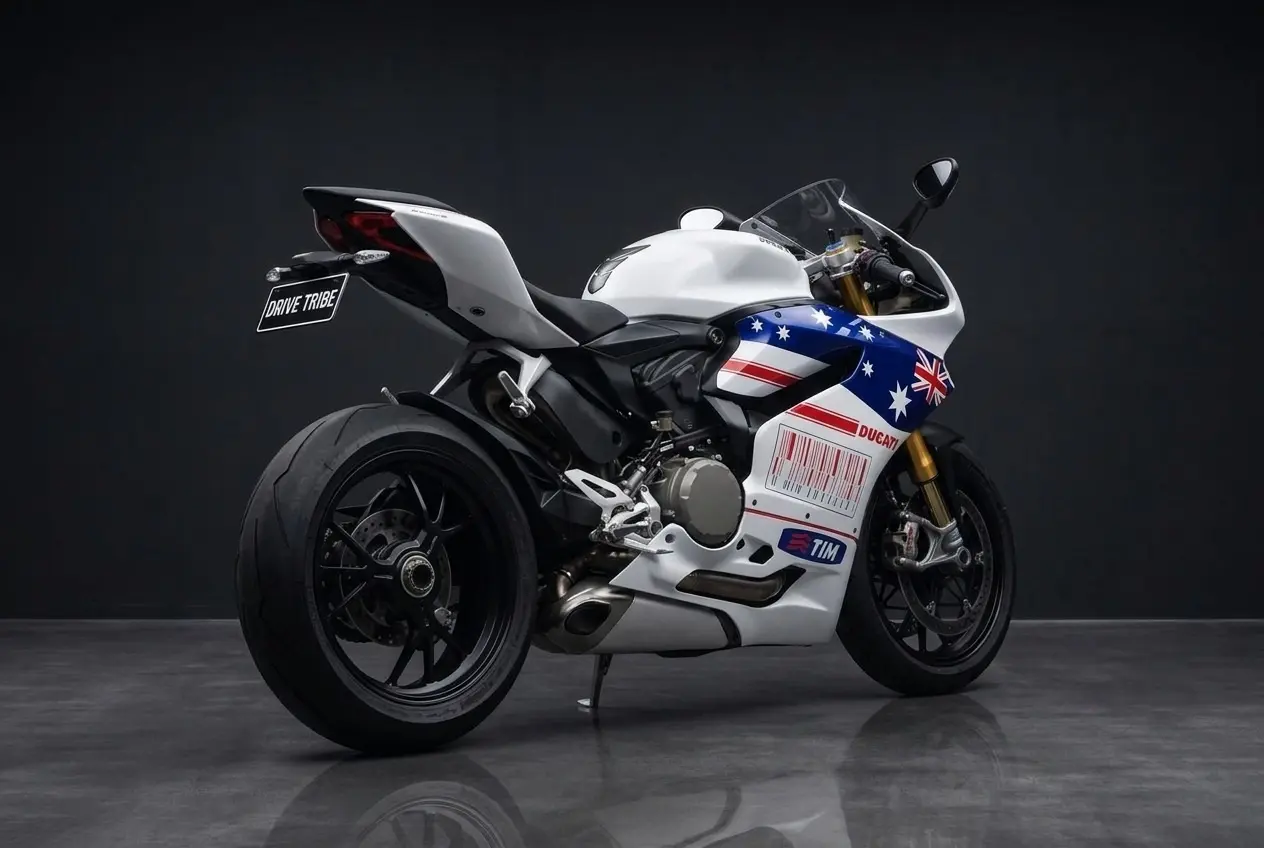
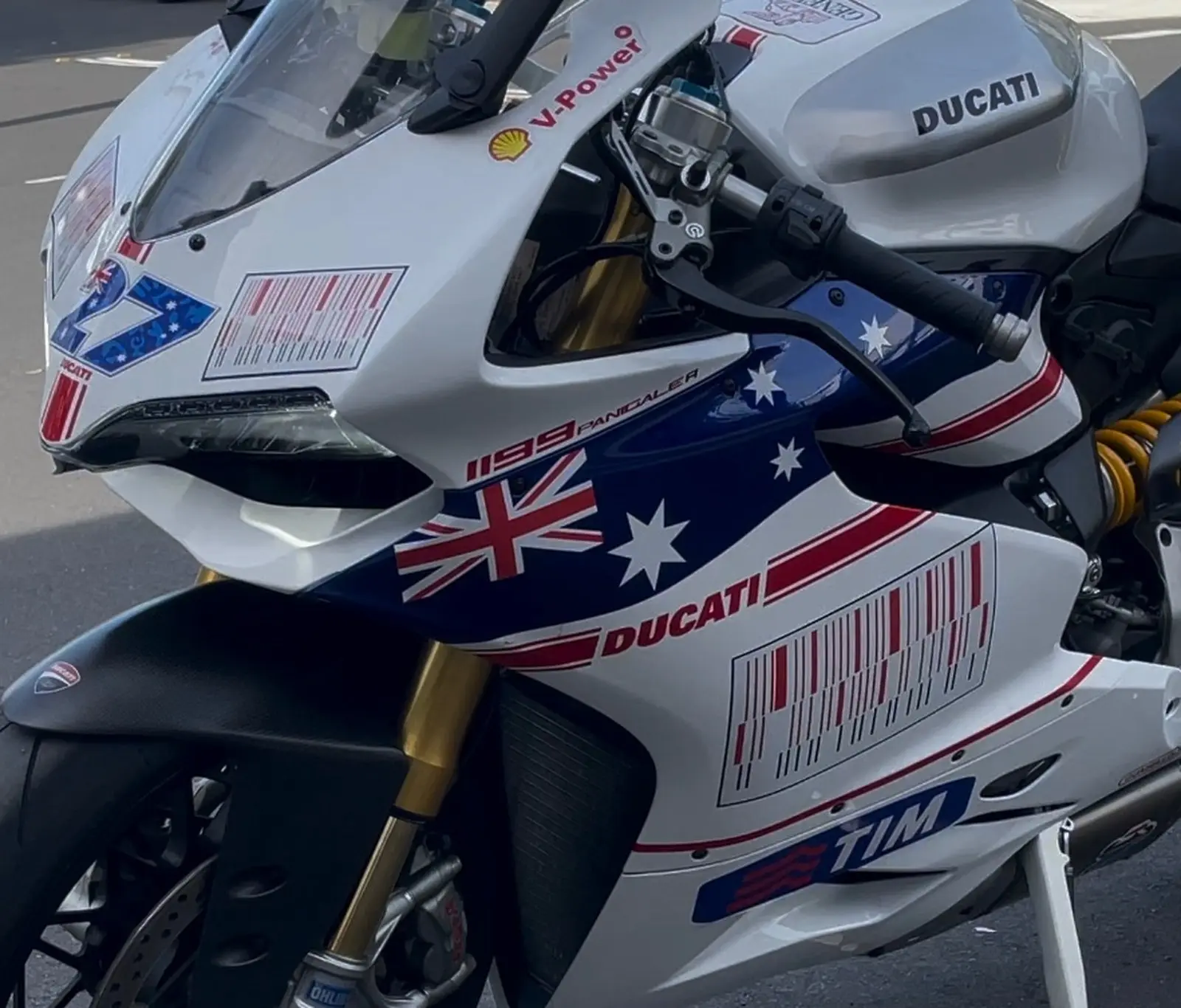
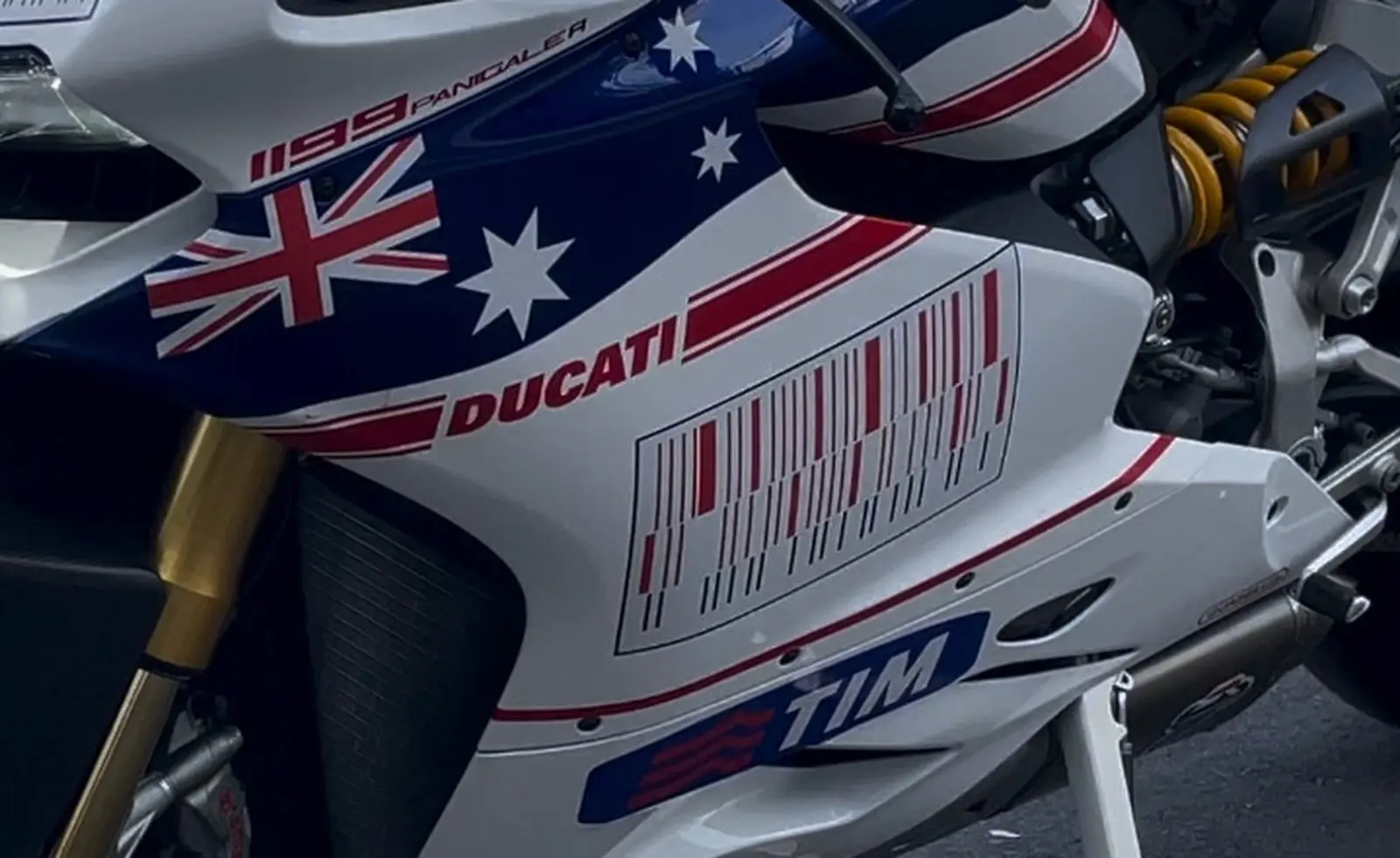
The Ducati 1199R Panigale is a superbike, and its position reflects that. The bars sit low and far forward, the seat is tucked under the tank and the body is folded into a compact, aggressive stance. Its V-twin produces 143 kW, and the position is designed to let you carry weight over the front and lean into the bike with confidence at speed.
On a short run, that stance feels exciting and connected. You feel the front end and the road through the bars, and it is easy to keep the bike steady through fast bends. That connection has a cost in comfort, mainly load on the wrists and shoulders, and on a long day you will notice pressure building in the arms and lower back unless you move about regularly.
The Ducati asks for active riding. Shift your weight, stretch at stops and keep your elbows loose. The bike rewards a rider who stays in the position but changes it often, and it is a poor match for a rider who wants a relaxed, upright ride across a full day.
The MV Agusta F4: sporty and precise
The MV Agusta F4 is a sport machine with a forward lean that sits between the Ducati and a naked bike. The bars are set lower than on a naked, and the seat places your body over the tank, which gives a strong sense of control through the front. The 998cc inline four is responsive, and the position supports quick direction changes and clean lines through bends.
On the road, the F4 position feels focused and purposeful. Your weight sits forward, your arms take some load and your legs grip the bike with a secure feeling. On a short blast this feels natural and engaging, but over a longer day the forward lean builds fatigue in the wrists, shoulders and lower back.
The F4 suits a rider with good core strength who plans regular breaks. It is precise and rewarding, but it asks you to stay alert to your own posture, because a slumped or cramped position on the bike quickly undermines the control it is designed to give.
The Yamaha MT-09 SP: upright and relaxed
The Yamaha MT-09 SP is a naked bike with an upright stance. The bars are wide and sit close to the rider, and the seat lets you sit tall with your weight over the bike rather than over the tank. The footpegs are placed to suit a natural leg bend, and the body stays relaxed through the hips, back and shoulders.
That upright position makes a long day far more comfortable. Your wrists carry less load, your back stays supported and you can see the road and traffic well ahead. The posture also makes it easy to move around on the seat, shift your weight and stand on the pegs, all of which help reduce fatigue on a long ride.
The trade-off is that a naked bike sits you more upright, so you feel less of the front end than on a sport machine. For most riders on a varied day, that is a small price for comfort, and the MT-09 SP's suspension and brakes give plenty of confidence in return.
Two hours in the saddle: the real test
Two hours is the point where riding position starts to show its true character. Early in the ride your body is fresh and every bike feels good. After an hour and a half, the small discomforts begin, with tight shoulders, a sore lower back or numb hands on a cold morning. The bike that holds you well at this stage is the one that keeps your concentration sharp.
Wrists are the first to complain on a sport or superbike, because they carry weight through the bars and absorb small road vibrations. Relax your grip, keep your elbows soft and shift your weight off your hands when the road allows. A rider who grips tightly becomes tired faster and reacts more slowly.
Lower back strain is the second common complaint. Stand on the pegs briefly on a straight road, stretch at each stop and sit with your hips tucked under you rather than slumped. These small habits make a long run far more comfortable on any bike, and they matter most on the superbike and the sport machine.
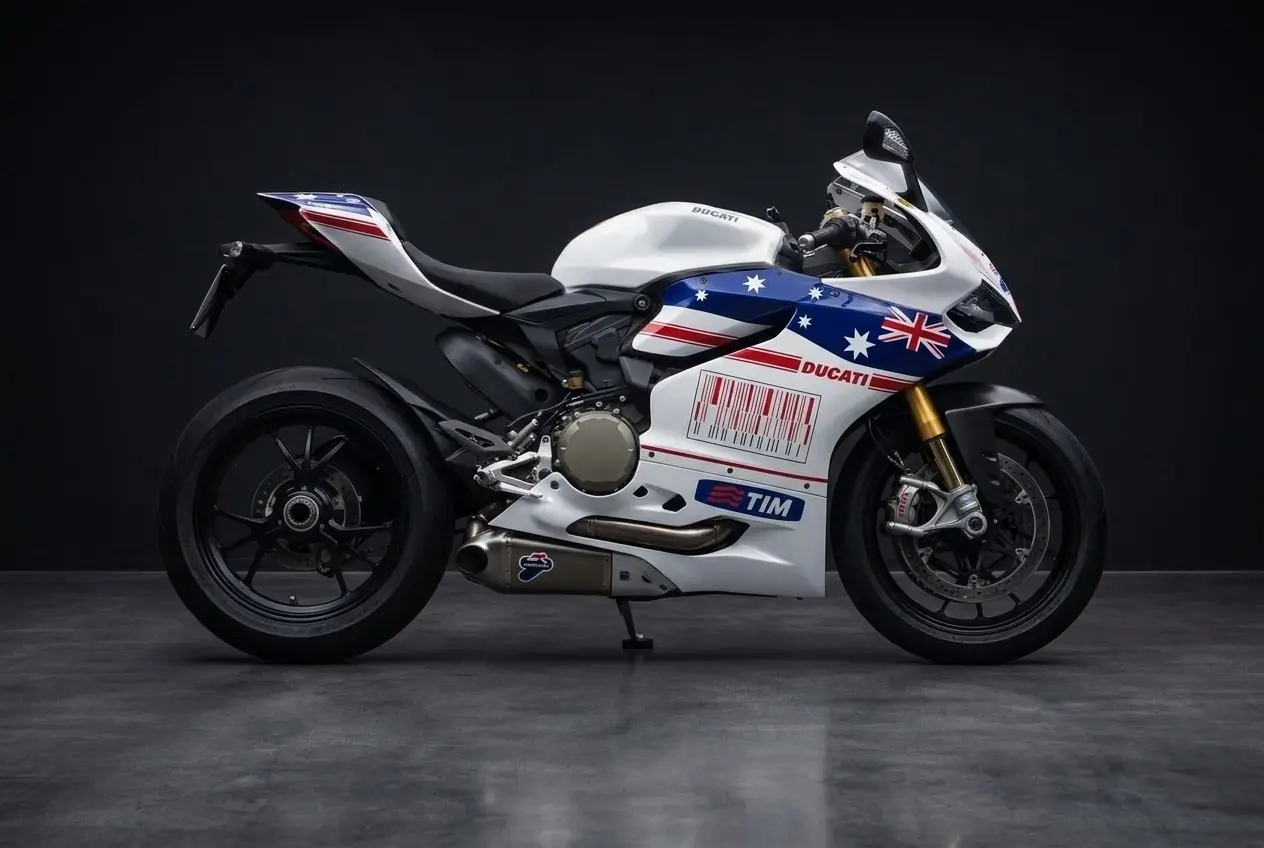
Want the Ducati 1199R for your date? Pick your dates and book the Ducati 1199R online, or call us and we will sort it with you.
Book NowCall 0468 011 118How position changes control and safety
Position changes how a bike steers and brakes. A forward lean loads the front wheel, which gives precise steering and strong feedback, but it also means braking needs a firm, deliberate touch to avoid the front end pitching too quickly. An upright position spreads the load more evenly and gives a more forgiving feel when braking on uneven surfaces.
Your position also affects how you see the road. A low, committed stance can narrow your view of the traffic if you do not lift your head, while an upright seat gives a wider field of vision. Keep your eyes up, scan the road well ahead and check your mirrors often regardless of the bike.
Comfort is a safety factor. A rider who is relaxed, balanced and not in pain is more likely to ride smoothly and make good decisions. Choose the bike whose position suits your body and your planned day, and be honest about how far you can ride before fatigue becomes a risk.
Adjusting for your body and planning the day
You will not be able to change the bike's geometry on a hire, but you can adjust how you sit on it. Set your mirrors before you leave, sit with your weight centred and check that you can reach the controls without stretching. If something feels wrong, ask our staff before you ride, because a small change in how you sit can make a noticeable difference.
Plan the day around your position. Take a break every hour or so, stretch your shoulders, wrists and back at each stop and keep water on the bike. On the superbike and sport bike, shorten the stints and build in more stops, and on the naked bike you can cover more kilometres with less strain.
Fatigue is the enemy of good riding. If you feel stiff, numb or distracted, stop somewhere safe and rest, and do not push on because the destination is close. Ride within your ability, and remember that a comfortable rider makes better decisions in traffic and on bends.
- Set mirrors and check reach before you leave
- Stretch and change position every hour
- Stop early if hands or back start to ache
Season, fuel stops and food on a long position-friendly day
Autumn and spring are the most comfortable seasons for a long ride on any of these bikes, since the temperature is mild and your muscles stay loose. Cold mornings stiffen the shoulders and wrists and reduce grip sensitivity, so take the first hour gently. Summer heat tires the body faster, so plan shorter stints and more water breaks.
Plan fuel stops in towns with services, and top up before the open country or long climbs. A rider who is worried about running low tends to hold a tighter, more tense position, so keep the tank comfortably full and avoid that extra stress.
Eat a light breakfast and a moderate lunch rather than a heavy meal. A heavy lunch tends to make you drowsy and slouched, which hurts both comfort and concentration on the bike. Keep a snack and water on hand for the afternoon.
Before you head off, check current road conditions with Transport for NSW so a closure or roadworks does not catch you out.
Choosing the bike for your riding position
If you plan short, focused runs on quiet roads and you enjoy a committed stance, the Ducati 1199R suits you well, and it rewards riders who stay active in their posture. For a sport-style machine with a forward lean and a precise feel, the MV Agusta F4 fits riders with good core strength who will plan regular breaks.
For longer days, varied roads and a relaxed, upright posture, the Yamaha MT-09 SP is the most comfortable choice in the fleet. It keeps your wrists light, your back supported and your view of the road wide, which makes it easier to stay fresh across a full day.
Whichever bike you choose, book with honest expectations about your own comfort and plan the ride around it. The Ducati 1199R is the bike featured here, and the booking link below takes you straight to its page. We look forward to seeing you on the road.
Frequently asked questions
Does riding position really affect safety?
Yes. A comfortable, balanced rider is more relaxed, makes smoother inputs and keeps their eyes up in traffic. Strain in the wrists, shoulders or back can lead to tense grip, slower reactions and tired concentration late in the day. Choosing a bike whose position suits your body and planning regular breaks are two of the simplest ways to reduce the risk on a long ride.
Which bike is the most comfortable over a full day?
For most riders, the Yamaha MT-09 SP is the most comfortable over a full day. Its upright stance keeps the wrists light and the back supported, and it makes it easy to move around on the seat. The Ducati and the MV Agusta are more committed and sporty, so they suit shorter or more focused rides, especially for riders who are comfortable with a forward lean.
How do I know if a bike position suits me?
Sit on the bike before you ride and check whether you can reach the bars and controls without stretching. Your knees should sit comfortably, and your weight should feel balanced rather than pushed forward or back. Move through a few small actions, such as shifting your weight and standing on the pegs. If something feels wrong, ask our staff before you leave.
Why do my wrists ache after an hour on a sport bike?
A forward lean puts weight through the hands, and a tight grip or a locked elbow makes it worse. Relax your grip, keep your elbows soft and shift your weight off your hands when the road allows. Stop and stretch your wrists and forearms at each break. If the ache persists, shorten your stints and choose a more upright bike for longer days.
Can a rider change the seat or bars on a hire bike?
Adjustments on hire bikes are limited, so the best approach is to choose the bike that suits your body and style. Set your mirrors, sit with your weight centred and check your reach before you leave. For specific questions about fit, speak with our staff before you ride, since they can advise on what can and cannot be changed.
How often should I stop on a long ride?
Stop every hour or so on any bike, and more often on the sport and superbike machines. Each stop should include a short walk or a stretch of the shoulders, wrists and back, plus a drink of water. If you notice tension, numbness or a drop in concentration, stop somewhere safe and rest before continuing. Riding within your ability means respecting your body as well as the bike.
Ready when you are. Pick your dates and book the Ducati 1199R online, or call us and we will sort it with you.
Book NowCall 0468 011 118