
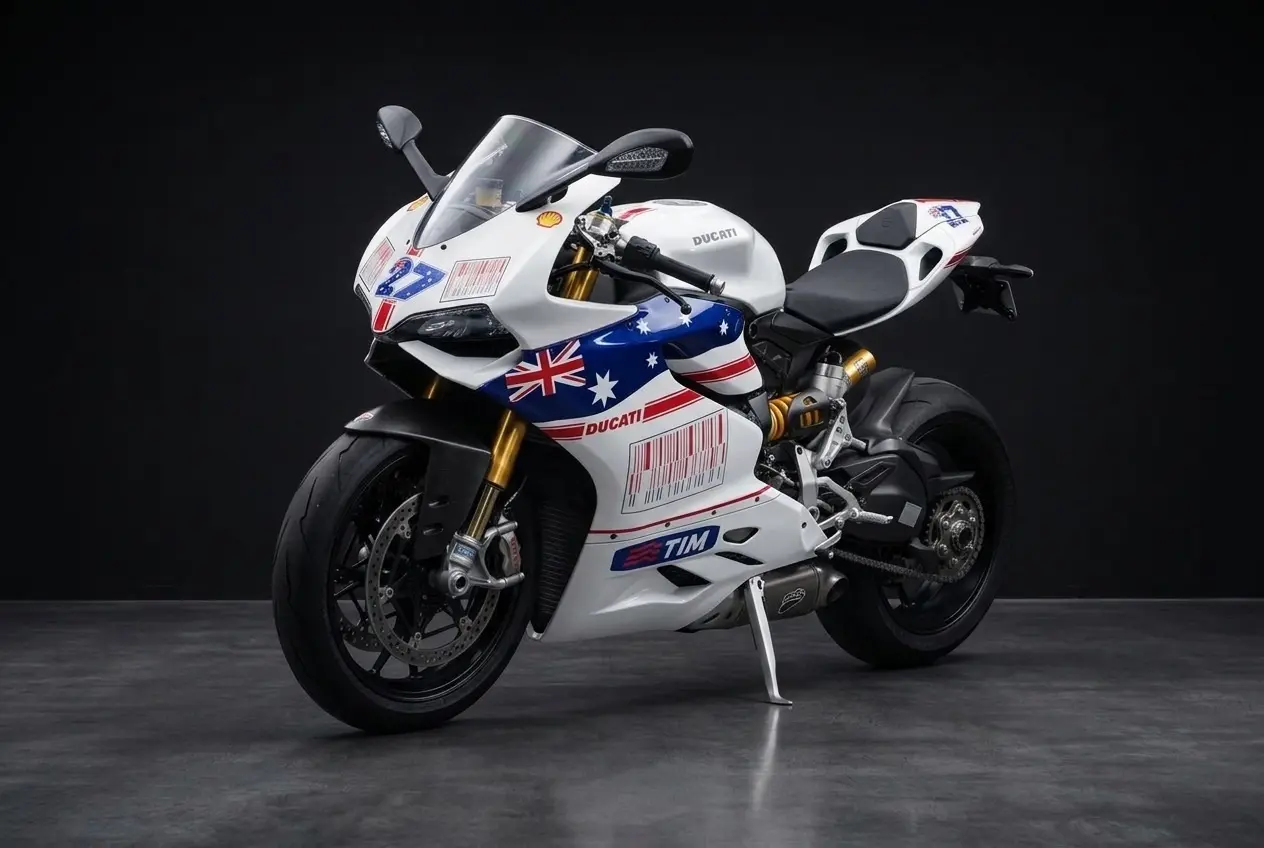
Book the Ducati 1199R. Pick your dates and book the Ducati 1199R online, or call us and we will sort it with you.
Book NowCall 0468 011 118The Bulli Pass descent is one of the Illawarra's most rewarding stretches, and one of its most unforgiving. Its bends look simple from the top and punish a poor entry at the bottom. Most riders who come unstuck here did not lose control in the corner itself. They arrived too fast and tried to fix it halfway through. This guide explains how to set your speed before the bend, so each corner can be ridden with calm and precision.
New to riding with us? Our page on motorbike hire in Sydney covers the bikes, the rider rules and how pick-up works.
What makes the descent different
The descent is short enough to tempt you into treating it as one long, flowing run, yet it is really a sequence of distinct corners, each with its own camber, width and exit. The surface is generally good, but it carries the wear of heavy traffic, and the lane can feel narrow when a truck is climbing the other way. Treat the pass as a series of decisions rather than a single rush.
The hill also changes as you go. The upper bends sit among bush and rock cuttings, where the air can be cool and damp, while the lower sections open toward the coast and the sea breeze. Grip can vary between those zones, and a shaded corner may hold moisture long after the sunny bends below have dried out.
Our Ducati is a serious machine, and the descent rewards a rider who respects that. The skill is not going fast down the hill. It is arriving at each corner at a speed you can hold through the whole arc. Much of the difference between a good descent and a stressful one is made long before you reach the bottom.
Reading the approach before the first bend
Start reading the road well before the first bend. Look at the far edge of the lane, the way the kerb curves, and whether the tar has a fresh patch or a worn line of traffic. Each of these tells you how the corner is likely to behave, and how much grip you can expect when you lean in.
Pay attention to the lines of the road as well as the corner itself. A bend that tightens after a sweeping start is easy to misjudge from above, and the apex can sit further in than your first glance suggests. Keep your head up, look through the corner to the exit, and let the road tell you where it wants you to go.
Make a habit of checking your speed on the straight before each corner. If you find yourself still accelerating as the bend approaches, your entry speed is already decided, and you will be fighting it all the way through. A calm approach begins with the speed you carry on the straight, not the speed you try to correct at the turn.
Setting entry speed: brake first, then lean
The core rule is simple: slow down in a straight line, before the lean. Use the brakes to find the speed you want at the point where you turn in, then release them as the bike settles and the lean begins. Braking in the middle of a corner loads the front and unsettles the bike at the moment you most need it steady.
Aim to reach the turn-in point at a speed you could comfortably hold through the whole bend, with some margin left in hand. If you are still too fast when you reach the corner, you have two choices: stay wide, keep the throttle closed and let the bike slow naturally, or ride through with a margin you can trust. What you should not do is stab the brakes late and hope for the best.
Good entry speed is measured by how the bike feels when you turn in. It should feel stable, planted and unhurried. If the bike is pushing toward the outside of the corner or you feel the need to correct, your entry was too fast, and the lesson is to brake earlier next time, not to ride harder through the rest of the bend.
Engine braking and keeping the bike settled
Engine braking helps on a long descent, because it slows the bike without asking the brakes to do all the work. Choose a gear before the corner, so the bike is in the right place to pull cleanly out of the bend. Changing gears mid corner can unsettle the rear and add unwanted load at a critical moment.
Smoothness matters more than speed. Roll the throttle on and off gently, keep your inputs progressive and avoid sharp changes of direction. A bike that is settled through the entry gives you the freedom to choose your exit line, and that freedom is what keeps you safe when a truck or another rider appears unexpectedly.
On the steeper stretches, keep your body relaxed and your grip light. Tension in the arms and shoulders travels to the bars and makes the bike harder to place. A loose, balanced posture lets you feel what the bike is doing, and that feedback is your best guide to the right entry speed on the next bend.
Heavy trucks, traffic and choosing your lane position
Heavy vehicles are a constant feature of the pass, and they change the picture on every bend. A truck takes up more of the road than a car, and its driver needs space to take the corners safely. Hold back until you can see the way is clear, and never try to pass a heavy vehicle on the descent.
Your lane position matters as much as your speed. Keep to the left of your lane where it is safe to do so, leave a clear view of the road ahead and watch for vehicles that may drift wide on the inside of a bend. If a larger vehicle is coming up the hill, give it room and let it take its line, rather than contesting the same piece of tar.
Visitors sometimes stop at lookouts or pull over without warning, and cyclists may be using the shoulder. Scan the verges as you descend, and be ready to slow for any movement. A relaxed, observant rider finds the pass far less stressful, because they have time to read what is happening around them before they reach the corner.
Brakes on a long descent: rhythm and rest
A long descent asks a lot of your brakes. Repeated heavy use can heat them, and the feel can change as the descent goes on. Use the brakes in short, deliberate applications rather than dragging them the whole way down, and let the engine do part of the work through the lower gears.
Rhythm helps. Plan your braking points for each corner so that you are not reacting late and grabbing a handful of lever at the last moment. A steady rhythm of brake, release, lean and roll on keeps the bike predictable and gives your brakes time to recover between the harder sections.
If the brakes start to feel spongy or the bike behaves differently from the first corners, stop at a safe turnout and let things cool before continuing. A short pause is a far better decision than pressing on with reduced confidence in the most important control you have.
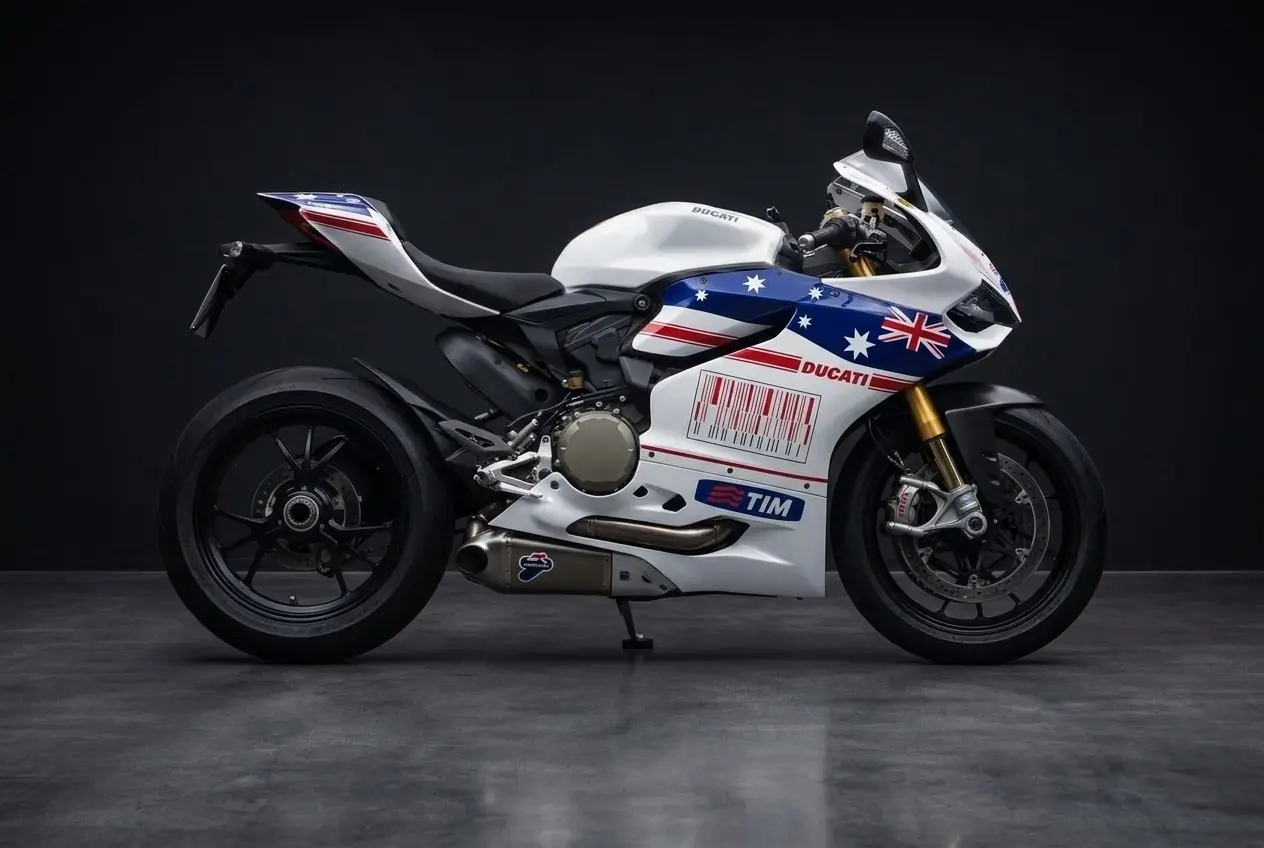
Want the Ducati 1199R for your date? Pick your dates and book the Ducati 1199R online, or call us and we will sort it with you.
Book NowCall 0468 011 118Best time of day, season, fuel and food for the pass
Autumn and spring suit this descent best. The temperatures are comfortable, the air is clear and the road is usually dry enough to show its true grip. Early mornings are quieter and offer the best light on the bends, but remember our rule that no ride starts before 6am, and plan your start for after first light.
Summer brings warm, dry tar, busy weekends and visitors heading for the coast. Expect more cars, trucks and cyclists, and try to ride the pass on weekdays where you can. Winter mornings bring cold, damp air and fog on the upper bends, so wait for the sun to warm the road and give the shaded corners extra respect.
Fill the tank in the larger centres before you start the climb, since the pass is not the place to find a station. Check current road conditions with Transport for NSW before you set out. A café at the top of the pass makes a good stop for a coffee before you ride down, and the towns near the coast offer simple food for a late lunch. Keep a fuel margin and rest every hour or so, because concentration fades faster on a steep road than on flat country.
The Ducati on a focused descent
The Ducati 1199R Panigale is a superbike for experienced riders, and a demanding descent like this shows why. Its 143 kW V-twin gives strong, immediate power, which is exactly why the entry speed matters so much. Keep the power in reserve on the way down, and let your braking and lean do the work of setting the corner.
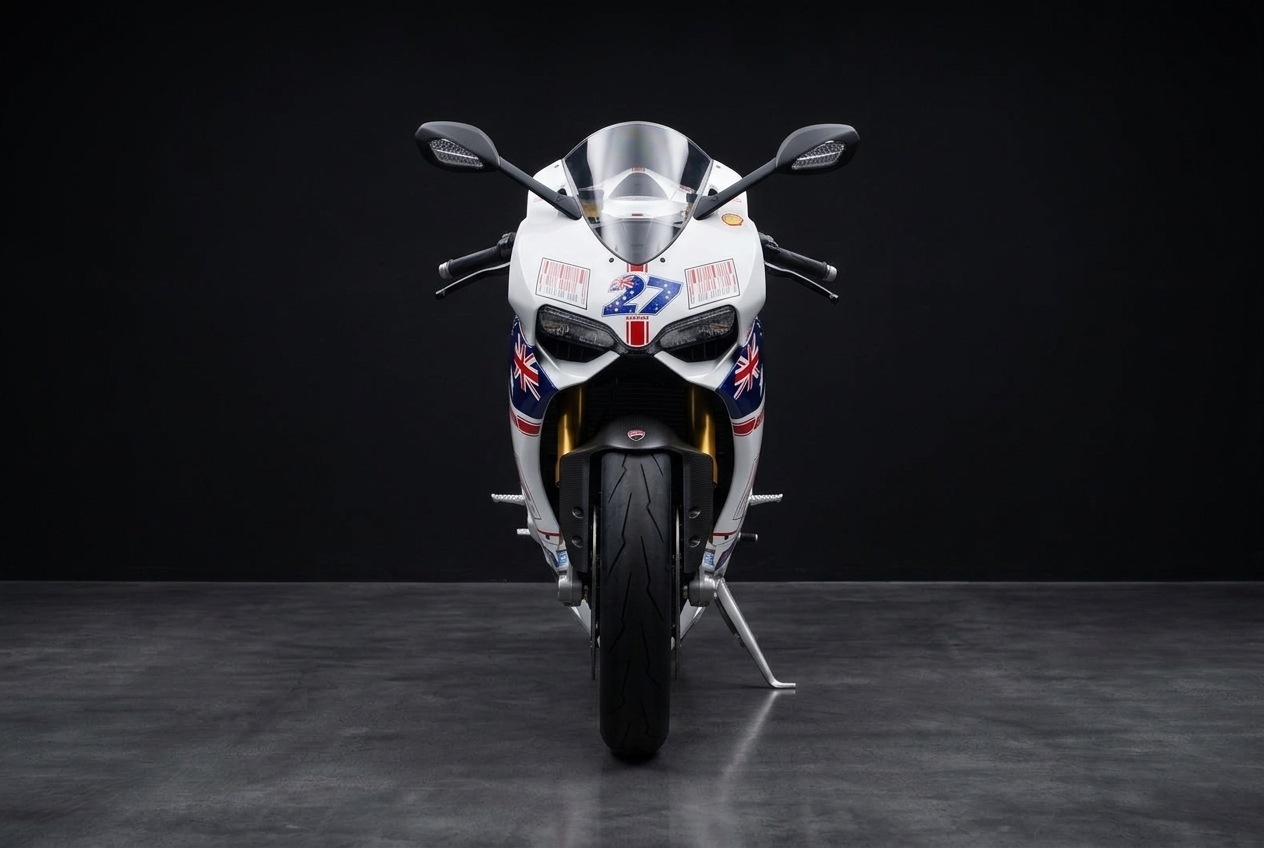
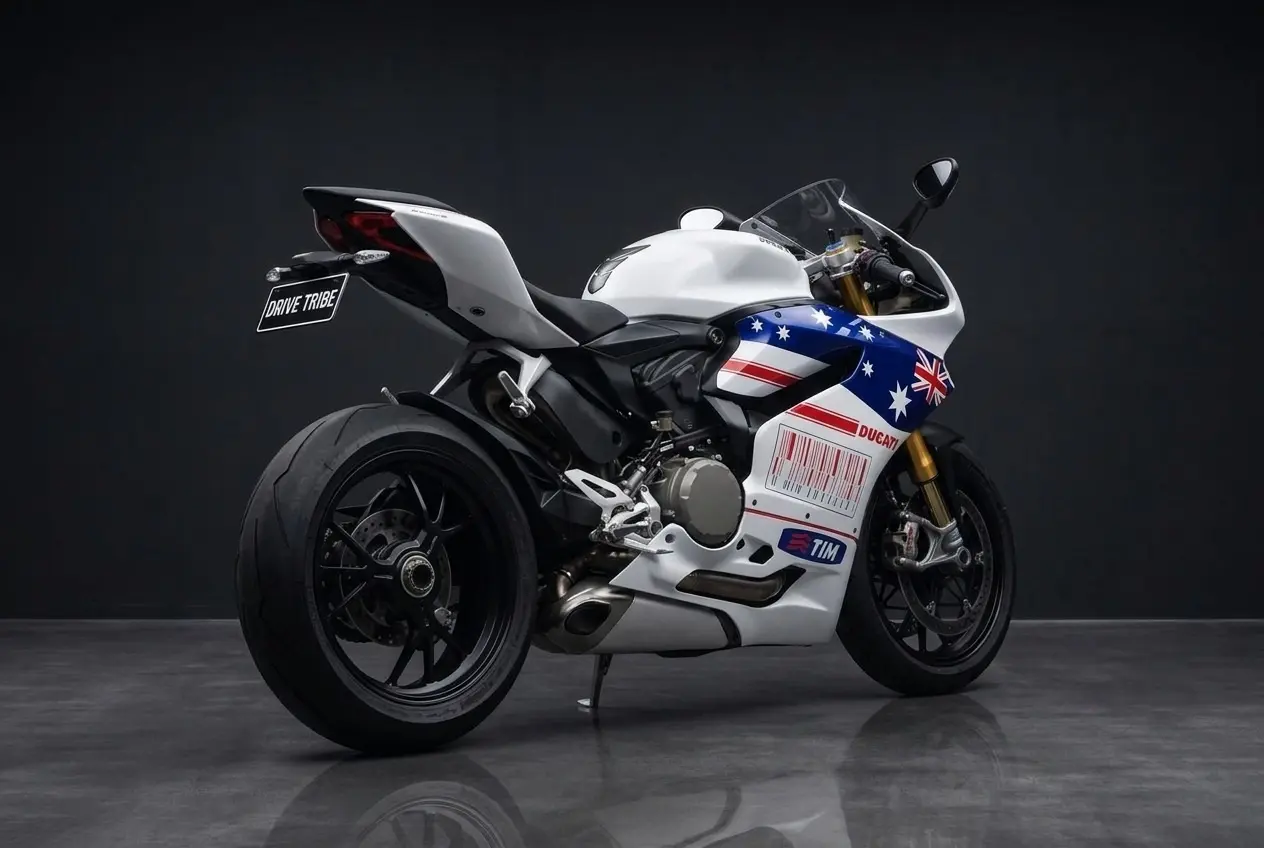
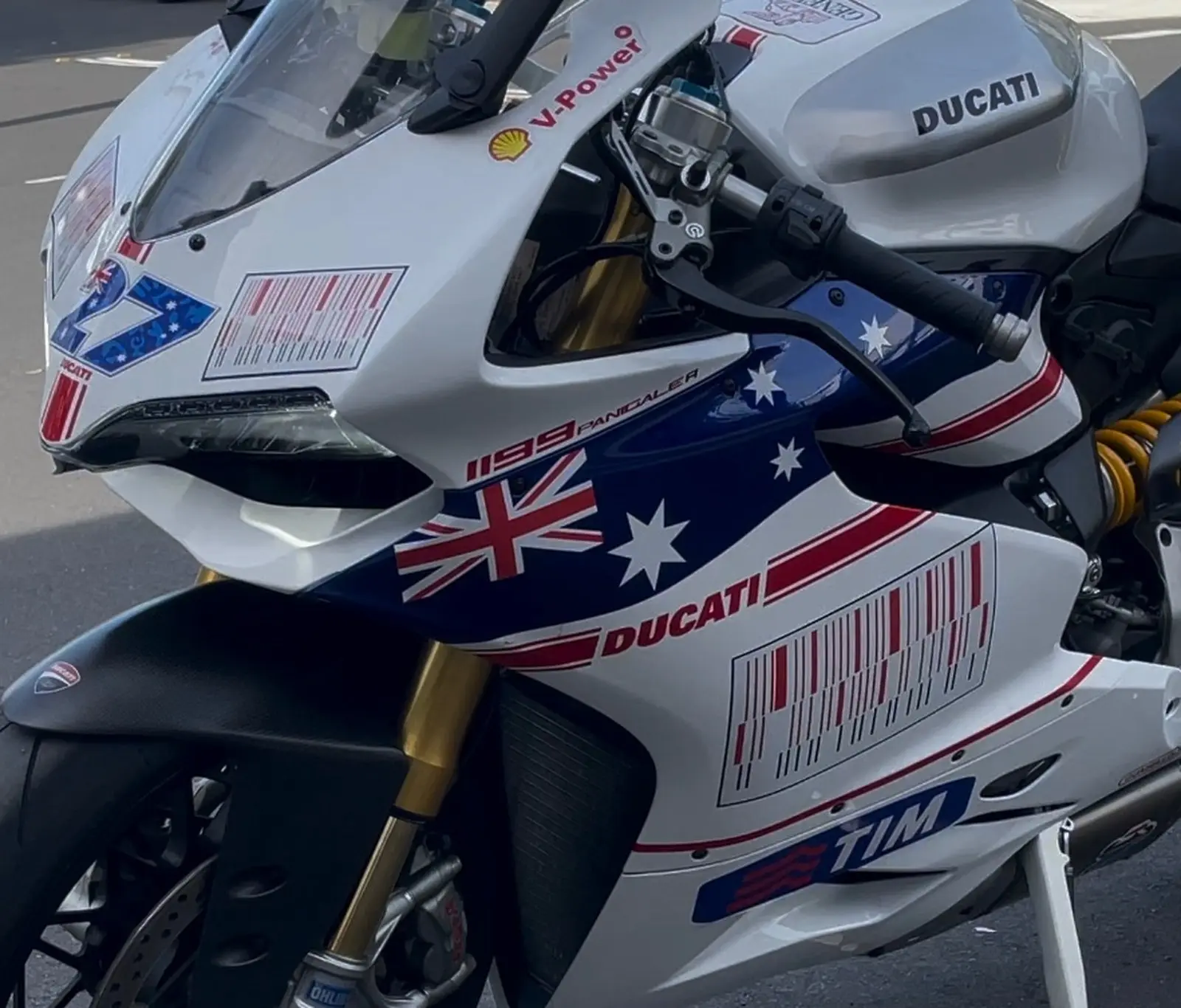
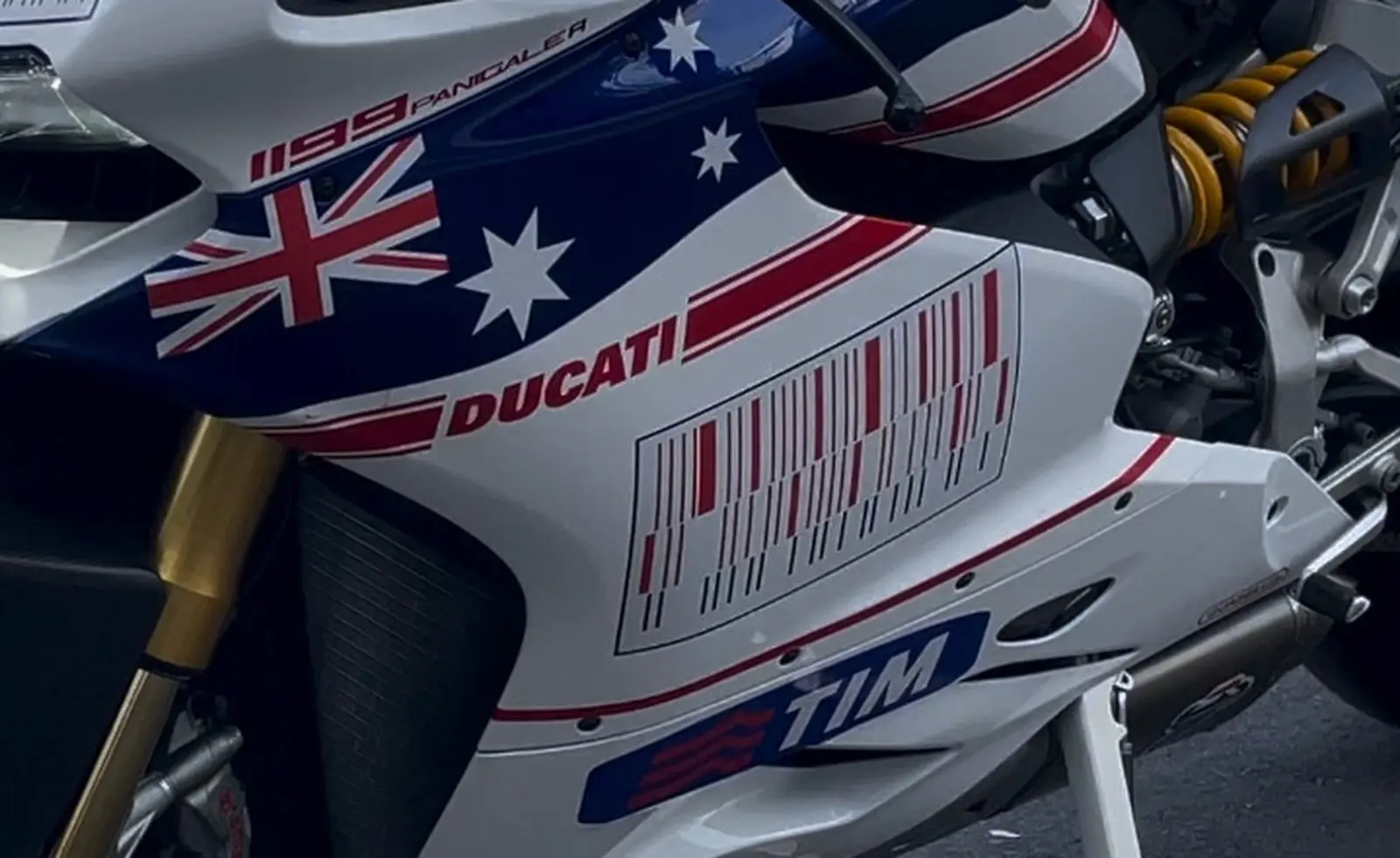
Its gold front forks, black forged wheels and Australian flag livery make the bike a striking partner for a rider who wants precision. The livery is a tribute to Casey Stoner, the Australian rider who won his first MotoGP World Championship on a Ducati in 2007, racing as number 27. It is a tribute livery, not his bike, and nothing about it changes the need for careful riding on the pass.
If you are not yet confident with a superbike on steep, busy roads, be honest about that before you book. Tell us about your experience, and we will talk through whether the Ducati or another bike in our fleet is the right fit for the day.
Common mistakes on the descent
The most common mistake on this pass is arriving too fast and then trying to correct the speed in the corner. It usually starts on the straight, where the bike is still accelerating as the bend approaches. Once the lean begins there is little room to adjust, and the rider is left choosing between an untidy line and a jarring brake application. Recognising the pattern early is the first step to fixing it.
Another frequent error is looking at the front wheel instead of the exit. When your eyes stay close to the bike, the corner seems to arrive all at once, and your inputs become rushed. Lift your gaze through the bend, pick the point where you want to be, and let the bike follow your view. A rider who looks ahead sets speed more accurately.
Riders also misjudge the effect of a cold or damp start. Early in the morning the tyres may not have warmed, and the first corners can feel vague. Treat the opening bends as a check on grip, and build your entry speed gradually rather than trying to make up time. Each corner you ride cleanly is a good sign for the rest of the pass.
Hire rules, fatigue and the ride you finish
Three rules apply to any hire on this pass. You must hold a full motorcycle licence for at least three years and be 25 or over on every bike. The Ducati is a single-seater, so it carries the rider alone. And if a rider is riding 30 km/h or more over the posted limit, the hire ends and the bond is forfeited, so keep your speed well within your control on every corner.
Gear is the first line of protection on a steep descent. A well fitted helmet, a jacket with armour, gloves, long trousers and boots that cover the ankle help in a fall on the tar. Check that your kit is in good order before you leave home, because a worn glove or a loose strap can be the difference on a hot, tiring afternoon.
Alcohol and riding never mix, and fatigue slows judgement as surely as drink does. Ride only when you are alert, take breaks often and be honest about how tired you feel before you start the descent. When you are ready to ride the pass with confidence, we would be glad to help you set up the Ducati 1199R Panigale and plan a route that suits your skill, so that every corner is one you chose to ride.
Frequently asked questions
Is the Bulli Pass descent suitable for newer riders?
It is a demanding road for anyone, with a sequence of corners, changing grip and heavy traffic. Newer riders should be comfortable at a moderate pace on country roads before they attempt it. We will talk through your experience with you before the hire starts, and we suggest riding the pass steadily, with plenty of space and a clear plan for each corner.
Should I brake before or during a corner on the pass?
Brake before the corner, in a straight line, so the bike is settled when you lean in. Braking in the middle of a bend can unsettle the front and make the line harder to hold. Set your speed on the approach, release the brakes as the lean begins and let the bike carry you through the arc toward the exit.
What do I do if a truck is coming up the hill on a bend?
Stay in your lane, keep to the left where it is safe and give the vehicle room to take its line. Do not try to squeeze past or contest the middle of the road. Slow early and, if necessary, stop until the truck has cleared the bend. Patience at this point is far safer than a rushed manoeuvre on a corner you cannot see past.
Can I overtake a slower vehicle on the descent?
It is best to avoid it. The pass has blind bends and limited sight lines, and heavy vehicles take up most of the lane. Only consider an overtake where the road ahead is clearly open for a long distance, and never on a bend. If you are caught behind a slower vehicle, hold back and enjoy the view until a safe section appears.
Why do my brakes feel different after a long descent?
Repeated braking heats the brake components, and the feel can change as they warm up. Use the brakes in short, deliberate applications, let the engine share the work through the lower gears, and rest at a safe turnout if the feel becomes unfamiliar. If the brakes do not feel right at any point, stop and check the bike before continuing.
How much practice do I need before riding a superbike down a hill like this?
There is no fixed number, but you should be confident with smooth throttle control, progressive braking and corner entry on familiar roads first. Build up gradually, starting with gentler routes and moving to steeper, busier roads as your confidence grows. Honest self assessment and a clear plan do more for safety than any single rule.
Ready when you are. Pick your dates and book the Ducati 1199R online, or call us and we will sort it with you.
Book NowCall 0468 011 118