
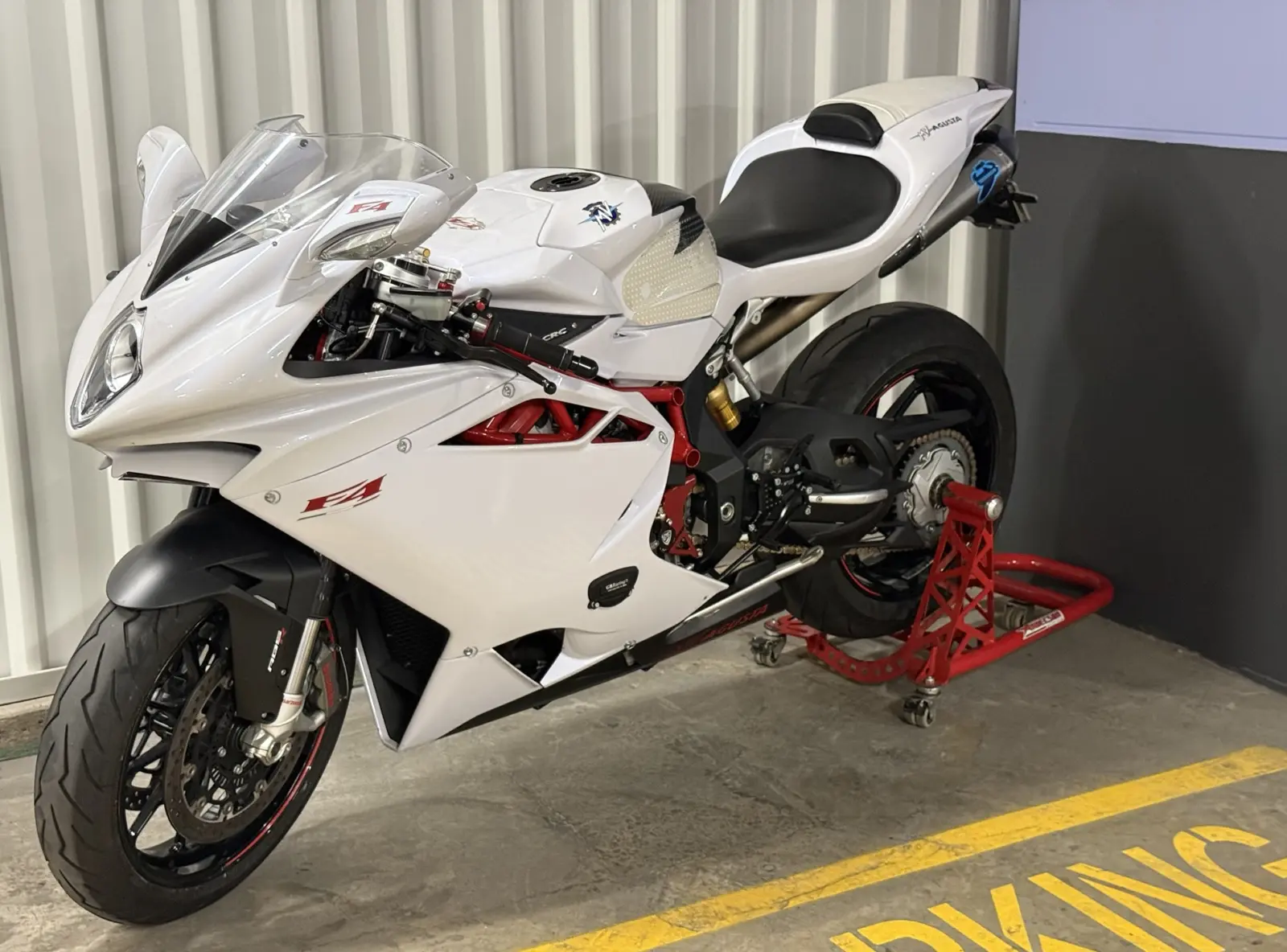
Book the MV Agusta F4. Pick your dates and book the MV Agusta F4 online, or call us and we will sort it with you.
Book NowCall 0468 011 118There is a particular quiet on the western side of the Blue Mountains, the kind of silence that makes you slow down without deciding to. Cox's River Road brings you into it, with long views, valley floors that feel a world away from the city and stretches where you may see no other vehicle for many minutes. It rewards careful planning, a full tank and respect for changing conditions. Here is how we approach the road, when to ride it and what to carry with you.
Everything to know before you book, from the licence rules to the bond, is on our Sydney motorbike hire page.
The feel of a remote road
Some roads are fast, and some are scenic, but a few feel genuinely remote. Cox's River Road belongs to the second group, and it asks for a different mindset from a coastal run or a short hill loop. The gaps between towns are long, mobile reception is patchy, and the landscape can feel very large once the last of the houses have fallen away behind you.
That sense of distance is the reason many riders come back. The bends unfold slowly, the ridgelines stack up in layers and the valleys open out in a way that the more travelled roads rarely manage. It is a road that makes you look up from the tank and notice the trees, the rock faces and the way the light moves across the hills.
Remote does not mean reckless, though. The same space that makes the ride special also means help can be a long way off, so the planning we describe below is not optional. Treat every stop as a chance to check the bike, the weather and your own energy before you carry on.
Setting out with a plan
Before you leave the bike park, write down your route, your planned fuel stops and an approximate time you expect to reach your destination. Share that plan with someone who is not riding with you, and agree on a time to check in. It takes a few minutes and can make a real difference if something goes wrong on a quiet stretch.
Check road conditions with Transport for NSW before leaving, particularly for works, closures and any change from sealed to unsealed surface. Conditions on rural roads can shift quickly after rain, and a route that was open on Monday may have a closure on Friday. A short check on the morning of your ride is a habit worth building.
Pack for the worst case rather than the forecast. A spare layer, a basic repair kit, water, a torch and a first aid kit fit in a small pack and cost you very little in comfort. On a road like this, those items are the difference between an inconvenient morning and a serious problem.
Fuel, range and the long gaps
Fuel planning is the single most important thing you can do on this ride. Fill the tank before you leave the last town with a reliable station, and work out how far your bike can go on a full tank in real riding conditions rather than the optimistic figure on the dashboard. Head winds, hills and cold weather all reduce range, so assume less than you hope.
Do not expect a station at every junction, and do not assume that the stations you pass will be open when you arrive. Note the distance between each fuel point on paper before you leave. If you reach half a tank with no station in sight, slow down, reduce your speed to save fuel and head for the next known point rather than hoping for the best.
Some of the longest gaps on the western mountain roads run for well over an hour between services. Plan your fuel around those gaps, and treat the reserve on your bike as an emergency measure, not part of your planned range.
The valley bends and the open ridges
The character of the road changes as you move through the valleys and climb onto the ridges. The valley sections have tighter bends that follow the lie of the land, often with trees close to the edge and limited sight lines round each corner. The ridge sections are more open, with wider sweepers and longer views, but the wind can be strong and it can catch a light bike at the crest.
Set your pace to the corner you can see rather than the one you hope is coming. A bend that looks open from a distance can tighten, and the road often hides a change of camber in the shadow of a rock face. Take your entry at a speed that lets you stop within the distance you can see, and let the bike carry its own momentum through the apex.
Use the open ridges to rest and reset. A wide verge or a view point is a good place to stop, drink some water and look at the country without the distraction of traffic. Stops like these keep your focus fresh for the tighter sections ahead.
Gravel, surfaces and unexpected changes
The surface can change quickly on remote roads. A smooth seal may give way to patched sections, edge breaks, loose stones or a short run of gravel with little warning. Watch for changes in colour and texture as you approach a bend, because they often mark a repair or a surface that has been disturbed by recent works or heavy vehicles.
Gravel is most dangerous on corners, where the bike is leaned over and there is little margin for error. Brake before the turn, not in it, and keep the bike upright through any loose section. Use gentle inputs on the throttle and brakes, and let the bike find its own line through the gravel rather than fighting it.
Keep the bike and your tyres in good condition. Tyre pressures change with temperature, and a worn tyre loses grip faster than most riders expect on a cold, damp surface. A quick check before the ride will catch most problems before they become a risk.
- Brake before the corner, not in it, when gravel is possible
- Check tyre pressures before the cold part of the day
- Carry a basic repair kit and a charged phone
Wildlife, weather and the cold
Wildlife is the hazard that catches most riders out on remote roads. Kangaroos, wallabies, wombats and birds move in the early morning and late afternoon, and they often stand still at the edge of the road until a vehicle is almost on them. Slow down on forest edges, scan the verges and assume that movement in the scrub may cross your path without warning.
Weather in the western mountains can change in less than an hour. Cloud can drop over the ridges, and a clear morning can give way to rain or fog in the valleys. If rain begins, reduce your speed, increase your following distance and stop somewhere safe if visibility falls. Wet leaves and painted lines are slippery, and the first rain after a dry spell is often the most dangerous.
Cold is the factor riders underestimate most. Even on a mild day, the air at altitude and in shaded valleys can drop the temperature sharply, and wind chill at speed makes it worse. A thermal layer under a jacket with armour, gloves that keep your grip, and boots that cover the ankle make a long day far more comfortable and far safer.
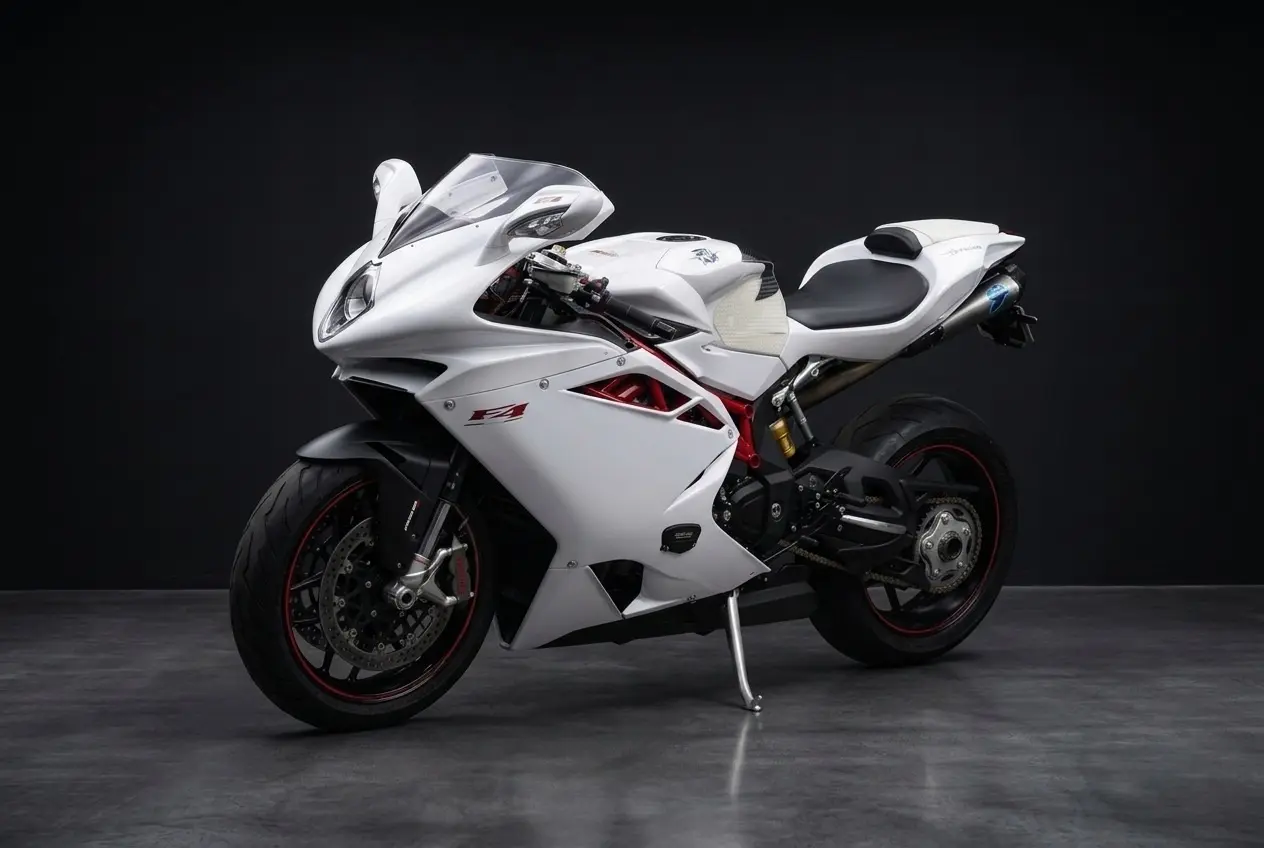
Want the MV Agusta F4 for your date? Pick your dates and book the MV Agusta F4 online, or call us and we will sort it with you.
Book NowCall 0468 011 118Best time of year and time of day
Autumn is the most rewarding season for this road. The air is crisp, the visibility is good and the trees show colour through the valleys. Spring is nearly as good, with fresh green on the slopes and the wildflowers adding interest at the verges. Both seasons offer comfortable temperatures for long days in the saddle.
Winter brings the coldest mornings and the greatest risk of frost, fog and damp, slippery surfaces in the shade. Summer is warm, and afternoon storms can build quickly over the ridges, so an early start is essential if you ride in the warmer months. Whatever the season, plan your return to finish before the light fades.
Mid morning is our favourite time to ride. The frost has cleared from the shaded bends, the light is clear and the wildlife has settled back into the scrub. Weekends can bring more traffic and the occasional group of riders, but the road is generally far quieter than the more famous routes closer to the city, and midweek riding is quieter still.
Food, water and rest stops
Food on a remote road needs planning. Villages along the way may have only limited options, and opening hours can be unpredictable, so bring water and a light snack that you can eat without stopping if you need to keep going. A small amount of food in your pack can keep you alert through a long section of road.
Stop at a lookout or a quiet verge rather than pushing on when you start to feel tired. Remote roads can make it easy to ride longer than you should, especially when the scenery keeps pulling you forward. A short break every hour keeps your concentration sharp and gives your hands and back a rest.
Drink water before you feel thirsty, and avoid heavy meals before a long ride. A full stomach makes you sleepy in the saddle, and dehydration can affect your judgement faster than most riders realise, especially in cold weather where the signs are easy to miss.
Riding safely when help is far away
Gear is the first line of defence on any road, and it matters even more when help is far away. Wear a fully certified helmet, a jacket with armour, gloves for cold mornings and boots that cover the ankle. Bright colours and reflective elements help you stand out on grey, overcast days when the light flattens the hills.
Ride within your ability at all times. Do not drink alcohol before or during a ride, and do not ride when you are tired or unwell. If you feel your concentration slipping, stop, rest and reassess. Our team can stop a hire if a rider seems unsafe to us, and going 30 km/h or more above the posted limit ends the hire and forfeits the bond.
Keep your phone charged and your location plan written down. If you come off or break down on a quiet stretch, stay with the bike where it is safe to do so, call for help and wait. Moving on without a clear plan is one of the most common mistakes riders make on remote roads.
Why the MV Agusta suits this road, and the hire rules
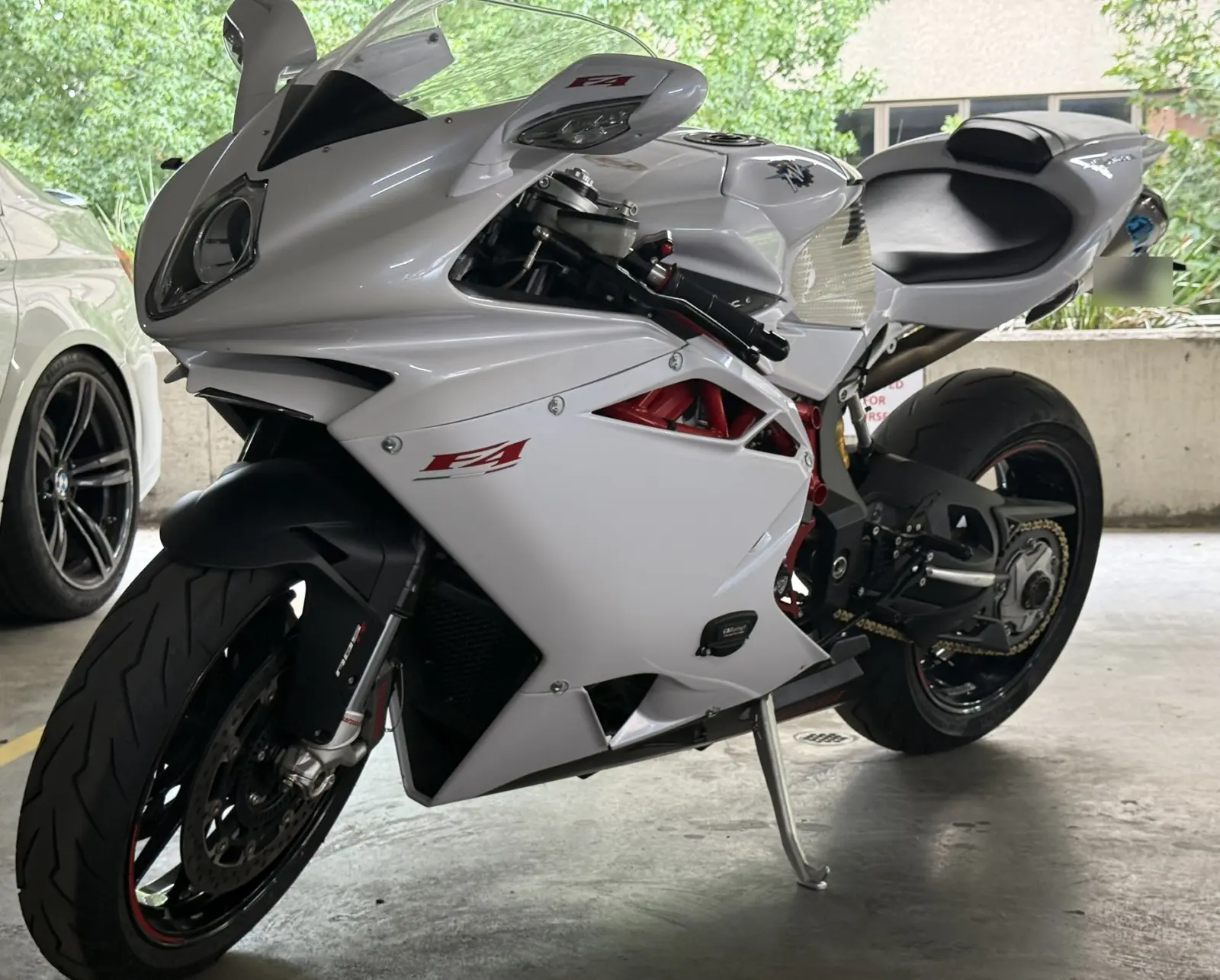
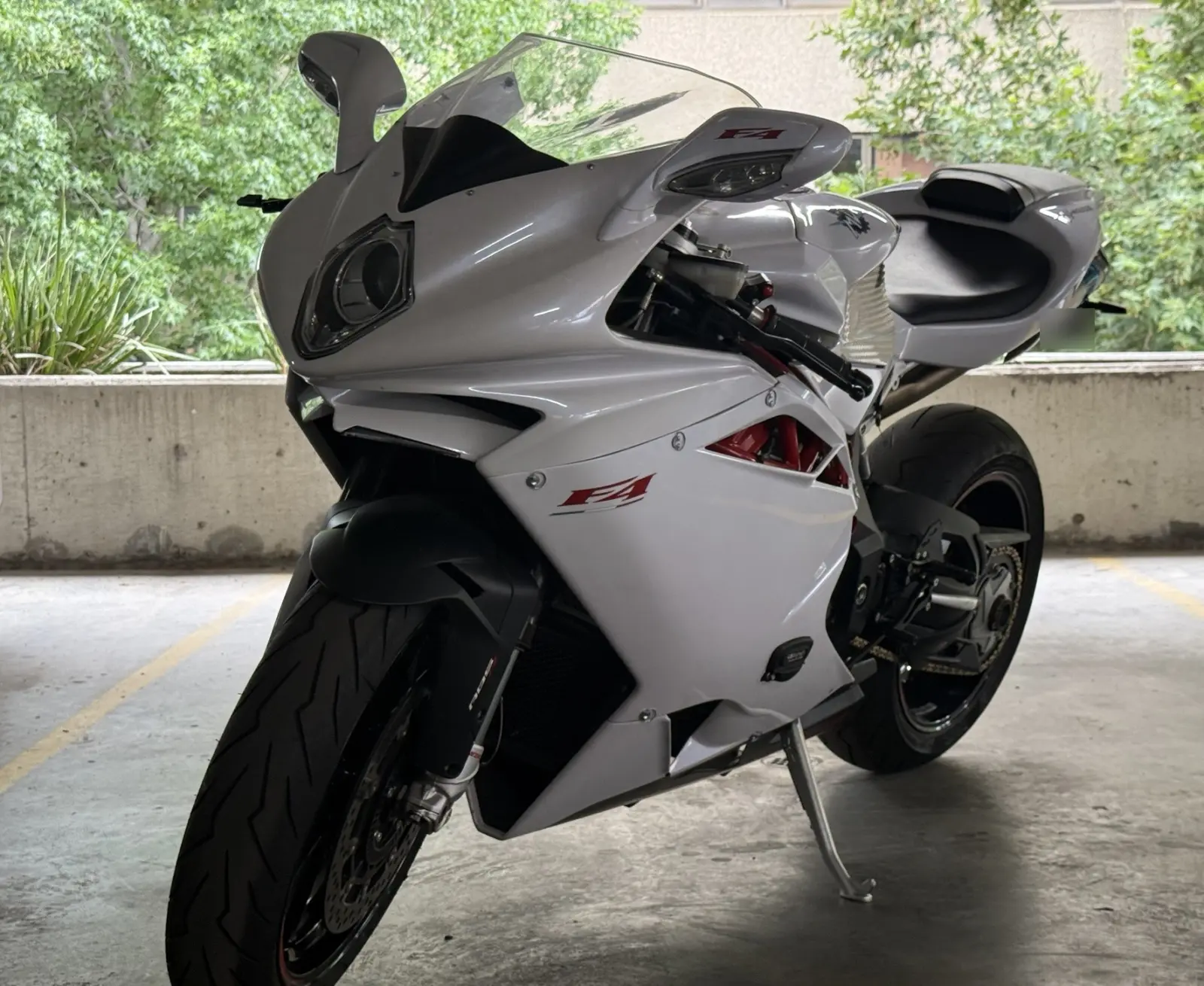
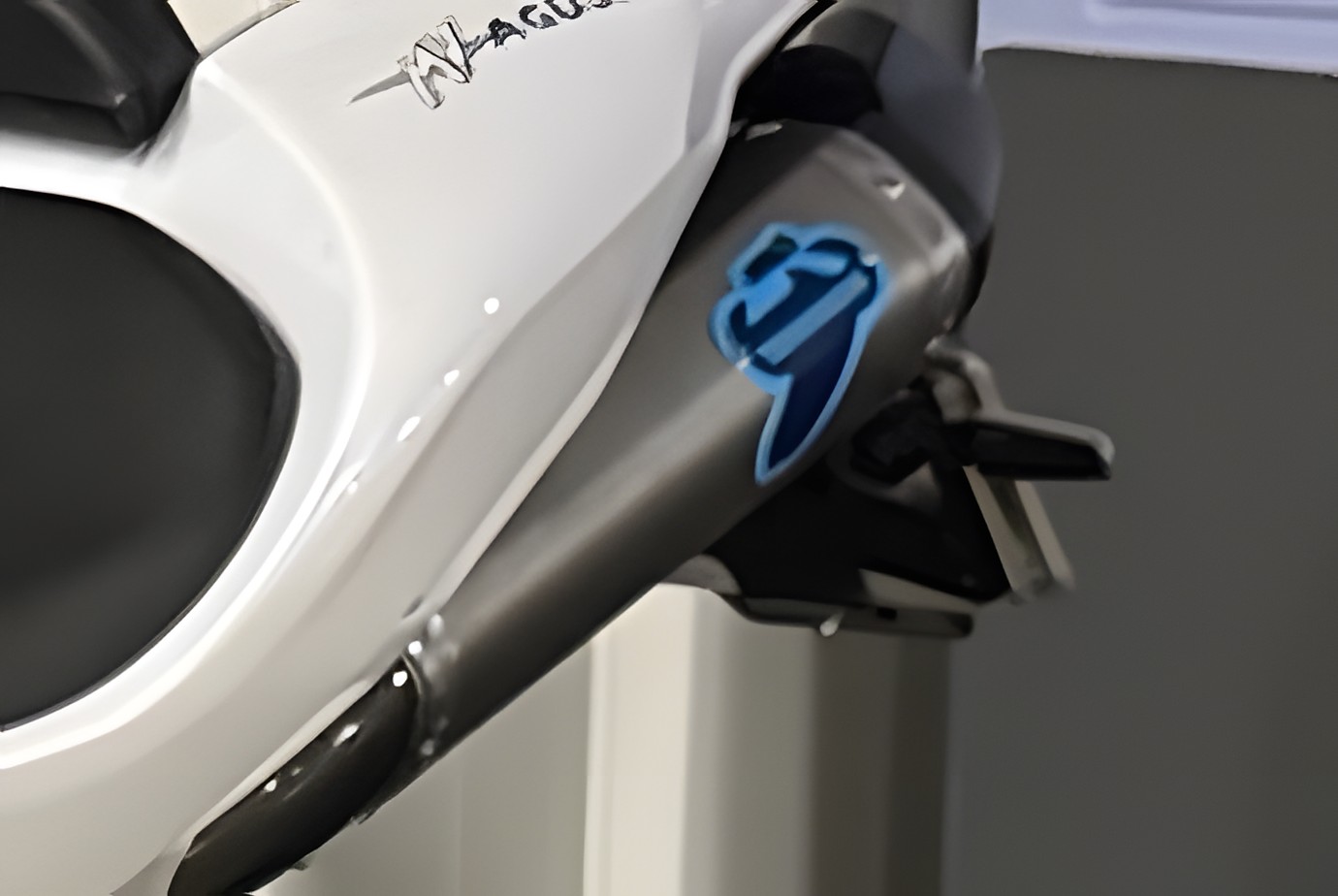
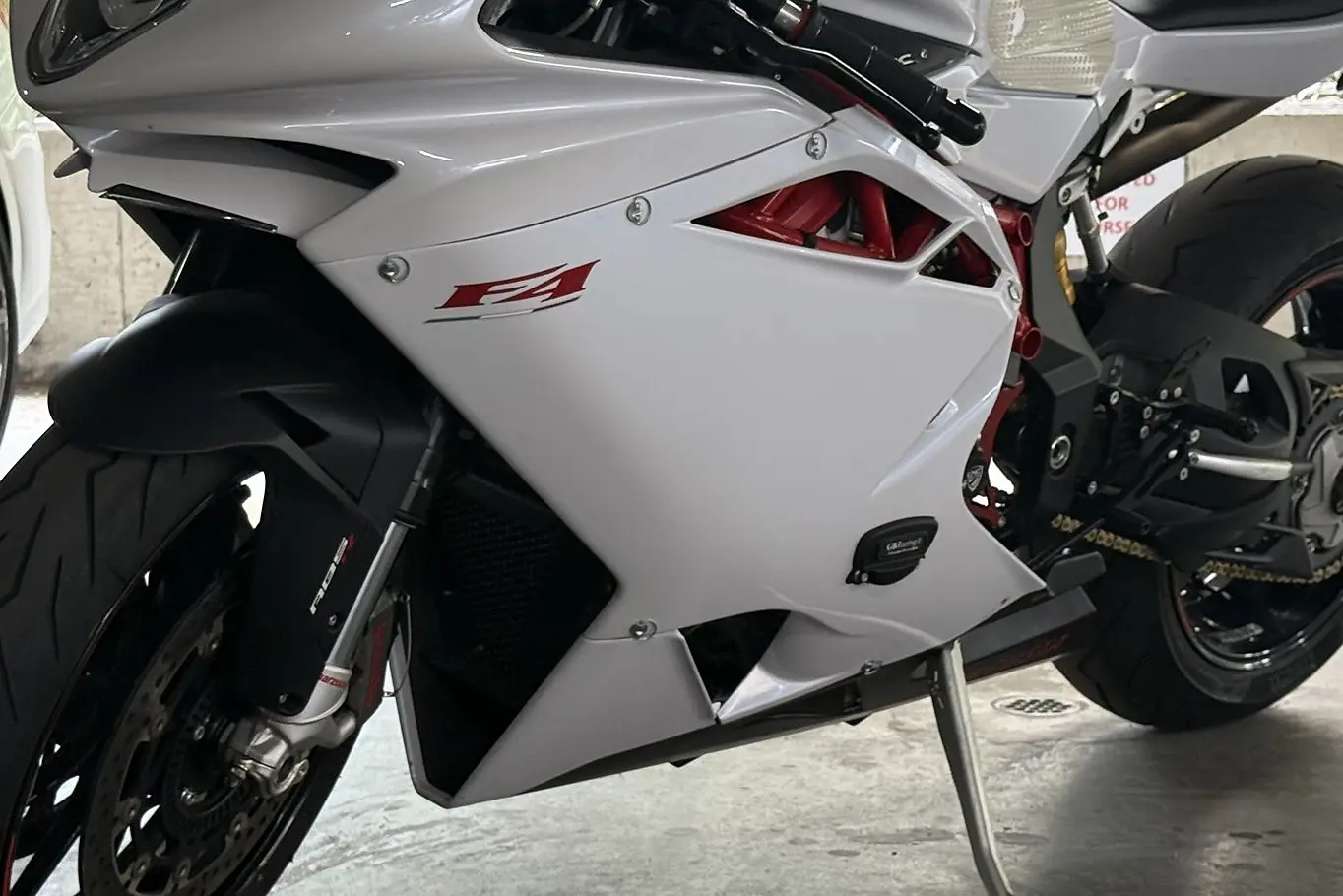
For Cox's River Road we would choose the MV Agusta F4. Its 998cc inline four has a strong mid-range that helps you pull out of the tighter bends, and its tuned performance exhaust gives a rich note through the valleys. The pearl white finish with a red trellis frame stands out against the bush, which is useful on a road where other drivers may not expect a bike to appear. The F4 is a single-seater, so it suits a solo rider on a remote day.
Hire rules that matter here: bikes are self-drive from our Parramatta base, the rider needs a full motorcycle licence held for at least 3 years and must be 25 or over, and a security bond is held according to the class of bike. Any injury cover above the compulsory third-party level is something you would arrange yourself, and it deserves a careful look before a remote day. We will walk you through the details when you book.
If you want to bring a passenger, the Yamaha MT-09 SP is the only bike in our fleet that takes one, and it handles long, changing roads well. Ready to ride the western mountains on a bike built for them? Use the Book Now option on this page to reserve the MV Agusta F4, or browse the full fleet to compare.
Frequently asked questions
How far apart are the fuel stops on Cox's River Road?
The gaps can be long, and some stretches run well over an hour between services. Fuel stations are not guaranteed at every junction, and opening hours can change. Before you leave, write down the fuel points on your route and work out the range of your bike in real conditions. Fill up in the last reliable town and treat your reserve as an emergency measure only.
Is this road suitable for a newer rider?
It can be, for riders who already feel confident on open roads with bends and changing surfaces. The remote feel, the gravel risk and the distance from help all add pressure, so a newer rider should start on easier roads first. Ride with an experienced companion if you can, choose a clear, dry day and agree on a plan and check-in time before you set off.
When is the best time of year to ride it?
Autumn is the most rewarding season, with crisp air, good visibility and colour through the valleys. Spring is nearly as good, with fresh green on the slopes. Winter is cold, with frost and fog in shaded bends. Summer is warm, and afternoon storms can build quickly over the ridges, so an early start is essential in the warmer months.
Do I need to arrange my own cover for a remote ride?
Any cover for injury above the compulsory third-party level is something you arrange yourself, if you want it. We recommend thinking this through before a remote ride, since help can be a long way off. A security bond is also held according to the class of bike. Ask our team about the details at booking so you know exactly what applies before you ride.
Can I take a passenger on this ride?
Yes, but only on the Yamaha MT-09 SP. It takes one passenger aged 16 or over. The MV Agusta F4 and the Ducati 1199R are single-seaters, so a passenger cannot ride with you on either of them. The MT-09 SP handles long, changing roads comfortably, and its adjustable suspension helps on rough sections, which makes it a good choice for a shared day.
What should I do if I break down or come off on a quiet stretch?
Stay calm and make the bike safe if you can do so without putting yourself at risk. Move away from the traffic lane if possible, and use your phone to call for help while you still have signal. Wait with the bike where it is safe, and do not wander off the road in poor visibility. Having a written plan and a charged phone makes this situation far easier to manage.
Ready when you are. Pick your dates and book the MV Agusta F4 online, or call us and we will sort it with you.
Book NowCall 0468 011 118