

Book the Yamaha MT-09 SP. Pick your dates and book the Yamaha MT-09 SP online, or call us and we will sort it with you.
Book NowCall 0468 011 118Ku-ring-gai Chase Road carries riders through bushland and along the edges of the water on Sydney's north shore, with views that change from one bend to the next. The same features that make it so attractive also create its hazards: fog that settles over the water in the mornings, native wildlife that moves along the verges and narrow stretches where there is little room to spare. This guide sets out what to watch for and how to ride the road calmly and well.
New to riding with us? Our page on motorbike hire in Sydney covers the bikes, the rider rules and how pick-up works.
Why this bushland road needs a steady approach
Bushland roads have a character of their own. The trees crowd close to the edge, the views open up without warning and the surface can change from a smooth run to a stretch that needs more care. A rider who arrives expecting a simple scenic cruise can be surprised by how quickly the road asks for attention, so it is worth setting the tone before the first corner.
The road is a public road through a national park, which means it carries a mix of traffic. Cars, cyclists, visitors who are taking in the views and vehicles pulling in and out of parking areas all share the same carriageway. Each one changes the rhythm of the ride, so keep your eyes moving and expect the unexpected at every bend.
Good planning makes the difference. Know where you want to stop, how long the route will take and where the fuel stops are. When the plan is clear, you can concentrate on the riding itself, and the scenery becomes a reward rather than a distraction.
Morning fog over the water
Fog is one of the defining hazards of this area. On cool mornings, moisture can settle over the water and drift across the road, reducing visibility quickly. The fog can be thick in one spot and clear a few hundred metres further on, which means your sense of the road can change within a few seconds. Plan to ride once the morning has warmed a little and the fog has begun to lift.
If you do meet fog, reduce your speed before you enter it, switch on your lights and increase the gap to the vehicle ahead. Avoid sudden braking and do not rely on the taillights of other vehicles to show you the bends. If visibility becomes too poor to see the edges of the road, stop safely off the carriageway and wait for conditions to improve.
Fog also leaves the surface damp. Shaded stretches can stay wet long after the sun has reached the open road, and a film of moisture can make the painted lines and the seal more slippery than they look. Brake gently, keep the bike upright through each bend and treat any dark patch with respect.

Native wildlife along the verges
The bush along this road is home to native animals that move through the scrub and across the verges, often without warning. Kangaroos, wallabies and a range of smaller animals are most active in the early morning and at dusk, and a rider who is moving too quickly can miss the signs of movement at the edge of the road.
Scan both verges as you ride, and watch for the flash of eyes, a sudden change in the grass or a shape that moves against the trees. Keep your speed steady through the sections where the bush comes right up to the road, and leave space around you so that a sudden stop is possible if an animal steps out. Do not swerve hard, since a controlled brake is almost always the safer response.
Wildlife can be unpredictable, and the safest approach is to assume that an animal may appear at any time. Lights on in the lower light, a riding jacket with proper protection and a helmet that fits well all help you stay safe if the unexpected happens. Keep your attention on the road ahead rather than the views, and you will be far better placed to react.
Narrow stretches and the edges of the road
In places the road is narrow, and the verge can be tight enough that there is little room to recover if a vehicle comes toward you on a bend. These stretches demand a centred, disciplined line. Keep to your side of the road, avoid cutting corners and be ready to move slightly toward the edge if an oncoming vehicle needs more room.
Loose material can gather at the edges after rain, especially where the verge is shaded or where vehicles pull off. Keep your wheels well clear of the edges, and if you see gravel or loose debris on the road, slow down before you reach it. Do not brake or accelerate hard over the top of loose material, and avoid any unsealed side track, which is not suitable for a road bike.
Passing on narrow sections is a matter of judgement rather than speed. Only pass when the road ahead is clear and you can see the next stretch without doubt. If you are unsure, hold your position behind the vehicle until a safer opportunity arises.

Wet bends, shade and grip
Shaded bends hold moisture for longer than the open road, and a corner that looked dry from a distance may be damp at its apex. The shade of tall trees and the steep banks can keep the surface cool and slick, so treat each shaded bend with the same respect you would give a wet one. Brake in a straight line before the bend, release the brakes smoothly as you turn in and keep the bike upright through the apex.
Sudden changes from sun to shade can briefly reduce your vision as your eyes adjust. Slow down before you enter a shaded section, and look ahead to the next patch of light before you reach it. Keep your visor clean and free of fingerprints or condensation, because a dirty visor makes the transition harder to manage.
After heavy rain, give the road time to dry before riding. A surface that looks clean may still hold a film of water or leaves, and the grip you need to lean and turn may not be there. Patience is the simplest way to avoid a slide on a bend that you could have ridden safely later in the day.
Want the Yamaha MT-09 SP for your date? Pick your dates and book the Yamaha MT-09 SP online, or call us and we will sort it with you.
Book NowCall 0468 011 118Best time, season and the stops along the route
Weekday mornings are generally the quietest time on the road, with lighter traffic and more room to find your rhythm. Weekends and school holidays bring more visitors, and the parking areas and lookouts can be busy, so expect slower vehicles and people stepping out to take photographs. An early weekday start often gives you the best of the road and the best of the light.
Autumn and spring are the most comfortable seasons. The temperatures are mild, the fog is less frequent and the surface usually dries quickly. Winter brings cold mornings and more fog over the water, so plan a later start and wear warm layers. Summer is warm and humid, and the heat in full gear builds quickly, so start early and rest in shade.
Fuel is best planned before you reach the national park, since stations are spaced further apart than in the city. Top up before you leave the outer suburbs and again when the tank reaches roughly half. Food stops are easiest to find in the nearby villages and waterfront areas, where a relaxed lunch with a view makes a good break. Eat lightly before the more demanding sections.

The hire rules for a day on the north shore
Three rules shape a day like this one, and they are worth reading before you plan your route. Hire runs for a minimum of three days, so a ride on this road can be part of a longer trip rather than a single run. Trackers are fitted to all of our bikes. If we judge a rider unsafe, we may end the hire, and that applies to any rider who puts themselves or others at risk on the road.
Fatigue, gear and riding within your ability
Fatigue can creep in on a scenic road where the views and the corners keep your attention moving. Take regular breaks, stretch your back and shoulders and drink water before you feel thirsty. A short stop at a lookout or a parking area is a good moment to check your gear and reset your focus.
Gear should protect you from a fall and keep you comfortable across changing temperatures. A helmet that fits well, a jacket with abrasion protection, gloves that let you work the controls and boots that support the ankle are the essentials. Layers help on cool mornings, and a light outer layer is useful for the shaded stretches.
Ride within your ability and never ride after drinking alcohol, even a small amount. Check road conditions with Transport for NSW before you set out, and be willing to change your plans if the fog is heavy or the surface is wet. A calm, deliberate ride is the best way to enjoy this road.
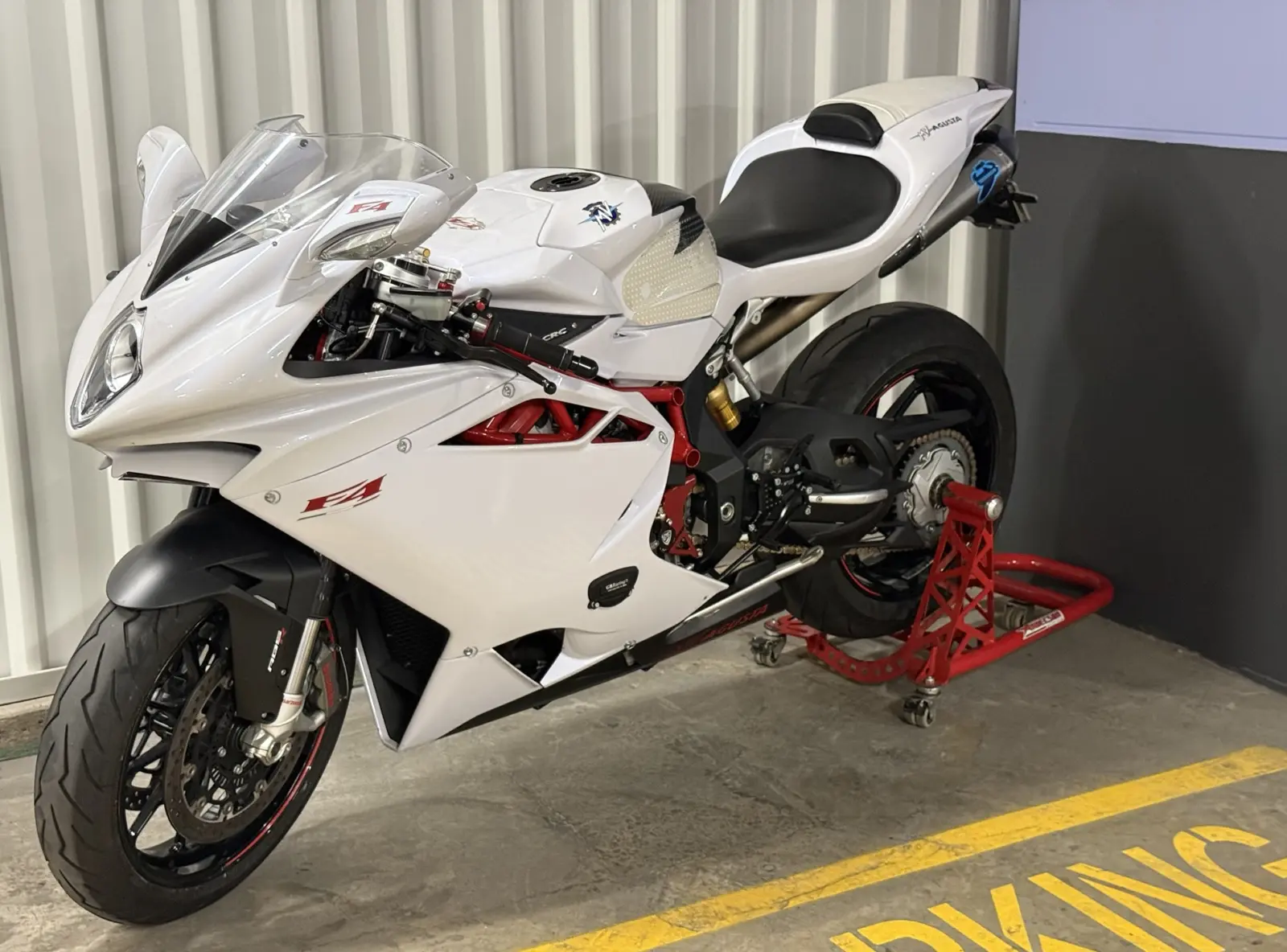
Book the Yamaha for a north shore run
The Yamaha MT-09 SP is a strong choice for a measured run along this road. Its inline three performance naked bike character gives you a flexible spread of power for the open sections, and its premium adjustable suspension and strong brakes help you settle the bike through the bends. Gold front forks add to its appeal on a road where the views deserve your attention.
When you are ready to plan your dates, you can reserve the Yamaha MT-09 SP here: book the Yamaha MT-09 SP. Plan an early weekday start, respect the fog and the wildlife, and enjoy one of the most scenic rides close to the city.
Frequently asked questions
Is Ku-ring-gai Chase Road suitable for a motorbike?
It is a public road through a national park and can be ridden on a motorbike with proper preparation. Expect a mix of traffic, narrow stretches, wildlife along the verges and fog over the water in the mornings. Ride steadily, plan your timing around the conditions and keep a generous margin for the unexpected.
When is fog most likely on the road?
Fog is most common on cool mornings, when moisture settles over the water and drifts across the road. It can be dense in one place and clear a short distance further on. Plan to ride once the morning has warmed and the fog has started to lift, reduce your speed before entering any patch of fog and use your lights.
What wildlife should I watch for?
Native animals such as kangaroos and wallabies are most active in the early morning and at dusk, and they move along the verges and through the scrub. Scan both sides of the road, keep your speed steady through the bush sections and leave space in front of you. A controlled brake is usually safer than a sudden swerve if an animal appears.
How should I handle the narrow stretches?
Keep to your side of the road, hold a centred line and avoid cutting corners. If an oncoming vehicle needs more room, be ready to move slightly toward the edge, but do not drop a wheel onto loose material. Pass only when the road ahead is clear and you can see the next stretch with confidence, and hold your position if you are unsure.
Can I ride the gravel tracks off the main road?
No. Unsealed side tracks and loose access roads are not suitable for a road bike, and the grip you need disappears on those surfaces. Stay on the sealed road from start to finish, and if a turn leads onto a gravel or dirt track, do not take it. Plan your route on sealed roads and enjoy the views from the lookouts.
What is the best time of year to ride this road?
Autumn and spring are generally the most comfortable, with mild temperatures, less fog and surfaces that dry quickly. Winter brings cold mornings and more fog over the water, so a later start and warm layers help. Summer is warm and humid, so an early start and a shaded rest will make the ride far more comfortable.
Ready when you are. Pick your dates and book the Yamaha MT-09 SP online, or call us and we will sort it with you.
Book NowCall 0468 011 118