
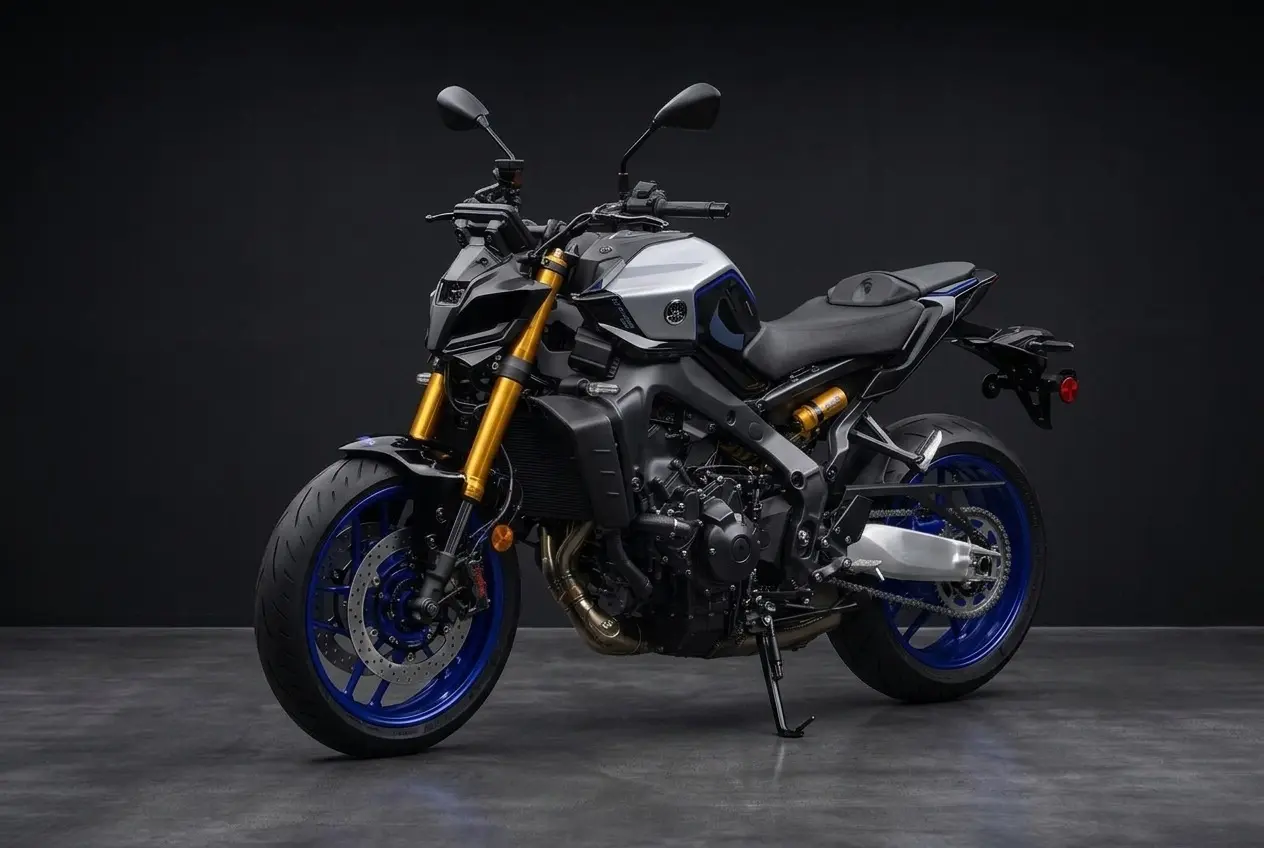
Book the Yamaha MT-09 SP. Pick your dates and book the Yamaha MT-09 SP online, or call us and we will sort it with you.
Book NowCall 0468 011 118Wet roads turn a fun naked bike into a test of nerve, and the throttle is where most of that test happens. The Yamaha MT-09 SP gives the rider a choice of how the engine responds, and that choice matters far more when the surface is slick. This guide explains what changes between the riding settings in general terms, why a softer response usually feels more predictable in the wet, and how to set up the bike before you pull out on a damp Sydney morning.
New to riding with us? Our page on motorbike hire in Sydney covers the bikes, the rider rules and how pick-up works.
What the riding modes actually change
Riding modes are a way of tuning how the bike responds to your right hand. Depending on the setting, the throttle can feel sharp and direct, or softer and more progressive. Electronic aids such as traction control also differ between modes, changing how much the bike intervenes when the rear wheel starts to spin. The exact options and their names are set out in the handbook for the MT-09 SP, so check them before you ride, rather than relying on memory from another bike.
The key idea is simple. A more direct setting gives you a quick, strong response, which is great on dry roads and a clear run. A gentler setting spreads the power across a wider part of the throttle, which means a small twist of the wrist produces a smaller change in drive. That gentler feel is exactly what you want when the grip is uncertain. It is not about making the bike slower, but about making it easier to predict.
Why a softer response suits wet pavement
On a wet road, the tyres have less grip to work with, and the margin between a smooth exit and a slide is narrow. A sudden surge of power can overwhelm that margin, particularly when you are leaned over in a corner. A softer throttle response lets you add power gradually as the bike comes upright, so the rear tyre has time to find its grip. The result is a calmer exit and more confidence through every bend.
Many riders assume that a sharper mode gives more control because it responds faster. In practice, quick response on wet tarmac can make the bike feel nervous and twitchy. Smooth inputs matter more than instant ones. Choose the setting that feels calmest in the first few kilometres, and remember that the bike will feel more immediate once the surface has dried and the grip has returned.
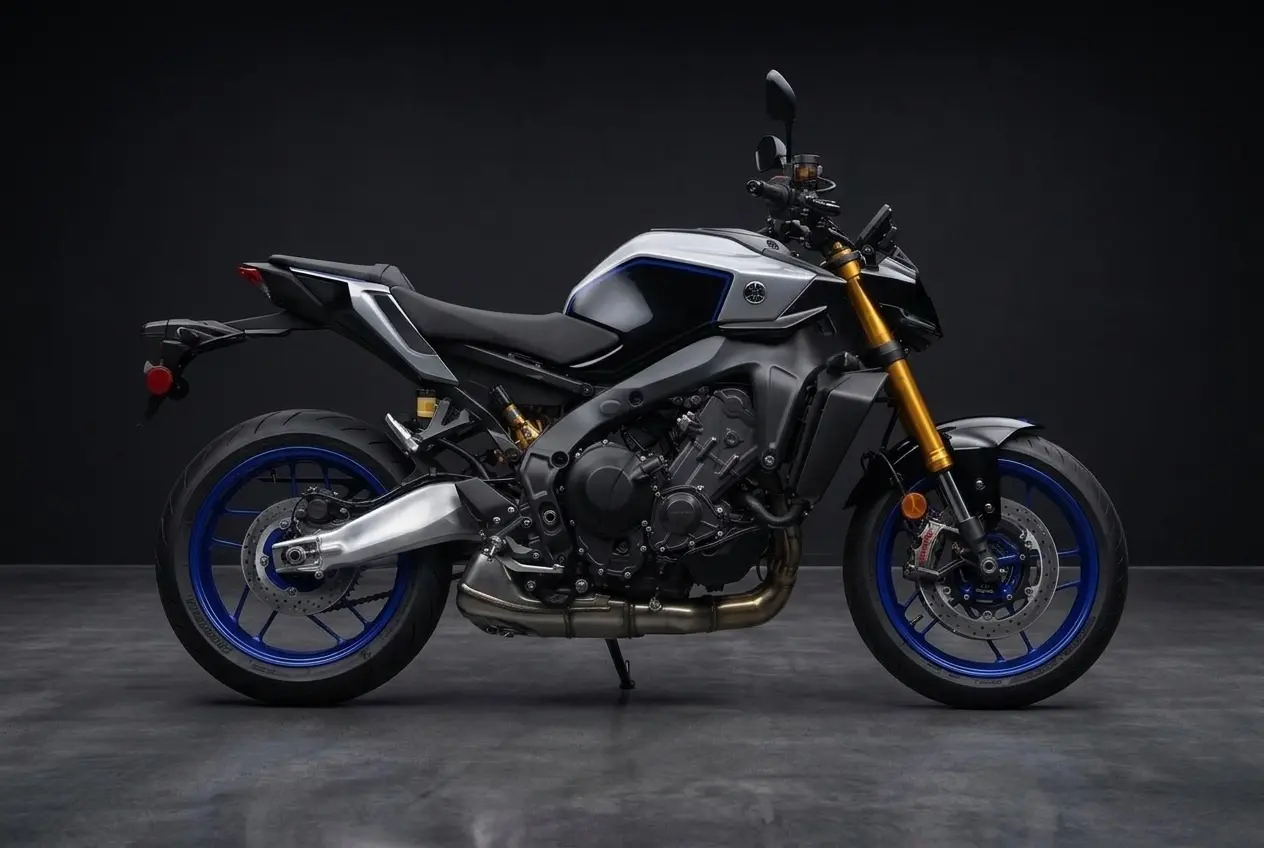
Setting up the bike before you ride
Before you leave, take a few minutes to set the bike up in your garage or in a quiet car park. Choose your riding mode, check the traction control setting and confirm the display shows what you expect. Adjust the suspension for your weight and the load you carry, since a settled bike is far easier to ride smoothly on a wet surface. If you are riding with a passenger, check the setup again, because the extra weight changes how the rear of the bike responds to throttle.
Check the tyres, lights and mirrors as well. Pressures should be set to the handbook figures when the tyres are cold, because low pressure reduces grip and makes the bike feel vague. Working lights make you visible on a grey morning, and clear mirrors help you keep track of traffic behind you. The more of these things you have settled before you start, the more of your attention you can give the road.
Road character on wet days
Wet days change the character of the roads in predictable ways. Painted lines, manhole covers, bridge decks and metal plates become slippery and should be treated with caution. Shaded bends stay damp long after the open road has dried, and leaves, moss and loose gravel collect at the edges. The MT-09 SP handles a wet corner well when the rider is smooth, but these surface features demand a slower approach and a cleaner line through each bend.
Rural roads are often the most challenging when wet. Surfaces can be patched or worn, and drainage can leave pools of water in the low sections. On the approach to a bend, look for changes in the colour and sheen of the road. If the surface looks dark and glossy, assume it is slick and reduce your speed before you lean. Braking should be completed in a straight line, with the throttle rolled on gently as the bike comes upright.
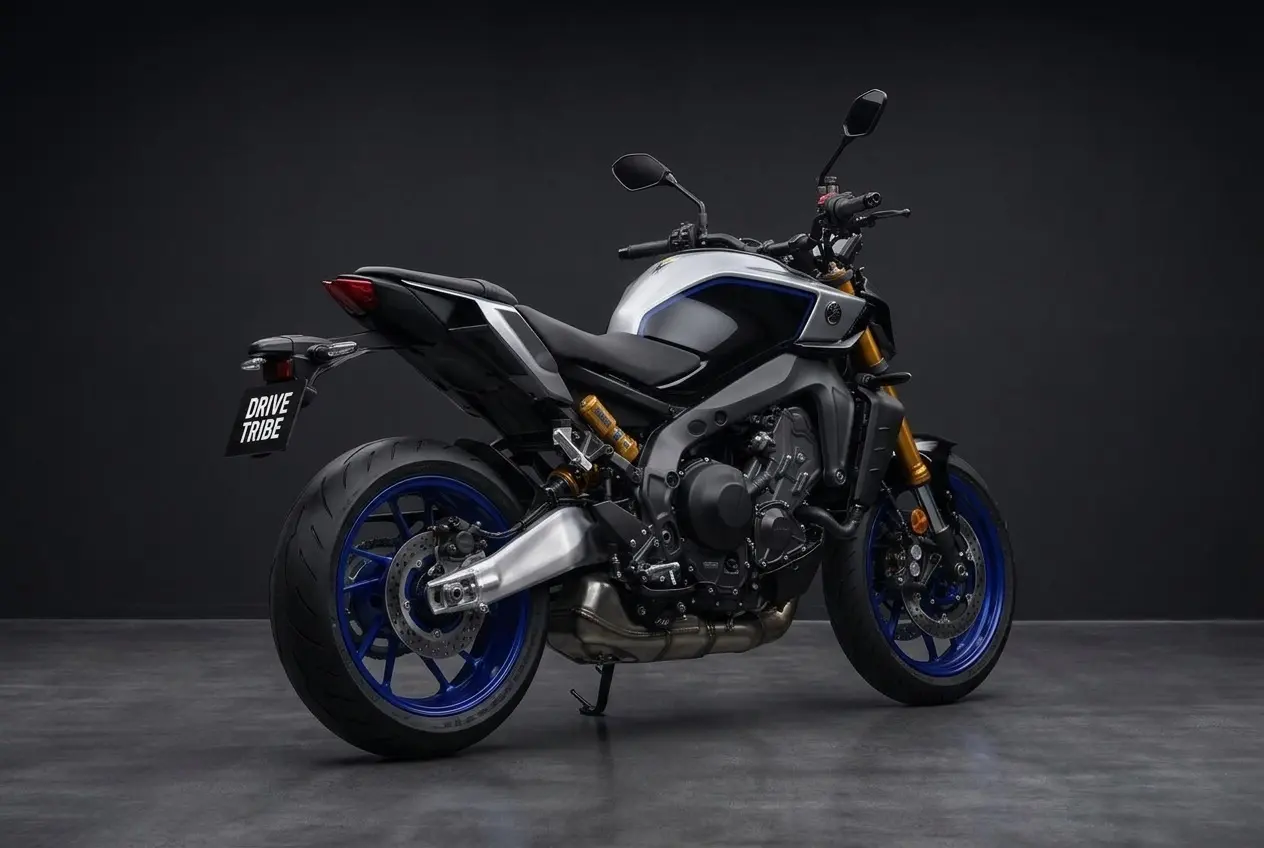
Traffic and visibility in the rain
Rain brings more cars, more spray and less visibility. Drivers may slow suddenly, change lanes without warning or fail to notice a motorcycle in their mirrors. Increase your following distance, keep your lights on and position yourself so you can be seen. Avoid lingering in the blind spots of trucks, which throw up spray and reduce your view of the road ahead.
Overtaking in wet conditions should be avoided unless it is clearly safe and legal. Wait for a clear straight, look well ahead and make sure you have space to complete the manoeuvre without relying on grip you cannot count on. A patient approach is almost always the right one, and it keeps the ride relaxed rather than stressful.
Want the Yamaha MT-09 SP for your date? Pick your dates and book the Yamaha MT-09 SP online, or call us and we will sort it with you.
Book NowCall 0468 011 118Best time of day and season
Timing helps as much as setting. Early mornings in the cooler months are often damp, with dew settling on the road in the shade and fog in low-lying spots. Mid-morning, once the sun has warmed the surface, is usually safer. Late afternoons can bring rain showers and fading light, so plan your return trip before the conditions turn. Keep in mind that wildlife is most active at dawn and dusk, which can add another layer of caution on wet rural roads.
Season shapes the wet-weather picture. Autumn and spring bring sudden showers that can make a dry road slippery within minutes. Winter brings cooler, damp mornings and occasional heavy rain that can last for hours. Summer storms can be intense and short-lived, leaving a thin film of water and oil on the road. Whatever the season, check the forecast, look at the sky and be ready to adjust your plans.
Weekends bring their own crowds. Tourist vehicles, cyclists and holiday traffic can increase on coastal and touring routes, and wet weather can make these crowds more unpredictable. Midweek rides are often quieter, although commuter traffic in and around the city can be heavy. Choose a route that suits the conditions, and plan rest and fuel stops at places where you can wait out a shower comfortably.
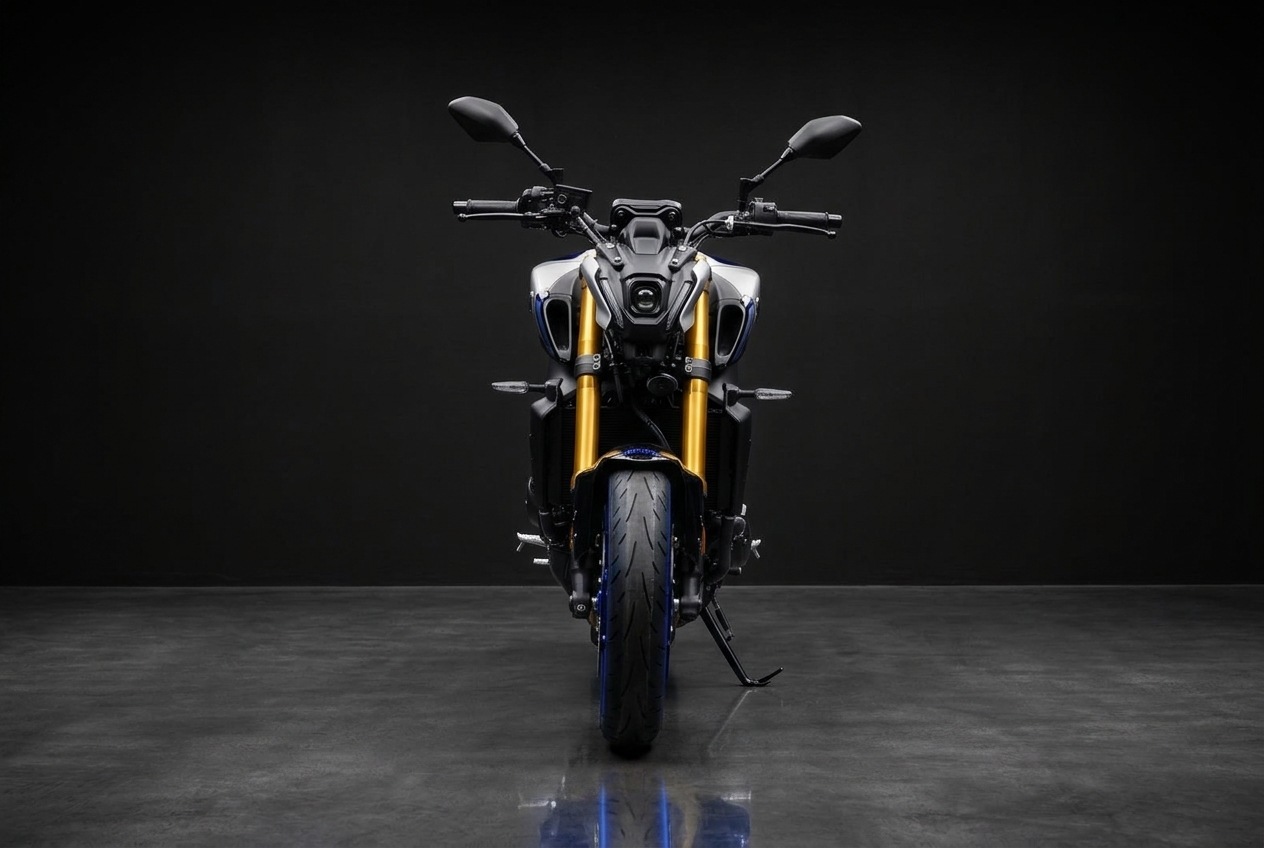
Fuel, food and rest stops in wet weather
Fuel planning matters more in the rain, because nobody wants to run low on a wet, cold road. Top up before the weather turns, and choose a service station with a covered forecourt if one is available nearby. Check the handbook for the recommended fuel grade and keep a reasonable reserve in the tank, especially on rural stretches where stations are further apart.
Food and rest stops are a welcome break in wet weather. A café with outdoor seating may be less appealing when it is raining, so look for a place with covered parking where you can leave the bike in sight. A light, warm meal helps you stay alert, and a hot drink keeps the body comfortable. Avoid a heavy meal before a damp ride, since a full stomach can make you sluggish on the road.
Rest stops also give your gear time to dry out and your concentration time to reset. Check gloves, boots and jacket seams for water, and wipe down the seat and controls where possible. A short break every hour keeps your hands loose and your focus sharp, which is essential when the road is slippery and traffic is unpredictable.
Safety on wet roads
Safety in the wet starts with good gear. A well-fitted helmet with a clean visor, an armoured jacket with waterproof layers, gloves that keep your grip, boots and long trousers all make a real difference. Cold rain can drain warmth quickly, so layers help you stay composed and comfortable. A rider who is cold and wet is more likely to make mistakes, so dress for the conditions before you leave.
Fatigue and concentration matter more in poor weather. Wet riding takes more effort than dry riding, and the strain builds over time. Plan regular breaks, eat lightly, stay hydrated and stop if you feel tired or cold. Riding within your ability is particularly important on a slippery surface. Never ride after drinking alcohol, and remember that a bike with the right settings still needs a calm and attentive rider.
Watch for wildlife on rural roads, especially at dawn and dusk when animals are moving. Gravel on corners is more hazardous when it is wet, and oil and leaf litter can gather in the same spots. If conditions become too dangerous, stop somewhere safe and wait. We would rather see a rider postpone a ride than take an unnecessary risk on a wet road.
Before committing to the route, see what Transport for NSW says about closures and works.
Hire rules and booking the Yamaha MT-09 SP
A few rules apply before you book. You need a full motorcycle licence that you have held for at least three years, and you must be aged 25 or over on every bike we hire. The Yamaha MT-09 SP is the one bike in our range that can carry a passenger, for one passenger aged 16 or over. Bikes are self-drive from our Parramatta base, with a three day minimum, and overnight they must be kept in a locked garage or secure off-street parking between 9pm and 6am.
The MT-09 SP is a rewarding bike in every season, and understanding its riding modes is one of the best ways to enjoy it safely in the wet. Choose a setting that suits the conditions, check the surface before every bend and book your ride when you are ready. Reserve the Yamaha MT-09 SP through its bike page, and ride with patience when the road turns slick.
Frequently asked questions
Which riding mode is best on wet roads?
In general, a softer and more progressive throttle response is the more predictable choice on a wet surface. The exact names and settings differ, so check the handbook for the MT-09 SP and choose the setting that feels calmest. Traction control also differs between settings, so know what it does before you ride.
Does the traction control stop the bike from sliding?
Traction control can help reduce wheel spin, but it cannot create grip that is not there. On a wet road, smooth inputs, a steady line and gentle braking matter far more than any electronic aid. Treat the systems as support, not a substitute for careful riding, and slow down whenever the surface looks slick.
Should I change the suspension settings for rain?
You can set the suspension for your weight and load, which helps the bike feel settled and predictable. Many riders keep the setup comfortable rather than firm when the road is damp. Check the handbook for how to adjust the settings, and try any changes in a quiet, safe place before you ride on public roads.
Can I take a passenger in wet weather?
The MT-09 SP can carry a passenger, but wet roads make the ride more demanding for both of you. Check the setup for the extra weight, plan gentler acceleration and braking, and make sure your passenger is dressed warmly and securely. Only ride with a passenger if you are confident in the conditions.
What is the best time of day to ride when rain is around?
Mid-morning is usually safer than early morning, when dew and fog can leave the roads damp and cold. Late afternoons can bring showers and fading light. Check the forecast before you leave, watch the sky and plan your return trip so you are not caught out on a slippery road after dark.
What should I do if the road gets too slippery?
Slow down early, avoid braking or accelerating in corners and increase your following distance. If the conditions become too dangerous, stop somewhere safe and wait for the rain to ease. Riding within your ability means accepting that a delay is better than an unnecessary risk on a wet road.
Ready when you are. Pick your dates and book the Yamaha MT-09 SP online, or call us and we will sort it with you.
Book NowCall 0468 011 118