
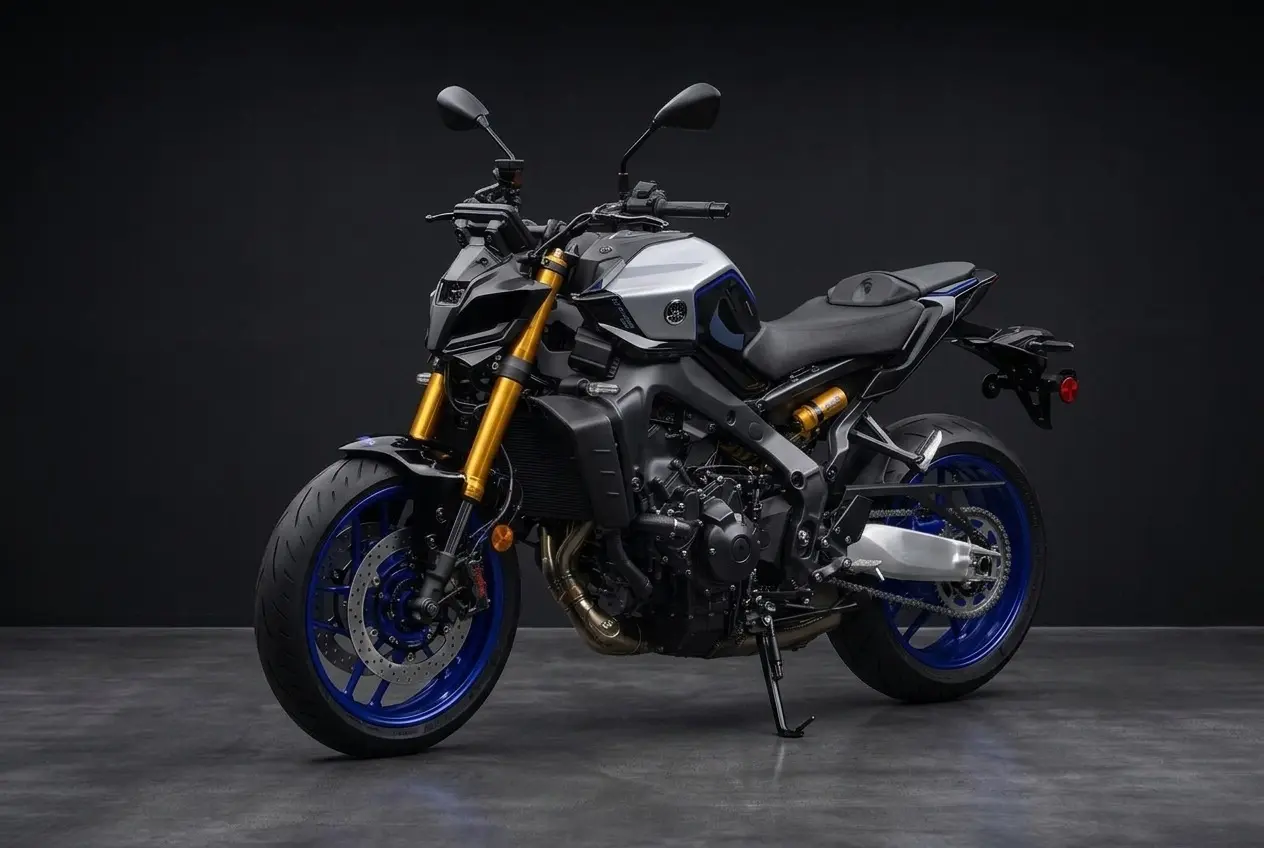
Book the Yamaha MT-09 SP. Pick your dates and book the Yamaha MT-09 SP online, or call us and we will sort it with you.
Book NowCall 0468 011 118A bridge looks like a straight, steady stretch of road, yet it can push a motorcycle around more than any open highway. Wind funnels off the water, the deck moves slightly under heavy vehicles, and expansion joints thump under the front wheel when you least expect them. None of this is a reason to avoid bridges. It is a reason to ride them with a calm, planned approach. Here is how to handle wind, surface changes and the transitions at each end.
For the bikes we hire, who can ride them and how a hire runs, see motorbike hire in Sydney.
Why bridges unsettle a bike more than the road beside them
Open spans have nothing to shelter a rider from the weather. The road surface may be dry and smooth, yet air moves freely across the deck from every direction. Gusts that barely register on the approach can hit you hard once you are above water or a valley, and a motorcycle is light enough to feel every push. Expect the bike to shift a little, and let your body respond gently rather than fighting it.
Bridges also flex. Steel and concrete move under the weight of trucks and under changes in temperature, so the surface can shift by a small amount as you ride across it. Combined with grooves, joints and painted markings that can be slippery, these changes ask for smooth, deliberate inputs. A relaxed grip on the bars and a steady throttle will do far more for your stability than any quick correction.
The best way to build respect for bridges is to notice them before you reach them. Watch for signs of wind, such as trees bending on the far bank or water rippling on a river. Look at the lanes ahead and the traffic in the next lane. A rider who has already prepared for the bridge will find the crossing calm, while a rider who meets it unprepared often brakes too hard in the middle of the span.
Handling crosswinds on open spans
Crosswinds are the most common cause of a bridge scare. A gust from the side pushes the bike sideways, and the natural reaction is to tense up and grip the bars. Instead, keep your elbows soft, keep your weight centred and look where you want the bike to go. Small, progressive steering inputs will hold the line far better than a sudden jerk on the bars.
Strong gusts often come in short bursts, especially where a bridge crosses open water or a wide valley. Ease off the throttle slightly as you feel a push, but avoid closing it completely, because a sudden change in drive can unsettle the chassis. Once the gust passes, return to your normal speed gradually. Keeping the bike upright and tracking straight is far easier when you have already reduced speed before the wind arrives.
Pay attention to large vehicles. A truck or bus crossing the other way creates a pocket of turbulence as it passes, and a sudden shift in air pressure can move the bike unexpectedly. Hold your line, leave a little extra space on the side of the lane near the truck, and do not change direction in the middle of the span. Passing a heavy vehicle on a bridge is best avoided unless the lane is clearly wide and the road is quiet.
Expansion joints and changes in the deck
Expansion joints are the metal or rubber strips that let a bridge deck grow and shrink with temperature. Riding over one is a short, sharp jolt, and on a motorcycle it can feel much bigger than in a car. Approach the joint in a relaxed, upright position with the bike slightly off the throttle. Let the suspension do its job, and avoid braking or accelerating hard while the wheel passes over the joint.
Surface changes are equally important. Some bridges have different asphalt on the deck than on the approaches, and the transition can be grippy in one place and slippery in another. Painted lines, road studs and metal plates all reduce grip when they are wet. Cross them at a steady lean, keep your inputs smooth and avoid braking hard on a painted line even when the traffic ahead seems to be slowing quickly.
Grated or open-mesh sections are another hazard, particularly on older structures. The gaps can catch a narrow tyre or a loose piece of debris, and they are often harder to see at speed. Keep your line straight over them, do not lean the bike while crossing, and treat any unfamiliar surface as a reason to slow down before the bridge rather than during it.
The shaded transition under an overpass
Overpasses bring a different challenge. As you ride under a concrete structure, the light drops sharply, and your eyes need a moment to adjust. Remove your sunglasses before you enter the shade, and lift your head to look ahead instead of down at the road surface. Damp patches, oil stains and leaves often collect in the shadows, and they can be slippery even on a warm day.
The surface under an overpass can also stay cold and damp long after the sun has dried the road outside. Ease into the shade with light steering and a steady throttle, and avoid sudden lean changes. When you emerge into daylight, the road may look different, so take a moment to check the surface before increasing your lean angle or speed.
Overpasses also create wind shelter and then sudden gusts as you leave them. Expect the bike to be pushed slightly as you emerge onto open road, and hold a firm but relaxed grip. This is the moment many riders feel a bike twitch, so do not treat it as an emergency. Keep your eyes forward, your speed steady and your line predictable.
Approaching a bridge with a checklist
A short mental checklist makes bridges routine. Before the bridge, reduce speed to a sensible level for the wind and the traffic. Set your gear so the bike has useful power when you need it. Check your mirrors, then settle into a position that keeps your weight balanced over the bike. Plan the line you will hold, and make sure you have a clear escape route if a vehicle changes lanes ahead.
On the bridge itself, keep your inputs smooth, avoid braking mid-span unless you must, and let the bike track the road. Keep your head up and watch the far end of the deck. The approach and exit are as important as the middle, so do not let your attention drop once you reach the other side. Finish each crossing with a steady throttle and a clear view of the road beyond.
After the bridge, take a moment to notice how the bike felt. A little wobble on a wind-exposed deck is normal, but if the sensation persists, ease off and find a safe place to stop. Riders who review each crossing learn quickly which bridges need extra care, and which ones they can cross calmly at their usual pace.
- Reduce speed before the span, not on it
- Settle your weight and keep elbows soft
- Hold a steady line and avoid mid-span changes
- Check mirrors before and after large vehicles
- Keep your head up and eyes on the far end
Want the Yamaha MT-09 SP for your date? Pick your dates and book the Yamaha MT-09 SP online, or call us and we will sort it with you.
Book NowCall 0468 011 118Choosing the right time of day for a bridge ride
Wind conditions change through the day, and the best time for a bridge-focused ride is usually the early morning. Winds tend to be calmer before the sun heats the land and drives stronger air over water and open ground. The bike stays in a locked garage between 9pm and 6am, so plan a start after that window and enjoy the quieter roads before the day warms up.
Autumn and spring are generally the most comfortable seasons for bridge riding, with steadier winds and less glare. Winter mornings can be cold, and frost or dew may linger on shaded decks and under overpasses. Summer afternoons on the coast can bring stronger sea breezes, which can gust across exposed structures. Check the forecast before you leave, and choose a calmer window if the wind is up.
Plan fuel and food stops around your route. Top up before crossing large bridges, since you may not want to stop on the span itself. A relaxed lunch in a river town lets you ride the crossings when the wind is lighter, and it gives you time to rest your hands and concentration. Weekend traffic on bridge routes can be heavy with tourists, so ride earlier to find more space.
Bridge routes worth the ride
The Anzac Bridge and the Gladesville Bridge are good places to practise steady lane positioning on busier, wider structures in the Sydney area. Traffic is heavy at peak times, so use the quieter hours and keep a generous gap to the vehicles around you. Concentrate on the surface changes at each end before worrying about wind on the open span.
The Hawkesbury River crossing at Brooklyn, on the Pacific Highway, puts you above a broad waterway where wind can push the bike from the side. It is a good place to test your crosswind technique on a clear day. The road is busy with trucks, so keep a steady pace and leave room for them to pass.
For a more scenic bridge ride, the old suspension bridge at Kangaroo Valley has a narrow deck and a slower pace. Expect a cautious approach and watch for pedestrians and local traffic. The Sea Cliff Bridge near Coalcliff offers curves and ocean wind together, so approach it steadily and keep your focus ahead. Remember to check road conditions with Transport for NSW before you leave.
Gear, fatigue and staying within your ability
Gear helps you stay composed when a gust arrives. A helmet that fits snugly, a jacket with strong abrasion protection, gloves that keep your grip secure and boots that protect your ankles are the basics. Wind noise and cold can distract you, so choose a helmet and layers that keep you comfortable at speed, and check your visor is clean before you cross an exposed structure.
Concentration fades quickly on long rides with frequent gusts and changing surfaces. Take regular breaks, eat a light snack and stop if your hands feel stiff or your mind wanders. Never ride after drinking alcohol. If a bridge feels beyond your current confidence, choose a route without one for the day and build up gradually. Ride within your ability at every stage of the ride.
Hire rules, in short: bikes are self-drive from our Parramatta base on a three day minimum hire, and the rider must hold a full motorcycle licence for at least 3 years and be aged 25 or over on every bike. If we judge a rider unsafe, we may end the hire, and riding 30 km/h or more over the posted limit ends the hire and the bond is forfeited.
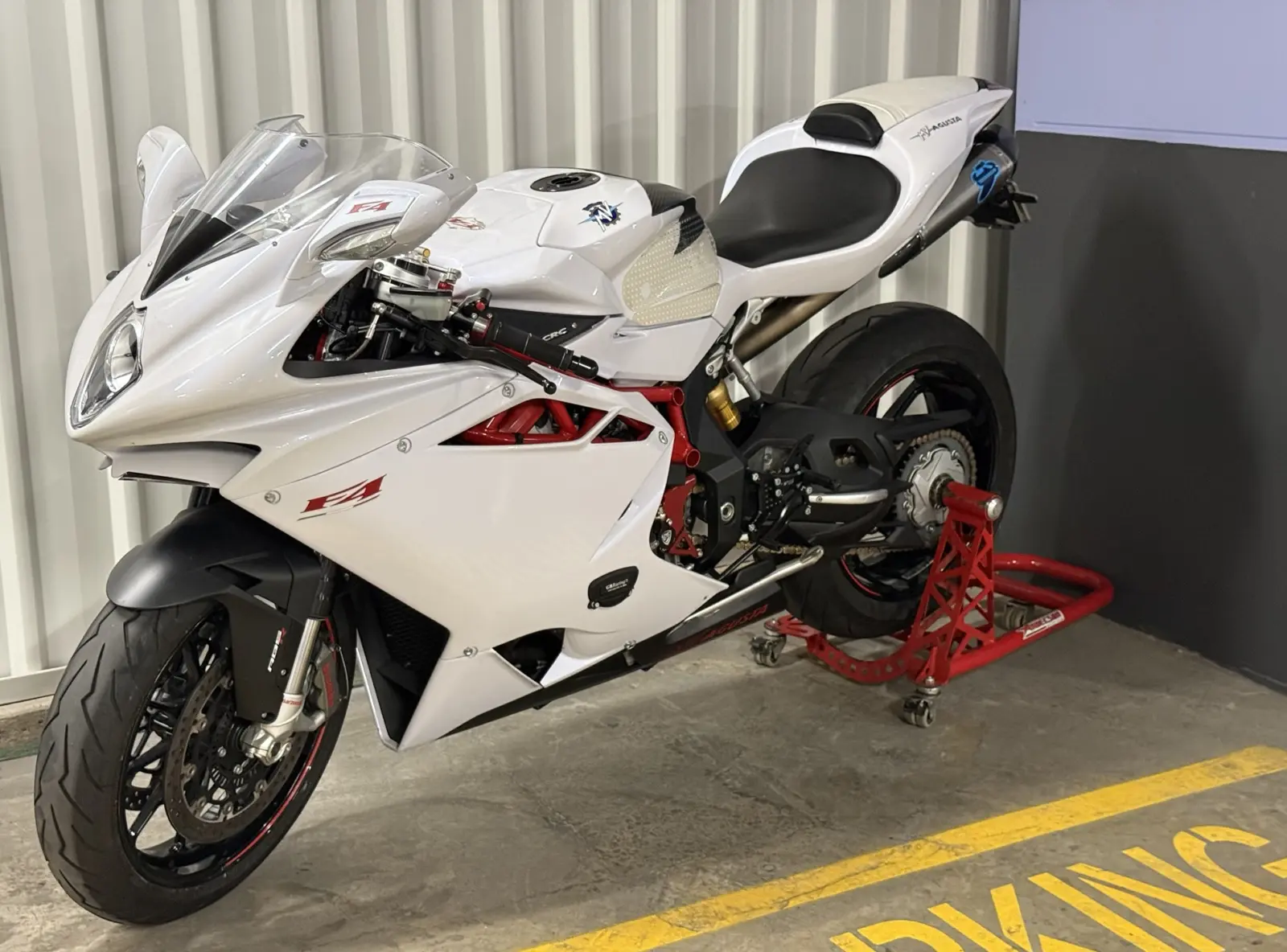
Book the Yamaha MT-09 SP for your next bridge ride
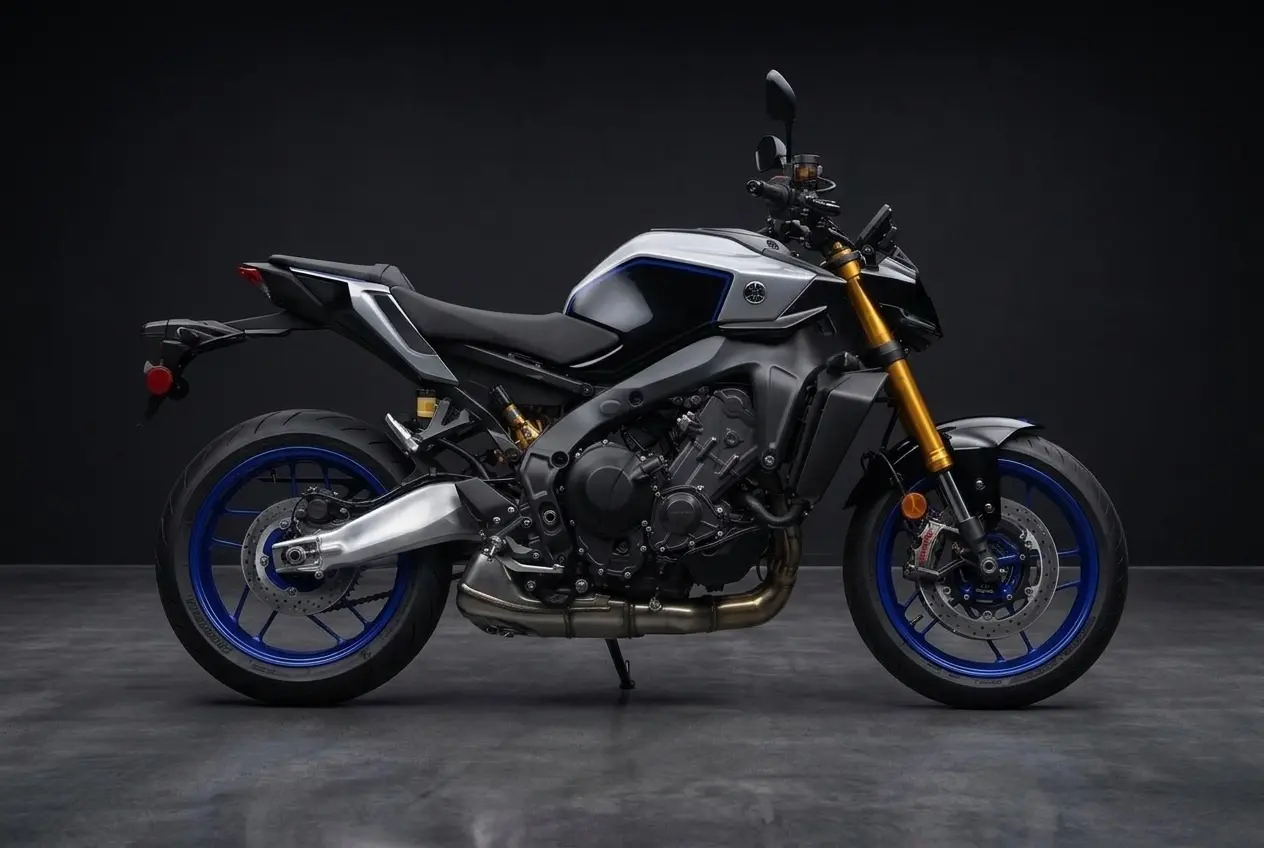
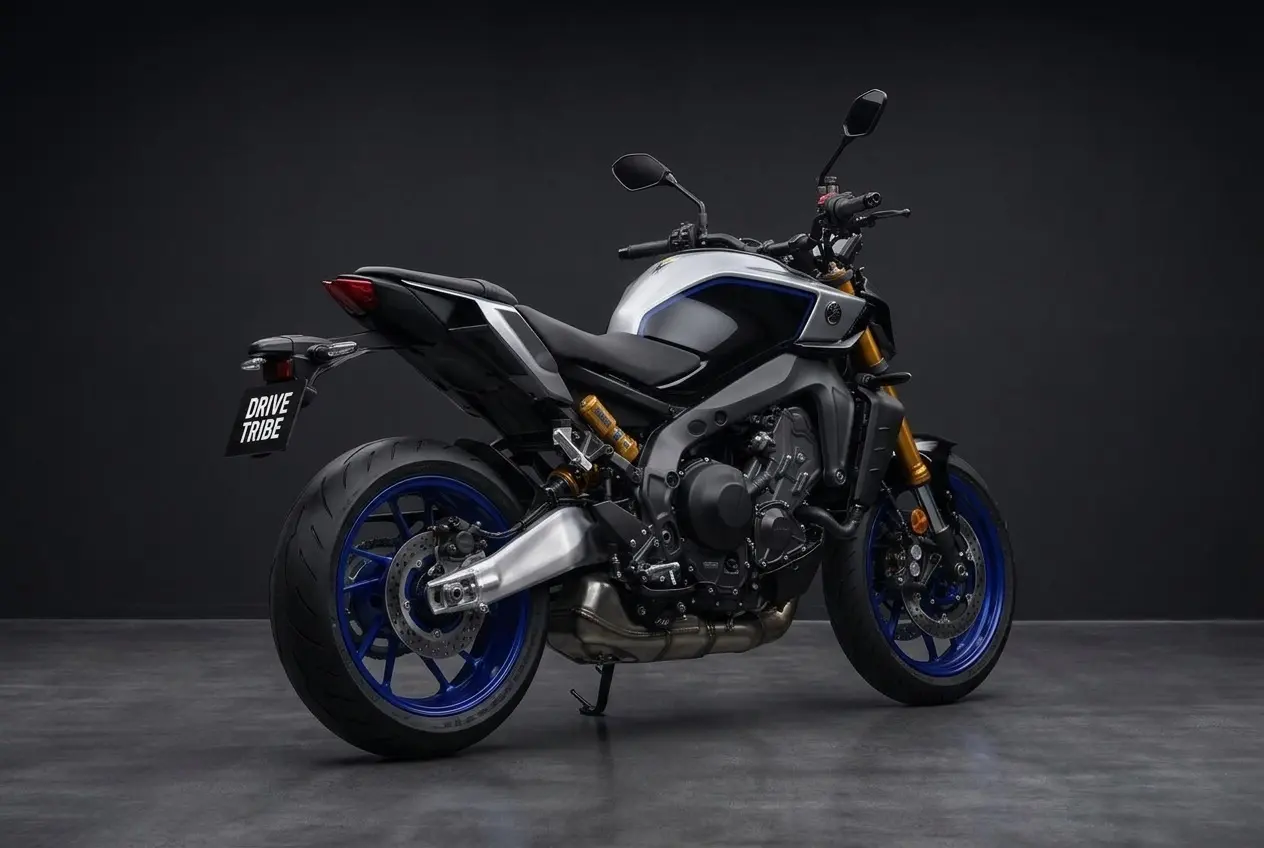
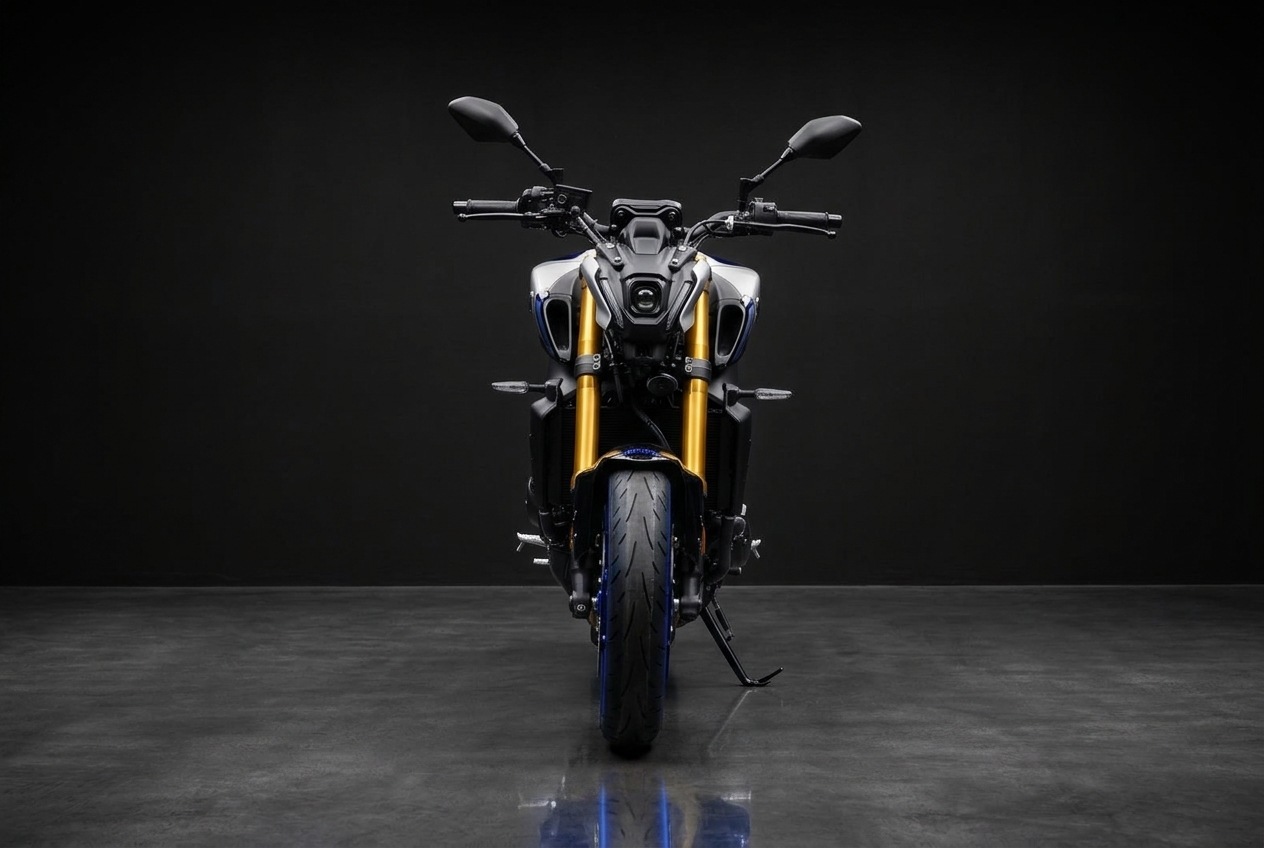
The Yamaha MT-09 SP is an inline three performance naked bike with premium adjustable suspension and strong brakes. Its naked design keeps the road ahead clearly in view, which is exactly what a bridge crossing demands. Gold front forks add a striking look, and the bike responds predictably when you ease on and off the throttle through a crosswind.
Start your bridge riding on a quiet morning and build up to busier crossings as your confidence grows. The MT-09 SP gives you plenty of control for steady, relaxed riding, so you can focus on the wind, the surface and the traffic around you rather than fighting the bike. Smooth, patient riding is the most reliable way to enjoy any bridge.
When you are ready, you can read the full details and check availability on the Yamaha MT-09 SP page. If you would like to compare the rest of our machines first, the fleet index lists every bike we rent.
Frequently asked questions
Are bridges always dangerous on a motorcycle?
No. Bridges are a normal part of riding, and most crossings are straightforward when you prepare. The main risks are crosswinds, expansion joints and changes in surface grip. Slow down before the span, keep your inputs smooth and hold a steady line. With a little practice, a bridge becomes just another section of road that you cross calmly.
What should I do if a gust pushes the bike sideways?
Keep your elbows soft, look where you want to go and make small, progressive steering inputs. Avoid gripping the bars tightly, because tension makes the bike harder to control. Ease the throttle slightly rather than closing it, then return to your normal speed once the gust has passed. Stay calm, and do not brake hard in the middle of the bridge.
Should I brake on a bridge if the traffic slows?
Brake gently and only if you must. Braking hard mid-span can unsettle the bike, especially on painted lines, expansion joints or wet grated sections. Reduce speed before the bridge where possible, and keep a generous gap to the vehicle ahead. If you need to stop on a bridge, use smooth pressure and keep the bike upright until the traffic clears.
Is it safe to ride under an overpass on a wet day?
Care is needed. Shaded areas under overpasses can stay damp and slippery even after the road outside has dried. Remove sunglasses before entering the shade, keep your speed moderate and avoid sudden lean changes. When you emerge into daylight, expect a gust or a change in surface. Take a moment to check the road before increasing your speed.
Which time of day is best for a bridge-focused ride?
Early morning is often the best choice, when winds are usually calmer and traffic is lighter. Autumn and spring offer steadier conditions than summer afternoons, when sea breezes can gust across exposed structures. Plan your start after 6am, and check the forecast before you leave. If the wind is strong, choose a different route or wait for a calmer window.
What if the wind looks too strong to cross?
Trust your judgement. If trees are thrashing, dust is lifting across the road or large vehicles are swaying in the lane, the bridge can wait. Turn back, take a lower route or pick a different day. Crossing an exposed span in strong gusts is a choice that offers no reward, and a rider who waits for a calmer window usually enjoys the ride far more. Stopping early is always a sensible decision on a motorcycle.
Ready when you are. Pick your dates and book the Yamaha MT-09 SP online, or call us and we will sort it with you.
Book NowCall 0468 011 118